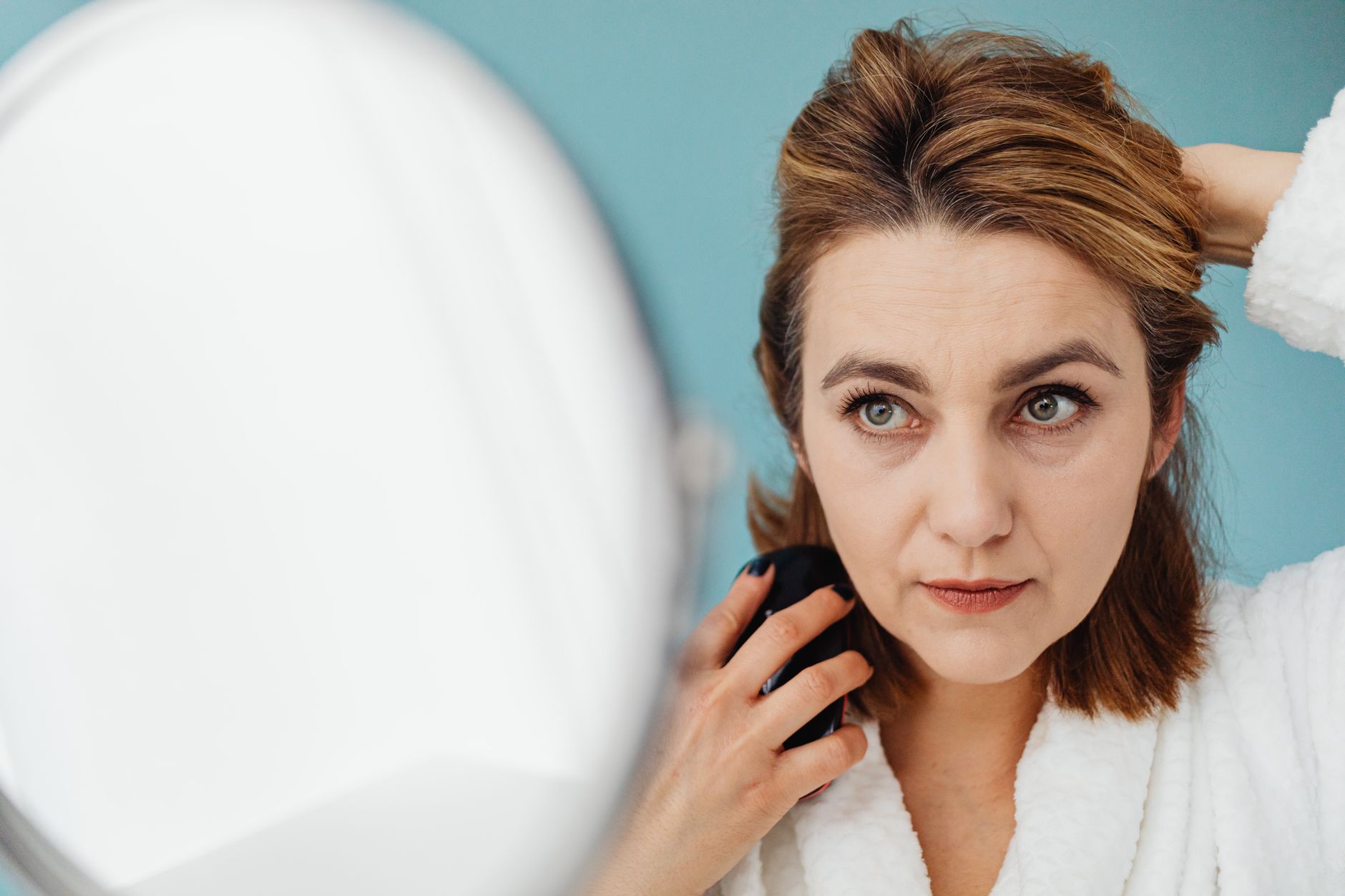
While postpartum hair loss is primarily hormonal and temporary, ensuring your body has adequate levels of key nutrients can support healthy hair growth and overall vitality during this demanding time. It's like giving your body the best building blocks as it works to restore balance. Here are some of the most beneficial vitamins and minerals for hair health, along with what current evidence suggests about their role in postpartum shedding.
Key Nutrients for Hair Health
-
Biotin (Vitamin B7): Often hailed as the "hair vitamin," biotin is crucial for the production of keratin, the primary protein that makes up your hair, skin, and nails. While true biotin deficiency is rare, some research suggests that supplementation could improve hair thickness and reduce shedding in individuals with underlying deficiencies or conditions that affect biotin metabolism. For postpartum hair loss, its role is more supportive, helping the new hair growing in to be strong and healthy.
-
Iron: Iron deficiency (anemia) is a common cause of hair loss, and many women experience depleted iron stores after childbirth, especially if they had significant blood loss. Iron is essential for red blood cells to carry oxygen to your hair follicles, promoting growth. Low iron can lead to diffuse hair thinning.
-
Zinc: This mineral plays a vital role in hair tissue growth and repair. It also helps keep the oil glands around the follicles working properly. Zinc deficiency can lead to hair loss, so ensuring adequate intake is important for healthy hair cycles.
-
Vitamin D: Emerging research points to vitamin D's role in hair follicle cycling. Low levels of vitamin D have been linked to various forms of hair loss, including telogen effluvium. Maintaining optimal vitamin D levels may support the healthy progression of hair through its growth phases.
-
Folic Acid (Vitamin B9): Folic acid is essential for cell growth and tissue development, including the cells in your hair follicles. It works closely with other B vitamins to support overall cellular health and can be beneficial for promoting new hair growth.
-
Omega-3 Fatty Acids: Found in fish oil and certain plant oils, omega-3s are anti-inflammatory and can support scalp health, which is crucial for healthy hair growth. They may also contribute to hair density and shine.
-
Collagen: As the most abundant protein in the body, collagen is a major component of connective tissues, including those in the skin and hair follicles. While direct evidence for collagen supplements specifically stopping postpartum hair loss is still developing, it provides amino acids that are building blocks for keratin, and some people report improved hair strength and growth.
Supplementing Safely: What to Look For
When considering supplements, look for reputable brands that offer third-party testing for purity and potency. Many prenatal vitamins already contain a good range of these nutrients, and continuing a high-quality prenatal or a targeted postpartum vitamin can be a good starting point. Always discuss any new supplements with your healthcare provider, especially while breastfeeding.
Quick Guide to Hair-Supporting Supplements
Here's a table summarizing common recommendations for key hair-supporting nutrients. Remember, these are general guidelines, and your individual needs may vary.
What are the Best Vitamins for Postpartum Hair Loss While Breastfeeding?
Navigating supplementation while breastfeeding requires an extra layer of caution and careful consideration. What you consume can pass to your baby through breast milk, so safety is paramount. The good news is that many of the vitamins beneficial for postpartum hair loss are also safe and even recommended during lactation, often found in a good quality postnatal vitamin.
Prioritizing Safety and Essential Nutrients
The primary goal is to ensure both you and your baby are receiving adequate nutrition. Continuing your prenatal vitamin or switching to a specially formulated postnatal vitamin is often the best approach. These are designed to meet the increased nutritional demands of breastfeeding and typically contain appropriate levels of key nutrients for both mother and baby.
Here’s a closer look at specific nutrients and considerations for breastfeeding mothers:
-
Biotin: Biotin is considered safe during breastfeeding. The recommended daily intake for lactating women is slightly higher than for non-lactating women (around 35 mcg vs. 30 mcg), reflecting the body's increased needs. Supplements typically contain much higher doses, but these are generally well-tolerated.
-
Iron: Iron is crucial for preventing maternal anemia and supporting energy levels. Iron supplements are safe and often necessary during breastfeeding, especially if you experienced blood loss during delivery or have a confirmed deficiency. Your doctor will advise on the appropriate dosage, often based on blood tests.
-
Zinc: Zinc requirements are higher during lactation (around 12-13 mg per day) to support both maternal and infant health. Supplementation at recommended levels is safe and important.
-
Vitamin D: Vitamin D is essential for bone health in both mother and baby. Many breastfed infants need supplemental vitamin D, and ensuring mothers have adequate levels can contribute to this. Supplementation for the mother is safe and often recommended.
-
Folic Acid (Vitamin B9): Folic acid continues to be important postpartum, especially during breastfeeding, for cell growth and repair. It is safe and included in most postnatal vitamins.
-
Omega-3 Fatty Acids (DHA/EPA): Omega-3s, particularly DHA, are vital for infant brain and eye development and are passed through breast milk. Supplementing with a high-quality, low-mercury fish oil or algal oil is generally considered safe and beneficial for breastfeeding mothers. The American Academy of Pediatrics (AAP) supports maternal intake of DHA.
-
Collagen: Collagen peptides are generally considered safe while breastfeeding, as they are a protein source. However, as with any supplement, it's wise to discuss it with your doctor to ensure it aligns with your individual health profile and needs.
Always Consult Your Healthcare Provider
Before adding any new supplement to your routine while breastfeeding, it is absolutely essential to speak with your OB/GYN, midwife, or a lactation consultant. They can assess your individual needs, check for potential interactions with any medications you're taking, and confirm the safety and appropriate dosage for you and your baby. They can also ensure that any new symptoms aren't indicative of a more serious underlying condition.
When Should You Start Taking Postpartum Hair Loss Vitamins After Birth?
The timing of when to start taking vitamins specifically for postpartum hair loss can feel a bit unclear. The good news is that many women are already taking a comprehensive prenatal or postnatal vitamin, which lays an excellent foundation for hair health from the start.
Continuing Your Prenatal or Postnatal Vitamin
Many healthcare providers recommend continuing your prenatal vitamin for at least the first six weeks postpartum, and often for as long as you are breastfeeding, or even beyond. These vitamins are specifically formulated to support the increased nutritional demands of pregnancy and lactation, which naturally overlap with the period when postpartum hair loss occurs.
If you're already taking a good quality prenatal or have switched to a postnatal vitamin, you're likely covering many of the key nutrients that support hair health, such as folic acid, iron, zinc, and B vitamins. This means you might already be doing what you need to do to support your body through this phase.
Considering Targeted Supplements
If you're noticing significant shedding around 3-4 months postpartum, and you're already on a good multivitamin, you might consider discussing targeted supplements with your doctor. This is the typical timeframe when telogen effluvium peaks. However, it's generally best to wait until your body has had a chance to recover from childbirth (usually around 6-8 weeks postpartum) before introducing new, single-nutrient supplements, unless advised by your doctor for a specific deficiency.
For example, if blood tests reveal an iron deficiency, your doctor might recommend a specific iron supplement sooner rather than later. Otherwise, focusing on a nutrient-rich diet and a good multivitamin for the first few months is often sufficient.
Key Timeline Considerations
- Immediately Postpartum (Weeks 0-6): Focus on recovery, adequate nutrition through diet, and continuing your prenatal/postnatal vitamin. Your body is healing, and intense hair shedding usually hasn't started yet.
- 2-4 Months Postpartum: This is when the hormonal shift typically triggers noticeable hair shedding. If you're not already on a good multi-vitamin, now is a good time to start or ensure you're consistent. If shedding is severe, discuss specific nutrient testing (e.g., iron, vitamin D) with your doctor.
- 6-12 Months Postpartum: Hair growth should gradually begin to normalize. Continuing supportive nutrition remains beneficial.
The most important thing is to listen to your body and consult your healthcare provider. They can offer personalized advice based on your health history, dietary intake, and whether you are breastfeeding.
How Long Does It Take for Postpartum Hair Loss Vitamins to Show Results?
The desire to see quick results when dealing with postpartum hair loss is completely understandable. You're likely feeling frustrated and want to get back to your pre-baby hair as soon as possible. However, it’s important to set realistic expectations when it comes to hair growth and supplement effectiveness.
Understanding the Hair Growth Cycle and Recovery Time
Hair grows slowly. On average, hair grows about half an inch per month. This means that even if a supplement is effectively stimulating new growth, it will take time for that growth to become noticeable. The hair you see shedding today has already been "resting" for a few months. Similarly, any new hair growth needs time to emerge from the follicle and gain length.
Postpartum telogen effluvium typically runs its course over several months. The intense shedding usually peaks around 3-6 months postpartum and can last up to 6-12 months. For many women, hair starts to feel more normal and fuller around their baby's first birthday, though individual timelines can vary.
Timeline for Seeing Results from Supplements
-
Initial Changes (2-4 months): If you're addressing a nutrient deficiency (like iron or vitamin D), you might start to feel general improvements in energy or well-being sooner. For hair, it could take 2-4 months to notice a subtle decrease in shedding or the emergence of new baby hairs around your hairline. These are often fine and wispy at first.
-
Noticeable Improvement (4-6 months): By this point, new hair growth should be more evident, and the overall volume of shedding may have significantly reduced. The baby hairs will have started to gain some length and strength.
-
Significant Recovery (6-12 months): This is when most women report feeling like their hair is largely back to its pre-shedding state, or at least much improved. The new growth will have blended in more, and your hair density should feel more consistent.
It's crucial to remember that vitamins and supplements are primarily supportive. They help ensure your body has the optimal conditions to grow healthy hair as it naturally recovers from the hormonal shifts of postpartum. They don't "stop" the hormonal process of telogen effluvium itself, but rather help mitigate its effects and support robust regrowth.
A reader shared her experience: "I started taking a postnatal vitamin religiously around 4 months postpartum, when my hair was coming out in huge clumps. For the first two months, I felt like nothing was changing, and I was so disheartened. But then, around 6 months, I started seeing tiny new hairs around my temples. By my daughter's first birthday, my hair felt so much thicker, even though those new hairs were still a bit shorter. It really took patience."
Factors Influencing Recovery
- Severity of shedding: More severe shedding might take longer to recover from.
- Nutrient status: Correcting a significant deficiency might show more pronounced results than simply maintaining optimal levels.
- Overall health and lifestyle: Stress levels, sleep quality, and diet all play a role in how quickly your body, and your hair, recover.
- Consistency: Taking supplements consistently as directed is key to their effectiveness.
Be patient with your body. It has done an incredible thing, and recovery takes time. Focus on holistic health, and the hair will follow.
Are There Specific Vitamin Deficiencies Linked to Postpartum Hair Loss?
While the primary driver of postpartum hair loss is hormonal shifts, underlying nutritional deficiencies can certainly exacerbate shedding or hinder healthy regrowth. Pregnancy and breastfeeding are incredibly demanding on your body's nutrient stores, making new mothers particularly susceptible to certain deficiencies. Identifying and addressing these can be a crucial step in supporting your hair's recovery.
Common Deficiencies to Consider
-
Iron Deficiency (Anemia): This is perhaps the most well-established link between a nutrient deficiency and hair loss. Iron is essential for producing hemoglobin, which carries oxygen to your cells, including the hair follicles. If your iron stores are low, your hair follicles may not receive enough oxygen, leading to thinning and shedding. Many women experience some degree of iron depletion after childbirth due to blood loss during delivery. Symptoms beyond hair loss can include fatigue, pallor, shortness of breath, and brittle nails.
-
Vitamin D Deficiency: A growing body of research suggests a connection between low vitamin D levels and various forms of hair loss, including telogen effluvium. Vitamin D plays a role in the hair follicle cycle, particularly in initiating the anagen (growth) phase. Many people, especially those with limited sun exposure, are deficient in vitamin D.
-
Zinc Deficiency: Zinc is vital for cell reproduction, protein synthesis, and hormone balance – all processes crucial for healthy hair growth. A deficiency can lead to hair loss, as well as impaired wound healing, weakened immunity, and changes in taste or smell.
-
Biotin Deficiency: While true biotin deficiency is rare in healthy individuals, pregnancy can increase the risk of marginal deficiency. Biotin is a key component in the production of keratin, the protein that makes up hair. Symptoms of severe deficiency include hair loss, brittle nails, and skin rashes.
-
Folic Acid (Vitamin B9) and Other B Vitamins: B vitamins, including folic acid, are essential for cell metabolism and the production of red blood cells. While a direct link to hair loss from a specific B vitamin deficiency (beyond biotin) might be less common, overall B vitamin status supports healthy cell function and energy production, which indirectly benefits hair.
Getting Tested for Deficiencies
If you are experiencing significant or persistent hair loss, especially if accompanied by other symptoms like extreme fatigue, it's a good idea to talk to your doctor about blood tests. Simple blood work can assess your levels of:
- Ferritin: This measures your body's iron stores, which is a more accurate indicator of iron deficiency related to hair loss than just hemoglobin.
- 25-hydroxyvitamin D: This is the most common test for vitamin D levels.
- Zinc: Blood tests can indicate zinc status.
- Thyroid hormones (TSH, free T3, free T4): To rule out postpartum thyroiditis, which can also cause hair loss.
Identifying and correcting any underlying deficiencies under medical guidance can make a significant difference in how quickly and effectively your hair recovers. Self-diagnosing and over-supplementing can be harmful, so always work with your healthcare provider.
Can Biotin Alone Stop Postpartum Hair Loss, or Do I Need Other Vitamins?
Biotin often gets a lot of attention as the "hair growth vitamin," and it's a popular ingredient in many hair, skin, and nail supplements. It's understandable to wonder if taking biotin alone is enough to combat postpartum hair loss. The simple answer is: probably not alone, and it's not a magic bullet.
Biotin's Role in Hair Health
Biotin, or vitamin B7, is indeed crucial for the health of your hair, skin, and nails. It plays a key role in the metabolism of fats, carbohydrates, and proteins, and is essential for the production of keratin, the primary protein component of hair. In cases of true biotin deficiency (which is rare), supplementation can dramatically improve hair health and reduce loss.
However, for most women experiencing postpartum hair loss, the cause isn't a severe biotin deficiency. As we discussed, the main driver is the dramatic hormonal shift after childbirth, which causes a large number of hairs to enter the resting and shedding phases simultaneously. Biotin can support the health of the *new* hair growing in, ensuring it's strong and robust, but it doesn't directly counteract the hormonal trigger that causes the initial shedding.
Why a Broader Approach is Often Better
Think of hair growth as a complex process that requires many different "building blocks" and optimal conditions. Relying solely on biotin might be like trying to build a house with only one type of brick – you need a whole range of materials and a solid foundation.
Here's why a more comprehensive approach, often involving a range of vitamins and minerals, is generally more effective:
-
Multifactorial Causes: Postpartum hair loss is complex. While hormones are the main culprit, stress, sleep deprivation, and potential nutrient deficiencies (like iron, zinc, or vitamin D) can all play a role. Addressing only one nutrient might not tackle the full picture.
-
Synergistic Effects: Many vitamins and minerals work together. For example, vitamin C enhances iron absorption, and vitamin D influences the function of various cells, including hair follicles. A balanced intake of multiple nutrients often yields better results than mega-dosing on a single one.
-
Addressing Deficiencies: If you have an underlying deficiency in iron, zinc, or vitamin D (which are more common postpartum than a severe biotin deficiency), taking biotin alone won't correct those issues. Correcting specific deficiencies is often more impactful for reducing hair loss than simply adding biotin.
The Best Approach
For most women experiencing postpartum hair loss, the most effective strategy involves:
- Continuing a high-quality postnatal or prenatal vitamin: This ensures a broad spectrum of essential nutrients are being supplied, covering many of the bases for overall health and hair support.
- Addressing specific deficiencies: If blood tests reveal low levels of iron, vitamin D, or zinc, your doctor might recommend targeted supplementation for those specific nutrients.
- Focusing on a nutrient-dense diet: Eating a balanced diet rich in protein, fruits, vegetables, and healthy fats provides your body with the raw materials it needs for healthy hair.
While biotin is a valuable nutrient for hair health, it's rarely the sole solution for postpartum hair loss. A holistic approach that supports overall wellness and nutrient status is more likely to yield noticeable and lasting results.
Do Collagen Supplements Help with Postpartum Hair Shedding?
Collagen has become a buzzword in the wellness world, especially for its purported benefits for skin, nails, and hair. When you're experiencing postpartum hair shedding, it's natural to wonder if adding a collagen supplement could be the answer. Let's explore what the science and anecdotal evidence suggest.
What is Collagen and Its Role in the Body?
Collagen is the most abundant protein in your body, forming the structural framework for your skin, bones, muscles, tendons, ligaments, and yes, your hair. It provides strength, elasticity, and structure to tissues. Your hair follicles are embedded in the skin, which is rich in collagen, suggesting an indirect link to hair health.
How Might Collagen Help Hair?
-
Amino Acid Building Blocks: Collagen is rich in specific amino acids, such as proline, glycine, and hydroxyproline, which are also used to build keratin – the protein that makes up your hair strands. By providing these building blocks, collagen supplements might support the body's ability to produce strong, healthy hair.
-
Antioxidant Properties: Some studies suggest that collagen may have antioxidant properties, which could help combat damage to hair follicles from free radicals. Damage to follicles can impede hair growth.
-
Scalp Health: Since collagen is crucial for skin elasticity and hydration, it might indirectly contribute to a healthier scalp environment, which is fundamental for robust hair growth. A healthy scalp is less prone to inflammation or dryness that could hinder follicles.
Evidence for Postpartum Hair Loss and Collagen
While the general benefits of collagen for hair, skin, and nails are often touted, specific scientific studies directly linking collagen supplementation to a reduction in *postpartum* telogen effluvium are still limited. Most of the evidence for collagen and hair growth comes from general studies or anecdotal reports. Some individuals report a noticeable improvement in hair thickness, strength, and reduced breakage after consistent collagen supplementation.
For postpartum hair loss, collagen is more likely to play a supportive role rather than a direct "cure." It helps provide the raw materials for strong new hair growth as your body naturally recovers from the hormonal shifts. It's not expected to stop the initial shedding phase, which is hormonally driven, but rather to enhance the quality and speed of regrowth.
Safety and Considerations for Breastfeeding
Collagen peptides (hydrolyzed collagen) are generally considered safe for consumption, including while breastfeeding. They are essentially a protein source, broken down into easily digestible amino acids. However, as with any supplement, it's wise to:
- Choose a reputable brand: Look for products that are third-party tested for purity and free from heavy metals or contaminants.
- Discuss with your doctor: Always consult your healthcare provider or a registered dietitian before introducing any new supplement, especially if you are breastfeeding or have underlying health conditions.
In summary, while collagen isn't a direct "fix" for the hormonal cause of postpartum hair loss, it can be a valuable addition to a holistic regimen aimed at supporting strong, healthy hair regrowth. It provides essential building blocks and may contribute to overall hair and scalp vitality.
What are the Potential Side Effects of Postpartum Hair Loss Vitamins?
While vitamins and supplements are generally considered safe, especially when taken at recommended doses, it's important to be aware that they are not without potential side effects. This is particularly true when you're a new mother, possibly breastfeeding, and your body is in a state of recovery and heightened sensitivity.
Common Side Effects to Watch For
-
Digestive Upset: This is one of the most common side effects. High doses of certain vitamins and minerals, especially iron and zinc, can cause nausea, stomach cramps, constipation, or diarrhea. Taking supplements with food can often help mitigate these issues.
-
Iron Overload: While iron deficiency is common postpartum, taking too much iron when you don't need it can be dangerous. Excess iron can build up in organs and cause serious health problems. This is why it's crucial to only supplement iron if a blood test confirms a deficiency and under medical supervision.
-
Interference with Other Medications: Some vitamins and minerals can interact with prescription medications. For example, iron can interfere with the absorption of thyroid hormones, and high doses of vitamin E can have blood-thinning effects. Always inform your doctor about all supplements you're taking.
-
Masking Deficiencies: Taking certain supplements without understanding your true nutritional status could mask an underlying deficiency or medical condition. For example, high doses of folic acid can mask a vitamin B12 deficiency, which can have serious neurological consequences if left untreated.
-
Allergic Reactions: Though rare, some individuals can have allergic reactions to components in supplements, including binders, fillers, or the active ingredients themselves.
-
Biotin Interference with Lab Tests: Very high doses of biotin (often found in hair, skin, and nail supplements) can interfere with certain laboratory tests, particularly those for thyroid function and cardiac biomarkers, leading to inaccurate results. It's important to inform your doctor if you're taking high-dose biotin before any blood tests.
Special Considerations for Breastfeeding Mothers
For breastfeeding mothers, the concern extends to potential effects on the baby. While many vitamins are safe and even beneficial in breast milk, excessively high doses of certain nutrients could theoretically be transferred to the infant, though this is rare with standard, recommended dosages. Always err on the side of caution and consult your doctor before taking any new supplement while nursing.
Reducing the Risk of Side Effects
- Consult Your Doctor: This is the most important step. Your healthcare provider can assess your individual needs, check for deficiencies, and advise on appropriate dosages and potential interactions.
- Stick to Recommended Doses: More is not always better. Adhere to the dosages recommended by your doctor or found on reputable product labels.
- Choose Reputable Brands: Opt for supplements from trusted manufacturers that undergo third-party testing for purity and potency.
- Take with Food: Many supplements are better absorbed and less likely to cause digestive upset when taken with a meal.
- Monitor Your Body: Pay attention to how you feel after starting a new supplement. If you experience any unusual or uncomfortable symptoms, stop taking it and contact your doctor.
The goal is to support your body's recovery and hair health safely and effectively. Thoughtful supplementation, guided by professional advice, is key.
Beyond Supplements: Other Ways to Support Healthy Hair Postpartum
While vitamins and supplements can play a supportive role, they are just one piece of the puzzle. A holistic approach that addresses overall well-being, lifestyle, and gentle hair care can significantly contribute to healthy hair growth and help you feel better during the postpartum period.
Nourishing Your Body Through Diet
What you eat directly impacts the health of your hair. Focus on a balanced, nutrient-dense diet rich in:
-
Protein: Hair is primarily made of protein (keratin), so adequate intake is essential. Include lean meats, fish, eggs, dairy, beans, lentils, and nuts in your diet.
-
Omega-3 Fatty Acids: Found in fatty fish (salmon, mackerel), flaxseeds, chia seeds, and walnuts, these support scalp health and hair shine.
-
Fruits and Vegetables: Rich in antioxidants and vitamins (like Vitamin C, which aids iron absorption), these protect hair follicles from damage. Aim for a variety of colors.
-
Whole Grains: Provide B vitamins, iron, and zinc, all crucial for hair health.
-
Hydration: Drinking plenty of water is vital for overall health, including the health of your skin and scalp.
Gentle Hair Care Practices
Your hair is more vulnerable during this shedding phase, so treat it with kindness:
-
Be Gentle When Washing and Brushing: Avoid vigorous scrubbing or towel-drying. Use a wide-tooth comb or a soft brush, starting from the ends and working your way up.
-
Limit Heat Styling: Excessive heat from blow dryers, straighteners, and curling irons can further damage already fragile hair. Air dry when possible and use heat protectant sprays.
-
Avoid Tight Hairstyles: Pulling your hair back tightly can put stress on the follicles and exacerbate shedding (traction alopecia). Opt for loose styles, soft scrunchies, or simply wear your hair down.
-
Use Mild Products: Choose shampoos and conditioners that are gentle, sulfate-free, and designed for fine or thinning hair. Some women find volumizing products helpful.
-
Consider a Shorter Haircut: While it won't stop the shedding, a shorter style can make thinning less noticeable and hair easier to manage, reducing the feeling of "clumps" coming out.
Managing Stress and Prioritizing Rest
Stress is a known trigger for telogen effluvium. While completely eliminating stress as a new parent is impossible, finding ways to manage it can make a difference:
-
Prioritize Sleep: Easier said than done with a newborn, but try to rest when the baby rests. Even short naps can help.
-
Ask for Help: Don't be afraid to lean on your partner, family, or friends for support with childcare, chores, or simply to give you a break.
-
Mindfulness and Relaxation: Even 5-10 minutes of deep breathing, meditation, or gentle stretching can help calm your nervous system.
-
Gentle Exercise: A short walk outdoors can do wonders for your mood and overall well-being.
By combining targeted nutrition with gentle care and stress management, you're creating the best possible environment for your hair to recover and thrive during this postpartum chapter.
Myth vs. Fact: Postpartum Hair Loss
There are many misconceptions floating around about postpartum hair loss. Let's clear up a few common ones:
Myth: Breastfeeding causes postpartum hair loss.
Fact: While some women notice hair loss while breastfeeding, it's not directly caused by breastfeeding itself. The primary cause is the sudden drop in estrogen after birth, regardless of whether you breastfeed or formula feed. Breastfeeding can delay the return of your period, which can sometimes extend the period of higher estrogen, potentially *delaying* the shedding for some women, but it doesn't cause it.
Myth: If you're losing hair, it means you're vitamin deficient.
Fact: While certain vitamin deficiencies (like iron or vitamin D) can worsen hair loss or hinder regrowth, the primary cause of postpartum hair loss (telogen effluvium) is hormonal. Most women experience it even with adequate nutrition. However, addressing any underlying deficiencies can certainly help support recovery.
Myth: You can stop postpartum hair loss with a special shampoo or treatment.
Fact: Unfortunately, no shampoo or topical treatment can stop the hormonally driven process of postpartum hair loss. These products might make your existing hair look fuller, add volume, or reduce breakage, but they won't prevent the shedding of hairs that have already entered the resting phase due to hormonal shifts. The process has to run its course.
Key Takeaways
- Postpartum hair loss (telogen effluvium) is a normal, temporary hormonal response to childbirth, typically peaking 3-6 months after delivery.
- Key nutrients like Biotin, Iron, Zinc, Vitamin D, Folic Acid, and Omega-3s can support healthy hair growth and overall well-being during recovery.
- Always consult your healthcare provider before starting any new supplements, especially if you are breastfeeding, to ensure safety and appropriate dosage.
- Collagen can provide amino acid building blocks for hair, offering supportive benefits for regrowth, but specific direct evidence for postpartum shedding is still developing.
- Expect to see noticeable results from supplements and lifestyle changes over several months (4-12 months) as hair naturally regrows.
- Beyond supplements, a nutrient-dense diet, gentle hair care, and stress management are crucial for supporting hair health postpartum.
Frequently Asked Questions
What is the best vitamin for postpartum hair loss?
There isn't a single "best" vitamin, as postpartum hair loss is complex. However, a high-quality postnatal vitamin that includes biotin, iron (if deficient), zinc, vitamin D, and folic acid can provide comprehensive support. Always discuss your specific needs with your doctor to determine the most suitable option for you.
How long does it take for hair to grow back after postpartum hair loss?
Hair growth is a slow process. While the intense shedding typically subsides by 6-12 months postpartum, it can take another 4-12 months for new hair to grow to a noticeable length and for your hair to return to its pre-pregnancy density. Patience and consistent care are key during this recovery period.
Can I take biotin while breastfeeding for hair loss?
Yes, biotin is generally considered safe to take while breastfeeding at recommended doses. It's a B vitamin important for hair health. However, as with any supplement, it's best to discuss the dosage and necessity with your healthcare provider or a lactation consultant to ensure it's appropriate for your individual situation.
What helps postpartum hair loss besides vitamins?
Beyond vitamins, a holistic approach is most effective. Focus on a nutrient-rich diet, gentle hair care practices (avoiding tight hairstyles and excessive heat), managing stress through rest and relaxation, and ensuring adequate hydration. These lifestyle factors create an optimal environment for hair regrowth.
When should I worry about postpartum hair loss?
While some shedding is normal, you should consult your doctor if your hair loss is extremely severe, patchy, persists beyond 12-15 months postpartum, or is accompanied by other concerning symptoms like extreme fatigue, unexplained weight changes, or changes in skin or nails. These could indicate an underlying medical condition like a thyroid issue or a significant nutrient deficiency.
Is it normal to lose a lot of hair after pregnancy?
Yes, it is very normal to experience significant hair shedding after pregnancy. This phenomenon, known as postpartum telogen effluvium, affects nearly half of all new mothers. It's caused by the dramatic drop in estrogen levels after childbirth, which causes a large number of hairs to enter the resting and shedding phases simultaneously. The shedding is temporary and typically resolves as your hormones stabilize.
When to See a Doctor or Specialist
While postpartum hair loss is a normal and temporary part of the journey for most women, there are times when it’s wise to seek professional medical advice. Don't hesitate to reach out to your healthcare provider if you experience any of the following:
- Excessive or Patchy Hair Loss: If you're losing significantly more hair than what's typical for telogen effluvium, or if you notice distinct bald patches, it could indicate a different type of hair loss or an underlying condition.
- Persistent Hair Loss: If your hair loss continues beyond 12-15 months postpartum, or if you feel no improvement by your baby's first birthday, it's worth getting evaluated.
- Other Concerning Symptoms: If your hair loss is accompanied by symptoms like extreme fatigue, unexplained weight changes (gain or loss), sensitivity to cold or heat, dry skin, constipation, or changes in mood, it could be a sign of a thyroid issue (like postpartum thyroiditis) or another medical condition.
- No Improvement with Supplements: If you've been consistently taking recommended supplements and following a healthy lifestyle for several months with no noticeable improvement, your doctor can investigate further.
- Concerns While Breastfeeding: Always consult your OB/GYN or lactation consultant before taking any new supplements while breastfeeding, to ensure safety for both you and your baby.
Your OB/GYN or primary care physician can assess your overall health, order relevant blood tests (e.g., for iron, vitamin D, thyroid function), and rule out any underlying medical causes. If necessary, they can refer you to a dermatologist specializing in hair and scalp conditions for further evaluation and management. Remember, this article is for informational purposes only and is not a substitute for professional medical advice, diagnosis, or treatment.

References
- American Academy of Dermatology Association. (n.d.). Hair loss: Types of hair loss. Retrieved from https://www.aad.org/public/diseases/hair-loss/types/telogen-effluvium
- Cleveland Clinic. (2022, November 11). Postpartum hair loss. Retrieved from https://my.clevelandclinic.org/health/diseases/24373-postpartum-hair-loss
- Mayo Clinic. (2022, December 14). Hair loss. Retrieved from https://www.mayoclinic.org/diseases-conditions/hair-loss/symptoms-causes/syc-20372926
- National Institutes of Health. (n.d.). Biotin: Fact Sheet for Health Professionals. Retrieved from https://ods.od.nih.gov/factsheets/Biotin-HealthProfessional/
- National Institutes of Health. (n.d.). Iron: Fact Sheet for Health Professionals. Retrieved from https://ods.od.nih.gov/factsheets/Iron-HealthProfessional/
- National Institutes of Health. (n.d.). Zinc: Fact Sheet for Health Professionals. Retrieved from https://ods.od.nih.gov/factsheets/Zinc-HealthProfessional/
- National Institutes of Health. (n.d.). Vitamin D: Fact Sheet for Health Professionals. Retrieved from https://ods.od.nih.gov/factsheets/VitaminD-HealthProfessional/
- National Institutes of Health. (n.d.). Folate: Fact Sheet for Health Professionals. Retrieved from https://ods.od.nih.gov/factsheets/Folate-HealthProfessional/
- American Heart Association. (2023, August 16). Fish and Omega-3 Fatty Acids. Retrieved from https://www.heart.org/en/healthy-living/healthy-eating/eat-smart/fats/fish-and-omega-3-fatty-acids
- The American College of Obstetricians and Gynecologists (ACOG). (n.d.). Nutrition During Pregnancy. Retrieved from https://www.acog.org/womens-health/faqs/nutrition-during-pregnancy (General nutritional guidance relevant to postpartum needs).