Postpartum bleeding (lochia) typically lasts 4-6 weeks. Learn what’s normal, warning signs, and when to seek help for heavy bleeding or clots after birth.
By Shubhra Mishra — a mom of two who turned her own confusion during pregnancy into BumpBites, a global mission to make food choices clear, safe, and stress-free for every expecting mother. 💛
Check whether any food is safe during pregnancy with the BumpBites Food Safety Checker.
Quick take: Postpartum bleeding, called lochia, usually tapers off within four to six weeks, but the exact timeline depends on how you gave birth, whether you had stitches, and how heavy the flow is. Heavy bleeding that lasts longer than two weeks, or any sudden changes, should prompt a call to your provider.
It’s 2 a.m., you’re curled up on the couch, a warm blanket over your shoulders, and you just noticed a fresh, dark‑red spot on your pad. Your mind jumps to questions: “Is this normal? How long should this keep happening?” You’re not alone—millions of new parents stare at the clock, wondering how long postpartum bleeding will last.
In this guide we’ll walk you through everything you need to know about postpartum bleeding: what lochia is, how long it typically lasts after different types of birth, what “heavy” really means, and when the bleeding might signal a problem. We’ll also cover nutrition, self‑care, emotional recovery, and the red‑flag signs that require urgent medical attention. By the end you’ll have a clear roadmap for the weeks ahead, and a list of questions you can bring to your next appointment.
How long does postpartum bleeding last after a C‑section?
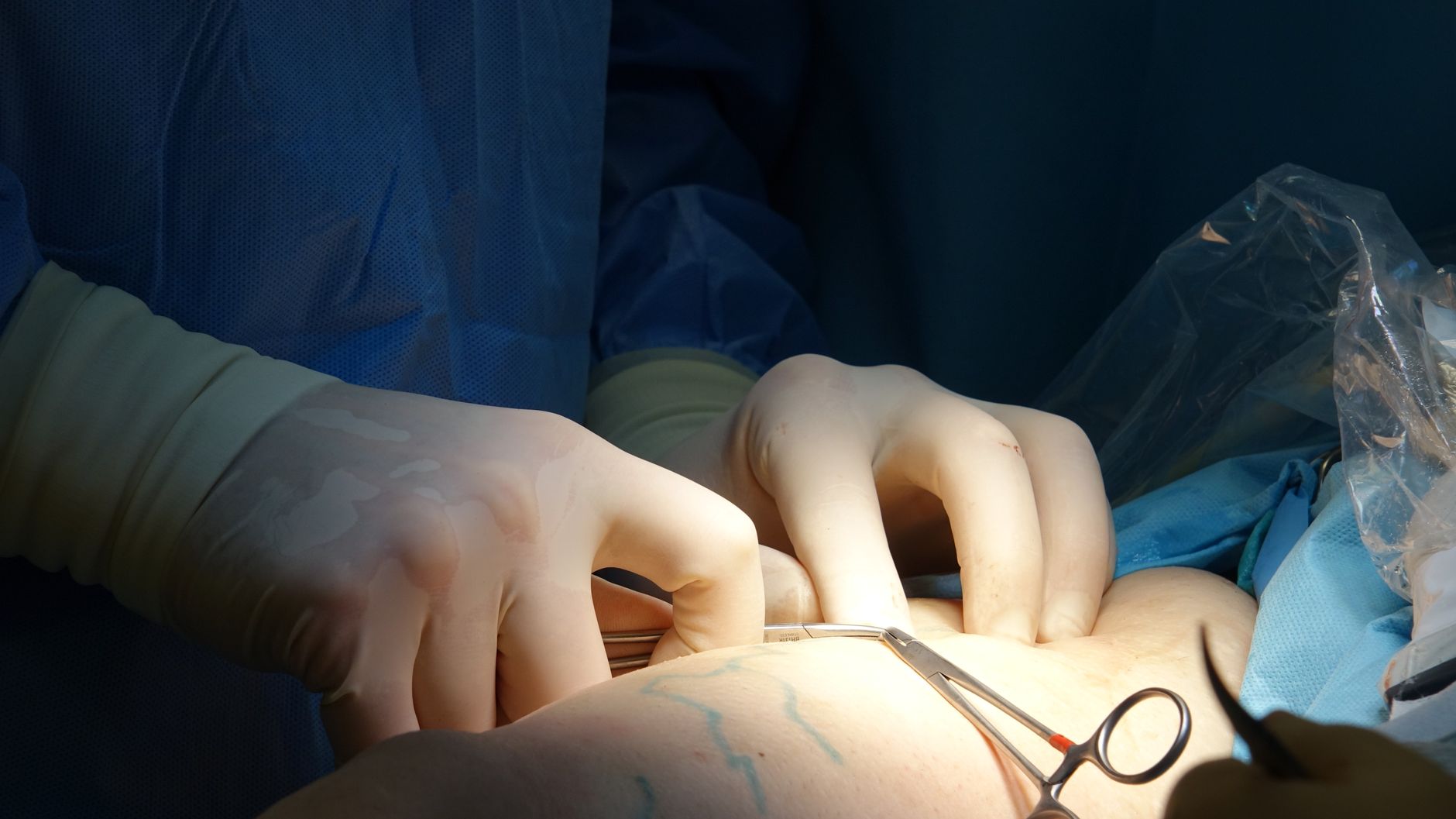
A cesarean delivery (C‑section) involves an abdominal incision, which can affect how long lochia persists. Most women who have a C‑section notice bleeding for about four to six weeks, similar to vaginal births, but the pattern can be slightly different because of the surgical wound.
During the first 3–5 days, the blood may be brighter and flow more heavily as the uterus contracts and the incision site begins to heal. By the end of the first week, the discharge often turns pinkish‑brown and gradually thins. The incision itself can cause a small amount of serous fluid (clear or slightly yellow) to mix with the blood, which is completely normal.
Factors that can extend the bleeding timeline after a C‑section include:
Infection at the incision site, which may keep the uterus inflamed.
Retained placental tissue, which can delay uterine involution.
Uterine atony (the uterus not contracting well), more common after surgery.
Use of certain medications, such as anticoagulants, that affect clotting.
If you notice a sudden increase in volume after the first week, bright red gushes that soak a pad in minutes, or foul‑smelling discharge, contact your provider promptly. These can signal infection, retained tissue, or a rare postpartum hemorrhage.
After a C‑section, the incision heals alongside the uterus, and both influence the duration of lochia.
What is considered a normal length for postpartum bleeding?
Medical societies such as the American College of Obstetricians and Gynecologists (ACOG) define “normal” lochia as a gradual decrease in volume and a change in color over a period of four to six weeks. The first stage—lochia rubra—is bright red and lasts about 3–5 days. Next comes lochia serosa, pinkish‑brown, lasting roughly 1–2 weeks. Finally, lochia alba, a whitish or yellowish discharge, can linger for up to 6 weeks.
It’s common for the first two weeks to feel “heavy,” especially if you’re breastfeeding, because oxytocin released during nursing prompts uterine contractions and can stimulate more blood flow. By the third week, most women report a noticeable slowdown, and by week five the bleeding is often just a few spots.
Variations are normal:
Women who delivered twins or larger babies often experience a slightly longer bleeding phase.
Those who used assisted delivery tools (forceps or vacuum) may have a few extra days of spotting due to tissue trauma.
Underlying clotting disorders (e.g., von Willebrand disease) can prolong or intensify bleeding.
When the bleeding does not follow this general pattern—if it remains bright red beyond two weeks, or if you develop clots larger than a golf ball—seek medical advice.
How long after delivery should I expect bleeding to continue?
The timeline after any type of delivery—vaginal, cesarean, or instrumental—follows a similar three‑phase pattern, but the exact number of days can differ based on individual factors.
Delivery type
Typical lochia duration
Typical heaviness
When to seek care
Vaginal (uncomplicated)
4–6 weeks
Moderate first 3 days, then light
Sudden gushes after day 5, foul odor
Cesarean
4–6 weeks (may be slightly longer)
Heavier first 5 days, possible serous fluid
Increasing redness after day 7, incision redness
Instrumental (forceps/vacuum)
5–7 weeks
Spotting up to 2 weeks
Bleeding beyond 2 weeks with clots
Most women notice a clear decline by the third week. If you’re breastfeeding, the hormone oxytocin can cause “milk‑let” bleeding spikes during nursing sessions, but these are usually brief and not a cause for alarm.
Factors that can stretch the timeline include:
Higher parity (having had several births).
Retained placental fragments.
Use of anticoagulant medication.
Underlying anemia or iron deficiency.
Keep a simple log of pad changes (light, moderate, heavy) and any clots you notice. This record helps your provider assess whether the bleeding pattern is typical for your situation.
How long does heavy postpartum bleeding usually last?
“Heavy” bleeding is often defined as soaking a pad every hour or passing clots larger than a golf ball. In the first 48–72 hours, heavy bleeding can be normal as the uterus expels the remaining placental tissue. However, if heaviness persists beyond two weeks, it may indicate a problem such as sub‑involution, infection, or a postpartum hemorrhage (PPH) that has not fully resolved.
Symptoms that accompany concerning heavy bleeding include:
Sudden dizziness or faintness.
Rapid heartbeat (tachycardia) or low blood pressure.
Severe abdominal cramping that does not ease with rest.
Fever > 38°C (100.4°F) or chills.
When heavy bleeding is identified early, treatment options vary:
Uterine massage or “firm belly rub” to stimulate contraction.
Medication such as oxytocin, misoprostol, or tranexamic acid to reduce bleeding.
In rare cases, a uterine artery embolization or surgical intervention may be necessary.
Nutrition plays a supportive role—iron‑rich foods (spinach, lentils, red meat) and vitamin C (to aid iron absorption) can help rebuild blood stores. Staying hydrated and getting adequate rest also promote uterine healing.
How long does it take to fully recover from postpartum bleeding?
Physical recovery from lochia is just one piece of the postpartum puzzle. While the bleeding itself usually stops by six weeks, the uterus continues to shrink and the pelvic floor muscles regain strength for another 2–3 months. Emotional recovery often parallels the physical timeline, with hormonal shifts, sleep deprivation, and the new parenting role influencing mood.
Key milestones in the recovery process:
Weeks 1–2: Lochia rubra dominates; you may feel crampy, especially when nursing.
Weeks 3–4: Transition to lochia serosa; cramps lessen, and energy slowly improves.
Weeks 5–6: Lochia alba fades; most women feel ready for a light return to exercise.
Weeks 7–12: Uterine involution completes; pelvic floor exercises become more effective.
Self‑care strategies to smooth the journey:
Nutrition: Prioritize lean protein, leafy greens, whole grains, and plenty of water. Iron‑rich meals help offset blood loss.
Rest: Nap when the baby naps; short, frequent rest is more realistic than a single long sleep.
Gentle movement: Walking, pelvic floor (Kegel) exercises, and postpartum‑specific yoga support circulation.
Emotional support: Talk to a partner, join a new‑parent group, or seek counseling if feelings of sadness linger beyond two weeks.
Remember, recovery is individual. If you notice persistent fatigue, worsening cramps, or a resurgence of heavy bleeding after the first month, it’s wise to schedule a follow‑up with your obstetrician or midwife.
Iron‑rich meals can help replenish blood loss and boost energy during the postpartum weeks.
How long does postpartum bleeding last when I have stitches?
Stitches (sutures) are used after episiotomies, tears, or C‑section incisions, and they can influence how long lochia persists. The presence of stitches often means a slightly longer healing window because the tissue needs extra time to close and re‑epithelialize.
Typical timelines:
Episiotomy or perineal tear (vaginal stitches): Lochia may last 5–7 weeks, with the first 2 weeks feeling “heavier” as the perineal tissue heals.
C‑section incision (abdominal stitches): Similar to a standard C‑section timeline—4–6 weeks—but the incision site can emit a small amount of serous fluid that mixes with lochia.
Signs that stitches are affecting bleeding:
Bleeding that seems to come from the stitch line rather than the uterus (e.g., blood soaking a pad near the perineum).
Localized pain, swelling, or a “pin‑prick” sensation around the suture area.
Foul odor or discharge that suggests infection of the wound.
Management tips:
Keep the area clean with warm water and mild, fragrance‑free soap. Pat dry gently.
Use a peri‑bottle or squatty‑type position for toileting to reduce pressure on stitches.
Apply a cold compress for the first 24 hours to limit swelling, then switch to a warm sitz bath after 48 hours to promote circulation.
Wear loose, breathable cotton underwear and change pads frequently to keep the area dry.
If you notice a sudden increase in bleeding from the stitch site, a large clot, or signs of infection (redness, warmth, fever), contact your provider right away. Prompt treatment can prevent complications such as wound dehiscence or deeper infection.
Postpartum hemorrhage: symptoms and treatment options
Postpartum hemorrhage (PPH) is defined by the ACOG as blood loss of > 500 mL after vaginal delivery or > 1000 mL after cesarean. While most cases occur within the first 24 hours (primary PPH), a smaller proportion happen days to weeks later (secondary PPH).
Common symptoms of primary PPH include:
Profuse bleeding that soaks a pad in under an hour.
Sudden drop in blood pressure (feeling faint or dizzy).
Rapid heart rate (over 120 bpm).
Severe abdominal cramps that don’t ease with rest.
Secondary PPH symptoms often manifest as:
Re‑appearance of bright red bleeding after an initial lull.
Foul‑smelling discharge.
Fever or chills indicating infection.
Persistent clots larger than a golf ball.
Treatment pathways differ based on severity:
Uterine massage and administration of uterotonic agents (oxytocin, misoprostol) to stimulate contraction.
Tranexamic acid (TXA) can be given intravenously to help blood clotting, especially in massive hemorrhage.
Balloon tamponade (e.g., Bakri balloon) may be placed inside the uterus to apply pressure.
In refractory cases, surgical interventions such as uterine artery ligation or hysterectomy are considered.
Early recognition is critical. If you notice any of the listed symptoms, call emergency services or go to the nearest labor‑and‑delivery unit right away. Prompt treatment dramatically reduces the risk of severe anemia, shock, or long‑term complications.
Postpartum bleeding and clotting: what to watch for
Blood clotting during the postpartum period is a normal part of healing, but the size and frequency of clots can indicate whether everything is proceeding as expected. Small, grain‑of‑rice‑sized clots are typical, especially in the first week.
Red‑flag clotting signs:
Clots larger than a golf ball (≈2 inches) that appear repeatedly.
Clots that are bright red and soak a pad quickly.
Clots accompanied by a sudden increase in overall bleeding volume.
Underlying clotting disorders (e.g., thrombophilia, von Willebrand disease) can cause either excessive bleeding or, paradoxically, an increased risk of blood clots forming elsewhere (deep‑vein thrombosis). If you have a known clotting disorder, your provider may prescribe prophylactic low‑molecular‑weight heparin (LMWH) after delivery, which can modestly increase lochia volume but reduces the risk of dangerous clots.
Self‑care measures for healthy clotting:
Stay well‑hydrated; dehydration can thicken blood.
Move gently—short walks promote circulation and prevent clot formation in the legs.
Eat foods rich in vitamin K (leafy greens, broccoli) if you’re not on anticoagulants, as vitamin K supports clotting factor production.
Monitor for leg pain, swelling, or shortness of breath, which could signal a DVT and require immediate medical evaluation.
If you experience any of the red‑flag clotting signs, reach out to your obstetrician or midwife promptly, even if you’re otherwise feeling well. Early assessment can differentiate normal lochia clots from a developing hemorrhage or infection.
From our medical team: Postpartum bleeding is a natural, healing process, but every body is unique. If your bleeding pattern feels different—whether it’s heavier, longer, or accompanied by pain—trust your instincts and call your provider. Early communication helps keep you and your baby safe.
Myth vs. fact
Myth: If I’m still bleeding after three weeks, something is seriously wrong.
Fact: Lochia can linger up to six weeks, especially after a C‑section or with stitches. However, any sudden increase in volume, foul odor, or large clots after the second week warrants a medical check.
Myth: I can stop bleeding by taking ibuprofen or aspirin.
Fact: Non‑steroidal anti‑inflammatory drugs (NSAIDs) can actually increase bleeding risk by impairing platelet function. Use acetaminophen for pain unless your provider advises otherwise.
Myth: Bathing will cause infection and worsen bleeding.
Fact: Warm showers or sitz baths are safe after the first 24 hours and can soothe perineal stitches. Avoid soaking in a tub until the incision is fully healed, as prolonged water exposure may irritate the wound.
Key takeaways
Postpartum bleeding (lochia) typically tapers off within 4–6 weeks; heavy bleeding beyond 2 weeks should be evaluated.
Cesarean delivery, stitches, and multiple births can slightly extend the bleeding timeline.
Watch for red‑flag symptoms: rapid gushes, large clots, foul odor, fever, or dizziness.
Support recovery with iron‑rich foods, hydration, gentle movement, and adequate rest.
If you have a known clotting disorder, discuss prophylactic measures with your provider.
Never hesitate to call your healthcare team if bleeding patterns change or you feel unwell.
Frequently asked questions
How much bleeding is normal after giving birth?
Normal lochia starts as bright red bleeding that can soak a pad every hour for the first 3–5 days, then gradually lightens to pinkish‑brown and finally to a whitish or yellowish discharge over 4–6 weeks.
What color is postpartum bleeding supposed to be?
It progresses from red (lochia rubra) to pink‑brown (lochia serosa) and ends as white or yellow (lochia alba). Any sudden change back to bright red after the first week should be evaluated.
Can postpartum bleeding be heavy?
Yes, especially in the first few days. Heavy bleeding means soaking a pad in under an hour or passing clots larger than a golf ball. If heaviness continues past two weeks, contact your provider.
How long does it take for postpartum bleeding to stop?
Most women see bleeding subside within 4–6 weeks, but the exact duration depends on delivery type, presence of stitches, and individual healing factors.
What are the signs of postpartum hemorrhage?
Key signs include sudden gushes that soak a pad quickly, dizziness, rapid heartbeat, low blood pressure, severe cramping, and foul‑smelling discharge. These require immediate medical attention.
Can I take a bath with postpartum bleeding?
After the first 24 hours, a gentle shower or sitz bath is safe and can soothe perineal stitches. Avoid soaking in a tub until your incision or stitches are fully healed.
When to call your doctor
If you notice any of the following, seek medical care right away: sudden gushes that soak a pad in minutes, clots larger than a golf ball, bright red bleeding after the first week, foul‑smelling discharge, fever > 38°C (100.4°F), dizziness, rapid heartbeat, or worsening pain at the incision or perineal area. This information is for educational purposes only and does not replace personalized medical advice.
References
American College of Obstetricians and Gynecologists (ACOG). “Postpartum Hemorrhage.” Clinical Guidance, 2022.
National Institute for Health and Care Excellence (NICE). “Postnatal Care.” NG128, 2021.
World Health Organization (WHO). “Maternal Postpartum Care.” Recommendations, 2021.
Centers for Disease Control and Prevention (CDC). “Postpartum Hemorrhage.” Fact Sheet, 2023.
Royal College of Obstetricians and Gynaecologists (RCOG). “Postnatal Hemorrhage.” Green‑top Guideline, 2020.
Mayo Clinic. “Lochia: What Is Normal After Delivery?” Patient Education, 2023.
National Health Service (NHS). “Bleeding After Childbirth.” Guidance for Parents, 2022.
American Academy of Pediatrics (AAP). “Breastfeeding and Postpartum Recovery.” Clinical Report, 2021.
Not sure about the label on Postpartum Bleeding How Long products?
Snap the ingredients list and SafeFilter checks every ingredient for your stage — only 3 free scans this month, then you're locked until reset. Unlimited from $7/mo or $50/yr.
When Shubhra Mishra was expecting her first child in 2016, she was overwhelmed by conflicting food advice — one site said yes, another said never. By the time her second baby arrived in 2019, she realized millions of mothers face the same confusion.
That sparked a five-year journey through clinical nutrition papers, cultural diets, and expert conversations — all leading to BumpBites: a calm, compassionate space where science meets everyday motherhood.
Her long-term vision is to build a global community ensuring safe, supported, and free deliveriesfor every mother — because no woman should face pregnancy alone or uninformed. 🌿
🌍 Stand with mothers, shape safer guidance
Join a small circle of experts who review BumpBites articles so expecting parents everywhere can decide with confidence.