Quick take: Postpartum anxiety often shows up as racing thoughts, constant worry, or physical tension within weeks of birth. It’s different from the “baby blues” and can affect sleep, breastfeeding, and bonding. If anxiety feels overwhelming, persistent, or interferes with caring for yourself or your baby, reach out to a health professional. You can also use self‑care strategies and support networks while you get help.
Imagine it’s 2 a.m.; you’ve just fed your newborn, the house is quiet, and a wave of “what‑if” thoughts floods your mind. You wonder if you’re doing enough, if something’s wrong, or if you’ll ever feel like yourself again. That frantic mental chatter is more common than you think, and it’s called postpartum anxiety.
Many new moms expect a few mood swings after delivery, but when worry turns into relentless fear, it’s a signal to pay attention. In this guide we’ll walk through the postpartum anxiety signs to look for, how they differ from postpartum depression, what physical health issues can arise, and practical steps you can take—whether you’re looking for medication‑free coping tools or professional treatment. We’ll also explore how birth type, breastfeeding, and partner support play into the picture, and give you a clear checklist, resources, and red‑flag signs that mean it’s time to call a doctor.
By the end of this article you’ll have a concrete plan: you’ll know what to watch for, how long symptoms might linger, which resources are available, and how to protect both your well‑being and your baby’s development.
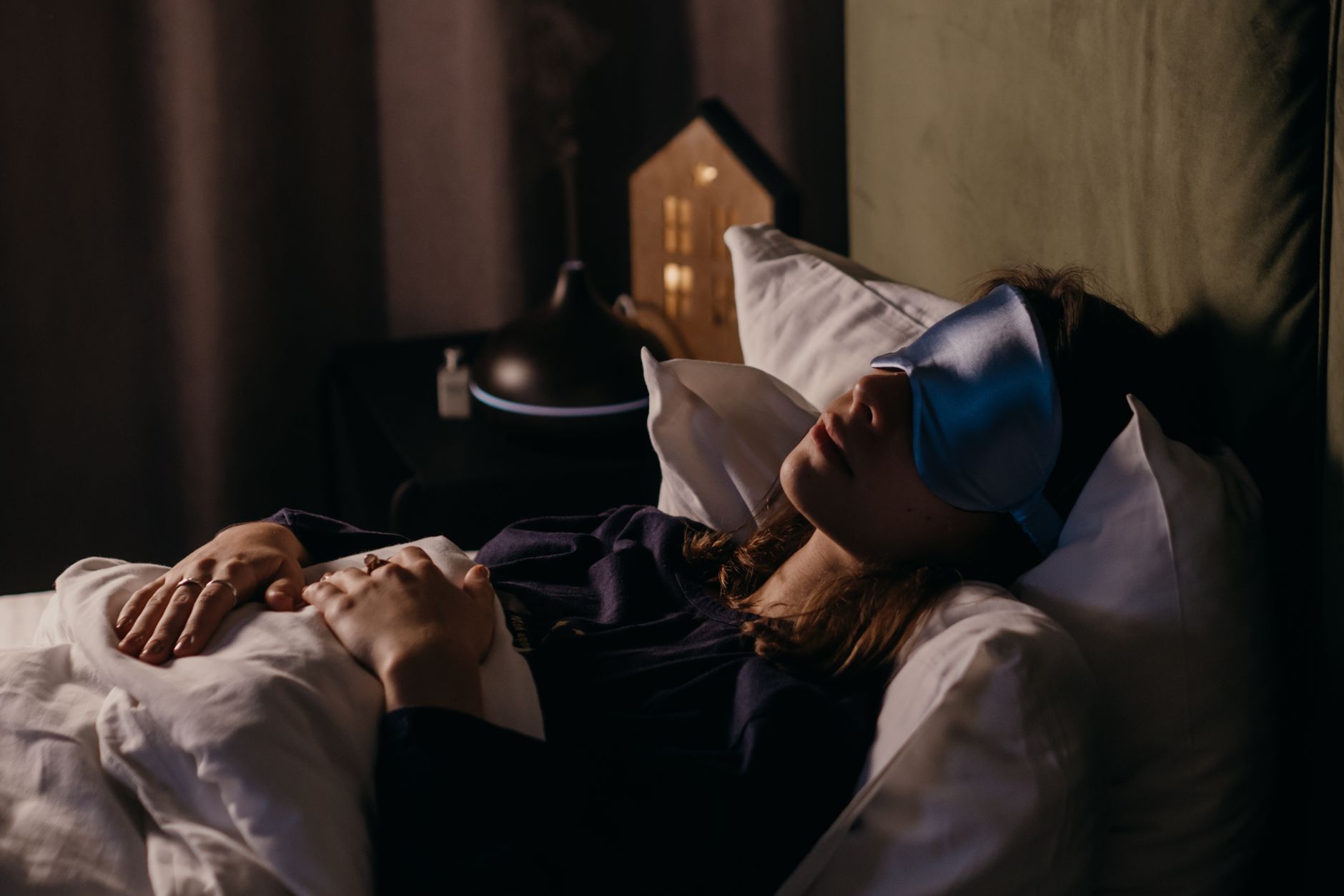
What are the early signs of postpartum anxiety in new mothers?
Early postpartum anxiety often appears within the first few weeks after birth, but it can surface anytime in the first year. The anxiety may feel like a vague unease or a specific, intrusive worry.
Postpartum anxiety checklist for new moms
- Persistent worry about the baby’s health, safety, or future
- Racing thoughts that make it hard to fall or stay asleep
- Feeling on edge or unable to relax, even in calm moments
- Physical tension: muscle aches, headaches, stomach upset
- Heart racing, shortness of breath, or feeling “panicky” without a clear trigger
- Difficulty concentrating; feeling “foggy” while caring for the infant
- Sudden urges to check on the baby repeatedly (e.g., “Did I lock the nursery door?”)
- Excessive need for reassurance from partners, family, or medical staff
Many women describe the anxiety as a “loop” of thoughts that never seems to end. One reader shared, “I was lying in bed, and the next thing I knew I was scrolling through every symptom of infant colic, convinced I’d missed something.” Recognizing these patterns early can prevent escalation.
How to differentiate normal new‑parent worry from anxiety
It’s normal to feel concerned after birth, but anxiety is more intense, prolonged, and interferes with daily functioning. If the worry feels out of proportion, recurs daily, or leads to avoidance of baby‑care tasks, it likely exceeds the typical “baby blues.”

How long does postpartum anxiety typically last after delivery?
Postpartum anxiety doesn’t follow a single timeline. For many, symptoms ease within a few months as hormone levels stabilize and routines settle. However, studies from the American College of Obstetricians and Gynecologists (ACOG) indicate that up to 20 % of women experience anxiety that persists beyond six months, and a smaller subset may have chronic anxiety lasting a year or more.
Key factors influencing duration include:
- Severity of initial symptoms
- Presence of underlying anxiety disorders
- Level of social support and sleep quality
- Whether treatment (therapy or medication) is started early
If anxiety remains intense past three months, or if it’s worsening rather than improving, it’s a sign to seek professional evaluation.
How does postpartum anxiety differ from postpartum depression symptoms?
Both conditions share overlapping features—sadness, irritability, and trouble sleeping—but they have distinct core symptoms.
Postpartum anxiety can co‑occur with depression, but the dominant feeling—worry versus sadness—guides treatment. A clinician will often use screening tools (see below) to tease apart the two.
Can postpartum anxiety cause physical health problems for mom?
Yes. Chronic anxiety triggers the body’s stress response, releasing cortisol and adrenaline that, over time, can affect several systems.
Potential physical health impacts
- Cardiovascular: Elevated blood pressure and increased heart rate, raising long‑term heart disease risk (American Heart Association).
- Gastrointestinal: Stomach cramps, nausea, or irritable bowel symptoms.
- Immune function: Reduced ability to fight infections, making colds more frequent.
- Musculoskeletal: Tension‑related headaches and neck pain.
- Sleep disruption: Chronic insomnia, which further fuels anxiety and impairs healing.
Because postpartum recovery already taxes the body, adding anxiety can delay wound healing after a C‑section or exacerbate postpartum pelvic pain. If you notice persistent physical symptoms, discuss them with your provider—they may be a sign that anxiety needs targeted treatment.
When should I seek professional help for postpartum anxiety?
Knowing when to call for help empowers you to protect both your health and your baby’s development. While occasional worry is normal, these red‑flag signs warrant prompt professional attention:
- Anxiety that feels unmanageable or “out of control” most days
- Physical panic attacks (racing heart, shortness of breath) occurring regularly
- Persistent insomnia that leaves you exhausted
- Thoughts of harming yourself or the baby, even fleeting
- Inability to perform basic infant care (feeding, diapering) due to fear
- Severe muscle tension or headaches that don’t improve with rest
If any of these appear, call your OB‑GYN, primary care provider, or go to the nearest emergency department. For ongoing concerns, a mental‑health professional—such as a psychiatrist, psychologist, or licensed clinical social worker—can provide assessment and treatment.
How to manage postpartum anxiety without medication?
Many mothers prefer non‑pharmacologic approaches, especially while breastfeeding. Below are evidence‑based strategies you can start at home.
Self‑care techniques
- Breathing exercises: 4‑7‑8 technique (inhale 4 sec, hold 7 sec, exhale 8 sec) reduces physiological arousal.
- Grounding: 5‑4‑3‑2‑1 sensory method (name 5 things you see, 4 you feel, etc.) can interrupt intrusive thoughts.
- Gentle movement: Postpartum‑friendly yoga or short walks improve mood and sleep.
- Sleep hygiene: Dark curtains, white‑noise machine, and a consistent bedtime routine help combat sleep deprivation.
- Limit caffeine and sugar: Both can amplify anxiety spikes.
Natural remedies for postpartum anxiety symptoms
While “natural” doesn’t mean risk‑free, several supplements have modest evidence for anxiety reduction:
Always discuss supplements with your provider, especially if you’re breastfeeding, to ensure safety for both you and your baby.
Therapy options
Psychotherapy—particularly Cognitive‑Behavioral Therapy (CBT) and Acceptance & Commitment Therapy (ACT)—has strong support from the American Psychological Association (APA) for reducing postpartum anxiety. Many insurers cover a set number of sessions, and tele‑health platforms make it easier to fit therapy into a newborn’s schedule.
Postpartum anxiety triggers after a C‑section vs vaginal birth
Birth mode can influence the type and intensity of anxiety. A C‑section is a major surgery, often accompanied by concerns about wound healing, scar visibility, and recovery time. Vaginal birth may bring worries about pelvic floor health, tearing, or future deliveries.
Common triggers for each birth type
- C‑section: Fear of infection, pain at incision site, worries about anesthesia effects, anxiety over “surgical scar” aesthetics.
- Vaginal birth: Concerns about perineal tearing, urinary incontinence, pelvic organ prolapse, and the pressure of “natural” expectations.
Regardless of mode, the underlying driver is often a sense of loss of control. Talking openly with your care team about recovery expectations and pain management can alleviate many of these worries.
Impact of postpartum anxiety on breastfeeding and bonding
Anxiety can interfere with the breastfeeding relationship in several ways. Elevated stress hormones (cortisol) may reduce milk supply, and intrusive thoughts can make a mother feel unsafe while feeding.
Practical tips to protect breastfeeding
- Practice skin‑to‑skin contact in short, frequent sessions; this boosts oxytocin, which counters anxiety.
- Use a calm feeding environment: dim lights, soft music, and a comfortable chair.
- Consider a lactation consultant who can address latch issues that may exacerbate anxiety.
- If anxiety feels overwhelming, try expressed milk feeding with a partner’s help to give you a break.
Bonding benefits of anxiety management
When anxiety is managed, mothers often report feeling more present and attuned to their baby’s cues, leading to stronger attachment. Studies from the National Institute of Child Health and Human Development (NICHD) show that reduced maternal anxiety correlates with better infant emotional regulation.
What resources and support are available for postpartum anxiety?
Finding community and professional help can make a big difference. Below are tools, groups, and strategies tailored to new moms.
Screening tools for postpartum anxiety
- Generalized Anxiety Disorder‑7 (GAD‑7) – a brief questionnaire used in many OB‑GYN offices.
- Postpartum Specific Anxiety Scale (PSAS) – designed specifically for the postpartum period.
- Edinburgh Postnatal Depression Scale (EPDS) – includes an anxiety sub‑scale.
Support groups for postpartum anxiety mothers
Many hospitals and community centers host “postpartum wellness” groups. Online options include:
- Postpartum Support International (PSI) virtual circles
- Facebook groups moderated by licensed therapists
- Local “Moms’ Meetup” circles focusing on anxiety management
How partners can help with postpartum anxiety
- Listen without trying to “fix” everything; simply validating feelings reduces stress.
- Take over nighttime feeds or diaper changes when possible to allow the mother a brief rest.
- Encourage self‑care moments—short walks, showers, or a cup of tea.
- Help monitor for red‑flag symptoms and accompany her to appointments.
Effects of postpartum anxiety on infant development
Persistent maternal anxiety can influence a baby’s stress response system. Research from the University of Cambridge indicates that infants of mothers with untreated anxiety may show higher cortisol levels and heightened reactivity to stimuli. Early intervention helps protect both mother and child.
Postpartum anxiety and sleep deprivation correlation
Sleep loss is both a cause and a consequence of anxiety. A vicious cycle can develop: anxiety makes it hard to fall asleep, leading to more daytime worry. Prioritizing sleep—through shared nighttime duties or brief naps—breaks this loop.
Myth vs. fact
Myth: Postpartum anxiety is just “being nervous” and will go away on its own.
Fact: While some anxiety resolves, up to 20 % of women need professional treatment; early recognition improves outcomes.
Myth: If I’m breastfeeding, I can’t take any medication for anxiety.
Fact: Many anti‑anxiety medications are safe during lactation; your provider can choose the most appropriate option.
Myth: Only mothers with a prior mental‑health history develop postpartum anxiety.
Fact: First‑time anxiety can appear without any previous diagnosis, especially when hormonal shifts and sleep loss combine.
Key takeaways
- Postpartum anxiety often shows up as persistent worry, racing thoughts, and physical tension within weeks after birth.
- It differs from postpartum depression mainly in the emotional tone—fear versus sadness.
- Physical health can be affected: headaches, gastrointestinal upset, and elevated blood pressure.
- Red‑flag symptoms—panic attacks, thoughts of harm, or inability to care for the baby—require immediate professional help.
- Non‑medication strategies (CBT, breathing exercises, sleep hygiene, supplements) are effective for many women.
- Support from partners, lactation consultants, and peer groups can reduce anxiety and protect bonding.
Frequently asked questions
What are the common symptoms of postpartum anxiety?
Typical symptoms include constant worry about the baby’s health, racing thoughts, physical tension (muscle aches, headaches), sleep disturbances, and a need for excessive reassurance. If these symptoms dominate most days, it’s more than ordinary new‑parent concern.
How can I tell if my anxiety after birth is normal?
Normal worry is brief, proportionate, and doesn’t interfere with daily tasks. Anxiety that feels overwhelming, recurs daily, or makes you avoid caring for your baby likely exceeds the “normal” range and warrants evaluation.
Is postpartum anxiety treatable without medication?
Yes. Cognitive‑behavioral therapy, mindfulness, breathing techniques, adequate sleep, and certain supplements (magnesium, omega‑3) have strong evidence. However, medication may be recommended if anxiety is severe or disabling.
When should I call my doctor about postpartum anxiety?
Call promptly if you experience panic attacks, thoughts of harming yourself or the baby, inability to perform basic infant care, persistent insomnia, or any physical symptom that doesn’t improve with rest.
Can postpartum anxiety affect my ability to care for my baby?
Severe anxiety can lead to avoidance of feeding, diaper changes, or bonding activities, which may affect the infant’s nutrition and attachment. Early treatment helps restore confidence and caregiving ability.
What lifestyle changes can reduce postpartum anxiety?
Prioritize sleep, limit caffeine, engage in gentle exercise, practice structured breathing, connect with supportive peers, and consider a therapist experienced in perinatal mental health.
When to see a doctor / specialist
If any of the following red‑flag signs appear, schedule an appointment with a qualified professional—preferably an OB‑GYN, perinatal psychiatrist, or licensed therapist:
- Persistent panic attacks or heart‑racing episodes
- Thoughts of self‑harm or harming the baby
- Inability to eat, sleep, or function due to anxiety
- Severe physical symptoms (e.g., high blood pressure) linked to anxiety
- Feelings of hopelessness, worthlessness, or extreme guilt
These symptoms are informational only and do not replace personalized medical advice. Reach out to your health care team for a comprehensive assessment.
References
- American College of Obstetricians and Gynecologists. “Postpartum Anxiety.” ACOG Committee Opinion, 2022.
- American Psychological Association. “Guidelines for the Treatment of Postpartum Anxiety.” APA Publication, 2021.
- American Heart Association. “Stress and Cardiovascular Health.” AHA Scientific Statement, 2020.
- National Institute of Child Health and Human Development. “Maternal Anxiety and Infant Development.” NICHD Research Report, 2023.
- Harvard T.H. Chan School of Public Health. “Omega‑3 Fatty Acids and Mood.” Nutrition Review, 2021.
- Postpartum Support International. “Screening Tools for Postpartum Anxiety.” PSI Clinical Resources, 2022.
- National Institute of Mental Health. “Generalized Anxiety Disorder.” NIMH Fact Sheet, 2022.
- World Health Organization. “Maternal Mental Health.” WHO Guidelines, 2022.



