

Quick take: A well-planned plant-based diet can meet all nutritional needs during pregnancy, but it requires extra attention to iron, B12, DHA, calcium, and protein. This sample day includes nutrient-dense foods like lentils, fortified cereals, leafy greens, and chia seeds to support your growing baby’s development. Always consult your provider before making major dietary changes, especially when pregnant.Plant-Based Diet Sample Day of Eating: The Complete 2026 Guide
It was 3:17 a.m., and you were staring at a half-empty fridge, your phone glowing with a notification: "Pregnancy nutrition checklist". You’d been researching plant-based diets for months—it felt right, sustainable, and aligned with your values. But now, with your baby’s first trimester just begun, you’re wondering: Can I really get all the nutrients I need? The fear crept in: What if I’m missing something critical? You typed it into the search bar—"plant-based diet sample day of eating for pregnant women"—and here you are.
You’re not alone. More women than ever are choosing plant-based diets during pregnancy, whether for ethical, environmental, or personal health reasons. But pregnancy is a time when every calorie, every nutrient, counts. The good news? With the right planning, a plant-based diet can be safe, nourishing, and even beneficial for you and your baby. The challenge is knowing exactly what to prioritize—especially when you’re already juggling morning sickness, fatigue, and the overwhelming task of meal prep.
This guide is your roadmap. We’ll break down a complete sample day of eating tailored for pregnancy, with a focus on nutrient density, meal prep shortcuts, and how to avoid common pitfalls. You’ll find a day-by-day meal plan, a deep dive into the vitamins and minerals you need to watch, and practical tips to make plant-based pregnancy nutrition work for your life. And yes—we’ll address the big questions: Can you gain enough weight? How do you handle gestational diabetes? What if you’re anemic? By the end, you’ll have a clear, actionable plan to nourish yourself and your baby without stress.
Before we dive in, a quick note: Always check with your healthcare provider before making major dietary changes during pregnancy. While this guide is based on the latest evidence from the American College of Obstetricians and Gynecologists (ACOG) and World Health Organization (WHO), every pregnancy is unique. What works for one woman might not suit another—and your provider can help you customize this plan to your specific needs.
--- ## **A Plant-Based Diet Sample Day for Pregnant Women: Your Nutrient-Focused Meal Plan** You’re probably wondering: What does a day of eating look like when you’re pregnant and plant-based? The key is variety, density, and smart combinations. Below is a sample day designed to meet the increased nutritional demands of pregnancy while keeping meals simple, satisfying, and—let’s be honest—delicious enough to hold your interest through the first trimester’s picky phases. This plan assumes you’re in the second trimester (when energy and appetite often stabilize) and aiming for a healthy weight gain of about 0.5–1 pound per week. If you’re in your first trimester and struggling with nausea, we’ll note adjustments later in the article. --- ### **Breakfast: Chickpea Flour Pancakes with Avocado & Fortified Cereal** **Why it works:** This breakfast is packed with protein, iron, and healthy fats to kickstart your day without leaving you sluggish. Chickpea flour is a fantastic plant-based protein source, while avocado provides essential omega-3s (in the form of DHA precursors) and fiber. **Ingredients (serves 1):** - ½ cup chickpea flour - ½ cup unsweetened almond milk (or fortified soy milk) - 1 tsp ground flaxseed (for extra omega-3s) - ½ tsp cinnamon - ½ tsp baking powder - ¼ tsp turmeric (anti-inflammatory) - ½ avocado, sliced - ½ cup fortified oat cereal (look for B12, iron, and DHA) - 1 tbsp almond butter - 1 small orange (for vitamin C to boost iron absorption) **Instructions:** 1. Whisk chickpea flour, almond milk, flaxseed, cinnamon, baking powder, and turmeric in a bowl until smooth. 2. Heat a non-stick pan over medium heat and pour ¼ cup batter per pancake. Cook until bubbles form, then flip. 3. Serve with sliced avocado, a sprinkle of hemp seeds (for extra protein), fortified cereal, almond butter, and orange slices. **Nutritional highlights:** - **Protein:** 20g (chickpea flour + seeds + cereal) - **Iron:** 6mg (chickpea flour + fortified cereal; pair with vitamin C from orange) - **Folate:** 400mcg (fortified cereal + chickpea flour) - **Calcium:** 300mg (fortified cereal + almond milk) - **Calories:** ~550 (adjust portions based on your needs) **Meal prep tip:** Make a batch of pancake batter in the morning and freeze individual portions. Reheat in the microwave for 30 seconds before cooking. Store avocado separately and add it fresh. ---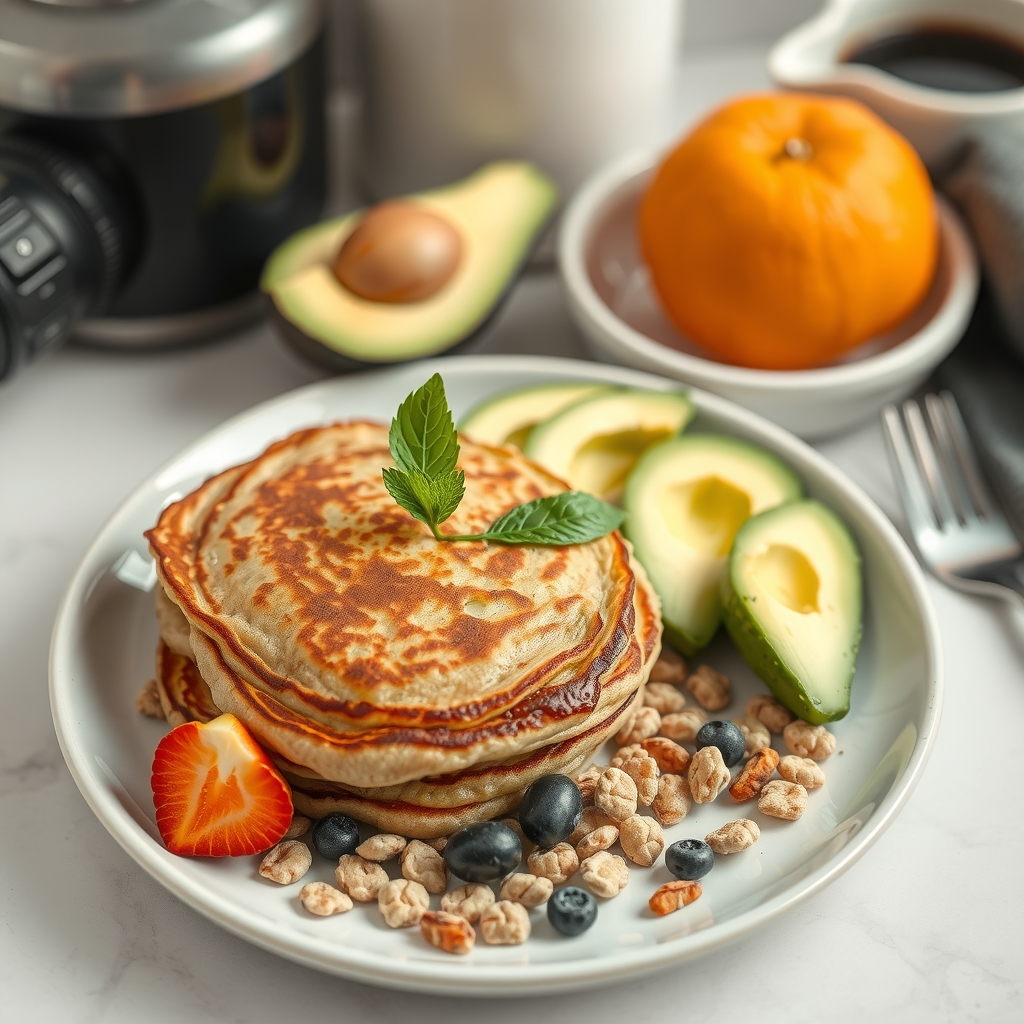 ---
### **Mid-Morning Snack: Hummus & Veggie Wrap with Chia Pudding**
**Why it works:** This snack combines plant-based protein, fiber, and healthy fats to keep you full and energized. The chia pudding adds omega-3s and calcium, while the hummus provides iron and folate.
**Ingredients:**
- 1 whole-grain tortilla
- ¼ cup hummus (store-bought or homemade with tahini)
- ½ cup shredded carrots, cucumber, and bell peppers
- ½ cup pre-made chia pudding (chia seeds + unsweetened almond milk + vanilla + a pinch of salt; made the night before)
- 1 tbsp pumpkin seeds
- 1 small pear (for fiber and natural sweetness)
**Instructions:**
1. Spread hummus on the tortilla, layer with veggies, roll tightly, and slice into pinwheels.
2. Top chia pudding with a drizzle of maple syrup and pumpkin seeds.
3. Pack both for on-the-go eating.
**Nutritional highlights:**
- **Protein:** 12g (hummus + chia seeds + tortilla)
- **Iron:** 3mg (hummus + pumpkin seeds)
- **Calcium:** 200mg (chia pudding + tortilla)
- **Fiber:** 12g (chia + veggies + pear)
- **Calories:** ~350
**Meal prep tip:** Prep chia pudding in advance—it’s a staple for plant-based pregnancies. Store hummus in the fridge for up to a week, or make a double batch and freeze half.
---
## **Plant-Based Diet Sample Day for Pregnant Women: What to Eat for Lunch**
Lunch should be hearty, protein-rich, and easy to reheat—because let’s face it, pregnancy fatigue means you might not always feel like cooking. Below is a lunch that checks all the boxes: lentils for iron and protein, quinoa for complete amino acids, and leafy greens for folate and calcium.
### **Lunch: Lentil & Quinoa Buddha Bowl with Tahini Dressing**
**Why it works:** Lentils are one of the best plant-based sources of iron and protein, while quinoa provides all nine essential amino acids. The tahini dressing adds calcium and healthy fats, which are crucial for your baby’s brain development.
**Ingredients:**
- ½ cup cooked lentils (or 1 can, drained and rinsed)
- ½ cup cooked quinoa
- 1 cup baby spinach or kale (for folate and vitamin K)
- ½ cup roasted sweet potatoes (for vitamin A and fiber)
- ¼ avocado, sliced
- ¼ cup cherry tomatoes
- 2 tbsp crumbled feta cheese (optional, but adds calcium and protein)
- 1 tbsp tahini
- 1 tsp lemon juice
- 1 tsp maple syrup
- 2 tbsp water
- 1 tsp olive oil
**Instructions:**
1. Mix tahini, lemon juice, maple syrup, water, and olive oil in a bowl to make the dressing.
2. Assemble the bowl with quinoa, lentils, spinach, sweet potatoes, avocado, and tomatoes.
3. Drizzle with tahini dressing and sprinkle with feta (if using).
**Nutritional highlights:**
- **Protein:** 18g (lentils + quinoa + tahini)
- **Iron:** 4mg (lentils + tahini)
- **Folate:** 300mcg (spinach + lentils)
- **Calcium:** 250mg (tahini + feta)
- **Fiber:** 15g
- **Calories:** ~500
**Meal prep tip:** Cook a big batch of quinoa and lentils on Sunday and store in the fridge for up to 5 days. Roast sweet potatoes in advance and keep them in the fridge for quick assembly.
---
## **Plant-Based Diet Sample Day for New Moms: Postpartum Recovery Focus**
The first few weeks after birth are a whirlwind of sleep deprivation, hormonal shifts, and—if you’re breastfeeding—even higher nutritional demands. Your sample day should include easy-to-digest foods, lactation-supporting nutrients, and quick meals to fuel your recovery.
### **Postpartum Adjustments:**
- **Hydration:** Aim for at least 3 liters of water daily (more if breastfeeding).
- **Calories:** Increase by 300–500 calories if breastfeeding, focusing on healthy fats and protein.
- **Iron:** Postpartum bleeding can deplete iron stores—prioritize iron-rich foods like lentils, spinach, and fortified cereals.
- **Omega-3s:** DHA is critical for brain development in breastfeeding babies—prioritize flaxseeds, chia seeds, and algae-based DHA supplements if needed.
### **Postpartum Meal Plan Example:**
- **Breakfast:** Overnight oats with almond butter, chia seeds, and banana (easy to grab on the way to the hospital).
- **Lunch:** Lentil soup with whole-grain bread and a side salad (high in fiber and protein).
- **Dinner:** Stir-fried tofu with broccoli, brown rice, and miso-glazed carrots (quick to prepare and nutrient-dense).
- **Snacks:** Smoothies with spinach, frozen berries, flaxseeds, and soy milk; or hummus with crackers.
**Pro tip:** Keep a stash of freezer-friendly meals like soups, stews, or casseroles. Many postpartum moms rely on friends or meal delivery services during this time—don’t hesitate to ask for help!
---
## **Plant-Based Diet Sample Day for High Protein Needs During Pregnancy**
If you’re an active woman or have a higher body mass index (BMI), you may need to prioritize protein even more. The ACOG recommends pregnant women consume about 75g of protein daily, but some women need closer to 100g—especially if they’re physically active or carrying multiples.
### **High-Protein Plant-Based Foods to Include:**
- **Lentils and chickpeas:** 18g protein per cup (cooked).
- **Tofu and tempeh:** 20g protein per ½ cup.
- **Quinoa:** 8g protein per cup (cooked).
- **Hemp seeds:** 10g protein per 3 tbsp.
- **Edamame:** 17g protein per cup.
- **Nuts and seeds:** Almonds (6g per oz), pumpkin seeds (9g per oz).
### **High-Protein Sample Day:**
- **Breakfast:** Tofu scramble with spinach, mushrooms, and whole-grain toast (25g protein).
- **Snack:** Handful of almonds and a protein shake with soy milk and pea protein powder (20g protein).
- **Lunch:** Tempeh and black bean bowl with brown rice (30g protein).
- **Dinner:** Chickpea and spinach curry with lentil dumplings (35g protein).
- **Snack:** Hummus with whole-grain pita (10g protein).
**Pro tip:** Use a protein calculator to estimate your needs based on your weight and activity level. Apps like Cronometer can help track your intake.
---
## **Plant-Based Diet Sample Day for Low Sodium During Pregnancy**
High sodium intake can contribute to swelling (edema) and high blood pressure during pregnancy. If you’re watching your sodium, focus on whole foods, herbs, and spices instead of processed snacks.
### **Low-Sodium Swaps:**
- **Instead of:** Canned soups → Make your own with low-sodium broth.
- **Instead of:** Processed deli meats → Use tempeh or tofu as a meat substitute.
- **Instead of:** Salted nuts → Opt for unsalted nuts and season with cinnamon or cayenne.
- **Instead of:** Frozen meals → Cook from scratch with fresh ingredients.
### **Low-Sodium Sample Day:**
- **Breakfast:** Oatmeal with fresh berries, almond butter, and cinnamon (no salt added).
- **Lunch:** Grilled tofu salad with cucumber, cherry tomatoes, avocado, and balsamic vinegar dressing.
- **Dinner:** Baked sweet potato with black beans, salsa, and guacamole (skip the salted chips).
- **Snacks:** Fresh fruit, roasted chickpeas (seasoned with paprika), and unsalted popcorn.
**Pro tip:** Always check labels for hidden sodium in sauces, broths, and seasoning blends. Opt for herbs like basil, oregano, and garlic for flavor without the sodium.
---
## **Nutrient-Dense Plant-Based Foods for Pregnancy**
Not all plant foods are created equal when it comes to pregnancy nutrition. Below is a breakdown of the most nutrient-dense foods to prioritize, along with their key benefits.
| **Food** | **Key Nutrients** | **Why It Matters for Pregnancy** | **Serving Suggestion** |
|-------------------------|----------------------------------|--------------------------------------------------------------------------------------------------|--------------------------------------------------|
| **Lentils** | Iron, folate, protein | Supports blood volume increase and fetal brain development. | Add to soups, stews, or salads. |
| **Spinach** | Folate, iron, vitamin K | Reduces risk of neural tube defects and supports blood clotting. | Sauté with garlic or blend into smoothies. |
| **Chia Seeds** | Omega-3s (DHA), calcium, fiber | Supports brain development and bone health. | Sprinkle on yogurt or blend into smoothies. |
| **Fortified Soy Milk** | Calcium, vitamin D, B12 | Mimics dairy’s bone-supporting nutrients. | Use in coffee, smoothies, or oatmeal. |
| **Avocado** | Healthy fats (DHA precursors) | Supports fetal brain and eye development. | Mash on toast or add to salads. |
| **Quinoa** | Protein, magnesium, fiber | Provides complete protein and supports muscle and nerve function. | Use as a rice substitute in bowls or salads. |
| **Almonds** | Vitamin E, magnesium, healthy fats | Protects cells and supports hormone production. | Snack on a handful or blend into nut butter. |
| **Broccoli** | Folate, vitamin C, fiber | Supports fetal growth and immune function. | Roast with olive oil and sea salt. |
| **Sweet Potatoes** | Vitamin A, fiber, potassium | Supports vision and immune health. | Bake and top with cinnamon. |
| **Edamame** | Protein, folate, iron | High-protein snack to keep energy levels stable. | Steam and sprinkle with sea salt. |
**Pro tip:** Pair iron-rich foods (like lentils) with vitamin C-rich foods (like bell peppers or citrus) to boost iron absorption by up to 3x.
---
## **Plant-Based Diet for Gestational Diabetes: Key Adjustments**
Gestational diabetes affects about 7% of pregnancies and requires careful management of blood sugar. A plant-based diet can be particularly effective for stabilizing blood glucose because it focuses on whole foods, fiber, and healthy fats—all of which slow digestion and prevent spikes.
### **Key Adjustments for Gestational Diabetes:**
1. **Prioritize low-glycemic foods:** Focus on complex carbs like quinoa, sweet potatoes, and legumes.
2. **Increase fiber:** Aim for 30g+ daily to slow sugar absorption. Great sources include beans, lentils, berries, and chia seeds.
3. **Healthy fats over refined carbs:** Avocado, nuts, and olive oil help balance blood sugar.
4. **Small, frequent meals:** Prevents blood sugar crashes. Example: 3 meals + 2 snacks.
5. **Monitor portion sizes:** Use a food scale if needed to avoid overeating.
### **Sample Day for Gestational Diabetes:**
- **Breakfast:** Chia pudding with almond butter and blueberries (low-glycemic carbs + protein).
- **Snack:** Handful of almonds and an apple with cinnamon.
- **Lunch:** Lentil and quinoa salad with cucumber, tomato, and olive oil dressing.
- **Snack:** Greek-style yogurt (or coconut yogurt) with walnuts and flaxseeds.
- **Dinner:** Grilled tofu with roasted Brussels sprouts and mashed cauliflower.
**Pro tip:** Work closely with a Endocrine Society-certified dietitian to tailor your plan. Many women with gestational diabetes can manage it through diet alone, but some may need insulin.
---
## **Plant-Based Diet for Iron Deficiency During Pregnancy**
Iron deficiency is common in pregnancy and can lead to anemia, fatigue, and even preterm birth. Plant-based diets can be rich in iron, but absorption is lower than in animal sources. To compensate, you’ll need to:
- Eat more iron-rich foods.
- Pair them with vitamin C to boost absorption.
- Avoid calcium-rich foods (like dairy) at the same meal, as calcium inhibits iron absorption.
### **Top Plant-Based Iron Sources:**
- **Lentils:** 6.6mg per cup (cooked).
- **Tofu:** 3.5mg per ½ cup.
- **Spinach:** 6.4mg per cup (cooked).
- **Quinoa:** 2.8mg per cup (cooked).
- **Pumpkin seeds:** 2.5mg per oz.
- **Fortified cereals:** 18mg per serving.
### **Iron-Rich Sample Day:**
- **Breakfast:** Fortified cereal with orange juice and a side of spinach smoothie.
- **Snack:** Handful of pumpkin seeds and a kiwi (vitamin C boost).
- **Lunch:** Lentil soup with a side salad (spinach + bell peppers).
- **Snack:** Hummus with whole-grain pita and a glass of strawberry juice.
- **Dinner:** Tofu stir-fry with broccoli and brown rice.
**Pro tip:** If you’re diagnosed with anemia, your provider may recommend an iron supplement. Take it with vitamin C (like orange juice) and avoid coffee or tea around it, as tannins inhibit absorption.
---
## **Plant-Based Diet for Folate During Pregnancy**
Folate (or folic acid) is critical for preventing neural tube defects in your baby. While folate is naturally found in plant foods, many women take a supplement to ensure adequate intake. If you’re not supplementing, prioritize these foods:
### **Top Folate-Rich Plant Foods:**
- **Lentils:** 357mcg per cup (cooked).
- **Spinach:** 263mcg per cup (cooked).
- **Black-eyed peas:** 221mcg per cup (cooked).
- **Avocado:** 81mcg per ½ medium.
- **Fortified cereals:** 400mcg per serving.
### **Folate-Rich Sample Day:**
- **Breakfast:** Smoothie with spinach, banana, flaxseeds, and fortified soy milk.
- **Snack:** Hummus with whole-grain crackers.
- **Lunch:** Lentil and quinoa salad with avocado.
- **Snack:** Handful of pumpkin seeds and an orange.
- **Dinner:** Black bean and sweet potato tacos with salsa.
**Pro tip:** If you’re not supplementing, aim for at least 400mcg of folate daily. Many prenatal vitamins include folic acid (the synthetic form), which is more easily absorbed.
---
## **Plant-Based Diet for Weight Gain During Pregnancy**
Gaining the right amount of weight during pregnancy is crucial for your baby’s health. The ACOG recommends:
- **Underweight women:** Gain 28–40 lbs.
- **Normal weight women:** Gain 25–35 lbs.
- **Overweight women:** Gain 15–25 lbs.
- **Obese women:** Gain 11–20 lbs.
If you’re struggling to gain weight on a plant-based diet, focus on:
- **Healthy fats:** Avocado, nuts, seeds, olive oil.
- **Calorie-dense snacks:** Nut butters, dried fruit, hummus with pita.
- **Portion control:** Aim for 300–500 extra calories daily if needed.
### **Calorie-Dense Plant-Based Foods:**
- **Avocado:** 320 calories per half.
- **Nuts:** 170 calories per oz.
- **Seeds:** 170 calories per oz.
- **Olive oil:** 120 calories per tbsp.
- **Dried fruit:** 150 calories per ¼ cup.
### **Sample High-Calorie Day:**
- **Breakfast:** Oatmeal with peanut butter, chia seeds, and banana (600 calories).
- **Snack:** Trail mix with nuts, seeds, and dried fruit (300 calories).
- **Lunch:** Chickpea and quinoa salad with tahini dressing (500 calories).
- **Snack:** Smoothie with almond butter, flaxseeds, and coconut milk (400 calories).
- **Dinner:** Lentil curry with brown rice and avocado (600 calories).
**Pro tip:** If you’re not gaining enough weight, your provider may recommend adding a calorie supplement like Ensure or Boost, which can be plant-based if needed.
---
## **Hydration and Supplement Recommendations for Plant-Based Pregnancy**
Staying hydrated is critical during pregnancy, especially if you’re active or living in a hot climate. Aim for:
- **3–4 liters of water daily** (more if breastfeeding).
- **Herbal teas** like hibiscus or raspberry leaf (avoid excessive caffeine).
- **Coconut water** for electrolytes.
### **Essential Supplements for Plant-Based Pregnancy:**
1. **Prenatal Vitamin:** Always take one with folic acid, iron, and DHA. Look for a vegan-friendly brand.
2. **Vitamin B12:** Critical for nerve development—supplement if you don’t eat fortified foods daily.
3. **DHA (from algae):** Supports fetal brain development. Aim for 200–300mg daily.
4. **Vitamin D:** Many plant-based diets are low in vitamin D. Get tested and supplement if needed (1,000–2,000 IU daily).
5. **Iodine:** Some plant-based diets are low in iodine. Use iodized salt or supplement if needed.
**Pro tip:** If you’re vegan, consider a multivitamin with DHA and B12 to cover all bases. Brands like Garden of Life or Nature Made offer vegan options.
---
## **Managing Common Pregnancy Symptoms with a Plant-Based Diet**
Pregnancy comes with its fair share of discomforts—morning sickness, heartburn, constipation, and fatigue. Your diet can help!
### **1. Morning Sickness**
- **Try:** Ginger tea, crackers with almond butter, or small, bland meals.
- **Avoid:** Strong-smelling foods (like garlic or onions) if they trigger nausea.
### **2. Heartburn**
- **Try:** Smaller, frequent meals; avoid citrus and spicy foods; eat a banana or almond milk before bed.
- **Avoid:** Greasy foods, fried foods, and large meals.
### **3. Constipation**
- **Try:** Prune juice, chia seeds soaked in water, and plenty of fiber (lentils, oats, berries).
- **Avoid:** Low-fiber foods like white bread and processed snacks.
### **4. Fatigue**
- **Try:** Iron-rich foods (lentils, spinach) and complex carbs (quinoa, sweet potatoes).
- **Avoid:** Skipping meals or relying on caffeine to get through the day.
### **5. Swelling (Edema)**
- **Try:** Low-sodium foods, hydration, and elevation of your feet at night.
- **Avoid:** Processed snacks and excessive salty foods.
**Pro tip:** Keep a symptom journal to track what foods help or worsen your symptoms. Share this with your provider at your next appointment.
---
## **Meal Prep and Grocery Shopping Tips for Plant-Based Pregnancy**
Meal prepping is your best friend during pregnancy—especially when energy is low. Here’s how to make it work:
### **Grocery List Essentials:**
- **Proteins:** Lentils, chickpeas, tofu, tempeh, edamame, nuts, seeds.
- **Grains:** Quinoa, brown rice, oats, whole-grain bread.
- **Veggies:** Spinach, kale, sweet potatoes, carrots, bell peppers.
- **Fruits:** Bananas, berries, oranges, apples.
- **Healthy fats:** Avocado, olive oil, almond butter, chia seeds.
- **Fortified foods:** Soy milk, fortified cereals, nutritional yeast.
### **Meal Prep Shortcuts:**
1. **Cook a big batch of grains** (quinoa, brown rice) on Sunday and store in the fridge for up to 5 days.
2. **Roast a tray of veggies** (sweet potatoes, Brussels sprouts) to use in meals all week.
3. **Make hummus or lentil soup** in bulk and freeze portions.
4. **Pre-cut veggies** for quick snacks or salads.
5. **Portion out snacks** (nuts, seeds, dried fruit) to avoid overeating.
**Pro tip:** Use freezer-friendly containers for soups, stews, and casseroles. Many plant-based meals reheat well and can be kept in the freezer for up to 3 months.
---
## **Safety Considerations and Common Pitfalls to Avoid**
While a plant-based diet can be safe and nourishing during pregnancy, there are a few pitfalls to watch out for:
### **1. Nutrient Deficiencies**
- **Risk:** Iron, B12, DHA, calcium, and zinc are common deficiencies in plant-based diets.
- **Solution:** Supplement strategically and prioritize fortified foods.
### **2. Low-Calorie Intake**
- **Risk:** Some women struggle to eat enough calories, leading to insufficient weight gain.
- **Solution:** Focus on healthy fats and calorie-dense foods.
### **3. Poor Iron Absorption**
- **Risk:** Phytates in beans and grains can inhibit iron absorption.
- **Solution:** Soak, sprout, or ferment beans; pair iron-rich foods with vitamin C.
### **4. High Oxalate Intake**
- **Risk:** Foods like spinach and beets can contribute to kidney stones in some women.
- **Solution:** Moderate intake and stay hydrated.
### **5. Mercury in Fish Alternatives**
- **Risk:** Some plant-based proteins (like algae) may contain mercury if not sourced carefully.
- **Solution:** Choose reputable brands and opt for DHA from algae supplements.
### **6. Alcohol and Caffeine**
- **Risk:** Alcohol is never safe during pregnancy. Caffeine should be limited to <200mg/day.
- **Solution:** Stick to herbal teas and decaf options.
**Pro tip:** If you’re unsure about any food or supplement, ask your provider. They can help you navigate potential risks and benefits.
---
## **Adjusting Portion Sizes for Weight Gain and Energy Needs**
Pregnancy increases your caloric needs, but not by much until the third trimester. Here’s a general guideline:
| **Trimester** | **Caloric Increase** | **Protein Needs** | **Key Adjustments** |
|---------------|----------------------|--------------------|---------------------------------------------|
| First | 0–300 kcal | 75g | Focus on nutrient density over calories. |
| Second | 300–500 kcal | 100g | Add healthy fats and complex carbs. |
| Third | 450–600 kcal | 125g | Prioritize easy-to-digest, high-calorie foods. |
### **How to Increase Calories Without Feeling Bloated:**
- Add **avocado or nut butter** to meals.
- Snack on **trail mix or roasted chickpeas**.
- Use **olive oil or tahini** in dressings and sauces.
- Choose **whole-grain breads and pastas** over white.
- Include **healthy fats** like nuts, seeds, and coconut milk in smoothies.
**Pro tip:** If you’re struggling to eat enough, try blending foods into smoothies (e.g., spinach, banana, almond butter, and soy milk). You might not notice the volume, but you’ll get the nutrients!
---
## **Myth vs. Fact: Plant-Based Diet and Pregnancy**
Let’s debunk some common misconceptions about plant-based eating during pregnancy.
### **Myth: A plant-based diet is too restrictive for pregnancy.**
**Fact:** While it requires more planning, a well-designed plant-based diet can meet all nutritional needs. The key is focusing on variety, fortified foods, and supplements where needed.
### **Myth: You’ll automatically gain too much weight on a plant-based diet.**
**Fact:** Weight gain depends on portion sizes and food choices, not the diet itself. Many women gain just the right amount by focusing on whole foods and healthy fats.
### **Myth: Plant-based diets cause low energy in pregnancy.**
**Fact:** Fatigue is often due to iron deficiency or poor nutrition, not the diet. A balanced plant-based diet can provide ample energy—especially if you’re eating enough calories and protein.
### **Myth: You can’t get enough protein on a plant-based diet.**
**Fact:** Protein is found in beans, lentils, tofu, tempeh, quinoa, nuts, and seeds. Combining different plant proteins throughout the day ensures you get all essential amino acids.
### **Myth: All plant-based foods are safe during pregnancy.**
**Fact:** Some foods (like raw sprouts, undercooked tofu, or excessive caffeine) can pose risks. Always cook foods properly and avoid high-risk items.
### **Myth: You’ll need to eat twice as much food.**
**Fact:** You only need an extra 300–500 calories daily in the second and third trimesters. Focus on nutrient density over quantity.
---
## **Key Takeaways: Plant-Based Diet for Pregnancy**
Here’s what you need to remember as you plan your meals:
- **Nutrient density > calorie count:** Prioritize foods rich in iron, folate, B12, DHA, and protein.
- **Supplements are your friends:** A prenatal vitamin with DHA and B12 is non-negotiable.
- **Variety is key:** Rotate your plant-based proteins (lentils, tofu, tempeh, quinoa) to avoid deficiencies.
- **Pair foods strategically:** Combine iron-rich foods with vitamin C (like bell peppers or citrus) to boost absorption.
- **Meal prep saves time:** Cook in bulk and freeze portions to avoid stress during busy days.
- **Listen to your body:** If you’re struggling with nausea or fatigue, adjust portions and food choices accordingly.
- **Stay hydrated:** Aim for 3–4 liters of water daily, especially if you’re active or live in a hot climate.
- **Work with your provider:** Regular check-ups ensure you’re meeting all nutritional needs and gaining the right amount of weight.
---
## **Frequently Asked Questions About Plant-Based Diets During Pregnancy**
### **What is a plant-based diet sample day of eating?**
A plant-based diet sample day for pregnancy includes nutrient-dense meals like chickpea flour pancakes for breakfast, lentil and quinoa bowls for lunch, and tofu stir-fries for dinner. Each meal is designed to provide iron, protein, folate, calcium, and healthy fats to support both you and your baby. Snacks like hummus with veggies, chia pudding, and nuts ensure you’re getting enough calories and micronutrients throughout the day.
### **Is a plant-based diet safe during pregnancy?**
Yes, a well-planned plant-based diet is safe during pregnancy. The ACOG and WHO confirm that plant-based diets can meet all nutritional needs if they include fortified foods, supplements (like B12 and DHA), and a variety of whole foods. However, it’s crucial to work with your provider to monitor for deficiencies, especially in iron, B12, and DHA.
### **What nutrients are missing in a plant-based diet for pregnancy?**
The main nutrients to watch for in a plant-based pregnancy diet are:
- **Iron** (critical for blood volume increase).
- **


