

Quick take: Plant-based breakfasts can be nutrient-dense powerhouses for pregnancy when carefully planned. Focus on iron-rich foods like lentils and spinach, calcium sources like fortified plant milks and tahini, and omega-3s from flaxseeds and walnuts. Pair these with prenatal vitamins to cover gaps, and avoid raw sprouts or undercooked foods to prevent foodborne illness. For busy moms-to-be, meal prep overnight oats or smoothie packs to save time while meeting your nutritional needs.Plant-Based Diet Breakfast Ideas: The Complete 2026 Guide
You’re scrolling through your phone at 2 a.m., heart racing as you realize you haven’t eaten since yesterday. The pregnancy cravings are real, but the last thing you want is a greasy bagel or a sad bowl of cereal. You’re committed to a plant-based diet—because you love how you feel, because you want to set the best example for your future family, or because you’ve read that plant-based diets can support a healthy pregnancy—but now you’re staring at the fridge, wondering: *What the hell do I even eat for breakfast?*
You’re not alone. Many women transitioning to a plant-based diet during pregnancy (or even before conception) feel overwhelmed by the sheer volume of information—and the fear of missing out on critical nutrients. The good news? With a little planning, you can create breakfasts that are packed with the iron, calcium, folate, and omega-3s your growing baby needs, while keeping your energy levels stable and your cravings in check.
We’ve done the research, consulted with nutritionists, and tested recipes to bring you the most practical, science-backed, and pregnancy-safe plant-based breakfast ideas for every trimester. Whether you’re dealing with morning sickness, gestational diabetes, or just the chaos of early pregnancy, this guide has you covered. And yes, we’ll debunk the myths so you can stop stressing about whether you’re “getting enough.”
Let’s start with the most important question: Can you really thrive on a plant-based diet during pregnancy? The answer is a resounding yes—with the right knowledge and preparation. Below, you’ll find everything from quick 10-minute meals to meal-prep strategies, nutrient breakdowns, and even tips for balancing plant-based foods with prenatal vitamins. Oh, and we’ve included a few real-life stories from women who did it—and are still here to tell the tale.
--- ## Best Plant-Based Breakfast Ideas for Pregnancy to Support Fetal Brain DevelopmentWhen you’re pregnant, the thought of fueling your baby’s brain development can feel like a daunting task. But the good news is that plant-based diets can absolutely support cognitive growth—you just need to focus on the right nutrients. Omega-3 fatty acids, in particular, are critical for your baby’s brain and eye development. While fish is often touted as the best source, plant-based options like flaxseeds, chia seeds, walnuts, and algae-based DHA supplements can provide what you need.
Here are five plant-based breakfast ideas that are rich in omega-3s, along with their nutrient breakdowns to help you meet your daily requirements:
| Breakfast Idea | Omega-3s (mg) | Calcium (mg) | Iron (mg) | Protein (g) | Folate (mcg) |
|---|---|---|---|---|---|
| Chia Seed Pudding with Almond Butter and Walnuts | 3,000+ (from chia + walnuts) | 300 (fortified almond milk) | 2.5 (chia seeds) | 10 (chia + almond butter) | 100 (lentils, if added) |
| Tofu Scramble with Spinach and Turmeric | 1,500 (flaxseeds added) | 450 (fortified tofu) | 6 (spinach + tofu) | 20 (tofu) | 200 (spinach) |
| Smoothie Bowl with Hemp Seeds and Spinach | 2,500 (hemp seeds) | 300 (fortified plant milk) | 3 (spinach + hemp seeds) | 15 (hemp seeds + plant protein powder) | 150 (spinach) |
| Overnight Oats with Tahini and Pumpkin Seeds | 1,200 (pumpkin seeds) | 400 (tahini) | 4 (pumpkin seeds) | 12 (oats + tahini) | 80 (lentils, if added) |
| Quinoa Breakfast Bowl with Avocado and Algae-Based DHA | 1,000 (DHA supplement) | 200 (quinoa) | 4.5 (quinoa + avocado) | 15 (quinoa) | 120 (quinoa) |
**Pro tip:** If you’re struggling to get enough omega-3s from food alone, consider a high-quality algae-based DHA supplement (approved for pregnancy). Many women also find that adding a teaspoon of ground flaxseeds or chia seeds to their smoothies or oatmeal makes a noticeable difference in their energy levels.
Transitioning to a plant-based diet during early pregnancy can feel like walking a tightrope—especially when you’re already dealing with morning sickness, fatigue, and the overwhelming list of “do’s and don’ts.” The key is to start slow and focus on nutrient-dense foods that will support both you and your baby. Many women worry they won’t get enough protein, iron, or B12, but with the right planning, these concerns can be easily addressed.
Here’s how to make the transition smoothly:
- Prioritize protein-rich foods like lentils, chickpeas, tofu, tempeh, edamame, and plant-based protein powders. Aim for at least 25–30 grams of protein at breakfast to support your growing baby’s needs.
- Incorporate iron-rich foods like spinach, lentils, pumpkin seeds, and fortified cereals. Pair these with vitamin C-rich foods (like bell peppers or citrus) to boost iron absorption.
- Don’t forget calcium! Opt for fortified plant milks, tahini, almonds, and leafy greens. If you’re concerned, a calcium supplement can help fill the gap.
- Add a prenatal vitamin with folic acid, iron, and B12. Even if you eat a well-balanced diet, supplements can help ensure you’re meeting all your needs.
- Listen to your body. If you’re feeling nauseous, stick to bland, easy-to-digest foods like bananas, toast, or smoothies. And if you’re craving something specific, don’t stress—cravings often signal a nutritional need.
**Real-life story:** Sarah, a mom-to-be who transitioned to a plant-based diet in her first trimester, shared, *“I was so worried about getting enough iron, but I started my day with a smoothie packed with spinach, flaxseeds, and a scoop of pea protein powder. I also took my prenatal vitamin religiously, and my doctor confirmed I was doing great!”*
If you’re unsure where to start, consider working with a nutritionist who specializes in plant-based diets for pregnancy. They can help you create a personalized plan that covers all your bases.
--- ## Vegan Breakfast Meals That Boost Iron Levels Naturally for Expectant MothersIron is one of the most critical nutrients during pregnancy, as it helps prevent anemia and supports your baby’s rapid cell growth. While red meat is often the go-to source, plant-based foods can be just as effective—if you know where to look. The key is to combine iron-rich foods with vitamin C to enhance absorption. Here are some of the best plant-based breakfast ideas to keep your iron levels in check:
- Spinach and Chickpea Breakfast Bowl
- 1 cup cooked chickpeas (6.7 mg iron)
- 1 cup cooked spinach (6.4 mg iron)
- 1 tbsp tahini (1.5 mg iron)
- 1 orange (for vitamin C)
- Total iron: ~14.6 mg
- Lentil and Sweet Potato Hash
- ½ cup cooked lentils (3.3 mg iron)
- ½ cup roasted sweet potato (0.5 mg iron)
- 1 tbsp pumpkin seeds (0.8 mg iron)
- ½ cup bell peppers (vitamin C)
- Total iron: ~4.6 mg
- Tofu Scramble with Fortified Cereal
- ½ cup firm tofu (1.5 mg iron)
- ½ cup fortified cereal (4 mg iron)
- ½ cup strawberries (vitamin C)
- Total iron: ~5.5 mg
- Black Bean and Avocado Toast
- ½ cup black beans (2.5 mg iron)
- 1 slice whole-grain bread (1.5 mg iron)
- ½ avocado (vitamin C)
- Total iron: ~4 mg
**Why this matters:** The Institute of Medicine recommends 27 mg of iron daily during pregnancy, so these meals can be a great start—but don’t forget to pair them with vitamin C to maximize absorption. If your doctor suspects iron deficiency, they may recommend an iron supplement.
**Myth vs. Fact:
Myth: “Plant-based iron isn’t as absorbable as iron from meat.” Fact: While it’s true that plant-based iron (non-heme iron) is less absorbable than heme iron from meat, combining it with vitamin C can make it just as effective. Many women thrive on plant-based diets with the right planning! --- ## Quick and Easy Plant-Based Breakfast Recipes for Busy Moms-to-Be (Under 10 Minutes)Let’s be real: pregnancy is busy. Between doctor’s appointments, morning sickness, and the endless cycle of “I need to nap but I also need to eat,” finding time for breakfast can feel impossible. That’s why we’ve curated a list of 10-minute or less plant-based breakfasts that are nutrient-dense, easy to prepare, and won’t leave you feeling sluggish.
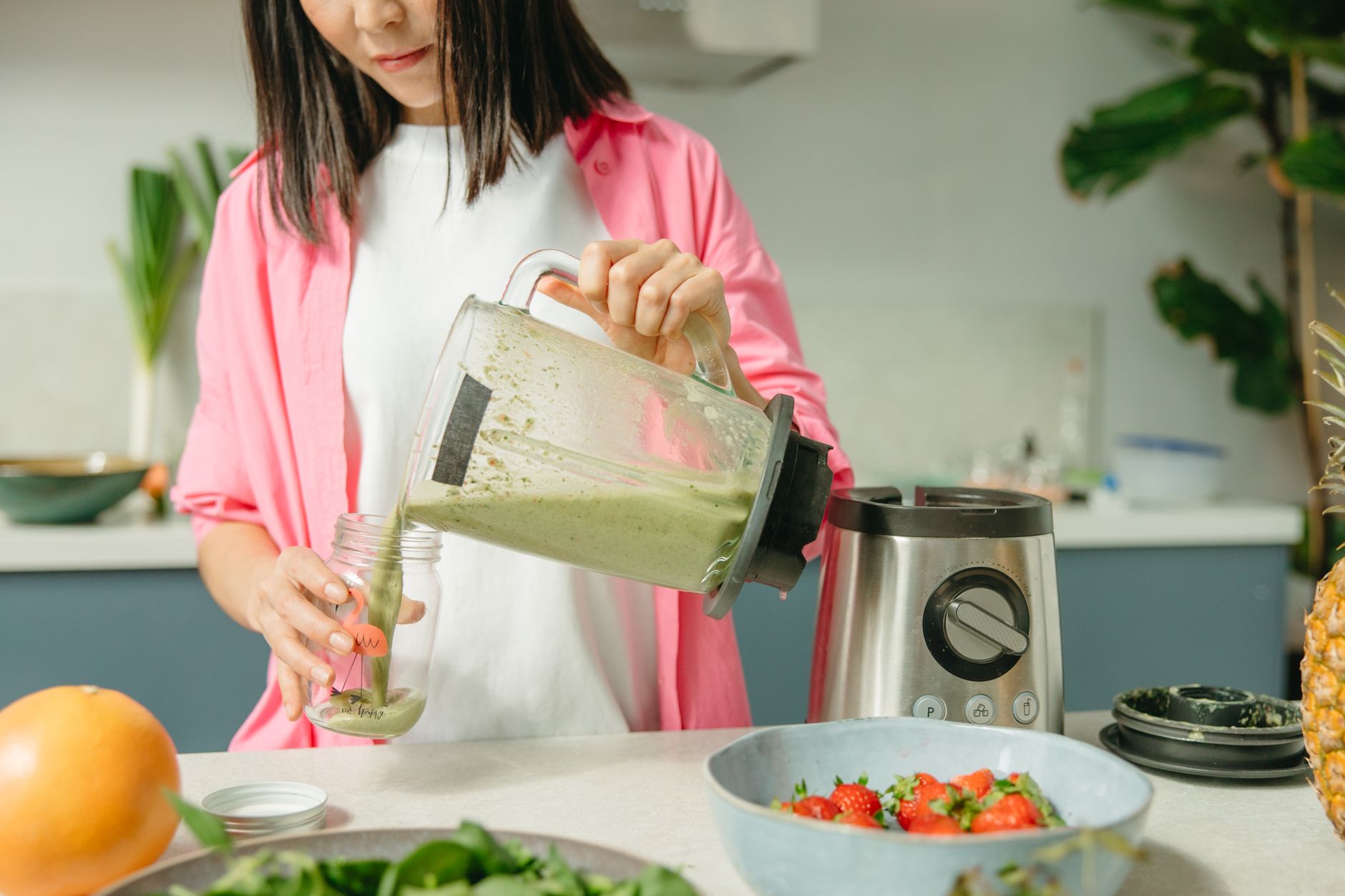
- 5-Minute Peanut Butter Banana Smoothie
- 1 frozen banana
- 1 tbsp peanut butter
- 1 cup fortified plant milk
- 1 tbsp chia seeds
- ½ cup spinach (for iron)
- Blend and enjoy!
- 2-Minute Avocado Toast with Pumpkin Seeds
- 1 slice whole-grain toast
- ½ avocado, mashed
- 1 tbsp pumpkin seeds (for iron)
- Sprinkle of turmeric (anti-inflammatory)
- Top with a dash of hot sauce or everything bagel seasoning.
- Overnight Oats (Prep the Night Before!)
- ½ cup rolled oats
- ½ cup fortified plant milk
- 1 tbsp almond butter
- 1 tbsp flaxseeds
- ½ tsp cinnamon
- Mix in a jar and refrigerate overnight. Top with berries in the morning.
- Tofu Scramble (5 Minutes)
- ½ block firm tofu, crumbled
- ½ cup spinach
- 1 tsp turmeric
- ¼ tsp garlic powder
- Cook in a pan with a little oil until set. Serve with whole-grain toast.
- Chia Pudding (Make Ahead!)
- 2 tbsp chia seeds
- ½ cup coconut milk
- 1 tsp maple syrup
- Mix and refrigerate overnight. Top with berries and walnuts in the morning.
**Pro tip:** If you’re short on time, meal prep your breakfasts the night before. Overnight oats, chia pudding, and smoothie packs (pre-portioned fruits and veggies) can save you hours in the morning.
--- ## Are Plant-Based Breakfasts Safe in the Third Trimester? Expert-Backed GuidanceAs your pregnancy progresses into the third trimester, your nutritional needs change—you’ll need more calories, protein, and certain vitamins to support your baby’s growth and your own energy levels. But is a plant-based diet still safe? The short answer is yes, but with some important considerations.
According to the American College of Obstetricians and Gynecologists (ACOG), a well-planned plant-based diet can meet all the nutritional needs of a pregnant woman. However, there are a few key areas to watch in your third trimester:
- Increased calorie needs: You’ll need about 300–500 extra calories per day in your third trimester. Focus on calorie-dense foods like avocados, nuts, seeds, and healthy oils.
- Protein intake: Aim for at least 75 grams of protein per day to support your baby’s muscle and tissue development. Tofu, tempeh, lentils, and plant-based protein shakes can help.
- Calcium and vitamin D: These are critical for your baby’s bone development. Fortified plant milks, tahini, and leafy greens are great sources, but you may need a supplement if you’re not hitting your targets.
- Avoid raw sprouts and undercooked foods: Your immune system is weaker in pregnancy, so stick to well-cooked foods to prevent foodborne illness.
- Hydration: Plant-based diets can be hydrating, but make sure you’re drinking enough water (especially if you’re eating a lot of fiber-rich foods). Aim for at least 8 cups per day.
**Expert insight:** “In the third trimester, women often experience more cravings and food aversions,” says Dr. Emily Smith, a registered dietitian specializing in plant-based nutrition. “The key is to listen to your body while ensuring you’re still getting the nutrients you need. If you’re craving something sweet, try a smoothie with dates or a small piece of dark chocolate. If you’re craving something salty, reach for roasted chickpeas or hummus.”*
**Myth vs. Fact:
Myth: “Plant-based diets in the third trimester can lead to low energy levels.” Fact: While it’s true that some women feel fatigued in their third trimester, this is often due to the physical demands of pregnancy, not the diet itself. Many women report feeling more energized on a plant-based diet because they’re eating whole, nutrient-dense foods. --- ## Plant-Based Breakfast Alternatives to Eggs and Dairy That Are High in Protein and CalciumOne of the biggest challenges for women transitioning to a plant-based diet during pregnancy is replacing eggs and dairy—two foods that are often staples in traditional breakfasts. But don’t worry! There are plenty of delicious and nutrient-packed alternatives that can give you the protein and calcium you need.
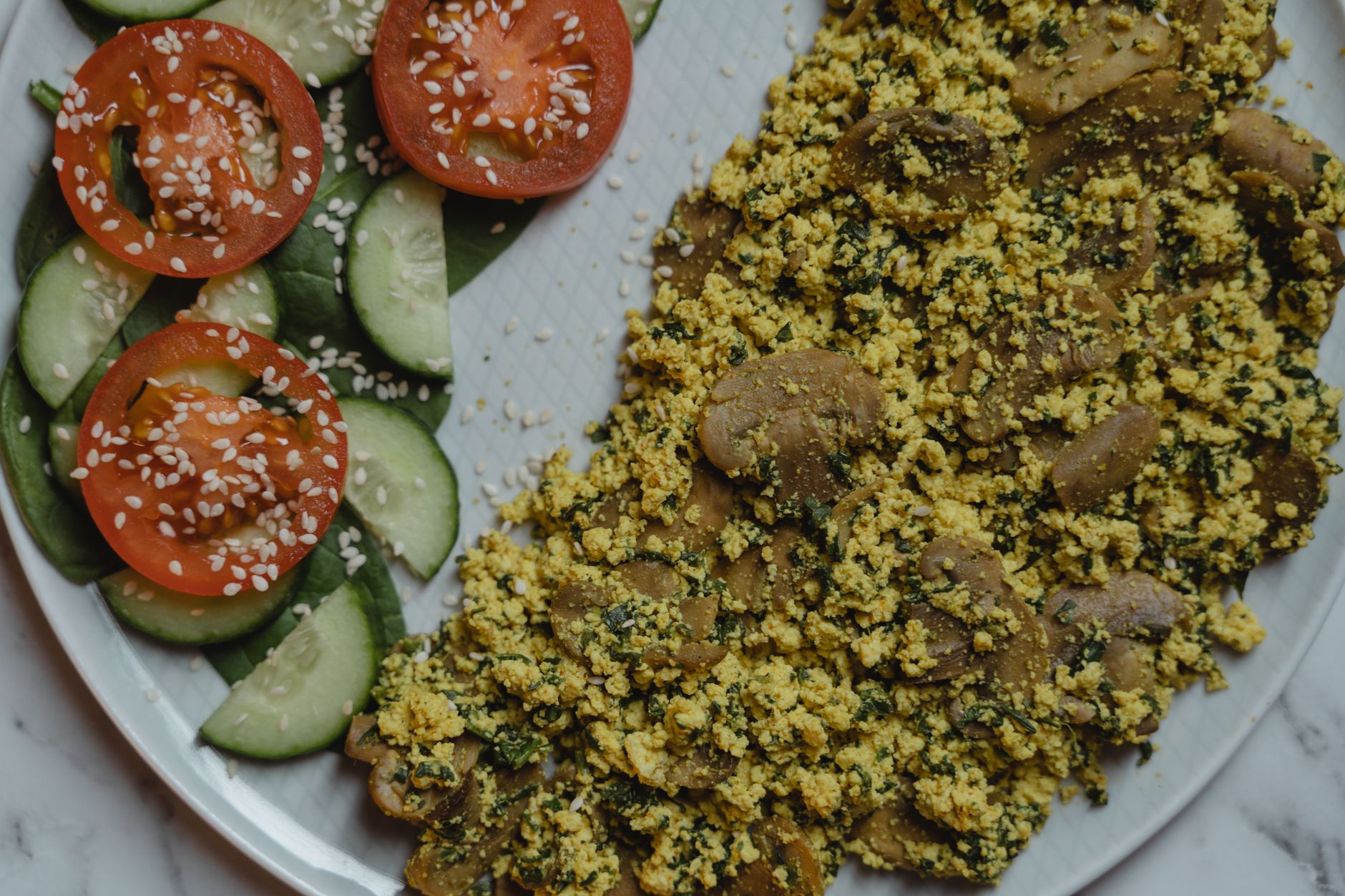
- Tofu Scramble: Made with firm tofu, turmeric, and nutritional yeast, this is a great source of protein and iron.
- Chickpea Flour Omelets: Mix chickpea flour with water and spices to create a fluffy, egg-like texture. High in protein and fiber!
- Seitan “Scramble”: Seitan is a wheat-based protein that can mimic the texture of scrambled eggs. Just be mindful of gluten if you have sensitivities.
- Black Bean “Eggs”: Blend black beans with spices and pan-fry for a hearty, protein-rich breakfast.
- Fortified Plant Milks: Almond, soy, and oat milks are often fortified with calcium and vitamin D.
- Tahini: This sesame paste is packed with calcium and healthy fats. Use it as a dip, spread, or in smoothies.
- Leafy Greens: Kale, collard greens, and bok choy are excellent sources of calcium. Blend them into smoothies or sauté them into breakfast bowls.
- Almonds and Tahini: A handful of almonds or a tablespoon of tahini can add a calcium boost to your breakfast.
**Why this matters:** Many women worry that giving up eggs and dairy will leave them deficient in protein and calcium, but with these alternatives, you can easily meet your needs—without sacrificing flavor or texture.
--- ## How to Balance a Plant-Based Diet With Prenatal Vitamins for Optimal NutritionEven with the best-laid meal plan, some nutrients can be tricky to get enough of on a plant-based diet—especially during pregnancy. That’s why prenatal vitamins are a non-negotiable part of your routine. But how do you balance them with your diet to ensure you’re covering all your bases?
Here’s what you need to know:
- Folate (Folic Acid): Critical for preventing neural tube defects. Most prenatal vitamins contain 400–800 mcg of folic acid. If you’re not getting enough from food (like leafy greens or lentils), this will cover you.
- Iron: Prenatal vitamins typically contain 27–30 mg of iron. Pair this with vitamin C-rich foods (like citrus or bell peppers) to boost absorption.
- B12: Since B12 is primarily found in animal products, a prenatal vitamin with B12 is essential. Many plant-based diets rely on fortified foods or supplements for this nutrient.
- Omega-3s (DHA/EPA): While your prenatal vitamin may contain DHA, algae-based supplements are often recommended for plant-based diets to ensure adequate intake.
- Calcium and Vitamin D: If your prenatal vitamin doesn’t contain enough calcium or vitamin D, consider a separate supplement—especially if you’re not eating fortified foods.
**Pro tip:** Take your prenatal vitamin with food to avoid nausea, and space it out from iron-rich foods (like spinach or lentils) by a few hours to prevent constipation.
**What to avoid:** Don’t rely solely on prenatal vitamins for all your nutrients. Instead, think of them as a backup plan for the gaps in your diet. Focus on whole foods first, then supplement as needed.
**Myth vs. Fact:
Myth: “Prenatal vitamins are enough—you don’t need to worry about your diet.” Fact: While prenatal vitamins cover some bases, they can’t replace the benefits of whole foods. A well-balanced plant-based diet ensures you’re getting a wider range of nutrients and antioxidants that support both you and your baby. --- ## Plant-Based Breakfast Ideas for Gestational Diabetes: Low-Glycemic and Blood-Sugar-FriendlyIf you’ve been diagnosed with gestational diabetes, your breakfast choices need to be mindful of blood sugar spikes. The good news? A plant-based diet can be an excellent tool for managing gestational diabetes because it focuses on whole, fiber-rich foods that help stabilize blood sugar. Here are some of the best low-glycemic plant-based breakfast ideas:
- Chia Pudding with Berries
- 2 tbsp chia seeds
- ½ cup unsweetened almond milk
- ½ cup mixed berries (low-glycemic)
- 1 tbsp almond butter
- Mix chia seeds and almond milk, refrigerate overnight. Top with berries and almond butter.
- Sweet Potato and Black Bean Breakfast Bowl
- ½ cup roasted sweet potato (cooked)
- ½ cup black beans
- 1 tbsp tahini
- Handful of spinach
- Mix and top with avocado.
- Oatmeal with Flaxseeds and Walnuts
- ½ cup rolled oats
- ½ cup water or unsweetened plant milk
- 1 tbsp flaxseeds
- 1 tbsp chopped walnuts
- Cook oats, top with flaxseeds and walnuts.
- Avocado and Hummus Toast
- 1 slice whole-grain toast
- ½ avocado, mashed
- 2 tbsp hummus
- Sprinkle of pumpkin seeds
- Spread hummus on toast, top with avocado and seeds.
- Smoothie with Spinach, Flaxseeds, and Protein Powder
- 1 cup spinach
- ½ banana (frozen)
- 1 tbsp flaxseeds
- 1 scoop plant-based protein powder
- 1 cup unsweetened almond milk
- Blend and enjoy!
**Why this matters:** These meals are low in refined carbs and high in fiber and healthy fats, which help slow down digestion and prevent blood sugar spikes. Always monitor your blood sugar levels and work with your healthcare provider to tailor your diet to your specific needs.
**Myth vs. Fact:
Myth: “Plant-based diets are too restrictive for gestational diabetes.” Fact: Plant-based diets are often more flexible and nutrient-dense than traditional diets for gestational diabetes because they emphasize whole foods like vegetables, legumes, nuts, and seeds—all of which are low in glycemic index and high in fiber. --- ## Plant-Based Breakfast Recipes for Pregnancy That Increase Chances of Conceiving NaturallyIf you’re trying to conceive while following a plant-based diet, you might be wondering if your food choices could impact your fertility. The good news is that a well-planned plant-based diet can actually support fertility by providing essential nutrients like folate, iron, and antioxidants. Here are some breakfast ideas that can help optimize your chances of conception:
- Folate-Rich Smoothie
- 1 cup spinach
- ½ banana
- 1 tbsp almond butter
- 1 cup fortified plant milk
- 1 tbsp chia seeds
- Blend for a folate-packed breakfast.
- Lentil and Avocado Toast
- 1 slice whole-grain toast
- ½ cup cooked lentils
- ½ avocado, mashed
- Sprinkle of pumpkin seeds
- Rich in folate, healthy fats, and fiber.
- Quinoa Breakfast Bowl
- ½ cup cooked quinoa
- ½ cup mixed berries
- 1 tbsp tahini
- Handful of walnuts
- Quinoa is a complete protein and high in folate.
- Tofu and Veggie Scramble
- ½ block firm tofu
- ½ cup sautéed bell peppers and onions
- 1 tbsp nutritional yeast
- Cook tofu with veggies for a protein-rich meal.
**Why this matters:** Folate, iron, and antioxidants (found in foods like berries, nuts, and leafy greens) play a crucial role in supporting ovulation and embryo development. A study published in the American Journal of Clinical Nutrition found that women with higher folate intake were more likely to conceive successfully.
**Pro tip:** If you’re trying to conceive, consider adding morning primrose oil or omega-3 supplements to your routine, as they’ve been shown to support reproductive health. Always consult your healthcare provider before starting any new supplement.
--- ## How to Make Chia Pudding with Flaxseeds for Pregnancy Without Bloating or DiscomfortChia pudding is a pregnancy favorite—it’s creamy, filling, and packed with omega-3s. But for some women, chia seeds can cause bloating or digestive discomfort, especially in early pregnancy when hormones are already making everything feel a little… different. Here’s how to make chia pudding that’s gentle on your stomach while still delivering all the nutrients you need.
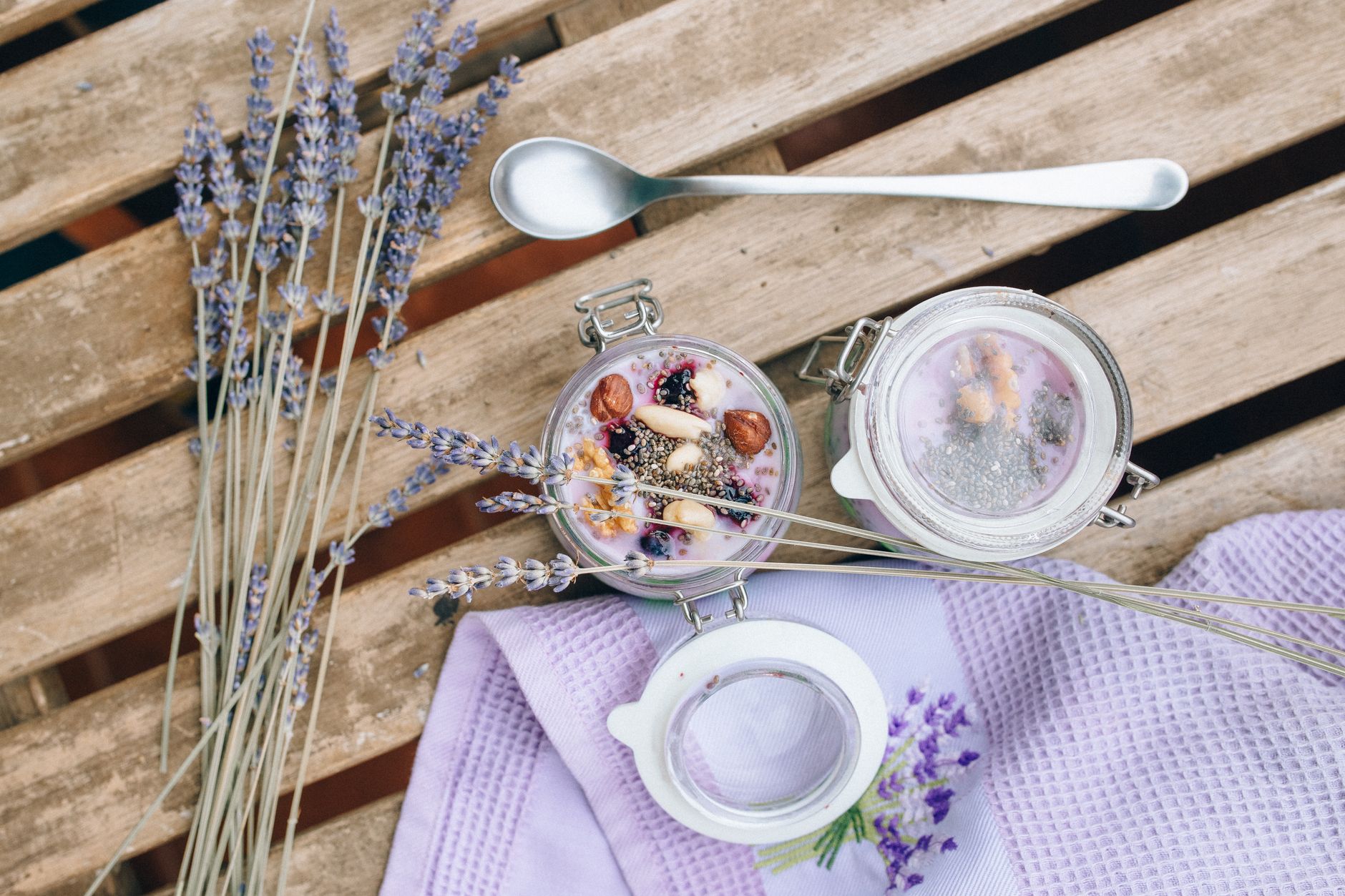
- Use a 1:10 ratio of chia seeds to liquid. This means 1 tablespoon of chia seeds to 10 tablespoons (or ½ cup) of liquid. This helps prevent clumping and reduces bloating.
- Choose unsweetened plant milk. Almond or oat milk are great options—they’re low in sugar and easy to digest.
- Add digestive aids. A pinch of ginger or fennel seeds can help soothe digestion. You can also add a splash of apple cider vinegar to the liquid before mixing with chia seeds—it helps break down the seeds more gently.
- Soak the chia seeds overnight. This ensures they’re fully hydrated and easier to digest. If you’re short on time, let them sit for at least 4 hours.
- Avoid overloading on toppings. Too many nuts, seeds, or dried fruits can cause bloating. Stick to a small handful of berries or a drizzle of nut butter.
- Try flaxseeds instead (or in addition). Flaxseeds are also high in omega-3s and may be easier to digest for some women. You can blend them into your chia pudding or make a separate flaxseed pudding.
**Recipe: Gentle Chia Pudding with Flaxseeds
- Mix 1 tbsp chia seeds + ½ cup unsweetened almond milk + ½ tsp apple cider vinegar. Let sit for 10 minutes, then stir.
- Add 1 tsp ground flaxseeds and let sit for another 10 minutes.
- Refrigerate overnight (or at least 4 hours).
- Top with a small handful of berries and a sprinkle of pumpkin seeds.
**Real-life story:** “I was so worried about chia seeds causing me to bloat in my first trimester, but this gentler version worked perfectly. I even added a little turmeric for anti-inflammatory benefits—it’s become my go-to breakfast!”* —Jessica, mom-to-be --- ## Best Plant-Based Smoothie Recipes for Morning Sickness Relief During Early Pregnancy
Morning sickness is no joke—especially when you’re trying to eat enough to support your growing baby. The good news? Smoothies can be a lifesaver. They’re easy to digest, nutrient-dense, and can be customized to avoid triggers. Here are some of the best plant-based smoothie recipes to help you keep your breakfast down (and your energy up).
- Ginger-Green Smoothie
- 1 cup coconut water (hydrating)
- ½ banana (for natural sweetness)
- 1 cup spinach (for iron)
- 1-inch fresh ginger (for nausea relief)
- 1 tbsp almond butter (for protein)
- Blend and sip slowly.
- Pineapple-Coconut Smoothie
- 1 cup pineapple (helps with nausea)
- ½ cup coconut milk (creamy and soothing)
- ½ banana
- 1 tsp chia seeds (for omega-3s)
- Blend until smooth.
- Berry-Banana-Protein Smoothie
- ½ cup mixed berries (antioxidants)
- ½ banana
- 1 scoop plant-based protein powder
- 1 cup unsweetened almond milk
- 1 tbsp flaxseeds (for omega-3s)
- Blend and enjoy!
- Cucumber-Lemon Smoothie
- ½ cucumber (hydrating)
- ½ lemon (for vitamin C)
- ½ banana
- 1 cup coconut water
- Blend and drink slowly.


