Quick take: You don’t have to overhaul your entire diet to support perimenopause—small, intentional swaps can ease symptoms like hot flashes, mood swings, and fatigue. Focus on foods rich in phytoestrogens (like flaxseeds and soy), calcium (leafy greens, fortified plant milks), and omega-3s (fatty fish, walnuts), while cutting back on processed sugars, caffeine, and alcohol. Think of it as a reset: prioritize whole foods, stay hydrated, and pair your diet with stress management and light movement to help your body transition smoothly.
Perimenopause Diet Food List for Beginners: The Complete 2026 Guide
It was 3 a.m., the kind of heat that makes you strip off layers even in your pajamas, when I realized I’d spent the last six months Googling “why am I so tired?” and “is this normal?” The answer, of course, was yes—it was perimenopause. But the “how do I feel better?” part? That’s where the diet came in. I’d heard phytoestrogens were a big deal, but I didn’t know what they even were, let alone how to fit them into my morning coffee and takeout habit. Turns out, perimenopause isn’t just about hormones—it’s about fueling your body in a way that actually works with what’s happening inside you.
Perimenopause is the transitional phase leading up to menopause, typically starting in your late 30s or 40s and lasting about four years (though it can be longer). During this time, your ovaries produce less estrogen and progesterone, which can cause a rollercoaster of symptoms: hot flashes, night sweats, mood swings, fatigue, weight gain—even sleep disturbances. The good news? Diet can be one of the most powerful tools to help manage these changes. But with so much conflicting advice out there, where do you even start?
This guide breaks down the perimenopause diet food list for beginners into actionable steps: what to eat, what to avoid, how to build a grocery list, and how to pair diet with lifestyle changes for better energy, mood, and overall well-being. No restrictive rules—just practical, science-backed swaps to support your body as it navigates this transition.
---
Best Foods for Perimenopause Weight Loss: What to Eat for Energy and Balance
One of the most common concerns during perimenopause is weight gain—especially around the middle—even if you’re not eating more than usual. This isn’t just about calories; it’s about how your body processes them. Hormonal shifts slow metabolism, increase insulin resistance, and make it harder to burn fat. The key? Focus on foods that stabilize blood sugar, reduce inflammation, and support hormone balance.
Here’s what to prioritize:
- Phytoestrogen-rich foods: These plant compounds mimic estrogen, helping to balance your hormones naturally. Think soy (edamame, tofu), flaxseeds, chia seeds, sesame seeds, and lentils. Flexitarian diets often include these foods, and they’re a great starting point for perimenopause.
- Lean proteins: Chicken, turkey, fish (salmon, sardines), eggs, and plant-based proteins (tempeh, quinoa) keep you full and support muscle mass, which naturally declines with age.
- Healthy fats: Avocados, nuts (almonds, walnuts), seeds (pumpkin, sunflower), and olive oil help reduce inflammation and support brain health—critical for mood and cognition.
- Fiber-rich carbs: Oats, sweet potatoes, berries, and whole grains (brown rice, quinoa) help stabilize blood sugar and keep you energized.
- Calcium and vitamin D: Leafy greens (kale, bok choy), fortified plant milks, and fatty fish (salmon, mackerel) support bone health, which becomes increasingly important as estrogen levels drop.
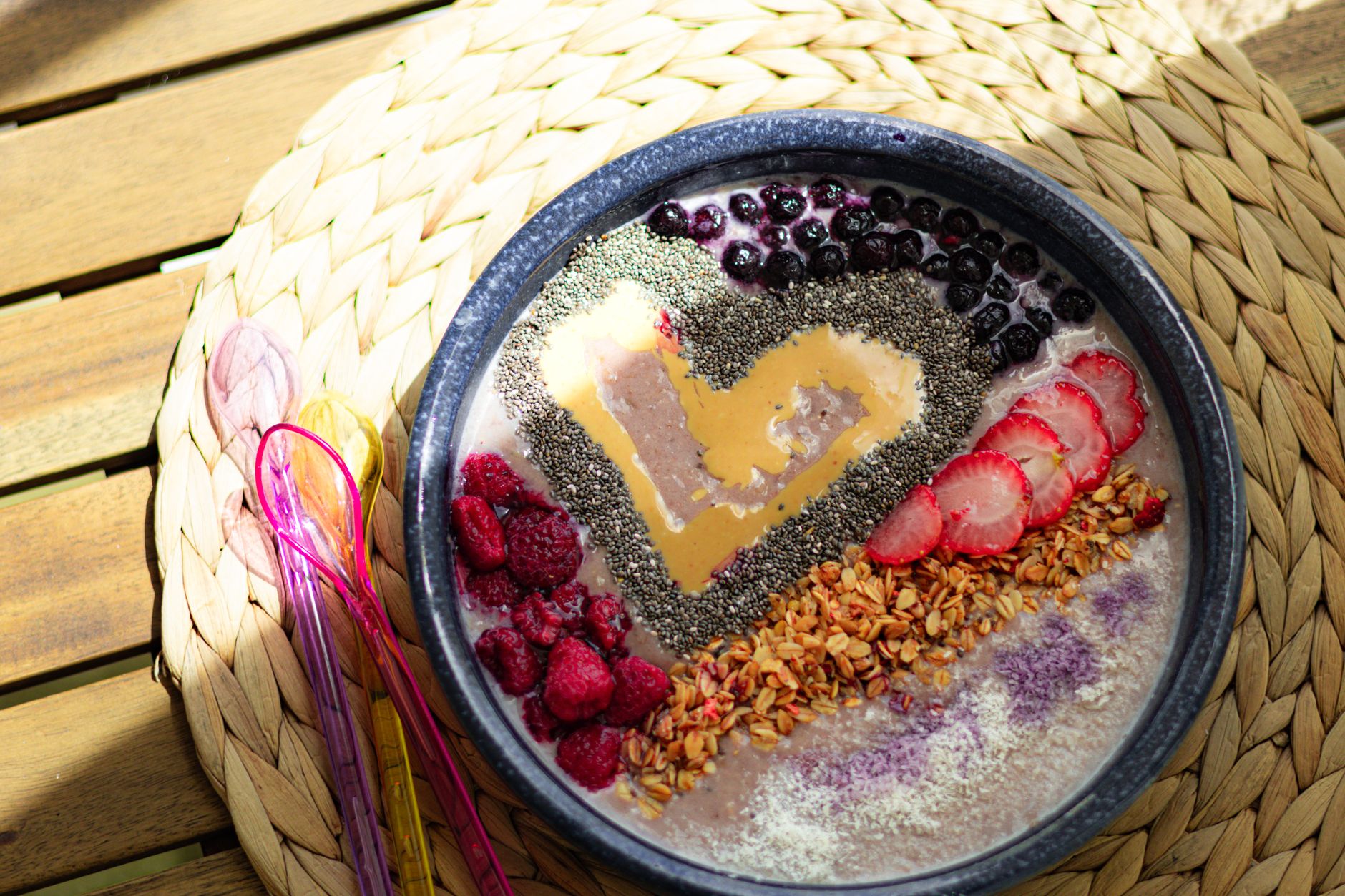
Pro tip: Pair protein with every meal to prevent blood sugar crashes, which can worsen fatigue and cravings. For example, swap a sugar-laden breakfast cereal for oatmeal topped with chia seeds and almond butter.
 >
---
Perimenopause Diet Meal Plan for Beginners: Easy Recipes to Start With
You don’t need to meal-prep every Sunday to eat well during perimenopause. Start with simple, satisfying meals that focus on whole foods and balance. Here’s a sample perimenopause diet meal plan for beginners to get you started:
Need more variety? Try swapping in anti-inflammatory foods like turmeric, ginger, and leafy greens to further reduce bloating and inflammation. And if you’re craving something quick, a smoothie with spinach, banana, almond butter, and flaxseeds can be a lifesaver.
---
Foods to Avoid During Perimenopause: What’s Worse Than You Think
Not all foods are created equal during perimenopause. Some can worsen symptoms like hot flashes, mood swings, and fatigue. Here’s what to limit or avoid:
- Processed sugars: Found in sodas, candy, pastries, and even “healthy” granola bars. These cause blood sugar spikes and crashes, which can amplify fatigue and irritability. Opt for natural sweeteners like fruit or a touch of honey instead.
- Refined carbohydrates: White bread, pasta, and rice strip away fiber and nutrients, leaving you hungry and energy-depleted. Swap them for whole grains like quinoa, brown rice, or farro.
- Excessive caffeine: While a morning coffee might feel like a necessity, too much caffeine can worsen hot flashes, anxiety, and sleep disturbances. Limit yourself to one cup in the morning and switch to herbal tea (like chamomile or peppermint) in the afternoon.
- Alcohol: Even a glass of wine can disrupt sleep and hormone balance. If you drink, opt for lower-alcohol options and avoid it close to bedtime.
- Trans fats and fried foods: Found in fast food, fried snacks, and margarine, these promote inflammation and can worsen mood swings and fatigue. Choose baked or air-fried options instead.
- High-sodium foods: Processed meats, canned soups, and fast food can cause bloating and water retention. Season your meals with herbs and spices instead of salt.
One reader described it perfectly: “I thought I was just getting grumpy, but when I cut out the sugar and caffeine, my mood swings vanished overnight.” It’s worth experimenting to see what triggers your symptoms.
---
How to Build a Perimenopause Grocery List: A Step-by-Step Guide
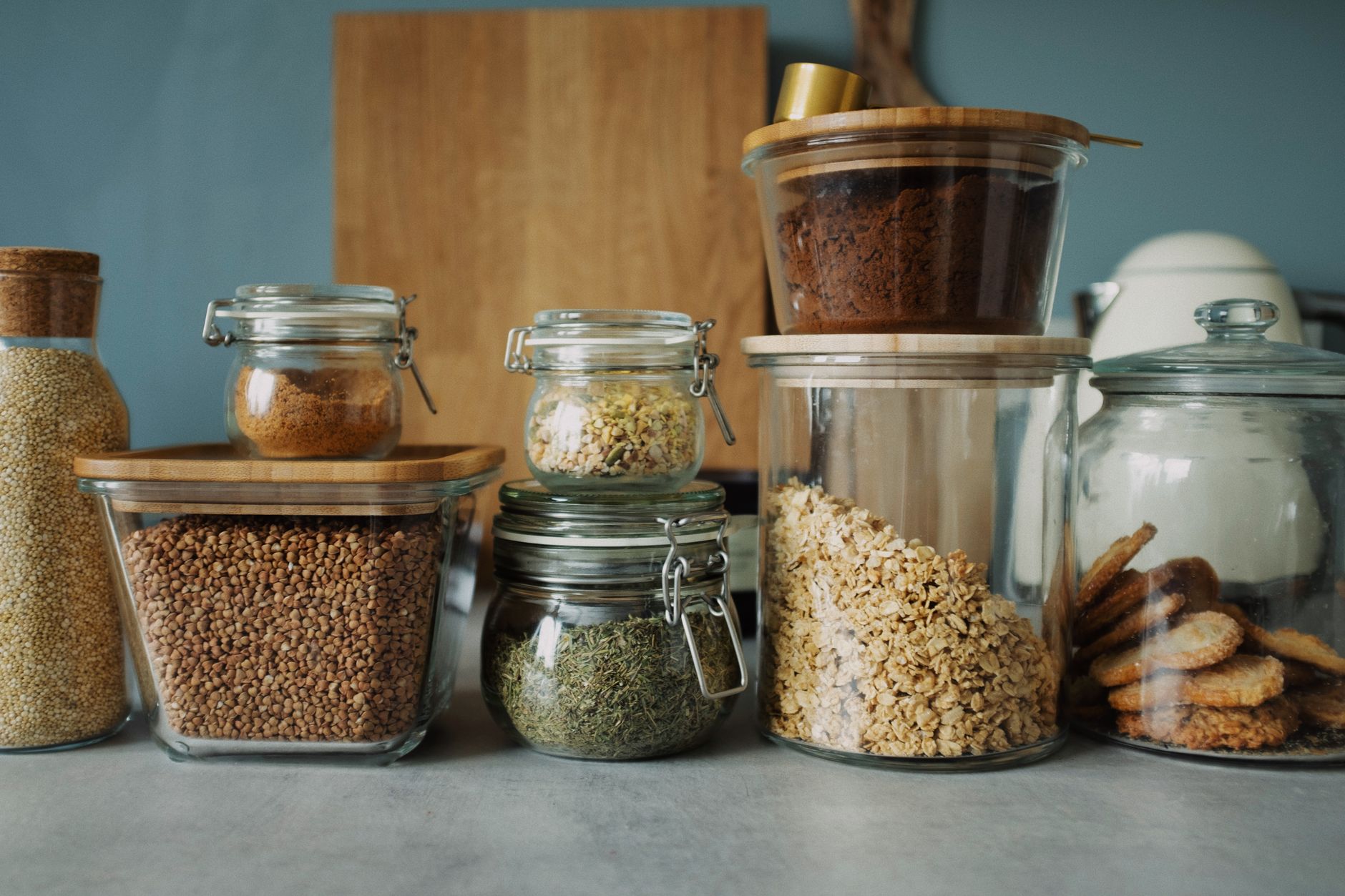
Building a perimenopause-friendly grocery list doesn’t have to be overwhelming. Start with these categories and focus on fresh, whole foods:
- Proteins: Chicken breast, turkey, eggs, fatty fish (salmon, sardines), tofu, tempeh, lentils, chickpeas.
- Healthy fats: Avocados, nuts (almonds, walnuts, cashews), seeds (chia, flax, pumpkin), olive oil, and coconut oil.
- Fiber-rich carbs: Oats, quinoa, brown rice, sweet potatoes, whole-grain bread, and berries.
- Leafy greens: Spinach, kale, bok choy, and Swiss chard (great for calcium and magnesium).
- Phytoestrogen sources: Soy products (edamame, tofu), flaxseeds, sesame seeds, and lentils.
- Hydration boosters: Cucumber, watermelon, herbal teas (chamomile, peppermint), and coconut water.
- Avoid: Processed snacks, sugary cereals, fried foods, and excessive caffeine/alcohol.
Pro tip: Batch-cook grains like quinoa and brown rice on Sundays to save time during the week. And don’t forget to stock up on frozen berries—they’re just as nutritious and last longer!
 >
---
Perimenopause Diet for Hormone Balance: What Science Says
Hormonal fluctuations during perimenopause can feel like a rollercoaster, but diet can help stabilize them. Here’s how:
- Phytoestrogens: These plant compounds mimic estrogen, helping to balance your hormones. Studies show that diets rich in soy and flaxseeds can reduce hot flash frequency by up to 50%. Try adding edamame to your meals or sprinkling ground flaxseeds on your oatmeal.
- Omega-3s: Found in fatty fish, walnuts, and chia seeds, omega-3s reduce inflammation and support brain health. Research from the National Heart, Lung, and Blood Institute links omega-3s to improved mood and cognitive function during menopause.
- Magnesium-rich foods: Dark leafy greens, nuts, and seeds help regulate blood sugar and reduce muscle cramps. A study in the Journal of Women’s Health found that magnesium supplementation improved sleep quality in perimenopausal women.
- Probiotics: Gut health is closely tied to hormone balance. Fermented foods like sauerkraut, kefir, and yogurt support a healthy microbiome, which can reduce bloating and improve mood.
One woman shared: “I started eating more fermented foods, and my bloating went down by 70%. I felt like a whole new person.” It’s worth trying!
---
Perimenopause Diet for Hot Flashes: Cooling Foods to Try
Hot flashes can feel like an internal furnace—sudden, intense, and unpredictable. While diet won’t eliminate them, certain foods can help manage their frequency and intensity. Here’s what helps:
- Spicy foods: Capsaicin in chili peppers may help regulate body temperature. Some women find that adding a dash of cayenne or jalapeños to meals reduces hot flash frequency.
- Hydrating foods: Cucumber, watermelon, and celery keep you cool from the inside out. Aim for at least 8 cups of water daily, and add electrolytes if you’re active.
- Phytoestrogens: As mentioned earlier, soy and flaxseeds can help balance hormones and reduce hot flashes. A study in the Menopause journal found that women who consumed soy isoflavones experienced fewer hot flashes.
- Cool, non-caffeinated beverages: Herbal teas like peppermint or chamomile can help lower body temperature. Avoid hot drinks during the day if you’re prone to hot flashes.
One trick many women swear by? Wearing breathable, loose-fitting clothing and keeping a cold pack in the freezer for quick relief.
---
Perimenopause Diet for Bone Health: Calcium and Vitamin D Power Foods
As estrogen levels drop, bone density can decline, increasing the risk of osteoporosis. The good news? A diet rich in calcium and vitamin D can help protect your bones. Here’s how:
- Calcium-rich foods: Leafy greens (kale, bok choy), fortified plant milks, almonds, and sardines (with bones) are excellent sources. The International Osteoporosis Foundation recommends aiming for 1,000–1,200 mg of calcium daily.
- Vitamin D: This vitamin helps your body absorb calcium. Fatty fish (salmon, mackerel), egg yolks, and fortified foods like orange juice are great sources. Sunlight exposure also boosts vitamin D—aim for 10–15 minutes of midday sun a few times a week.
- Magnesium: Supports bone health and muscle function. Dark chocolate, nuts, and seeds are great additions to your diet.
- Weight-bearing exercise: Pair your diet with activities like walking, dancing, or strength training to further strengthen bones.
One woman in her late 40s said, “I started drinking fortified almond milk every day and added more leafy greens to my meals. My doctor said my bone density test results improved!”
---
Perimenopause Diet for Heart Health: Lowering Risk Factors
Perimenopause increases the risk of heart disease, but diet can help mitigate that risk. Focus on:
- Heart-healthy fats: Olive oil, avocados, nuts, and fatty fish reduce LDL (“bad”) cholesterol and inflammation.
- Fiber: Found in oats, beans, and vegetables, fiber helps lower cholesterol and stabilize blood sugar.
- Antioxidant-rich foods: Berries, dark chocolate, and green tea protect your heart by reducing oxidative stress.
- Limit saturated fats: Found in fatty cuts of meat and full-fat dairy, these can raise cholesterol. Opt for lean proteins and low-fat dairy instead.
According to the American Heart Association, a diet rich in these foods can reduce the risk of heart disease by up to 30%. Pair it with regular exercise and stress management for even better results.
---
Sleep disturbances are common during perimenopause, but certain foods can help regulate your circadian rhythm and improve sleep quality:
- Tryptophan-rich foods: Turkey, eggs, and dairy contain tryptophan, which your body converts into melatonin (the sleep hormone). A small turkey sandwich or a bowl of cottage cheese before bed can be helpful.
- Magnesium-rich foods: Bananas, spinach, and pumpkin seeds promote relaxation and better sleep.
- Complex carbs: Whole grains like oats and quinoa help your body produce serotonin, which supports sleep.
- Avoid caffeine and alcohol: Both disrupt sleep patterns. If you drink coffee, finish your last cup by noon.
One reader swore by a warm cup of chamomile tea with a slice of whole-grain toast before bed. “I used to wake up 3 times a night,” she said. “Now I sleep through the night!”
---
Perimenopause Diet for Skin: Glowing from Within
Hormonal changes can make skin feel dry, dull, or prone to breakouts. A diet rich in antioxidants and healthy fats can help:
- Antioxidant-rich foods: Berries, dark leafy greens, and nuts protect skin cells from damage.
- Omega-3s: Found in fatty fish and walnuts, they reduce inflammation and improve skin elasticity.
- Hydrating foods: Cucumber, watermelon, and herbal teas keep skin plump and hydrated.
- Avoid sugar and dairy: These can worsen acne and breakouts for some women. Try a dairy-free diet for a few weeks to see if it helps.
One woman in her early 50s noticed a dramatic improvement in her skin after cutting back on sugar and adding more fatty fish to her diet. “My dermatologist said my skin looked years younger!”
---
Perimenopause Diet for Energy: Combating Fatigue Naturally
Fatigue is one of the most frustrating symptoms of perimenopause, but diet can help:
- Iron-rich foods: Spinach, lentils, and red meat support energy levels. If you’re anemic, your doctor may recommend supplements.
- B vitamins: Found in eggs, nuts, and whole grains, B vitamins help convert food into energy.
- Complex carbs: Oats, quinoa, and sweet potatoes provide sustained energy without the crash.
- Avoid blood sugar spikes: Skip sugary snacks and opt for nuts, fruit, or yogurt instead.
One woman found that adding a handful of walnuts to her lunch kept her energy up all afternoon. “I used to crash by 3 p.m.,” she said. “Now I’m productive until dinner!”
---
Perimenopause Diet Benefits: What You Can Expect
When you commit to a perimenopause-friendly diet, you can expect:
- Reduced hot flashes and night sweats (thanks to phytoestrogens and hydration).
- Better mood and less irritability (from omega-3s and complex carbs).
- More stable energy levels (no more afternoon crashes).
- Improved sleep quality (from magnesium and tryptophan-rich foods).
- Healthier skin and hair (antioxidants and hydration).
- Better weight management (fewer cravings, more satiety).
- Reduced risk of chronic diseases (heart health, bone density).
One reader put it best: “I thought perimenopause was just about the symptoms, but this diet helped me feel like myself again. I have more energy, my skin is clearer, and I’m not as irritable.”
---
Perimenopause Diet Supplements: What Actually Works
While diet should be your first line of defense, some supplements can support perimenopause symptoms. Always check with your doctor before starting any new supplement:
Always consult your healthcare provider before starting supplements, especially if you’re on medication.
---
Perimenopause Diet and Exercise: The Power Pair
Diet alone won’t do it—you need to move your body, too. Exercise helps regulate hormones, boosts mood, and supports weight management. Here’s how to start:
- Strength training: 2–3 times a week to maintain muscle mass and bone density.
- Cardio: Walking, swimming, or cycling for 30 minutes most days to improve heart health.
- Yoga or Pilates: Helps with flexibility, stress reduction, and core strength.
- Avoid overtraining: Listen to your body—fatigue is already a symptom, so don’t push too hard.
One woman found that combining her new diet with daily walks made a huge difference. “I used to feel like I was carrying a backpack everywhere,” she said. “Now I have more energy and less joint pain.”
---
Myth vs. Fact: Perimenopause Diet Misconceptions
-
Myth: “You have to go completely vegetarian to balance hormones.”
Fact: While plant-based diets can be helpful, you don’t need to eliminate all animal products. Focus on phytoestrogens and whole foods instead.
-
Myth: “Eating less will help you lose weight during perimenopause.”
Fact: Metabolism slows down, so restrictive diets often backfire. Prioritize nutrient-dense foods and strength training.
-
Myth: “Caffeine is the only thing that causes hot flashes.”
Fact: While caffeine can trigger them, so can spicy foods, alcohol, and even stress. Track your triggers to find your personal patterns.
-
Myth: “Supplements are the only way to get enough nutrients.”
Fact: Always aim for food first. Supplements should only fill gaps, not replace a balanced diet.
---
Key Takeaways: Your Perimenopause Diet Checklist
- Prioritize phytoestrogens (soy, flaxseeds, lentils) to balance hormones.
- Load up on calcium and vitamin D for bone health (leafy greens, fortified milks, fatty fish).
- Avoid processed sugars, caffeine, and alcohol to reduce hot flashes and mood swings.
- Pair your diet with strength training and cardio for better energy and weight management.
- Stay hydrated—dehydration worsens fatigue and hot flashes.
- Experiment with supplements (magnesium, omega-3s) if your diet isn’t enough.
- Listen to your body—some foods may trigger symptoms for you, while others help.
---
Frequently Asked Questions About the Perimenopause Diet
What foods should I eat during perimenopause?
Focus on whole, nutrient-dense foods like leafy greens, fatty fish, nuts, seeds, and phytoestrogen-rich foods (soy, flaxseeds). These help balance hormones, support bone health, and reduce inflammation. Avoid processed sugars, refined carbs, and excessive caffeine or alcohol.
What are the best foods for perimenopause?
The best foods are those that support hormone balance, energy, and bone health. Top picks include:
- Phytoestrogens: Soy, flaxseeds, chia seeds.
- Omega-3s: Salmon, walnuts, chia seeds.
- Calcium-rich foods: Leafy greens, fortified plant milks, almonds.
- Magnesium sources: Spinach, pumpkin seeds, dark chocolate.
- Antioxidant-rich foods: Berries, dark leafy greens, nuts.
How does diet affect perimenopause symptoms?
Diet influences perimenopause symptoms by stabilizing hormones, reducing inflammation, and supporting energy levels. For example:
- Phytoestrogens may reduce hot flashes.
- Omega-3s can improve mood and cognitive function.
- Complex carbs help regulate blood sugar, preventing fatigue.
- Hydration and fiber reduce bloating and digestive issues.
Can I lose weight during perimenopause with diet?
Weight loss during perimenopause is possible, but it requires a different approach than before. Hormonal shifts slow metabolism and increase insulin resistance, so focus on:
- Prioritizing protein and fiber to stay full.
- Avoiding blood sugar spikes (no refined carbs or sugars).
- Strength training to maintain muscle mass.
- Patience—weight loss may be slower, but it’s still achievable.
What should I avoid eating in perimenopause?
Avoid or limit:
- Processed sugars (sodas, candy, pastries).
- Refined carbohydrates (white bread, pasta, rice).
- Excessive caffeine (more than 1 cup of coffee/day).
- Alcohol (disrupts sleep and hormones).
- Trans fats and fried foods (promote inflammation).
- High-sodium foods (canned soups, processed meats).
What is a perimenopause diet plan?
A perimenopause diet plan focuses on whole, nutrient-dense foods while avoiding processed items. It includes:
- Balanced meals with protein, healthy fats, and fiber.
- Hydration (8+ cups of water daily).
- Phytoestrogen-rich foods for hormone balance.
- Avoidance of triggers like caffeine and alcohol.
- Regular meals and snacks to prevent blood sugar crashes.
Start with the perimenopause diet meal plan for beginners above and adjust based on how your body responds.
---
When to See a Doctor or Specialist
While diet can help manage many perimenopause symptoms, some issues require medical attention. See your healthcare provider if you experience:
- Severe or frequent hot flashes that disrupt your daily life.
- Unintentional weight loss or gain (more than 10 pounds in a short time).
- Extreme fatigue or depression that doesn’t improve with lifestyle changes.
- Irregular or heavy bleeding after menopause has officially begun.
- Bone pain or fractures (signs of osteoporosis).
- Severe mood swings or anxiety that interfere with work or relationships.
If you’re struggling with symptoms, your doctor may recommend:
- Hormone therapy (for severe symptoms).
- Blood tests to check hormone levels and nutrient deficiencies.
- Referrals to specialists like an endocrinologist or gynecologist.
Remember: This article is for informational purposes only and not a substitute for professional medical advice. Always consult your healthcare provider before making major dietary or lifestyle changes.
---
References
- The Menopause Society (NAMS). (2023). Diet and Nutrition During Perimenopause.
- American Heart Association. (2022). Heart-Healthy Eating for Women.
- National Institutes of Health (NIH). (2021). Phytoestrogens and Menopausal Symptoms.
- Journal of Women’s Health. (2020). Magnesium Supplementation and Sleep Quality in Perimenopausal Women.
- American Thyroid Association. (2023). Nutrition and Thyroid Health.
- World Health Organization (WHO). (2022). Bone Health in Women: Dietary Recommendations.




