Quick take: Pelvic floor therapy is a safe, hands‑on rehab program that helps new moms rebuild strength, fix diastasis recti, and reduce urinary leakage. Most women notice improvements after 4‑6 weeks of regular visits, but full recovery can take several months. Talk to a certified pelvic floor physical therapist to get a personalized plan and check your insurance coverage.
Welcome to the moment you’re standing in the bathroom, feeling a sudden “whoosh” while laughing with your baby, and wondering if your pelvic floor is “broken.” You’re not alone. After childbirth, many new mothers experience a range of pelvic floor changes—from a subtle “loose” feeling to frustrating urinary leaks. This guide walks you through exactly how pelvic floor therapy works, what to expect, and how to get the most out of each session. We’ll cover anatomy, timelines, exercises for diastasis recti, cost, insurance, and even how it compares to doing Kegels on your own. By the end, you’ll have a clear roadmap to reclaim confidence and comfort.
We’ll start with a quick look at the anatomy that changes during pregnancy, then dive into the step‑by‑step process of therapy. Along the way you’ll find real‑world stories from moms who have walked this path, practical checklists, and evidence‑based answers to the most common questions.
What does pelvic floor therapy involve for postpartum women?
Pelvic floor therapy—also called pelvic health physical therapy—is a specialized form of physiotherapy that focuses on the muscles, ligaments, and connective tissue supporting the bladder, uterus, and rectum. During pregnancy, these structures stretch dramatically to accommodate the growing baby. After delivery, the tissues may remain lax, scarred, or weakened, leading to symptoms like urinary incontinence, pelvic organ prolapse, or pain during intercourse.
Symptoms checklist
- Occasional or frequent urine leakage when coughing, sneezing, or exercising
- Feeling of heaviness or bulging in the vaginal area
- Pain or pressure during sex
- Low‑back or groin discomfort while lifting your baby
- Visible abdominal separation (diastasis recti) that makes core work difficult
- Difficulty initiating bowel movements or a sense of incomplete emptying
Therapy typically begins with a thorough assessment. Your therapist will evaluate muscle tone, coordination, and any scar tissue. They may use internal (vaginal or rectal) palpation, surface electromyography (EMG), and biofeedback devices to gauge how well the muscles contract and relax.
Based on the assessment, the therapist designs a personalized program that may include:
- Manual techniques to release scar tissue and improve tissue mobility
- Targeted activation drills to teach you how to “turn on” the correct muscles
- Breathing and posture cues that support pelvic alignment
- Core strengthening that integrates the diaphragm, transverse abdominis, and pelvic floor
- Home exercise prescriptions to reinforce clinic work
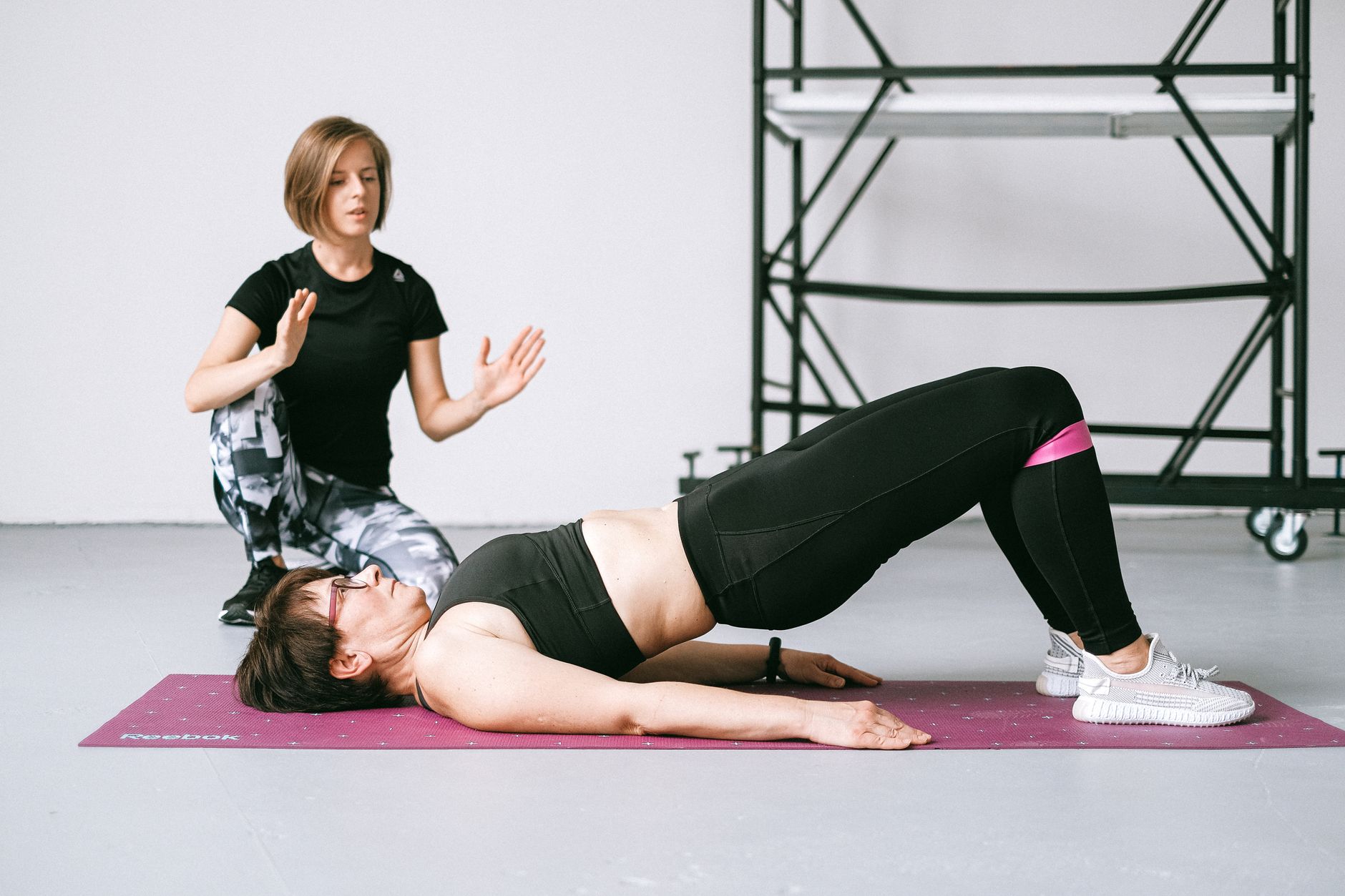
Because the pelvic floor works in concert with the entire core, therapy often feels like a blend of gentle Pilates, breathing work, and hands‑on massage. The goal is not just to “fix” a muscle, but to restore functional coordination for everyday life—lifting a stroller, laughing, or doing yoga without fear of leakage.
How long does it take to see results from pelvic floor therapy, and how many sessions are typically needed?
Recovery timelines vary, but most research and clinical experience suggest noticeable improvement within 4–6 weeks of consistent therapy. A prospective cohort study published by the American Physical Therapy Association (APTA) found that 70 % of postpartum participants reported reduced urinary leakage after six weekly sessions.
Typical therapy courses range from 6 to 12 visits, spaced once a week or every other week, depending on symptom severity and personal schedule. Some women achieve their goals after as few as three sessions, while others with more complex issues—such as significant prolapse or severe diastasis recti—may need 12‑plus visits.
Key factors influencing speed of recovery include:
- Severity of the pelvic floor dysfunction at baseline
- Consistency with home exercises (aim for daily practice)
- Presence of other postpartum stressors (sleep deprivation, weight gain, hormonal shifts)
- Your therapist’s experience and the use of adjunct tools like biofeedback
It’s normal to feel a “twitch” sensation or mild soreness after the first few appointments—much like a new workout routine. Those sensations usually subside as the muscles learn proper activation patterns.
Pelvic floor therapy exercises for new moms with diastasis recti (including a home guide)
Diastasis recti—separation of the abdominal muscles—affects up to 60 % of postpartum women. Because the deep core and pelvic floor share neural pathways, addressing one without the other can limit progress. Below is a therapist‑approved home routine that integrates both systems safely.
Exercise 1: Diaphragmatic breathing with pelvic floor cue
Lie on your back with knees bent, feet flat. Place one hand on your belly and the other on your perineum (the area between the genitals and anus). Inhale deeply, allowing the belly to rise while gently “lifting” the pelvic floor (imagine trying to stop the flow of urine). Exhale slowly, releasing the lift. Perform 5 slow breaths, focusing on coordination.
Exercise 2: Supine heel slides with core engagement
Stay on your back, knees bent. Slide one heel away, extending the leg while maintaining a gentle pelvic floor contraction. Return the foot to start. Repeat 10 times per side, keeping the belly button drawn toward the spine (avoid bulging). This movement trains the transverse abdominis without over‑loading the diastasis.
Exercise 3: Modified side‑lying clamshells
Lay on your side with a pillow under your head. Bend hips and knees at 90 °, keep your feet together. Open the top knee while keeping the pelvis stable and the pelvic floor gently engaged. Perform 12‑15 repetitions each side. This targets gluteal stability, which supports pelvic alignment.
Exercise 4: Pelvic tilts with “slow‑release”
On hands and knees (cat‑cow), gently rock the pelvis forward (tilt) while exhaling and engaging the pelvic floor. Hold for 3 seconds, then release on the inhale. Repeat 10 times. This improves coordination between the lumbar spine and pelvic floor.
Therapists typically progress these basics to more functional moves—such as squats while holding a pelvic floor contraction—once you can maintain a stable core for at least 30 seconds.
Can pelvic floor therapy help with urinary incontinence and pelvic organ prolapse after childbirth?
Absolutely. Urinary incontinence (UI) is the most common postpartum pelvic floor complaint, affecting roughly one in three women. Pelvic floor therapy directly addresses the muscle weakness and coordination deficits that cause leakage.
Evidence from the National Institute for Health and Care Excellence (NICE) guidelines states that supervised pelvic floor muscle training leads to a 50‑60 % reduction in stress UI episodes. Biofeedback‑enhanced therapy shows even higher success rates, especially for women who struggle to “feel” the muscles on their own.
Pelvic organ prolapse (POP)—where the bladder, uterus, or rectum descends into the vaginal canal—can also improve with targeted therapy. While severe prolapse may eventually require surgical intervention, early-stage POP often responds to muscle strengthening and positional training, reducing the need for surgery.
Natural remedies with evidence
- Yoga for pelvic health: A 2022 systematic review in the Journal of Women’s Health found that yoga programs reduced UI frequency by 30 % in postpartum participants.
- Weighted vaginal cones: Studies from the American Urogynecologic Society show that using graduated vaginal cones 2‑3 times per week can increase pelvic floor muscle strength by 15‑20 %.
- High‑protein diet: Adequate protein supports tissue repair; the Academy of Nutrition and Dietetics recommends 1.1 g/kg body weight for postpartum recovery.
These adjuncts can complement formal therapy but should never replace a professional evaluation.
What to expect during a pelvic floor therapy session and how to prepare for your first appointment?
First visits typically last 60 minutes. You’ll be asked to fill out a health questionnaire covering pregnancy, delivery details, and current symptoms. The therapist then performs a gentle external assessment—checking posture, abdominal tone, and hip alignment—followed by an internal exam if you consent. This internal exam helps map muscle tone and any scar tissue.
After the assessment, the therapist demonstrates a few activation drills and may use a biofeedback device (small sensor with a screen) to give you visual feedback on muscle contraction strength. You’ll leave with a short home‑exercise list and a schedule for follow‑up visits.
How to prepare for your first pelvic floor therapy appointment
- Bring a list of medications, supplements, and any recent imaging (e.g., postpartum ultrasound)
- Wear comfortable clothing that allows easy access to the pelvic area—think loose‑fitting yoga pants and a simple top
- Consider bladder emptying before the session to reduce discomfort
- Write down any specific concerns (leakage during exercise, pain during intercourse, etc.)
- If you’re breastfeeding, bring a nursing cover or plan for a private space; therapy is safe while nursing
Therapists are trained to create a respectful, private environment. You can request a chaperone or have a support person present if that makes you more comfortable.
Pelvic floor therapy vs Kegel exercises – which is more effective?
Both approaches aim to strengthen the same muscle group, but the delivery and outcomes differ. Kegels are a self‑guided program where you contract the muscles “as if stopping urine flow.” While simple, many women struggle to isolate the correct muscles, leading to ineffective training or even worsening symptoms.
Pelvic floor therapy adds three critical components that Kegels lack:
- Manual assessment: Direct palpation lets the therapist confirm you’re using the right muscles.
- Biofeedback: Real‑time visual or auditory cues help you see progress, ensuring proper effort.
- Individualized progression: Therapy tailors difficulty, integrates core work, and addresses scar tissue.
Treatment options comparison table
For most new moms dealing with leakage, prolapse, or diastasis, starting with a therapist‑guided program yields faster, more reliable results. Kegels can be a useful maintenance tool once you’ve learned proper technique.
How often should a new mother schedule pelvic floor therapy appointments, and what is the typical session length?
Frequency depends on symptom severity and personal schedule. A common protocol is:
- Weeks 1‑4: One session per week (45–60 min) to establish muscle awareness and manual release.
- Weeks 5‑8: Bi‑weekly sessions (every 10‑14 days) while you practice home exercises daily.
- Weeks 9‑12 and beyond: Monthly “maintenance” visits if needed, especially for athletes or moms returning to high‑impact activities.
Each session usually lasts 45–60 minutes, though initial evaluations may run longer (up to 90 minutes) to complete the full assessment. Short “check‑in” appointments (20‑30 minutes) are also offered for progress reviews.
Consistency is key. Skipping multiple weeks can set back progress, because the pelvic floor muscles need regular “re‑training” much like any other muscle group after a period of inactivity.
Finding the best pelvic floor therapist near you, cost after insurance coverage, and the difference between pelvic floor PT and regular physiotherapy (including success stories)
The right therapist combines clinical expertise with a supportive bedside manner. Here’s how to locate one:
Steps to locate a qualified pelvic floor therapist
- Search professional directories such as the American Physical Therapy Association’s “Find a PT” tool, the International Pelvic Pain Society, or the UK’s Chartered Society of Physiotherapy.
- Filter for “women’s health” or “postpartum” specialization.
- Read client reviews for bedside manner, office accessibility, and success rates.
- Confirm credentials: look for certifications like “Certified Pelvic Health Physical Therapist (CPHT)” or “Pelvic Rehabilitation Practitioner (PRP).”
- Call the clinic to ask about experience with postpartum diastasis, incontinence, and prolapse.
Pelvic floor therapy cost after insurance coverage
In the United States, most insurance plans—including Medicare and many private carriers—cover pelvic floor therapy when ordered by a physician. Typical out‑of‑pocket costs range from $20‑$50 per session after insurance, though copays can be higher for non‑network providers.
In the United Kingdom, the National Health Service (NHS) provides pelvic floor physiotherapy free of charge for postpartum women, but wait times can be long. Private clinics charge £45‑£80 per session, with private health insurers often covering 70‑80 % of the fee.
Difference between pelvic floor physical therapy and regular physiotherapy
Regular physiotherapy treats musculoskeletal injuries, sports injuries, and general mobility concerns. Pelvic floor PT zeroes in on the pelvic region, employing internal examinations, biofeedback, and specialized manual techniques. While a regular PT might address lower‑back pain, a pelvic floor therapist integrates that work with specific pelvic muscle training, ensuring the core and pelvic floor function as a unit.
Success stories from new moms
Many readers share similar journeys. One mother, “Emma,” reported a “nightly panic” about leaking when she laughed with her toddler. After six weekly sessions, she said, “I can finally hug my son without fear—my leak is gone, and I feel stronger than ever.” Another mom, “Lena,” struggled with a bulging sensation and mild prolapse. After a three‑month therapy course, she noted, “The heaviness vanished, and my doctor said I no longer needed a pessary.” These anecdotes echo the broader clinical data: most women experience meaningful improvement when they commit to a therapist‑guided plan.

Myth vs. fact
Myth: “If I can’t feel my pelvic floor muscles, therapy won’t help.”
Fact: A skilled therapist can locate and activate the muscles even when you can’t feel them. Biofeedback and manual cues teach you the correct contraction pattern.
Myth: “Kegel exercises alone are enough to fix postpartum leaks.”
Fact: While Kegels can be part of a maintenance routine, they often miss scar tissue and coordination issues that therapy specifically addresses.
Myth: “Pelvic floor therapy is only for severe problems like prolapse.”
Fact: Even mild symptoms—like occasional dribbling or a sense of “weakness”—benefit from early intervention, preventing escalation.
Key takeaways
- Pelvic floor therapy is a hands‑on, evidence‑based program that restores muscle strength, coordination, and tissue health after childbirth.
- Most women notice improvement within 4‑6 weeks, but full recovery may require 6‑12 sessions.
- Therapy addresses urinary incontinence, pelvic organ prolapse, and diastasis recti—conditions that Kegels alone often cannot fully resolve.
- Qualified therapists are certified pelvic health PTs; use professional directories and verify credentials.
- Insurance typically covers therapy; out‑of‑pocket costs are modest after copays.
- Consistent home practice and biofeedback boost success; consider adjuncts like yoga or weighted cones for additional support.
Frequently asked questions
How many pelvic floor therapy sessions are needed after childbirth?
Most women complete 6‑8 weekly sessions before transitioning to a maintenance schedule. Those with severe prolapse or extensive diastasis may need 12‑15 sessions. Your therapist will tailor the plan based on your progress.
Is pelvic floor therapy safe for breastfeeding mothers?
Yes. The manual techniques and exercises do not affect milk production. Therapists are trained to keep the environment comfortable and private, and you can breastfeed or pump before or after the session as needed.
What are the signs that I need pelvic floor therapy?
Red‑flag symptoms include frequent urine leakage during cough or sneeze, a feeling of heaviness or bulging in the vaginal area, pain during sex, or difficulty controlling bowel movements. If any of these persist beyond six weeks postpartum, consider scheduling an evaluation.
Can pelvic floor therapy improve sexual satisfaction after pregnancy?
Yes. By strengthening the muscles, reducing pain, and improving pelvic floor tone, many women report increased comfort and pleasure during intercourse. Therapy also often includes education on relaxation techniques that enhance intimacy.
Do I need a referral to see a pelvic floor therapist?
In most U.S. plans, a physician referral is required for insurance coverage, though some private insurers allow direct access. In the UK, a GP referral is typically needed for NHS services. Check with your insurer to confirm.
How long does each pelvic floor therapy session last?
Initial assessments can last 60‑90 minutes. Follow‑up visits usually run 45‑60 minutes. Some clinics offer brief “check‑in” appointments of 20‑30 minutes for progress reviews.
When should I seek professional help?
If you experience any of the following, call your OB‑GYN or a pelvic floor therapist promptly:
- Sudden, severe urinary leakage or a gush of urine that lasts longer than a few seconds
- Persistent pain in the pelvic region that interferes with daily activities
- Visible bulging or a feeling of a lump protruding from the vagina
- Inability to empty your bladder or bowels completely
- Bleeding, foul odor, or discharge unrelated to menstrual cycle
These red‑flag signs could indicate a more serious condition that warrants timely evaluation.
When to see a doctor or specialist
If you notice any of the red‑flag symptoms listed above, schedule an appointment with your OB‑GYN, urogynecologist, or a certified pelvic floor physical therapist. Early assessment helps prevent chronic issues and can reduce the need for surgical intervention.
References
- American Physical Therapy Association. “Clinical practice guidelines for pelvic floor muscle training for urinary incontinence.” APTA, 2022.
- National Institute for Health and Care Excellence (NICE). “Pelvic organ prolapse and urinary incontinence in women: assessment and management.” NICE Guideline NG123, 2021.
- American Urogynecologic Society. “Pelvic floor muscle training for postpartum women.” AUA Journal, 2020.
- Harvard T.H. Chan School of Public Health. “Yoga for pelvic health: a systematic review.” 2022.
- Academy of Nutrition and Dietetics. “Nutrition considerations for postpartum recovery.” 2023.
- International Pelvic Pain Society. “Finding a certified pelvic health physical therapist.” IPSP, 2024.
- National Institute of Mental Health (NIMH). “Postpartum health and well‑being.” 2021.




