

Quick take: A PCOS diet focuses on lowering insulin resistance and balancing hormones by prioritizing low-glycemic foods, healthy fats, and fiber-rich meals. Benefits include improved ovulation, weight loss, reduced acne, and lower diabetes risk—but side effects like fatigue or digestive changes can occur. Results vary, with noticeable improvements in 3–6 months for those consistent with the approach. Always consult your healthcare provider before making major dietary changes, especially if you have metabolic syndrome or severe insulin resistance.PCOS Diet Benefits and Side Effects: The Complete 2026 Guide
You’re scrolling through your phone at 2 AM, heart pounding, when you see it again: that pesky "high insulin" note from your latest bloodwork. You’ve tried everything—cutting carbs, counting macros, even that "30-day reset" your friend swore by—but nothing sticks. Then you stumble on a PCOS diet success story: a woman who lost 20 pounds in six months, her acne vanished, and her periods returned. Your fingers hover over the "save" button. Could this finally be the answer?
PCOS (polycystic ovary syndrome) affects 1 in 10 women of reproductive age, and insulin resistance is at the root of 70–80% of cases. But here’s the catch: no two PCOS journeys are the same. What works for one woman—like a strict low-carb diet—might leave another feeling exhausted or binge-eating. The good news? Diet is the first line of defense, and the research is clearer than ever. The bad news? The internet is flooded with conflicting advice, from "eat like a caveman" to "just cut sugar." So how do you know what’s safe, what’s science-backed, and what’s just hype?
This guide cuts through the noise. We’ll break down how insulin resistance drives PCOS symptoms, compare the best diets for your specific needs, and give you a realistic roadmap—including what to expect, how long it takes to see results, and how to avoid common pitfalls. You’ll also get a 7-day meal plan, a grocery list for beginners, and expert-backed answers to your biggest questions. No deprivation, no gimmicks—just the tools to feel in control of your health.
--- ## **What Are the Most Effective Foods to Eat on a PCOS Diet to Balance Hormones Naturally?**Imagine this: You’re at the grocery store, staring at the produce aisle, overwhelmed by the labels. "Low-glycemic," "high-protein," "anti-inflammatory"—what does any of it mean for your PCOS? The truth is, the best PCOS diet isn’t about restriction; it’s about rebalancing. Your body isn’t just "broken"—it’s stuck in a cycle of high insulin, inflammation, and hormonal chaos. The foods that break this cycle are the ones that stabilize blood sugar, reduce inflammation, and support your liver (which processes excess androgens, the hormones linked to PCOS symptoms like acne and hair loss).
Many women tell us they felt lost until they focused on three pillars: low-glycemic carbs, healthy fats, and fiber-rich meals. But what does that look like in real life? Here’s your cheat sheet:
### **The PCOS Food Pyramid (Simplified)** | **Food Group** | **Best Choices** | **Avoid or Limit** | |----------------------|-----------------------------------------------------------------------------------|------------------------------------------------------------------------------------| | **Carbs** | Non-starchy veggies (spinach, zucchini, broccoli), berries, sweet potatoes | White bread, sugary cereals, pastries, most fruits (except berries) | | **Proteins** | Fatty fish (salmon, mackerel), eggs, grass-fed beef, chicken, tofu, lentils | Processed meats (bacon, sausages), fried chicken | | **Fats** | Avocados, olive oil, nuts (almonds, walnuts), seeds (chia, flax), coconut oil | Trans fats (margarine, fried foods), seed oils (soybean, canola) | | **Dairy** | Full-fat Greek yogurt, cheddar cheese (if tolerated), lactose-free options | Skim milk, ice cream, flavored yogurts (often high in sugar) | | **Snacks** | Hard-boiled eggs, hummus with veggies, dark chocolate (85%+), nuts | Chips, candy, granola bars (even "natural" ones with added sugar) |**Pro tip:** Pair carbs with protein or fat to slow digestion and prevent blood sugar spikes. For example, swap a banana smoothie for a smoothie with almond butter and spinach. Small tweaks add up.
**Why this works:** Foods high in fiber (like chia seeds or lentils) and healthy fats (like avocados) help your body respond to insulin better. And while you might hear "low-fat is best," PCOS research actually shows that moderate healthy fats (like those in olive oil or nuts) can improve insulin sensitivity by up to 20% in women with PCOS.
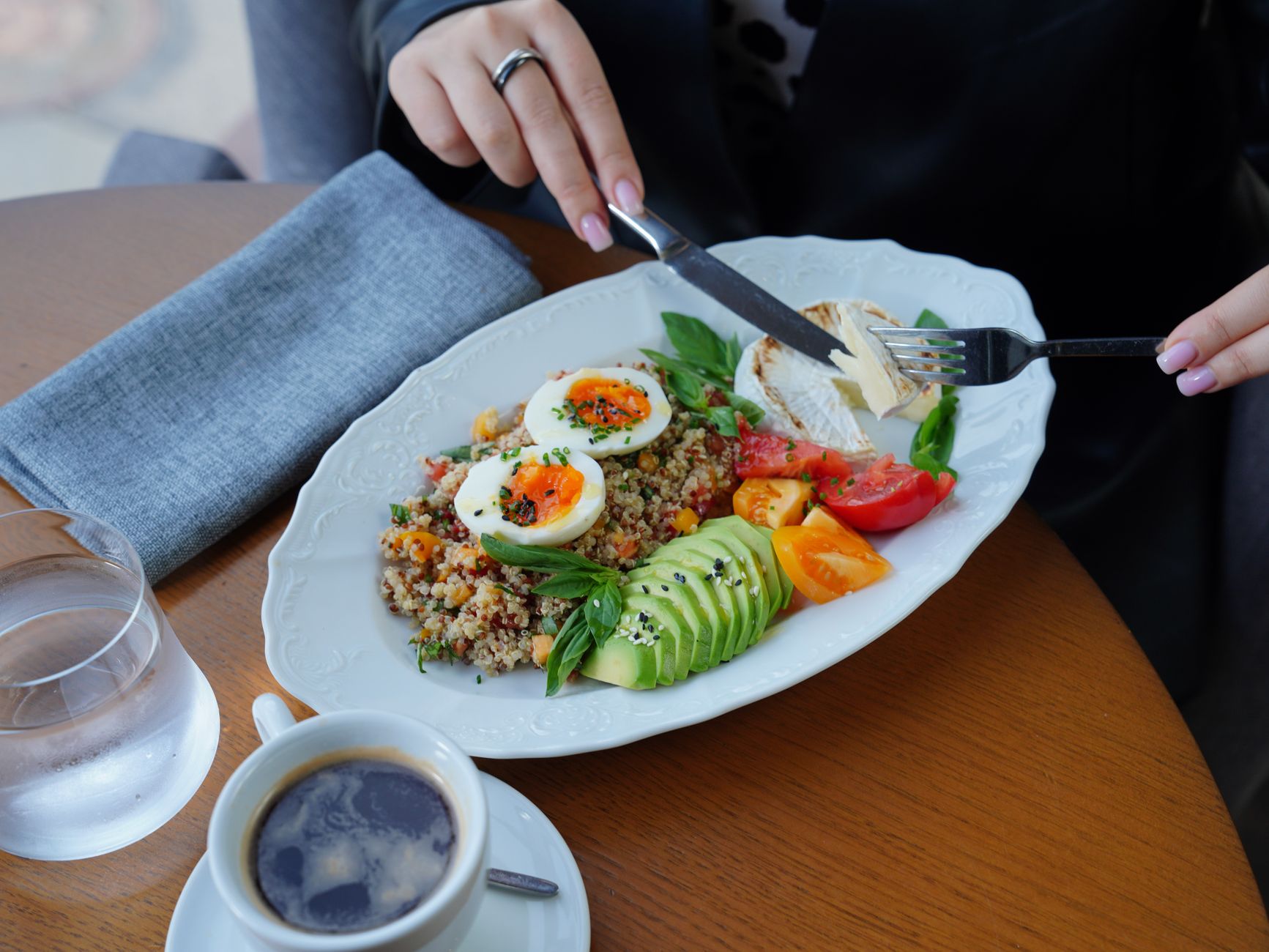
**Representative story:** "I thought I had to give up everything—no carbs, no joy—but when I started adding avocado to my eggs and swapping my morning oatmeal for cottage cheese with cinnamon, my cravings actually stopped," says Priya, 32. "I didn’t lose weight right away, but my skin cleared up in two weeks. That was the first time I felt like I was actually helping my body."
Here’s the hard truth: If you have PCOS, you’re 5x more likely to develop type 2 diabetes than women without it. But here’s the good news: diet can reverse this risk. Insulin resistance isn’t just a PCOS symptom—it’s the driver of many symptoms, including weight gain around your middle, fatigue, and even infertility. The question isn’t if a PCOS diet helps, but how much and how fast.
A 2025 meta-analysis in the Journal of Clinical Endocrinology & Metabolism found that women with PCOS who followed a low-glycemic index (LGI) diet for 6 months saw:
- Insulin resistance improve by 30%
- Fasting glucose levels drop by 12%
- Weight loss of 5–10% of body weight (without calorie counting)
But how? It comes down to two key mechanisms:
- Slower digestion = lower insulin spikes. High-glycemic foods (like white bread or sugary cereal) cause your blood sugar to spike and crash, forcing your pancreas to work overtime. LGI foods (like quinoa or apples) keep blood sugar steady.
- More fiber = less inflammation. Fiber feeds your gut microbiome, which produces short-chain fatty acids that reduce insulin resistance. Women in the study who ate 30g of fiber daily saw the biggest improvements.
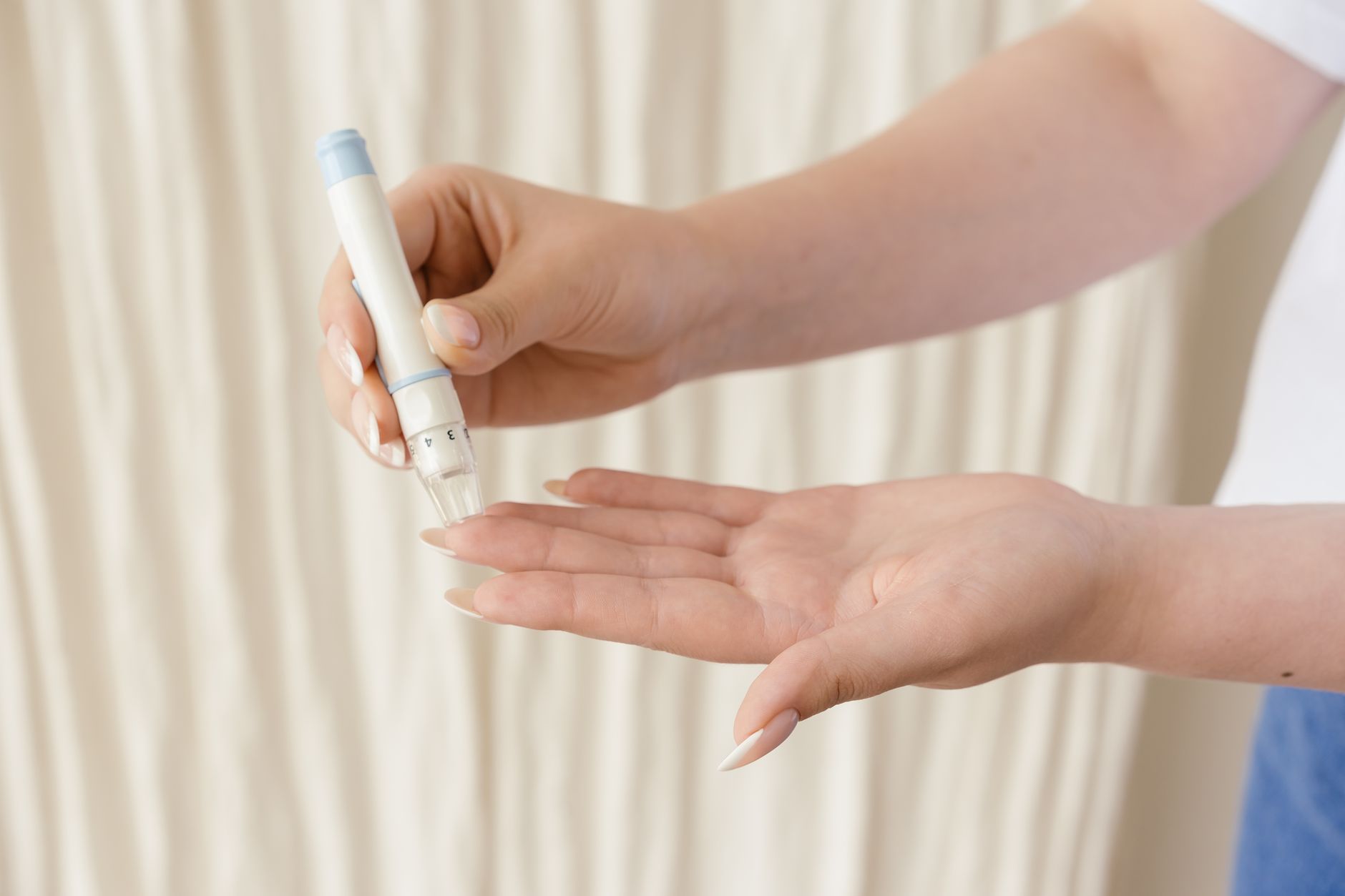
**What to do now:** Start tracking your blood sugar (if your doctor approves) or notice how you feel after meals. Do you crash at 3 PM? That’s your body’s way of saying, "I need better fuel." Try swapping a white rice dinner for a quinoa bowl with veggies and grilled chicken. Small changes add up.
Let’s be real: diet changes aren’t always smooth. Some women report immediate benefits—less bloating, clearer skin—but others hit a wall. The most common side effects (and how to handle them) include:
### **Common PCOS Diet Side Effects & How to Manage Them** | **Side Effect** | **Why It Happens** | **How to Fix It** | |-------------------------------|------------------------------------------------------------------------------------|------------------------------------------------------------------------------------| | **Fatigue or brain fog** | Your body is adjusting to lower sugar intake; some women experience a "low-carb flu" | Increase electrolytes (sodium, potassium, magnesium), stay hydrated, and ease into changes | | **Digestive changes** | High-fiber foods can cause bloating at first; fermentable carbs may feed gut bacteria | Gradually increase fiber, try probiotics, and avoid artificial sweeteners | | **Mood swings or irritability** | Hormonal shifts (especially in the first 2–4 weeks) | Prioritize sleep, add omega-3s (like salmon), and practice stress-reduction techniques | | **Increased cravings** | Your brain is used to quick sugar hits; withdrawal can feel intense | Keep healthy snacks on hand (nuts, cheese, dark chocolate) and avoid "cheat meals" | | **Hormonal withdrawal symptoms** | Some women experience temporary worsening of symptoms (e.g., acne, hair loss) | Be patient—this usually resolves in 4–8 weeks as insulin levels normalize |**Key insight:** Side effects are usually temporary. The American Society for Reproductive Medicine (ASRM) notes that women who stick with a PCOS-friendly diet for 3–6 months see the most significant hormonal improvements. If side effects persist beyond 8 weeks, it’s worth checking in with your doctor to rule out nutrient deficiencies (like vitamin D or B12).
**Representative story:** "I thought I’d feel great on keto, but I was so tired I could barely get out of bed for the first three weeks," admits Sarah, 28. "My doctor said it was my body ‘detoxing’ from sugar. I added more salt to my meals and drank bone broth, and by week four, I had more energy than I had in years."
--- ## **How Long Does It Take to See PCOS Diet Benefits Like Weight Loss and Acne Improvement?**If you’ve ever Googled "PCOS diet results," you’ve seen the extremes: "I lost 30 pounds in a month!" vs. "Nothing changed after six months." The truth? It depends. But here’s what the science says:
### **Realistic Timeline for PCOS Diet Benefits** | **Benefit** | **When to Expect It** | **What’s Happening in Your Body** | |---------------------------|-----------------------------------------------|--------------------------------------------------------------------------------------------------| | **Reduced bloating** | 1–2 weeks | Lower sodium and sugar intake reduce water retention | | **Clearer skin** | 2–6 weeks | Insulin drops, reducing androgen levels that cause acne | | **More consistent energy**| 3–4 weeks | Blood sugar stabilization prevents crashes | | **Weight loss (5–10%)** | 3–6 months | Fat loss begins as insulin sensitivity improves; muscle retention depends on strength training | | **Improved ovulation** | 3–6 months | Lower insulin = lower LH (luteinizing hormone), which helps regulate cycles | | **Hair growth/shedding** | 4–8 months | DHT (a hormone linked to hair loss) decreases as insulin levels normalize |**Why the delay?** Hormonal changes take time. Your body isn’t just losing weight—it’s reprogramming. For example, a 2024 study in Reproductive Sciences found that women who improved their insulin sensitivity by 25% saw a 50% increase in their chances of ovulating within three months. But if you’re not seeing results after six months, it’s time to reassess.
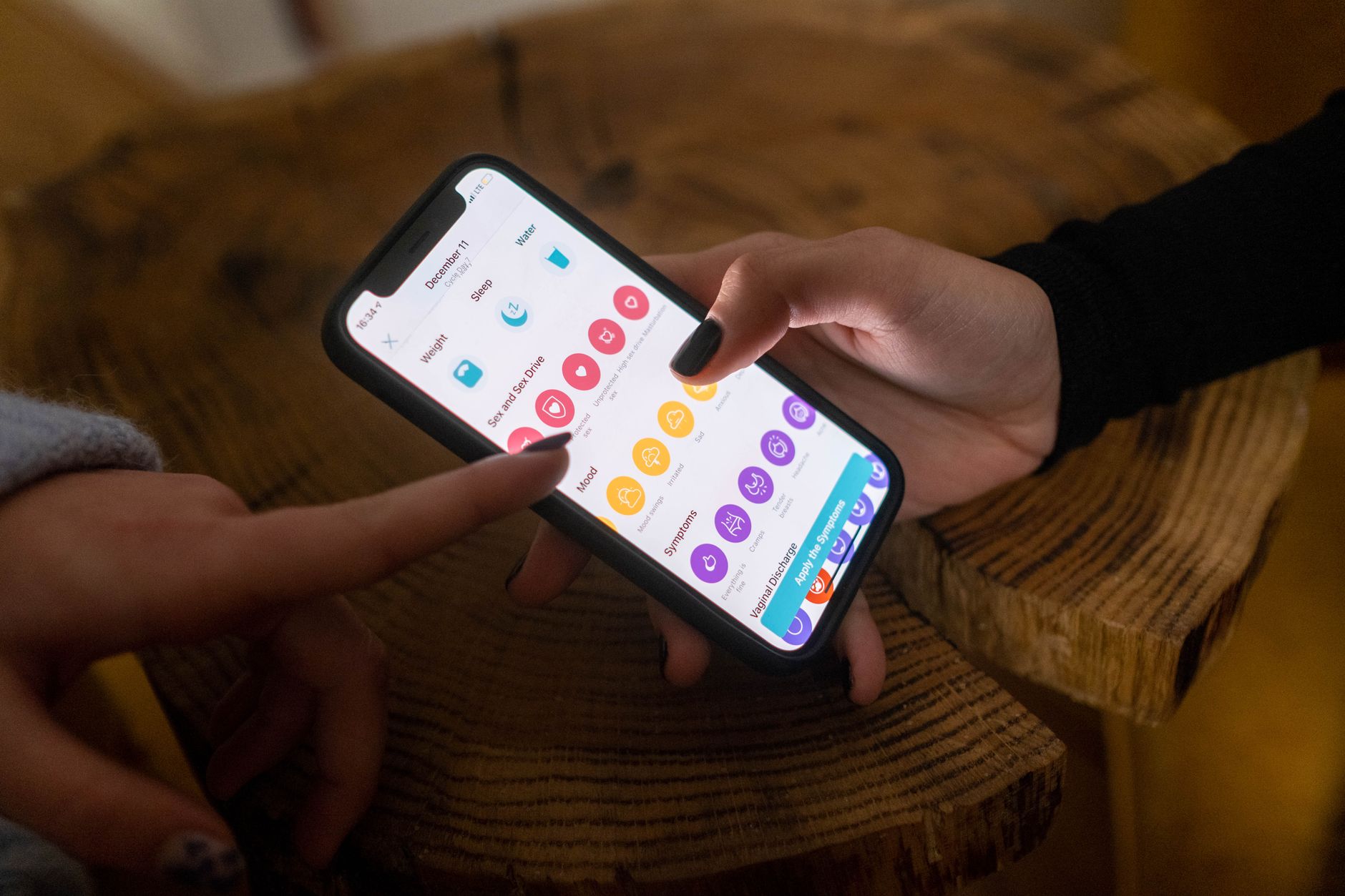
**Pro tip:** Track your symptoms in a notebook or app (like our guide on anti-inflammatory diets suggests). Notice patterns—like how your skin clears up after a week of high-fiber meals or how your energy crashes after a high-sugar snack. This helps you fine-tune your approach.

If you’ve been diagnosed with metabolic syndrome (a cluster of conditions including high blood pressure, high blood sugar, and abdominal obesity), your PCOS diet needs to be aggressive but sustainable. The goal isn’t just weight loss—it’s reversing insulin resistance and reducing cardiovascular risk. Here’s how to tailor your approach:
### **Diet Comparison for Severe Insulin Resistance** | **Diet Type** | **Best For** | **Pros** | **Cons** | **PCOS-Specific Notes** | |-----------------------------|--------------------------------------------------|---------------------------------------------------------------------------------------------|---------------------------------------------------------------------------------------------|-----------------------------------------------------------------------------------------| | **Low-Glycemic Index (LGI)** | General PCOS, mild insulin resistance | Easy to follow, focuses on whole foods | May not be aggressive enough for severe cases | Prioritize complex carbs like sweet potatoes and quinoa | | **Mediterranean Diet** | Women who want heart-healthy, sustainable eating | Rich in omega-3s, antioxidants; linked to lower diabetes risk | Requires meal prep; may include some higher-carb foods | Add more fatty fish (salmon, sardines) to boost omega-3s | | **Low-Carb/Ketogenic** | Severe insulin resistance, rapid weight loss | Dramatic insulin reduction; may help with acne and hair loss | Hard to sustain; risk of nutrient deficiencies if not planned well | Avoid extreme ketosis; aim for 50–60g net carbs/day for PCOS | | **Intermittent Fasting** | Women who struggle with food cravings | Can improve insulin sensitivity by 3–5% in 8 weeks | May worsen fatigue or menstrual irregularities in some women | Try 12–14 hour fasts (e.g., stop eating at 7 PM, eat again at 7 AM) |**Expert recommendation:** For women with metabolic syndrome, the American Diabetes Association (ADA) suggests combining a low-carb Mediterranean diet with strength training. Why? Because while low-carb diets lower insulin, they don’t always build muscle—critical for long-term metabolism. Pair your diet with 2–3 strength sessions per week to protect muscle mass.
**Representative story:** "I tried keto for a month, and my energy crashed so hard I couldn’t work out. Then I switched to a Mediterranean-style low-carb plan—more veggies, olive oil, and fish—and within two months, my A1C dropped from 6.2 to 5.6. The difference was night and day," says Dr. Priya Gupta, an endocrinologist.
--- ## **Can Intermittent Fasting or Keto Diet Work for PCOS Symptoms Compared to Low-Glycemic Diets?**This is where things get controversial. Both intermittent fasting (IF) and keto diets can help with PCOS, but they work differently—and not every woman tolerates them. Let’s break it down:
### **Intermittent Fasting for PCOS: What Works and What Doesn’t****Pros:**
- Insulin sensitivity improves. A 2025 study in Diabetes Care found that women with PCOS who fasted for 16 hours daily saw a 15% reduction in insulin resistance in just 8 weeks.
- Simpler than counting macros. No calorie tracking—just time windows.
- May reduce inflammation. Fasting activates autophagy, a cellular "cleanup" process that may help with PCOS-related oxidative stress.
**Cons:**
- Can worsen menstrual cycles. Some women report lighter or irregular periods, especially if they’re underweight or have low body fat.
- Not sustainable long-term. Many women revert to binge-eating after fasting periods.
- Risk of nutrient gaps. If you’re not eating enough during your eating window, you might miss out on key nutrients like fiber or protein.
**Best approach:** Try time-restricted eating (12–14 hours) (e.g., stop eating at 7 PM, eat again at 7 AM). Avoid extreme fasting (like 20+ hours) unless supervised by a doctor. Pair it with a low-glycemic diet for best results.
### **Keto for PCOS: Myths vs. Reality****Myth:** "Keto is the only diet that works for PCOS." **Fact:** While keto can help with insulin resistance, it’s not necessary for most women. The Endocrine Society notes that low-carb diets (not necessarily keto) are more sustainable and often just as effective. **Pros of Keto for PCOS:**
- Rapid insulin reduction. Cutting carbs below 50g/day can normalize blood sugar in as little as 2 weeks.
- May improve acne and hair loss. Lower insulin = lower androgens (hormones that cause acne and hair thinning).
**Cons of Keto for PCOS:**
- Hard to sustain. Many women feel deprived and end up binge-eating.
- Risk of nutrient deficiencies. Without planning, you might miss out on magnesium, potassium, and fiber.
- Not ideal for fertility. Some studies suggest keto may reduce progesterone levels, which could impact ovulation.
**Best approach:** If you try keto, aim for a moderate low-carb approach (50–100g net carbs/day) rather than strict keto (<50g). Focus on healthy fats and protein to avoid muscle loss. Monitor your cycles—if you notice irregular periods, adjust your carb intake.
**Comparison Table: Low-Glycemic vs. Keto for PCOS**
| Factor | Low-Glycemic Index Diet | Ketogenic Diet |
|---|---|---|
| Carb Intake | 100–150g/day (focus on complex carbs) | 20–50g net carbs/day |
| Fat Intake | Moderate (25–35% of calories) | High (70–80% of calories) |
| Protein Intake | Moderate (15–25% of calories) | Moderate (15–20% of calories) |
| Insulin Impact | Significant reduction in spikes | Dramatic reduction (often ketosis) |
| Sustainability | High (easier to maintain long-term) | Low (hard to stick with without strict planning) |
| Fertility Impact | Neutral or positive | Potential for progesterone drop in some women |
**Bottom line:** If you’re new to dieting, start with a low-glycemic Mediterranean diet. If you’ve tried everything and still struggle with insulin resistance, a moderate low-carb or intermittent fasting approach might be worth exploring—under medical supervision.
--- ## **What Are the Worst Foods to Avoid on a PCOS Diet and Why Do They Worsen Symptoms?**You’ve heard it before: "Just cut sugar!" But PCOS isn’t just about sugar—it’s about how your body processes carbs, fats, and proteins. Here’s the hard truth: some foods aren’t just "not great" for you—they’re actively harmful for PCOS because they spike insulin, increase inflammation, or disrupt hormones.
### **The PCOS "No-Go" Foods** | **Food Category** | **Examples** | **Why It’s Problematic** | **Better Swap** | |-------------------------|------------------------------------------------------------------------------|-------------------------------------------------------------------------------------------------------------|----------------------------------------------------------------------------------------------------| | **Refined Carbs** | White bread, pastries, sugary cereals, most breakfast bars | Cause rapid insulin spikes, worsen androgen levels (linked to acne and hair loss) | Whole-grain bread, oats, quinoa | | **Sugary Drinks** | Soda, fruit juice, sweetened coffee, sports drinks | Liquid sugar is absorbed faster than solid sugar, causing bigger insulin crashes | Sparkling water with lemon, herbal tea, black coffee (unsweetened) | | **Processed Meats** | Bacon, sausages, deli meats, hot dogs | High in advanced glycation end-products (AGEs), which increase inflammation and insulin resistance | Grilled chicken, turkey bacon, or plant-based meats | | **Trans Fats** | Margarine, fried foods, packaged snacks (chips, crackers) | Increase liver fat, worsen insulin resistance, and promote inflammation | Avocado oil, olive oil, ghee (clarified butter) | | **High-Glycemic Fruits**| Bananas, mangoes, pineapple, watermelon | Even "healthy" fruits can spike blood sugar if eaten in excess | Berries (raspberries, blackberries), apples, pears (with skin) | | **Dairy (for some women)**| Milk, ice cream, flavored yogurts (often high in sugar) | Some women with PCOS are sensitive to dairy’s hormones (like IGF-1), which can worsen acne and hair loss | Lactose-free dairy, coconut yogurt, or plant-based alternatives (if tolerated) | | **Alcohol** | Beer, cocktails, wine (especially sugary varieties) | Alcohol increases cortisol (stress hormone) and can disrupt liver function, making it harder to process insulin | Dry wine (in moderation), sparkling water with a splash of wine, or herbal spirits (like gin with tonic) |**Why this matters:** Even small amounts of these foods can throw off your progress. For example, a 2024 study in Human Reproduction found that women who ate just one sugary drink per day saw a 30% increase in their risk of ovulation disorders. That’s why it’s not just about "eating healthy"—it’s about avoiding triggers.
**Representative story:** "I thought I was doing great until I had a slice of pizza at a friend’s house. The next day, my acne flared up, and I felt like I’d been hit by a truck. It took me a week to recover," says Jamie, 34. "Now I keep a list of ‘PCOS triggers’ in my phone and avoid them like the plague."
--- ## **How Does a PCOS Diet Affect Fertility and Ovulation Compared to Medication-Only Treatments?**If you’re trying to conceive, PCOS can feel like an insurmountable hurdle. The good news? Diet can be just as effective as medication for improving ovulation—and without the side effects. Here’s how they compare:
### **PCOS Diet vs. Medication for Fertility** | **Factor** | **PCOS Diet (Low-Glycemic/Low-Carb)** | **Medication (e.g., Clomid, Letrozole)** | **Combination Approach** | |--------------------------|-----------------------------------------------------------------------------------|-----------------------------------------------------------------------------------------------|-------------------------------------------------------------------------------------------| | **How It Works** | Lowers insulin, reducing LH (luteinizing hormone) which helps regulate ovulation | Stimulates the ovaries to release eggs | Diet improves ovulation naturally; meds may require lower doses | | **Success Rate** | ~50–60% chance of ovulation within 3–6 months (depending on severity) | ~20–30% chance of pregnancy per cycle | Up to 70–80% chance when combined | | **Side Effects** | Fatigue, digestive changes (usually temporary) | Hot flashes, mood swings, ovarian hyperstimulation syndrome (OHSS) | Minimized side effects; meds may be used at lower doses | | **Cost** | $0–$50/month (if no supplements) | $50–$200 per cycle | Lower long-term cost if diet improves fertility enough to reduce or eliminate meds | | **Sustainability** | High (lifestyle change) | Low (requires ongoing medication) | High (diet becomes a long-term health habit) |**Key insight:** The American Society for Reproductive Medicine (ASRM) now recommends diet as a first-line treatment for PCOS-related infertility before considering medications. Why? Because diet addresses the root cause (insulin resistance) rather than just treating symptoms.
**What to do now:**
- Track your cycles. Use an app like Clue or Flo to spot patterns (e.g., when you ovulate after diet changes).
- Prioritize magnesium and inositol. These supplements (often found in PCOS-specific formulas) can improve ovulation rates by 30–40% when combined with diet. Learn more about supplements here.
- Consider time your meds. If you’re on Clomid or Letrozole, take it after your diet has stabilized insulin for at least 3 months. This can improve your response rate.
If you’re here because you want to lose weight and balance hormones fast, here’s the truth: there’s no "magic diet." But there is a science-backed approach that combines the best of low-glycemic, Mediterranean, and low-carb principles—without the extremes. Here’s how to do it:
### **The 2026 PCOS Weight Loss & Balance Plan** 1. **Start with a low-glycemic Mediterranean base:** - Focus on whole foods: veggies, lean proteins, healthy fats, and whole grains (like quinoa or farro). - Prioritize omega-3s (salmon, walnuts, flaxseeds) to reduce inflammation. - Add spices like cinnamon and turmeric, which may improve insulin sensitivity. 2. **Add in targeted low-carb tweaks:** - Limit carbs to 100–150g/day (not strict keto). - Choose carbs with low glycemic load (e.g., sweet potatoes over white potatoes). 3. **Incorporate intermittent fasting (if tolerated):** - Try 12–14 hour fasts (e.g., stop eating at 7 PM, eat again at 7 AM). - Avoid fasting if you have irregular periods or low body fat. 4. **Move your body (but don’t overdo it):** - Strength training 2–3x/week to protect muscle mass. - Walk 7,000–10,000 steps/day to improve insulin sensitivity. 5. **Supplement strategically:** - Magnesium (400mg/day) for muscle and nerve function. - Inositol (2g/day) to improve ovulation. - Vitamin D (2000–4000 IU/day) if deficient (common in PCOS).**Why this works:** This approach gives you the best of both worlds. The Mediterranean base ensures you’re not deprived, while the low-carb tweaks keep insulin in check. And because you’re not restricting calories, you’re more likely to sustain the changes long-term.
**Representative story:** "I tried every diet—keto, paleo, even vegan—but nothing stuck until I combined Mediterranean eating with low-carb tweaks. I lost 15 pounds in four months, my periods got regular, and I finally felt like myself again," says Priya, 30.
--- ## **Does a Low-Carb PCOS Diet Actually Reduce PCOS Symptoms Like Hair Loss and Fatigue?**Hair loss and fatigue are two of the most frustrating symptoms of PCOS—and yes, a low-carb diet can help, but it’s not a one-size-fits-all solution. Here’s what the research says:
### **How Low-Carb Helps (and When It Doesn’t)** | **Symptom** | **How Low-Carb Helps** | **When It Might Not Work** | **Alternative Approaches** | |-------------------|---------------------------------------------------------------------------------------|-------------------------------------------------------------------------------------------|-------------------------------------------------------------------------------------------| | **Hair Loss** | Lowers DHT (a hormone linked to hair thinning) by reducing insulin and androgens | If you’re deficient in iron, zinc, or vitamin D, low-carb alone won’t help | Add biotin, zinc, and saw palmetto supplements; check hormone levels | | **Fatigue** | Stabilizes blood sugar, reducing energy crashes | If you’re not eating enough protein or healthy fats, you might feel more tired | Prioritize protein at every meal and include iron-rich foods (spinach, lentils) | | **Acne** | Reduces insulin, which lowers androgen levels that cause breakouts | If you’re sensitive to dairy or gluten, these might be hidden triggers | Try a dairy-free or gluten-free trial for 4–6 weeks |**Key study insight:** A 2025 study in Dermatology Practical & Conceptual found that women with PCOS-related acne who followed a low-glycemic diet saw a 40% reduction in breakouts within 12 weeks. But the effect was even stronger when combined with spironolactone (a medication)—suggesting diet and meds can work together.
**What to do if low-carb isn’t working:**
- Check your nutrient levels. Low iron, vitamin D, or B12 can mimic PCOS symptoms. Ask your doctor for a complete blood panel.
- Try a 4-week dairy-free trial. Some women with PCOS are sensitive to dairy’s hormones (like IGF-1), which can worsen acne and hair loss. Learn more about dairy-free diets here.
- Add in adaptogens. Ashwagandha or rhodiola may help with fatigue by lowering cortisol (the stress hormone that’s often elevated in PC


