Quick take:
Open and closed adoption differ in contact, legal rights, and emotional impact—but neither is "better." Open adoption builds trust and transparency, while closed adoption offers more privacy and simplicity. The best choice depends on your values, comfort with contact, and what feels right for your child’s future identity. Start by asking yourself: How much connection do I want with the child’s birth family, and how will that affect my parenting?
Open vs Closed Adoption: A Modern Mom’s Honest Guide
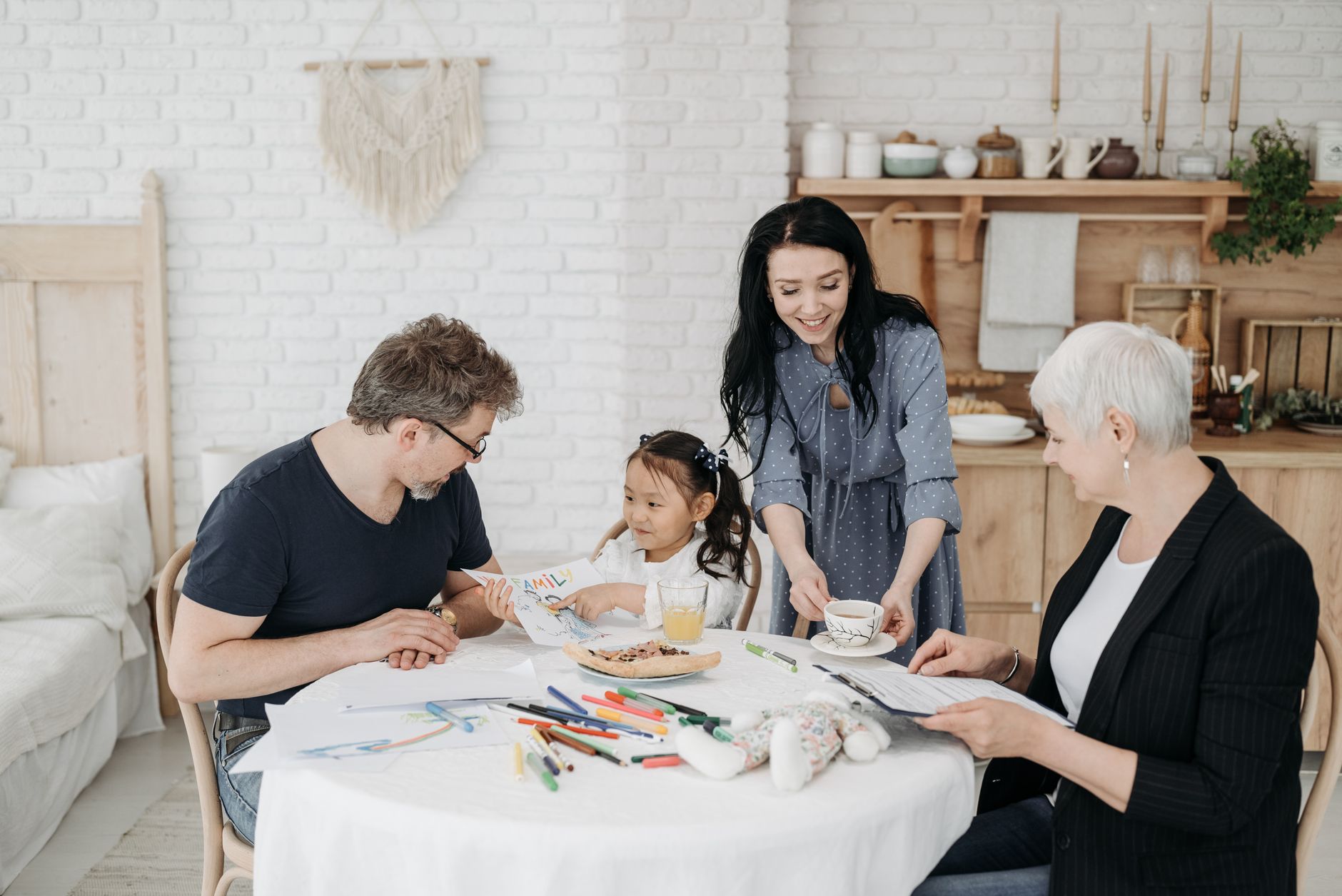
It was 3 a.m., and the coffee had long gone cold. You’d just read another adoption forum post—this time, a birth mother describing her fear of "losing" her child forever. You know what she means. You’ve been staring at the adoption paperwork, the legal jargon, the endless forms, and the question that won’t go away: How much do I want this child to know about where they came from?
You’re not alone. Every year, thousands of hopeful parents—like you—stand at this crossroads, weighing open vs closed adoption. One path promises transparency and connection; the other, privacy and simplicity. But what does each really mean? How do you prepare for the emotional rollercoaster? And—most importantly—what’s best for the child?
This guide cuts through the confusion. We’ll break down the legal, emotional, and practical realities of open and closed adoption, so you can make an informed choice. You’ll learn about communication norms, financial costs, and the long-term impact on a child’s identity. And we’ll share real stories—because sometimes, hearing how it actually feels makes all the difference.
By the end, you’ll know whether to lean into the warmth of open adoption or the quiet certainty of closed adoption—or maybe even a middle ground. Either way, you’ll feel ready to step forward with confidence.
---
## What are the main differences between open and closed adoption?
Let’s start with the basics. Adoption isn’t just a legal transaction—it’s a relationship, and the level of connection you choose shapes everything.
**Open adoption** is exactly what it sounds like: a relationship where birth parents and adoptive parents maintain some level of contact. This can range from minimal (a photo or letter every few years) to active (regular visits, shared holidays, or even co-parenting). The goal is to provide the child with a sense of their origins while giving the birth parents peace of mind.
**Closed adoption**, on the other hand, means no contact between birth parents and adoptive parents. The child’s original identity is sealed, and the birth parents’ names are legally erased from the adoption records. This was the traditional model for decades, but today, many adoptive parents and birth parents choose open adoption for its emotional benefits.
Here’s a quick comparison to help visualize the differences:
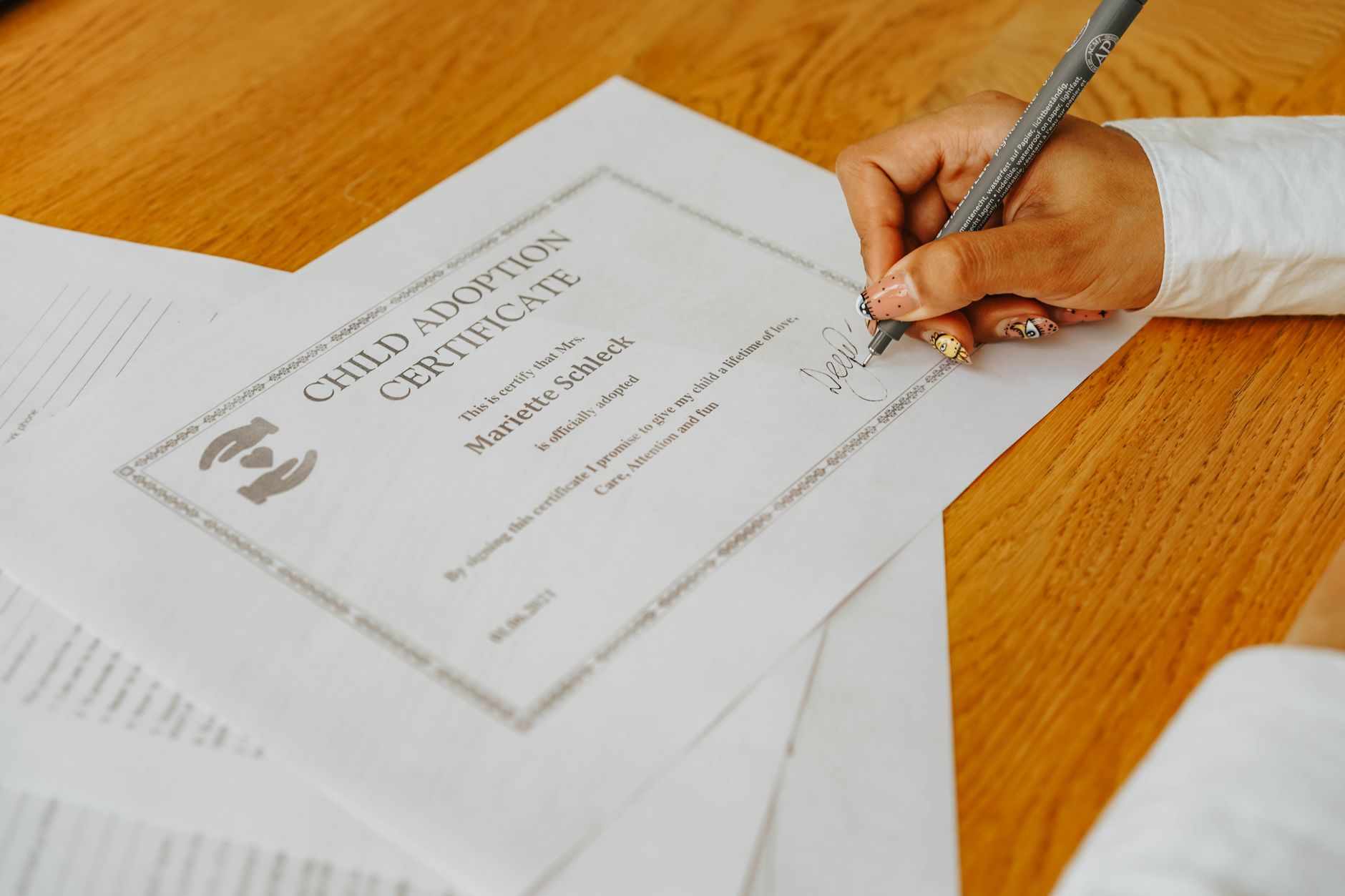
**Real-life example:** Sarah, a birth mother in Texas, chose an open adoption for her daughter, Lily. She and the adoptive parents agreed to exchange photos and letters every year. "I wanted Lily to know she was loved, but I also needed to move forward," Sarah says. "The letters helped me feel connected without feeling like I was abandoning her." Meanwhile, Lily’s adoptive parents, Mark and Emily, say the openness gave them peace of mind. "We knew Lily would always have a sense of her roots," Emily explains.
If you’re curious about how adoptive parents navigate open adoption, check out our detailed guide to the pros and cons—it includes insights from families who’ve been there.
---
## How does open adoption affect the child’s identity?
This is the question that keeps birth parents and adoptive parents up at night. How will a child feel about their origins? Will they ever wonder about their birth family? The answer isn’t one-size-fits-all, but research and real-life experiences offer some clarity.
**Children in open adoptions** often develop a stronger sense of self because they have direct connections to their birth family. Studies from the North American Menopause Society (while focused on midlife, their research on identity development applies here) suggest that children who know their adoption story tend to have healthier self-esteem and fewer identity crises. They may also feel more secure knowing their birth parents chose them with love.
**But it’s not without challenges.** Some children may feel torn between two families or struggle with jealousy if they see their birth parents’ lives unfold differently. Others might feel pressure to "keep in touch" or worry about disappointing either family. For example, a child in an open adoption might ask, "Why don’t I live with them?" or "Why do they get to see me more than you?"
**What about closed adoption?** Children raised in closed adoptions may grow up with curiosity about their birth parents. Some never ask; others, especially as teens, may search for answers online or through DNA testing. While this can lead to questions, it doesn’t necessarily cause trauma—many adoptive parents report their children are curious but resilient. The key is honesty. If you choose closed adoption, be prepared to answer questions like, "Where did I come from?" with truth and warmth.
**Pro tip:** If you’re worried about your child’s identity, consider semi-open adoption—a middle ground where birth parents and adoptive parents communicate through a third party (like an adoption agency) but don’t meet directly. This can provide some connection without the intensity of full openness.
For adoptive parents, it’s worth noting that your child’s relationship with their birth family isn’t your responsibility to manage. Your role is to love and support them while respecting their feelings—whether they’re curious, confused, or simply content with their story.
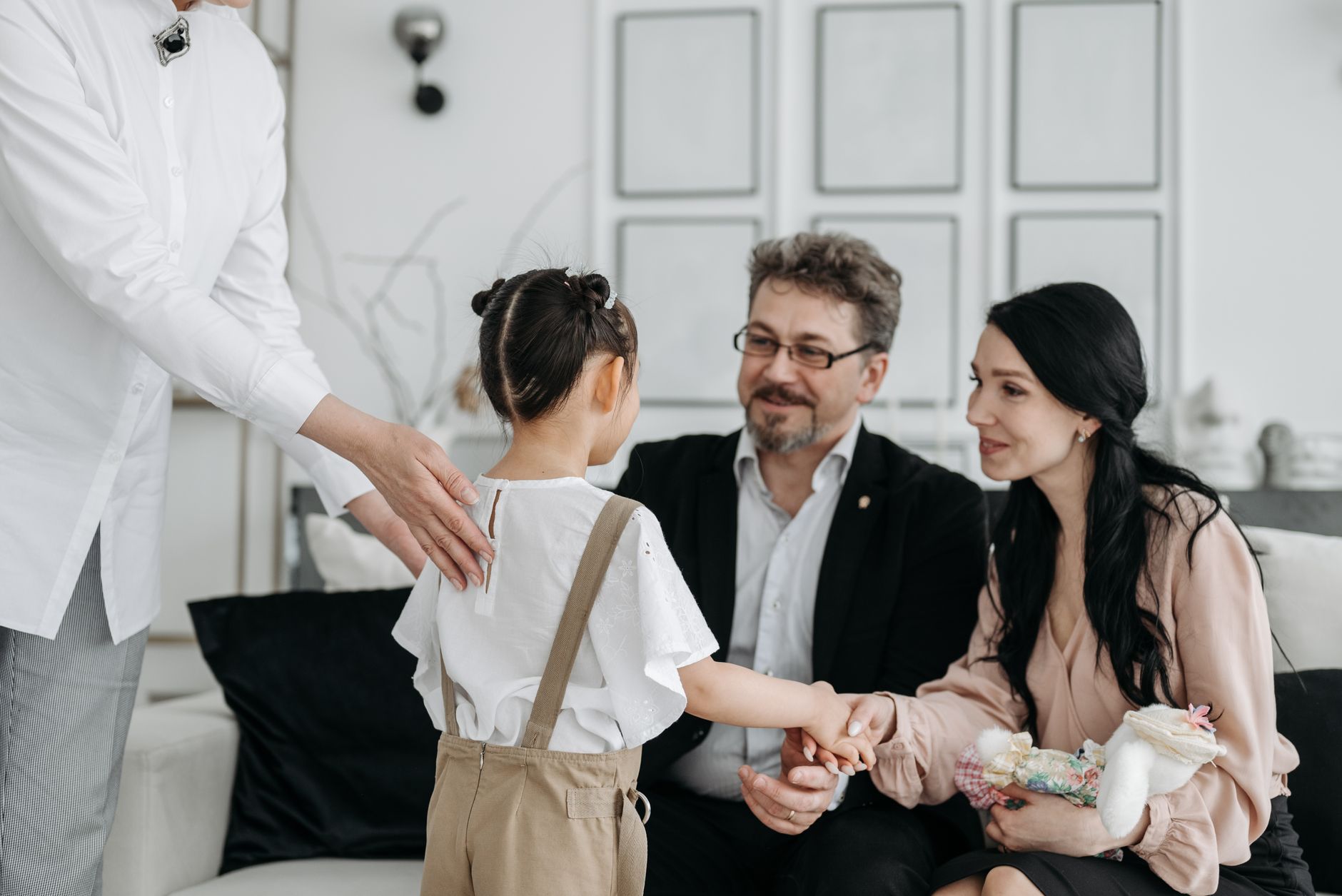
**What if my child asks about their birth parents?** It’s okay to say, "That’s a really important question. We can talk about it whenever you’re ready." Avoid making up stories or dismissing their curiosity. Instead, focus on the love and security they have with you.
---
## What legal steps are involved in closed adoption?
Closed adoption is often simpler legally, but it still requires careful attention to detail. The process varies by state, but here’s a general roadmap:
- Choose an adoption agency or attorney. In closed adoptions, you’ll typically work with a lawyer who specializes in adoption law. Some states require the birth parents to sign a consent to adoption form, which legally releases all parental rights.
- Complete a home study. Even in closed adoptions, most states require a home study to ensure you’re a fit parent. This includes background checks, interviews, and a visit to your home. For a checklist, check out our modern adoption home study guide.
- Finalize the adoption in court. A judge will review the birth parents’ consent and approve the adoption. In closed adoptions, the birth parents’ names are typically removed from the child’s birth certificate, and a new one is issued with your name.
**Key legal note:** In some states, birth parents can change their minds within a specific window (usually 48 hours). This is called a right of withdrawal. If you’re worried about this, consider working with an agency that offers consent protection services, which can help ensure the birth parents’ decision is final.
**Cost comparison:** Closed adoptions are generally less expensive than open adoptions because there’s no need for ongoing contact agreements or third-party mediators. However, legal fees can still add up. For a full breakdown of adoption costs, see our guide to private vs foster adoption costs.
**What if I want to keep some contact but still prefer a closed legal process?** Some states allow for confidential adoptions with limited contact. For example, you might exchange letters or photos through an agency but avoid direct meetings. This is sometimes called a semi-closed adoption.
---
## Pros and cons of open adoption for adoptive parents
Open adoption isn’t for everyone, but for those who choose it, the rewards can be profound. Here’s what to consider:
### Pros:
- Peace of mind for birth parents. Many birth parents feel relieved knowing their child is loved and well-cared for. This can lead to smoother adoptions and fewer post-placement issues.
- A richer story for your child. Your child will have a fuller understanding of their origins, which can foster self-esteem and a sense of belonging.
- Ongoing support from birth parents. Birth parents may offer guidance, gifts, or even help with cultural traditions, creating a unique bond.
- Transparency builds trust. If the birth parents are involved, they’re less likely to contact you later with unexpected demands or questions.
### Cons:
- Emotional complexity. Birth parents may have expectations about how you raise your child, leading to tension or guilt. For example, a birth parent might want to know why you chose a certain school or discipline style.
- Time and effort required. Open adoption means maintaining relationships, which can be emotionally taxing. You’ll need to stay in touch, attend events, and possibly even co-parent in some cases.
- Potential for birth parents to change their minds. While rare, some birth parents may later regret their decision and try to reclaim the child. This is why having a strong legal agreement is crucial.
**Real-life example:** Jake and Megan adopted their son, Noah, through an open adoption. They exchanged photos and letters every few months, and Noah’s birth mother, Priya, even sent him a gift for his first birthday. "It was bittersweet at first," Megan admits. "But seeing Priya’s love for Noah made us feel even more connected to him." However, they also had to navigate Priya’s occasional questions about Noah’s health or school. "It’s a lot to process," Jake says, "but we’re grateful for the relationship."
**How to prepare for open adoption emotionally:**
- Set boundaries early. For example, decide how often you’ll communicate and what topics are off-limits (e.g., personal medical details).
- Practice self-care. Open adoption can be emotionally draining, so make time for therapy or support groups.
- Be honest with your child. If they ask about their birth family, share the truth in age-appropriate terms.
---
## How to prepare for a closed adoption process
Choosing closed adoption means prioritizing privacy and simplicity. But that doesn’t mean it’s easy—it just means the emotional work looks different. Here’s how to prepare:
- Reflect on your "why." Why do you want a closed adoption? Is it because you value privacy, or because you’re unsure about maintaining contact? Be honest with yourself. If your motivation is fear or discomfort, closed adoption might not be the right fit.
- Prepare for your child’s questions. Even if you’re raising your child in a closed adoption, they may eventually wonder about their birth parents. Start early with simple answers: "Your birth parents loved you very much and made the choice to give you a home with us." For more tips, see our article on adoption communication strategies.
- Build a strong support system. Closed adoption can feel isolating, so lean on friends, family, or adoption support groups. You might also consider therapy to process your feelings about the birth parents.
- Create a legacy for your child. Since they won’t have direct contact with their birth family, consider building a legacy box with letters, photos, or stories about their origins. This can help them feel connected to their past.
- Plan for the future. If you ever feel curious about your child’s birth family, consider DNA testing or working with an adoption professional to access sealed records (if legally allowed).
**What if I change my mind later?** Some adoptive parents start with closed adoption but later open their hearts to contact. If this happens, it’s important to communicate openly with your child and the birth parents. However, birth parents may not always be open to renewed contact, so approach this with caution.
---
## What emotional support is needed in open adoption?
Open adoption is a beautiful thing, but it’s not without its emotional challenges. Here’s what you can expect—and how to handle it:
### For Adoptive Parents:
- Guilt and jealousy. It’s normal to feel envious of the bond between your child and their birth family. Remind yourself that your love is just as valid.
- Fear of rejection. Some adoptive parents worry their child will prefer their birth parents. But research shows that children in open adoptions typically feel loved by both families.
- Boundary-setting struggles. Birth parents may have expectations about how you raise your child. It’s okay to say no to things that don’t align with your values.
### For Birth Parents:
- Grief and loss. Even in open adoptions, birth parents may still feel sadness about not raising their child. Therapy can help them process these emotions.
- Fear of intrusion. Some birth parents worry adoptive parents will "take over" their relationship with the child. Clear agreements upfront can prevent this.
- Curiosity about the child’s life. Birth parents may want updates but also respect your privacy. Agree on a communication plan that works for everyone.
### For the Child:
- Confusion or loyalty conflicts. Children may feel torn between two families. Encourage them to express their feelings without judgment.
- Identity exploration. As teens, they may search for their birth family or question their adoption story. Be open to their questions and provide honest answers.
**How to find support:**
- Join an adoption support group, either in-person or online. Sharing experiences with others who "get it" can be incredibly healing.
- Consider therapy for yourself and your child. A therapist can help you navigate the unique emotions of open adoption.
- Read books like The Open-Hearted Way to Open Adoption by Kelly McMain and Lori Holden for practical advice.
---
##
Closed adoption means no contact—but that doesn’t mean birth parents won’t reach out later. Here’s how to handle unexpected contact:
- Stay calm and professional. If a birth parent contacts you years later, don’t panic. Take a deep breath and assess the situation. Ask yourself: Is this a genuine concern, or are they just curious?
- Consult your attorney. If a birth parent tries to reclaim the child or make demands, your lawyer can help you navigate the legal process. In most states, birth parents can’t suddenly change their minds after the adoption is finalized.
- Set boundaries firmly but kindly. If the contact is unwanted, you can politely but firmly decline. For example: "We’re happy you’re thinking of us, but we’ve moved on with our lives, and we’d prefer not to continue this conversation."
- Protect your child. If a birth parent contacts your child directly (e.g., through social media or a third party), involve your child’s therapist or adoption professional to help you respond appropriately.
**What if the birth parents want to know about the child’s health or background?** In most cases, you’re not legally obligated to share private information. However, if the birth parents are in crisis (e.g., struggling with addiction or mental health), you may want to consider contacting a mediator or adoption professional to help facilitate a safe conversation.
**Real-life example:** Lisa adopted her daughter, Emma, through a closed adoption. Years later, Emma’s birth mother reached out on Facebook. Lisa wasn’t sure how to respond, so she consulted her attorney and a therapist. Together, they decided to decline further contact but offered to send Emma a letter explaining their decision. "It was hard, but it felt like the right thing to do," Lisa says.
---
## What are the costs of open vs closed adoption?
Adoption costs vary widely depending on the type, agency, and state. Here’s a general breakdown:
**Ways to reduce costs:**
- Work with a foster-to-adopt program, which can lower expenses significantly.
- Choose a smaller agency or attorney to save on fees.
- Consider adopting from a different state, where costs may be lower.
**What about international adoption costs?** If you’re curious about adopting domestically vs internationally, our guide to domestic vs international adoption breaks down the financial and emotional differences.
---
## Myth vs. Fact: Open vs Closed Adoption
Adoption is full of misconceptions. Let’s clear up a few:
### Myth: Open adoption is always better for the child.
Fact: Not every child thrives in an open adoption. Some children feel more secure with no contact from their birth family. The best approach depends on the child’s personality, the birth parents’ involvement, and the adoptive parents’ comfort level.
### Myth: Closed adoption means the child will never know their birth parents.
Fact: Even in closed adoptions, children may eventually search for their birth parents. Some states allow for adoption records to be opened after a certain age (e.g., 18 or 25). Always be honest with your child about their origins.
### Myth: Birth parents in open adoptions will always want to take the child back.
Fact: While it’s rare, some birth parents may regret their decision. However, most birth parents in open adoptions are committed to their child’s well-being and don’t seek to reclaim them. Strong legal agreements help prevent this.
### Myth: Adoptive parents in closed adoptions never think about their child’s birth family.
Fact: Many adoptive parents in closed adoptions do wonder about their child’s birth parents—especially as their child grows older. It’s normal to feel curious, but it’s also important to respect the privacy of the birth family.
---
## Key Takeaways
- Open adoption offers transparency and connection but requires emotional preparation and ongoing effort.
- Closed adoption provides privacy and simplicity but may lead to questions or curiosity later.
- Children in open adoptions often develop a stronger sense of identity, while children in closed adoptions may search for answers as teens.
- Legal steps vary by state, but closed adoptions are generally simpler and less expensive than open adoptions.
- Emotional support—whether through therapy, support groups, or open communication—is crucial for all parties in adoption.
- Costs vary widely, but fostering or adopting from a different state can help reduce expenses.
---
## Frequently Asked Questions
### What is the difference between open and closed adoption?
Open adoption involves ongoing or periodic contact between birth parents and adoptive parents, while closed adoption means no contact. Open adoptions provide transparency and connection, while closed adoptions offer privacy and simplicity. The choice depends on your comfort level, values, and what’s best for the child’s identity development.
### How does open adoption work?
Open adoption can look different for every family. Some exchange photos and letters, while others meet regularly or even co-parent. The key is to establish clear agreements upfront about the level of contact, what topics are off-limits, and how conflicts will be resolved. Many families work with an adoption agency or mediator to help facilitate these relationships.
### What are the benefits of closed adoption?
Closed adoption offers privacy and simplicity. It can be a good choice if you value keeping your child’s birth family out of their life or if you’re unsure about maintaining contact. It also tends to be less expensive and legally simpler. However, it may lead to questions or curiosity later in your child’s life.
### What are the emotional impacts of open adoption?
Open adoption can be emotionally complex. Adoptive parents may feel guilt, jealousy, or anxiety about their child’s connection to their birth family. Birth parents may experience grief or fear of intrusion. Children may feel torn between two families or curious about their origins. Therapy and open communication can help navigate these emotions.
###
If a birth parent contacts you years after the adoption, stay calm and consult your attorney. You’re not legally obligated to share private information, but you can offer updates if you’re comfortable. If the contact is unwanted, set firm but kind boundaries. Protecting your child’s well-being is the top priority.
### What legal steps are required for open adoption?
Open adoptions require additional legal steps, such as drafting a contact agreement that outlines how and when birth parents and adoptive parents will communicate. This agreement is typically reviewed by a judge to ensure it’s in the child’s best interest. Some states also require ongoing check-ins to ensure the agreement is being followed.
---
## When to See a Doctor or Specialist
While adoption is an emotional journey, there are times when professional support can make a big difference:
- If you’re feeling overwhelmed or anxious about the adoption process. Therapy can help you process your emotions and prepare for the challenges ahead.
- If your child is struggling with their adoption story or identity. A therapist specializing in adoption can help them navigate their feelings.
- If a birth parent is making unexpected demands or trying to reclaim the child. Consult your adoption attorney immediately to protect your rights and your child’s well-being.
- If you’re experiencing grief or loss related to the adoption. Support groups for adoptive parents or birth parents can provide a safe space to share your feelings.
**Who to see:**
- Adoption therapist or counselor (specializing in adoption trauma or identity development).
- Adoption attorney (to navigate legal complexities).
- Support groups (e.g., Adoptive Families or Birth Parents United).
---
## References
- Adoptive Families Magazine. (2023). The Open-Hearted Way to Open Adoption.
- American Psychological Association. (2022). Adoption and Identity Development in Children.
- Kelly McMain & Lori Holden. (2015). The Open-Hearted Way to Open Adoption.
- National Center for Adoption Law. (2023). Legal Considerations in Open vs Closed Adoption.
- North American Menopause Society. (2021). Identity Development in Adopted Children.
- U.S. Department of Health and Human Services. (2022). Adoption Statistics and Trends.



