ou’ve got your grocery list, but now you’re staring at a blank meal plan and thinking, “How do I actually eat this?” The Okinawan diet isn’t about restrictive meals—it’s about building balanced, flavorful dishes that keep you full and energized. Start with simple, repeatable meals that incorporate the diet’s core foods. Here’s how to begin:
Breakfast: Opt for a bowl of satoimo (Okinawan sweet potato) with a sprinkle of cinnamon or a small portion of steamed tofu with seaweed. For something heartier, try a smoothie with spinach, banana, and almond milk—think of it as a modern twist on the diet’s focus on greens.
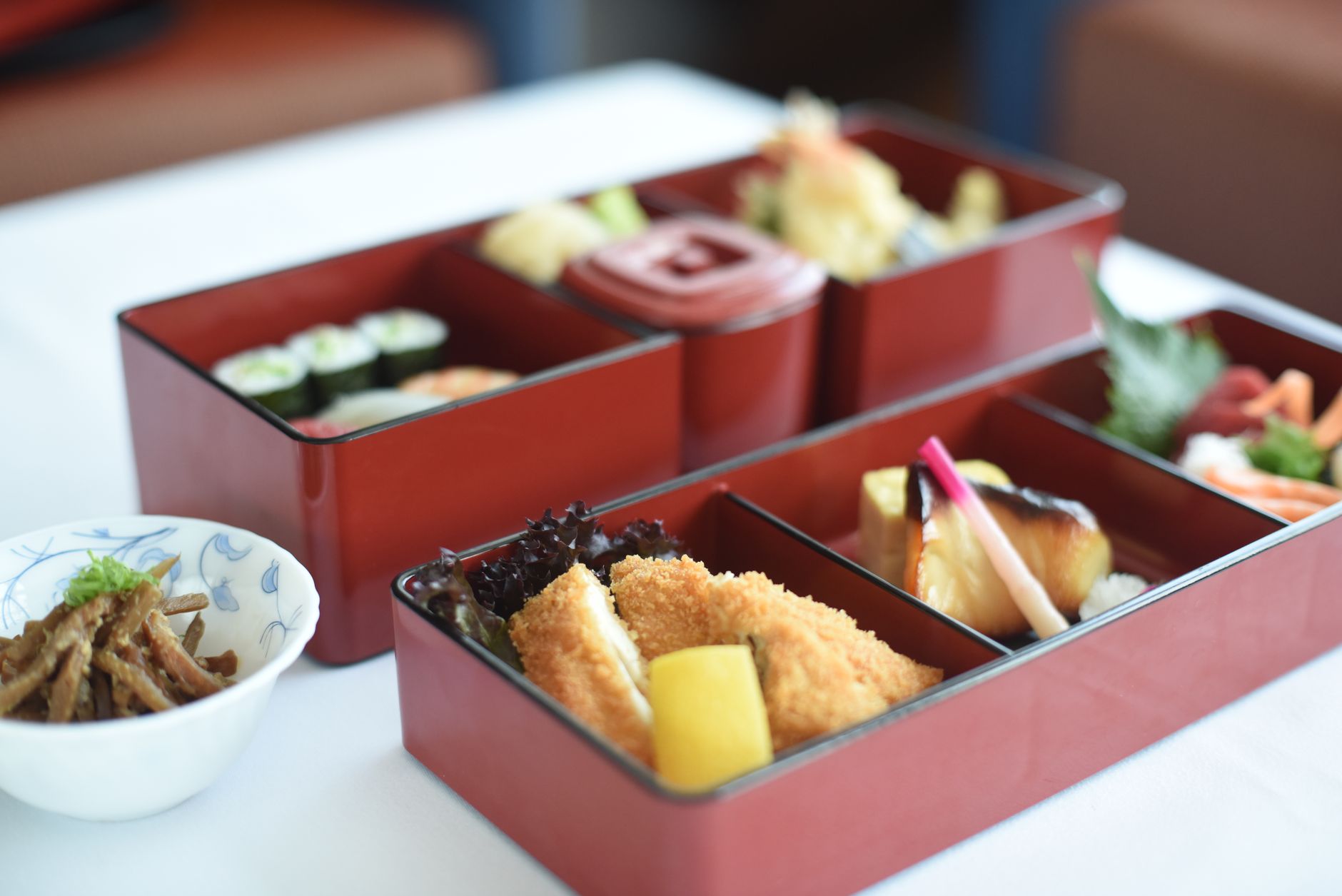
Lunch: A classic Okinawan bento box is perfect for beginners. Include:
- Steamed or roasted sweet potatoes
- A small serving of grilled fish (like mackerel or sardines)
- Steamed greens (spinach or kale)
- A side of miso soup with tofu and seaweed
- A small portion of brown rice
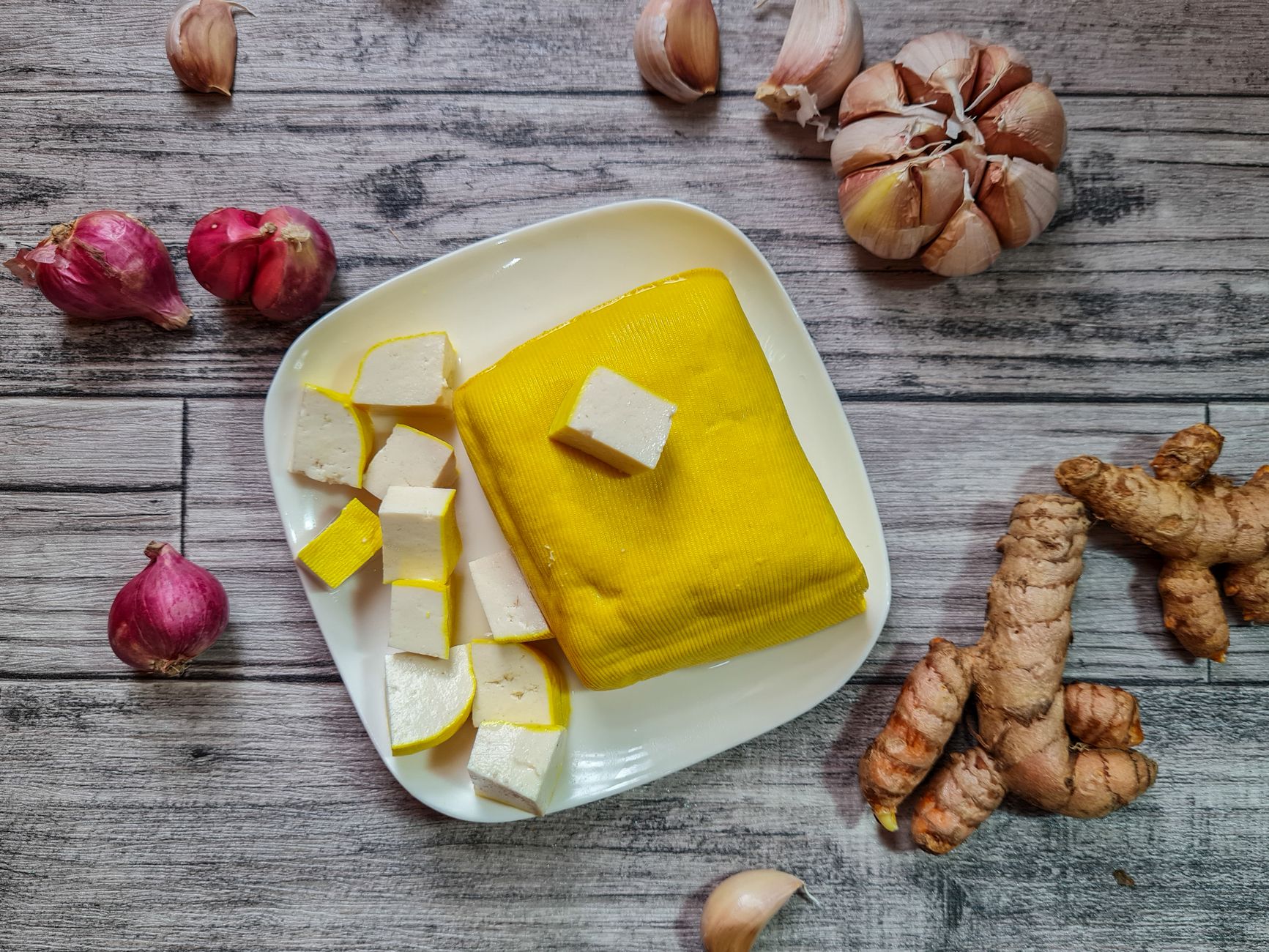
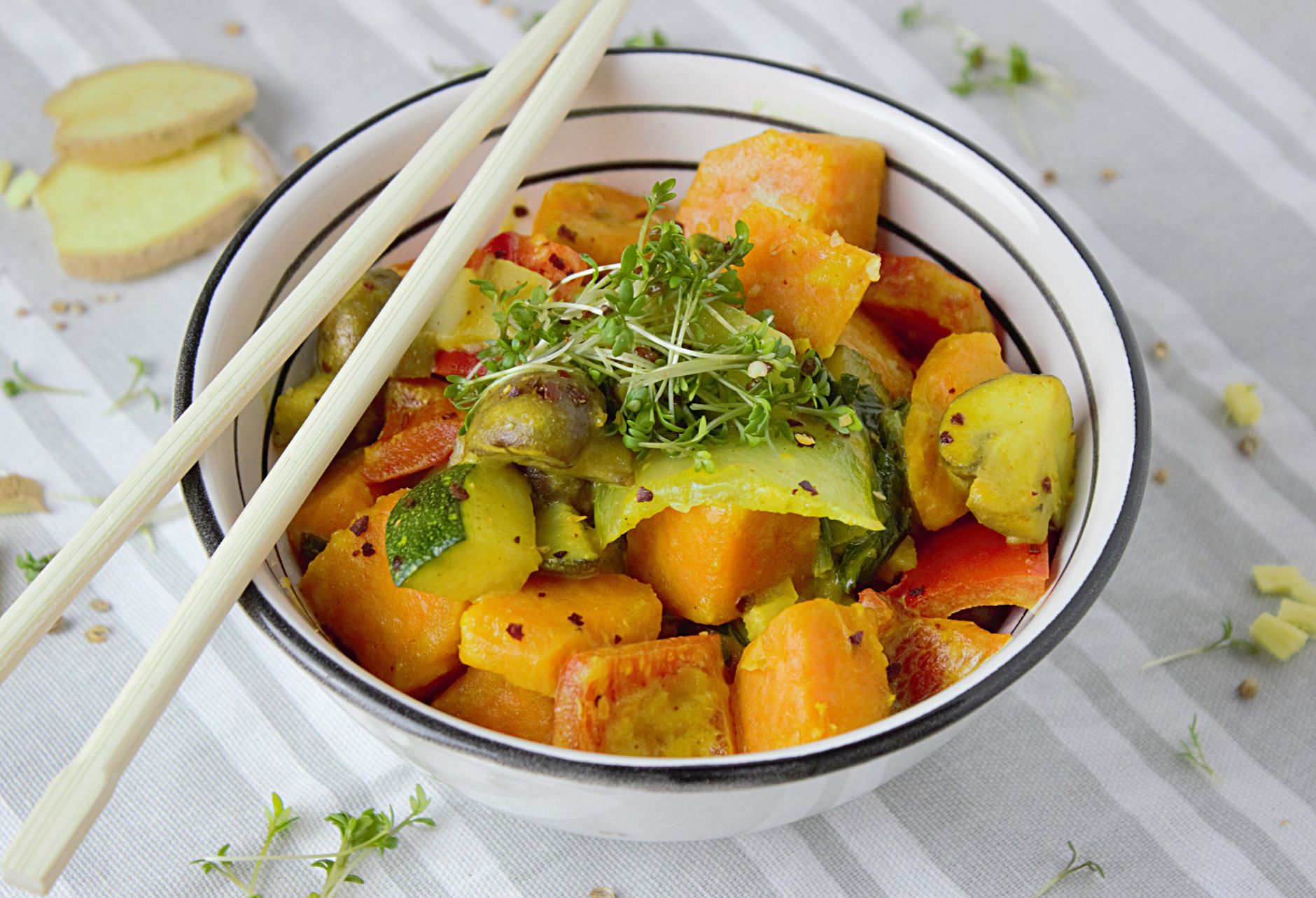
Dinner: Try a simple stir-fry with tofu, turmeric, and mixed vegetables (bell peppers, carrots, and broccoli). For a vegetarian option, swap the tofu for tempeh and add edamame. Don’t forget a side of fermented vegetables like kimchi or pickled radishes for gut health.
Many beginners find success by starting with one or two meals a day that align with the diet and gradually building from there. For example, you might begin by replacing your usual dinner with a bowl of miso soup and steamed vegetables, then add sweet potatoes to your lunch the next day. Consistency is key—small, sustainable changes add up over time.
If you’re looking for more inspiration, check out our AIP elimination diet for another plant-focused approach, or our dairy-free meal ideas if you’re curious about how to adapt similar principles to other dietary needs.
Okinawan diet grocery list for beginners and where to buy
You’ve heard the foods, you’ve tried the meals—but now you’re staring at your pantry, wondering: “Where do I even start shopping?” The great news is that many Okinawan staples are easy to find, especially if you’re in a city with a well-stocked international or Asian grocery store. Here’s your beginner’s grocery list, broken down by category:
Produce
- Okinawan sweet potatoes (or regular sweet potatoes if unavailable)
- Spinach, kale, or other leafy greens
- Bitter melon (goya)
- Papaya, mango, or guava
- Tomatoes, cucumbers, and bell peppers
- Garlic and ginger
Proteins
- Fatty fish (mackerel, sardines, or salmon)
- Tofu (firm or silken)
- Tempeh
- Eggs (if you’re not vegetarian)
Grains and Starches
- Brown rice or barley
- Millet or quinoa
Fermented Foods
- Miso paste
- Natto
- Pickled vegetables (like kimchi or pickled radishes)
Spices and Herbs
- Turmeric
- Ginger
- Goishi (a bitter herb often used in Okinawa)
Where to Buy
If you don’t have an Asian grocery store nearby, don’t worry! Many of these ingredients can be found at:
- Regular supermarkets (look for brown rice, tofu, and frozen fish)
- Health food stores (for miso, tempeh, and turmeric)
- Online retailers (Amazon, Thrive Market, or specialty Asian websites)
Pro tip: Start with the basics—sweet potatoes, tofu, spinach, and miso—and expand as you get comfortable. You might also find pre-made Okinawan ingredients like satoimo or goya in the international aisle of larger grocery chains.
Okinawan diet meal prep ideas for beginners
You’re excited about the Okinawan diet, but let’s be real—life gets busy. “How do I actually meal prep this without spending hours in the kitchen?” The answer is simple: start small. Meal prep doesn’t have to mean cooking for a week. Even 15–20 minutes a day can make a huge difference. Here are some beginner-friendly meal prep ideas:
Batch Cook Grains
Cook a large batch of brown rice or barley at the start of the week. Store it in the fridge, and use it as a base for meals like stir-fries, bowls, or salads. This saves time and ensures you always have a healthy carb option on hand.
Roast Sweet Potatoes in Advance
Slice sweet potatoes into wedges, toss them with a little olive oil and turmeric, and roast them in the oven at 400°F (200°C) for 25–30 minutes. These keep well in the fridge for up to 5 days and add a nutrient-packed side to any meal.
Prep Fermented Foods
Buy a jar of miso soup base and keep it in your fridge. When you’re ready to eat, simply heat some water, add the miso, and stir in tofu or seaweed. For natto, store it in the fridge and add it to rice at mealtime. Fermented foods are shelf-stable for a few days, so you don’t need to prep them in bulk.
Make a Big Batch of Stir-Fry Veggies
Chop a mix of bell peppers, carrots, and broccoli, store them in airtight containers, and keep them in the fridge for up to 5 days. When you’re ready to cook, heat some oil, add your veggies, and toss in tofu or tempeh for a quick and easy meal.
Pre-Cut Your Greens
Wash and chop a large bunch of spinach or kale, store it in a container with a damp paper towel to keep it fresh, and use it as a base for salads or sides throughout the week.
Meal prep doesn’t have to be complicated. The key is to focus on foods that store well and can be easily incorporated into multiple meals. For example, a batch of roasted sweet potatoes can be eaten as a side, added to a salad, or even blended into a soup. Think of meal prep as a way to simplify your life, not add to it.
Okinawan diet nutrition facts for beginners
You’re curious about the Okinawan diet, but you’re also practical. “What are the actual nutrition benefits? How does it compare to other diets I’ve tried?” Let’s break it down.
Key Nutritional Benefits
The Okinawan diet is rich in nutrients that support longevity, heart health, and inflammation reduction. Here’s what you can expect:
- High in antioxidants (from sweet potatoes, turmeric, and leafy greens)
- Rich in plant-based protein (from tofu, tempeh, and fish)
- Low in saturated fat (thanks to the emphasis on plant foods and fatty fish)
- High in fiber (from whole grains, vegetables, and fermented foods)
- Packed with anti-inflammatory compounds (turmeric, ginger, and seaweed)
Comparison to Other Diets
If you’re comparing the Okinawan diet to other popular diets like the DASH diet or the keto diet, here’s how it stacks up:
The Okinawan diet is unique in its focus on fermented foods and specific cultural ingredients like turmeric and bitter melon. While the DASH diet also emphasizes whole foods and heart health, the Okinawan diet goes further with its anti-inflammatory and longevity-focused approach.
Typical Daily Calorie Intake
The Okinawan diet doesn’t prescribe a specific calorie target, but many beginners find success with a daily intake of around 1,500–1,800 calories, depending on their activity level and goals. For example:
- A breakfast of sweet potato and spinach smoothie: ~300 calories
- A lunch of miso soup with tofu and greens: ~400 calories
- A dinner of grilled fish with roasted vegetables: ~500 calories
- A snack of edamame or a small portion of fruit: ~100–200 calories
If you’re looking to lose weight, you might start by tracking your intake and adjusting portions as needed. The Okinawan diet is naturally lower in calories than many Western diets, thanks to its focus on vegetables, whole grains, and lean proteins.
Okinawan diet beginner mistakes to avoid
You’re diving into the Okinawan diet with enthusiasm, but let’s be honest—“What are the common pitfalls, and how do I avoid them?” Even the most well-intentioned beginners can make mistakes. Here are the top ones to watch out for:
1. Skipping Fermented Foods
Fermented foods like miso, natto, and kimchi are a cornerstone of the Okinawan diet. They support gut health, which is linked to longevity. If you skip them, you’re missing out on key nutrients. Solution: Start with one fermented food per day, like a small bowl of miso soup or a spoonful of natto.
2. Over-Reliance on Rice
While brown rice is a staple, eating it at every meal can lead to blood sugar spikes. The Okinawan diet encourages variety in grains, like barley or millet. Solution: Mix it up—try a grain bowl with quinoa or swap rice for sweet potatoes occasionally.
3. Not Eating Enough Protein
Many beginners assume the Okinawan diet is low in protein, but it’s actually rich in plant-based and fish proteins. Skipping tofu or fish can leave you feeling sluggish. Solution: Include a protein source at every meal, like tofu stir-fry or grilled mackerel.
4. Ignoring Portion Sizes
The Okinawan diet isn’t about restriction, but portions matter. Eating too much rice or sweet potatoes can lead to bloating or discomfort. Solution: Use smaller plates and focus on filling half your plate with vegetables.
5. Giving Up Too Soon
Like any diet, the Okinawan diet takes time to adapt to. Many beginners quit after a week because they don’t see immediate results. Solution: Give it at least 3–4 weeks to see how your body responds. Focus on how you feel, not just the scale.
6. Not Adapting for Special Needs
If you’re pregnant, vegetarian, or have dietary restrictions, the Okinawan diet can still work—but you might need to tweak it. For example, pregnant women should avoid raw fish and limit certain herbs. Solution: Consult a healthcare provider or dietitian to personalize the diet to your needs.
One reader shared her experience: “I started the Okinawan diet and felt great for a week, but then I missed my usual pasta and pizza. I gave up after two days. My mistake? I didn’t plan for cravings. Now I keep a small portion of whole-grain pasta in the freezer for emergencies.” Planning ahead can make all the difference.
Okinawan diet vs Mediterranean diet for beginners
You’ve heard of the Mediterranean diet, and now you’re curious about how the Okinawan diet compares. “Which one is right for me?” Both diets share similarities—whole foods, plant-based eating, and heart-healthy fats—but they also have key differences. Here’s how they stack up:
Similarities
- Both emphasize whole, minimally processed foods
- Both include plenty of vegetables, fruits, and whole grains
- Both focus on healthy fats (olive oil in Mediterranean, fish and nuts in Okinawan)
- Both support heart health and longevity
Differences
While the Mediterranean diet includes dairy and wine (in moderation), the Okinawan diet limits both. The Okinawan diet also places a stronger emphasis on fermented foods and specific cultural ingredients like turmeric and bitter melon. Additionally, the Okinawan diet tends to be lower in carbohydrates overall, thanks to its focus on sweet potatoes and vegetables rather than grains.
If you’re torn between the two, consider your personal preferences and goals. If you love seafood and fermented foods, the Okinawan diet might be a better fit. If you enjoy dairy and wine (in moderation), the Mediterranean diet could be more enjoyable long-term. Many people also blend elements of both diets for a balanced approach.
Okinawan diet low sodium options
You’re watching your sodium intake, and you’re wondering: “Can I still enjoy the Okinawan diet?” The good news is that the Okinawan diet naturally includes low-sodium options, especially if you focus on fresh, whole foods. Here’s how to keep sodium in check:
Low-Sodium Swaps
- Skip processed miso paste and opt for homemade or low-sodium versions
- Use fresh herbs and spices (like turmeric and ginger) instead of salt
- Avoid canned soups and opt for homemade broths
- Limit soy sauce and use low-sodium versions if needed
- Choose fresh or frozen fish over canned fish (which often contains added salt)
Low-Sodium Meal Ideas
- Steamed fish with lemon and herbs
- Stir-fried tofu with turmeric and vegetables
- Sweet potato and greens bowl with olive oil and garlic
- Miso soup made with low-sodium miso and fresh vegetables
If you’re used to flavoring everything with salt, it might take a few weeks to adjust. Start by reducing salt gradually and relying on the natural flavors of fresh ingredients. You’ll be surprised at how delicious low-sodium meals can be!
Okinawan diet for weight loss beginners
You’re looking to lose weight, and the Okinawan diet sounds promising. “How does it help with weight loss, and what should I expect?” The Okinawan diet is naturally lower in calories and higher in nutrients, making it a great choice for weight loss. Here’s what to know:
How It Supports Weight Loss
- High in fiber (from vegetables, whole grains, and fermented foods), which keeps you full longer
- Low in processed foods and sugars, which reduces cravings and energy crashes
- Rich in protein (from tofu, fish, and eggs), which helps maintain muscle mass during weight loss
- Anti-inflammatory, which can reduce bloating and water retention
What to Expect
Many beginners see gradual weight loss—about 1–2 pounds per week—without feeling deprived. The key is consistency. Some people notice improved energy levels and digestion within the first week, while others take longer to see significant changes. If you’re combining the Okinawan diet with light exercise (like walking or yoga), you’ll likely see even better results.
Tips for Success
- Start with small, sustainable changes (e.g., swapping white rice for brown rice)
- Track your intake for the first week to get a sense of portions
- Stay hydrated—drink plenty of water and herbal teas
- Incorporate movement you enjoy (dancing, hiking, or even stretching)
- Be patient—weight loss is a journey, not a race
One reader shared her experience: “I lost 10 pounds in my first month on the Okinawan diet, but the real win was how I felt. No more bloating, more energy, and I actually looked forward to meals. I swapped my usual snacks for edamame and berries, and it made a huge difference.”
Okinawan diet recipes for beginners
You’re ready to dive in, but you’re not sure where to start with recipes. “What are the easiest Okinawan diet meals I can make?” Here are three simple, beginner-friendly recipes to get you started:
1. Simple Miso Soup with Tofu and Greens
Ingredients:
- 1 cup water or low-sodium vegetable broth
- 1 tbsp miso paste (low-sodium if possible)
- ½ block firm tofu, cubed
- 1 cup spinach or kale
- 1 tsp grated ginger
- 1 green onion, sliced
Instructions:
- Bring water or broth to a gentle simmer in a small pot.
- Dissolve miso paste in the broth (do not boil—heat can destroy beneficial bacteria).
- Add tofu cubes and ginger, simmer for 2–3 minutes.
- Stir in spinach or kale until wilted.
- Top with green onion and serve.
2. Roasted Sweet Potato and Turmeric Bowl
Ingredients:
- 1 large sweet potato, cubed
- 1 tbsp olive oil
- ½ tsp turmeric
- ½ tsp cinnamon
- 1 cup steamed greens (spinach or kale)
- ½ cup brown rice
- 1 tbsp lemon juice
Instructions:
- Preheat oven to 400°F (200°C). Toss sweet potato cubes with olive oil, turmeric, and cinnamon.
- Roast for 25–30 minutes until tender.
- Serve with steamed greens, brown rice, and a squeeze of lemon juice.
3. Turmeric-Ginger Stir-Fry with Tofu
Ingredients:
- 1 block tofu, pressed and cubed
- 1 tbsp olive oil
- 1 tbsp fresh ginger, grated
- 1 tsp turmeric
- 1 bell pepper, sliced
- 1 carrot, julienned
- 1 cup broccoli florets
- 1 tbsp soy sauce (low-sodium)
Instructions:
- Heat olive oil in a pan over medium heat. Add ginger and turmeric, and sauté for 1 minute.
- Add tofu and cook until golden. Remove and set aside.
- In the same pan, stir-fry bell pepper, carrot, and broccoli for 5–7 minutes.
- Return tofu to the pan, add soy sauce, and toss everything together.
- Serve hot.
These recipes are simple, flavorful, and perfect for beginners. Once you’re comfortable, you can experiment with more complex dishes like Okinawan-style curries or bitter melon stir-fries.
Okinawan diet supplements for beginners
You’re curious about supplements and whether they complement the Okinawan diet. “What supplements can help me get the most out of this way of eating?” While the Okinawan diet is nutrient-dense, some people find supplements helpful—especially if they have specific deficiencies or goals. Here’s what to consider:
Common Supplements and Their Benefits
Before starting any supplement, consult your healthcare provider—especially if you’re pregnant, taking medications, or have a medical condition. The Okinawan diet already provides many of these nutrients through whole foods, so supplements should only be used to fill gaps.
Benefits of the Okinawan diet for pregnancy
You’re pregnant and curious about the Okinawan diet. “Is it safe, and what are the benefits?” The Okinawan diet can be a great choice for pregnant women, thanks to its focus on whole, nutrient-dense foods. However, there are some important considerations to keep in mind:
Potential Benefits
- Rich in folate (from leafy greens and legumes), which supports fetal development
- High in omega-3s (from fatty fish), which are crucial for brain development
- Low in processed foods and sugars, which can help manage pregnancy cravings and energy levels
- Anti-inflammatory properties (from turmeric and ginger) may help reduce pregnancy-related swelling
- Fermented foods (like miso and natto) support gut health, which is important during pregnancy
Pregnancy-Specific Adjustments
- Avoid raw fish (like sushi or sashimi) due to the risk of foodborne illness
- Limit certain herbs like goishi (bitter melon), as they may have mild laxative effects
- Increase calorie intake slightly to support fetal growth (consult your provider for personalized guidance)
- Choose low-mercury fish like salmon or sardines over high-mercury options like tuna
- Stay hydrated—drink plenty of water and herbal teas (like ginger tea for nausea)
If you’re interested in other pregnancy-friendly diets, check out our flexitarian approach for a plant-focused