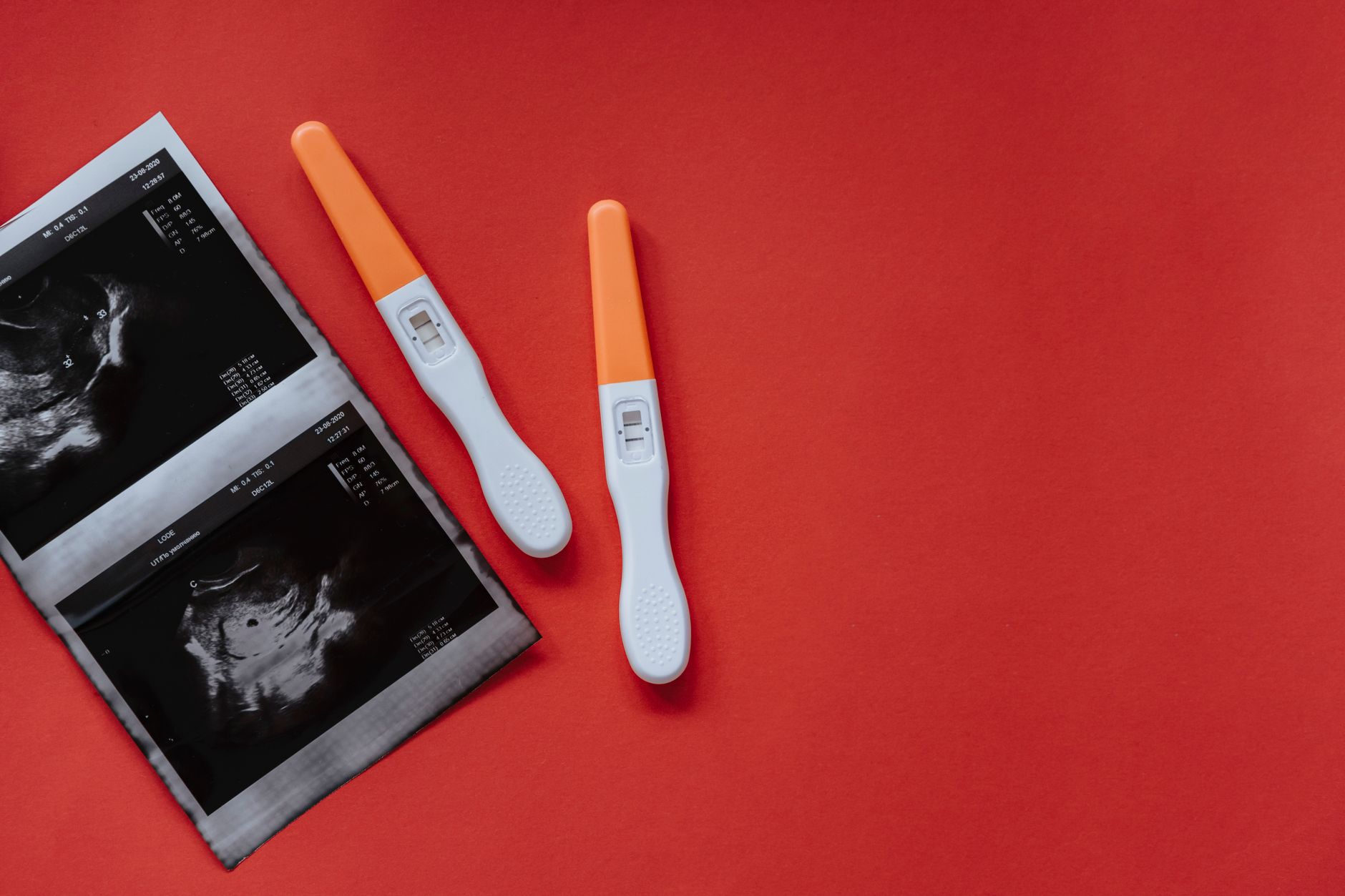
Nipt test results are explained: a low-risk score means the chromosome count is likely normal, while a high-risk result suggests further diagnostic testing. Learn what each result indicates, next steps, and how to interpret the numbers for your pregnancy.
By Shubhra Mishra — a mom of two who turned her own confusion during pregnancy into BumpBites, a global mission to make food choices clear, safe, and stress-free for every expecting mother. 💛
Check whether any food is safe during pregnancy with the BumpBites Food Safety Checker.
Quick take: NIPT (non‑invasive prenatal testing) looks at tiny fragments of your baby’s DNA in your blood to screen for common chromosome conditions. A “low‑risk” result means the test did not detect a problem, while a “high‑risk” result signals a possible issue that needs a diagnostic test like amniocentesis. Results usually arrive within 7–14 days, are highly accurate for trisomy 21 (≈99 % detection), but no test is 100 % foolproof—false positives and false negatives can happen.
It’s 2 a.m., you’re curled up with a cup of tea, and a notification on your phone says, “Your NIPT results are ready.” Your heart skips a beat. Is this good news? Should you be worried? You’re not alone—many expecting parents stare at those results and wonder what they truly mean.
In this guide we’ll break down every angle of nipt test results explained: what the numbers mean for your baby, how reliable the test is, how long you’ll wait for the report, what to do if the result is high‑risk, and how NIPT stacks up against invasive tests. We’ll also cover costs, insurance, preparation tips, and the ways maternal health can influence the outcome. By the end you’ll have a clear, calm roadmap for the next steps.
All information is based on guidance from the American College of Obstetricians and Gynecologists (ACOG), the NHS, the CDC, and other reputable bodies. Remember, this article is for education only—not a substitute for personalized medical advice.
Having the testing kit ready at home makes the blood draw quick and stress‑free.
What do NIPT test results mean for my baby?
When you receive a NIPT report, you’ll see a risk category—most commonly “low risk,” “high risk,” or occasionally “borderline/uncertain.”
Low risk: The test did not detect an extra or missing chromosome for the conditions it screens (typically trisomy 21, 18, 13, and selected sex‑chromosome abnormalities). This is reassuring but not a guarantee; rare disorders may still be present.
High risk: The DNA fragments suggest a higher probability that the baby has a specific chromosomal condition. This does not mean a diagnosis—only that a diagnostic test (amniocentesis or CVS) should be considered.
Borderline/uncertain: The result falls in a gray zone where the test’s signal is weak. Your provider may repeat the NIPT or move straight to a diagnostic test based on your history.
Low‑risk results are often accompanied by a statement such as “the probability of trisomy 21 is less than 1 in 10,000.” High‑risk reports usually list the specific condition (e.g., “high risk for trisomy 21”) and may give a numeric risk estimate.
These categories are derived from statistical models that compare the proportion of fetal DNA fragments from each chromosome to reference ranges. The test does not tell you how severe the condition will be; for that, a diagnostic test and an obstetric specialist are needed.
How accurate are NIPT results for detecting trisomy 21 and other conditions?
Accuracy is measured in two ways: detection rate (sensitivity) and false‑positive rate (specificity). For trisomy 21 (Down syndrome), large meta‑analyses cited by ACOG report a detection rate of 99 % and a false‑positive rate of about 0.1 %–0.2 %.
Other conditions have slightly lower detection rates:
Sex‑chromosome abnormalities (e.g., Turner, Klinefelter): 80 %–95 % detection, higher false‑positive rates up to 1 %.
These numbers come from studies reviewed by the CDC and the UK’s National Screening Committee. While the test is highly reliable, no screening test reaches 100 % certainty. Factors such as low fetal fraction (the proportion of fetal DNA in maternal blood) can lower accuracy, especially in early gestation (<10 weeks) or in mothers with higher BMI.
Because NIPT is a screen—not a diagnostic—it’s meant to guide decisions about whether to pursue more invasive testing. The high detection rates mean most cases of trisomy 21 are caught early, but a small chance of a false‑positive result still exists.
When will I get my NIPT results?
After your blood draw (usually between 10 and 22 weeks), most laboratories aim to return results within 7–14 days. The exact timeline depends on three main factors:
Laboratory processing speed: High‑volume labs in the US and UK typically meet the two‑week window, while smaller regional labs may take longer.
Sample logistics: If the sample must be shipped internationally, transit time adds a few days.
Gestational age at draw: Early draws (<10 weeks) sometimes require a repeat draw if fetal fraction is insufficient, extending the timeline.
International turnaround varies:
Country/Region
Typical Turnaround
Notes
United States
7–10 days
Most commercial labs offer expedited service.
United Kingdom (NHS)
10–14 days
Public‑funded labs may have longer queues.
Australia
10–12 days
Samples processed centrally.
India
12–16 days
Shipping to overseas labs common.
If you haven’t heard back by the expected date, contact your provider. Some labs also provide online portals where you can track the status in real time.
Mark the expected two‑week window on your calendar after the blood draw.
Interpreting a high‑risk NIPT result: next steps and follow‑up testing
A high‑risk result can feel overwhelming, but it’s a signal to gather more information, not a verdict. The standard pathway includes:
Genetic counseling: A certified genetic counselor will explain the result, discuss possible outcomes, and answer your questions. This step is recommended by ACOG before any invasive testing.
Diagnostic testing: Options are amniocentesis (usually performed at 15–20 weeks) or chorionic villus sampling (CVS) (10–13 weeks). Both collect fetal cells for definitive chromosome analysis.
Review of ultrasound findings: Detailed anatomy scans can sometimes reveal physical markers that support or contradict the NIPT risk.
Decision making: You’ll weigh the benefits of a definitive diagnosis against the small risk of miscarriage (≈0.1–0.3 % for amniocentesis, slightly higher for CVS).
It’s normal to feel a swirl of emotions. Many families share that having a clear plan—meeting with a counselor within a few days and scheduling the diagnostic test—helps regain a sense of control.
Can a NIPT test result be false positive or false negative?
Yes. While false‑positive rates are low (0.1–1 % depending on the condition), they do occur. Common causes include:
Maternal mosaicism: Some women carry a small proportion of cells with chromosomal abnormalities, which can be mistaken for fetal DNA.
Vanishing twin: DNA from a spontaneously lost twin may linger and skew results.
Confined placental mosaicism: The placenta may have a different chromosome makeup than the fetus, leading to discordant NIPT findings.
False negatives—where a condition is missed—are rarer but can happen if fetal fraction is low (often in higher‑BMI mothers or early gestation). That’s why a “low‑risk” result does not replace routine prenatal ultrasounds.
If a high‑risk result turns out to be a false positive after diagnostic testing, the pregnancy proceeds as usual. Conversely, a false negative may be uncovered later by ultrasound anomalies, prompting further investigation.
NIPT versus amniocentesis or CVS: accuracy comparison and when to consider invasive testing
Here’s a side‑by‑side look at the main features of NIPT, amniocentesis, and CVS:
Aspect
NIPT (screen)
Amniocentesis (diagnostic)
CVS (diagnostic)
Detection of trisomy 21
≈99 % sensitivity
≈99–100 %
≈99–100 %
False‑positive rate
0.1–0.2 %
≈0.1 %
≈0.2 %
Timing
10–22 weeks (blood draw)
15–20 weeks (procedure)
10–13 weeks (procedure)
Risk of miscarriage
None
≈0.1–0.3 %
≈0.5–1 %
Conditions screened
Common trisomies, selected sex‑chromosome anomalies
All chromosomal & many genetic disorders
All chromosomal & many genetic disorders
Cost (US)
$800–$2,000
$1,500–$3,000
$1,800–$3,500
In short, NIPT offers a highly accurate, non‑invasive first line. If the screen is high‑risk, an invasive test provides a definitive answer. Many providers follow a “screen‑first” approach, reserving amniocentesis or CVS for cases where NIPT flags a potential issue.
How much does NIPT cost and is it covered by insurance?
Pricing varies by country, provider, and whether the test is done privately or through a public health system.
United States: Private pay ranges from $800 to $2,000. Many insurers cover NIPT for women over 35 or with a known risk factor, following guidelines from the American College of Medical Genetics and Genomics (ACMG).
United Kingdom (NHS): NIPT is offered free of charge for high‑risk pregnancies (e.g., maternal age ≥ 40, abnormal ultrasound). Otherwise, private testing costs around £500–£800.
Australia: Medicare may subsidize NIPT for eligible women; out‑of‑pocket costs are typically AUD $600–$1,200.
Canada: Provincial health plans generally do not cover NIPT; private insurance may reimburse if deemed medically necessary.
Before ordering, ask your provider or insurance representative whether the test is “medically necessary” under your plan. Some insurers require a prior authorization code linked to maternal age or a prior abnormal screening result.
How to prepare for a NIPT test and what maternal factors can affect results?
Preparation is simple, but a few practical steps can smooth the process:
Schedule the blood draw at the right gestational age. Most labs request a sample after 10 weeks; earlier draws may need a repeat.
Fast if your provider advises. Some labs request a fasting sample to reduce lipid interference.
Stay hydrated. Good hydration helps make the vein easier to locate.
Bring a list of medications. Certain drugs (e.g., high‑dose aspirin) can affect fetal fraction.
Maternal factors influencing accuracy include:
Body mass index (BMI): Higher BMI can lower fetal fraction, potentially reducing sensitivity.
Age: While age doesn’t affect the test’s technical performance, older maternal age increases the baseline risk of chromosomal anomalies, which the test interprets alongside age‑based priors.
Health conditions: Autoimmune diseases, recent blood transfusions, or organ transplants can introduce extra DNA that confuses the analysis.
If any of these factors are present, your provider may recommend a repeat draw later in pregnancy or suggest moving directly to diagnostic testing.
What do NIPT results for sex chromosome abnormalities look like?
Sex‑chromosome screenings evaluate conditions such as Turner syndrome (45,X), Klinefelter syndrome (47,XXY), and Triple X (47,XXX). The risk categories follow the same low/high pattern, but the false‑positive rates are modestly higher (≈0.5–1 %). Because many sex‑chromosome conditions have variable phenotypes, a high‑risk result often leads to a detailed ultrasound and a diagnostic test for confirmation.
For example, a high‑risk result for Turner syndrome may prompt a focused ultrasound to assess fetal growth and cardiac anatomy, followed by amniocentesis if the findings are concerning. Conversely, a low‑risk result provides reassurance but does not replace standard monitoring.
What does a low‑risk NIPT result indicate?
A low‑risk result tells you that the probability of the screened conditions is below the laboratory’s threshold—typically less than 1 in 10,000 for trisomy 21. It is not a guarantee that all genetic disorders are absent; rare or untested conditions could still be present.
Clinically, a low‑risk result allows you to continue routine prenatal care without the need for invasive testing, unless another concern arises (e.g., abnormal ultrasound). Many clinicians combine a low‑risk NIPT with the standard anatomy scan at 18–20 weeks to ensure comprehensive monitoring.
Myth vs. fact
Myth: A low‑risk NIPT result means the baby is completely free of any genetic issue.
Fact: Low risk only applies to the specific conditions the test screens for; rare disorders or those not included may still be present.
Myth: NIPT can replace amniocentesis or CVS entirely.
Fact: NIPT is a screening tool; diagnostic tests are still needed for definitive confirmation when NIPT flags a high risk.
Myth: The test is dangerous because it uses fetal DNA.
Fact: NIPT uses a simple maternal blood draw, posing no risk to the pregnancy.
Key takeaways
Low‑risk NIPT results are reassuring but not a guarantee; continue routine prenatal care.
High‑risk results should be followed by genetic counseling and, if desired, diagnostic testing (amniocentesis or CVS).
NIPT has ~99 % detection for trisomy 21 and low false‑positive rates, yet false results can still occur.
Results typically arrive within 7–14 days; turnaround may vary by country.
Cost ranges from $800‑$2,000 in the US; many insurers cover it for high‑risk pregnancies.
Maternal BMI, age, and certain health conditions can affect test accuracy.
Frequently asked questions
What does a high‑risk NIPT result mean?
A high‑risk result indicates that the DNA fragments suggest a higher probability of a specific chromosomal condition, such as trisomy 21, but it is not a diagnosis; further testing is needed.
Can NIPT results be trusted?
Yes, for the conditions it screens, NIPT is highly sensitive (≈99 % for Down syndrome) and specific, but like any screen, it can produce false positives or negatives, so confirmation with diagnostic testing is recommended if the result is high‑risk.
How soon after the blood draw will I receive NIPT results?
Most labs return results within 7–14 days; some offer expedited reporting in as little as 5 days, while international shipping can extend this to 2 weeks.
What are the next steps after a positive NIPT result?
First, meet with a genetic counselor to discuss the finding, then consider a diagnostic test such as amniocentesis or CVS to confirm the result, and review any ultrasound findings.
Is it possible to get a false‑positive NIPT result?
Yes; false positives can arise from maternal mosaicism, a vanishing twin, or confined placental mosaicism, though the overall rate is low (≤1 %).
Does NIPT test detect all genetic disorders?
No. NIPT primarily screens for common trisomies (21, 18, 13) and selected sex‑chromosome abnormalities; many rare or single‑gene disorders are not detected.
When to call your doctor
If you experience any of the following after receiving your NIPT results, reach out promptly:
Severe abdominal pain, bleeding, or fluid loss.
Fever > 38.5 °C (101.3 °F) lasting more than 24 hours.
Sudden swelling of hands, face, or eyes.
Any new or worsening symptoms that concern you.
These signs could indicate pregnancy complications unrelated to NIPT. This article provides general information and is not a substitute for personalized medical advice. Always discuss your specific situation with your obstetric provider.
References
American College of Obstetricians and Gynecologists (ACOG). “Non‑Invasive Prenatal Testing (NIPT): Practice Bulletin.” 2022.
National Health Service (NHS). “Prenatal screening: non‑invasive prenatal testing (NIPT).” 2023.
Centers for Disease Control and Prevention (CDC). “Chromosomal Abnormalities and Prenatal Testing.” 2022.
World Health Organization (WHO). “Guidelines on screening for fetal chromosomal abnormalities.” 2021.
American College of Medical Genetics and Genomics (ACMG). “Clinical utility of NIPT.” 2021.
Royal College of Obstetricians and Gynaecologists (RCOG). “NIPT in the UK: Recommendations.” 2022.
Mayo Clinic. “Amniocentesis.” 2023.
National Screening Committee (UK). “Evaluation of NIPT.” 2022.
U.S. Food and Drug Administration (FDA). “Cell‑free DNA testing for fetal aneuploidy.” 2020.
Health Insurance Portability and Accountability Act (HIPAA) – Insurance coverage guidelines for NIPT. 2021.
Not sure about the label on Nipt Test Results Explained products?
Snap the ingredients list and SafeFilter checks every ingredient for your stage — only 3 free scans this month, then you're locked until reset. Unlimited from $7/mo or lock $50/yr through Aug 31 (5 days left).
When Shubhra Mishra was expecting her first child in 2016, she was overwhelmed by conflicting food advice — one site said yes, another said never. By the time her second baby arrived in 2019, she realized millions of mothers face the same confusion.
That sparked a five-year journey through clinical nutrition papers, cultural diets, and expert conversations — all leading to BumpBites: a calm, compassionate space where science meets everyday motherhood.
Her long-term vision is to build a global community ensuring safe, supported, and free deliveriesfor every mother — because no woman should face pregnancy alone or uninformed. 🌿
🌍 Stand with mothers, shape safer guidance
Join a small circle of experts who review BumpBites articles so expecting parents everywhere can decide with confidence.