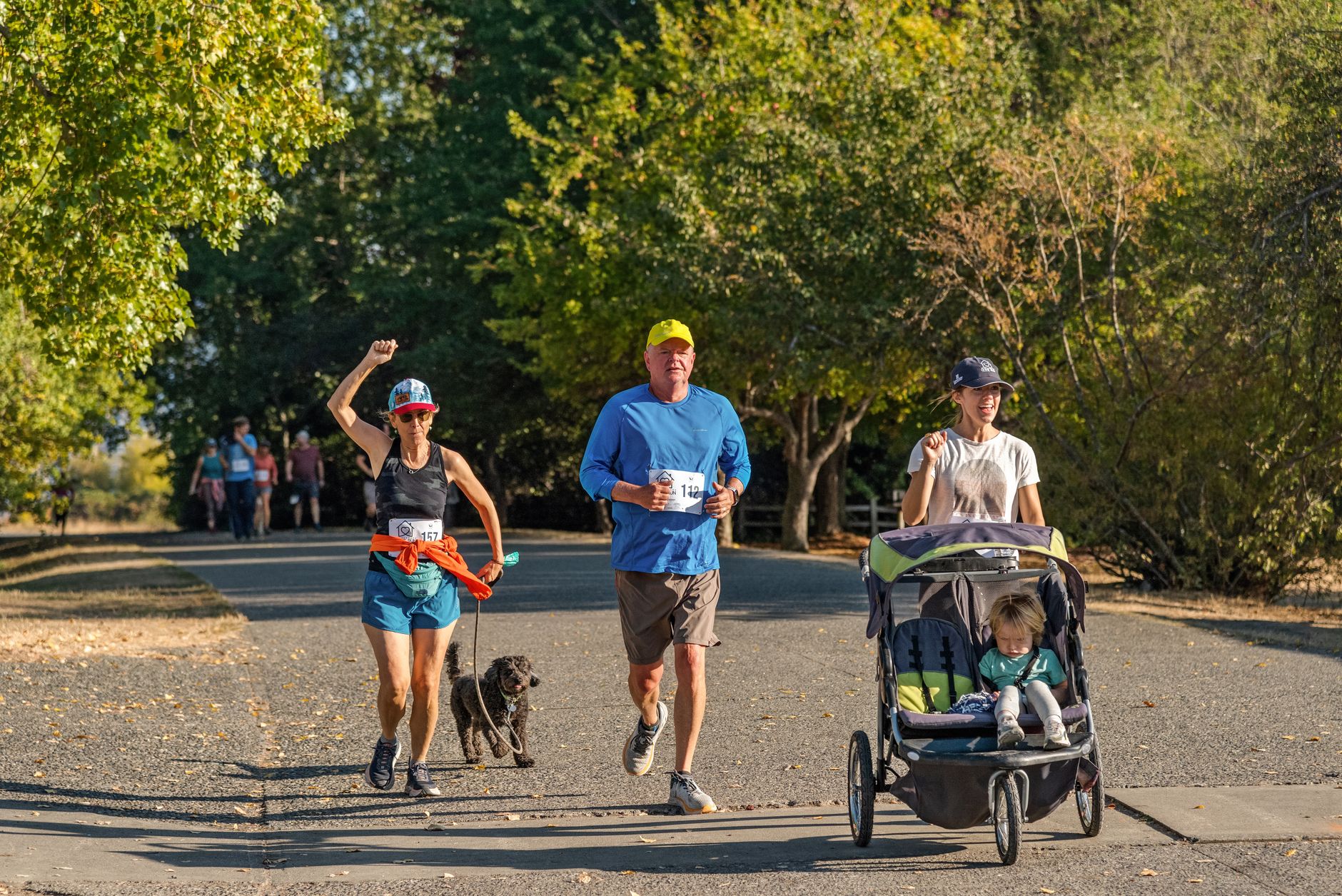
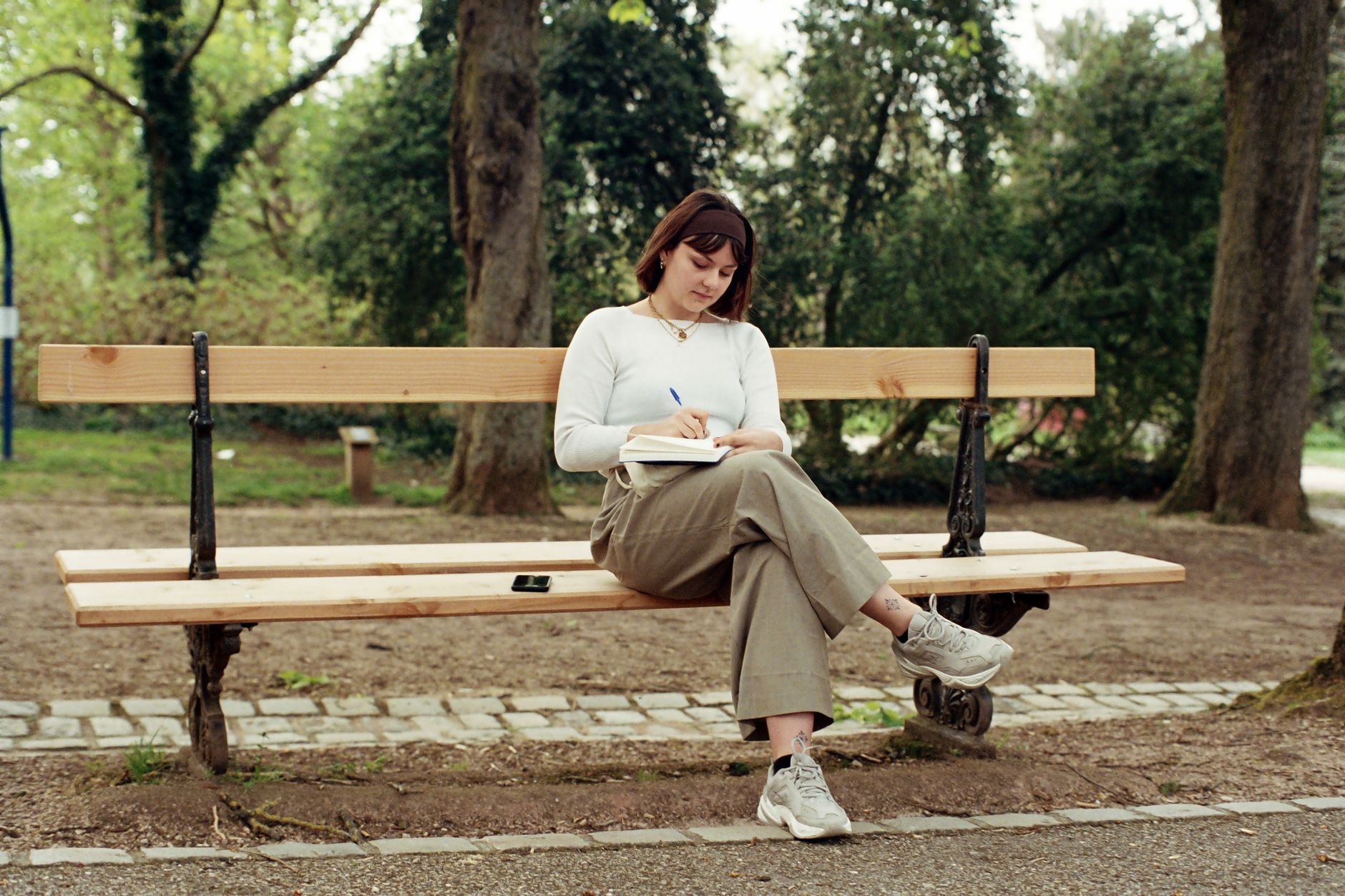
ature therapy, or ecotherapy, is the practice of using the natural world to improve mental and physical health. It’s rooted in ancient traditions but backed by modern science. For moms, it’s especially powerful because it’s free, flexible, and gentle—perfect for a life that’s already on overload.
The magic happens through a few key mechanisms:
- Cortisol reset: Just 20 minutes in nature can lower cortisol levels by up to 20%, according to research from the University of East Anglia. For moms, this means less jittery stress and more emotional stability.
- Parasympathetic dominance: Nature triggers your "rest and digest" mode, counteracting the chronic "fight or flight" state many moms live in. Think of it as a natural reset button.
- Dopamine boost: Sunlight, fresh air, and even the sound of water can increase dopamine, which helps with motivation and mood—critical for postpartum recovery.
- Sensory grounding: The sights, sounds, and smells of nature (like the scent of pine or the rustle of leaves) can anchor you in the present moment, reducing rumination about the past or anxiety about the future.
For moms with postpartum depression or anxiety, nature therapy can be a complementary tool alongside therapy or medication. It’s not a cure-all, but it’s a way to support your healing. If you’re feeling overwhelmed, nature therapy can help you feel less overwhelmed—one breath at a time.
**Representative story:** One reader, Sarah, shared that after a traumatic birth, she felt like her body and mind were "stuck in a loop of fear." She started with just 5 minutes of sitting on her balcony with a cup of tea, watching the birds. "It wasn’t about fixing everything," she said. "It was about giving myself permission to pause. And that pause changed everything."
---
Best nature therapy activities for new moms with burnout
You don’t need a national park or a weekend off to reap the benefits. Here are some of the most effective—and mom-friendly—ways to incorporate nature therapy into your routine:
1. The "Micro-Adventure" (5–10 minutes)
This is for the moms who think they don’t have time. You don’t need an hour—just 5 minutes outside. Try:
- Backyard tea break: Sit on your porch or in your garden with a cup of tea (or even water). Close your eyes and listen to the sounds around you. Count how many different noises you hear (birds, wind, cars, etc.).
- Forest shower: Step outside and let the rain (or sunlight) touch your skin. No need to go far—stand under a sprinkler or sit in your driveway. The sensory input can be deeply calming.
- Garden breathing: If you have plants, touch a leaf or flower and take slow, deep breaths. Focus on the texture and smell.
2. The "Move Outside" (10–20 minutes)
Movement + nature = a power duo for stress relief. Try:
- Stroller walks: If you’re postpartum, a gentle stroller walk around the block counts as both exercise and nature therapy. Pair it with a podcast or music to make it enjoyable.
- Park bench yoga: Find a quiet spot in a park and do 5 minutes of gentle stretches. YouTube has many 5-minute postpartum-friendly routines.
- Water therapy: Sit by a lake, fountain, or even a birdbath. The sound of water has a soothing effect on the nervous system.
3. The "Sensory Scavenger Hunt" (15–30 minutes)
Engage your senses to bring yourself fully into the present. Try this:
- Find a quiet spot outside (your backyard, a park, or even a window with a view).
- Close your eyes and listen. What do you hear? (Birds? Wind? Traffic?)
- Open your eyes and look. What colors do you see? What shapes?
- Touch something natural—a tree, a rock, a leaf. How does it feel?
- Smell something—grass, flowers, or even fresh laundry.
- Take a deep breath in through your nose and out through your mouth.
**Pro tip:** If you’re breastfeeding or have a baby nearby, keep a blanket or stroller close for quick access. Nature therapy doesn’t have to mean leaving your little one behind.
---
Nature therapy benefits for moms experiencing postpartum depression
Postpartum depression (PPD) can make even small tasks feel impossible. But nature therapy offers gentle, science-backed support for the symptoms of PPD, including:
- Reduced anxiety: A 2021 study in Frontiers in Psychology found that nature walks reduced anxiety symptoms in mothers with PPD. The act of moving slowly and mindfully outside can help quiet a racing mind.
- Improved sleep: Exposure to natural light helps regulate your circadian rhythm, which is often disrupted postpartum. Even 10 minutes of morning sunlight can make a difference.
- Increased motivation: Dopamine boosts from nature can help combat the fatigue and lack of interest in activities that often come with PPD.
- Emotional regulation: Nature helps reduce emotional reactivity, making it easier to manage mood swings and irritability.
**Important note:** If you’re experiencing severe symptoms of PPD—such as persistent sadness, thoughts of harming yourself or your baby, or an inability to care for yourself or your child—nature therapy should be used alongside professional treatment. It’s not a replacement for therapy or medication, but it can be a helpful addition. If you’re unsure, talk to your healthcare provider about group therapy for moms or other support options.
**Representative story:** Emily, a mom of two, struggled with PPD after her second child. She started by sitting on her patio with her baby in a carrier, just watching the clouds. "At first, it felt silly," she admitted. "But gradually, I noticed I wasn’t as irritable. I could take a deep breath instead of snapping. It wasn’t a cure, but it gave me a tool to use between therapy sessions."
---
How long does nature therapy take to help burnout moms?
One of the most common questions moms ask is: *"How soon will I feel better?"* The answer depends on a few factors, but here’s what research says:
- Short-term relief (immediate to 24 hours): Even a single 20-minute walk outside can lower cortisol and improve mood within hours. Many moms report feeling more grounded and less overwhelmed right after.
- Long-term benefits (1–4 weeks): Consistency is key. Studies show that regular nature exposure (even just 10–15 minutes daily) can lead to noticeable improvements in stress levels, sleep, and emotional resilience within a few weeks.
- Sustained effects (1+ month): For moms dealing with chronic burnout or PPD, the benefits compound over time. After a month of regular nature therapy, many report better emotional regulation, more energy, and even improved relationships with their partners and kids.
**What if I don’t have time for daily nature therapy?** Start with 3–4 times a week. Even a quick walk to the mailbox counts. The goal isn’t perfection—it’s progress.
**Representative story:** Lisa, a new mom, felt guilty for even thinking about "self-care." She started with a 5-minute walk around her apartment complex during her baby’s nap. "I told myself I was just getting fresh air," she laughed. "But after a few weeks, I realized I was actually looking forward to those minutes. It wasn’t about me being selfish—it was about me being a better mom."
---
Nature therapy vs meditation for mom burnout
Both nature therapy and meditation are powerful tools for reducing burnout, but they work in different ways. Here’s how they compare:
**Bottom line:** Nature therapy is often easier for moms to stick with because it’s more active and doesn’t require sitting still. But both can work together—try a nature walk followed by a short meditation if you have the time.
**Representative story:** Jen, a mom of three, tried meditation but found it hard to sit still with her toddler underfoot. She switched to nature therapy—walking around her neighborhood with her baby in a carrier. "I didn’t have to be quiet," she said. "I could talk to my husband, listen to music, or just enjoy the fresh air. It felt like a win-win."
---
Budget-friendly nature therapy ideas for busy moms
You don’t need a fancy retreat or expensive gear to practice nature therapy. Here are some of the most budget-friendly ideas:
1. Urban Nature Therapy
Even in the city, nature is accessible. Try:
- Walking in a local park or green space.
- Sitting on a bench near a tree and observing the leaves.
- Listening to a nature sounds playlist while you take care of chores.
2. Backyard or Balcony Therapy
If you have a small space, make it work:
- Place a chair or hammock outside and spend 5 minutes there daily.
- Grow a few plants or flowers—tending to them can be therapeutic.
- Use a fan to create a breeze if it’s too hot to sit outside.
3. Free Apps and Resources
These can help you stay motivated:
- Forest App: A free app that turns your phone into a "virtual forest" where you can plant trees while you take a walk. It’s a fun way to track your steps and connect with nature.
- Calm or Headspace: Both offer nature-themed meditation sessions that can be done anywhere.
- Local Parks and Trails: Many cities have free maps or apps (like AllTrails) to find nearby nature spots.
4. DIY Nature Therapy
Create your own rituals:
- Nature journaling: Grab a notebook and write or sketch what you see outside.
- Stone stacking: Find a quiet spot and stack stones—it’s a simple, meditative activity.
- Rain or shine: If it’s raining, sit under a tree and listen to the sound. If it’s sunny, find a shady spot.
**Pro tip:** If you’re short on time, even 5 minutes counts. The key is consistency, not duration.
---
Nature therapy for improving sleep in new mothers
Sleep deprivation is one of the biggest challenges for new moms, and nature therapy can help. Here’s how:
1. Morning Sunlight Exposure
Getting 10–15 minutes of sunlight in the morning helps regulate your circadian rhythm, making it easier to fall asleep at night. Even a short walk outside can make a difference.
2. Evening Nature Rituals
Try winding down with a nature-themed routine:
- Read a book outside (even if it’s just on your porch).
- Listen to a nature sounds podcast or ASMR while you rock your baby to sleep.
- Do a gentle yoga flow outside before bed.
3. Sleep-Friendly Nature Spaces
If possible, create a cozy outdoor space for relaxation:
- A hammock or chair on your balcony.
- A small garden with calming plants like lavender or jasmine.
- A string of fairy lights to make your outdoor space feel inviting.
**Representative story:** Maria, a new mom, struggled with insomnia. She started by sitting on her porch with her baby in a carrier for 10 minutes every night before bed. "At first, I was just trying to get some fresh air," she said. "But soon, I noticed I was falling asleep faster. It’s like my brain was finally getting the signal that it was time to rest."
---
Nature therapy for postpartum anxiety
Postpartum anxiety can feel overwhelming, but nature therapy can help ground you in the present moment. Here are some specific techniques:
1. Grounding in Nature
When anxiety spirals, try the 5-4-3-2-1 technique outside:
- Name 5 things you see (a tree, a bird, a flower).
- Name 4 things you feel (the grass under your feet, the wind on your skin).
- Name 3 things you hear.
- Name 2 things you smell.
- Name 1 thing you taste (or don’t taste).
2. Movement for Anxiety Relief
Anxiety often feels like a weight on your chest. Movement outside can help release that tension:
- Walk briskly for 10 minutes.
- Do gentle stretches in your backyard.
- Shake out your limbs like a dog—it’s oddly freeing.
3. Nature as a Safe Space
If you’re feeling overwhelmed, nature can be a place to retreat. Try:
- Sitting under a tree and closing your eyes.
- Listening to a nature sounds playlist while you take deep breaths.
- Writing down your worries in a journal outside.
**Important:** If your anxiety feels unmanageable or includes intrusive thoughts, combine nature therapy with professional support. You’re not alone in this, and there are people who can help.
---
Nature therapy for mental health after childbirth
Childbirth can bring up a wide range of emotions—joy, relief, exhaustion, and sometimes even grief. Nature therapy can help you process these feelings in a safe, non-judgmental way. Here’s how:
1. Honoring Your Emotions Outside
Nature can be a space to acknowledge your feelings without judgment. Try:
- Writing a letter to yourself about how you’re feeling and then tearing it up outside.
- Talking to a tree or a rock about what’s on your mind.
- Creating a "gratitude garden" by planting seeds or flowers to represent things you’re grateful for.
2. Connecting with Your Body
Postpartum, your body has been through a lot. Nature can help you reconnect with it:
- Walking barefoot on grass (if safe) to ground yourself.
- Sitting outside and noticing how your body feels in the fresh air.
- Doing gentle postpartum exercises outside, like pelvic tilts or deep breathing.
3. Family Bonding in Nature
Involving your partner or older children can make nature therapy feel less like "me time" and more like shared self-care:
- Family walks with a picnic.
- Storytelling under the stars.
- Collecting leaves or rocks together and making art.
**Representative story:** David, a partner to a postpartum mom, shared that he started taking their toddler on walks to help his wife feel less isolated. "At first, I thought it was just for her," he said. "But it turned into a way for all of us to slow down. We’d laugh, we’d talk, and sometimes we’d just sit and watch the clouds. It wasn’t about fixing everything—it was about being present together."
---
Nature therapy for self-care for moms
Self-care for moms often feels like another task on the to-do list. But nature therapy is different—it’s not about adding more to your plate; it’s about subtracting the noise and reconnecting with what matters. Here’s how to make it a sustainable part of your routine:
1. Start Small
You don’t need to go on a multi-day retreat. Start with:
- 5 minutes outside with your coffee in the morning.
- A 10-minute walk during your baby’s nap.
- Sitting on your porch while your partner watches the baby.
2. Make It Social
Invite a friend or partner to join you. It can make nature therapy feel less like a solo chore and more like a shared experience:
- Morning walks with a friend.
- Picnics in the park with your partner.
- Family hikes with older children.
3. Create a Routine
Consistency is key. Try pairing nature therapy with an existing habit:
- After you feed your baby, take 5 minutes outside.
- Before bed, listen to a nature sounds podcast.
- On weekends, plan a family nature outing.
4. Track Your Progress
Use a journal or app to track how nature therapy makes you feel. Seeing your progress can be motivating:
- Note how you feel before and after your nature time.
- Celebrate small wins—like a better night’s sleep or more patience with your kids.
- Take photos of your favorite spots to remind yourself why you love them.
**Representative story:** Priya, a mom of two, felt guilty for even thinking about self-care. She started by sitting outside for 5 minutes while her kids played in the backyard. "At first, I was just trying to get a break," she admitted. "But soon, I realized I was actually looking forward to those minutes. It wasn’t about me being selfish—it was about me being a better mom."
---
Myth vs. Fact: Nature Therapy for Moms
Let’s debunk some common misconceptions about nature therapy:
Myth: Nature therapy only works if you have a big backyard or live near a forest.
Fact: You don’t need a national park to reap the benefits. Even a balcony, a park bench, or a window with a view of trees can work. The key is connecting with nature, not the size of your space.
Myth: Nature therapy is just for relaxation—it won’t help with burnout.
Fact: Nature therapy can help with burnout by reducing stress, improving focus, and boosting energy. It’s not just about relaxation—it’s about recharging your nervous system.
Myth: You need to spend hours outside to see benefits.
Fact: Even 10–15 minutes outside can make a difference. Consistency is more important than duration.
Myth: Nature therapy is only for moms who have time.
Fact: Nature therapy is for all moms, regardless of their schedule. It’s about finding small moments to connect with the natural world.
---
Key takeaways: Nature therapy for burnout moms
- Nature therapy is a science-backed way to reduce stress, improve mood, and boost energy—even for moms with postpartum burnout.
- You don’t need a lot of time or space—5–10 minutes outside can make a difference.
- Nature therapy works alongside (not instead of) professional support for postpartum depression or anxiety.
- Start small and be consistent. Even 3–4 times a week can lead to noticeable benefits.
- Pair nature therapy with other self-care practices, like massage therapy or float therapy, for even greater relief.
- Nature therapy is budget-friendly and accessible to everyone, no matter where you live.
---
Frequently asked questions about nature therapy for moms
What is nature therapy?
Nature therapy, or ecotherapy, is the practice of using the natural world to improve mental and physical health. It can include activities like walking in a park, sitting outside, gardening, or even listening to nature sounds. The goal is to connect with nature in a way that reduces stress and promotes well-being.
How does nature therapy help with burnout?
Nature therapy helps with burnout by lowering cortisol (the stress hormone), reducing emotional reactivity, and boosting dopamine (the "feel-good" chemical). It also helps regulate your circadian rhythm, which can improve sleep—a huge challenge for moms. Even short sessions outside can help reset your nervous system and reduce feelings of overwhelm.
Can nature therapy reduce postpartum depression?
Nature therapy can be a helpful complementary tool for postpartum depression, but it’s not a replacement for professional treatment. Studies show that spending time in nature can reduce symptoms of depression by lowering cortisol and increasing serotonin. For moms with PPD, combining nature therapy with therapy or medication is often the most effective approach.
What are the best nature therapy activities for moms?
The best activities are the ones that fit your schedule and energy level. Start with micro-adventures like a 5-minute porch break, a stroller walk, or a "forest shower" (letting rain or sunlight touch your skin). For deeper relaxation, try grounding exercises, nature journaling, or family walks. The key is to keep it simple and sustainable.
How often should a mom practice nature therapy?
Consistency is more important than frequency. Aim for at least 3–4 times a week, even if it’s just 10 minutes. Some moms find that daily nature therapy helps them feel more centered, while others prefer 3–4 sessions a week. Listen to your body and adjust as needed.
Is nature therapy safe for new mothers?
Yes, nature therapy is generally safe for new mothers, but there are a few things to keep in mind:
- If you’re breastfeeding, avoid activities that involve direct sun exposure during peak hours (10 AM–4 PM) to protect your baby from potential UV exposure.
- If you have postpartum physical limitations (like pelvic floor issues), opt for gentle activities like sitting outside or short walks.
- If you’re experiencing severe symptoms of postpartum depression or anxiety, combine nature therapy with professional support.
Always listen to your body and consult your healthcare provider if you’re unsure.
---
When to see a doctor or specialist
Nature therapy is a powerful tool, but it’s not a substitute for professional help if you’re struggling with severe symptoms. Seek medical advice if you experience:
- Persistent feelings of sadness, hopelessness, or emptiness that don’t improve with rest or self-care.
- Intrusive thoughts of harming yourself or your baby.
- Extreme fatigue, difficulty functioning, or an inability to care for yourself or your child.
- Severe anxiety or panic attacks that interfere with daily life.
- Sleep disturbances that last for weeks and don’t respond to lifestyle changes.
If you’re unsure whether your symptoms are normal or need professional attention, talk to your healthcare provider or a mental health specialist. You deserve support, and there are people who can help.
---
References
- University of East Anglia. (2021). Nature walks reduce stress and improve mood in mothers with postpartum depression.
- American Psychological Association. (2020). The benefits of nature therapy for mental health.
- Frontiers in Psychology. (2021). Nature exposure and cortisol levels in postpartum mothers.
- Mayo Clinic. (2022). Postpartum depression: Symptoms and causes.
- Harvard T.H. Chan School of Public Health. (2023). How nature can improve mental health.
- American Academy of Pediatrics. (2021). Self-care for new mothers: A guide to managing stress and burnout.