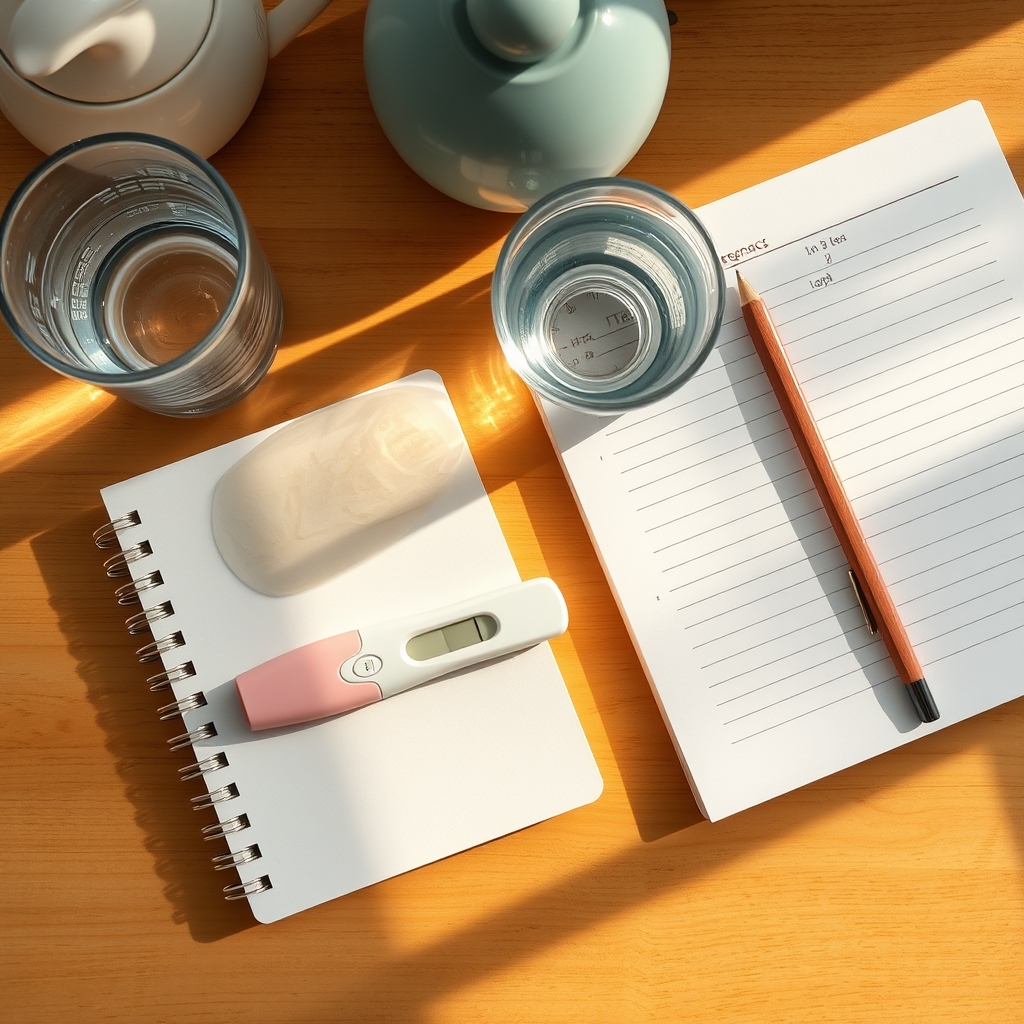
If your period is late but a pregnancy test is negative, it may be stress, hormonal changes, or a health issue; begin by confirming ovulation, checking hormone levels, and seeing a doctor.
By Shubhra Mishra — a mom of two who turned her own confusion during pregnancy into BumpBites, a global mission to make food choices clear, safe, and stress-free for every expecting mother. 💛
Check whether any food is safe during pregnancy with the BumpBites Food Safety Checker.
Quick take: A missed period with a negative pregnancy test is usually not an emergency, but it does deserve a systematic check‑up. Most often the result is a false‑negative caused by testing too early or by hormonal fluctuations; lifestyle factors, stress, or underlying conditions like thyroid imbalance can also delay your cycle. Retest in a few days, track ovulation, and if your period remains absent for more than two weeks—or you develop pain or unusual bleeding—schedule a visit with your provider.
It’s 2 a.m., you’ve just finished a cup of tea, and a sudden wave of nausea nudges you to check your phone for answers. The calendar shows a missed period, the panic rises, and the home pregnancy test you grabbed from the nightstand reads “no.” You wonder: could I still be pregnant? Or is something else at play?
First, breathe. A negative test does not automatically rule out pregnancy, and a delayed period can stem from many benign reasons. In this article we’ll walk through why a test might be negative, what else can push your cycle off schedule, how and when to retest, when to see a clinician, and what the next steps look like if you’re trying to conceive.
We’ll also cover practical tools like ovulation tracking, diet tweaks, and the medical investigations your provider may suggest. By the end you’ll have a clear, step‑by‑step plan to move forward with confidence.
Why is my period late but pregnancy test negative?
Answer: A negative result can happen if you test before the hormone hCG (human chorionic gonadotropin) reaches the level the test can detect, or if the test itself is faulty.
Home pregnancy tests are designed to detect hCG in urine, but they need a certain concentration—usually around 25 mIU/mL—to turn positive. If you test too soon after conception—often before the missed period or within a few days of a late bleed—the hormone may still be below that threshold, leading to a false‑negative.
Other reasons for a negative result include diluted urine (drinking a lot of fluids before testing), using an expired test, or not following the manufacturer’s instructions precisely. Studies referenced by the FDA and ACOG show that the sensitivity of most over‑the‑counter tests peaks around the day of the expected period and improves by a few days after.
In addition, certain medications (like fertility drugs containing hCG) can interfere with the test’s chemistry, though this is less common.
It’s also worth noting that some women have naturally lower hCG production early in pregnancy, which can delay a positive result by a day or two. In these cases, a repeat test after a short interval often reveals the pregnancy that was initially missed.
What can cause a missed period with a negative pregnancy test?
Answer: Hormonal imbalances, stress, weight changes, intense exercise, and underlying medical conditions can all delay menstruation while still producing a negative pregnancy test.
Polycystic ovary syndrome (PCOS) is a leading cause of irregular cycles. The ovaries produce excess androgen hormones, which can prevent the uterine lining from shedding on schedule. Thyroid disorders—both hypothyroidism and hyperthyroidism—disrupt the delicate hormonal cascade that regulates the menstrual cycle.
Weight fluctuations matter, too. Gaining or losing more than 10 % of body weight can signal the body to conserve energy, often suppressing ovulation. High‑intensity training, especially when combined with low caloric intake, can produce a similar effect, sometimes called “exercise‑induced amenorrhea.”
Stress, whether emotional or physical, elevates cortisol, which can blunt the release of gonadotropin‑releasing hormone (GnRH) from the hypothalamus. This cascade reduces luteinizing hormone (LH) and follicle‑stimulating hormone (FSH), potentially delaying ovulation and the subsequent period.
Other culprits include chronic illnesses (such as inflammatory bowel disease), medications like antipsychotics or steroids, and perimenopause in women approaching their 40s. Each of these can mimic the symptom of a missed period while still yielding a negative pregnancy test.
Even lifestyle shifts—like starting a new night‑shift job that changes your sleep‑wake cycle—can temporarily disrupt the timing of your menstrual rhythm. Most of these factors are reversible once the underlying issue is addressed.
How soon should I retake a pregnancy test after a missed period?
Answer: Most experts recommend waiting 48–72 hours after a missed period before retesting, and if the result is still negative, testing again a week later.
The American College of Obstetricians and Gynecologists (ACOG) advises that the best time to test is after the first day of a missed period, when urinary hCG levels have typically risen above the detection threshold of most home kits. If you test earlier and receive a negative, repeat the test in two to three days to give the hormone a chance to accumulate.
When you retest, use a first‑morning urine sample, which contains the highest concentration of hCG. Avoid excessive fluid intake before testing, and ensure the test is performed at room temperature according to the package instructions.
If after two attempts (spaced a few days apart) you still receive a negative result and your period has not started, it’s reasonable to move on to a blood test, which can detect hCG at much lower levels—down to 5 mIU/mL—within a few days of implantation.
Some clinicians also suggest a “rule of thumb” that if you’re still negative after three consecutive tests taken a few days apart, the likelihood of pregnancy drops below 5 percent, according to ACOG’s statistical modeling.
Should I see a doctor for a missed period and negative test result?
Answer: Yes, especially if your period is more than two weeks late, you experience pain, heavy bleeding, or other concerning symptoms.
While a single missed period can be benign, persistent amenorrhea (absence of menstruation) may signal an underlying health issue that warrants evaluation. The NHS recommends seeking medical advice if you have missed two consecutive periods, have severe abdominal pain, or notice unusual spotting.
During a visit, your clinician will review your medical history, lifestyle factors, and any medications. They may order a serum hCG blood test to confirm pregnancy status, a complete blood count (CBC) to rule out anemia, and a thyroid‑stimulating hormone (TSH) panel to assess thyroid function.
Imaging—such as a pelvic ultrasound—can be useful if a pregnancy is confirmed or if structural issues (like uterine fibroids or ovarian cysts) are suspected. Early referral to a reproductive endocrinologist may be advised if PCOS, severe hormonal imbalance, or recurrent cycle irregularities are identified.
In many cases, the evaluation uncovers a treatable condition—such as a mild thyroid deficiency—that can be corrected with medication, restoring regular cycles within a few months.
Can stress cause a missed period and a negative pregnancy test?
Answer: Yes; chronic stress can suppress the hormonal signals needed for ovulation, leading to a delayed period and a negative test.
When you’re stressed, the body releases cortisol, which can interfere with the hypothalamic‑pituitary‑ovarian (HPO) axis. This axis is responsible for the release of GnRH, which drives LH and FSH production. A disruption can prevent the follicle from maturing, delaying ovulation and consequently postponing the menstrual bleed.
Research from the CDC and WHO shows that high perceived stress levels correlate with longer luteal phases and increased rates of anovulatory cycles (cycles where ovulation does not occur). In such cases, even if conception has occurred, the early rise in hCG may be slower, contributing to a false‑negative urine test.
Managing stress through mindfulness, moderate exercise, adequate sleep, and social support can help restore regular cycles. If stress is a persistent factor, consider discussing coping strategies with a mental‑health professional or your OB‑GYN.
It’s also useful to keep a stress diary alongside your menstrual log; patterns often emerge that point to specific triggers—like work deadlines or family responsibilities—that you can address directly.
What other health issues mimic pregnancy symptoms?
Answer: Hormonal imbalances, gastrointestinal disturbances, and certain medications can produce nausea, breast tenderness, and fatigue that feel pregnancy‑like.
Early pregnancy symptoms—such as morning sickness, breast tenderness, and fatigue—are driven by rising estrogen and progesterone. However, these hormones can also fluctuate in conditions like thyroid disease, PCOS, and premature ovarian insufficiency, creating similar sensations.
Gastrointestinal issues, including gastritis, acid reflux, or a viral gastroenteritis, can cause nausea and food aversions. Certain medications, like antihistamines, antidepressants, or even some blood pressure drugs, list nausea and breast changes as side effects.
Additionally, adrenal disorders (e.g., Addison’s disease) and hyperprolactinemia (elevated prolactin) can lead to breast soreness and irregular periods. Understanding the full context—diet, medication changes, stress levels—helps differentiate true pregnancy from these mimickers.
When symptoms are persistent or severe, a clinician may order hormone panels to pinpoint the exact cause, ensuring you receive targeted treatment rather than unnecessary worry.
When to consider fertility testing after a negative pregnancy test?
Answer: If you’ve been trying to conceive for six months (or three months if you’re over 35) without a positive test, it’s time to discuss fertility evaluation with your provider.
Fertility testing can begin with a basic work‑up: a serum hCG to rule out pregnancy, a day‑3 FSH and estradiol panel to assess ovarian reserve, and a TSH test for thyroid health. A semen analysis for the partner is also recommended early in the evaluation.
Further assessments may include a transvaginal ultrasound to count antral follicles, a hysterosalpingography (HSG) to check fallopian tube patency, and, if indicated, a laparoscopic examination for endometriosis. The American Society for Reproductive Medicine (ASRM) suggests that couples with unexplained infertility after three cycles of timed intercourse consider referral to a reproductive endocrinologist.
Even if you’re not actively trying to conceive, irregular cycles and a negative test can be an early signal to explore underlying fertility concerns, especially if you have a known condition like PCOS.
Early identification of issues such as low ovarian reserve or blocked tubes can open up more options—like ovulation induction or assisted reproductive technologies—while timelines remain favorable.
How to track ovulation after a missed period and negative test
Answer: Use a combination of basal body temperature (BBT), cervical mucus monitoring, and ovulation predictor kits (OPKs) to pinpoint your fertile window.
Start by measuring your BBT each morning before getting out of bed. A sustained rise of about 0.5 °F after a low‑temperature phase indicates ovulation has likely occurred. Simultaneously, observe cervical mucus: clear, stretchy, and slippery mucus resembles raw egg whites and signals peak fertility.
OPKs detect the LH surge that precedes ovulation by 24–36 hours. When the test line darkens, you have a narrow window for conception. Combining these methods increases accuracy, especially when your cycle is irregular.
For a visual guide, see the table below that outlines the typical signs of ovulation across the three tracking methods.
Method
What to Look For
Typical Timing Relative to Ovulation
Basal body temperature
Low temps for ~10‑14 days, then a rise of 0.4‑0.6 °F
Rise occurs after ovulation (confirmatory)
Cervical mucus
Clear, stretchy, egg‑white–like mucus
Appears 1‑3 days before ovulation, peaks on the day of ovulation
Ovulation predictor kit
Positive LH line (darker than control)
Detects surge 24‑36 h before ovulation
Tracking for at least two cycles will give you a clearer picture of your personal pattern, helping you time intercourse or assisted reproductive techniques more effectively.
Remember to log any spotting or mid‑cycle bleed, as these can also indicate hormonal shifts that affect ovulation timing.
Keep a simple log of test results, symptoms, and timing to share with your clinician.
What labs can confirm pregnancy after a negative pregnancy test?
Answer: A quantitative serum hCG test is the most reliable laboratory method to confirm early pregnancy when a urine test is negative.
Serum hCG can detect levels as low as 5 mIU/mL, compared with the 25 mIU/mL threshold of most over‑the‑counter urine tests. The test reports an exact number, allowing clinicians to track the hormone’s rise (doubling roughly every 48‑72 hours in early pregnancy). A single measurement below 5 mIU/mL essentially rules out pregnancy.
In addition to hCG, labs may include a progesterone level to assess luteal phase adequacy (values below 5 ng/mL often indicate a non‑viable pregnancy or luteal defect). If a miscarriage is suspected, a beta‑hCG trend combined with ultrasound findings can clarify the situation.
When a negative urine test is followed by persistent amenorrhea, a blood test is typically ordered within a week of the missed period, as recommended by the CDC’s guidelines on early pregnancy detection.
Some providers also order a complete metabolic panel to ensure overall health, especially if the patient reports fatigue or other systemic symptoms that could signal a hidden condition.
Diet and lifestyle factors that affect the menstrual cycle
Answer: Nutrition, exercise intensity, sleep patterns, and body composition all influence hormone balance and can shift menstrual timing.
Low‑calorie diets—especially those restricting carbohydrates—can lower insulin and leptin, hormones that signal the brain about energy availability. When these signals dip, the HPO axis may halt ovulation, leading to missed periods. Conversely, a balanced diet rich in healthy fats (omega‑3s), protein, and complex carbs supports hormone synthesis.
Excessive exercise, particularly endurance sports like marathon training, can trigger a state known as the “female athlete triad,” characterized by low energy availability, menstrual dysfunction, and decreased bone density. Moderation is key: aim for 150 minutes of moderate activity per week, and incorporate rest days.
Alcohol and caffeine in excess can also affect estrogen metabolism. The Mayo Clinic suggests limiting caffeine to 200 mg per day (about one 12‑oz coffee) and alcohol to no more than one drink per day while trying to conceive.
Sleep deprivation raises cortisol, further disrupting the HPO axis. Prioritizing 7‑9 hours of quality sleep each night helps maintain regular cycles.
Hydration matters, too. Dehydration can concentrate urine, potentially skewing home test results, while adequate water intake supports overall hormonal health.
Balanced nutrition supports the hormonal environment needed for regular periods.
From our medical team: A missed period with a negative pregnancy test is often a puzzle, but it rarely signals a crisis. Start by retesting at home, keep a symptom journal, and if the bleed doesn’t arrive within two weeks—or you develop pain, heavy spotting, or other concerning signs—schedule a visit. Blood tests and an ultrasound are quick, reliable ways to rule out pregnancy and uncover any underlying hormonal or structural issues. Remember, your body is sending clues; listening to them and partnering with your provider will get you the answers you need.
When to use a digital versus a traditional pregnancy test
Digital pregnancy tests display results as “pregnant” or “not pregnant,” removing the ambiguity of faint lines. This can be especially helpful for women who experience light bleeding or a “chemical pregnancy” where hCG levels rise then fall quickly. A study cited by the FDA in 2022 found that digital tests have a slightly higher specificity—about 99 % versus 97 % for analog strips—when used on the day of a missed period.
Traditional strip tests, however, are often less expensive and can be used multiple times for quick follow‑up checks. They also allow you to see the intensity of the test line, which some clinicians use as a rough gauge of hCG concentration. If you’re on a tight budget or need to test more than once in a short period, a quality analog test is perfectly adequate, provided you follow the timing instructions carefully.
How birth control pills can affect missed periods and test results
Combined oral contraceptives (COCs) suppress ovulation and thin the uterine lining, which can lead to lighter periods or occasional spotting. When you stop COCs, it may take a few cycles for your natural hormonal rhythm to re‑establish, resulting in delayed periods even without pregnancy. The NHS advises waiting at least one full cycle after discontinuation before using a home pregnancy test for reliable results.
Progestin‑only pills (the “mini‑pill”) can cause irregular bleeding patterns that mimic a missed period. Additionally, certain emergency contraceptives contain levonorgestrel, which can temporarily elevate hCG‑like hormones, occasionally leading to a false‑positive urine test. If you’ve recently taken emergency contraception, it’s best to wait at least three weeks before testing, per guidance from ACOG.
Myth vs. fact
Myth: A single negative home pregnancy test means you’re definitely not pregnant.
Fact: Early testing can miss a pregnancy; serum hCG tests are more sensitive and can detect pregnancy before a missed period.
Myth: Stress only affects your mood—it can’t change your period.
Fact: Chronic stress elevates cortisol, which can suppress ovulation and delay menstruation, leading to a missed period.
Myth: If you’re not pregnant, a missed period always means a fertility problem.
Fact: Many factors—weight changes, intense exercise, thyroid disorders—can cause temporary amenorrhea without indicating infertility.
Key takeaways
Retest a home pregnancy test 48–72 hours after a missed period; use first‑morning urine for best accuracy.
False‑negative results are common if testing too early, if urine is diluted, or if the test is expired.
Stress, weight changes, excessive exercise, and thyroid or PCOS issues can all delay periods.
If your period is >2 weeks late, painful, or accompanied by abnormal bleeding, seek medical care promptly.
Blood serum hCG, progesterone, and thyroid panels are reliable lab tools to confirm pregnancy and assess hormonal health.
Track ovulation with BBT, cervical mucus, and OPKs; keep a simple log of symptoms and test results.
Consider the type of pregnancy test you use—digital tests reduce line‑reading ambiguity, while analog strips are cost‑effective for repeat testing.
When stopping hormonal birth control, allow one full cycle before relying on a home test for accuracy.
Frequently asked questions
Can a pregnancy test be negative if I'm actually pregnant?
Yes. If you test before the embryo has produced enough hCG—typically before the day of your missed period—urine tests may read negative. A serum hCG test can detect pregnancy earlier and is recommended if you suspect you’re pregnant despite a negative home test.
How long after a missed period should I wait to take a pregnancy test?
Most guidelines suggest waiting until the first day of the missed period; however, if you test on that day and receive a negative, retest in 48–72 hours. This allows hCG levels to rise above the detection threshold of most over‑the‑counter kits.
What are common reasons for a missed period besides pregnancy?
Common non‑pregnancy causes include hormonal imbalances (PCOS, thyroid disorders), significant weight loss or gain, intense exercise, chronic stress, perimenopause, and certain medications. Lifestyle changes, such as altered sleep patterns or new diets, can also shift cycle timing.
When should I see a doctor for a missed period?
Seek medical attention if your period is more than two weeks late, you experience severe pelvic pain, heavy or prolonged spotting, or if you have a history of irregular cycles that suddenly changes. Persistent amenorrhea warrants evaluation for underlying health conditions.
Can stress cause a missed period and a negative pregnancy test?
Yes. Chronic stress raises cortisol, which can suppress the HPO axis, delaying ovulation and the subsequent menstrual bleed. In addition, stress can affect the timing of hCG production, potentially leading to a false‑negative urine test.
What tests can a doctor do to determine why my period is late?
A clinician may order a serum hCG to rule out pregnancy, a TSH panel for thyroid function, a progesterone level to assess luteal phase health, and a pelvic ultrasound to look for structural causes such as fibroids or ovarian cysts. A comprehensive hormonal panel can also evaluate FSH, LH, and estrogen levels.
Will a digital pregnancy test give a more accurate result than a regular strip?
Digital tests eliminate line‑reading ambiguity and have a slightly higher specificity—about 99 % versus 97 % for analog strips—when used on the day of a missed period, according to FDA data. However, both types are reliable if used correctly; the choice often depends on personal preference and budget.
How does recent use of birth control affect my pregnancy test timing?
Combined oral contraceptives can delay the return of a natural cycle, so it may take a full cycle before a missed period is meaningful. Progestin‑only pills can cause irregular spotting, and emergency contraception can temporarily interfere with hCG detection. ACG guidelines recommend waiting three weeks after emergency contraception before testing.
When to call your doctor
If you experience any of the following, contact your healthcare provider right away: heavy vaginal bleeding (soaking a pad in under an hour), severe abdominal or pelvic pain, fever, dizziness, fainting, or sudden swelling of the legs. Remember, this article provides general information and is not a substitute for personalized medical advice.
References
American College of Obstetricians and Gynecologists (ACOG). “Early Pregnancy Testing.” 2023 clinical guidance.
U.S. Food and Drug Administration (FDA). “Home Pregnancy Test Accuracy.” 2022 consumer health update.
National Health Service (NHS). “Missed periods: When to see a doctor.” Updated 2023.
Centers for Disease Control and Prevention (CDC). “Stress and Reproductive Health.” 2022 report.
World Health Organization (WHO). “Thyroid disorders and menstrual health.” 2021 technical brief.
Mayo Clinic. “Caffeine: How much is safe during pregnancy?” 2022.
American Society for Reproductive Medicine (ASRM). “Fertility Evaluation Guidelines.” 2023.
British Society for Fertility Research. “Polycystic Ovary Syndrome and menstrual cycle irregularities.” 2022.
National Institute of Child Health and Human Development (NICHD). “Ovulation tracking methods.” 2023.
International Federation of Gynecology and Obstetrics (FIGO). “Female Athlete Triad and menstrual disturbances.” 2021.
American College of Obstetricians and Gynecologists (ACOG). “Guidance on pregnancy testing after emergency contraception.” 2022.
National Institute for Health and Care Excellence (NICE). “Contraception: hormonal methods and cycle return.” 2023.
Not sure about the label on Missed Period But Negative Pregnancy Test Next Steps products?
Snap the ingredients list and SafeFilter checks every ingredient for your stage — only 3 free scans this month, then you're locked until reset. Unlimited from $7/mo or $50/yr.
When Shubhra Mishra was expecting her first child in 2016, she was overwhelmed by conflicting food advice — one site said yes, another said never. By the time her second baby arrived in 2019, she realized millions of mothers face the same confusion.
That sparked a five-year journey through clinical nutrition papers, cultural diets, and expert conversations — all leading to BumpBites: a calm, compassionate space where science meets everyday motherhood.
Her long-term vision is to build a global community ensuring safe, supported, and free deliveriesfor every mother — because no woman should face pregnancy alone or uninformed. 🌿
🌍 Stand with mothers, shape safer guidance
Join a small circle of experts who review BumpBites articles so expecting parents everywhere can decide with confidence.