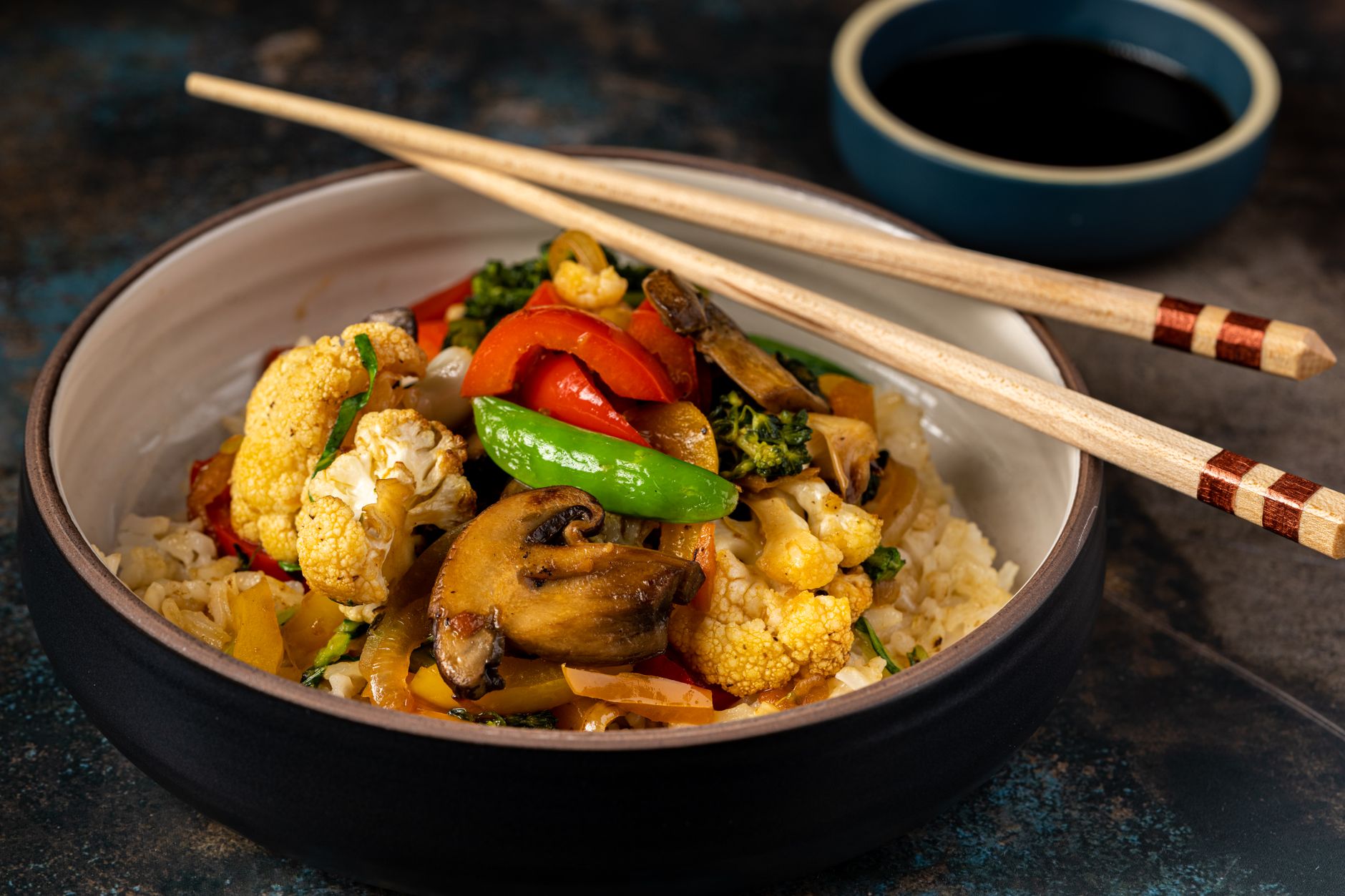
Quick take: The MIND diet isn't just another fad—it's a brain-boosting twist on the Mediterranean and DASH diets, proven to sharpen memory and reduce dementia risk. These easy dinner recipes take the guesswork out of meal prep, with 30-minute options, vegetarian swaps, and pregnancy-safe tweaks. Think of it as your brain's best friend on a plate, with minimal stress and maximum flavor.Mind Diet Dinner Recipes Easy: The Complete 2026 Guide
It was 9 PM on a Tuesday, and I stood in my kitchen staring at three empty bowls. The kids had just finished their soccer practice, my partner was buried in work emails, and I—like so many of you—was mentally drained. I’d heard about the MIND diet for years, but I’d always assumed it was too complicated, too time-consuming, or just another diet that would leave me feeling deprived. Then I realized: I didn’t need to overhaul my life. I just needed one easy dinner that checked the boxes—brain-healthy, family-friendly, and done in under 30 minutes.
That’s when I found the DASH diet recipes I’d bookmarked years ago and thought, “What if I just swapped a few ingredients?” And that’s how I made my first MIND diet dinner: a sheet pan of salmon, roasted Brussels sprouts, and quinoa, all drizzled with lemon and herbs. The kids ate it. My brain felt clearer the next day. And for the first time in months, I didn’t feel like I was failing at “healthy eating.”
If you’re here, you’re probably thinking the same thing: I want to feed my family (or myself) something good for my brain, but I don’t have time for gourmet meals or complicated prep. The good news? The MIND diet is designed for real life. It’s not about restrictive rules or expensive ingredients—it’s about building meals around whole foods that protect your memory, reduce inflammation, and keep your heart happy. And yes, it can absolutely fit into a busy mom’s schedule, a vegetarian’s lifestyle, or even a pregnancy-safe rotation.
This guide covers everything you need to start cooking MIND diet dinners effortlessly. We’ll break down the principles, share easy recipes (with grocery lists and prep tips), and tackle common questions—like whether this diet helps with weight loss or if it’s safe during pregnancy. By the end, you’ll have a toolkit of meals that feel nourishing, not like a chore.
Let’s get started.
--- ## What Is the MIND Diet? A Brain-Boosting Meal Plan for Busy LivesPicture this: You’re 70 years old, sitting on your porch with your grandkids, and you remember every detail of their first day of school. Or you’re mid-conversation with a friend, and you effortlessly recall the name of the movie they loved as a teen. Sound like a fantasy? The MIND diet makes it possible—without supplements or expensive brain-training apps.
The MIND diet (an acronym for Mediterranean-DASH Intervention for Neurodegenerative Delay) was developed by researchers at Rush University Medical Center to specifically target cognitive health. It’s a hybrid of the Mediterranean diet and the DASH diet, with extra emphasis on foods that protect against Alzheimer’s and dementia. Think of it as the “superhero” version of healthy eating—it’s not just about your heart; it’s about your future self.
Here’s the core idea: The MIND diet focuses on 10 “brain-healthy” food groups and 5 foods to limit. The goal isn’t perfection—it’s consistency. Research shows that even moderate adherence (like eating 3–5 brain-healthy foods daily) can reduce your risk of Alzheimer’s by up to 53%. That’s not a typo. Fifty-three percent.
But here’s the catch: Most people get overwhelmed by the idea of “dieting.” They think it means giving up everything they love or spending hours in the kitchen. Not this. The MIND diet is about replacing—not eliminating. Swap butter for olive oil. Choose whole grains over refined carbs. Add leafy greens to every meal. It’s flexible, sustainable, and—most importantly—delicious.
**One reader described it this way:** *“I thought I’d have to give up pasta forever, but then I realized I could just use whole-wheat noodles and load them with pesto, cherry tomatoes, and feta. My kids didn’t even notice—and my brain felt like it got a workout too.”*
Let’s dive into the principles so you can see how easy it is to adapt.
--- ### The 10 Brain-Boosting Food Groups (And How to Eat Them Daily)The MIND diet isn’t about counting calories or macros—it’s about patterns. Here’s what to prioritize:
- Green leafy vegetables (spinach, kale, Swiss chard): Aim for 6+ servings per week. These are packed with vitamin K and lutein, which may slow cognitive decline. Pro tip: Keep a bag of frozen spinach in your freezer—it’s just as nutritious and ready in 5 minutes.
- Other vegetables (tomatoes, carrots, broccoli): 1+ serving daily. The more color, the better.
- Berries (blueberries, strawberries, raspberries): 2+ servings weekly. They’re loaded with antioxidants that fight inflammation in the brain.
- Nuts (almonds, walnuts, pistachios): 5+ servings weekly. Walnuts, in particular, are rich in omega-3s, which support brain cell membranes.
- Olive oil (extra virgin, unrefined): Use it as your primary fat. Drizzle it over salads, roast veggies with it, or use it to sauté proteins.
- Whole grains (quinoa, brown rice, whole-wheat pasta): 3+ servings daily. They provide steady energy and fiber to keep blood sugar stable.
- Beans and legumes (lentils, chickpeas, black beans): 4+ servings weekly. They’re high in protein and fiber, which help with satiety and gut health.
- Fish (salmon, mackerel, sardines): 1+ serving weekly. The omega-3s in fatty fish are critical for brain health. Bonus: Canned salmon or sardines are great for quick meals.
- Poultry (chicken, turkey): 2+ servings weekly. Lean protein supports brain function and keeps you full.
- Pumpkin seeds: 5+ servings weekly. These little seeds are rich in magnesium and zinc, which may protect against cognitive decline.
**How to start today:** Pick one of these foods to add to your next meal. For example, if you’re making pasta, swap white noodles for whole-wheat and top it with a handful of spinach and cherry tomatoes. No recipe needed—just swap and enjoy.
--- ### The 5 Foods to Limit (And What to Replace Them With)The MIND diet isn’t about deprivation—it’s about balance. Here are the foods to cut back on and what to choose instead:
- Butter and stick margarine → Olive oil or avocado oil
- Cheese → Yogurt or small amounts of low-fat cheese
- Red meat → Poultry, fish, or beans
- Fast food and fried foods → Baked or grilled options
- Pastries and sweets → Fresh fruit or dark chocolate (70%+ cocoa)
**Why this works:** The MIND diet reduces saturated fats and added sugars, which are linked to inflammation and cognitive decline. But it doesn’t ban them entirely—because life happens. The key is mindful swapping.
**Example:** If you’re craving something sweet, reach for a small handful of dark chocolate instead of a cookie. Or if you’re making a sandwich, use avocado instead of mayo. Small changes add up.
--- ## Quick Mind Diet Dinner Recipes Easy for Busy MomsLet’s be honest: You don’t have time to spend hours in the kitchen. That’s why we’re starting with 5-minute prep, 30-minute cook meals that still pack a brain-boosting punch. These recipes are designed for real life—whether you’re a single parent, a remote worker, or just someone who wants to eat better without the stress.
**Pro tip:** Batch-cook grains and proteins on Sundays. Pre-chop veggies and store them in airtight containers. This way, dinner assembly takes <5 minutes.
--- ### Recipe 1: One-Pan Lemon Garlic Salmon with Roasted Veggies and Quinoa **Why it works:** This meal hits 4 brain-healthy food groups in one dish—salmon (omega-3s), leafy greens (spinach), whole grains (quinoa), and olive oil (healthy fats). Plus, it’s ready in 25 minutes.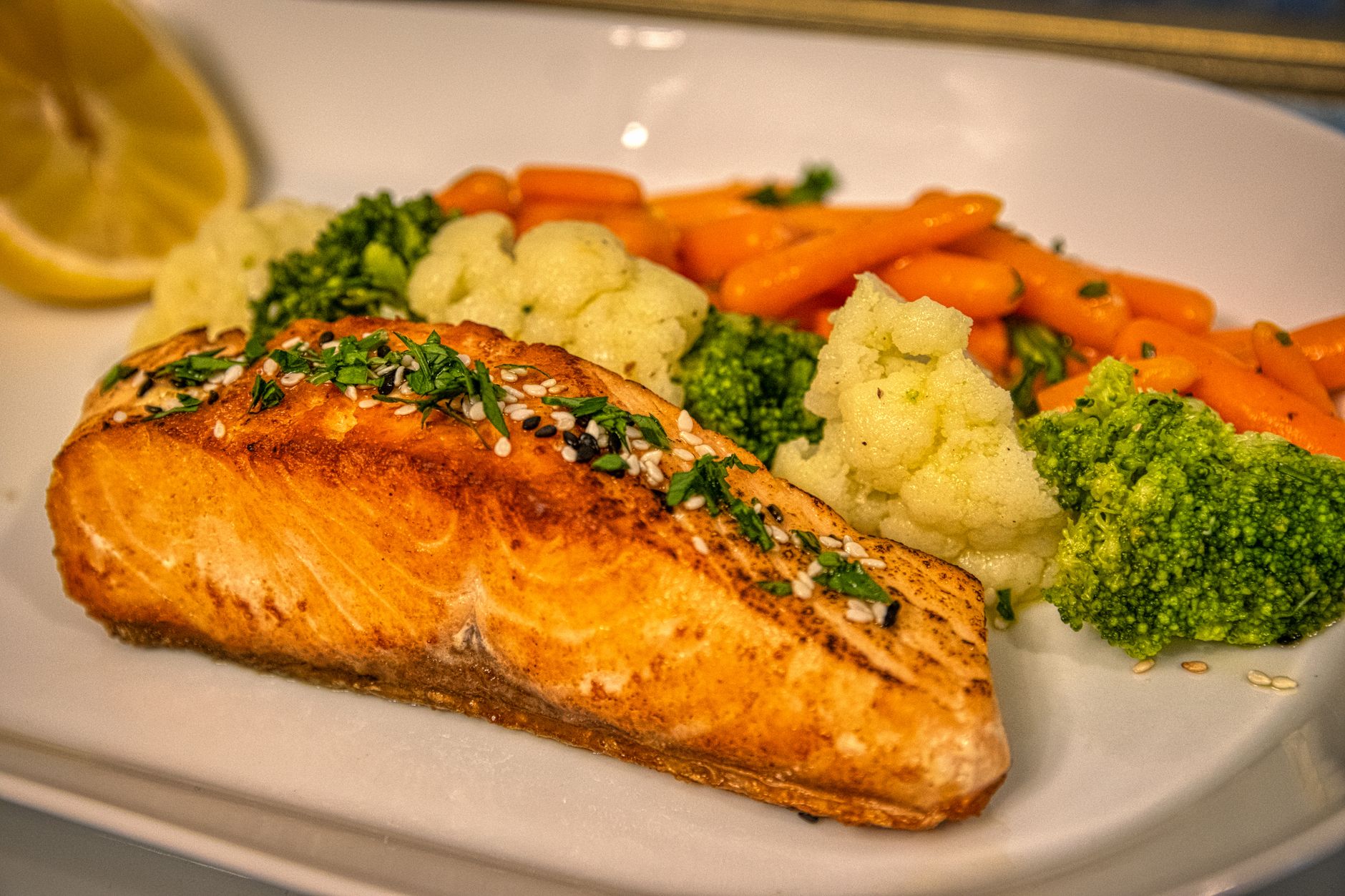
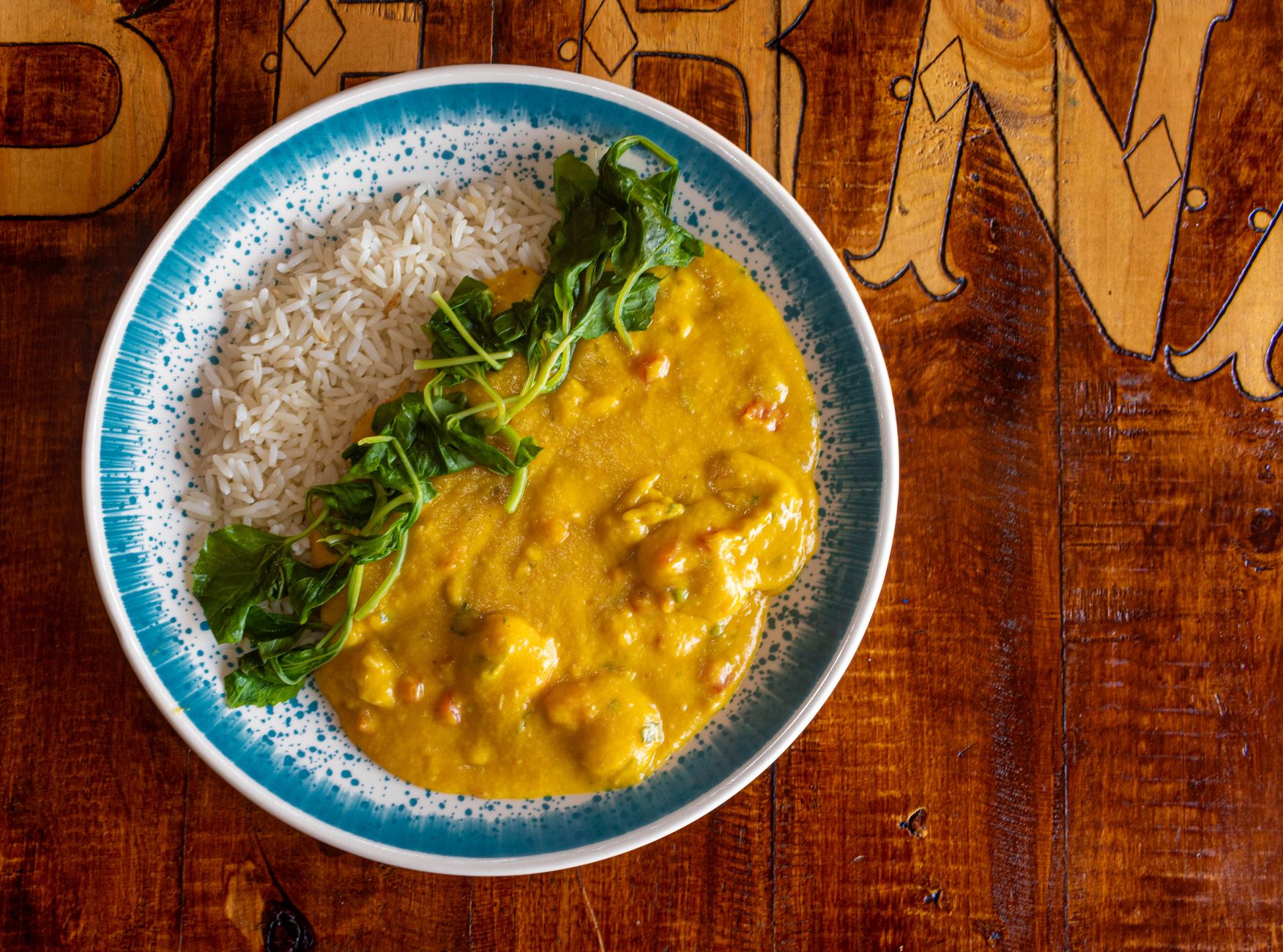
If you’re new to the MIND diet, the last thing you need is a complicated recipe. These 5-ingredient meals are designed to ease you in without overwhelming you. The goal is to build confidence—so start small, focus on one swap at a time, and celebrate every healthy meal.
**Remember:** The MIND diet isn’t about perfection. It’s about progress. If you have a day where you eat pizza, that’s okay. The next meal is where you start again.
--- ### Recipe 1: 5-Ingredient Tuna Salad Lettuce Wraps **Perfect for:** Quick lunches or light dinners when you’re short on time. #### Ingredients (Serves 2) - 2 cans (5 oz each) tuna in water, drained - 1 cup cherry tomatoes, halved - 1 cucumber, diced - 1/4 cup red onion, finely chopped - 1 tbsp olive oil - 1 tbsp lemon juice - 8 large romaine lettuce leaves - 1 tbsp pumpkin seeds (optional) #### Instructions 1. In a bowl, mix tuna, cherry tomatoes, cucumber, red onion, olive oil, and lemon juice. 2. Divide mixture among lettuce leaves and top with pumpkin seeds. #### Why it’s great for beginners: - **Tuna** provides omega-3s. - **Lettuce** is a low-calorie, nutrient-dense base. - **Tomatoes and cucumber** add vitamins and hydration. --- ### Recipe 2: Microwave Egg and Veggie Bowl **Perfect for:** When you’re starving and need something fast. #### Ingredients (Serves 1) - 2 eggs - 1 cup frozen mixed veggies (spinach, carrots, peas) - 1/4 cup shredded cheese (optional) - 1 tbsp olive oil - 1/2 cup cooked brown rice (pre-made) - 1 tbsp pumpkin seeds #### Instructions 1. Microwave frozen veggies for 2–3 minutes until heated. 2. In a bowl, whisk eggs with olive oil. 3. Pour eggs over veggies and microwave for 1 minute. 4. Top with brown rice, cheese (if using), and pumpkin seeds. #### Why it’s MIND diet-friendly: - **Eggs** provide choline, which supports brain health. - **Brown rice** is a whole grain. - **Spinach** adds vitamins without extra prep. --- ## Mind Diet Dinner Recipes Easy Low-CarbIf you’re watching your carb intake—whether for weight loss, blood sugar management, or just personal preference—the MIND diet can still work for you. The key is focusing on non-starchy vegetables, healthy fats, and lean proteins while keeping portions of whole grains in check.
**Pro tip:** Use cauliflower rice, zucchini noodles, or shirataki noodles as low-carb swaps for grains. They’re versatile and easy to find in the grocery store.
--- ### Recipe 1: Zucchini Noodles with Shrimp and Pesto **Why it works:** This dish is low-carb but still brain-healthy, thanks to the shrimp (omega-3s) and basil in the pesto (antioxidants). It’s ready in 15 minutes and feels like a fancy restaurant meal.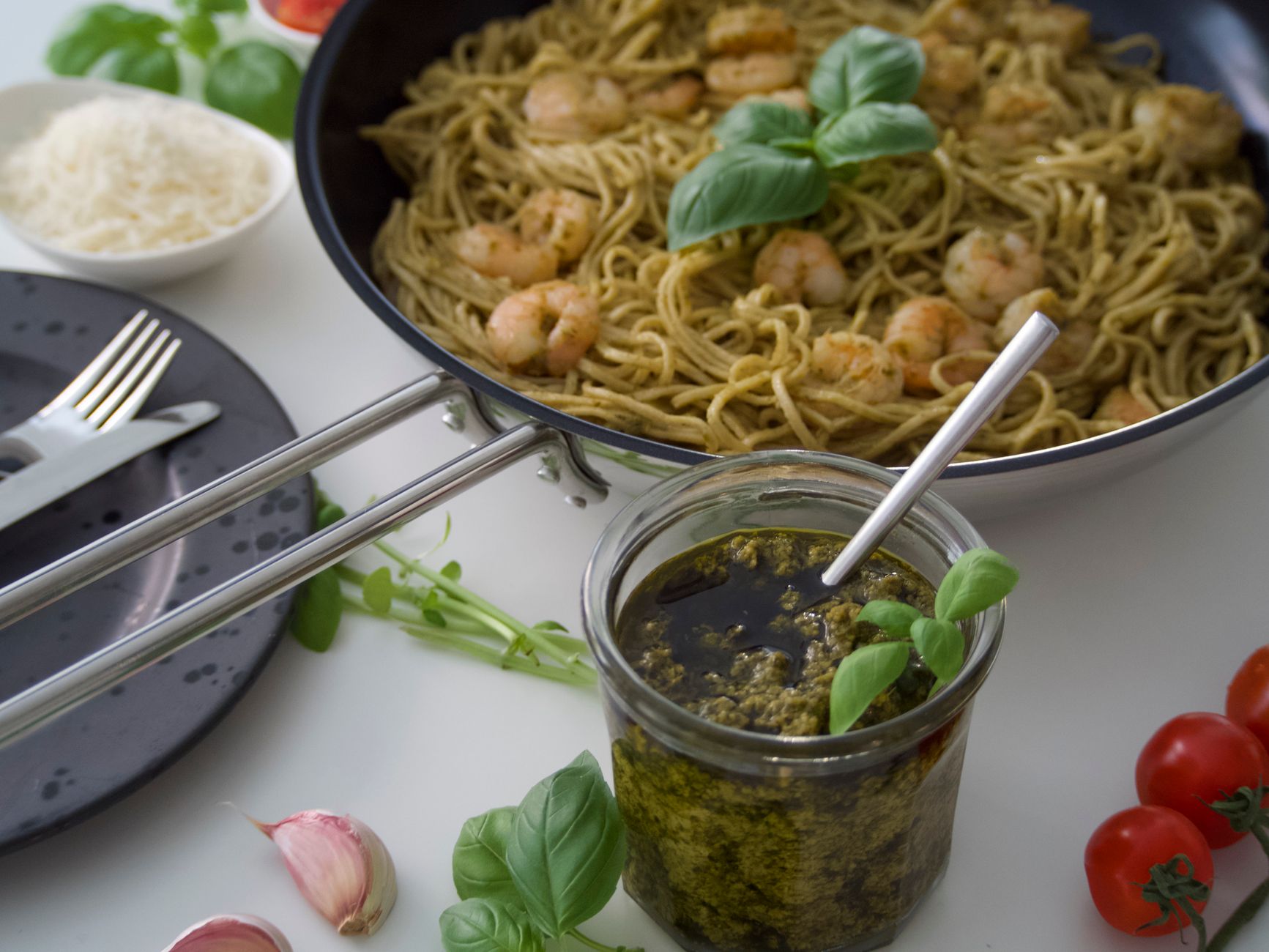
Vegetarianism and the MIND diet go hand in hand—especially when you focus on beans, legumes, nuts, seeds, and plant-based proteins. These recipes prove you don’t need meat to eat brain-healthily.
**Pro tip:** Stock your pantry with canned beans (black, chickpeas, lentils) and frozen veggies. They’re affordable, shelf-stable, and ready to cook in minutes.
--- ### Recipe 1: Lentil and Spinach Curry with Coconut Milk **Why it works:** Lentils are one of the best plant-based sources of protein and iron, while spinach adds vitamin K. This curry is creamy, flavorful, and ready in 25 minutes.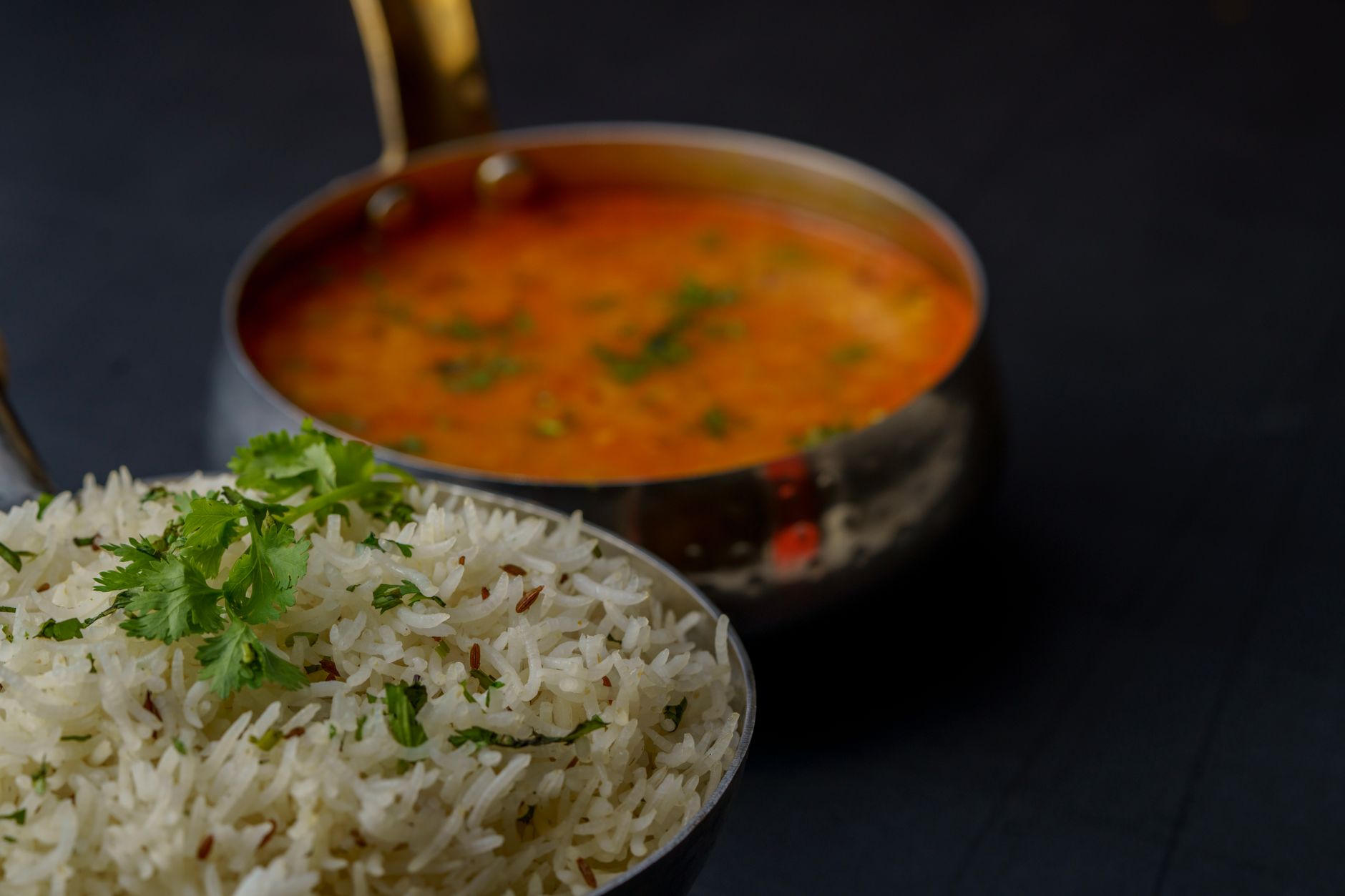
Protein is essential for brain health—it helps repair brain cells and keeps you full longer. The MIND diet emphasizes lean proteins like fish, poultry, beans, and nuts, but it doesn’t exclude other sources. These recipes ensure you’re getting enough protein while keeping meals brain-boosting and easy.
**Pro tip:** Pair protein with fiber (like veggies or whole grains) to slow digestion and keep you satisfied.
--- ### Recipe 1: Turkey and Black Bean Chili **Why it works:** This chili is high in protein and fiber, thanks to turkey and black beans. It’s hearty, flavorful, and freezer-friendly.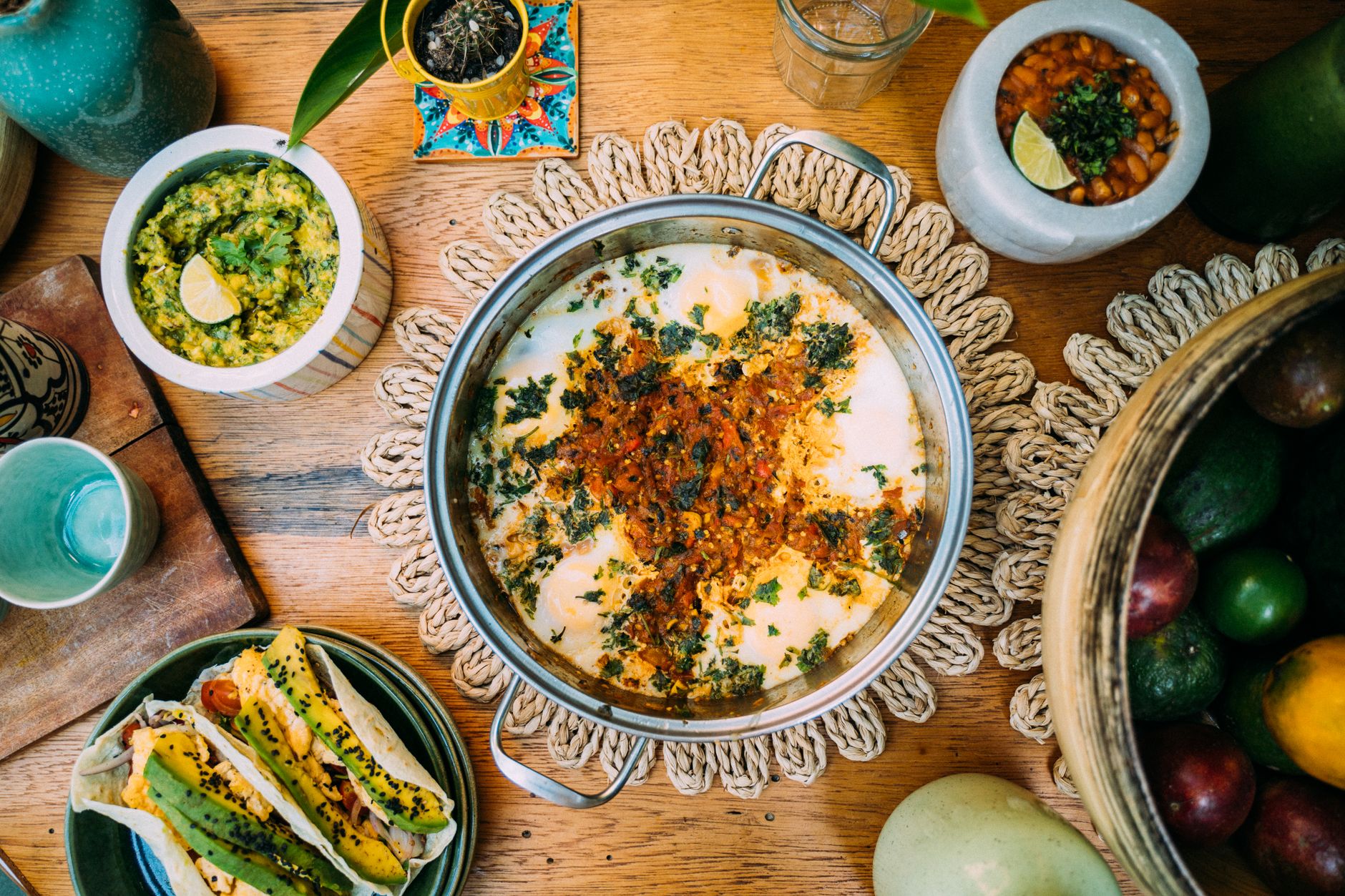
Pregnancy is a time when your brain—and your baby’s brain—needs extra nutrients. The MIND diet is perfect for pregnancy because it focuses on whole foods that support fetal development, reduce inflammation, and keep your energy levels stable. However, there are a few adjustments to keep in mind:
- Avoid raw fish or undercooked eggs (like sushi or homemade mayo).
- Limit mercury-rich fish (like shark, swordfish, or king mackerel). Stick to salmon, sardines, or trout.
- Increase folate-rich foods (like leafy greens, beans, and fortified grains).
- Watch your caffeine intake—stick to <100 mg/day (about 1 cup of coffee).
**Pro tip:** Pregnant women need an extra 300–500 calories per day, so don’t be afraid to add a little extra olive oil, nuts, or avocado to your meals.
--- ### Recipe 1: Salmon and Sweet Potato Hash with Spinach **Why it works:** This dish is rich in omega-3s, folate, and vitamin A—all critical for brain development. It’s also easy to digest and packed with energy.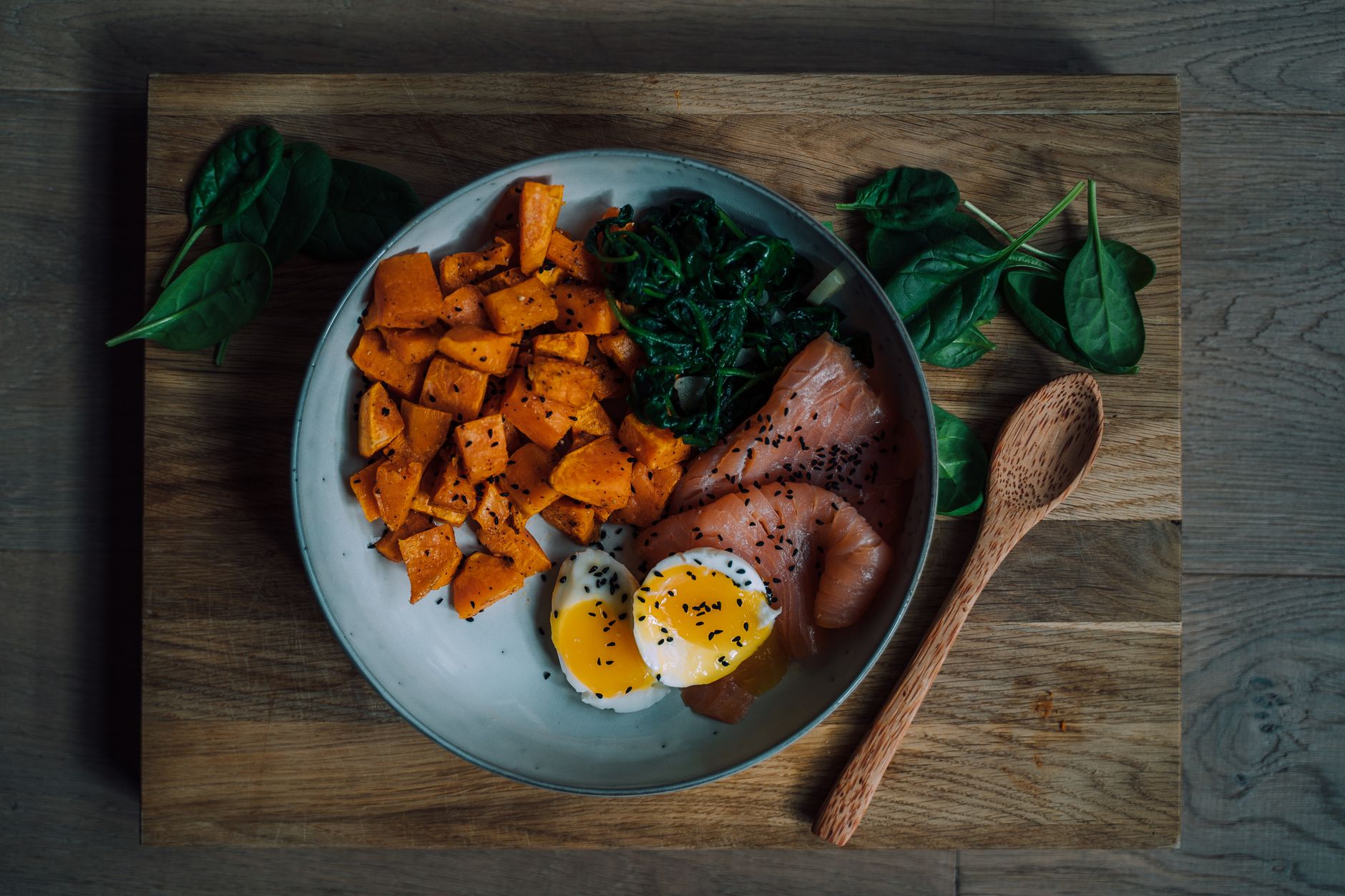
Life moves fast, and sometimes you need a meal that’s ready in 30 minutes or less. These recipes are designed for real life—whether you’re running late for work, hosting guests, or just too tired to cook for an hour.
**Pro tip:** Use pre-cut veggies, canned beans, or frozen veggies to save time. They’re just as nutritious and cut down on prep.
--- ### Recipe 1: 15-Minute Shrimp and Veggie Stir-Fry **Why it works:** This dish is quick, protein-rich, and packed with veggies. It’s perfect for a weeknight when you want something healthy but don’t have time to wait.