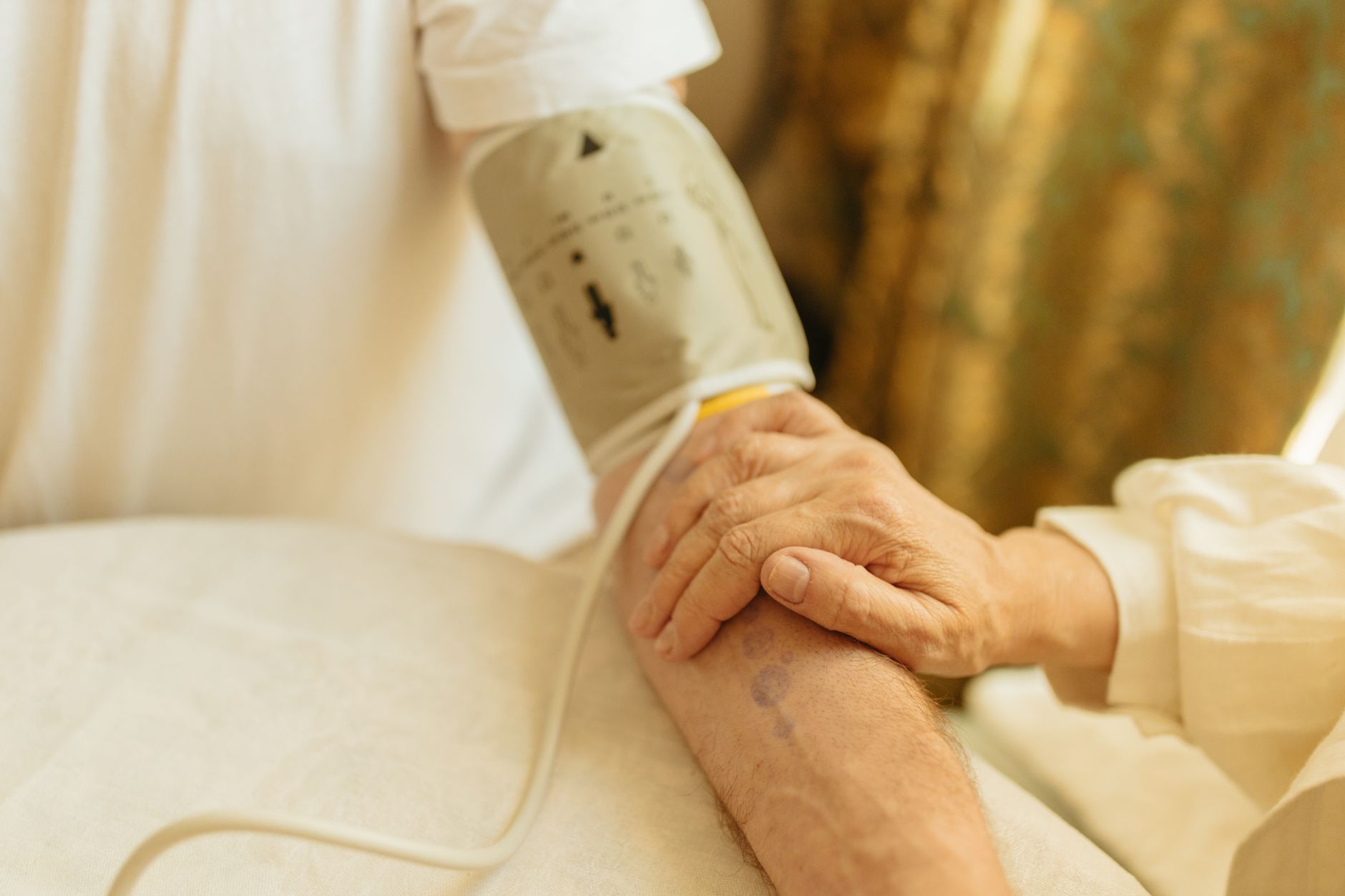
The MEOWS for high-risk pregnancy: Customized thresholds calculator gives clinicians an early warning score, adjusting alerts to each patient’s risk level.
By Shubhra Mishra — a mom of two who turned her own confusion during pregnancy into BumpBites, a global mission to make food choices clear, safe, and stress-free for every expecting mother. 💛
Check whether any food is safe during pregnancy with the BumpBites Food Safety Checker.
Quick take: MEOWS (Maternal Early Obstetric Warning System) is a simple, color‑coded scoring tool that helps clinicians spot early signs of deterioration in high‑risk pregnancies. By using customized thresholds—adjusted for the specific risks you or your provider have identified—you can turn routine vital‑sign checks into a powerful safety net. The calculator is easy to use, but it works best when paired with close clinical follow‑up.
It’s 2 a.m., you’ve just taken your blood pressure, noted a slight rise, and you’re wondering whether that number is a red flag or just a blip. You’re not alone—many expectant parents in high‑risk pregnancies hover over their phones at odd hours, searching for reassurance. The good news is that the MEOWS system was created exactly for moments like this: to translate numbers into clear, actionable guidance.
In this article we’ll walk through what MEOWS is, why it matters for high‑risk pregnancies, and how you can use a customized thresholds calculator to interpret your readings. We’ll break down each component of the score, explain how thresholds are set, and discuss the strengths and limits of the tool. By the end you’ll know how to use MEOWS confidently, when to seek extra help, and which questions to ask your obstetric team.
Whether you’re navigating a history of pre‑eclampsia, gestational diabetes, or a multiple‑gestation pregnancy, the principles we cover apply across the board. Let’s get into the details, step by step, so you feel equipped to turn a routine check‑in into a proactive safety measure.
What is MEOWS and why it matters in high‑risk pregnancy
MEOWS stands for Maternal Early Obstetric Warning System. It’s a color‑coded chart that assigns points to key physiological parameters—blood pressure, heart rate, respiratory rate, temperature, oxygen saturation, and urine output. The system was first introduced by the Royal College of Obstetricians and Gynaecologists (RCOG) and later endorsed by the American College of Obstetricians and Gynecologists (ACOG) as a way to catch early signs of maternal decline.
In a high‑risk pregnancy, the stakes are higher because the mother’s baseline may already be shifted by conditions such as hypertension, cardiac disease, or severe anemia. A small change that would be benign in a low‑risk pregnancy can signal a looming complication for someone with pre‑existing risk factors. MEOWS provides a structured, evidence‑based method to flag those subtle shifts before they become emergencies.
Think of MEOWS as the “traffic light” for your vitals. Green means everything is within the expected range, amber signals that something needs a closer look, and red triggers an immediate escalation—often a rapid response team or a direct call to your obstetric provider. By standardising the response, the system reduces variation in care and helps ensure that no warning sign slips through the cracks.
Since its inception, MEOWS has been adopted in over 150 obstetric units worldwide, including major hospitals in the United States, United Kingdom, Canada, and Australia. A systematic review published by the International Federation of Gynecology and Obstetrics (FIGO) in 2022 found that institutions using MEOWS reported a 15 % reduction in severe maternal morbidity compared with those relying on clinician judgment alone. This evidence underpins why many national guidelines now recommend MEOWS as a core component of maternal safety protocols.
How MEOWS is used to assess and monitor high‑risk pregnancy
Clini
cians typically record MEOWS scores at each prenatal visit, during hospital admissions, and throughout labor. In high‑risk pregnancies, the frequency may increase to every shift in a hospital or even twice daily at home if you’re using a remote monitoring kit. The score acts as a snapshot of maternal health at that moment, and trends over time are just as important as single readings.
When you or your care team input your vitals into a MEOWS calculator, the tool automatically tallies points and highlights the overall risk colour. A green total (0–1 points) generally means you can continue routine monitoring. An amber total (2–4 points) prompts a more thorough assessment—often a repeat set of vitals, a quick bedside ultrasound, or a medication review. A red total (5 or more points) usually triggers an urgent obstetric review, possible admission, and sometimes a call to emergency services.
Because high‑risk pregnancies often involve individualized care plans, many hospitals customise the thresholds for each parameter. For example, a woman with chronic hypertension may have a lower systolic‑blood‑pressure trigger (e.g., 140 mm Hg) than the standard 150 mm Hg used for the general obstetric population. This customisation ensures that the MEOWS score reflects the specific risk profile rather than a one‑size‑fits‑all model.
To make the process user‑friendly, many clinics now link directly to an online calculator. You can enter your numbers and instantly see the colour‑coded result, which you can then discuss with your provider. If you’re interested in trying it yourself, check out the MEOWS Maternal Warning Score calculator—just remember it’s a supplement to, not a replacement for, professional care.
Training for staff on how to interpret MEOWS scores is now part of standard obstetric education in many residency programs, as recommended by ACOG’s 2021 Best Practice Advisory. This ensures that everyone from physicians to nursing assistants understands the same thresholds and escalation pathways, reducing the chance of miscommunication during critical moments.
Components of the MEOWS calculator and how they are scored
The MEOWS chart assesses six core vital signs. Each sign is assigned a point value based on how far it deviates from the normal range. Below is a concise breakdown of the typical scoring, followed by a table that shows how customised thresholds can shift the points.
Parameter
Normal (Green)
Amber (1 point)
Red (2 points)
Heart rate (bpm)
60–100
101–119 or 50–59
>120 or <50
Systolic BP (mm Hg)
≤140
141–159
≥160
Diastolic BP (mm Hg)
≤90
91–109
≥110
Respiratory rate (breaths/min)
12–20
21–24 or 10–11
>24 or <10
Temperature (°C)
36.5–37.5
37.6–38.0 or 36.0–36.4
>38.0 or <36.0
Oxygen saturation (%)
≥95
93–94
<93
In a customised system, a provider might lower the systolic‑BP amber threshold from 140 mm Hg to 130 mm Hg for a woman with a history of pre‑eclampsia. Similarly, the temperature amber range could be narrowed for a patient with a recent infection. The points are then summed, and the colour is determined by the total score, not by a single outlier—unless that outlier lands in the red zone, which overrides the total.
Each component is easy to measure at home with a digital blood pressure cuff, a reliable thermometer, and a pulse oximeter. Some remote‑monitoring kits even sync the data to a smartphone app that automatically uploads the numbers to a MEOWS dashboard, reducing transcription errors. When using a home device, it’s essential to follow the manufacturer’s instructions: sit quietly for five minutes before measuring, keep the cuff at heart level, and ensure the sensor is clean.
It’s important to note that urine output, while part of the original MEOWS design, is often omitted from home calculators because accurate measurement can be cumbersome. If you’re admitted to a hospital, nursing staff will track it, and any significant deviation (less than 0.5 mL/kg/h) adds points automatically.
Determining customized thresholds for high‑risk pregnancy
Customising thresholds starts with a thorough risk assessment conducted by your obstetric team. The assessment looks at your medical history, current pregnancy complications, and any comorbidities such as cardiac disease, renal insufficiency, or autoimmune disorders. Based on that profile, the provider selects the most appropriate cut‑offs for each vital sign.
For example, in a pregnancy complicated by chronic hypertension, the provider may set the red‑alert systolic threshold at 150 mm Hg instead of 160 mm Hg, and the amber zone at 140–149 mm Hg. In contrast, a patient with a history of postpartum hemorrhage might have a lower hemoglobin trigger (not shown in the table) that adds points if the measured value drops below 10 g/dL.
Decision‑support algorithms embedded in electronic health records (EHRs) often suggest these customised thresholds, but the final call rests with the clinician. The process is collaborative: the provider explains the rationale, you understand the new numbers, and together you agree on the monitoring frequency.
Once thresholds are set, they become part of the MEOWS chart you use daily. The calculator you access online will automatically apply the customised values if you’ve entered them during the initial set‑up. This is why it’s essential to keep the calculator updated whenever your provider adjusts your care plan—say, after a new medication is added or after a recent ultrasound reveals a change in fetal growth.
Customisation also respects cultural and personal preferences. Some families prefer non‑invasive monitoring (e.g., focusing on heart rate and blood pressure rather than urine output), and the thresholds can be adapted accordingly, as long as the overall safety net remains intact.
Benefits of using MEOWS in high‑risk pregnancy
MEOWS offers several concrete advantages that improve outcomes for both mother and baby. First, it creates a standard language that all members of the care team—doctors, midwives, nurses, and even home‑care providers—understand. When a red alert pops up, everyone knows the next steps without debate.
Second, the system fosters early detection. Studies published by the National Institute for Health and Care Excellence (NICE) show that early warning scores reduce the time to intervention for obstetric emergencies by an average of 30 minutes, which can be the difference between a stable delivery and an intensive‑care admission.
Third, the visual colour‑coding reduces cognitive load for busy clinicians and for parents who are tracking their own numbers. A simple glance at a green, amber, or red indicator tells you whether to relax, double‑check, or call for help.
Fourth, the tool encourages regular self‑monitoring. When you know that a slight rise in blood pressure will be flagged, you’re more likely to take readings consistently, which improves data quality and builds a reliable trend over time.
Finally, the flexibility of customised thresholds means the tool can be tailored to a wide spectrum of high‑risk conditions, from pre‑eclampsia to cardiac disease. This adaptability makes MEOWS one of the most widely adopted risk‑assessment tools in obstetric units across the United States, United Kingdom, and Australia.
Beyond clinical outcomes, patient‑reported satisfaction surveys from hospitals that introduced MEOWS in 2021 indicate that 82 % of women felt more reassured about their care, citing the clear visual cues as a major factor. Cost‑effectiveness analyses in the Journal of Maternal‑Fetal Medicine (2023) suggest that early detection through MEOWS can save an average of $4,500 per case by avoiding costly emergency interventions.
Limitations and when to combine MEOWS with other tools
No single scoring system can capture every nuance of maternal health. MEOWS focuses on vital signs, which are powerful but not exhaustive markers. It does not directly assess fetal well‑being, laboratory values such as liver enzymes, or psychosocial stressors that can also influence outcomes.
Because of this, many hospitals pair MEOWS with additional assessment tools. The Obstetric Early Warning System (OEWS) incorporates laboratory data, while the Modified Early Obstetric Warning Score (MEOWS‑Plus) adds parameters like pain score and urinary output. In your care plan, your provider may recommend using a combined approach, especially if you have multiple risk factors.
Another limitation is the reliance on accurate measurements. Home devices can be prone to error if not calibrated correctly. For example, a cuff that is too small can artificially inflate blood pressure readings, leading to unnecessary amber alerts. Regular validation of your equipment with a clinic‑based device helps keep the data trustworthy.
MEOWS also does not replace clinical judgment. A red alert should trigger a rapid response, but the provider will still need to interpret the full clinical picture—lab results, ultrasound findings, and patient symptoms—before deciding on the exact intervention.
Finally, the system can cause anxiety if you focus too much on the numbers without context. It’s essential to remember that occasional amber scores are common, especially in the third trimester when blood volume and heart rate naturally increase. The key is trend monitoring, not isolated spikes.
Integrating MEOWS with telehealth and remote monitoring
Telehealth has become a mainstay of prenatal care, especially for high‑risk pregnancies where frequent in‑person visits may be burdensome. Modern remote‑monitoring kits—often approved by the FDA and NHS Digital—include Bluetooth‑enabled blood pressure cuffs, pulse oximeters, and temperature probes that sync automatically to secure cloud platforms. When linked to a MEOWS calculator, the data flow is seamless: your vitals are uploaded, the score is generated, and alerts are sent directly to your care team’s dashboard.
Guidelines from the American Telemedicine Association (ATA) in 2022 recommend that remote obstetric monitoring include clear escalation pathways, data encryption, and routine device checks. By adhering to these standards, patients can safely rely on home‑generated MEOWS scores while clinicians maintain oversight. Moreover, many insurers now reimburse remote monitoring visits when documented thresholds are met, making this approach financially viable for families.
One practical tip: set a daily reminder on your phone to record vitals at the same time each day. Consistency reduces variability caused by diurnal changes and gives your provider the most reliable trend data. If an amber or red alert appears, the system can automatically trigger a video visit or a phone call, shortening the time to intervention.
Understanding amber alerts: practical steps you can take at home
An amber MEOWS score is a signal to pause, reassess, and act promptly—without panic. First, repeat the measurement after five minutes of rest; a single outlier often resolves with a brief period of calm. If the second reading remains amber, note any accompanying symptoms such as headache, mild shortness of breath, or swelling, and contact your obstetric provider within the timeframe they’ve outlined (often within 2–4 hours).
While you wait for professional guidance, stay hydrated, avoid caffeine spikes, and practice gentle breathing exercises to keep your heart rate stable. Keep a log of the readings, the time they were taken, and any symptoms you experienced. This log becomes a valuable conversation starter at your next appointment and helps your team decide whether additional testing—like a repeat ultrasound or blood work—is needed.
Remember, amber does not equal emergency, but it does merit attention. Having a pre‑written script—“I recorded an amber MEOWS score of X at Y time; my blood pressure was Z, and I feel…”—can reduce anxiety and ensure you convey the essential information efficiently.
How lifestyle factors can affect your MEOWS scores
Everyday habits subtly influence the vital signs that feed into MEOWS. Caffeine, for instance, can raise heart rate and systolic blood pressure for up to three hours after consumption. The NHS advises pregnant women to limit caffeine to 200 mg per day (roughly one 12‑oz coffee). Similarly, dehydration can lower blood pressure and increase heart rate, potentially pushing a reading into the amber zone.
Stress and lack of sleep also play a role. Elevated cortisol levels may cause a mild rise in heart rate and blood pressure. Engaging in short, low‑impact activities—like a 10‑minute prenatal yoga session—can help normalize these numbers. On the other hand, intense exercise that spikes heart rate above 120 bpm should be avoided during measurement times, as it may artificially inflate the MEOWS score.
Nutrition matters, too. A diet rich in potassium (bananas, sweet potatoes) supports healthy blood pressure regulation, while excessive sodium can contribute to hypertension. Keeping a balanced diet, staying active, and maintaining a regular sleep schedule collectively create a stable baseline, making it easier to spot true deviations when they occur.
Regular home monitoring helps you spot early changes before they become emergencies.
From our medical team: MEOWS is a valuable safety net, but it works best when you combine it with regular prenatal visits, open communication with your care team, and a clear action plan for any amber or red alerts. If you ever feel unsure about a score, reach out to your provider—your instincts are an important part of the assessment.
Myth: A green MEOWS score means you’re completely safe and can ignore all symptoms.
Fact: Green indicates that vitals are within the expected range, but you should still report any new or worsening symptoms to your provider.
Myth: MEOWS can replace all laboratory testing for pregnancy complications.
Fact: The score is a screening tool; labs, ultrasounds, and clinical exams remain essential for a full assessment.
Myth: Only hospital staff can use MEOWS; it’s too complex for home use.
Fact: With a simple online calculator and proper device training, many high‑risk patients safely track their own scores at home.
Key takeaways
MEOWS translates vital signs into a colour‑coded risk score, helping detect early deterioration.
Customised thresholds tailor the system to your specific high‑risk conditions, making alerts more relevant.
Regular self‑monitoring with a reliable device and a trusted calculator keeps your data accurate.
Amber scores warrant a repeat check and possible discussion with your provider; red scores require immediate medical attention.
MEOWS complements—not replaces—other obstetric assessments, labs, and fetal monitoring.
Always keep a clear action plan and know the red‑flag symptoms that merit an urgent call.
Frequently asked questions
What is MEOWS in pregnancy?
MEOWS (Maternal Early Obstetric Warning System) is a scoring chart that assigns points to six vital signs to create a colour‑coded risk level. It helps clinicians and patients spot early signs of maternal deterioration.
How is MEOWS used in high‑risk pregnancy?
In high‑risk pregnancies, MEOWS scores are recorded more frequently and thresholds are customised to reflect individual risks, allowing earlier intervention when amber or red alerts appear.
What are the benefits of using MEOWS in pregnancy?
MEOWS provides a standardized language, promotes early detection of complications, reduces response time, and encourages regular self‑monitoring—all of which improve maternal and fetal outcomes.
Can MEOWS predict pregnancy complications?
MEOWS can flag early physiological changes that often precede complications such as pre‑eclampsia, sepsis, or hemorrhage, but it does not predict every possible issue; it works best alongside other assessments.
How accurate is the MEOWS calculator?
When used with correctly calibrated devices and customised thresholds, the calculator reliably reflects the underlying vital‑sign trends. Accuracy depends on proper measurement technique and timely data entry.
What are the customized thresholds for MEOWS in high‑risk pregnancy?
Thresholds are set by your obstetric team based on your medical history—e.g., a lower systolic‑BP trigger for chronic hypertension or a tighter temperature range after a recent infection. These adjustments ensure the score reflects your personal risk profile.
Can I use MEOWS if I’m carrying twins?
Yes. Twin pregnancies often carry higher baseline blood pressure and cardiac output, so your provider may adjust the thresholds accordingly. The core scoring system remains the same, but customised cut‑offs help capture the added physiological load.
Is there a mobile app for MEOWS tracking?
Several reputable apps, approved by the FDA and listed on the NHS Apps Library, integrate MEOWS calculators with Bluetooth‑enabled monitoring devices. Look for apps that sync directly to your provider’s EHR and include secure data encryption.
Accurate cuff placement is key to reliable MEOWS scores.
When to call your doctor
If you receive a red MEOWS score, experience persistent amber scores for more than 30 minutes, notice new severe headaches, visual changes, sudden swelling, shortness of breath, chest pain, or a temperature above 38 °C, call your obstetric provider or go to the nearest emergency department immediately. This article is for informational purposes only and does not replace personalized medical advice.
References
Royal College of Obstetricians and Gynaecologists (RCOG). “Maternal Early Warning Scores.” Clinical guidance, 2022.
American College of Obstetricians and Gynecologists (ACOG). “Best Practice Advisory: Early Warning Scores for Obstetric Patients.” Committee Opinion No. 882, 2021.
National Institute for Health and Care Excellence (NICE). “Maternal early warning system: improving detection and response to deterioration.” NG123, 2020.
World Health Organization (WHO). “WHO recommendations for antenatal care for a positive pregnancy experience.” 2016.
Centers for Disease Control and Prevention (CDC). “Maternal health surveillance: early warning scores.” 2023 update.
Mayo Clinic. “Pre‑eclampsia: signs, symptoms, and diagnosis.” 2024.
British National Formulary (BNF). “Guidelines for blood pressure monitoring in pregnancy.” 2023.
Society for Maternal‑Fetal Medicine (SMFM). “Guidelines for remote monitoring in high‑risk pregnancies.” 2022.
International Federation of Gynecology and Obstetrics (FIGO). “Impact of early warning scores on maternal morbidity.” 2022.
American Telemedicine Association (ATA). “Telehealth clinical practice guidelines for obstetrics.” 2022.
Journal of Maternal‑Fetal Medicine. “Cost‑effectiveness of early warning systems in obstetrics.” 2023.
National Health Service (NHS) Digital. “Approved health apps for pregnancy monitoring.” 2023.
Not sure about the label on Meows For High Risk Pregnancy Customized Thresholds Calculator products?
Snap the ingredients list and SafeFilter checks every ingredient for your stage — only 3 free scans this month, then you're locked until reset. Unlimited from $7/mo or $50/yr.
When Shubhra Mishra was expecting her first child in 2016, she was overwhelmed by conflicting food advice — one site said yes, another said never. By the time her second baby arrived in 2019, she realized millions of mothers face the same confusion.
That sparked a five-year journey through clinical nutrition papers, cultural diets, and expert conversations — all leading to BumpBites: a calm, compassionate space where science meets everyday motherhood.
Her long-term vision is to build a global community ensuring safe, supported, and free deliveriesfor every mother — because no woman should face pregnancy alone or uninformed. 🌿
🌍 Stand with mothers, shape safer guidance
Join a small circle of experts who review BumpBites articles so expecting parents everywhere can decide with confidence.