Home monitoring using a MEOWS adaptation lets mothers spot postpartum warning signs early. Learn the key indicators, how to track them, and when to seek care.
By Shubhra Mishra — a mom of two who turned her own confusion during pregnancy into BumpBites, a global mission to make food choices clear, safe, and stress-free for every expecting mother. 💛
Check whether any food is safe during pregnancy with the BumpBites Food Safety Checker.
Quick take: The MEOWS (Maternal Early Obstetric Warning System) can be safely adapted for home use after delivery. By tracking temperature, pulse, blood pressure, and respiration three times daily, you can spot early warning signs of infection, bleeding, or hypertension and get help before a problem worsens.
It’s 2 a.m., you’ve just finished feeding your newborn, and a sudden chill runs through you. You glance at the thermometer on the nightstand and wonder, “Is this normal?” You’re not alone—most new parents experience that mix of exhaustion and anxiety the first weeks after birth. The good news is that a simple, structured tool called MEOWS can turn that worry into actionable information.
MEOWS was originally designed for hospitals, but clinicians have shown that a pared‑down version works just as well at home. With a few inexpensive devices and a clear scoring sheet, you can monitor the vital signs that matter most—temperature, pulse, blood pressure, and respiratory rate—and know exactly when to call your provider.
In this guide we’ll walk you through every step: what the warning signs are, how to measure each vital sign correctly, how to calculate your home MEOWS score, what each score means, and how to integrate the data with telehealth or your postpartum visit. By the end you’ll have a concrete, confidence‑building plan for the first six weeks after delivery.
What is MEOWS and how it’s adapted for home use
MEOWS stands for Maternal Early Obstetric Warning System. It was created by the Royal College of Obstetricians and Gynaecologists (RCOG) and the UK National Health Service to give clinicians a quick, standardized way to spot early deterioration in postpartum patients. The system assigns points to four vital signs—temperature, heart rate, blood pressure, and respiratory rate—based on how far they deviate from normal ranges. In a hospital, a total score of ≥ 3 triggers an urgent review.
For home monitoring, the same thresholds are used, but the scoring sheet is simplified and the response plan is tailored to a non‑clinical setting. Instead of an automatic rapid response team, a score of ≥ 2 prompts you to call your obstetrician, midwife, or a telehealth nurse within a few hours. A score of ≥ 3 means you should seek immediate medical attention, often by going to the nearest emergency department.
Adapting MEOWS for home use follows three principles:
Consistency: Measure the same vital signs at the same times each day (usually morning, afternoon, and evening).
Clarity: Use a printable or digital scorecard that shows the exact point values for each reading.
Connection: Have a pre‑agreed plan for who you’ll contact and how you’ll share your scores (phone, text, or a patient portal).
Because the scoring system is based on universally accepted normal ranges, the same sheet works whether you’re in the United States, the United Kingdom, or elsewhere. The only variation is the recommended follow‑up interval—some U.S. guidelines suggest contacting the provider within 4 hours for a score of 2, while the UK advises a same‑day call. Choose the timeline that matches your local care model.
Setting up a quiet corner for daily MEOWS checks helps you stay consistent and calm.
Postpartum warning signs you should know
Under
standing why each vital sign matters makes it easier to react appropriately. Below is a concise list of the most common warning signs, the underlying complications they can indicate, and what they look like on the MEOWS chart.
Fever ≥ 38 °C (100.4 °F): May signal infection—uterine infection (endometritis), urinary tract infection, or mastitis. Accompanied by chills, foul‑smelling lochia, or breast pain.
Heart rate ≥ 100 bpm: Tachycardia can be an early sign of blood loss, infection, or anxiety. Persistent rates above 110 bpm warrant urgent review.
Blood pressure ≥ 140/90 mmHg or ≤ 90/60 mmHg: Hypertension suggests postpartum pre‑eclampsia; low pressure may indicate hemorrhage or dehydration.
Respiratory rate ≥ 25 breaths per minute: Rapid breathing may accompany pain, infection, or anemia.
Excessive lochia (bright red, > 30 mL per hour) or foul odor: Indicates possible retained placenta or infection.
Severe abdominal pain or uterine tenderness: Could be a sign of uterine atony or infection.
Sudden swelling of face or hands: May be a sign of pre‑eclampsia.
Persistent headache, visual changes, or nausea: Red flags for hypertensive emergencies.
Each of these signs maps onto the MEOWS scoring system. For example, a temperature of 38.5 °C earns 2 points, while a heart rate of 108 bpm adds another point. The total helps you decide how quickly you need professional help.
How to measure and record vital signs at home (step‑by‑step)
Accurate measurements are the foundation of reliable MEOWS scores. Below is a detailed, step‑by‑step guide for each vital sign. Perform the checks at roughly the same times each day—ideally after you’ve emptied your bladder and before you’ve taken any medication that could affect heart rate or blood pressure.
1. Temperature
Use a digital oral or axillary thermometer. For oral readings, place the tip under the tongue and close your mouth; for axillary, place the tip in the armpit and hold the arm close to the body.
Wait for the beep—most devices give a reading within 30 seconds.
Record the temperature to one decimal place (e.g., 37.9 °C).
If you have a fever, repeat the measurement after 30 minutes to confirm.
2. Pulse (heart rate)
Use a fingertip pulse oximeter or a wearable tracker that displays beats per minute.
Place the sensor on your index finger, wait for a stable reading (usually 10–15 seconds).
Record the beats per minute. If you’re using a smartwatch, make sure it’s calibrated for resting heart rate.
For consistency, always measure while seated and relaxed.
3. Blood pressure
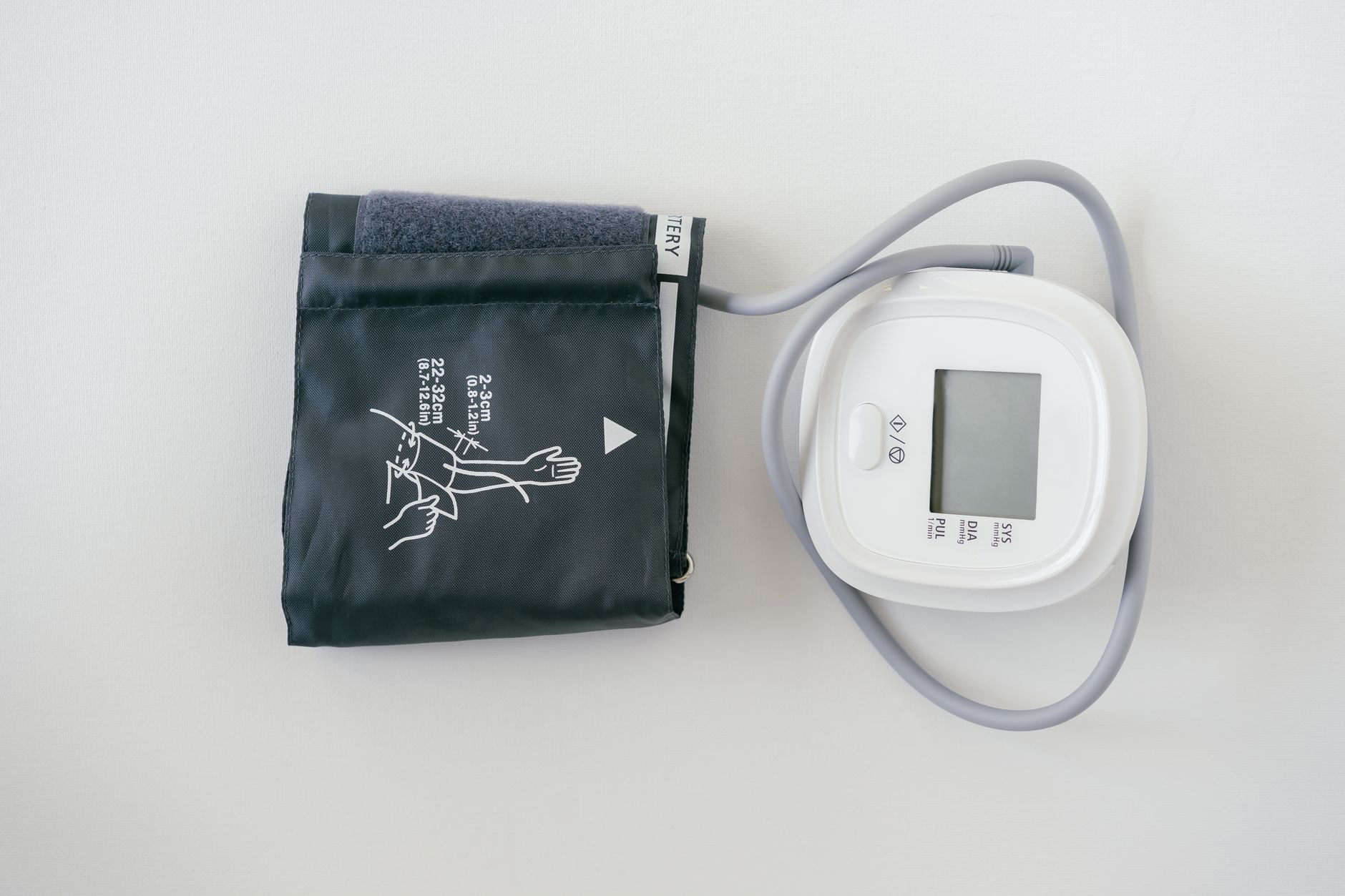
Invest in an automatic upper‑arm cuff. Sit upright with your back supported, feet flat on the floor, and arm at heart level.
Wrap the cuff snugly, ensuring the bottom edge is about 1–2 cm above the elbow.
Press the start button; the device will inflate and display systolic/diastolic values.
Record both numbers (e.g., 122/78 mmHg). If the reading is unusually high or low, repeat after a few minutes.
4. Respiratory rate
Sit comfortably and place a hand lightly on your abdomen.
Count each rise of the chest as one breath for a full minute. You can set a timer on your phone.
Record the number of breaths per minute. If you’re short‑of‑breath, count for 30 seconds and double the result.
After each measurement, write the numbers in a dedicated MEOWS logbook or enter them into a spreadsheet. Include the date, time, and any symptoms you’re experiencing (e.g., “mild chills”, “lochia heavy”). Consistency in documentation makes trends easier to spot.
Scoring your readings
Use the following table to assign points. This is the same scoring used in hospitals, simplified for home use.
Vital sign
Normal range (0 points)
1 point
2 points
Temperature (°C)
36.0–37.9
38.0–38.4
≥ 38.5
Heart rate (bpm)
60–100
101–119
≥ 120
Blood pressure (mmHg)
90‑140 systolic / 60‑90 diastolic
140‑159 or 90‑99
≥ 160 or ≥ 100
Respiratory rate (breaths/min)
12‑20
21‑24
≥ 25
Add up the points from each vital sign. A total of 0‑1 is usually reassuring, 2 calls for a prompt provider contact, and ≥ 3 means seek emergency care.
Keep a printed scorecard nearby; the visual cue helps you stay on track.
Home‑based MEOWS scoring and when thresholds matter
Now that you have your numbers, it’s time to translate them into a score that tells you what action to take. Below is a step‑by‑step example of a typical day’s measurements and how the score is calculated.
Example: Morning check – Temp 38.2 °C (1 point), Pulse 105 bpm (1 point), Blood pressure 138/84 mmHg (0 points), Respiration 22 breaths/min (1 point). Total = 3 points. According to the home‑adapted MEOWS protocol, a score of 3 triggers immediate medical attention.
Here’s a quick reference for what each score range means:
0‑1 point: Normal. Continue routine monitoring.
2 points: Mild concern. Contact your midwife or obstetrician within the next few hours. They may ask you to repeat the measurements or schedule a telehealth visit.
3 or more points: Urgent. Call emergency services (999 in the UK, 911 in the US) or go to the nearest emergency department. Bring your logbook with you.
Because postpartum physiology can shift quickly, many clinicians recommend rechecking any abnormal reading within 30‑60 minutes before escalating care, unless the symptom is severe (e.g., heavy bleeding). This “re‑check” step helps avoid false alarms while still protecting you from missed deterioration.
When you’re ready to calculate your own score, you can use the online MEOWS Maternal Warning Score calculator. It walks you through each vital sign and instantly tells you the total points and recommended next steps.
Building your action plan: what to do with your scores
An action plan turns numbers into a clear, calm response. Here’s a template you can copy into a notebook or a phone note.
Record the reading. Write the date, time, and each vital sign.
Calculate the score. Use the table above or the online calculator.
Check the threshold.
If 0‑1: No action needed beyond routine monitoring.
If 2: Call your provider’s after‑hours line. Have your log ready; they may ask you to repeat the measurements or to come in for a quick exam.
If ≥ 3: Call emergency services or go directly to the hospital. Bring the log and any medications you’re taking.
Document the response. Note the time you called, who you spoke with, and any advice given.
Follow up. After any urgent call, schedule a follow‑up appointment (in‑person or virtual) within 24‑48 hours to reassess.
Having this plan written down reduces the panic that can accompany a high score. It also gives your care team a clear picture of the timeline, which can be crucial for diagnosis.
Essential equipment and tools for accurate home monitoring
Investing in reliable, easy‑to‑use devices makes a big difference. Below is a checklist of the minimum equipment you’ll need, plus optional extras that can streamline the process.
Digital thermometer: Oral/axillary models with a 0.1 °C readout. Avoid mercury thermometers.
Pulse oximeter or smartwatch: Devices that display heart rate in real time. Ensure the sensor fits snugly.
Automatic blood pressure cuff: Upper‑arm cuff with memory storage is ideal. Look for validation by the American Heart Association (AHA) or the British Hypertension Society.
Timer or stopwatch: Your phone’s clock works fine for counting breaths.
Scorecard or spreadsheet: Printable paper sheets or a simple Google Sheet with pre‑filled formulas.
Pen and sticky notes: For quick annotations.
Optional – telehealth app: Many health systems offer secure messaging portals where you can upload your daily log.
All of these items are available at most pharmacies or online retailers for under $150 total. Choose devices with clear displays and simple instructions, especially if you’re still adjusting to life with a newborn.
Tips for accurate measurement and common pitfalls to avoid
Even with the best tools, measurement errors can creep in. Here are proven strategies to keep your data reliable:
Warm up the thermometer: Cold rooms can lower oral temperature readings. Let the device sit at room temperature for at least 15 minutes before use.
Empty bladder before blood pressure: A full bladder can falsely elevate systolic pressure.
Stay still during pulse oximetry: Movement or cold fingers can cause inaccurate heart rate readings.
Use the same arm for blood pressure each time: Inter‑arm differences can be up to 10 mmHg.
Avoid caffeine or heavy meals 30 minutes before measurements: These can raise heart rate and blood pressure temporarily.
Record symptoms alongside numbers: A slight fever with chills is more concerning than an isolated temperature spike.
Don’t rely on a single “outlier” reading: Repeat any abnormal measurement once before escalating care, unless the symptom is severe.
Keep the devices clean and calibrated: Follow manufacturer instructions for battery replacement and sensor cleaning to avoid drift.
By following these simple habits, you’ll reduce false alarms and ensure that any true warning sign is caught early.
Integrating home MEOWS monitoring with telehealth or provider communication
Most modern maternity practices encourage remote monitoring, especially in the first weeks after birth. Here’s how to make the most of that partnership:
Share your log electronically. Upload a photo of your handwritten scorecard or share a Google Sheet link through your patient portal.
Schedule a weekly virtual check‑in. Even if you’re feeling fine, a brief video call lets the provider see trends and address concerns.
Set up alerts. Some telehealth platforms allow you to flag a high score; the nurse will then reach out within a predefined window.
Keep a backup plan. If internet or phone service is down, have the provider’s after‑hours phone number written down.
When you combine daily MEOWS tracking with a supportive care team, you create a safety net that catches complications early without the need for frequent in‑person visits.
Understanding normal postpartum physiological changes
The first weeks after birth are a time of rapid adjustment. Your heart rate may stay slightly elevated for a few days as blood volume shifts, and it’s normal for blood pressure to dip a bit after delivery, especially if you had a large fluid loss during labor. Temperature can also fluctuate, often rising modestly after a vaginal birth due to tissue healing. Recognizing these normal patterns helps you differentiate between expected recovery and warning signs that merit a higher MEOWS score.
According to ACOG’s 2023 postpartum care bulletin, most women’s vitals return to pre‑pregnancy baselines by six weeks, but individual trajectories vary. If a vital sign remains outside the normal range beyond the typical window—or if you experience new symptoms—document the trend and discuss it with your provider. Early communication prevents small issues from becoming larger problems.
Involving your partner or support person in MEOWS monitoring
Sharing the responsibility for MEOWS checks can ease your workload and improve accuracy. Ask a partner, parent, or trusted friend to help with one of the three daily checks, especially if you’re nursing or feeling fatigued. Demonstrate the correct technique once, then let them repeat the steps while you observe. This collaborative approach also gives your support person a concrete way to contribute, reducing the sense of helplessness many partners feel.
When you involve another adult, create a simple handoff sheet: “Morning – you; afternoon – me; evening – you.” Having defined roles ensures consistency and keeps the scoring process transparent for both of you.
Adapting MEOWS for specific recovery scenarios (e.g., C‑section, gestational diabetes)
Some postpartum situations call for slight tweaks to the standard MEOWS thresholds. After a cesarean delivery, wound pain and limited mobility can raise heart rate and respiratory rate temporarily; clinicians may allow a brief window of 1‑point elevation before triggering a call. For mothers with gestational diabetes, blood glucose levels are an additional vital sign to track, and a high glucose reading can influence the blood pressure score because dehydration is a common trigger.
Discuss any special circumstances with your obstetrician. They can provide a customized scorecard that reflects your unique recovery pathway while still preserving the safety net that MEOWS offers.
From our medical team: “Postpartum complications are rare, but they can progress quickly. A structured home‑monitoring routine like MEOWS empowers you to recognize the early signs and act decisively. If you’re ever unsure, a quick call to your provider is always the safest choice.”
Myth: “If I feel fine, I don’t need to check my vitals.”
Fact: Many serious postpartum complications, such as early pre‑eclampsia or infection, start with subtle vital‑sign changes before symptoms appear. Regular checks catch problems before they become emergencies.
Myth: “MEOWS is only for hospitals; it’s too complicated for home use.”
Fact: The home‑adapted MEOWS uses the same simple scoring system and can be completed in under five minutes with a basic thermometer and blood pressure cuff.
Myth: “If my score is 2, I can wait until my next scheduled appointment.”
Fact: A score of 2 indicates a mild concern that warrants a prompt phone call—usually within a few hours—to rule out worsening conditions.
Key takeaways
MEOWS can be safely adapted for home monitoring by tracking temperature, pulse, blood pressure, and respiration three times daily.
Assign points based on the normal, mild, and severe ranges; a total score of 2 prompts a provider call, ≥ 3 requires emergency care.
Use a reliable digital thermometer, automatic blood pressure cuff, and pulse oximeter; record all readings in a dedicated log.
Repeat any abnormal measurement after 30 minutes before escalating, unless you have severe symptoms like heavy bleeding.
Integrate your scores with telehealth—share logs electronically and schedule weekly virtual check‑ins.
When in doubt, trust your instincts and contact your care team; early intervention protects both you and your baby.
Frequently asked questions
What are the key warning signs to watch for after delivery?
The key signs include fever ≥ 38 °C, heart rate ≥ 100 bpm, blood pressure ≥ 140/90 mmHg or ≤ 90/60 mmHg, respiratory rate ≥ 25, heavy or foul‑smelling lochia, severe abdominal pain, and sudden swelling or headaches.
How does the MEOWS system work for postpartum monitoring?
MEOWS assigns points to four vital signs—temperature, pulse, blood pressure, and respiration—based on how far they deviate from normal. The points are summed; 0‑1 is reassuring, 2 calls for a provider contact, and ≥ 3 triggers emergency care.
Can I safely monitor postpartum vital signs at home?
Yes. With a digital thermometer, an automatic blood pressure cuff, and a pulse oximeter, you can obtain accurate readings. Consistency in timing and technique is essential for reliable data.
When should I contact my healthcare provider for postpartum concerns?
Contact your provider promptly if your MEOWS score reaches 2, or immediately if you notice heavy bleeding, severe pain, a temperature ≥ 38.5 °C, or a blood pressure ≥ 160/100 mmHg.
What equipment do I need for home MEOWS monitoring?
At minimum you need a digital thermometer, an automatic upper‑arm blood pressure cuff, a pulse oximeter or smartwatch that displays heart rate, and a timer for counting breaths. A printed scorecard or spreadsheet helps you track the data.
How often should I check my postpartum vital signs?
Most guidelines recommend three checks per day—morning, afternoon, and evening—especially during the first two weeks. Adjust the frequency based on your provider’s advice and any symptoms you experience.
What if I don’t have a blood pressure cuff at home?
If a cuff isn’t available, you can visit a local pharmacy or community health clinic for a quick measurement, or ask a family member to loan one. Some telehealth programs provide loaner devices for new mothers. Until you have a cuff, focus on the other three vitals and call your provider if you notice any concerning signs.
Can I use a smartwatch to estimate my respiratory rate?
Many smartwatches can estimate breathing rate using motion sensors, but the accuracy varies. For MEOWS, a manual count remains the gold standard. If you choose to rely on a watch, double‑check the reading with a manual count at least once a day to confirm it’s reliable.
When to call your doctor
If you experience any of the following, call your obstetrician, midwife, or go to the nearest emergency department right away: temperature ≥ 38.5 °C, heart rate ≥ 120 bpm, blood pressure ≥ 160/100 mmHg or ≤ 90/60 mmHg, respiratory rate ≥ 25, heavy bleeding (soaking a pad in < 30 minutes), foul‑smelling lochia, severe abdominal pain, sudden swelling, or a MEOWS score of ≥ 3.
This article provides general information and is not a substitute for personalized medical advice. Always discuss any concerns with your healthcare provider.
References
Royal College of Obstetricians and Gynaecologists. “Maternal Early Obstetric Warning System (MEOWS) – Clinical Guidelines.” 2022.
American College of Obstetricians and Gynecologists (ACOG). “Postpartum Care.” Practice Bulletin No. 230, 2023.
National Institute for Health and Care Excellence (NICE). “Postnatal care up to 8 weeks after birth.” NG162, 2022.
World Health Organization. “Postnatal Care of the Mother and Newborn.” WHO Guidelines, 2021.
U.S. Centers for Disease Control and Prevention. “Postpartum Hemorrhage.” CDC Fact Sheet, 2022.
British Hypertension Society. “Blood Pressure Measurement Guidelines.” 2021.
American Heart Association. “Home Blood Pressure Monitoring.” AHA Position Statement, 2020.
National Health Service (NHS). “Signs of infection after childbirth.” NHS Patient Information, 2023.
International Federation of Gynecology and Obstetrics (FIGO). “Management of postpartum complications.” FIGO Consensus, 2022.
Healthline. “How to take your pulse at home.” Healthline Editorial Review, 2023.
Not sure about the label on Postpartum Warning Signs Meows Adaptation For Home Monitoring products?
Snap the ingredients list and SafeFilter checks every ingredient for your stage — only 3 free scans this month, then you're locked until reset. Unlimited from $7/mo or $50/yr.
When Shubhra Mishra was expecting her first child in 2016, she was overwhelmed by conflicting food advice — one site said yes, another said never. By the time her second baby arrived in 2019, she realized millions of mothers face the same confusion.
That sparked a five-year journey through clinical nutrition papers, cultural diets, and expert conversations — all leading to BumpBites: a calm, compassionate space where science meets everyday motherhood.
Her long-term vision is to build a global community ensuring safe, supported, and free deliveriesfor every mother — because no woman should face pregnancy alone or uninformed. 🌿
🌍 Stand with mothers, shape safer guidance
Join a small circle of experts who review BumpBites articles so expecting parents everywhere can decide with confidence.