Wondering about natural birth vs medical pain relief? Take our quiz to explore options, risks, and benefits, and access balanced resources to make an informed choice.
By Shubhra Mishra — a mom of two who turned her own confusion during pregnancy into BumpBites, a global mission to make food choices clear, safe, and stress-free for every expecting mother. 💛
Check whether any food is safe during pregnancy with the BumpBites Food Safety Checker.
Quick take: Both natural birth and medical pain‑relief options are safe when matched to your health, preferences, and birth plan. We recommend weighing the benefits, risks, and personal values, and using a balanced plan that can include non‑drug techniques, medication, or a combination of both.
It’s 2 a.m., your water has just broken, and you’re scrolling through articles while a wave of contractions rolls through your belly. You wonder, “Can I still have a natural birth if the pain becomes too intense?” You’re not alone. Many expectant parents wrestle with the same question, and the answer isn’t a one‑size‑fits‑all. In this guide we’ll break down what natural birth and medical pain relief really mean, compare their pros and cons, and give you concrete steps to craft a birth plan that feels right for you and your baby.
🔢 Calculate it for your situation: Use our Labor Pain Coping Quiz for a personalized result in seconds.
We’ll walk through the science, the personal experiences that shape decisions, and the practical tools you need—like a quick quiz to gauge your pain‑coping style. By the end, you’ll have a clear picture of the options, the potential impacts on mom and baby, and a roadmap for a balanced birth plan that honors both your body’s signals and your birth‑team’s expertise.
What is natural birth and what does “medical pain relief” mean?
Natural birth is a term used for a vaginal delivery without the routine use of pharmacological pain medication. It often includes a focus on movement, breathing, and non‑drug comfort measures, but it does not exclude the possibility of a medical intervention if an emergency arises. In contrast, medical pain relief refers to any medication administered during labor—most commonly epidural analgesia, spinal anesthesia, or systemic narcotics such as fentanyl or morphine.
Both approaches share the same ultimate goal: a healthy baby and a safe delivery for the mother. The difference lies in how pain is managed and the degree of medical involvement. Understanding the spectrum helps you make an informed choice rather than feeling forced into a binary “all‑or‑nothing” decision.
Medical pain relief is typically offered after you’ve been admitted to the labor unit, but many hospitals now provide “patient‑controlled” options, allowing you to request medication when you feel you need it. The key is that you retain agency over timing and dosage, even if you start with a natural plan.
In practice, the line between “natural” and “medical” can be fluid. For example, a woman may use a water immersion tub (a natural technique) and later ask for a low‑dose epidural if the contractions become overwhelming. This flexibility is supported by most professional guidelines, which emphasize individualized care over rigid categorization.
Pros and cons of natural childbirth
Natur
al childbirth offers several benefits that many parents find compelling:
Maternal mobility: Without an epidural, you can change positions, walk, and use gravity to help labor progress.
Shorter second stage: Some studies suggest that avoiding heavy motor block can reduce the time needed to push.
Reduced intervention cascade: Lower rates of assisted vaginal delivery (forceps/vacuum) and cesarean section have been observed in cohorts that prioritize natural pain management.
Immediate bonding: Being fully alert can make the first skin‑to‑skin contact feel more intuitive.
However, natural birth also has challenges that deserve honest consideration:
Intense pain: Labor pain can be severe, especially in the transition phase (8–10 cm dilation). Not everyone tolerates it well.
Fatigue: Long labors without analgesia can leave mothers exhausted, potentially affecting early breastfeeding.
Limited options if complications arise: In an emergency, a sudden shift to medical analgesia may be needed, and the transition can be slower if an epidural is placed later.
Many parents find that the pros outweigh the cons when they have strong support, a comfortable environment, and a clear plan for coping strategies. Others prefer the security of medication. The decision often comes down to personal pain tolerance, previous birth experiences, and the advice of your care team.
It's also worth noting that a “natural” approach does not mean you must endure pain in silence. Skilled providers encourage you to voice when pain becomes unmanageable, and many hospitals have protocols that let you switch to an epidural without feeling like you’ve failed.
Medical pain relief options in labor: epidural, spinal, and narcotics
Epidural analgesia is the most common form of pain relief in the United States and many parts of the United Kingdom. A catheter is placed in the epidural space of the lower back, delivering a continuous infusion of local anesthetic (often bupivacaine) plus a small amount of opioid. The result is profound pain reduction while preserving some sensation and motor function.
Potential benefits include:
Significant pain relief for most women, allowing rest and better participation in the birth.
Lower maternal stress hormones, which some research links to smoother fetal heart rate patterns.
Ability to stay alert for the baby’s first cry.
Risks, while relatively low, are worth noting:
Drop in blood pressure, which can affect uterine blood flow; most hospitals monitor and treat this promptly.
Possible prolonged second stage, leading to an increased chance of assisted delivery.
Rare but serious complications such as infection, nerve injury, or severe headache (post‑dural puncture headache).
Spinal anesthesia is similar to an epidural but uses a single injection rather than a catheter. It provides a faster, denser block and is often chosen for cesarean sections. For vaginal labor, it’s less common because the effect cannot be titrated.
Key considerations:
Rapid onset of pain relief, which can be beneficial in urgent situations.
Higher likelihood of complete motor block, limiting the ability to push without assistance.
Similar blood pressure effects as epidurals, requiring close monitoring.
Systemic narcotics such as fentanyl, morphine, or remifentanil are administered intravenously or via patient‑controlled analgesia (PCA) pumps. They provide moderate pain relief without the need for a neuraxial block.
Advantages include:
Ease of administration and quick onset.
Preservation of mobility—women can still walk and change positions.
Lower risk of prolonged motor block.
Potential downsides:
Possible sedation or nausea, which can complicate early breastfeeding.
Neonatal respiratory depression if high doses are used close to delivery; most hospitals wait 2–4 hours after the last dose before allowing skin‑to‑skin contact.
Less effective pain control compared with epidural for many women.
When choosing any medical option, discuss your medical history, any bleeding disorders, and personal preferences with your obstetrician or midwife. In many cases, a combination of low‑dose epidural and occasional narcotics provides a balanced approach.
Recent guidance from ACOG (2022) emphasizes shared decision‑making: clinicians should present the benefits and risks of each modality in plain language, allowing you to choose the method that aligns with your birth goals.
Non‑pharmacological pain management techniques
Whether you aim for a completely medication‑free birth or want to supplement an epidural, non‑drug methods can be powerful allies. Below are some of the most evidence‑based techniques, each with a short description of how to use them safely.
Breathing and rhythm: Slow, diaphragmatic breaths during early labor, followed by short “blow‑out” breaths in transition, can help manage pain spikes. Practicing with a birth coach or in a prenatal class builds muscle memory.
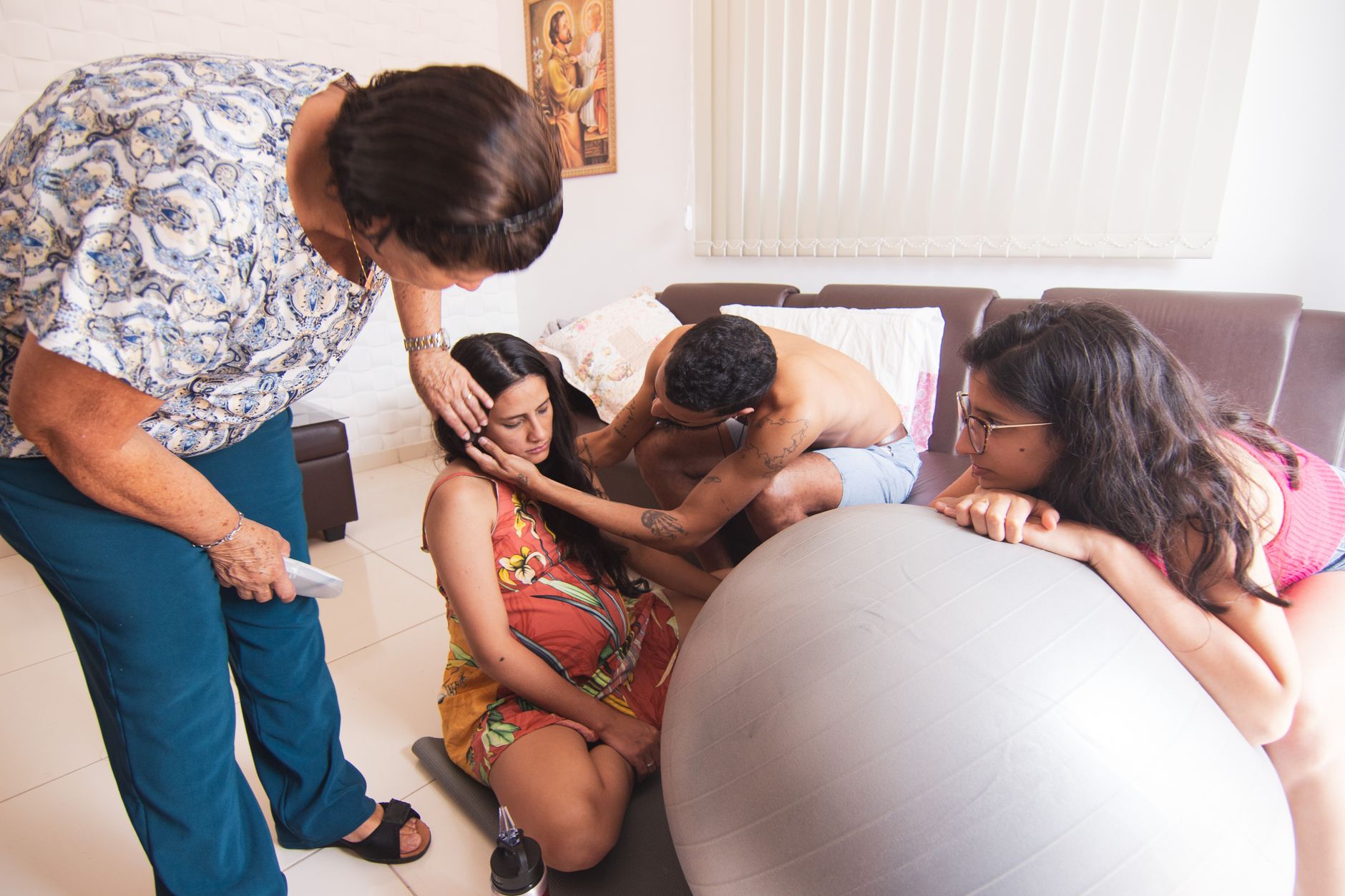
Movement and positioning: Walking, rocking on a birth ball, squatting, or using a peanut‑shaped birthing stool can harness gravity to open the pelvis and shorten labor. Many hospitals now have “labor tubs” for water immersion, which also reduces perception of pain.
Hydrotherapy: Warm water (not hot enough to cause vasodilation) can relax muscles and lower catecholamine levels. A birth pool or a simple shower can be a soothing option; ensure the water temperature stays between 36–37 °C (97–99 °F).
Massage and counter‑pressure: A partner’s firm pressure on the lower back during a “back labor” can be very effective. Alternating pressure points, using a tennis ball, or applying a warm compress can also help.
Acupressure and acupuncture: Specific points such as LI4 (between thumb and index finger) have been shown in systematic reviews to reduce the need for medication by up to 30 % when applied by trained practitioners.
Visualization and guided imagery: Listening to calming audio tracks or envisioning a serene landscape can shift focus away from pain. Combining this with music therapy has been linked to lower pain scores.
These techniques are not mutually exclusive. Many mothers blend several methods throughout labor, adjusting as contractions intensify. The key is to practice them before labor so they become second nature when you need them most.
Practicing breathing and relaxation early can make them feel instinctive when labor starts.
When you’re in the thick of labor, a simple cue—like “inhale for four, exhale for six”—can be a grounding anchor. Even a brief pause to massage the lower back can reset your perception of pain and give you a moment to regroup.
How to decide which path fits you: factors and birth‑plan basics
Choosing between natural birth, medical pain relief, or a hybrid approach is a deeply personal decision. Here are the main factors to weigh:
Medical considerations: Certain conditions (e.g., pre‑eclampsia, placenta previa) may necessitate epidural or even cesarean delivery. Your provider will outline any contraindications.
Pain tolerance and coping style: Some parents thrive on intense sensations; others prefer reliable relief. A quick way to gauge your coping style is to take the Labor Pain Coping Quiz, which matches your preferences with evidence‑based options.
Birth environment: Hospital labor rooms often have epidural capabilities, while birthing centers may emphasize natural methods with limited medication options.
Support team: A doula trained in both natural and medical techniques can help you pivot smoothly if you change your mind mid‑labour.
Personal values: Some parents prioritize a drug‑free experience for philosophical reasons; others value the ability to rest and conserve energy for newborn care.
Once you’ve reflected on these points, start drafting a balanced birth plan. Include:
Preferred labor position(s) and movement options.
Desired non‑drug techniques (e.g., water immersion, massage).
If you’d like an epidural, note “early placement” or “on request” depending on your comfort level.
Contingency statements—e.g., “If pain becomes unmanageable, I am open to a low‑dose epidural.”
Post‑delivery preferences such as immediate skin‑to‑skin, delayed cord clamping, and breastfeeding support.
Remember, a birth plan is a conversation starter, not a contract. Flexibility is essential because labor can be unpredictable.
It can also help to write down three “must‑have” items for your labor suite—perhaps a favorite playlist, a birth ball, and a pair of supportive slippers. Having these tangible comforts ready reduces decision fatigue when contractions intensify.
Movement tools like a birth ball can be part of a natural‑focused plan while still allowing easy transition to medication if needed.
Impact on mother and baby outcomes
Research from the American College of Obstetricians and Gynecologists (ACOG) and the UK’s National Institute for Health and Care Excellence (NICE) shows that both natural birth and medically‑assisted birth can result in healthy outcomes when matched to the mother’s clinical picture.
Maternal outcomes:
Recovery time: Women who avoid neuraxial anesthesia often report shorter hospital stays (average 24–36 hours) compared with those who receive epidurals (average 48–72 hours). However, individual recovery varies based on labor length and overall health.
Pain after delivery: Epidural may reduce immediate postpartum perineal pain, but some studies indicate similar levels of discomfort after 48 hours.
Bleeding risk: No significant difference in postpartum hemorrhage rates has been found between groups when proper monitoring is in place.
Neonatal outcomes:
Apgar scores: Large cohort analyses show no meaningful difference in 1‑minute or 5‑minute Apgar scores between infants born to mothers who had epidurals versus those who did not.
Respiratory depression: High‑dose systemic narcotics administered within two hours of delivery can increase the need for neonatal observation, but low‑dose regimens are generally safe.
Breastfeeding initiation: Early skin‑to‑skin contact is possible with most epidural protocols, and many hospitals have policies to support immediate breastfeeding regardless of pain‑relief choice.
Overall, the choice of pain management does not dramatically alter long‑term health for mother or child. What matters most is a supportive environment, clear communication, and a plan that can adapt as labor unfolds.
One nuance worth noting: some studies suggest that women who use non‑pharmacological techniques alongside an epidural report higher satisfaction scores, possibly because the combination offers both comfort and a sense of agency.
Building a balanced birth plan: practical steps and resources
Creating a birth plan that respects both natural preferences and medical realities can feel overwhelming. Here’s a step‑by‑step checklist to keep you on track:
Gather information: Review ACOG and NICE guidelines on labor analgesia, and read patient stories on reputable forums.
Talk to your provider: Discuss any medical indications for or against specific pain‑relief methods. Ask about their protocols for epidural placement, timing, and monitoring.
Choose a birth setting: Hospitals, birth centers, or home births each have different resources. Verify that your chosen location can support your preferred options.
Identify your support team: Decide if you’ll have a doula, partner, or family member trained in massage, positioning, or hydrotherapy.
Draft the plan: Use a template (many hospitals provide printable versions). Include sections for labor, delivery, and postpartum preferences.
Practice non‑drug techniques: Attend a prenatal yoga class, rehearse breathing patterns, and try a birth ball at home.
Review and revise: A week before your due date, revisit the plan with your provider and adjust any details based on new information or changing preferences.
Useful resources include the Labor Pain Coping Quiz for self‑assessment, the Mayo Clinic’s guide on epidural anesthesia, and the NHS “Birth Choices” toolkit for UK readers.
Don’t forget to keep a one‑page summary of your plan in your hospital bag, along with a list of “must‑have” comfort items (e.g., a favorite pillow, essential oils, or a playlist). Having this at hand makes it easier for the nursing staff to honor your preferences quickly.
Preparing your body: nutrition and fitness for labor pain management
While no single diet guarantees a painless labor, certain nutritional habits can improve stamina and muscle tone, which in turn may help you cope with contractions. Aim for a balanced intake of complex carbs, lean protein, and healthy fats in the weeks leading up to birth. Foods rich in magnesium (spinach, pumpkin seeds, almonds) and calcium (yogurt, fortified plant milks) have been linked to smoother muscle relaxation during labor.
Gentle aerobic exercise—such as brisk walking, swimming, or prenatal yoga—helps maintain cardiovascular fitness, which can shorten the first stage of labor according to a 2021 NHS review. Strengthening the core and pelvic floor with safe, pregnancy‑approved exercises also gives you more control over pushing, potentially reducing fatigue. Always check with your obstetric provider before starting a new regimen, especially if you have pregnancy‑related restrictions.
Supporting partners and doula: their role in pain coping
A supportive birth partner or doula can be a game‑changer for pain management. Their presence provides emotional reassurance, helps you stay focused on breathing techniques, and can apply counter‑pressure exactly when you need it. Studies published in the International Journal of Obstetric Anesthesia (2020) show that continuous labor support is associated with a 25 % reduction in the likelihood of requesting an epidural.
Before labor, spend time practicing massage or pressure points together. Discuss your preferred cues—like a gentle squeeze on the lower back or a verbal “breathe” reminder—so they know exactly how to assist when contractions peak. If you hire a professional doula, ask about their experience with both natural and medical pain‑relief transitions, ensuring they can advocate for your plan while staying flexible.
Transitioning from natural to medical pain relief: what to expect
If you start labor with natural techniques and later decide you need an epidural, the shift is usually seamless. Most hospitals allow “on‑request” placement, meaning the anesthesiologist will insert the catheter as soon as you ask. The process typically takes 10–15 minutes, after which you’ll feel a progressive loss of sensation in the lower abdomen and legs.
During that window, continue using breathing, positioning, or hydrotherapy to stay comfortable. Communicate openly with the nursing staff about your pain level; many use a numeric rating scale (0–10) to gauge when an epidural is appropriate. Remember that you can still receive a low‑dose epidural that preserves some motor function, allowing you to continue moving or even push when you’re ready.
Post‑epidural, ask about the “walking epidural” technique if you’d like to stay mobile. Some providers use a combination of lower‑dose local anesthetic and opioid that maintains enough leg strength for gentle ambulation, which can help you feel less confined.
From our medical team: “Every birth is unique. We encourage you to explore both natural and medical options, practice your comfort techniques early, and keep an open line of communication with your care team. If you start with a natural plan, you can still request an epidural later—most providers view that as a flexible, patient‑centered approach.”
🔢 Ready to crunch your numbers? Use our Labor Pain Coping Quiz for a personalized result in seconds.
Myth vs. fact
Myth: Choosing a natural birth means you must never use any medication.
Fact: Many parents begin with a natural plan and decide to add an epidural or narcotic if pain becomes overwhelming. Flexibility is a hallmark of safe, patient‑centered care.
Myth: Epidural anesthesia always leads to a longer labor and higher cesarean rate.
Fact: While some studies note a modest increase in second‑stage length, most large‑scale analyses show no significant rise in overall cesarean delivery rates when epidurals are administered appropriately.
Myth: Natural birth guarantees a faster recovery for the baby.
Fact: Newborn outcomes are similar across pain‑relief methods when proper monitoring is placed. Recovery speed depends more on factors like gestational age, birth weight, and immediate postpartum care.
Key takeaways
Both natural birth and medical pain relief are safe when matched to your health and preferences.
Non‑pharmacological techniques (breathing, movement, hydrotherapy) can lower the need for medication and improve comfort.
Discuss any medical contraindications with your provider early; many conditions influence the safest pain‑relief choice.
Use tools like the Labor Pain Coping Quiz to align your coping style with evidence‑based options.
Create a flexible birth plan that lists preferred techniques, medication thresholds, and contingency statements.
Remember that a birth plan is a conversation starter—stay adaptable as labor unfolds.
Frequently asked questions
What are the risks of using an epidural during labor?
Most women experience minimal risk, but possible side effects include a temporary drop in blood pressure, limited mobility, and rare complications such as infection or a severe headache.
Can I have a natural birth and still use pain medication if needed?
Yes—many parents start with natural methods and request an epidural or narcotic later; most providers support a “on‑request” approach that respects your evolving comfort level.
How does natural childbirth affect recovery time?
Natural birth often leads to a shorter hospital stay and quicker return to normal activities, though individual recovery varies based on labor length, perineal trauma, and overall health.
What are the benefits of non‑drug pain relief methods?
Techniques like breathing, movement, and hydrotherapy can lower perceived pain, reduce the need for medication, and promote a sense of control without the side effects of drugs.
Is it safe to combine natural birth techniques with medical pain relief?
Absolutely—many mothers use a blend of non‑drug comfort measures alongside an epidural, which can enhance relaxation and improve satisfaction with the birth experience.
How do I prepare for a natural birth without medication?
Practice breathing, attend prenatal yoga, familiarize yourself with labor positions, and discuss your plan with your provider and support team well before your due date.
What should I do if I change my mind about pain relief during labor?
Simply let the nursing staff know your pain level; most hospitals operate on a “patient‑controlled” model, allowing you to request an epidural or narcotic at any point. Clear communication ensures a smooth transition.
Can a doula help me stay medication‑free?
Yes—a trained doula can provide continuous physical and emotional support, apply massage, suggest positions, and coach breathing, all of which have been shown to reduce the likelihood of requesting epidural analgesia.
When to call your doctor
If you experience any of the following, contact your provider or go to the nearest labor unit immediately: sudden severe bleeding, high fever, decreased fetal movement, signs of pre‑eclampsia (severe headache, vision changes, swelling), or intense pain that does not improve with repositioning or breathing techniques.
This article is for informational purposes only and does not replace personalized medical advice. Always discuss your birth plan and pain‑relief options with your obstetrician, midwife, or qualified health professional.
References
American College of Obstetricians and Gynecologists (ACOG). “Practice Bulletin: Use of Analgesia and Anesthesia in Labor.” 2022.
National Institute for Health and Care Excellence (NICE). “Labor Analgesia and Anaesthesia.” Guideline NG217. 2021.
Mayo Clinic. “Epidural Anesthesia.” Updated 2023.
World Health Organization (WHO). “WHO Recommendations on Antenatal Care for a Positive Pregnancy Experience.” 2022.
National Health Service (NHS). “Pain Relief in Labour.” 2023.
Centers for Disease Control and Prevention (CDC). “Maternal Mortality and Morbidity.” 2022.
Royal College of Obstetricians and Gynaecologists (RCOG). “Guidelines on the Management of Pain in Labour.” 2021.
Fetal Medicine Foundation. “Impact of Analgesia on Neonatal Outcomes.” 2020.
International Journal of Obstetric Anesthesia. “Comparative Study of Epidural vs. Systemic Opioids.” 2021.
American Academy of Pediatrics (AAP). “Breastfeeding and Analgesia.” 2022.
National Institute for Health and Care Excellence (NICE). “Hydrotherapy for Labour.” Clinical Knowledge Summary. 2020.
American College of Obstetricians and Gynecologists (ACOG). “Labor Support and Doulas.” Committee Opinion No. 761. 2020.
Not sure about the label on Natural Birth Vs Medical Pain Relief Quiz Balanced Resources products?
Snap the ingredients list and SafeFilter checks every ingredient for your stage — only 3 free scans this month, then you're locked until reset. Unlimited from $7/mo or $50/yr.
When Shubhra Mishra was expecting her first child in 2016, she was overwhelmed by conflicting food advice — one site said yes, another said never. By the time her second baby arrived in 2019, she realized millions of mothers face the same confusion.
That sparked a five-year journey through clinical nutrition papers, cultural diets, and expert conversations — all leading to BumpBites: a calm, compassionate space where science meets everyday motherhood.
Her long-term vision is to build a global community ensuring safe, supported, and free deliveriesfor every mother — because no woman should face pregnancy alone or uninformed. 🌿
🌍 Stand with mothers, shape safer guidance
Join a small circle of experts who review BumpBites articles so expecting parents everywhere can decide with confidence.