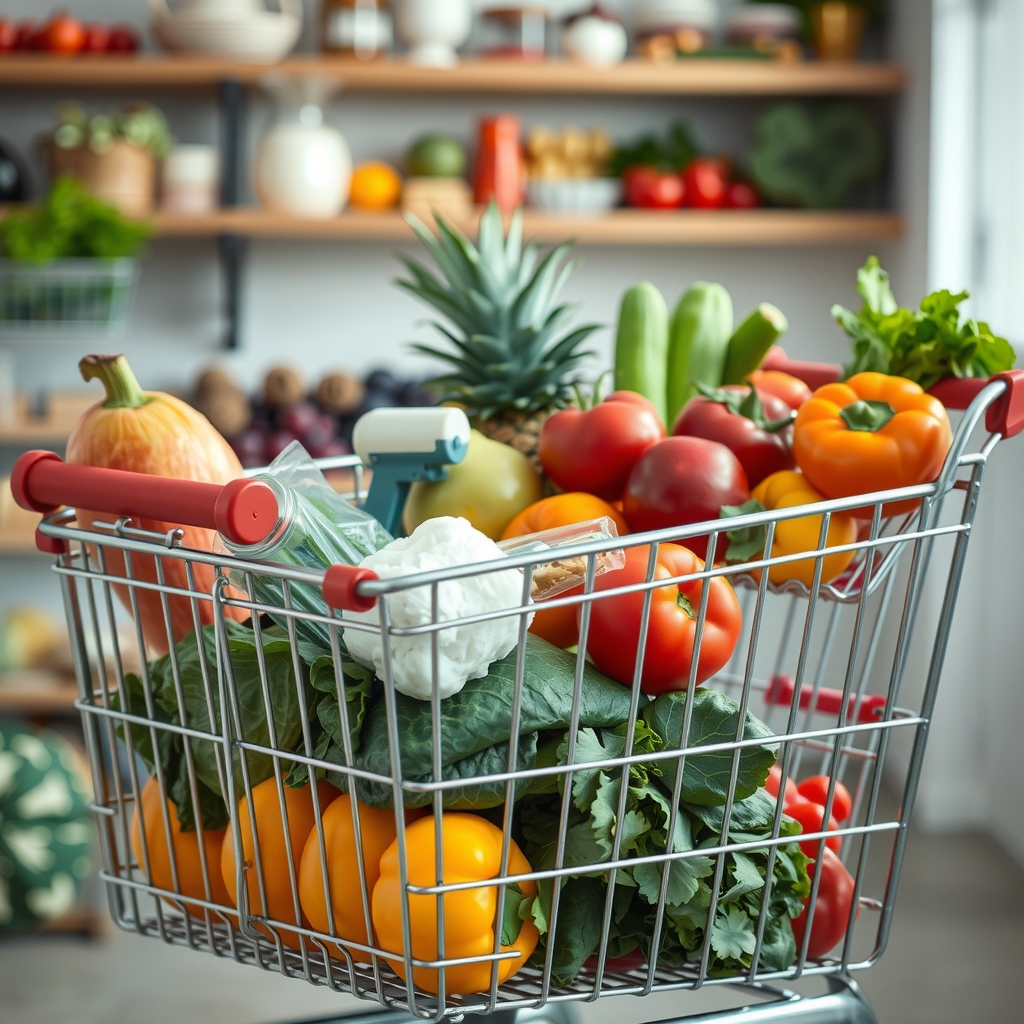
here’s nothing like waking up in the middle of the night, drenched in sweat, wondering if the thermostat is broken—or if your body is literally on fire. Hot flashes can feel like a full-blown emergency, and the last thing you want to do is reach for a greasy burger or a box of ice cream for comfort. The good news? Diet can be a powerful tool to help manage them.
Many women we’ve spoken with say they’ve noticed a pattern: certain foods trigger their flashes, while others seem to ease them. The key is hormone-balancing and blood-flow-regulating foods. Foods rich in phytoestrogens (like soy), omega-3s (like salmon), and antioxidants (like berries) can help stabilize your body’s internal thermostat.
Top foods to buy for hot flash relief
Stock your fridge and pantry with these:
- Phytoestrogen-rich foods: Soybeans, tofu, tempeh, edamame, flaxseeds, and sesame seeds. These plant compounds mimic estrogen, which may help reduce flash intensity.
- Omega-3 fatty acids: Wild-caught salmon, sardines, walnuts, and chia seeds. Omega-3s reduce inflammation, which can worsen hot flashes.
- Coolant veggies: Cucumbers, celery, bell peppers, and leafy greens. These have high water content to help hydrate you from the inside out.
- Spices: Ginger, peppermint, and cinnamon. Ginger has been shown to reduce flash frequency, while peppermint can help with night sweats.
- Hydration helpers: Coconut water, herbal teas (like hibiscus or chamomile), and infused water with lemon or cucumber.
Foods that may trigger hot flashes (limit or avoid)
Keep an eye on these common culprits:
- Spicy foods (chili peppers, hot sauces).
- Caffeine (coffee, tea, soda).
- Alcohol (especially red wine).
- Processed meats (bacon, sausages, deli meats).
- High-sugar foods (pastries, candy, soda).
Quick snack ideas for hot flash relief
When a flash hits, reach for:
- A handful of walnuts and an apple.
- Greek yogurt with flaxseeds and berries.
- A smoothie with spinach, banana, and almond milk.
- Herbal tea with a slice of cucumber.
For more on managing night sweats, check out our AIP diet guide—it eliminates common inflammatory triggers that can worsen symptoms.
---
Menopause Diet Grocery List for Heart Health: Protect Your Ticker
You’ve heard it before: heart disease is the leading cause of death in women, especially after menopause. The drop in estrogen leaves your cardiovascular system more vulnerable to plaque buildup, high blood pressure, and cholesterol imbalances. But the good news? A heart-healthy diet can be delicious—and it starts with your next grocery trip.
One reader, Sarah (52), shared how she swapped her usual takeout burgers for grilled salmon and quinoa bowls. "At first, I missed the flavor, but now I feel like I have superpowers—more energy, no more chest tightness after climbing stairs," she said. The key is focusing on anti-inflammatory, fiber-rich, and nutrient-dense foods that support circulation and cholesterol levels.
Heart-protective foods to prioritize
Load your cart with these:
- Fatty fish: Salmon, mackerel, herring, and sardines (aim for 2–3 servings per week).
- Leafy greens: Spinach, kale, Swiss chard, and arugula (rich in nitrates, which help lower blood pressure).
- Berries: Blueberries, strawberries, and blackberries (packed with antioxidants that reduce LDL cholesterol).
- Nuts and seeds: Almonds, walnuts, chia, and flaxseeds (great sources of healthy fats and fiber).
- Legumes: Lentils, chickpeas, and black beans (help lower LDL cholesterol).
- Whole grains: Oats, brown rice, and farro (fiber helps regulate blood sugar and cholesterol).
Foods to limit for heart health
Cut back on:
- Trans fats (found in fried foods and margarine).
- Saturated fats (butter, full-fat dairy, fatty cuts of meat).
- Processed meats (sausages, hot dogs, deli meats).
- Refined sugars (soda, candy, pastries).
Easy heart-healthy meals to plan
Start with these simple, nutrient-packed meals:
- Breakfast: Overnight oats with chia seeds, almond butter, and berries.
- Lunch: Grilled chicken salad with avocado, quinoa, and mixed greens.
- Dinner: Baked salmon with roasted Brussels sprouts and wild rice.
- Snack: Hummus with veggie sticks and a handful of walnuts.
For more on reducing cholesterol, our Atkins-inspired low-carb meals can help—just focus on the healthy fats and proteins.
---
Menopause Diet Grocery List for Bone Health: Build a Stronger Skeleton
You’re 50, and your doctor just mentioned osteoporosis for the first time. Your stomach drops. "But I’ve always been healthy!" you think. The truth is, after menopause, bone density can decline by up to 20% in the first five years. The good news? A bone-boosting diet can help slow this process—and it’s easier than you think.
One of our readers, Maria, shared how she swapped her usual orange juice for fortified almond milk and added a handful of almonds to her daily snacks. "I didn’t notice a difference at first, but my doctor said my bone density test results were better than last year," she said. The key is focusing on calcium, vitamin D, magnesium, and vitamin K—the nutrients that work together to keep your bones strong.
Bone-boosting foods to buy
Stock up on these:
- Calcium sources: Fortified plant milks (almond, soy), leafy greens (kale, collard greens), tofu (calcium-set), sardines with bones, and fortified orange juice.
- Vitamin D: Fatty fish (salmon, mackerel), egg yolks, and fortified foods (milk, cereals, yogurt).
- Magnesium: Pumpkin seeds, almonds, spinach, and black beans.
- Vitamin K: Kale, spinach, Brussels sprouts, and broccoli.
- Protein: Lean meats, eggs, and Greek yogurt (helps maintain bone mass).
Foods that may interfere with calcium absorption
Avoid or space out these foods if you’re relying on them for calcium:
- Excess caffeine (more than 3 cups of coffee/day).
- Sodium (processed foods, canned soups, deli meats).
- Alcohol (more than 1 drink/day).
- Phytic acid (found in whole grains and legumes—soak or ferment them to reduce phytic acid).
Easy bone-healthy meals
Try these simple, nutrient-packed meals:
- Breakfast: Smoothie with spinach, almond milk, chia seeds, and banana.
- Lunch: Sardines on whole-grain toast with a side of steamed kale.
- Dinner: Baked chicken with roasted Brussels sprouts and quinoa.
- Snack: Greek yogurt with pumpkin seeds and berries.
For more on calcium-rich diets, our dairy-free grocery guide has plenty of plant-based options.
---
Menopause Diet Grocery List for Mood Swings: Foods That Calm Your Mind
You’re at the grocery store, and suddenly, you’re overwhelmed. Why does everything look so loud? Why can’t you just focus? Menopause mood swings—thanks to hormonal fluctuations—can make even the simplest tasks feel like climbing Everest. The good news? Diet can be your mood stabilizer.
Many women we’ve spoken with say they notice a direct link between what they eat and how they feel. For example, skipping breakfast leaves them irritable, while a handful of dark chocolate can lift their spirits. The key is focusing on mood-supportive nutrients like magnesium, omega-3s, B vitamins, and antioxidants.
Mood-boosting foods to buy
Load your cart with these:
- Magnesium-rich foods: Dark chocolate (70%+ cocoa), spinach, pumpkin seeds, and almonds.
- Omega-3s: Salmon, walnuts, flaxseeds, and chia seeds (help reduce anxiety and depression).
- B vitamins: Eggs, lean meats, leafy greens, and fortified cereals (support serotonin production).
- Complex carbs: Oats, quinoa, sweet potatoes, and whole-grain bread (help stabilize blood sugar and mood).
- Antioxidant-rich foods: Berries, dark leafy greens, and colorful veggies (reduce inflammation linked to mood swings).
- Probiotics: Greek yogurt, kefir, sauerkraut, and kimchi (gut health is linked to mental health).
Foods that may worsen mood swings
Avoid or limit:
- Processed sugars (candy, pastries, soda).
- Excess caffeine (more than 2 cups of coffee/day).
- Alcohol (disrupts serotonin and GABA production).
- Refined carbs (white bread, pasta, crackers—cause blood sugar crashes).
Quick mood-boosting snacks
When you need a lift, reach for:
- A small handful of dark chocolate and almonds.
- Greek yogurt with berries and flaxseeds.
- A smoothie with spinach, banana, and almond butter.
- Herbal tea with a slice of lemon.
For more on natural mood support, our anti-inflammatory diet guide can help reduce gut-related mood fluctuations.
---
Menopause Diet Grocery List for Hormone Balance: Foods That Help Your Body Sync Up
You’re exhausted. Your period is irregular. Your skin is breaking out. Your hormones feel like they’re running a marathon on a treadmill. Menopause isn’t just about hot flashes—it’s about your entire endocrine system recalibrating. The good news? Certain foods can help support your body’s natural rhythm.
One reader, Emily, shared how she swapped her usual processed snacks for roasted chickpeas and hummus. "I noticed my mood swings were less extreme, and my energy was steadier," she said. The key is focusing on hormone-regulating nutrients like phytoestrogens, fiber, healthy fats, and adaptogens.
Hormone-balancing foods to prioritize
Stock your pantry with these:
- Phytoestrogens: Soybeans, tofu, tempeh, flaxseeds, and sesame seeds (may help reduce estrogen dominance).
- Fiber-rich foods: Oats, lentils, berries, and leafy greens (help eliminate excess estrogen).
- Healthy fats: Avocados, olive oil, nuts, and seeds (support hormone production).
- Adaptogenic herbs: Ashwagandha, turmeric, and ginger (help your body adapt to stress).
- Complex carbs: Sweet potatoes, quinoa, and whole-grain bread (help stabilize blood sugar and hormones).
Foods that may disrupt hormone balance
Limit or avoid:
- Processed foods (chips, crackers, frozen meals).
- Excess sugar (candy, soda, pastries).
- Artificial sweeteners (aspartame, sucralose).
- Trans fats (fried foods, margarine).
- Excess alcohol (disrupts liver detoxification).
Easy hormone-balancing meals
Try these simple, nutrient-packed meals:
- Breakfast: Overnight oats with chia seeds, almond butter, and berries.
- Lunch: Grilled tofu stir-fry with quinoa and broccoli.
- Dinner: Baked salmon with roasted sweet potatoes and asparagus.
- Snack: Hummus with cucumber and cherry tomatoes.
---
Best Foods to Buy for Menopause Diet: The Ultimate Grocery List
Here’s your ultimate symptom-specific grocery list, organized by category. Print this out or save it to your phone for your next trip!
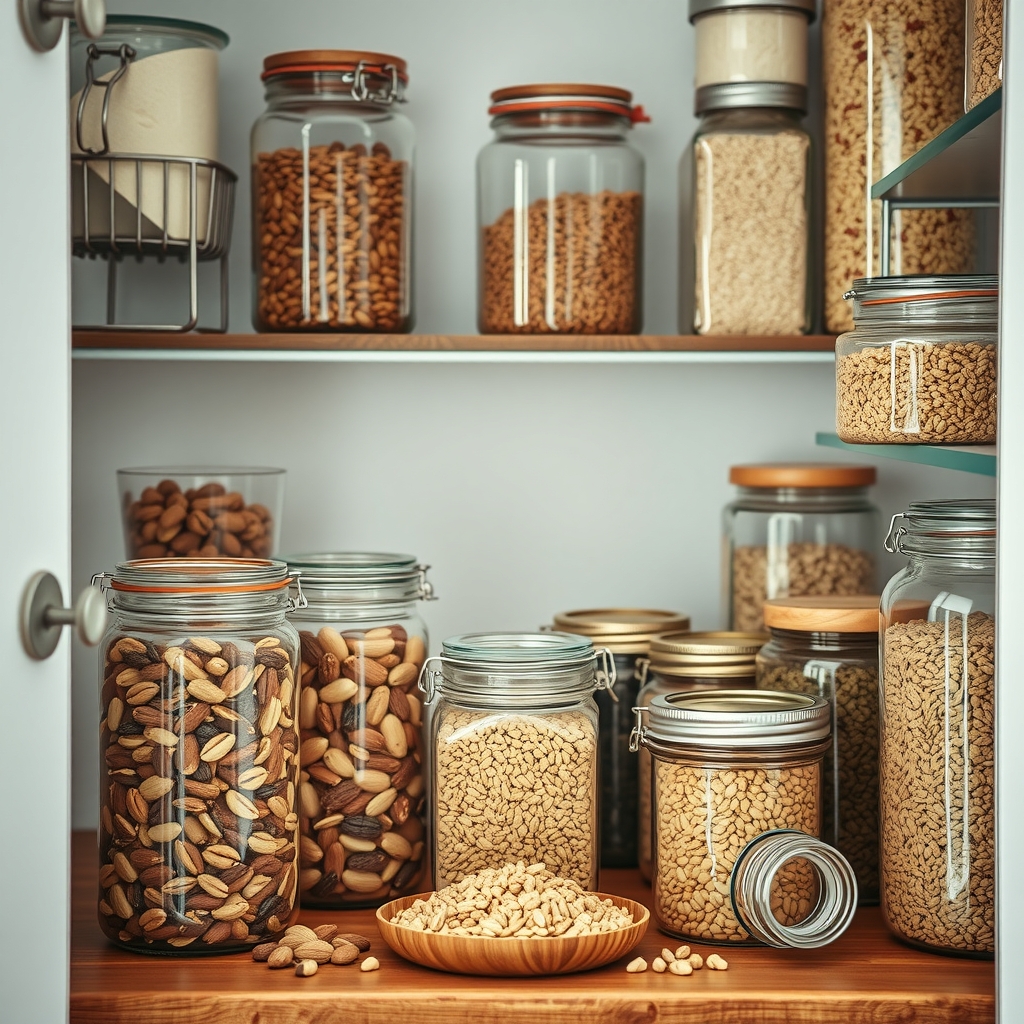
Produce
- Leafy greens (spinach, kale, Swiss chard).
- Cruciferous veggies (broccoli, Brussels sprouts, cauliflower).
- Berries (blueberries, strawberries, raspberries).
- Bell peppers (red, yellow, green).
- Cucumbers and celery (for hydration).
- Sweet potatoes and carrots (for complex carbs).
- Avocados (for healthy fats).
Proteins
- Fatty fish (salmon, mackerel, sardines).
- Chicken breast and turkey (lean proteins).
- Eggs (whole eggs for nutrients).
- Tofu and tempeh (phytoestrogens).
- Lentils and chickpeas (fiber and plant protein).
- Greek yogurt (unsweetened, for probiotics).
Grains and Carbs
- Oats (for fiber and complex carbs).
- Quinoa and brown rice (whole grains).
- Whole-grain bread and pasta (fiber-rich).
- Sweet potatoes (for blood sugar balance).
Fats and Oils
- Extra virgin olive oil.
- Avocado oil.
- Nuts (almonds, walnuts, pistachios).
- Seeds (chia, flax, pumpkin, sesame).
- Avocados.
Dairy and Alternatives
- Fortified plant milks (almond, soy).
- Greek yogurt (unsweetened).
- Sardines or canned salmon (for calcium).
Herbs, Spices, and Teas
- Turmeric, ginger, cinnamon, and peppermint.
- Herbal teas (hibiscus, chamomile, peppermint).
---
How to Shop for Menopause Diet: Smart Strategies
Shopping for a menopause diet isn’t just about checking off a list—it’s about making it sustainable, budget-friendly, and delicious. Here’s how to do it right.
1. Plan your meals before you shop
Spend 15 minutes on Sunday planning 3–4 meals for the week. Use overlapping ingredients (like chicken, quinoa, and veggies) to reduce waste. For example:
- Monday: Grilled chicken salad with quinoa.
- Wednesday: Chicken and veggie stir-fry with quinoa.
- Friday: Chicken and quinoa bowls with roasted veggies.
2. Stick to the perimeter of the store
The outer edges of the grocery store are packed with whole foods—produce, dairy, meats, and eggs. Stick to these sections and avoid the inner aisles (where processed foods lurk).
3. Buy frozen veggies and berries
Frozen produce is just as nutritious as fresh and lasts for months. Stock up on frozen spinach, berries, and mixed veggies to avoid spoilage.
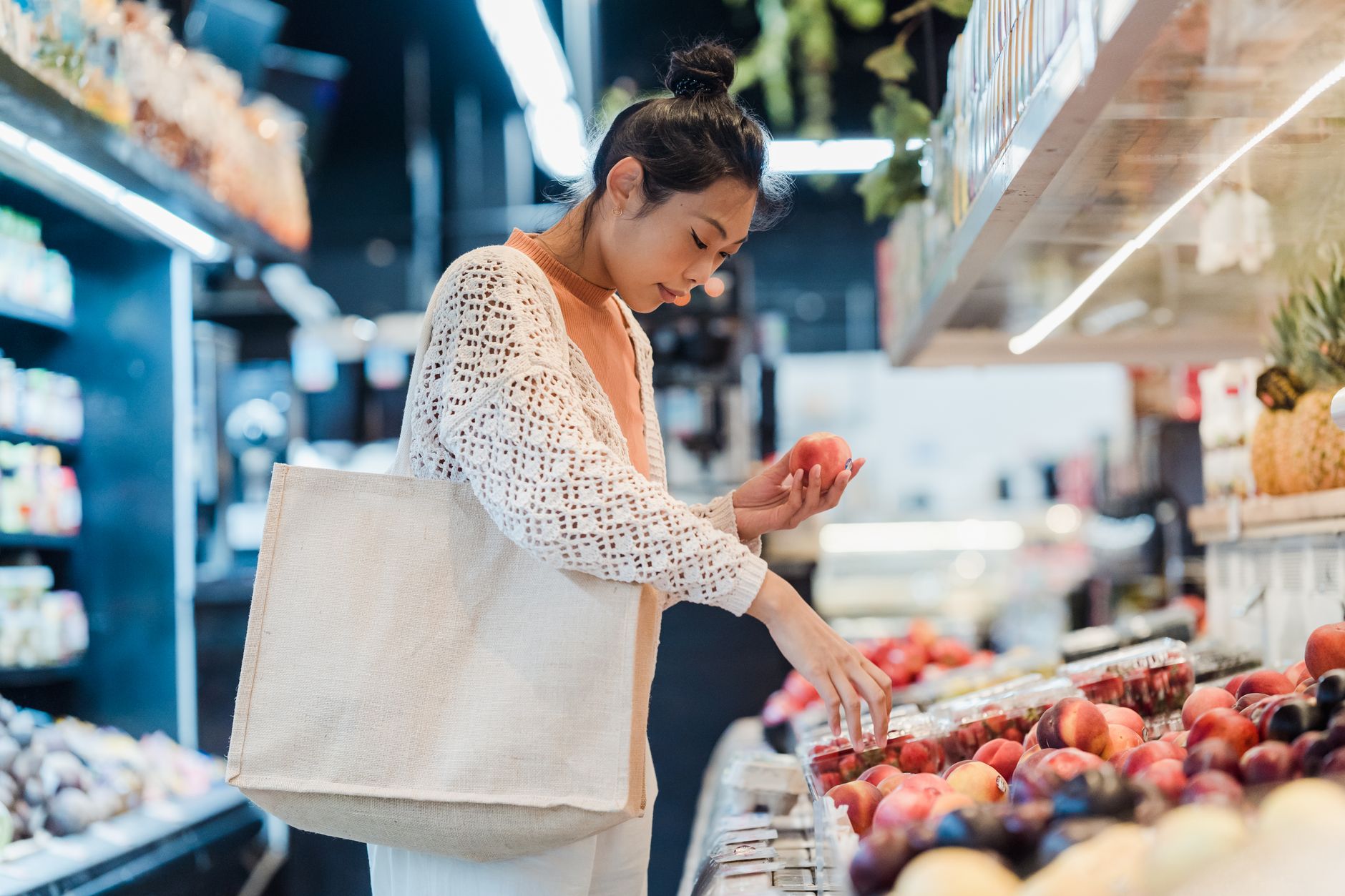
4. Invest in reusable containers
Bring your own containers for bulk bins (like nuts, seeds, and grains) to save money and reduce plastic waste.
5. Read nutrition labels
Watch for hidden sugars, trans fats, and excessive sodium. Aim for foods with:
- Less than 5g of sugar per serving.
- No trans fats.
- Less than 20% daily value of sodium per serving.
6. Shop sales and use coupons
Sign up for store loyalty programs and use apps like Flipp to find discounts on healthy foods. Buy in bulk for staples like nuts, seeds, and grains.
---
Menopause Diet Grocery List with Recipes: Easy Meals to Start With
Need inspiration? Here are 5 easy, nutrient-packed meals to start with—all using ingredients from your grocery list.
1. Salmon and Quinoa Bowl
Ingredients: 1 salmon fillet, ½ cup quinoa, 1 cup mixed greens, ½ avocado, 1 tbsp olive oil, lemon juice, salt, pepper.
Instructions: Cook quinoa according to package instructions. Season salmon with salt and pepper, then bake at 375°F (190°C) for 12–15 minutes. Toss greens with olive oil and lemon juice. Serve salmon over quinoa with avocado slices.
2. Chickpea and Spinach Curry
Ingredients: 1 can chickpeas, 1 cup spinach, 1 onion, 2 garlic cloves, 1 tbsp curry powder, 1 cup coconut milk, 1 tbsp olive oil.
Instructions: Sauté onion and garlic in olive oil. Add curry powder, then chickpeas and coconut milk. Simmer for 10 minutes, then stir in spinach until wilted. Serve over brown rice.
3. Turkey and Veggie Stir-Fry
Ingredients: 1 lb ground turkey, 2 cups mixed veggies (bell peppers, broccoli, carrots), 2 tbsp soy sauce, 1 tbsp sesame oil, 1 tsp ginger.
Instructions: Cook turkey in sesame oil until browned. Add veggies and soy sauce, stir-fry for 5–7 minutes. Serve over quinoa.
4. Spinach and Feta Omelette
Ingredients: 3 eggs, 1 cup spinach, ¼ cup feta cheese, 1 tbsp olive oil, salt, pepper.
Instructions: Whisk eggs with salt and pepper. Heat olive oil in a pan, add spinach until wilted. Pour eggs over spinach, sprinkle feta on top, and cook until set.
5. Berry and Almond Smoothie
Ingredients: 1 cup mixed berries, 1 banana, 1 tbsp almond butter, 1 cup almond milk, 1 tsp chia seeds.
Instructions: Blend all ingredients until smooth. Pour into a glass and enjoy!
---
Menopause Diet Grocery List for Beginners: Where to Start
If you’re new to meal planning, don’t overwhelm yourself. Start small with these 5 easy swaps to transition into a menopause-friendly diet:
- Swap sugary cereals for oatmeal. Top your oats with berries, nuts, and a drizzle of honey for a blood-sugar-stabilizing breakfast.
- Swap white bread for whole-grain. Whole grains help regulate hormones and keep you full longer.
- Swap soda for herbal tea. Herbal teas like chamomile or peppermint can help with hot flashes and relaxation.
- Swap processed snacks for nuts and seeds. A small handful of almonds or walnuts provides healthy fats and protein.
- Swap fried foods for baked or grilled. Baking chicken or fish with olive oil instead of frying keeps meals heart-healthy.
Budget-friendly tips
Menopause nutrition doesn’t have to break the bank:
- Buy frozen berries instead of fresh.
- Choose canned salmon or tuna (in water) instead of fresh.
- Opt for dried lentils and chickpeas instead of canned.
- Buy whole-grain pasta and brown rice in bulk.
- Grow your own herbs (like basil or mint) on a windowsill.
---
Menopause Diet Grocery List for Low Sodium: Heart-Healthy Swaps
High sodium can worsen blood pressure and bloating—two common menopause symptoms. The good news? You don’t have to give up flavor. Here’s how to shop for a low-sodium diet.
What to buy (low-sodium versions)
- Canned tomatoes (look for "no salt added").
- Broth (choose low-sodium or homemade).
- Soups (make your own or buy low-sodium brands).
- Nuts and seeds (buy unsalted).
- Frozen veggies (no added salt).
What to avoid
- Processed meats (bacon, sausages, deli meats).
- Canned soups and sauces (high in sodium).
- Fast food (burgers, fries, nuggets).
- Pre-packaged snacks (chips, crackers).
Easy low-sodium meal ideas
- Breakfast: Scrambled eggs with spinach and whole-grain toast.
- Lunch: Grilled chicken salad with olive oil and lemon dressing.
- Dinner: Baked salmon with roasted sweet potatoes and steamed broccoli.
- Snack: Hummus with cucumber and carrot sticks.
---
Menopause Diet Grocery List for Diabetes: Blood Sugar Balance
Menopause increases your risk of type 2 diabetes due to insulin resistance. The good news? A diet rich in fiber, healthy fats, and complex carbs can help stabilize blood sugar. Here’s what to prioritize.
Best foods for blood sugar control
- Fiber-rich carbs: Oats, quinoa, lentils, berries.
- Healthy fats: Avocados, nuts, seeds, olive oil.
- Lean proteins: Chicken, turkey, fish, tofu.
- Low-glycemic veggies: Spinach, broccoli, zucchini, bell peppers.
Foods to limit
- Refined sugars (candy, soda, pastries).
- White bread and pasta.
- Processed snacks (chips, crackers).
- Alcohol (especially sugary cocktails).
Easy diabetes-friendly meals
- Breakfast: Overnight oats with chia seeds, almond butter, and berries.
- Lunch: Grilled chicken wrap with whole-grain tortilla, spinach, and avocado.
- Dinner: Baked salmon with roasted Brussels sprouts and quinoa.
- Snack: Greek yogurt with walnuts and cinnamon.
---
Menopause Diet Grocery List for Cholesterol: Lower Your Numbers
High cholesterol is a silent risk factor for heart disease, especially after menopause. The good news? A diet rich in soluble fiber, healthy fats, and plant sterols can help lower LDL ("bad") cholesterol. Here’s how to shop for it.
Best foods for lowering cholesterol
- Soluble fiber: Oats, beans, lentils, apples, pears.
- Omega-3s: Fatty fish, walnuts, flaxseeds, chia seeds.
- Plant sterols: Fortified margarine, nuts, seeds.
- Antioxidant-rich foods: Berries, dark chocolate, green tea.