

Quick take: If you're feeling overwhelmed by menopause symptoms and wondering where to start, focus on a diet rich in calcium, vitamin D, and phytoestrogens while cutting back on processed foods and excessive salt. Think leafy greens, fatty fish, soy products, and whole grains—plus plenty of water. Small changes like these can help manage hot flashes, support bone health, and ease weight fluctuations. Start with our easy grocery list and 7-day meal plan below.Menopause Diet Food List for Beginners: The Complete 2026 Guide
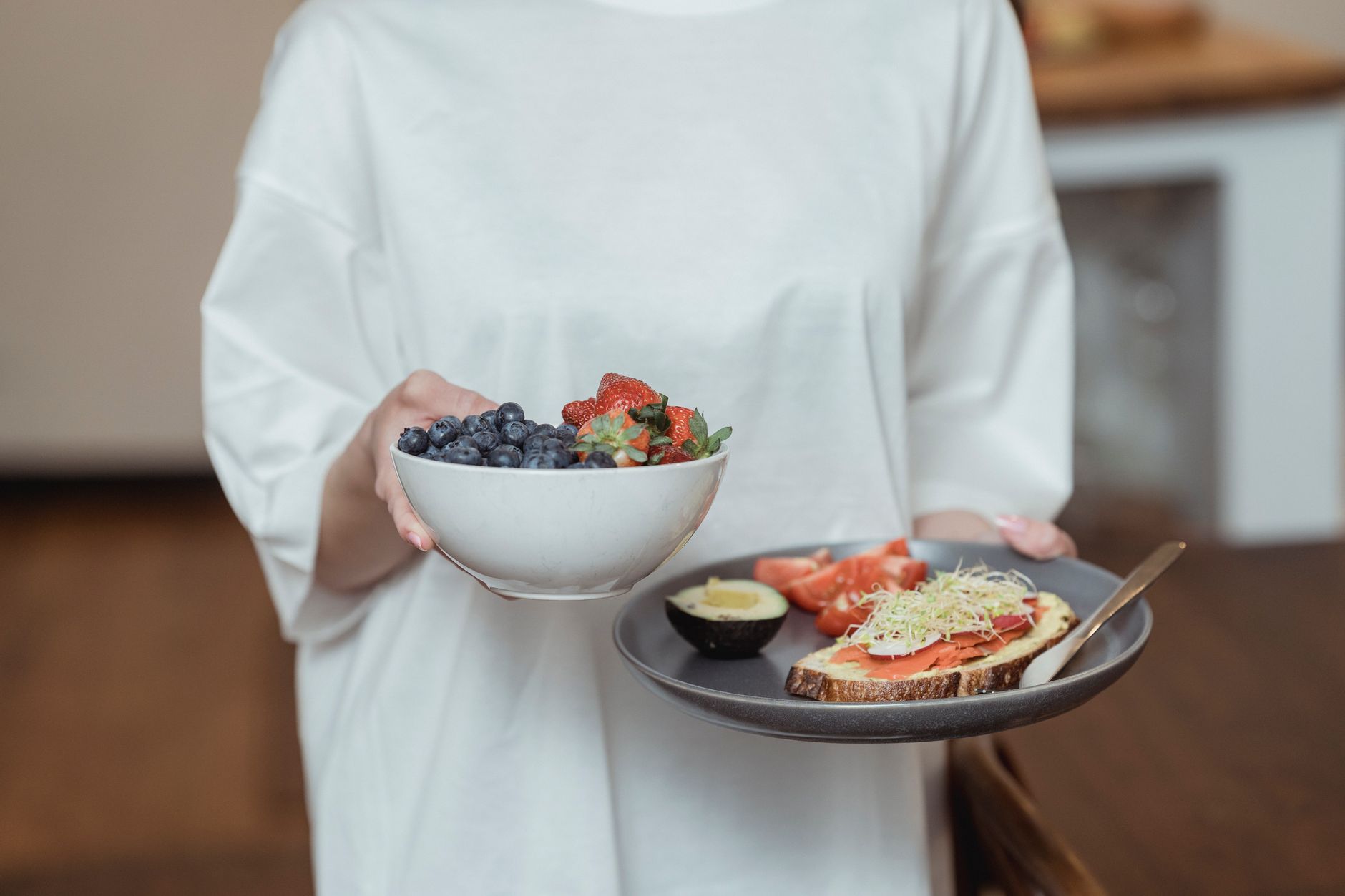
It was 3 a.m., the coffee had long since gone cold, and your body was sending you a message: this isn’t normal. Another hot flash had woken you up, and the thought of another day of sweating through meetings or tossing and turning at night felt exhausting. You’ve heard diet can help—but where do you even begin? The internet is full of conflicting advice, and you just want a clear, simple roadmap. No more guesswork. No more overwhelm.
Menopause is a natural transition, but it doesn’t have to be a struggle. The right foods can ease symptoms like hot flashes, night sweats, and mood swings while supporting your body as it changes. The good news? You don’t need to overhaul your entire life. Small, intentional shifts—like swapping processed snacks for whole foods or adding more calcium-rich options—can make a big difference. This guide is your step-by-step starter kit: a menopause diet food list, a beginner-friendly meal plan, and practical tips to help you feel your best.
Think of this as your cheat sheet for navigating menopause with food. We’ll cover what to eat more of, what to avoid, how to shop for menopause-friendly groceries, and even simple recipes to get you started. And if you’re worried about weight gain, bone health, or heart disease, we’ve got you covered there too.
Let’s get started.
--- ## **Best Foods for Menopause Weight Loss for Beginners**If you’re watching the scale creep up during menopause, you’re not alone. Hormonal shifts—especially the drop in estrogen—can make it harder to lose weight, but the right foods can help. The key? Focus on high-protein, high-fiber, and nutrient-dense options that keep you full and stable your blood sugar.
Many women tell us they feel frustrated when old diets that worked before menopause suddenly stall. The trick isn’t restriction—it’s smart swaps. For example, swap white rice for quinoa, or opt for Greek yogurt over regular yogurt. These changes add volume, nutrients, and satiety without extra calories.
Here’s what to prioritize:
- Lean proteins (chicken, turkey, fish, tofu, lentils) to preserve muscle mass and keep you full.
- Fiber-rich carbs (oats, sweet potatoes, berries, whole grains) to stabilize blood sugar and curb cravings.
- Healthy fats (avocados, nuts, olive oil, fatty fish) to support hormone production and reduce inflammation.
- Hydrating foods (cucumber, watermelon, celery) to combat dehydration, which can worsen hot flashes.
Pro tip: Pair protein with fiber at every meal. For example, a grilled chicken wrap with spinach and hummus instead of a plain chicken sandwich. Small tweaks like this add up over time.
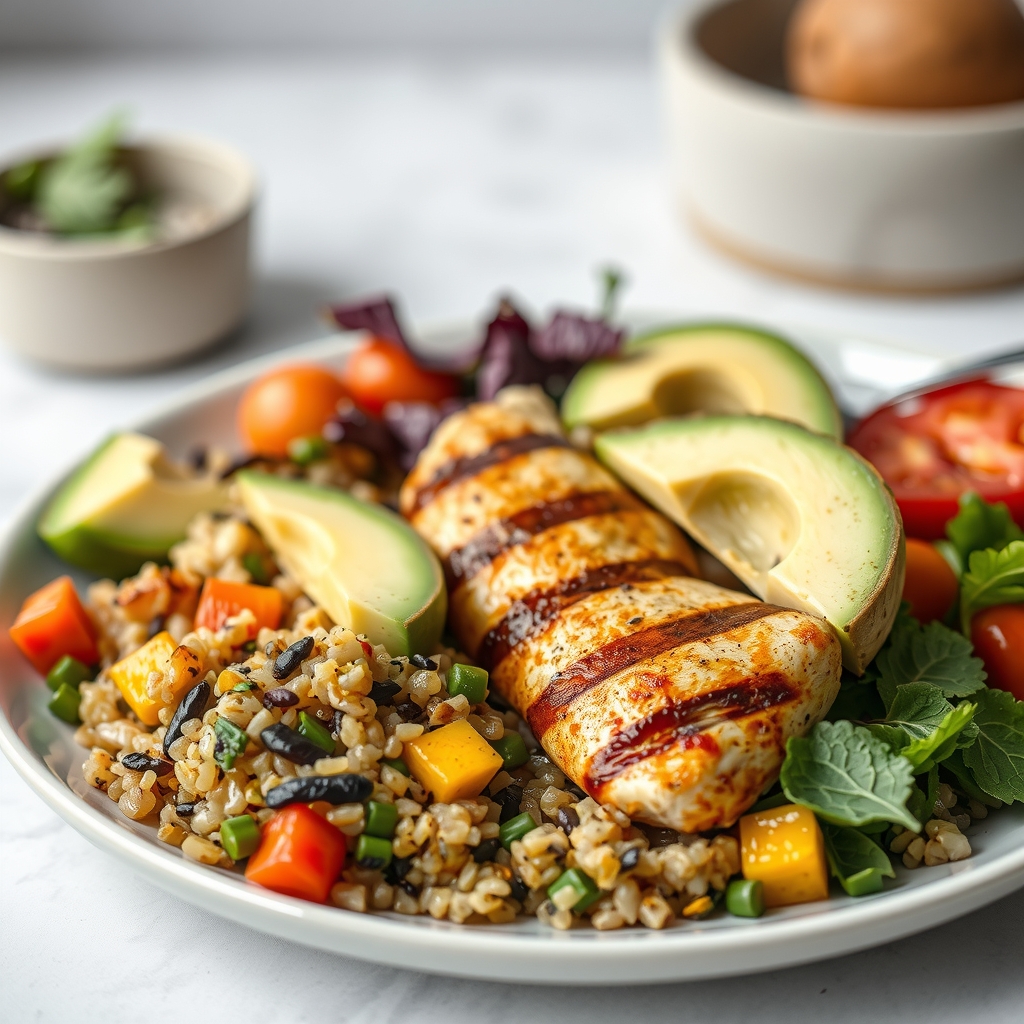
If you’re new to cooking for menopause—or just want to simplify your life—start with this 7-day low-sodium meal plan. High sodium can worsen bloating, water retention, and blood pressure, which are already common concerns during this phase. The goal? Keep your sodium under 2,300 mg per day (or less if you have heart disease or high blood pressure).
Many women skip meal planning during menopause because they assume it’s too complicated. But the truth is, repetition is your friend. Pick 3–4 go-to meals, batch-cook them, and rotate them throughout the week. This plan includes easy, one-pan meals and no-cook options to save time.
**Sample Meal Plan (Repeat as Needed):** Day 1: - Breakfast: Greek yogurt with berries and a sprinkle of chia seeds - Lunch: Grilled salmon with quinoa and steamed broccoli - Dinner: Turkey chili (low-sodium beans and broth) with a side salad (spinach, cucumber, olive oil dressing) - Snack: Sliced apple with almond butter Day 2: - Breakfast: Oatmeal with almond milk, flaxseeds, and sliced banana - Lunch: Lentil soup with a whole-grain roll - Dinner: Baked chicken with roasted sweet potatoes and sautéed kale - Snack: Handful of mixed nuts Day 3: - Breakfast: Scrambled eggs with spinach and whole-grain toast - Lunch: Tuna salad (with olive oil instead of mayo) on whole-grain crackers with carrot sticks - Dinner: Stir-fried tofu with brown rice and mixed vegetables - Snack: Cottage cheese with pineapple chunks Day 4: - Breakfast: Smoothie (spinach, frozen mango, Greek yogurt, flaxseeds) - Lunch: Grilled shrimp with farro and roasted zucchini - Dinner: Baked cod with mashed cauliflower and steamed green beans - Snack: Rice cakes with hummus Day 5: - Breakfast: Chia pudding (chia seeds, almond milk, vanilla extract) - Lunch: Chickpea salad (with cucumber, tomato, olive oil) wrapped in a whole-wheat tortilla - Dinner: Lean beef stir-fry with bell peppers and brown rice - Snack: Sliced pear with walnuts Day 6: - Breakfast: Avocado toast on whole-grain bread with a poached egg - Lunch: Quinoa salad with chickpeas, cherry tomatoes, and feta cheese (use low-sodium feta) - Dinner: Baked chicken thighs with roasted Brussels sprouts and wild rice - Snack: Roasted edamame Day 7: - Breakfast: Buckwheat pancakes with maple syrup and fresh strawberries - Lunch: Grilled chicken Caesar salad (no croutons, light dressing) - Dinner: Miso-glazed salmon with bok choy and jasmine rice - Snack: Dark chocolate (70% cocoa) with almonds
**Pro tip:** Always check labels! Even "healthy" foods can hide sodium. Opt for low-sodium broths, canned beans (rinsed), and frozen vegetables (no added salt).
**Need more variety?** Check out our DASH Diet Food List for more low-sodium, heart-healthy meal ideas.
--- ## **How to Create a Menopause-Friendly Grocery List for Beginners**Walking into the grocery store can feel like navigating a minefield when you’re new to menopause nutrition. Where do you even start? The key is to organize your list by sections and focus on whole, minimally processed foods. Here’s a simple breakdown:
**Produce (Prioritize):** - Leafy greens (spinach, kale, Swiss chard) – calcium and vitamin K - Cruciferous veggies (broccoli, Brussels sprouts, cauliflower) – phytoestrogens - Berries (blueberries, raspberries, blackberries) – antioxidants - Citrus fruits (oranges, grapefruit) – vitamin C for collagen - Garlic and onions – anti-inflammatory - Ginger and turmeric – natural remedies for hot flashes
**Proteins:** - Fatty fish (salmon, mackerel, sardines) – omega-3s and vitamin D - Skinless poultry (chicken, turkey) - Lean beef (grass-fed if possible) - Eggs - Legumes (lentils, chickpeas, black beans) – fiber and plant-based protein - Tofu and tempeh – phytoestrogens
**Dairy (or Dairy Alternatives):** - Plain Greek yogurt or kefir – probiotics and calcium - Fortified almond milk or oat milk - Cheese (low-sodium options like feta or goat cheese)
**Whole Grains:** - Quinoa - Brown rice - Oats - Whole-grain bread and pasta
**Healthy Fats:** - Avocados - Nuts (almonds, walnuts, pistachios) - Seeds (chia, flaxseeds, pumpkin seeds) - Olive oil
**Snacks:** - Hummus with veggie sticks - Hard-boiled eggs - Dark chocolate (70%+ cocoa) - Popcorn (air-popped, no butter)
**Beverages:** - Herbal teas (red raspberry leaf, chamomile) - Green tea – phytoestrogens - Water (aim for half your body weight in ounces)
**Avoid (or Limit):** - Processed meats (bacon, sausages, deli meats) - Sugary snacks (candy, pastries, soda) - Refined carbs (white bread, white rice, pastries) - Excessive alcohol (can worsen hot flashes)
**Pro tip:** Meal prep on Sundays! Chop veggies, cook grains, and portion snacks to save time during the week. Batch-cook proteins like chicken or lentils and use them in multiple meals.
**Need more inspiration?** Our dairy-free diet guide has great alternatives for calcium and vitamin D if you’re avoiding dairy.
--- ## **Top 10 Foods to Avoid During Menopause for Beginners**Not all foods are created equal during menopause. Some can worsen symptoms, while others support your body’s changes. Here’s a quick list of foods to limit or avoid:
| Food to Avoid | Why It’s Problematic | Better Alternative |
|---|---|---|
| Processed meats (bacon, sausages, hot dogs) | High in sodium and preservatives that can worsen bloating and inflammation. | Grilled chicken, turkey, or plant-based proteins like lentils. |
| Sugary snacks (candy, pastries, soda) | Can spike blood sugar, leading to energy crashes and weight gain. | Fresh fruit with nuts, dark chocolate, or Greek yogurt with berries. |
| Refined carbs (white bread, white rice, pastries) | Cause rapid blood sugar fluctuations, which can worsen mood swings and fatigue. | Whole grains like quinoa, brown rice, or whole-grain bread. |
| Excessive caffeine (more than 2–3 cups of coffee/day) | Can worsen hot flashes and disrupt sleep. | Herbal teas like chamomile or peppermint, or decaf coffee. |
| Alcohol (especially wine and cocktails) | Can lower estrogen levels and worsen sleep and hot flashes. | Sparkling water with citrus or a small glass of red wine (if tolerated). |
| Fried foods (french fries, onion rings) | High in unhealthy fats that increase inflammation. | Baked or air-fried veggies with olive oil. |
| High-sodium foods (canned soups, frozen meals) | Can cause water retention and bloating. | Homemade soups with low-sodium broth or fresh, unprocessed foods. |
| Trans fats (margarine, some packaged baked goods) | Linked to heart disease and hormone imbalances. | Healthy fats like avocados, nuts, or olive oil. |
| Excessive dairy (if lactose intolerant or sensitive) | Can cause digestive issues and worsen hot flashes in some women. | Fortified plant-based milks or small portions of dairy if tolerated. |
| Processed sugars (honey, maple syrup in excess) | Still contribute to blood sugar spikes and inflammation. | Natural sweeteners like stevia or small amounts of fruit. |
| Artificial sweeteners (aspartame, sucralose) | Some studies suggest they may disrupt gut health and metabolism. | Monk fruit or small amounts of fruit for sweetness. |
**Myth:** "I can’t eat anything fun anymore!"
Fact: Menopause nutrition isn’t about deprivation—it’s about smart choices. You can still enjoy treats in moderation! The goal is to make the majority of your meals nutrient-dense so your body gets what it needs to thrive.
--- ## **Menopause Diet for Beginners: Calcium and Vitamin D Sources**One of the biggest concerns during menopause is bone health. After menopause, women lose bone density faster, increasing the risk of osteoporosis. That’s why calcium and vitamin D are non-negotiable.
**How much do you need?** - Calcium: 1,200 mg/day (up from 1,000 mg before menopause) - Vitamin D: 600–800 IU/day (some experts recommend 1,000–2,000 IU for bone health)
**Best Calcium Sources:** - Dairy: Greek yogurt, cottage cheese, milk - Fortified plant milks: almond milk, oat milk - Leafy greens: kale, collard greens, bok choy - Canned fish: sardines, salmon (with bones) - Tofu (calcium-set)
**Best Vitamin D Sources:** - Fatty fish: salmon, mackerel, sardines - Egg yolks - Fortified foods: orange juice, cereals, yogurts - Sunlight (10–15 minutes of midday sun, several times a week)
**Pro tip:** Pair calcium-rich foods with vitamin D for better absorption. For example, have a glass of fortified orange juice with your Greek yogurt.
**Need more calcium but avoid dairy?** Our dairy-free guide has plenty of alternatives.
**What if you’re not getting enough?** Most women need a supplement. Talk to your doctor about a calcium citrate or calcium carbonate supplement (taken with food for best absorption) and a vitamin D supplement if your levels are low.
--- ## **Simple Menopause Diet Recipes for Beginners**Cooking can feel overwhelming when you’re already managing menopause symptoms. That’s why we’ve simplified these 5 easy recipes—each takes <30 minutes and uses beginner-friendly ingredients.
### **1. 15-Minute Spinach and Feta Scramble**Ingredients: - 2 eggs - 1 cup fresh spinach - 2 tbsp crumbled feta cheese (low-sodium) - 1 tbsp olive oil - 1 clove garlic, minced - Salt and pepper to taste
Instructions: 1. Heat olive oil in a pan over medium heat. 2. Add garlic and spinach, sautéing until wilted (2–3 minutes). 3. Whisk eggs in a bowl, then pour into the pan. Stir gently until fully cooked (3–4 minutes). 4. Sprinkle with feta and serve with whole-grain toast.
### **2. 20-Minute Lentil and Vegetable Stir-Fry**Ingredients: - 1 cup cooked lentils - 1 bell pepper, sliced - 1 cup broccoli florets - 1 carrot, julienned - 1 tbsp soy sauce (low-sodium) - 1 tbsp olive oil - 1 tsp ginger, grated - 1 clove garlic, minced
Instructions: 1. Heat olive oil in a pan. Add garlic and ginger, sauté for 30 seconds. 2. Add bell pepper, broccoli, and carrot. Stir-fry for 5 minutes. 3. Add lentils and soy sauce. Cook for another 3–4 minutes until heated through. 4. Serve over quinoa or brown rice.
### **3. 10-Minute Avocado and Egg Toast**Ingredients: - 2 slices whole-grain bread - 1 ripe avocado, mashed - 2 eggs - 1 tbsp lemon juice - Salt and pepper to taste - Optional: cherry tomatoes, red pepper flakes
Instructions: 1. Toast the bread. 2. Mash avocado with lemon juice, salt, and pepper. Spread on toast. 3. Fry or poach eggs to your liking and place on top. 4. Add cherry tomatoes or red pepper flakes if desired.
### **4. 30-Minute Baked Salmon with Roasted Veggies**Ingredients: - 2 salmon fillets - 1 cup mixed veggies (broccoli, zucchini, carrots) - 1 tbsp olive oil - 1 tsp dried herbs (thyme or rosemary) - Lemon wedges
Instructions: 1. Preheat oven to 400°F (200°C). 2. Toss veggies with olive oil and herbs. Spread on a baking sheet. 3. Place salmon on the same sheet. Drizzle with olive oil and lemon juice. 4. Bake for 12–15 minutes until salmon flakes easily.
### **5. 5-Minute Chia Pudding (Overnight Option)**Ingredients: - 2 tbsp chia seeds - 1 cup almond milk (or any milk) - 1 tsp vanilla extract - 1 tbsp honey or maple syrup - Toppings: berries, nuts, coconut flakes
Instructions: 1. Mix chia seeds, milk, vanilla, and sweetener in a jar. 2. Refrigerate overnight (or at least 2 hours). 3. Stir before eating and top with berries or nuts.
**Pro tip:** Double the chia pudding recipe and make two servings for the week. Store in the fridge and grab it on busy mornings.
--- ## **Menopause Diet Food List for Beginners to Reduce Hot Flashes**Hot flashes can feel like an unwelcome guest—sudden, intense, and hard to ignore. While the exact cause isn’t fully understood, diet plays a key role in managing them. The good news? Certain foods can help reduce frequency and intensity.
**Foods That May Help:** - **Phytoestrogen-rich foods:** Soy products (tofu, tempeh, edamame), flaxseeds, chickpeas, and lentils. These mimic estrogen and may help balance hormones. - **Spice it up:** Ginger, turmeric, and black pepper have anti-inflammatory properties that may ease hot flashes. Add them to meals or steep them in tea. - **Healthy fats:** Avocados, nuts, and olive oil help regulate hormones. - **Hydrating foods:** Cucumber, watermelon, and celery keep you cool from the inside out. - **Green tea:** Contains catechins, which may help reduce hot flash frequency.
**Foods to Avoid (They Can Worsen Hot Flashes):** - Spicy foods (chili peppers, hot sauce) - Caffeine (coffee, energy drinks) - Alcohol (especially wine and cocktails) - Processed sugars (candy, pastries) - Dairy (if sensitive)
**Representative Story:**
“I was desperate for relief from my hot flashes,” shares Sarah, a 52-year-old marketing manager. “I tried everything—fans, cooling towels, even sleeping in the freezer. Then I swapped my afternoon coffee for green tea and added more soy-based meals. Within a few weeks, my hot flashes became less frequent and less intense. I still have them, but they’re manageable.”
**Pro tip:** Keep a food diary to track triggers. Some women notice that spicy foods or alcohol make their hot flashes worse, while others find that phytoestrogen-rich foods help. Experiment to find what works for you.
--- ## **Menopause Diet Benefits for Beginners**You might be wondering: Does diet really make a difference during menopause? The answer is yes. Here’s how the right foods can help:
- Manages hot flashes and night sweats by balancing hormones and reducing inflammation.
- Supports bone health with calcium and vitamin D, lowering osteoporosis risk.
- Helps with weight management by stabilizing blood sugar and preserving muscle mass.
- Reduces heart disease risk with healthy fats, fiber, and low sodium.
- Boosts mood and energy by providing nutrients like B vitamins and magnesium.
- Improves sleep quality with magnesium-rich foods and avoiding caffeine/alcohol.
**Myth:** "I’ll have to give up all my favorite foods."
Fact: Menopause nutrition is about balance, not restriction. You can still enjoy pizza or wine occasionally—just make sure the majority of your meals are nutrient-dense.
--- ## **Menopause Diet Plan for Beginners with Heart Disease**If you have heart disease—or are at risk—your menopause diet needs extra attention. High cholesterol, blood pressure, and inflammation are already concerns, and menopause can make them worse. The good news? A heart-healthy diet can help protect your heart and manage symptoms.
**Key Dietary Adjustments:** - **Lower saturated fats:** Limit red meat, full-fat dairy, and fried foods. - **Increase omega-3s:** Eat fatty fish (salmon, mackerel) 2–3 times a week. - **Reduce sodium:** Stick to 1,500 mg/day if you have high blood pressure. - **Add soluble fiber:** Oats, beans, apples, and flaxseeds help lower cholesterol. - **Choose lean proteins:** Skinless poultry, fish, tofu, and legumes.
**Sample Heart-Healthy Meal Plan:** - Breakfast: Oatmeal with berries, chia seeds, and almond milk - Lunch: Grilled salmon with quinoa and steamed asparagus - Dinner: Turkey chili (low-sodium beans, lean ground turkey) with a side salad - Snacks: Handful of walnuts, Greek yogurt with flaxseeds
**Need more ideas?** Our DASH Diet guide is perfect for heart health and low sodium.
--- ## **Menopause Diet for Beginners: Protein Sources**Protein is your secret weapon during menopause. It helps preserve muscle mass (which naturally declines with age), keeps you full, and supports hormone balance. Many women skip protein or don’t get enough, leading to fatigue and weight gain. Here’s how to make it easy:
- Animal-based proteins: - Chicken breast - Turkey - Eggs - Fatty fish (salmon, mackerel) - Lean beef (grass-fed if possible)
- Plant-based proteins: - Lentils - Chickpeas - Black beans - Tofu and tempeh - Quinoa - Edamame
- Quick protein boosters: - Add a scoop of protein powder to smoothies. - Snack on jerky (look for low-sodium options). - Top salads with chickpeas or nuts.
**Pro tip:** Aim for 20–30 grams of protein per meal. Pair it with fiber (like veggies or whole grains) to stay full longer.
--- ## **Menopause Diet for Beginners: How Many Calories?**Calorie needs change during menopause—usually decreasing as metabolism slows. But it’s not just about cutting calories; it’s about quality. Many women gain weight because they’re eating fewer calories but not enough nutrients. Here’s how to approach it:
- Calculate your TDEE: Your Total Daily Energy Expenditure (TDEE) is the number of calories you burn in a day. Use an online calculator to estimate yours. Most women in menopause need 1,600–2,200 calories/day, depending on activity level.
- Prioritize nutrients over restriction: Focus on calcium, vitamin D, fiber, and protein first. If you’re eating enough of those, calories will naturally follow.
- Avoid crash diets: Rapid weight loss can backfire, leading to muscle loss and metabolic slowdown. Aim for 1–2 pounds per week with a 300–500 calorie deficit.
- Move more: Strength training 2–3 times a week helps preserve muscle and boosts metabolism.
- Track mindfully: Use an app like MyFitnessPal to log foods, but don’t obsess. Focus on whole foods first.
**Myth:** "I need to starve myself to lose weight during menopause."
Fact: Menopause is not the time for extreme diets. Focus on sustainable, nutrient-dense eating and strength training. You’ll lose weight—and keep it off—without feeling deprived.
--- ## **Menopause Diet for Beginners: Grocery Shopping Tips**Grocery shopping can feel like a chore, especially when you’re juggling menopause symptoms. Here’s how to make it fast, easy, and stress-free:
- Plan meals first: Pick 3–4 meals for the week and make a list based on those. No more wandering the aisles aimlessly.
- Shop the perimeter: Most healthy foods (produce, dairy, meat, fish) are on the outer edges of the store. Avoid the inner aisles (where processed snacks live) unless you’re grabbing staples.
- Buy frozen veggies: They’re just as nutritious and last longer. Great for quick meals!
- Invest in a reusable water bottle: Staying hydrated is key for hot flashes and energy. Carry one with you.
- Use a shopping list app: Apps like Google Keep or Evernote let you check off items as you go, so you don’t forget anything.
- Batch-cook proteins: Buy chicken breasts, lentils, or tofu in bulk and cook a big batch to use all week.
- Keep snacks pre-portioned: Buy nuts, hummus, or fruit in single-serving packs to avoid overeating.
**Pro tip:** Shop online if possible! Many grocery stores (like Amazon Fresh or Instacart) let you order without leaving your house—perfect for days when you’re exhausted.
--- ## **Menopause Diet for Beginners: Best Supplements**While food should be your first line of defense, some women benefit from supplements during menopause. Here’s what the research says:
| Supplement | Typical Dose | Best Time to Take | Food Sources | Known Interactions |
|---|---|---|---|---|
| Calcium Citrate | 500–600 mg, 1–2 times/day | With a meal | Dairy, leafy greens, fortified plant milks | Iron supplements (take separately) |
| Vitamin D3 | 600–2,000 IU/day | With a fatty meal | Fatty fish, egg yolks, sunlight | Excessive doses can cause toxicity |
| Magnesium Glycinate | 200–400 mg/day | Before bed | Nuts, seeds, whole grains, leafy greens | Antibiotics, diuretics |
| Omega-3s (EPA/DHA) | 1,000–2,000 mg/day | With meals | Fatty fish, flaxseeds, walnuts | Blood thinners (consult a doctor) |
| Black Cohosh | 40 mg/day | With meals | Herbal supplements only | Liver medications |
| Red Raspberry Leaf Tea | 1–2 cups/day | Anytime | Herbal tea | Blood pressure medications (may lower BP) |
**Pro tip:** Always check with your doctor before starting supplements, especially if you’re on medication.
--- ## **Menopause Diet for Beginners: Meal Prep Ideas**Meal prepping is a game-changer for menopause. It saves time, reduces stress, and ensures you’re eating balanced meals even on busy days. Here are 5 easy meal prep ideas:
- Protein Packs: - Cook a big batch of chicken, turkey, or tofu. - Portion into containers and freeze. Thaw and use in salads, wraps, or stir-fries.
- Grain Bowls: - Cook quinoa, brown rice, or farro. - Store in the fridge for 4–5 days. Add veggies, protein, and dressing when ready to eat.
- Soup Freezer Containers: - Make a big pot of lentil soup, chili, or minestrone. - Portion into freezer-safe containers. Reheat and enjoy!
- Veggie Sticks and Hummus: - Chop carrots, cucumbers, bell peppers, and celery


