When you’re navigating menopause, your breakfast should be like a well-tuned engine: smooth, balanced, and designed to keep you running efficiently. The goal is to prioritize foods that support hormone balance, stabilize blood sugar, and provide long-lasting energy. Think of it as a reset button for your body’s natural fluctuations.
Here are five standout recipes that hit all those marks:
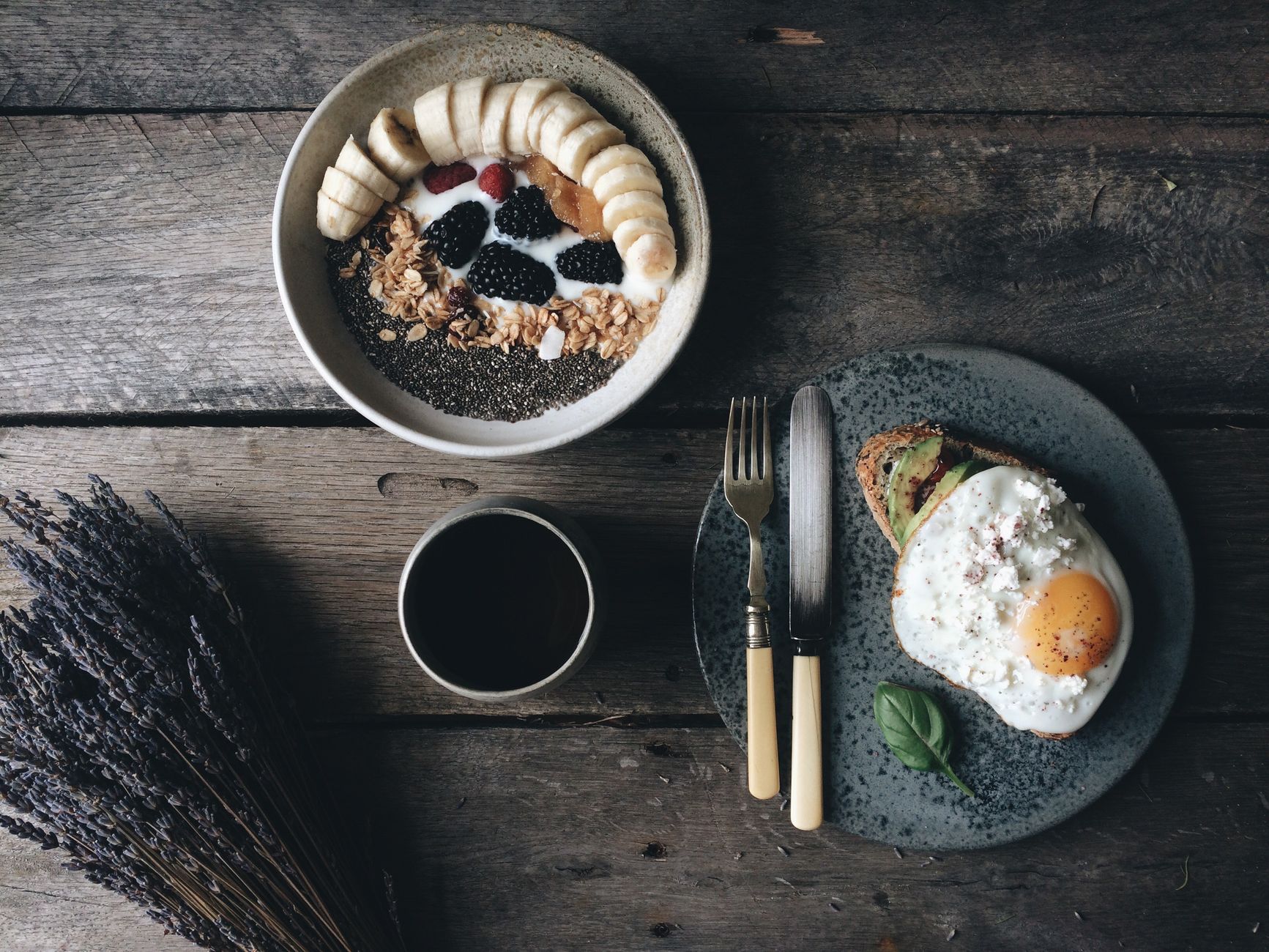
1. Savory Oatmeal with Eggs and Avocado
This isn’t your childhood bowl of sweet oatmeal. We’re talking savory, protein-packed, and packed with healthy fats to keep you full and satisfied. Savory oatmeal is a game-changer for menopause because it’s low in refined carbs but high in fiber and nutrients that help manage hot flashes and weight gain.
Ingredients:
- ½ cup rolled oats
- 1 cup unsweetened almond milk
- ½ cup water
- 1 tbsp olive oil
- 2 eggs
- ½ avocado, sliced
- Handful of spinach
- Salt, pepper, and smoked paprika to taste
Instructions:
- Cook the oats in almond milk and water on the stove until creamy (about 5 minutes).
- While the oats cook, heat olive oil in a separate pan and scramble the eggs.
- Add spinach to the oats and warm through.
- Top with sliced avocado, eggs, and a sprinkle of smoked paprika.
Why it works: The combination of oats, eggs, and avocado provides a steady release of energy, healthy fats for hormone support, and fiber to keep you full. Plus, the savory flavors can help curb cravings for sweet breakfasts that might trigger hot flashes.
---
2. Greek Yogurt Parfait with Chia Seeds and Berries
This isn’t just a pretty bowl—it’s a nutrient powerhouse. Greek yogurt is packed with protein and probiotics, which are great for gut health and hormone balance. Chia seeds add fiber and omega-3s, while berries provide antioxidants to combat inflammation.
Ingredients:
- 1 cup plain Greek yogurt
- ¼ cup chia seeds
- 1 cup mixed berries (blueberries, strawberries, raspberries)
- 1 tbsp almond butter
- Drizzle of honey (optional)
Instructions:
- Layer Greek yogurt, chia seeds, and berries in a bowl.
- Drizzle with almond butter and a touch of honey if desired.
- Let the chia seeds soak for at least 10 minutes to thicken the mixture.
Why it works: The protein in Greek yogurt helps stabilize blood sugar, while the fiber from chia seeds and berries keeps you full. This combo is also great for bone health, thanks to the calcium and vitamin D in yogurt.
---
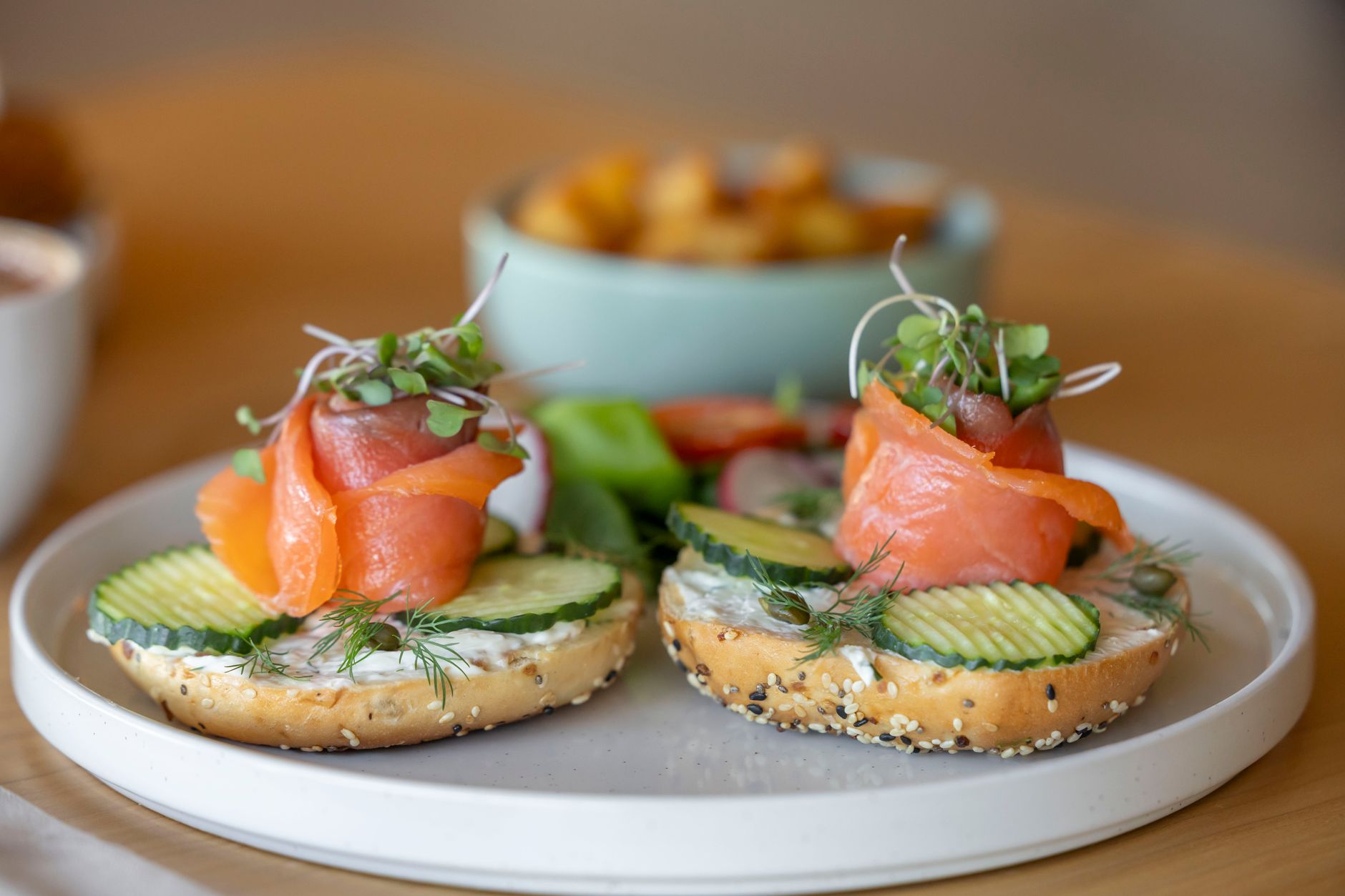
3. Smoked Salmon and Cream Cheese Bagel (Gluten-Free Option)
Salmon is rich in omega-3 fatty acids, which are essential for reducing inflammation and supporting brain health during menopause. Cream cheese adds a creamy texture without excess sugar, and the bagel (or gluten-free alternative) provides a base for the whole meal.
Ingredients:
- 1 gluten-free bagel or low-carb tortilla
- 2 oz smoked salmon
- 2 tbsp low-fat cream cheese
- Handful of baby spinach
- Sliced cucumber
- Lemon wedge
Instructions:
- Toast the bagel or tortilla lightly.
- Spread cream cheese on the bagel.
- Layer smoked salmon, spinach, and cucumber on top.
- Squeeze lemon juice over the top.
Why it works: Omega-3s from salmon help reduce hot flashes and inflammation, while the cream cheese adds a touch of fat to keep you full. This meal is also rich in vitamin D, which is crucial for bone health during menopause.
---
4. Scrambled Tofu with Turmeric and Veggies
For those who prefer plant-based options, scrambled tofu is a fantastic choice. It’s high in protein, low in fat, and packed with antioxidants from turmeric, which helps reduce inflammation. Pair it with veggies for added fiber and nutrients.
Ingredients:
- ½ block firm tofu, crumbled
- 1 tbsp olive oil
- ½ tsp turmeric
- ½ tsp cumin
- Handful of bell peppers and spinach
- Salt and pepper to taste
Instructions:
- Heat olive oil in a pan and add crumbled tofu.
- Add turmeric, cumin, salt, and pepper. Cook until tofu is lightly browned.
- Add bell peppers and spinach, cooking until veggies are tender.
- Serve with a side of avocado or a slice of whole-grain toast.
Why it works: Tofu is a great source of plant-based protein, and turmeric has anti-inflammatory properties that can help with menopause symptoms. This meal is also low in calories but high in nutrients, making it ideal for weight management.
---
5. Chia Pudding with Almond Butter and Cinnamon
Chia pudding is a fantastic make-ahead breakfast that’s rich in fiber and omega-3s. The almond butter adds healthy fats, while cinnamon helps regulate blood sugar levels. This is a great option for those who struggle with morning cravings or don’t have time to cook.
Ingredients:
- 3 tbsp chia seeds
- 1 cup unsweetened almond milk
- 1 tbsp almond butter
- ½ tsp cinnamon
- 1 tbsp honey or maple syrup (optional)
Instructions:
- Mix chia seeds, almond milk, almond butter, and cinnamon in a jar.
- Stir well and refrigerate overnight.
- Top with a drizzle of honey or maple syrup before serving.
Why it works: Chia seeds are a great source of fiber and omega-3s, which help reduce inflammation and support heart health. The almond butter adds healthy fats, while cinnamon helps keep blood sugar stable throughout the morning.
---
Low-Sugar Breakfast Ideas for Menopause
One of the biggest challenges during menopause is managing blood sugar spikes, which can worsen hot flashes and fatigue. Low-sugar breakfasts are your best friend here. The goal is to avoid refined sugars and processed carbs, which can cause energy crashes and leave you feeling sluggish. Instead, focus on whole foods that provide steady energy and nutrients.
Here’s what to prioritize:
- Protein: Keeps you full and stabilizes blood sugar. Think eggs, Greek yogurt, tofu, or smoked salmon.
- Fiber: Slows digestion and prevents sugar spikes. Berries, chia seeds, and whole grains are great choices.
- Healthy fats: Avocado, nuts, and seeds help with hormone balance and satiety.
Here are some low-sugar breakfast ideas to try:
1. Cottage Cheese Bowl with Walnuts and Cinnamon
Cottage cheese is a fantastic low-sugar protein source. It’s rich in casein, a slow-digesting protein that keeps you full for hours. Walnuts add healthy fats and crunch, while cinnamon helps regulate blood sugar.
Ingredients:
- ½ cup cottage cheese
- 1 tbsp walnuts, chopped
- ½ tsp cinnamon
- Splash of vanilla extract
- Handful of blueberries (optional)
Instructions:
- Mix cottage cheese, cinnamon, and vanilla in a bowl.
- Top with walnuts and blueberries if desired.
---
2. Veggie Omelet with Feta and Herbs
An omelet is a quick and easy way to get protein, veggies, and healthy fats without sugar. Feta adds a salty, tangy flavor, while herbs keep it fresh and light.
Ingredients:
- 2 eggs
- ¼ cup feta cheese, crumbled
- Handful of spinach or mushrooms
- Handful of cherry tomatoes, halved
- Fresh herbs (parsley or basil)
- Salt and pepper to taste
Instructions:
- Whisk eggs in a bowl.
- Heat a pan and add veggies. Cook until soft.
- Pour eggs over veggies and cook until set.
- Top with feta and herbs. Fold and serve.
---
3. Smoothie with Spinach, Almond Butter, and Chia Seeds
Smoothies are a great way to pack in nutrients without sugar. Spinach provides iron and fiber, almond butter adds healthy fats, and chia seeds keep you full. Skip the fruit juices and opt for whole fruits like berries for natural sweetness.
Ingredients:
- 1 cup spinach
- ½ banana (frozen)
- 1 tbsp almond butter
- 1 tbsp chia seeds
- 1 cup unsweetened almond milk
- Ice cubes
Instructions:
- Blend all ingredients until smooth.
- Adjust sweetness with a splash of almond milk if needed.
---
High-Protein Breakfast for Menopause Symptoms
Protein is your secret weapon during menopause. It helps stabilize blood sugar, keeps you full, and supports muscle mass—something that can decline as estrogen levels drop. High-protein breakfasts also help manage weight gain and reduce cravings. Here’s how to make protein your breakfast BFF.
According to the American Society for Nutrition, women need about 0.8 grams of protein per kilogram of body weight daily. But during menopause, many experts recommend slightly more to support muscle and hormone health.
Here are some high-protein breakfast ideas:
1. Protein-Packed Scrambled Eggs with Turkey Sausage
Eggs are one of the most nutrient-dense foods you can eat. They’re packed with protein, vitamins, and minerals, and they’re incredibly versatile. Adding turkey sausage boosts the protein even more and adds a savory kick.
Ingredients:
- 3 eggs
- 2 turkey sausage links, sliced
- Handful of spinach
- 1 tbsp olive oil
- Salt and pepper to taste
Instructions:
- Heat olive oil in a pan and cook turkey sausage until browned.
- Add spinach and cook until wilted.
- Pour in beaten eggs and scramble until set.
- Season with salt and pepper.
---
2. Cottage Cheese and Smoked Salmon Toast
This is a no-fuss, high-protein breakfast that’s perfect for busy mornings. Cottage cheese provides casein protein, which digests slowly, while smoked salmon adds omega-3s and flavor.
Ingredients:
- 1 slice whole-grain or gluten-free toast
- ½ cup cottage cheese
- 2 oz smoked salmon
- Fresh dill or capers (optional)
- Lemon wedge
Instructions:
- Toast the bread.
- Spread cottage cheese on the toast.
- Top with smoked salmon, dill, and a squeeze of lemon.
---
3. Greek Yogurt with Whey Protein and Nuts
Greek yogurt is already high in protein, but adding whey protein takes it to the next level. Nuts provide healthy fats and crunch, while a sprinkle of cinnamon helps with blood sugar control.
Ingredients:
- 1 cup plain Greek yogurt
- 1 scoop whey protein powder
- 1 tbsp almonds or walnuts, chopped
- ½ tsp cinnamon
- Drizzle of honey (optional)
Instructions:
- Mix Greek yogurt and whey protein in a bowl.
- Top with nuts and cinnamon.
- Drizzle with honey if desired.
---
How to Make a Menopause-Friendly Smoothie
Smoothies are one of the easiest ways to pack in nutrients without the fuss of cooking. The key to a menopause-friendly smoothie is balancing protein, fiber, and healthy fats to keep you full and stable. Avoid fruit juices and opt for whole fruits or vegetables for natural sweetness and fiber.
Here’s a foolproof formula for a menopause-friendly smoothie:
- Base: Unsweetened almond milk or coconut water for hydration.
- Protein: Greek yogurt, silken tofu, or a plant-based protein powder.
- Fiber: Spinach, kale, or berries for antioxidants and fiber.
- Healthy fats: Avocado, chia seeds, or almond butter for satiety.
- Sweetener (optional): A small amount of honey or maple syrup, or a natural sweetener like stevia.
Here are three delicious recipes to try:
1. Green Power Smoothie
This smoothie is packed with greens, protein, and healthy fats to keep you energized and stable.
Ingredients:
- 1 cup spinach
- ½ banana (frozen)
- 1 tbsp almond butter
- 1 tbsp chia seeds
- 1 cup unsweetened almond milk
- 1 scoop vanilla protein powder
- Ice cubes
Instructions:
- Blend all ingredients until smooth.
- Adjust thickness with almond milk if needed.
---
2. Berry Blast Smoothie
Berries are rich in antioxidants, which help combat inflammation and support heart health during menopause.
Ingredients:
- ½ cup mixed berries (frozen)
- ½ cup Greek yogurt
- 1 tbsp flaxseeds
- 1 cup unsweetened almond milk
- 1 tbsp almond butter
- Ice cubes
Instructions:
- Blend all ingredients until smooth.
- Add more almond milk if needed for desired consistency.
---
3. Creamy Coconut Smoothie
This smoothie is rich in healthy fats from coconut milk, which help support hormone balance.
Ingredients:
- ½ cup frozen mango
- ½ cup coconut milk (full-fat)
- 1 tbsp hemp seeds
- 1 tbsp almond butter
- 1 cup unsweetened almond milk
- Ice cubes
Instructions:
- Blend all ingredients until smooth.
- Adjust sweetness with a splash of almond milk if needed.
---
Breakfast Meal Plan for Menopause Weight Management
Managing weight during menopause can feel like a full-time job, but breakfast is where you can set the tone for the rest of your day. The right foods can help control cravings, stabilize blood sugar, and keep your metabolism from slowing down. Here’s a 7-day meal plan to help you stay on track.
According to the North American Menopause Society (NAMS), weight gain during menopause is often due to hormonal changes, particularly a decrease in estrogen, which can lead to increased abdominal fat. The key is to focus on whole foods, portion control, and regular physical activity.
Here’s a simple 7-day meal plan:
Day 1: Savory Oatmeal with Eggs and Avocado
As mentioned earlier, this meal is rich in protein, fiber, and healthy fats to keep you full and stable.
---
Day 2: Greek Yogurt Parfait with Chia Seeds and Berries
This parfait is packed with protein, fiber, and antioxidants to support heart health and blood sugar control.
---
Day 3: Smoked Salmon and Cream Cheese Bagel (Gluten-Free Option)
Salmon is rich in omega-3s, which help reduce inflammation and support brain health.
---
Day 4: Scrambled Tofu with Turmeric and Veggies
This plant-based option is high in protein and fiber, making it a great choice for weight management.
---
Day 5: Chia Pudding with Almond Butter and Cinnamon
Chia pudding is a great make-ahead option that’s rich in fiber and omega-3s.
---
Day 6: Cottage Cheese Bowl with Walnuts and Cinnamon
Cottage cheese is a fantastic low-sugar protein source that helps keep you full.
---
Day 7: Protein-Packed Scrambled Eggs with Turkey Sausage
This high-protein meal is perfect for keeping energy levels stable throughout the morning.
Here’s a table summarizing the nutrition breakdown for each day:
---
Gluten-Free Breakfast Options for Menopause
If you’re avoiding gluten, you don’t have to sacrifice flavor or nutrition. There are plenty of delicious gluten-free breakfast options that support menopause symptoms. The key is to focus on naturally gluten-free grains like quinoa, rice, or gluten-free oats, and to load up on protein, fiber, and healthy fats.
Here are some gluten-free breakfast ideas:
1. Quinoa Breakfast Bowl with Berries and Almonds
Quinoa is a complete protein, meaning it contains all nine essential amino acids. It’s also rich in fiber and magnesium, which helps with muscle relaxation and sleep.
Ingredients:
- ½ cup cooked quinoa
- ½ cup mixed berries
- 1 tbsp almonds, chopped
- 1 tbsp chia seeds
- 1 tbsp almond butter
- Drizzle of honey (optional)
Instructions:
- Cook quinoa according to package instructions.
- Top with berries, almonds, chia seeds, and almond butter.
- Drizzle with honey if desired.
---
2. Buckwheat Pancakes with Turkey Bacon
Buckwheat is naturally gluten-free and packed with protein and fiber. Pair it with turkey bacon for a high-protein, low-carb breakfast.
Ingredients:
- ½ cup buckwheat flour
- 1 egg
- ½ cup unsweetened almond milk
- 1 tbsp olive oil
- 2 turkey bacon strips
- Maple syrup (optional)
Instructions:
- Mix buckwheat flour, egg, and almond milk to form a batter.
- Heat olive oil in a pan and pour batter to make pancakes.
- Cook turkey bacon separately.
- Serve pancakes with turkey bacon and a drizzle of maple syrup if desired.
---
3. Rice Cake with Avocado and Smoked Salmon
Rice cakes are a great gluten-free base for a high-protein breakfast. Avocado adds healthy fats, while smoked salmon provides omega-3s.
Ingredients:
- 2 rice cakes
- ½ avocado, mashed
- 2 oz smoked salmon
- Fresh dill
- Lemon wedge
Instructions:
- Toast rice cakes.
- Spread mashed avocado on top.
- Add smoked salmon, dill, and a squeeze of lemon.
---
Menopause Diet Breakfast Benefits
Breakfast isn’t just about fueling your body—it’s about setting the stage for the rest of your day. For women going through menopause, the right breakfast can offer a range of benefits, from managing hot flashes to supporting bone health. Here’s what you can expect when you prioritize a menopause-friendly breakfast:
1. Stabilizes Blood Sugar
Breakfasts that are high in protein, fiber, and healthy fats help regulate blood sugar levels, preventing the energy crashes that can worsen hot flashes and fatigue. According to the American Diabetes Association, a balanced breakfast can improve insulin sensitivity and reduce cravings for sugary snacks later in the day.
---
2. Reduces Hot Flashes
Certain foods, like those rich in phytoestrogens (such as soy and flaxseeds) and omega-3s (like salmon), may help reduce the frequency and intensity of hot flashes. A study published in the Menopause Journal found that a diet rich in omega-3 fatty acids was associated with fewer hot flashes in postmenopausal women.
---
3. Supports Heart Health
Menopause increases the risk of heart disease, so incorporating heart-healthy foods into your breakfast is crucial. Foods like oats, nuts, and fatty fish are rich in soluble fiber, healthy fats, and antioxidants that support cardiovascular health. The American Heart Association recommends focusing on these foods to lower cholesterol and reduce inflammation.
---
Calcium and vitamin D are essential for bone health, especially as estrogen levels decline during menopause. Breakfasts that include dairy (or fortified plant-based alternatives), leafy greens, and fatty fish can help maintain bone density. The North American Menopause Society emphasizes the importance of these nutrients in preventing osteoporosis.
---
5. Aids in Weight Management
High-protein breakfasts keep you full longer, reducing the likelihood of overeating later in the day. A study in the Journal of the American Dietetic Association found that women who ate a high-protein breakfast were less likely to experience cravings and had better control over their calorie intake throughout the day.
---
Menopause Diet Breakfast Nutrition
Understanding the nutritional needs during menopause is key to choosing the right breakfast. Here’s a breakdown of what to focus on:
1. Protein
Protein helps maintain muscle mass, keeps you full, and supports hormone balance. Aim for at least 20–30 grams of protein at breakfast. Good sources include eggs, Greek yogurt, cottage cheese, tofu, and lean meats like turkey or salmon.
---
2. Fiber
Fiber slows digestion, helps regulate blood sugar, and supports gut health. Aim for at least 10 grams of fiber at breakfast. Great sources include oats, chia seeds, flaxseeds, berries, and whole grains.
---
3. Healthy Fats
Healthy fats support hormone production, brain health, and satiety. Include sources like avocado, nuts, seeds, olive oil, and fatty fish in your breakfast.
---
4. Vitamins and Minerals
Vitamin D, calcium, magnesium, and B vitamins are crucial during menopause. Breakfast foods like dairy, leafy greens, eggs, and fortified plant-based milks can help you meet these needs.
---
Menopause Diet Breakfast Meal Prep
Meal prepping is a game-changer for busy mornings. It saves time, reduces stress, and ensures you’re eating nutritious meals even on your craziest days. Here’s how to prep your menopause-friendly breakfasts in advance:
1. Chia Pudding
Prep overnight chia pudding by mixing chia seeds, almond milk, and a touch of vanilla or cinnamon in a jar. Store in the fridge and grab it in the morning. Top with nuts, seeds, or berries when you’re ready to eat.
---
2. Savory Oatmeal
Cook a big batch of savory oatmeal with water or almond milk. Store in the fridge for up to




