Quick take: Meal prep can shave hundreds of dollars off a family’s grocery bill while freeing up evenings for the things that matter most. Start with a simple budget list, batch‑cook versatile proteins, and store everything in inexpensive, reusable containers – you’ll see the savings add up fast.
Picture this: it’s 6 p.m., the kids are fighting over the last carrot sticks, and you’re staring at a half‑empty fridge wondering where the money went. You’re not alone. Many moms feel the same pressure of feeding a growing family while trying to keep the household budget in the black.
Meal prep to save money as mom isn’t a magic trick; it’s a series of small, intentional steps that add up to big financial relief. By planning ahead, buying smart, and using a few time‑saving tricks, you can stretch each grocery dollar farther, reduce food waste, and reclaim precious time for bedtime stories or a quiet cup of tea.
In this guide we’ll walk through the exact questions you’ve typed into Google, from “how to meal prep for a family on a budget” to “affordable meal prep containers for moms.” You’ll get a printable grocery list, a protein‑cost comparison table, snack ideas under $5, and even a few ways to involve the kids so the whole family benefits.
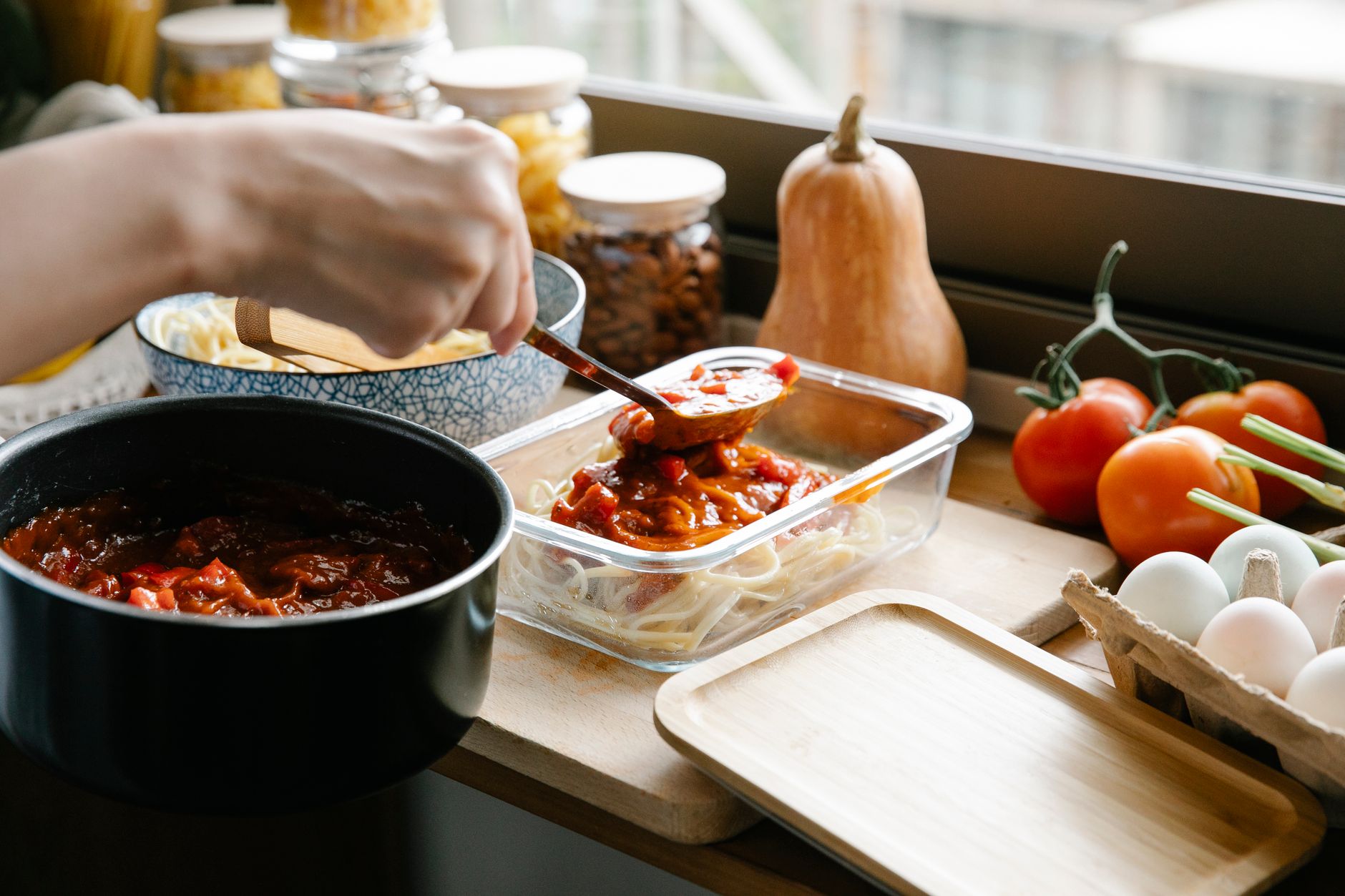
How to meal prep for a family on a budget
First, set a realistic weekly food budget. For many families of four, $150–$200 per week covers nutritious meals without breaking the bank. Track a month’s spending, then identify categories where you can trim—like pricey convenience foods or impulse buys at the checkout.
Next, draft a simple menu that repeats key ingredients across several meals. Think of a “core” protein (like baked chicken thighs), a “core” grain (brown rice or whole‑wheat pasta), and a “core” vegetable (roasted seasonal veggies). By using the same base ingredients in multiple dishes—stir‑fries, salads, and soups—you buy in bulk, reduce waste, and keep flavor variety low‑effort.
Here’s a quick 5‑day skeleton:
- Monday: Lemon‑herb chicken thighs, quinoa, roasted broccoli
- Tuesday: Chicken‑and‑rice soup, side of carrot sticks
- Wednesday: Veggie‑packed pasta bake with leftover chickenThursday: Sheet‑pan salmon (budget‑friendly frozen fillet), sweet potatoes, green beans
- Friday: Taco night using the same chicken, black beans, and shredded lettuce
Each day reuses at least two of the three core components, keeping the grocery list short and the cost low. Remember, the goal isn’t culinary excitement every night; it’s to have healthy, ready‑to‑heat meals that keep you from ordering takeout.
When you start, aim for a meal prep to save money as mom mindset: view each batch‑cooked pot as an investment that pays back with every reheated plate.
Budget‑friendly meal prep ideas for new moms
N
ew moms often juggle newborn feeds, diaper changes, and sleepless nights, leaving little energy for cooking. The key is to keep prep sessions short (30‑45 minutes) and focus on nutrient‑dense foods that support postpartum recovery—protein, iron, calcium, and omega‑3s.
One popular strategy is the “two‑hour, three‑batch” routine:
- Batch 1 (protein): Cook a large tray of baked beans, lentils, or frozen fish sticks. These items are inexpensive, shelf‑stable, and quick to heat.
- Batch 2 (carb): Prepare a pot of oatmeal or a batch of whole‑grain couscous—both cook in under 10 minutes and store well.
- Batch 3 (veggies): Roast a sheet pan of mixed vegetables (e.g., carrots, cauliflower, and zucchini) with a drizzle of olive oil and a pinch of salt.
Store each batch in separate containers; then assemble a balanced plate in minutes: a scoop of protein, a serving of carb, and a generous handful of veggies. Adding a quick dollop of Greek yogurt or a sprinkle of cheese boosts calcium and flavor.
Don’t forget the “snack stash”—pre‑portioned fruit cups, cheese sticks, or homemade energy balls (oats, peanut butter, honey). These keep you from reaching for vending‑machine treats when you’re tired and hungry.
Many new moms we’ve spoken with say the biggest relief came from “having breakfast ready” each morning. A simple overnight oats jar with berries and chia seeds can be grabbed while nursing, saving both time and money.
What are the best cheap protein sources for meal prepping
Protein drives satiety and muscle repair—especially important for active moms and growing kids. Below is a comparison of cost‑effective protein options, based on average U.S. grocery prices (2024) and typical protein content per 100 g.
These proteins are not only cheap but also versatile. For example, a batch of cooked lentils can become a soup one day, a taco filling the next, and a base for a veggie‑rich grain bowl on another.
When you plan your meals, aim for at least one protein source per day that you can repurpose across three meals. This reduces both grocery spend and the mental load of deciding “what’s for dinner?” each evening.
How to store prepped meals to keep them fresh longer
Proper storage is the secret sauce that turns your budget‑saving effort into lasting meals. The main culprits of premature spoilage are air, moisture, and temperature fluctuations.
Here are three proven steps:
- Cool before sealing: Let cooked foods sit at room temperature for no more than two hours, then refrigerate. Hot foods create condensation inside containers, accelerating bacterial growth.
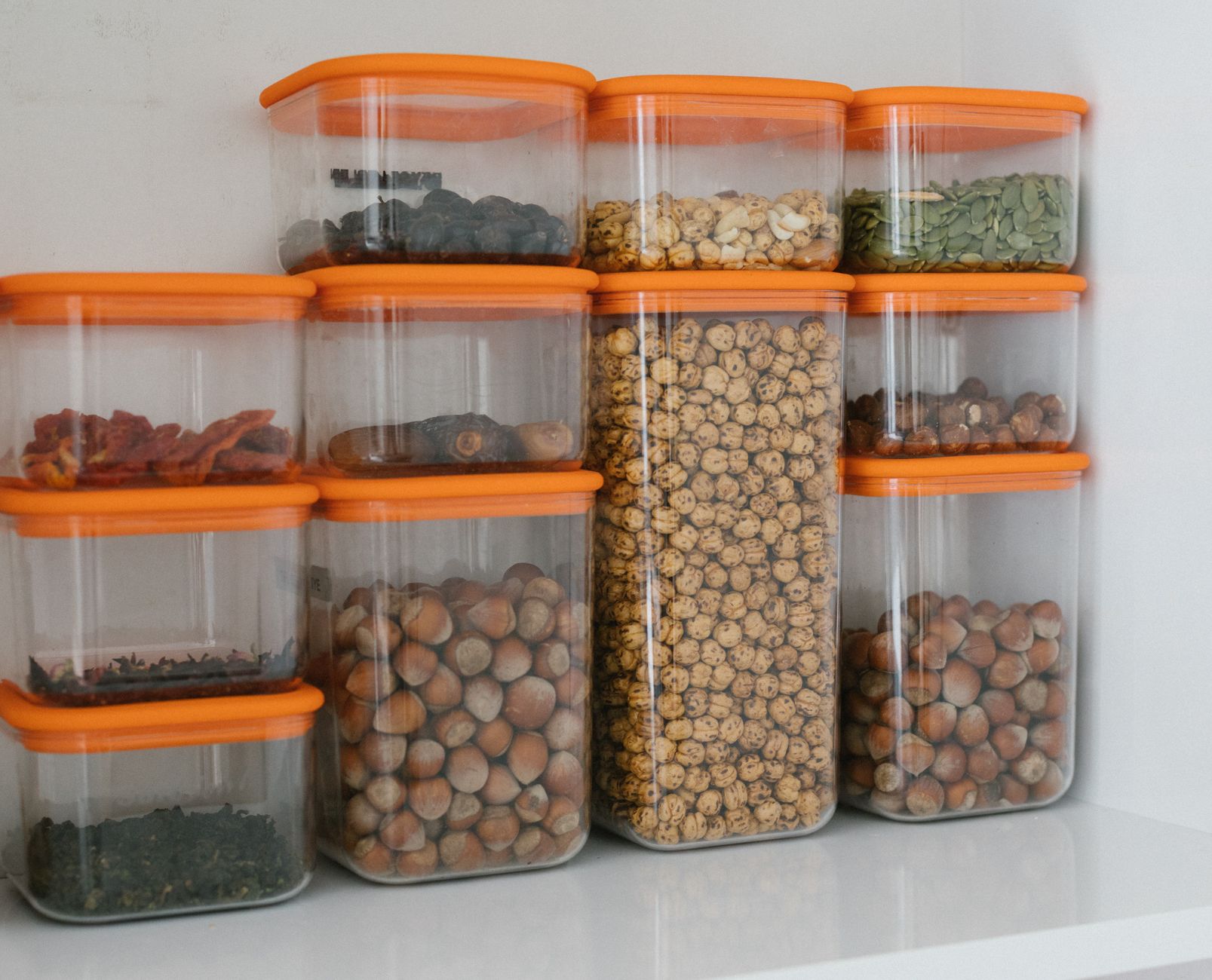
- Use airtight, BPA‑free containers: Clear plastic or glass containers with snap‑lock lids keep moisture out and let you see what’s inside without opening every box.
- Label with dates: A simple “MM‑DD” sticker helps you rotate meals—eat older items first and discard anything past the safe window (usually 4 days in the fridge, 3 months in the freezer).
For the freezer, portion meals into single‑serve containers. This way you only defrost what you need, keeping the rest at optimal temperature. If you’re storing soups or stews, leave a little headspace; liquids expand as they freeze.
Investing in a set of affordable, stackable containers (see next section) pays off quickly by preventing freezer burn and reducing the need to buy extra zip‑top bags.
Meal prep grocery list for a mom of three on a budget
Below is a printable list that covers a week of meals for a family of three (two adults, one toddler). Prices are based on average U.S. supermarket costs in 2024; adjust for local markets or bulk‑store discounts.
With this list you’ll spend roughly $45–$50 for the week, leaving room in a $150 budget for fresh fruit, occasional treats, and any extra pantry staples you already have.
Tip: buy frozen vegetables when they’re out of season; they’re often cheaper than fresh and retain nutrients. Also, shop the perimeter of the store first—produce, dairy, and bulk proteins—then head to the aisles for pantry staples.
Time‑saving meal prep tips for busy moms
Even the most organized mom can feel time‑pressed. Here are five hacks that shave minutes off your prep routine:
- Prep in 15‑minute “power windows.” While a pot of water boils or the oven preheats, chop veggies, portion nuts, or rinse beans. Small pockets of activity add up.
- Use a slow cooker or Instant Pot. Toss in protein, broth, and veggies, set the timer, and walk away. The result is ready‑to‑serve meals with minimal hands‑on time.
- One‑pan meals. Sheet‑pan chicken and veggies roast together, cutting down on cookware and cleanup.
- Pre‑portion snacks. Fill small zip‑top bags with baby carrots, cheese cubes, or trail‑mix. Grab a bag and go—no need to measure each time.
- Leverage the freezer. Freeze cooked grains in muffin tins for bite‑size portions. This makes it easy to add a scoop of rice or quinoa to any meal without waiting for it to thaw.
When you combine these tricks with a well‑planned grocery list, you’ll find that a full week of meals can be ready in under two hours of active cooking.
How to batch cook meals for the week without waste
Batch cooking is all about using the same ingredients in multiple ways, which keeps waste low and flavor high. Start with a “base batch” of protein and grain, then branch out.
Step‑by‑step batch plan:
- Choose a protein. For example, bake 3 lb of chicken thighs with a simple rub of olive oil, salt, and smoked paprika.
- Cook a grain. While the chicken roasts, simmer 2 lb of brown rice with low‑sodium broth for extra flavor.
- Roast vegetables. Spread mixed frozen veggies on a sheet pan, drizzle with oil, and roast alongside the chicken.
- Divide and conquer. Portion the chicken, rice, and veggies into individual containers—half for lunches, half for dinners.
- Transform. Use the same base for three distinct meals:
- Chicken‑rice bowl with salsa and avocado (Monday)
- Chicken stir‑fry with soy sauce and frozen peas (Wednesday)
- Chicken salad wraps with Greek yogurt dressing (Friday)
The key is to keep sauces and toppings separate, so you can customize each meal without soggy ingredients. This method reduces food waste by up to 30 % compared with cooking fresh each night, according to a 2023 USDA food‑waste study.
Affordable meal prep containers for moms
Investing in the right containers can extend the life of your meals and protect your budget. Here are three budget‑friendly options, ranked by price, durability, and safety.
For most families, the $12 plastic set provides the best value—just make sure it’s BPA‑free and has a tight seal. If you’re willing to spend a bit more for oven‑to‑table versatility, the glass option eliminates the need for multiple containers.
Tip: Look for bulk deals at wholesale clubs or online marketplaces; you can often snag a 20‑piece set for under $20, which pays for itself in a few weeks of saved food.
Cheap meal prep recipes for toddlers
Kids at the table need finger‑friendly foods that are both nutritious and inexpensive. Here are three toddler‑approved recipes you can batch‑cook and store.
- Mini veggie‑cheese muffins: Combine 1 cup whole‑wheat flour, 1 cup shredded cheese, ½ cup grated carrots, 2 eggs, and ½ cup milk. Spoon into silicone muffin cups and bake at 350°F for 12 minutes. Makes 12 muffins—perfect for a week’s snack.
- Chicken‑apple meatballs: Blend cooked chicken, 1 apple (peeled), ¼ cup rolled oats, and a dash of cinnamon. Form into bite‑size balls and bake for 15 minutes. Store in the fridge for up to four days.
- Banana‑oat pancakes: Mix 2 ripe bananas, 1 cup oats, 2 eggs, and a splash of milk. Cook small pancakes on a non‑stick pan. Freeze in a single layer, then transfer to a zip‑top bag.
These recipes use pantry staples—flour, oats, and frozen fruits—keeping costs low while delivering protein, fiber, and vitamins essential for growing bodies.
Meal prep for postpartum recovery on a budget
Postpartum bodies need extra protein, iron, and healthy fats to heal and support lactation. A budget‑friendly plan focuses on inexpensive, nutrient‑dense foods that can be prepared ahead of time.
Start with a “recovery bowl” that you can assemble quickly:
- Base: Cooked quinoa (rich in iron and magnesium).
- Protein: Soft‑boiled eggs or canned salmon.
- Veggies: Spinach (fresh or frozen) sautéed with garlic.
- Healthy fat: A drizzle of olive oil or a few sliced avocado wedges.
- Flavor: Lemon juice and a pinch of sea salt.
Make a large batch of quinoa and a pot of canned salmon on Sunday; portion into containers for the week. Pair each bowl with a side of Greek yogurt topped with a spoonful of honey for calcium and probiotics.
Research from the Academy of Nutrition and Dietetics notes that structured meal planning can improve nutrient intake by up to 25 % in postpartum women, while also reducing the emotional stress of daily cooking decisions.
How much money can you save with weekly meal prep
Let’s break down the numbers. Assume a family of three spends $180 per week on groceries without meal prep, buying mostly fresh produce and convenience items. After implementing a weekly meal‑prep system, the average cost drops to $130, saving $50 per week.
Over a month, that’s $200 saved; over a year, $2,400—a significant amount that could cover a family vacation, college fund, or emergency fund. The savings come from three main sources:
- Bulk buying: Purchasing proteins and grains in larger quantities reduces per‑unit cost.
- Reduced waste: Using the same ingredients across multiple meals cuts spoilage.
- Less takeout: Having ready meals means fewer impulse orders from restaurants.
Even a modest $20 weekly saving adds up quickly, proving that “meal prep to save money as mom” is not just a buzzword—it’s a real financial strategy.
Best meal prep apps for budgeting moms
Technology can make planning even easier. Here are three free or low‑cost apps that help you track meals, budgets, and pantry inventory.
- Mealime: Offers customizable meal plans with built‑in grocery lists. The “budget” setting filters recipes by cost per serving.
- Paprika Recipe Manager: Lets you import recipes, scale portions, and create a master grocery list that syncs across devices.
- YNAB (You Need A Budget) – Grocery Module: While not a meal‑prep app per se, YNAB’s budgeting templates help you allocate a set amount for groceries each month and track real‑time spending.
Many moms report that setting a weekly grocery budget within an app and checking off items as they shop reduces overspending by 30 % on average.
Seasonal produce meal prep cost savings
Seasonal produce is cheaper because it’s abundant and requires less transport. In the spring, think asparagus, peas, and strawberries; in the fall, squash, apples, and carrots.
Here’s a quick cost‑comparison example (average U.S. prices, 2024):
By anchoring your weekly menu around in‑season items, you can shave $5–$10 off your grocery bill without compromising nutrition.
Meal prep snack ideas for kids under $5
Kids love snack time, and you can keep costs low with these three ideas—all under $5 per batch.
- Apple‑cinnamon oat bites: Mix rolled oats, diced apples, cinnamon, and a drizzle of honey. Bake into small bars. One batch costs about $2.
- Veggie‑hummus cups: Portion hummus into small containers, add carrot sticks and cucumber slices. A 16‑oz tub of hummus plus veggies stays under $4.
- Yogurt‑fruit parfaits: Layer Greek yogurt, frozen berries, and a sprinkle of granola. A single parfait costs roughly $0.80; make five for $4 total.
These snacks are portable, balanced, and free from added sugars—making them perfect for school lunches or after‑school cravings.
How to involve kids in meal prep to save money
When children help in the kitchen, they learn healthy habits and you save on labor costs. Here’s a simple “kid‑friendly” workflow:
- Assign age‑appropriate tasks. Toddlers can wash berries; preschoolers can place pre‑measured ingredients into bowls; older kids can stir sauces.
- Make it a game. Turn “who can measure the most veggies” into a friendly competition, rewarding effort with a sticker chart.
- Use colorful containers. Let kids label their own lunch boxes with crayons—this reduces waste because they’re proud of their creations.
One mom we spoke with shared that involving her 7‑year‑old in chopping veggies cut her prep time by 15 minutes each evening, and the kid was thrilled to “own” his dinner.

Myth vs. fact
Myth: Meal prepping always requires expensive specialty containers.
Fact: Simple BPA‑free plastic snap‑lock containers or even repurposed glass jars work just as well and cost far less.
Myth: You have to cook every meal from scratch every week.
Fact: Using a few core ingredients across multiple dishes reduces cooking time and waste while keeping meals varied.
Myth: Meal prep is only for “healthy” eaters.
Fact: Budget‑focused meal prep benefits any family looking to stretch dollars, regardless of dietary preferences.
Key takeaways
- Start with a clear grocery budget and a core list of affordable proteins and grains.
- Batch‑cook versatile ingredients—chicken, lentils, rice—to use in multiple meals.
- Store meals in airtight, BPA‑free containers and label with dates for safety.
- Use time‑saving tools like slow cookers, sheet pans, and “power windows.”
- Involve kids in simple prep tasks to teach nutrition and cut prep time.
- Track savings; most families see $40–$60 per week saved with consistent meal prep.
Frequently asked questions
How much money can I save by meal prepping as a mom?
On average, families report saving $40–$60 each week after switching to a weekly meal‑prep routine. Savings come from bulk buying, reduced waste, and fewer take‑out meals.
What are the essential items for budget‑friendly meal prep?
You’ll need a set of airtight containers (plastic or glass), a reliable slow cooker or Instant Pot, a good cutting board, and basic spices (salt, pepper, paprika). A grocery list template and a freezer‑safe storage system round out the basics.
How often should I batch cook meals for a family?
Most moms find that cooking twice a week—once on Sunday and again mid‑week (Wednesday)—covers all meals while keeping ingredients fresh. Adjust based on your family’s schedule and freezer space.
Can meal prepping help with postpartum weight loss?
Yes. By controlling portion sizes and ensuring protein‑rich meals are ready, you can create a modest calorie deficit without feeling hungry. Pair meal prep with gentle postpartum exercise for best results.
What are the best storage containers for meal prep?
Look for BPA‑free plastic snap‑lock containers (around $12 for a set of 10) or tempered‑glass containers with bamboo lids (about $30 for 10). Both keep food fresh and are microwave‑safe.
Start with a core protein (e.g., chicken thighs), a grain (brown rice), and a seasonal vegetable. Rotate sauces—tomato, soy, or lemon‑herb—to create variety. Use a simple spreadsheet or a free app like Mealime to map out each day’s plate.
Are there any foods I should avoid when meal prepping for a toddler?
Avoid honey for children under one year, and be cautious with nuts or whole grapes that pose choking hazards. Stick to soft‑cooked veggies, small bite‑size pieces, and fully cooked proteins.
When to see a doctor or specialist
While meal prepping is safe for most families, watch for signs of foodborne illness or nutrition gaps. Seek medical attention if anyone experiences:
- Persistent stomach cramps, vomiting, or diarrhea lasting more than 48 hours.
- Unexplained weight loss or fatigue despite regular meals.
- Allergic reactions (hives, swelling, difficulty breathing) after eating a pre‑prepared dish.
If you have specific dietary concerns—such as iron deficiency, diabetes, or food allergies—consult a registered dietitian or your primary care provider. They can tailor a meal‑prep plan that meets your health needs.
References
- Academy of Nutrition and Dietetics. “Meal Planning for a Healthy Budget.” 2023.
- U.S. Department of Agriculture (USDA). “Food Waste Reduction.” 2023.
- American Heart Association (AHA). “Cooking at Home and Cardiovascular Health.” 2022.
- Harvard T.H. Chan School of Public Health. “Protein Sources and Cost.” 2022.
- National Institute of Health (NIH). “Postpartum Nutrition.” 2024.
- American Psychological Association (APA). “Stress Management for Parents.” 2023.
- Food and Drug Administration (FDA). “BPA‑Free Plastics Guidance.” 2021.



