The first time I tried to cut back on sodium, I felt like I was walking through a grocery store blindfolded. Every package had a label screaming "sodium content," and I had no idea how to translate that into actual meals. The key is starting small. Begin by identifying the top sodium offenders in your current diet—think canned soups, deli meats, and restaurant meals—and replace one or two items at a time. For example, swap your morning bagel with cream cheese for whole-grain toast with avocado. It’s a subtle change, but it adds up.
For beginners, focus on three pillars: fresh produce, lean proteins, and whole grains. These foods are naturally low in sodium and packed with nutrients. Pair them with herbs, spices, and citrus to keep meals exciting. If you’re pregnant or managing hypertension, aim for 1,500–1,700 mg of sodium per day, according to the NHS. For others with hypertension, the American Heart Association (AHA) recommends 1,500 mg or less daily.
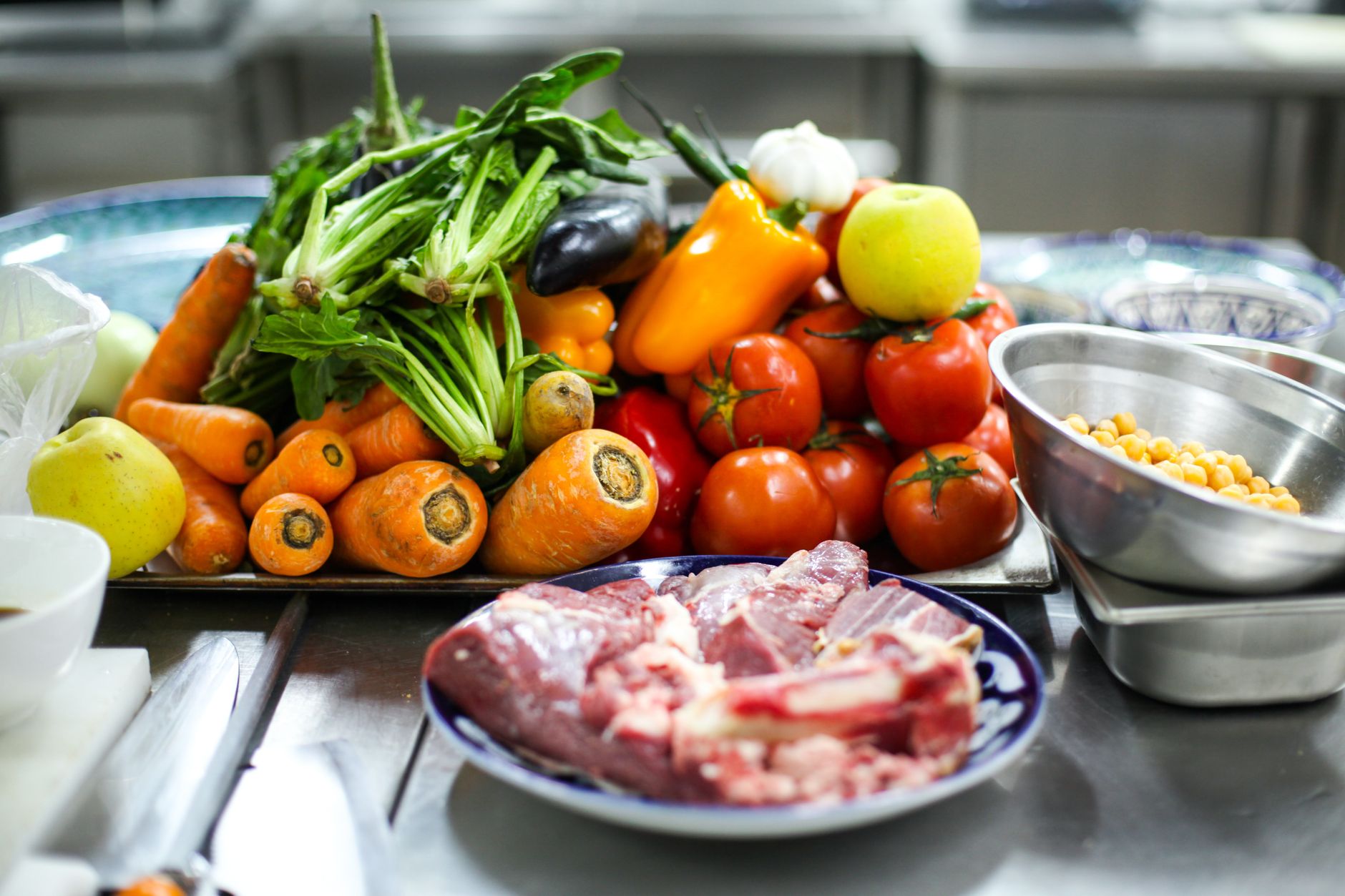
Here’s a simple starter plan to ease into the transition:
- Breakfast: Greek yogurt with fresh berries and a drizzle of honey (skip the salted nuts).
- Lunch: Grilled chicken salad with mixed greens, cucumber, cherry tomatoes, and olive oil dressing.
- Dinner: Baked salmon with roasted sweet potatoes and steamed broccoli.
- Snacks: Sliced apple with almond butter or carrot sticks with hummus.
If you’re feeling stuck, remember: progress isn’t about perfection. Even swapping one high-sodium meal for a homemade version counts as a win. And if you’re pregnant, this guide has even more tailored tips to keep you and your baby healthy.
---
Low Sodium Grocery List for Pregnancy: What to Buy and What to Skip
Pregnancy is a time when your body’s needs change rapidly, and sodium intake is no exception. Many women worry about how to navigate the grocery store without accidentally loading up on hidden sodium. The good news? Fresh, whole foods are your best friends. Here’s a simple grocery list to get you started, organized by category.
Produce (aim for fresh or frozen, no added salt):
- Leafy greens (spinach, kale, arugula)
- Cruciferous veggies (broccoli, cauliflower, Brussels sprouts)
- Bell peppers, zucchini, carrots, sweet potatoes
- Fresh berries (strawberries, blueberries, raspberries)
- Citrus fruits (lemons, limes, oranges)
Proteins (choose fresh or frozen, avoid cured or processed):
- Chicken breast or thighs (plain, no added salt)
- Wild-caught salmon or sardines (in water, not oil)
- Eggs
- Lentils, chickpeas, or black beans (dried or low-sodium canned)
- Tofu or tempeh (unsalted)
Grains and Starches:
- Quinoa, brown rice, or farro
- Whole-grain bread or wraps (check labels for "no added salt")
- Oats or barley
Avoid or Limit:
- Canned soups, broths, or sauces (opt for low-sodium or homemade versions)
- Processed deli meats (ham, salami, bacon)
- Frozen meals or microwave dinners
- Cured or smoked fish (like smoked salmon or anchovies)
- High-sodium cheeses (cheddar, blue cheese—opt for fresh mozzarella or feta instead)
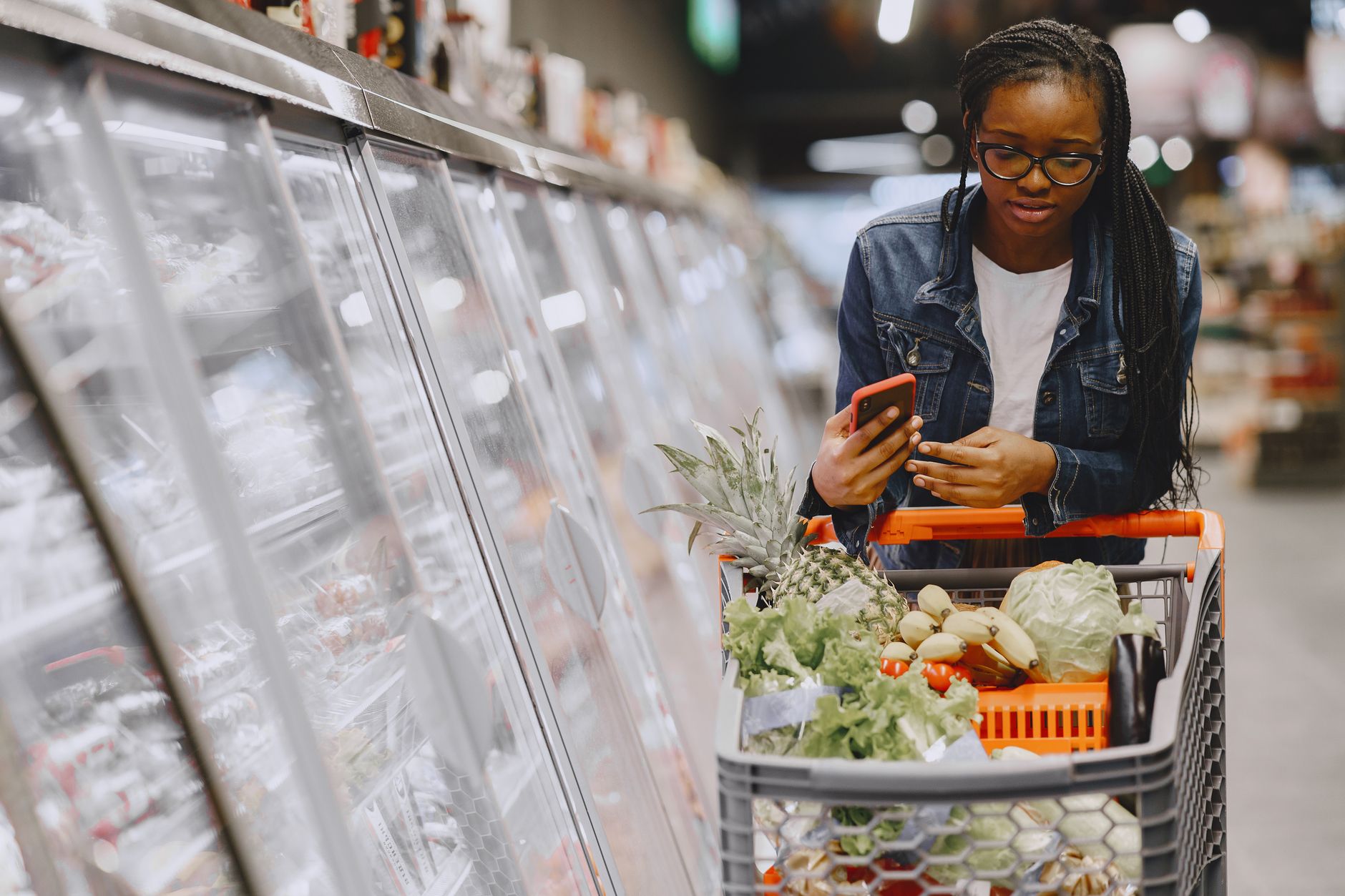
Pro tip: When buying canned goods, always check the label. Look for options labeled "no salt added" or "low sodium." For example, canned tomatoes can be a sodium bomb, but brands like Mueller’s or Wild Planet offer low-sodium versions. If you’re curious about other dietary swaps, the AIP diet also emphasizes fresh, whole foods—great for reducing sodium naturally.
---
How to Read Sodium Labels for a Low Sodium Diet: Decoding the Numbers
Reading nutrition labels can feel like learning a foreign language, especially when it comes to sodium. But once you know what to look for, it becomes second nature. Here’s how to decode the numbers:
1. Daily Value (%DV): The %DV tells you how much sodium is in one serving compared to the recommended daily limit. For most adults, the daily limit is 2,300 mg, but if you’re pregnant or managing hypertension, you’ll want to aim for 1,500 mg or less. A %DV of 5% or less is considered low, while 20% or more is high.
2. Amount per Serving: Pay attention to the sodium content per serving. If a package has multiple servings, make sure to multiply the sodium amount by the number of servings you plan to eat. For example, a 12-ounce can of soup might list 480 mg of sodium per serving, but if you eat the whole can, you’re consuming 960 mg—almost half your daily limit.
3. Ingredients List: Sodium can hide in ingredient names like:
- Sodium nitrate or nitrite
- Monosodium glutamate (MSG)
- Baking soda or baking powder
- Disodium phosphate
- Soy sauce or teriyaki sauce
Here’s a quick cheat sheet for common foods:
If you’re ever unsure, don’t hesitate to ask a pharmacist or dietitian for help interpreting labels. It’s also worth noting that even "healthy" foods like nuts and seeds can contain sodium, so always check the label. For more on navigating dietary labels, this dairy-free guide is another great resource for understanding what to look for.
---
Low Sodium Snack Ideas for Pregnant Women: Quick and Satisfying
One of the biggest challenges of a low sodium diet is finding snacks that keep you full and satisfied without the sodium overload. For pregnant women, snacks are especially important for managing cravings and energy levels. Here are some of the best low sodium snack ideas:
- Fresh Fruit: Apples, bananas, oranges, or berries are naturally sweet and hydrating. Pair them with a small handful of unsalted almonds for protein.
- Veggies and Dip: Baby carrots, cucumber slices, or bell pepper strips with hummus or guacamole. Make sure your hummus is low sodium—brands like Sabra offer low-sodium options.
- Hard-Boiled Eggs: A great source of protein and healthy fats. Season with black pepper or paprika instead of salt.
- Cheese and Whole-Grain Crackers: Opt for fresh mozzarella or feta with low-sodium crackers. Avoid processed cheeses, which can be high in sodium.
- Popcorn: Air-popped popcorn with a sprinkle of cinnamon or nutritional yeast is a great crunchy snack. Avoid pre-packaged microwave popcorn, which is often loaded with sodium.
- Dark Chocolate: Choose dark chocolate with 70% or higher cocoa content—it’s naturally lower in sodium and packed with antioxidants.
- Smoothies: Blend frozen berries, spinach, Greek yogurt, and a splash of almond milk. Skip the salted nuts or granola toppings.
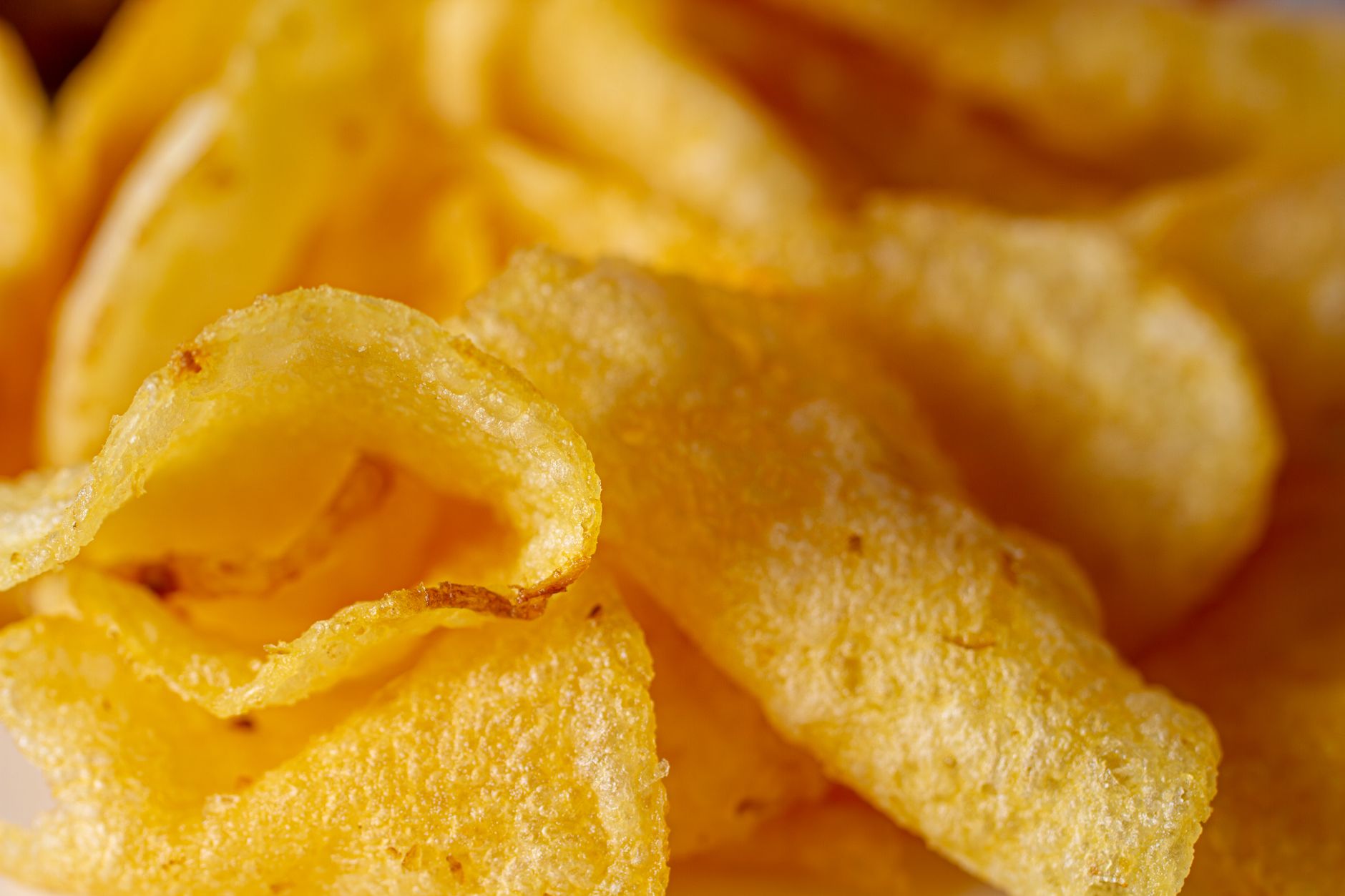
If you’re craving something salty, try unsalted nuts, roasted chickpeas, or even pickles made with no salt added. And if you’re curious about other snack ideas, the flexitarian diet often includes similar fresh, whole-food snacks that are naturally low in sodium.
---
Low Sodium Cooking Techniques for Beginners: Keep Flavor Without the Salt
One of the biggest misconceptions about a low sodium diet is that it has to be bland. The truth? You can create incredibly flavorful meals without relying on salt. Here are some of the best low sodium cooking techniques to try:
1. Use Herbs and Spices: Fresh herbs like basil, cilantro, and parsley, as well as spices like cumin, paprika, and turmeric, can add depth to any dish. A sprinkle of garlic powder or onion powder can also enhance flavor without sodium.
2. Citrus and Vinegar: A squeeze of lemon or lime juice can brighten up a dish instantly. Vinegar, whether balsamic, apple cider, or red wine, adds tanginess that cuts through richness. Try adding a splash to your salad dressing or marinade.
3. Umami Boosters: Umami is the savory flavor that makes food taste rich without salt. Foods like mushrooms, tomatoes, and soy sauce (in moderation) can add this depth. For a low sodium option, try miso paste or nutritional yeast.
4. Roasting and Grilling: Roasting vegetables in olive oil with herbs or grilling meats and fish can bring out natural flavors. Avoid adding salt to the marinade—use citrus, garlic, or spices instead.
5. Homemade Broths and Sauces: Store-bought broths and sauces are often high in sodium. Instead, make your own by simmering vegetables, herbs, and a touch of apple cider vinegar. For sauces, blend fresh tomatoes, garlic, and olive oil for a quick marinara.
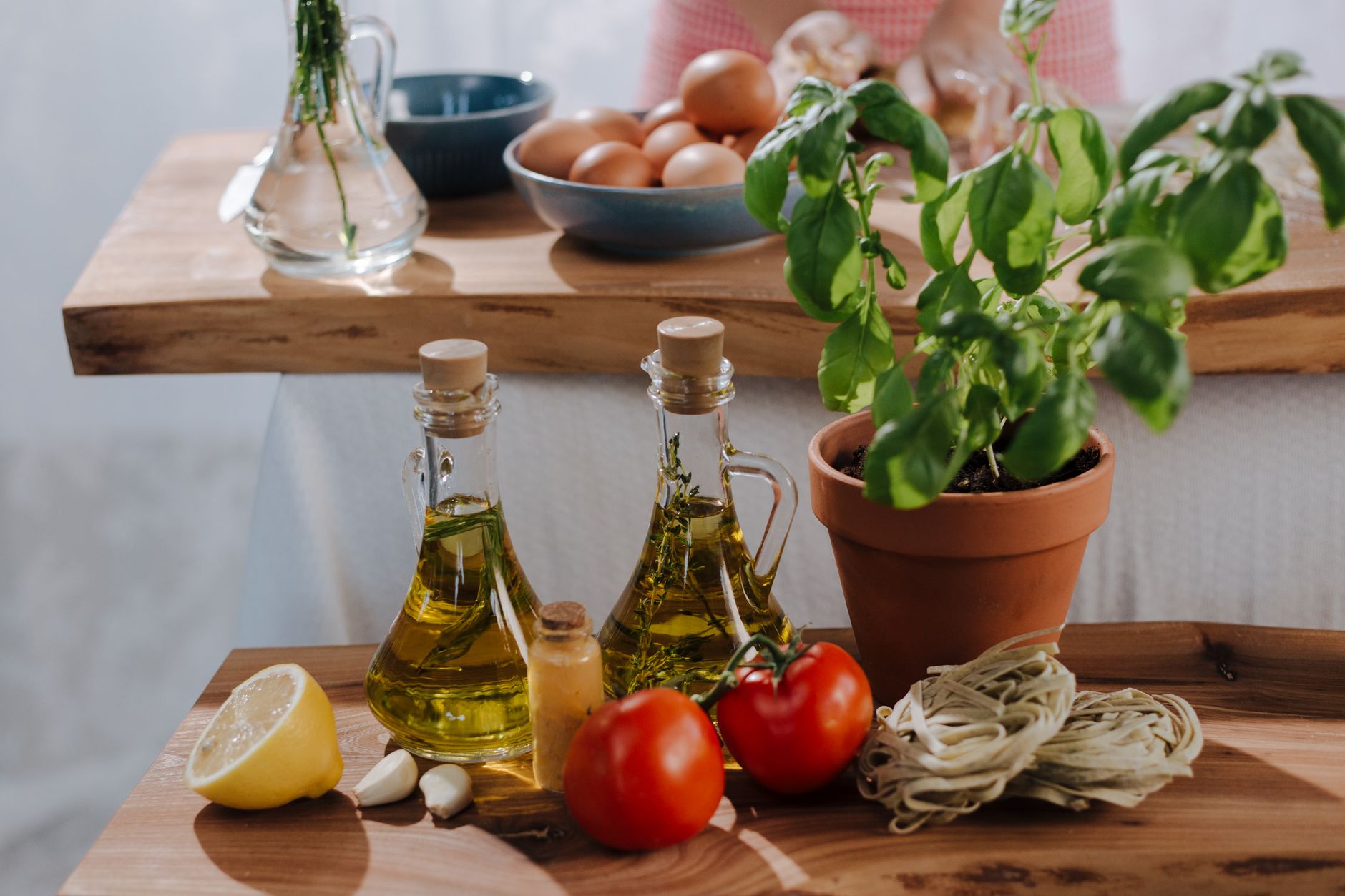
Here’s a simple recipe to get you started: Lemon-Garlic Chicken.
- Marinate chicken breasts in olive oil, minced garlic, lemon juice, dried oregano, and a pinch of black pepper for at least 30 minutes.
- Grill or bake until fully cooked (165°F internal temperature).
- Serve with roasted vegetables and a side of quinoa.
If you’re looking for more flavorful cooking techniques, the French diet is another fantastic resource—it emphasizes fresh ingredients, herbs, and minimal processing, making it naturally low in sodium.
---
Low Sodium Foods High in Potassium for Pregnancy: Balancing Electrolytes
During pregnancy, maintaining a balance of electrolytes is crucial, especially potassium. Potassium helps regulate blood pressure, supports muscle function, and keeps your heart healthy—all of which are especially important when managing a low sodium diet. Here are some of the best low sodium, high potassium foods to include in your meals:
Incorporate these foods into meals like this:
- Add spinach to smoothies or blend it into sauces.
- Bake sweet potatoes and top with avocado and salsa.
- Mix white beans into salads or soups for extra protein.
- Snack on cantaloupe or pair salmon with roasted vegetables.
If you’re curious about other nutrient-dense foods, the DASH diet is another excellent resource—it’s specifically designed to help manage blood pressure and includes many of these same potassium-rich foods.
---
Low Sodium Diet for High Blood Pressure: What You Need to Know
High blood pressure, or hypertension, affects millions of women, and diet plays a critical role in managing it. A low sodium diet is one of the most effective ways to reduce blood pressure naturally. According to the National Heart, Lung, and Blood Institute (NHLBI), reducing sodium intake by as little as 1,000 mg per day can lead to significant improvements in blood pressure readings.
Here’s what you need to know:
- Target Sodium Intake: Aim for 1,500 mg or less per day if you have hypertension. This is especially important if you’re also managing other conditions like diabetes or kidney disease.
- Potassium Matters: Increasing potassium-rich foods can help counteract the effects of sodium. Pairing foods like bananas, sweet potatoes, and spinach with low sodium meals can help balance electrolytes.
- Avoid Processed Foods: Processed foods like deli meats, frozen meals, and canned soups are major sources of hidden sodium. Opt for fresh, whole ingredients whenever possible.
- Cook at Home: Homemade meals give you full control over sodium levels. Use herbs, spices, and citrus to flavor dishes instead of salt.
- Limit Salt Substitutes: While some salt substitutes like potassium chloride can be useful, they’re not suitable for everyone—especially those with kidney disease or on certain medications. Always check with your provider before using them.
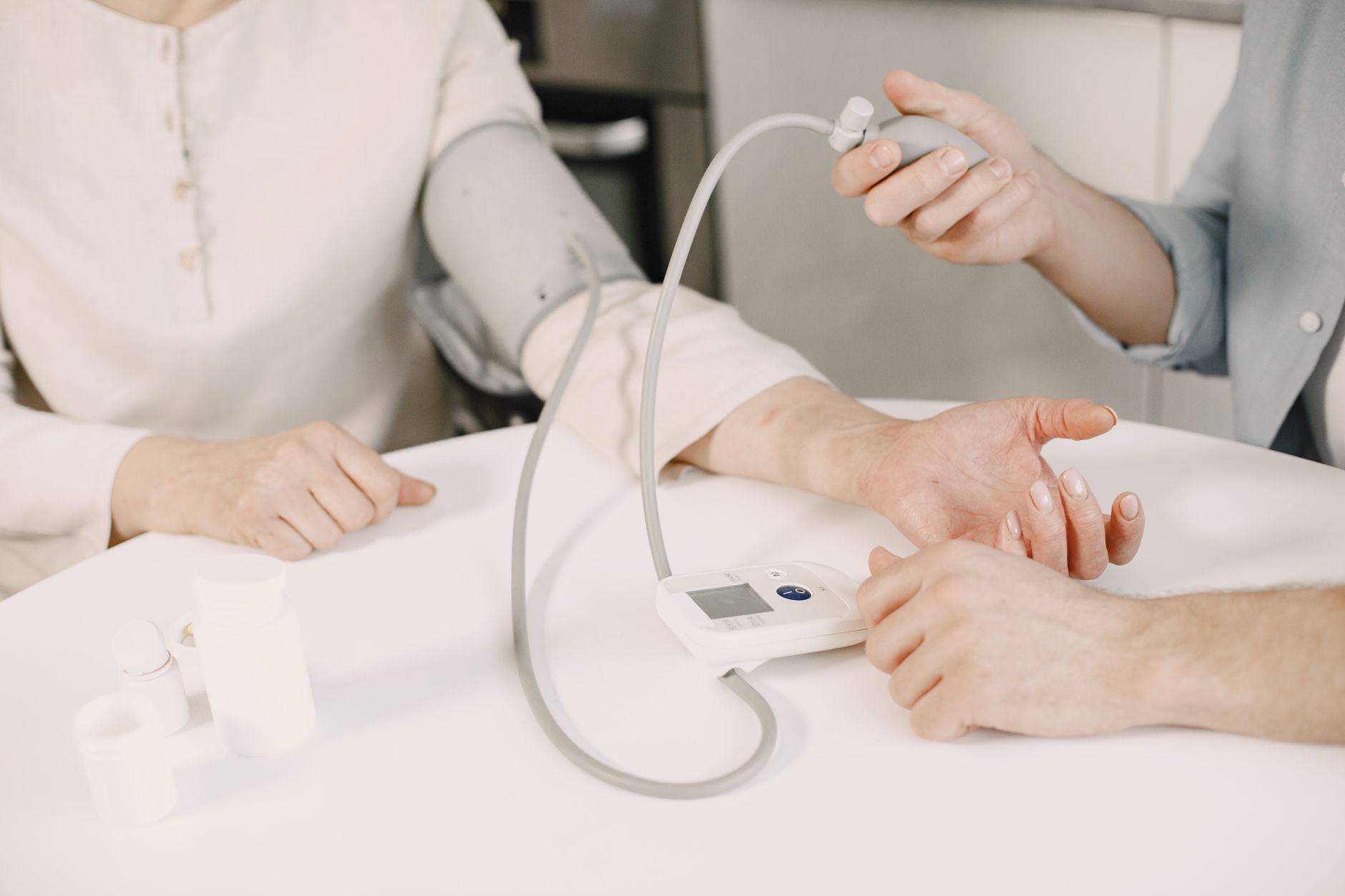
If you’re managing hypertension, it’s also worth noting that pregnancy can sometimes complicate blood pressure management, so always work closely with your healthcare provider to tailor your diet to your specific needs.
---
Low Sodium Diet Benefits: Why Cutting Back on Salt Is Worth It
Switching to a low sodium diet isn’t just about managing hypertension or pregnancy—it’s about improving overall health. Here are some of the key benefits you can expect:
- Lower Blood Pressure: Reducing sodium intake is one of the most effective ways to lower blood pressure naturally. Over time, this can reduce the risk of heart disease and stroke.
- Better Kidney Function: High sodium intake can strain the kidneys, especially for those with pre-existing kidney disease. Cutting back can help protect kidney function.
- Reduced Bloating and Water Retention: Excess sodium causes the body to retain water, leading to bloating and puffiness. A low sodium diet can help reduce this discomfort.
- Improved Digestion: Many processed foods contain artificial additives that can irritate the digestive system. Fresh, whole foods are gentler on your gut.
- Better Taste Over Time: After a few weeks, your taste buds adjust to lower sodium levels, and you may find that you actually prefer less salty food.
- Weight Management: Processed foods are often high in calories and low in nutrients. Swapping them for whole foods can help with weight control.
For pregnant women, a low sodium diet can also help prevent gestational hypertension and preeclampsia, two serious conditions that can affect both mother and baby. If you’re curious about other dietary benefits, the French diet is another great example of a lifestyle that emphasizes whole foods and minimal processing, leading to long-term health benefits.
---
Low Sodium Diet Side Effects: What to Watch For
While a low sodium diet is generally safe and beneficial, it’s not without potential side effects—especially when transitioning to a lower sodium intake. Here’s what to be aware of:
- Headaches: Some people experience headaches in the first few days of reducing sodium, as the body adjusts to lower fluid retention.
- Fatigue or Dizziness: If you’re not getting enough electrolytes (like potassium and magnesium), you might feel lightheaded or tired. This is more common if you’re also limiting other nutrients.
- Muscle Cramps: Low sodium can sometimes lead to imbalances in other electrolytes, causing muscle cramps or spasms.
- Increased Appetite for Salt: At first, your taste buds may crave salt, but this usually fades after a few weeks as you adjust.
- Digestive Changes: If you’re reducing processed foods, you might notice changes in digestion, like constipation or diarrhea, as your gut microbiome adjusts.
If you experience severe symptoms like persistent headaches, confusion, or irregular heartbeat, contact your healthcare provider. These could indicate a more serious electrolyte imbalance.
To avoid side effects, make the transition gradually. Start by reducing sodium in one meal per day, and gradually expand to others. Stay hydrated, and consider incorporating potassium-rich foods to balance your electrolytes.
---
Low Sodium Diet vs. Low Carb: What’s the Difference?
If you’ve ever tried a low carb diet, you might wonder how it compares to a low sodium diet. While both diets focus on reducing certain nutrients, they serve different purposes and have distinct benefits. Here’s how they differ:
Some women combine elements of both diets—for example, eating low carb foods that are also low in sodium, like grilled chicken and roasted vegetables. However, it’s important to ensure you’re still getting enough electrolytes, especially if you’re cutting back on carbs and increasing fat intake.
If you’re curious about low carb diets, the French diet often includes elements of both—focusing on fresh, whole foods while naturally limiting processed ingredients, which are often high in both sodium and carbs.
---
Managing Sodium Cravings: Tips to Stay on Track
Let’s be real: sodium cravings are real, and they can be tough to resist, especially when you’re used to salty snacks. The good news? There are ways to satisfy those cravings without derailing your low sodium diet. Here’s how:
- Try Unsalted Nuts: Almonds, walnuts, or cashews are naturally crunchy and satisfying. Just make sure they’re unsalted—even "lightly salted" versions can add up.
- Sip on Lemon Water: The tanginess of lemon can mimic the salty taste you’re craving. Add a slice of lemon to your water for extra flavor.
- Snack on Roasted Chickpeas: Chickpeas are naturally low in sodium when roasted at home with olive oil and spices. They’re crunchy, protein-packed, and satisfying.
- Use Herbs and Spices Liberally: If you’re craving salt, your body might just be craving flavor. Sprinkle your meals with fresh herbs, garlic powder, or smoked paprika.
- Try Pickles (No Salt Added): Some brands offer pickles made with no salt added. These can satisfy a salty craving without the sodium overload.
- Distract Yourself: Sometimes, cravings pass if you give them time. Try brushing your teeth, drinking water, or going for a short walk to see if the craving fades.
If you’re struggling with cravings, remember that it’s okay to have a small treat occasionally. The key is balance. If you do indulge, try to pair it with a healthy meal or snack to keep your overall intake in check.
---
Monitoring Sodium Intake and Health Markers
Tracking your sodium intake can feel overwhelming, but it doesn’t have to be. Here are some simple ways to stay on top of your numbers:
- Use a Food Diary: Apps like MyFitnessPal or Cronometer can help you log your meals and track sodium intake. Aim to stay within your daily limit.
- Check Labels Religiously: Even "healthy" foods can contain hidden sodium. Always check labels, and opt for "no salt added" or low sodium versions when possible.
- Cook at Home: Homemade meals give you full control over sodium levels. Use herbs, spices, and citrus to flavor dishes instead of salt.
- Monitor Blood Pressure: If you’re managing hypertension, keep a log of your blood pressure readings. You may notice improvements as you reduce sodium.
- Stay Hydrated: Drinking plenty of water helps flush excess sodium out of your body. Aim for at least eight glasses per day.
- Listen to Your Body: Pay attention to how you feel. If you’re experiencing headaches, fatigue, or dizziness, it might be a sign of an electrolyte imbalance.
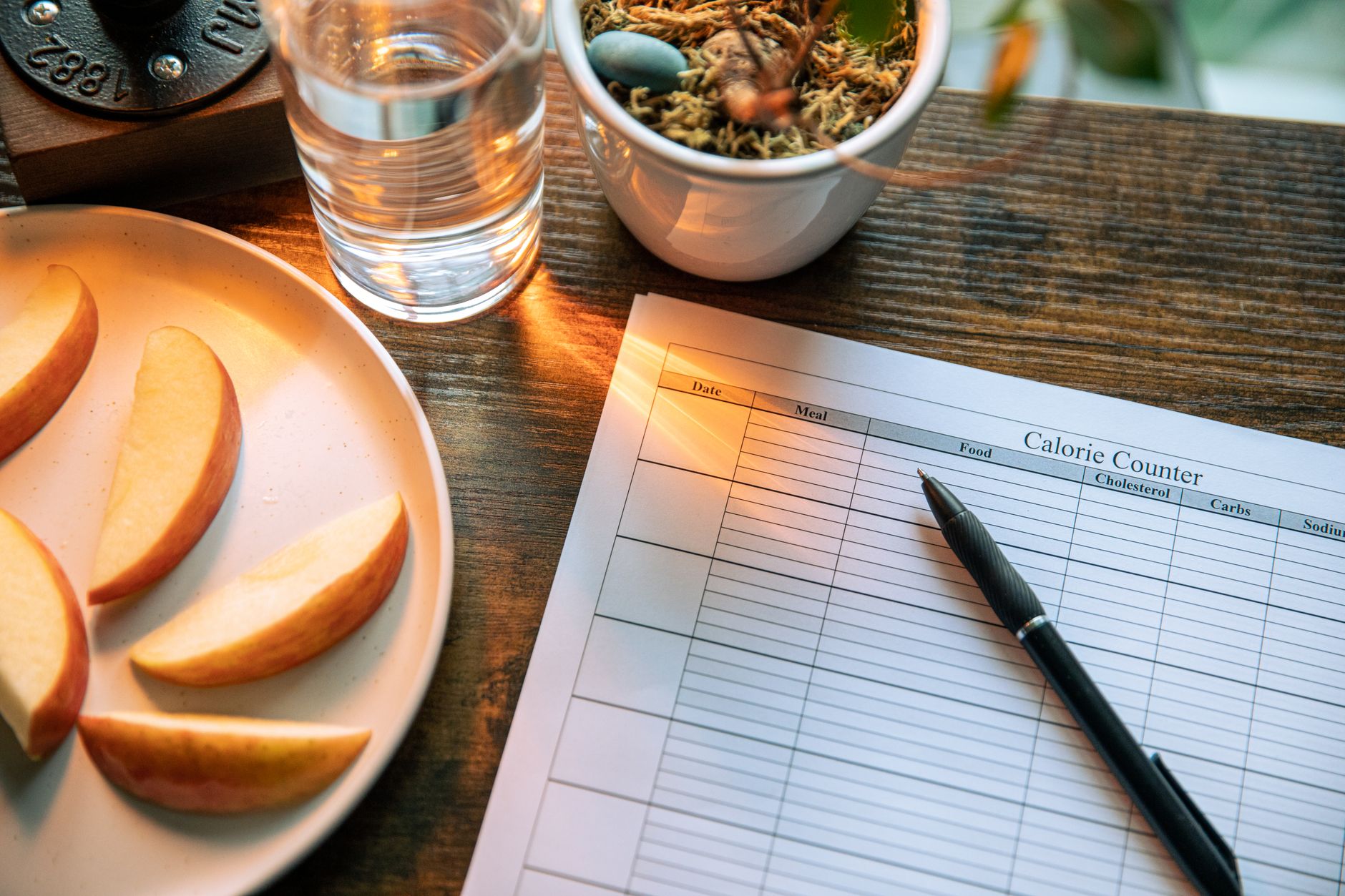
If you’re pregnant, it’s especially important to monitor your sodium intake and other health markers. Work closely with your healthcare provider to ensure you and your baby are staying healthy. For more on managing dietary needs during pregnancy, this guide has even more tailored advice.
---
Myth vs. Fact: Separating Fact from Fiction About Low Sodium Diets
There’s a lot of misinformation out there about low sodium diets. Let’s set the record straight with a few common myths:
- Myth: A low sodium diet means no flavor.
- Fact: Far from it! Fresh herbs, spices, citrus, and umami-rich ingredients can make your meals just as flavorful—or even more so—than salty dishes. The key is experimentation.
- Myth: You can’t eat out on a low sodium diet.
- Fact: While restaurant meals are often high in sodium, you can still eat out safely. Opt for grilled proteins, fresh salads, and steamed vegetables. Ask for sauces and dressings on the side, and avoid breaded or fried dishes.
- Myth: All processed foods are off-limits.
- Fact: Some processed foods are lower in sodium than you might think. Always check the label, and choose "no salt added" or low sodium versions when possible. For example, some canned beans and soups are surprisingly low in sodium.
- Myth: You’ll always feel deprived.
- Fact: After a few weeks, your taste buds adjust, and you may find that you actually prefer less salty food. Many people report that their meals taste fresher and more vibrant.
- Myth: You can’t have snacks on a low sodium diet.
- Fact: There are plenty of satisfying low sodium snacks, from fresh fruit and nuts to roasted chickpeas and dark chocolate. The key is choosing whole, unprocessed options.
---
Key Takeaways: Your Low Sodium Diet Checklist
Here’s a quick recap of the most important takeaways to keep in mind as you start your low sodium journey:
- Start small: Gradually replace high-sodium foods with fresh, whole ingredients.
- Read labels: Always check sodium content, and opt for "no salt added" or low sodium versions.
- Cook at home: Homemade meals give you full control over sodium levels.
- Use flavor boosters: Herbs, spices, citrus, and umami ingredients can keep meals exciting.
- Stay hydrated: Drinking plenty of water helps flush excess sodium out of your body.
- Monitor your intake: Use a food diary or app to track your sodium levels and stay within your daily limit.
- Listen to your body: Pay attention to how you feel, and adjust your diet as needed.
---
Frequently Asked Questions About Low Sodium Diets
What foods are low in sodium?
Fresh, whole foods are naturally low in sodium. Focus on fruits, vegetables, lean proteins (like chicken, fish, and eggs), whole grains, and unsalted nuts. Avoid processed foods, canned soups, deli meats, and frozen meals. For a full list, check out our




