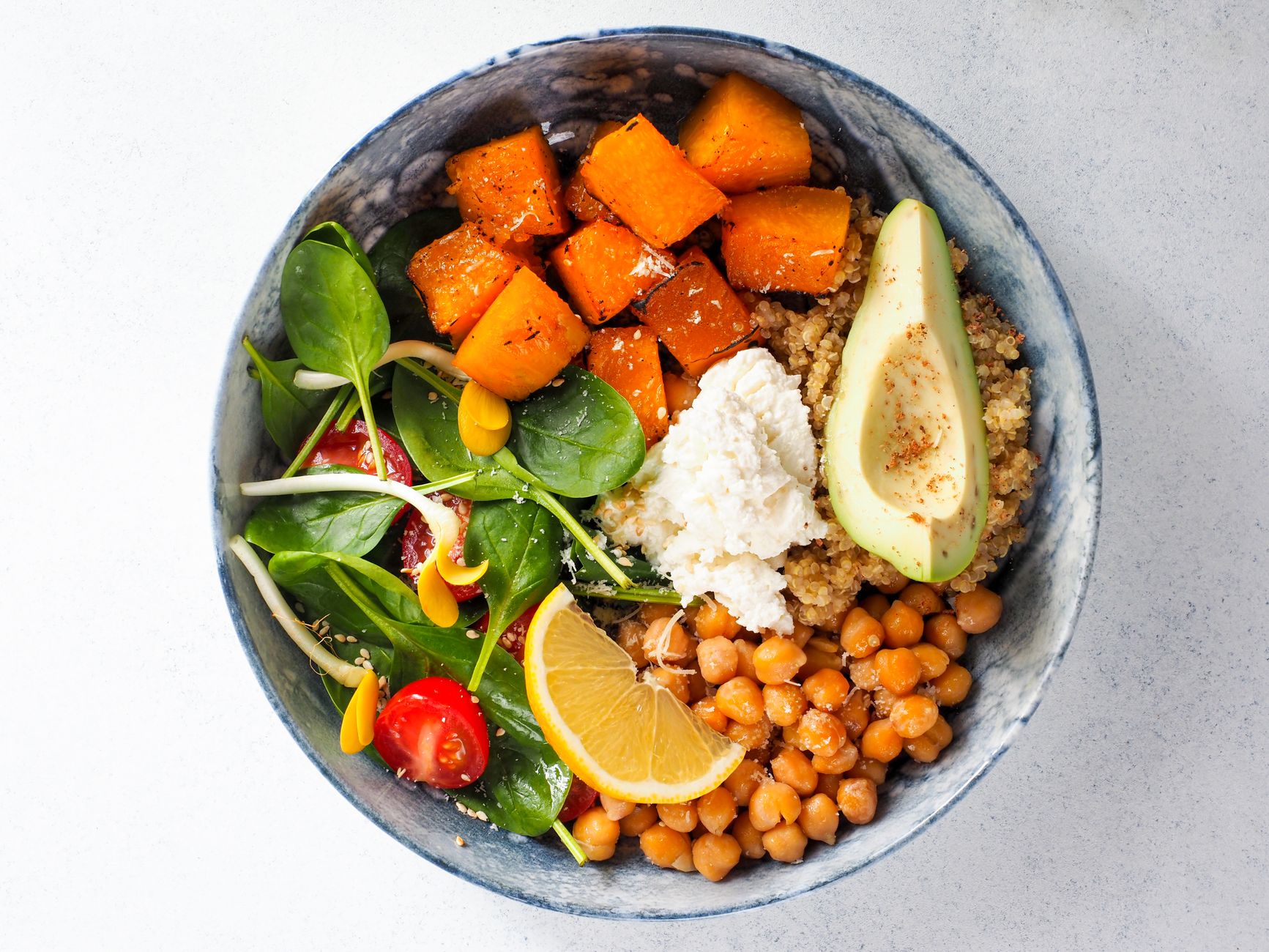
Quick take: A low cholesterol diet grocery list prioritizes fiber-rich foods, healthy fats, and plant-based proteins while avoiding saturated fats and trans fats. Think oats, beans, nuts, leafy greens, fatty fish, and whole grains. Start with the Blue Zones-inspired staples—like lentils and olive oil—and build from there. Your cart should include 25–30g of fiber daily and lean proteins to keep LDL ("bad") cholesterol in check. Pro tip: Batch-cook beans and grains on Sundays to save time during the week—many women tell us this is the game-changer that actually sticks.Low Cholesterol Diet Grocery Shopping List: The Complete 2026 Guide
You’re staring at the grocery store shelves at 9pm, your cart empty except for a half-empty carton of yogurt and a bag of chips. The doctor’s note about your cholesterol numbers is still fresh in your mind: “Diet changes first.” But what *actually* goes in a low cholesterol diet grocery list? The aisles feel like a minefield of hidden saturated fats and processed sugars. You remember something about oats and nuts, but beyond that? Blank.
You’re not alone. Many women—especially those juggling work, kids, or chronic conditions—feel overwhelmed by the idea of overhauling their diet. But here’s the good news: lowering cholesterol through food is simpler than it seems. It’s not about deprivation; it’s about swapping smart. This guide cuts through the noise with a practical, budget-friendly, and inclusive grocery list that works for every lifestyle—whether you’re a busy mom, a vegetarian, or managing diabetes. We’ll even break down what to do if you’re pregnant or gluten-free.
By the end, you’ll have a ready-to-use shopping list, tips to save money, and a clear understanding of which foods to prioritize (and avoid). Let’s start with the basics.
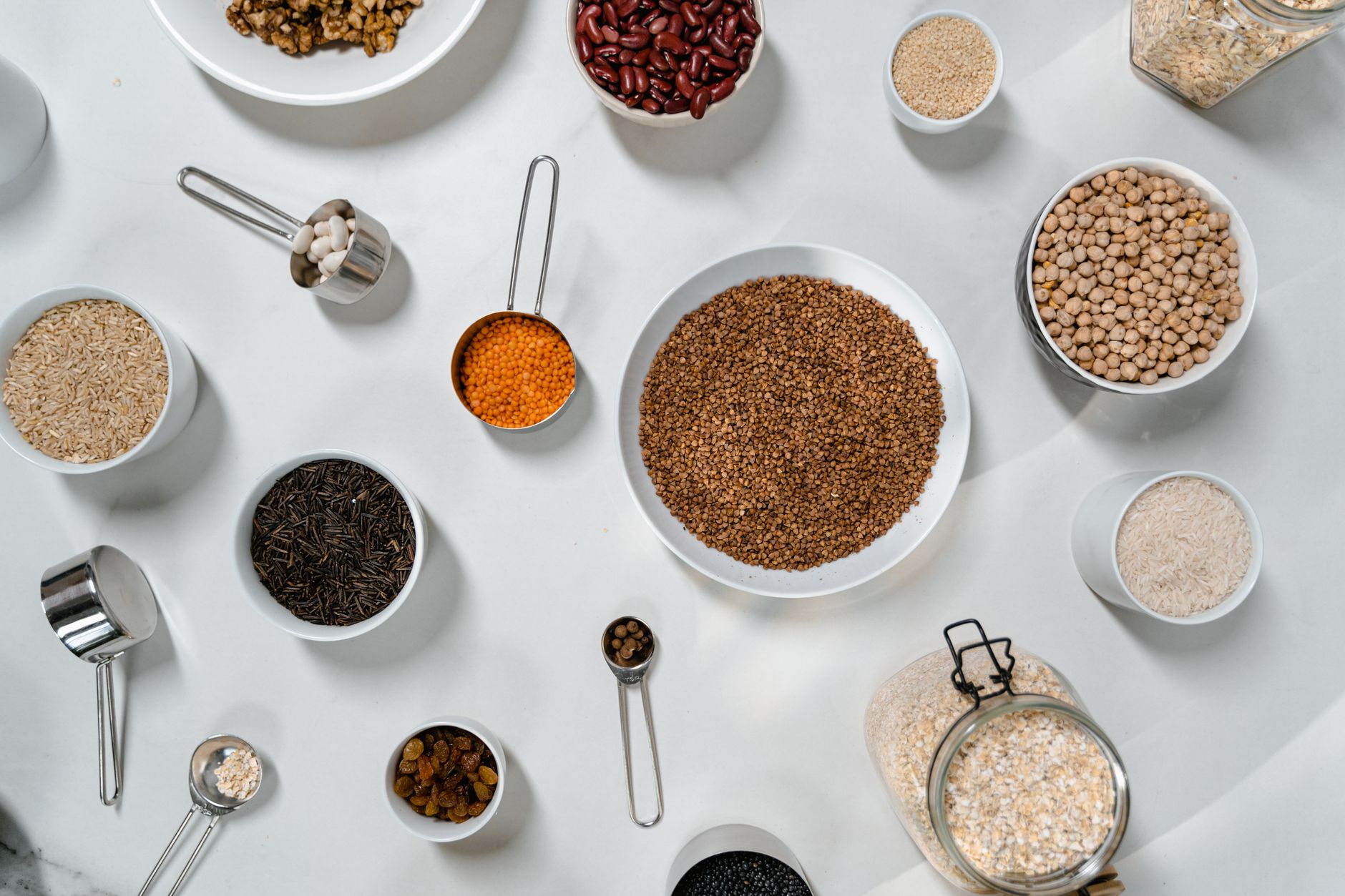
--- ## **What Foods Are Best for a Low Cholesterol Diet Grocery List?** The cornerstone of a low cholesterol diet is reducing saturated fats and trans fats while loading up on foods that boost HDL ("good" cholesterol) and lower LDL ("bad" cholesterol). Think of it like cleaning a clogged pipe: you remove the blockages (saturated fats) and add what helps the flow (fiber, healthy fats, and plant sterols). ### **The Science Behind It** Cholesterol isn’t all bad—your body needs it to build cells and hormones. But when LDL cholesterol builds up in your arteries, it can lead to plaque formation, increasing the risk of heart disease. The good news? Diet can shift the balance in your favor. The American Heart Association (AHA) recommends: - 25–30g of fiber daily (found in whole grains, fruits, vegetables, and legumes). - Replacing saturated fats (butter, fatty meats, full-fat dairy) with unsaturated fats (olive oil, avocados, nuts). - Eating more plant sterols (found in fortified foods like oatmeal or nuts), which can block cholesterol absorption. ### **How Fiber Actually Works** Fiber doesn’t just lower cholesterol—it also helps stabilize blood sugar and keeps you full longer. Soluble fiber (found in oats, beans, and apples) forms a gel-like substance in your digestive tract that binds to cholesterol and removes it from your body. Many women underestimate how easy it is to hit their fiber goals: a simple bowl of oatmeal with berries can provide 8g of fiber in one sitting. --- ## **How to Shop for a Low Cholesterol Diet on a Budget** You don’t need to break the bank to eat for your heart. The key is prioritizing affordable, high-impact foods and minimizing waste. Here’s how to shop smarter: ### **Budget-Friendly Staples** Start with these low-cost, high-fiber, and cholesterol-friendly foods: - **Oats** (cheap, versatile, and packed with soluble fiber—aim for 3g per serving). - **Beans and lentils** (dried or canned; lentils cost as little as $1/lb and provide 8g of fiber per cup). - **Frozen vegetables** (just as nutritious as fresh, often cheaper, and last longer). - **Brown rice or quinoa** (whole grains that replace refined carbs like white rice or pasta). - **Egg whites or liquid egg whites** (a protein powerhouse without the cholesterol of whole eggs). ### **Pro Tips for Saving Money** 1. **Buy in bulk** for staples like nuts, seeds, and whole grains. 2. **Opt for store brands**—they’re just as regulated and often cheaper than name brands. 3. **Use frozen or canned produce** when fresh is out of season (e.g., canned tomatoes, frozen spinach). 4. **Plan meals around cheap proteins** like eggs, beans, and lentils instead of meat. 5. **Check the sales flyer** and stock up on discounted grains and frozen veggies. ### **Hidden Savings: Store Brands vs. Name Brands** Many store-brand products contain the same ingredients as their pricier counterparts, just without the marketing costs. For example, a $3 bag of store-brand oats has the same fiber content as a $5 name-brand oatmeal. One reader shared: *“I switched to store-brand canned beans and saved $20/month—enough to buy extra nuts for snacks!”* ---