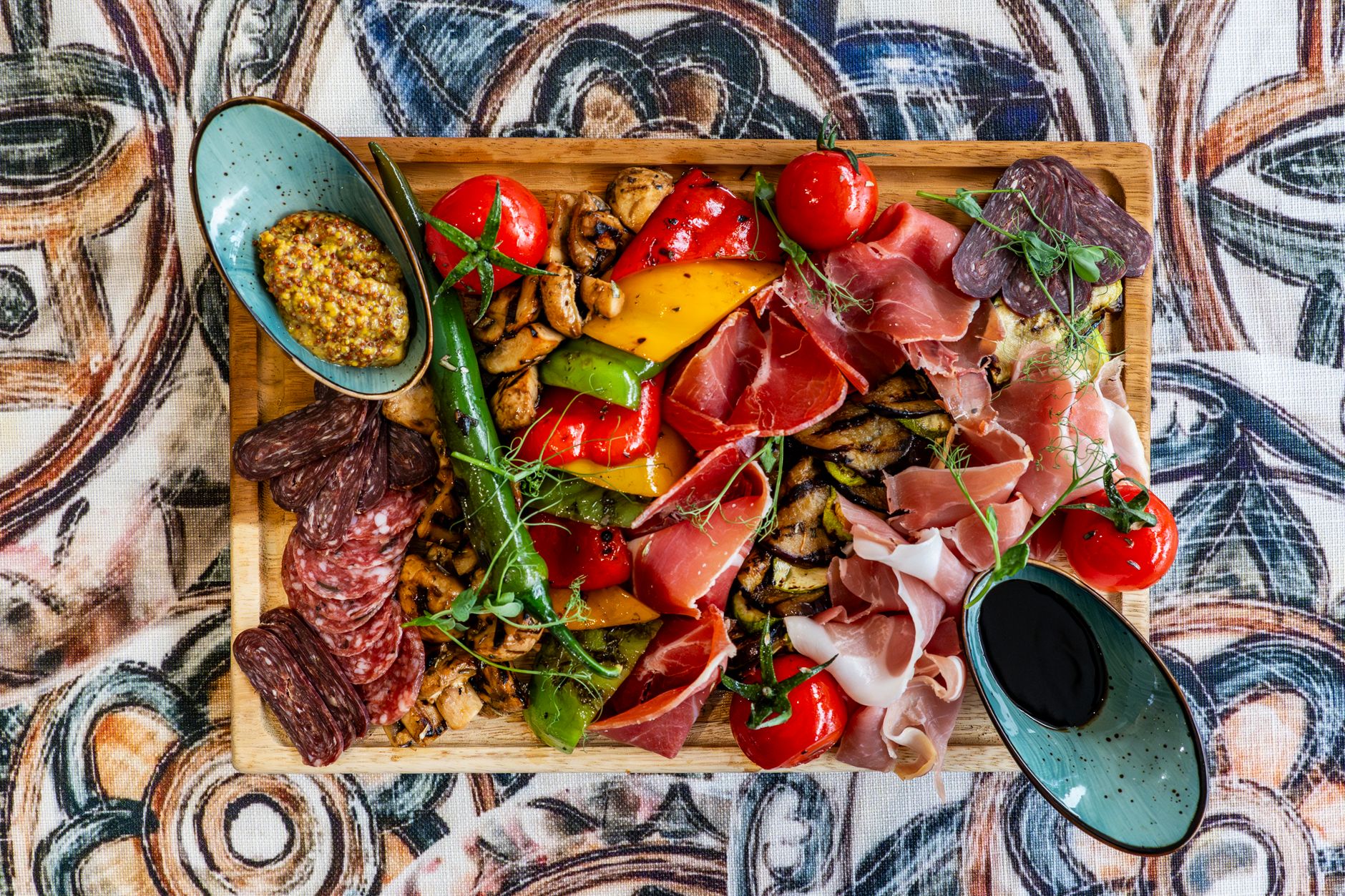
hen you’re just starting, the key is to focus on foods that naturally support heart health. These are the power players:
- Fiber-rich foods: Oats, beans, lentils, apples, pears, broccoli, Brussels sprouts.
- Healthy fats: Avocados, nuts (almonds, walnuts), seeds (chia, flax), olive oil.
- Lean proteins: Skinless poultry, fatty fish (salmon, mackerel, sardines), tofu, tempeh.
- Plant sterols: Found in fortified foods like orange juice, margarine, and cereals.
- Whole grains: Quinoa, brown rice, whole wheat bread, barley.
Many readers tell us they feel lost in the aisles, so here’s a simple way to shop:
- Start with the perimeter of the grocery store (produce, dairy, meats) for fresh, whole foods.
- Avoid the center aisles unless you’re grabbing fiber-rich cereals or plant-based proteins.
- Check labels for added sugars, trans fats, and saturated fats (aim for <10% daily value per serving).
One reader described her first trip: "I bought a bag of frozen spinach, a carton of eggs, and a big tub of Greek yogurt. That’s it. No stress. No guilt. Just simple, healthy swaps."
What about supplements?
While food is your best tool, some beginners ask about supplements like psyllium husk or plant sterols. If you’re struggling to get enough fiber (aim for 25–30g/day), psyllium husk can help—but always check with your doctor first. Plant sterols (found in dairy-free margarines or fortified foods) may also support cholesterol reduction.
Low cholesterol diet meal plan for beginners: 7 days of easy, balanced meals
Here’s what a typical day looks like for beginners—simple, flavorful, and heart-healthy. Think of this as a flexible template you can adjust to your tastes.
Need more variety? Swap in flexitarian meals like lentil curry or whole-grain pasta with pesto (use olive oil-based, not butter-based).
How to prep ahead
Batch-cook grains (quinoa, brown rice) and proteins (chicken, lentils) on Sundays. Store in airtight containers for 3–4 days. Freeze portions of soups or stews for busy nights.
Low cholesterol snack ideas for beginners: Quick and satisfying
Snacks are where many people slip up—grab a bag of chips or a handful of pretzels, and suddenly, the day’s cholesterol goals are off track. But healthy snacks are easy to find if you plan ahead. Here are 10 beginner-friendly ideas:
- Apple slices with almond butter
- Handful of mixed nuts (almonds, walnuts, cashews)
- Greek yogurt with berries
- Hummus with veggie sticks (carrots, cucumbers, bell peppers)
- Hard-boiled eggs with everything bagel seasoning
- Avocado toast on whole-grain bread
- Trail mix with dried fruit and nuts (no chocolate)
- Edamame with sea salt
- Dark chocolate (70%+) with a handful of walnuts
- Popcorn (air-popped, no butter)
Pro tip: Keep pre-cut veggies and pre-portioned nuts in clear containers in your fridge or pantry so you’re not tempted by less healthy options.
How to start a low cholesterol diet as a beginner: Step-by-step
You don’t have to overhaul your entire diet overnight. Start with these 5 simple steps:
- Swap one thing at a time. Replace white bread with whole-grain, or swap butter for olive oil in your cooking. Small changes add up.
- Add, don’t just subtract. Focus on adding fiber-rich foods (like beans or oats) rather than just cutting out fats. This makes the diet feel more balanced.
- Meal prep on Sundays. Cook grains and proteins in bulk to make weeknight meals easier. Even 30 minutes of prep saves time later.
- Read labels. Look for foods with <10% daily value of saturated fat per serving. Avoid trans fats entirely.
- Drink water. Sometimes thirst is mistaken for hunger. Aim for 8 cups a day.
"I started by just adding a side of beans to my meals," shares one reader. "Then I swapped my regular pasta for whole wheat. No drastic changes—just small, sustainable swaps."
What about alcohol?
Alcohol can raise LDL cholesterol, so if you drink, opt for dry wines or light beers in moderation (1 drink/day for women). Avoid sugary cocktails or mixed drinks.
Low cholesterol breakfast options for beginners: Fuel your day right
Breakfast sets the tone for the rest of your day. These 5 easy, cholesterol-friendly options take less than 10 minutes:
- Overnight oats: Mix ½ cup oats, ½ cup almond milk, 1 tbsp chia seeds, and a handful of berries. Refrigerate overnight and enjoy cold.
- Avocado toast: Mash ½ avocado on whole-grain toast, sprinkle with sea salt, and top with cherry tomatoes.
- Greek yogurt parfait: Layer Greek yogurt with granola and sliced banana.
- Scrambled eggs with spinach: Cook 2 eggs in olive oil, add a handful of spinach, and season with black pepper.
- Smoothie: Blend 1 cup spinach, 1 banana, 1 tbsp flaxseed, and 1 cup almond milk.
Need more ideas? Check out our French diet guide for inspiration—many of their breakfasts are naturally heart-healthy!
Low cholesterol dinner recipes for beginners: 3 foolproof meals
Dinner doesn’t have to be complicated. These 3 easy, flavorful recipes take 30 minutes or less:
1. One-Pan Lemon Garlic Salmon with Asparagus
- Preheat oven to 400°F (200°C).
- Place salmon fillets on a baking sheet lined with parchment paper.
- Drizzle with olive oil, lemon juice, minced garlic, salt, and pepper.
- Add asparagus spears around the salmon.
- Bake for 12–15 minutes until salmon flakes easily.
Serves: 2 | Prep time: 5 minutes | Cook time: 15 minutes
2. Turkey and Black Bean Tacos
- Cook 1 lb ground turkey in a skillet with taco seasoning.
- Add 1 can black beans (drained) and warm through.
- Serve in whole-wheat tortillas with shredded lettuce, salsa, and avocado.
Serves: 4 | Prep time: 10 minutes | Cook time: 10 minutes
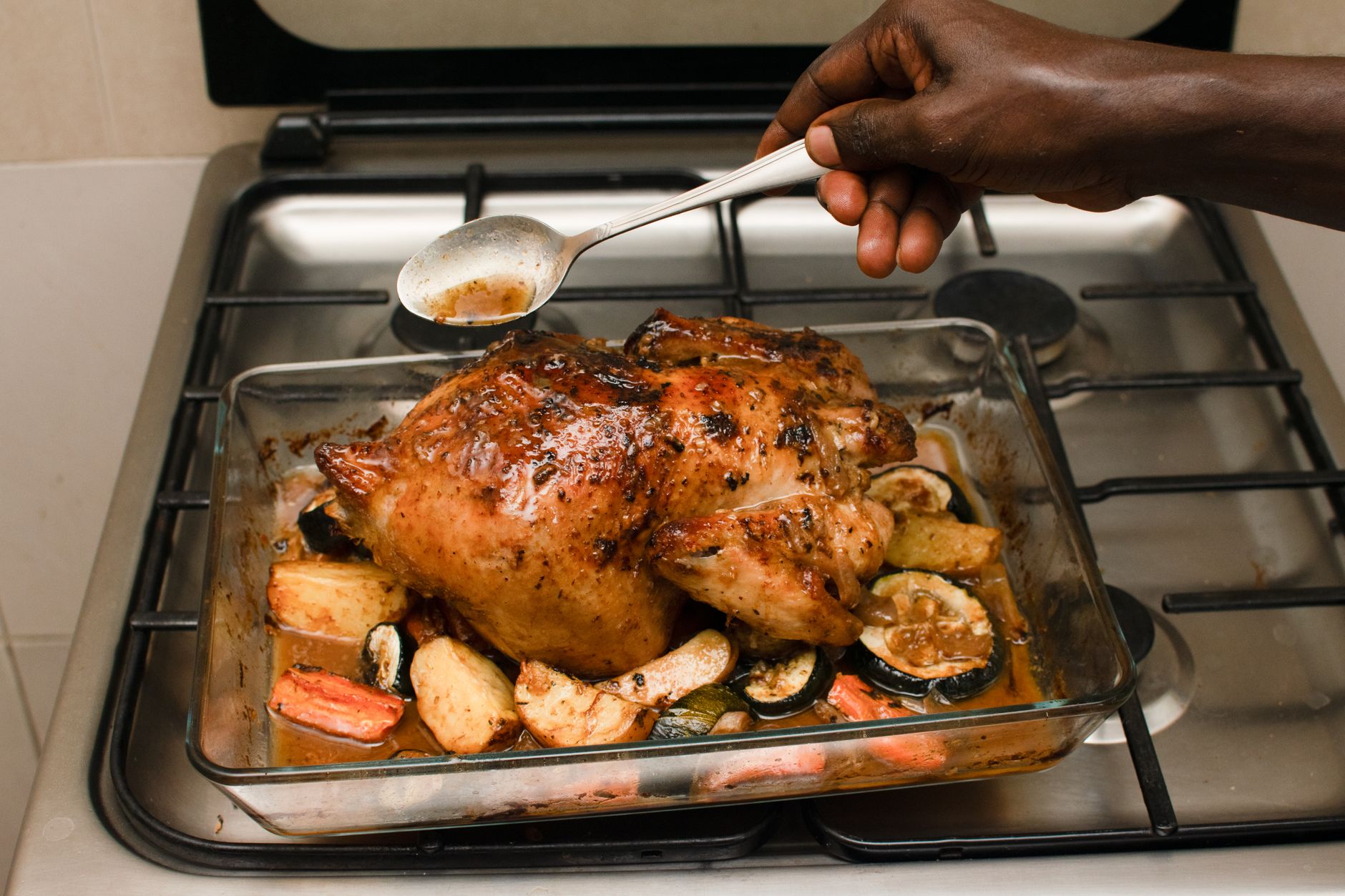
3. Baked Chicken with Roasted Vegetables
- Preheat oven to 375°F (190°C).
- Place chicken breasts on a baking sheet. Drizzle with olive oil, garlic powder, and paprika.
- Toss chopped veggies (zucchini, bell peppers, carrots) with olive oil and roast alongside chicken.
- Bake for 25–30 minutes until chicken reaches 165°F (74°C).
Serves: 4 | Prep time: 10 minutes | Cook time: 30 minutes
Need more dinner inspiration? Try swapping in DASH diet recipes—they’re designed for heart health too!
Low cholesterol grocery list for beginners: Stock your kitchen
Here’s a comprehensive grocery list to get you started. Buy in bulk where possible to save money.
Produce
- Leafy greens (spinach, kale, arugula)
- Berries (blueberries, strawberries, raspberries)
- Apples and pears
- Avocados
- Bell peppers
- Broccoli and Brussels sprouts
- Carrots and celery
- Garlic and onions
- Sweet potatoes
Proteins
- Skinless chicken breast
- Ground turkey (93% lean or higher)
- Fatty fish (salmon, mackerel, sardines)
- Eggs
- Canned tuna (in water)
- Lentils and chickpeas
- Tofu or tempeh
Grains and Bread
- Oats (rolled or steel-cut)
- Quinoa
- Brown rice
- Whole-grain bread
- Whole-wheat pasta
Dairy and Alternatives
- Greek yogurt (unsweetened)
- Cottage cheese
- Almond milk (unsweetened)
- Fortified plant-based yogurt
Nuts, Seeds, and Healthy Fats
- Almonds, walnuts, cashews
- Chia seeds and flaxseeds
- Olive oil
- Avocado oil
Pantry Staples
- Black beans, lentils, chickpeas (canned or dry)
- Hummus
- Olives
- Nuts and seeds (for snacking)
- Low-sodium soy sauce or tamari
Condiments and Spices
- Lemon juice
- Garlic powder
- Turmeric
- Cinnamon
- Herbs (basil, oregano, thyme)
Pro tip: Buy frozen veggies if fresh ones are expensive—they’re just as nutritious and last longer.
Low cholesterol diet benefits for beginners: What to expect
Many beginners wonder: Will this actually work? The short answer? Yes—but it depends on consistency. Here’s what most people see:
- Lower LDL ("bad") cholesterol: Studies show a low cholesterol diet can reduce LDL by 5–15% in 2–4 weeks.
- Better heart health: Reduced inflammation and improved blood pressure.
- More energy: Fiber and healthy fats stabilize blood sugar, preventing energy crashes.
- Weight management: High-fiber foods keep you full longer, reducing cravings.
- Improved digestion: More fiber means fewer constipation issues.
"After just 2 weeks, my energy levels shot up, and I felt less bloated," says one reader. "I didn’t expect that!"
How long until I see results?
The American Heart Association notes that most people see changes in LDL cholesterol within 2–4 weeks. However, other benefits (like improved blood pressure or weight loss) may take longer. Stick with it for at least 3 months to see the full impact.
Low cholesterol diet side effects for beginners: What to watch for
While a low cholesterol diet is generally safe, some beginners experience temporary adjustments:
- Gas or bloating: Increasing fiber too quickly can cause digestive discomfort. Solution: Gradually add fiber and drink plenty of water.
- Fatigue: If you’re not eating enough calories, you may feel low energy. Solution: Include healthy fats (avocado, nuts) in every meal.
- Cravings: Cutting back on processed foods can trigger cravings at first. Solution: Keep healthy snacks on hand.
- Hormonal changes (in women): Some women notice shifts in their cycle due to reduced saturated fat intake. Solution: If this persists, consult your doctor.
Most side effects fade within a few weeks as your body adjusts.
Low cholesterol diet vs. Mediterranean diet: What’s the difference?
You’ve probably heard of the Mediterranean diet—it’s often ranked as the #1 diet for heart health. So how does it compare to a low cholesterol diet?
Many experts recommend elements of both diets. The Mediterranean diet is more flexible and sustainable long-term, while a low cholesterol diet is targeted for specific cholesterol goals.
If you’re managing high blood pressure, a low cholesterol diet can help—but there are extra steps to take:
- Reduce sodium: Aim for <1,500 mg/day. Use herbs, spices, and lemon juice instead of salt.
- Increase potassium: Foods like bananas, sweet potatoes, and spinach help balance sodium.
- Limit alcohol: Stick to <1 drink/day for women.
- Exercise regularly: Combine the diet with 30 minutes of walking daily.
For more, check out our DASH diet guide, which is specifically designed for blood pressure management.
Low cholesterol diet for weight loss beginners: Does it work?
Yes—but not just because it’s low in cholesterol. The real weight-loss magic comes from:
- High fiber: Keeps you full longer, reducing cravings.
- Healthy fats: Stabilize blood sugar and prevent energy crashes.
- Less processed food: Fewer empty calories, more nutrients.
"I lost 10 pounds in 2 months without feeling deprived," says one reader. "I just swapped out chips for nuts and white rice for quinoa."
How much weight can you expect to lose?
Weight loss depends on your starting point and activity level, but many people lose 1–3 pounds per month on a low cholesterol diet—especially if they’re also active. For faster results, combine it with anti-inflammatory foods or strength training.
Low cholesterol diet for diabetes beginners: Key adjustments
If you have diabetes, a low cholesterol diet can help manage blood sugar—but you’ll want to focus on:
- Low-glycemic foods: Choose whole grains (quinoa, barley) over white bread or pasta.
- Healthy fats: Avocado, nuts, and olive oil help slow digestion and prevent blood sugar spikes.
- Fiber-rich foods: Beans, lentils, and berries help regulate glucose levels.
- Portion control: Even healthy fats can add up in calories.
Monitor your blood sugar closely when making changes, and work with your doctor to adjust medications if needed.
Myth vs. Fact: Common misconceptions about low cholesterol diets
Let’s clear up some confusion:
Myth: "You have to give up all fats to lower cholesterol."
Fact: You don’t need to eliminate fats—just swap saturated fats for healthy fats. Saturated fats (butter, fatty cuts of meat) raise LDL, while unsaturated fats (olive oil, nuts, avocado) support heart health.
Myth: "Eggs are off-limits because they’re high in cholesterol."
Fact: Dietary cholesterol (from eggs) has less impact on blood cholesterol than saturated fats. Most people can enjoy 1–2 eggs/day without issues—but if your cholesterol is very high, check with your doctor.
Myth: "A low cholesterol diet means eating boring, bland food."
Fact: Far from it! Flavors come from herbs, spices, citrus, and healthy fats. Think lemon-garlic salmon, spicy chickpeas, or roasted garlic and rosemary potatoes.
Myth: "You’ll feel deprived if you cut out red meat."
Fact: Many people don’t miss red meat at all once they try lean proteins like chicken, fish, or plant-based options. Plus, leaner meats are often more flavorful when seasoned well.
Key takeaways: Your low cholesterol diet checklist
- Focus on fiber, healthy fats, and lean proteins—these are your cholesterol-lowering superstars.
- Start with small swaps (whole grains for refined, nuts for chips) rather than drastic changes.
- Aim for 25–30g of fiber daily to see the biggest benefits.
- Meal prep on Sundays to save time and reduce temptation.
- Drink plenty of water—hydration helps digestion and energy.
- Most people see results in 2–4 weeks, but consistency is key.
Frequently asked questions about low cholesterol diets
What foods are low in cholesterol?
Cholesterol is found only in animal products, so plant-based foods have zero dietary cholesterol. Focus on:
- Fruits and vegetables
- Whole grains
- Legumes (beans, lentils, chickpeas)
- Nuts and seeds
- Healthy fats (olive oil, avocado)
Even animal products like eggs and dairy contain cholesterol, but their impact on blood cholesterol varies. The American Heart Association notes that dietary cholesterol has a smaller effect on blood cholesterol than saturated fats.
How does a low cholesterol diet help heart health?
A low cholesterol diet works in multiple ways:
- Reduces LDL ("bad") cholesterol: Fiber and healthy fats help remove LDL from your bloodstream.
- Lowers inflammation: Plant-based foods reduce markers of inflammation linked to heart disease.
- Improves blood pressure: Potassium-rich foods (like bananas and sweet potatoes) help relax blood vessels.
- Supports healthy blood sugar: Fiber slows digestion, preventing spikes that strain the heart.
Studies show that people who follow a low cholesterol diet have a 30% lower risk of heart disease over time.
Can a low cholesterol diet help with weight loss?
Yes, but not because it’s "low-calorie." The real weight-loss benefits come from:
- High fiber: Keeps you full longer, reducing cravings.
- Healthy fats: Prevent energy crashes and stabilize hunger hormones.
- Less processed food: Fewer empty calories, more nutrients.
Many readers report 1–3 pounds of fat loss per month without feeling deprived. For faster results, combine it with strength training.
What is a typical low cholesterol meal plan?
Here’s a snapshot of a balanced day:
- Breakfast: Oatmeal with chia seeds, berries, and almond butter
- Snack: Handful of walnuts and an apple
- Lunch: Grilled chicken salad with kale, avocado, and olive oil dressing
- Snack: Hummus with carrot sticks
- Dinner: Baked salmon with quinoa and steamed broccoli
Need more ideas? Our 7-day meal plan table earlier in this article has even more options!
Are there any foods that should be avoided on a low cholesterol diet?
Yes—focus on limiting these:
- Saturated fats: Fatty cuts of meat, butter, cream, cheese, and full-fat dairy
- Trans fats: Found in fried foods, margarine, and some packaged snacks
- Processed meats: Bacon, sausage, deli meats (high in sodium and saturated fat)
- Refined carbs: White bread, white rice, sugary cereals (low fiber, spike blood sugar)
- Sweetened beverages: Soda, juice, and sugary coffee drinks
Instead, opt for whole, minimally processed foods as much as possible.
How long does it take to see benefits from a low cholesterol diet?
The American Heart Association reports that most people see changes in LDL cholesterol within 2–4 weeks. However, other benefits (like improved blood pressure or weight loss) may take longer. Stick with it for at least 3 months to see the full impact on heart health.
One reader shared: "After 6 weeks, my doctor said my LDL had dropped by 12 points. I was shocked!"
When to see a doctor or specialist
While a low cholesterol diet is generally safe, see your doctor if:
- You experience severe digestive issues (bloating, diarrhea) that don’t improve after a few weeks.
- You notice unexplained fatigue or dizziness—this could indicate low energy intake.
- You have diabetes or kidney disease—your diet may need extra adjustments.
- Your cholesterol doesn’t improve after 3 months of consistent effort.
- You’re pregnant or breastfeeding—nutritional needs change, and supplements may be needed.
If your cholesterol is very high or you have a family history of heart disease, your doctor may recommend additional testing or medications (like statins) alongside dietary changes.
References
- American Heart Association. (2023). Diet and Lifestyle Recommendations to Lower Cholesterol. https://www.heart.org