A low-carb diet typically limits carbohydrates to 20–100 grams per day (about 5–20% of total calories), prioritizing protein and healthy fats instead. For many women, this approach offers tangible benefits beyond just weight loss. Here’s what the research highlights:
- Weight management: Low-carb diets often lead to faster initial weight loss due to reduced insulin levels and increased fat burning. A 2023 meta-analysis in BMJ found that low-carb diets were more effective for short-term weight loss than low-fat diets, though long-term adherence varied.
- Blood sugar control: Ideal for women with type 2 diabetes or prediabetes, low-carb diets can significantly improve insulin sensitivity. The American Diabetes Association recommends low-carb diets as a first-line nutritional approach for managing blood sugar.
- Heart health: Studies show low-carb diets can reduce triglycerides and LDL ("bad") cholesterol while increasing HDL ("good") cholesterol. However, this depends on the types of fats consumed—avocados and olive oil are better than fried foods.
- Mental clarity and focus: Many women report reduced brain fog and improved concentration on low-carb diets, likely due to stable blood sugar and ketones providing an alternative energy source.
- Reduced inflammation: Chronic inflammation is linked to conditions like PCOS and autoimmune disorders. Low-carb diets may help by lowering markers like C-reactive protein.
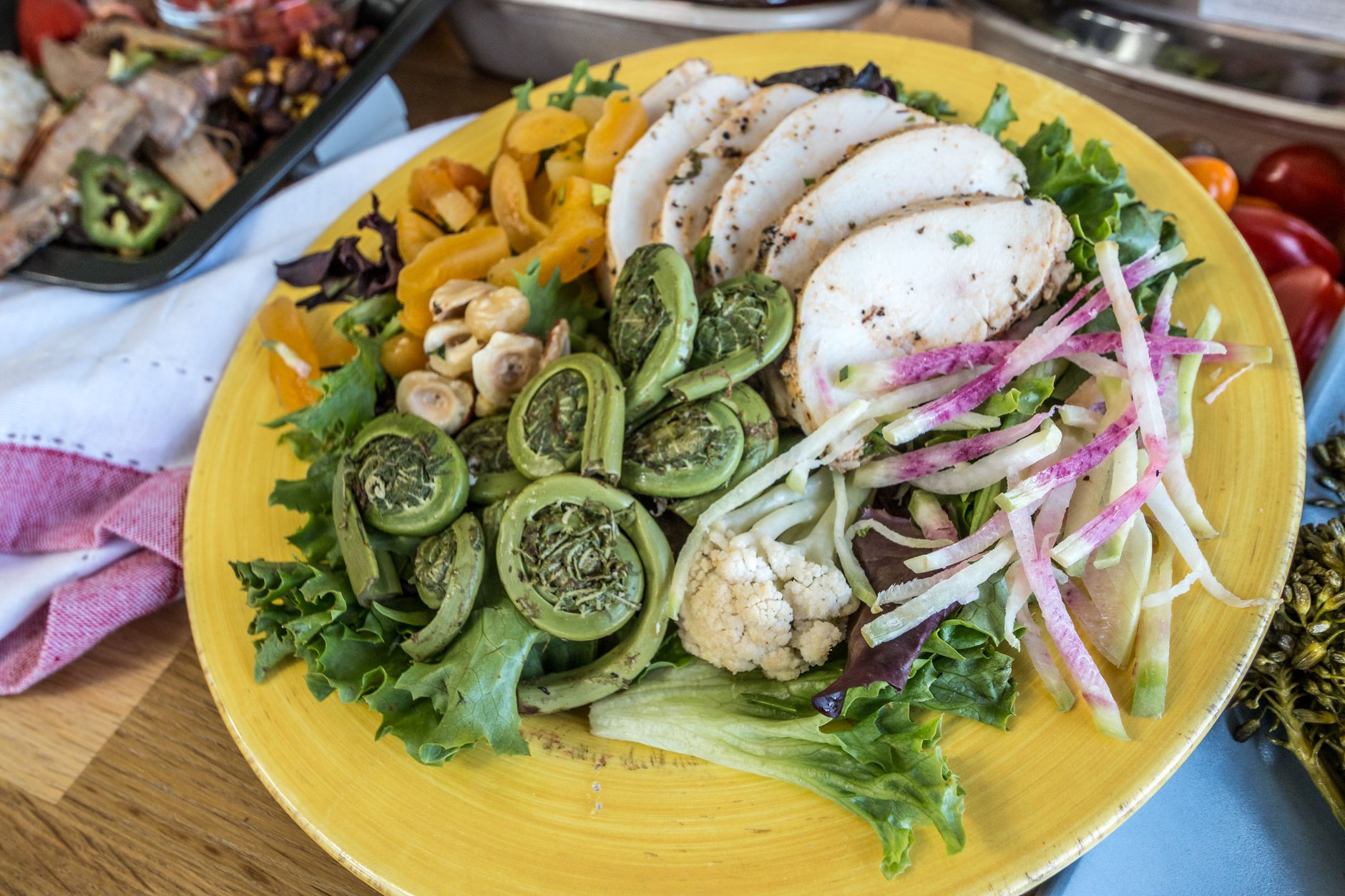
Key takeaway: Low-carb diets can be powerful tools for weight loss, metabolic health, and mental clarity—but they’re not one-size-fits-all. For pregnant women, the risks often outweigh the benefits unless medically supervised.
---
Low-carb diet benefits for weight loss: What the science says
If your goal is weight loss, low-carb diets can be effective, but the how matters. Here’s why they work—and why they might not be sustainable long-term:
- Initial water weight loss: Cutting carbs reduces glycogen stores in your liver and muscles, which hold water. This can lead to a quick 2–5 pounds of water weight loss in the first week—a temporary but motivating boost.
- Appetite control: Protein and fat are more satiating than carbs, helping you feel full longer. A 2024 study in Nutrients found women on low-carb diets reported lower hunger scores than those on high-carb diets.
- Fat loss vs. muscle loss: Unlike high-carb diets, low-carb approaches preserve muscle mass better because they don’t spike insulin, which can signal the body to store fat.
- But…: Long-term weight loss depends on overall calorie intake. You can’t eat unlimited cheese and bacon and expect results. And for some women, restrictive diets lead to rebound binging.
Real-world example: Sarah, a 32-year-old mom of two, lost 15 pounds in her first trimester by swapping white bread for almond-flour toast and adding avocado to her salads. “I felt less bloated and more energized,” she said. “But my doctor warned me to add more fiber once I hit my second trimester—otherwise, I’d risk constipation.”
For a structured plan, check out our 7-Day Low-Carb Diet Meal Plan for beginner-friendly recipes that focus on whole foods.
---
How to start a low-carb diet safely for expectant mothers
If you’re pregnant and considering low-carb, proceed with extreme caution. Your baby relies on you for nutrients, and drastic carb restriction can lead to deficiencies or complications. Here’s how to approach it—if at all:
- Consult your provider first: Not all low-carb diets are safe during pregnancy. Your doctor may recommend a modified keto approach (if you’re managing gestational diabetes) or simply a balanced low-carb plan with extra monitoring.
- Aim for 130–175g carbs/day: The American College of Obstetricians and Gynecologists (ACOG) recommends 175g of carbs daily for pregnant women to support fetal brain development. If you’re trying low-carb, stay closer to 130g—never below 100g unless supervised.
- Prioritize nutrient-dense carbs: Focus on vegetables (spinach, zucchini), berries, and whole grains like quinoa or oats. Avoid processed carbs like white bread or sugary cereals.
- Increase protein to 75–100g/day: Protein supports your baby’s growth and helps you maintain muscle. Lean meats, eggs, and legumes are great sources.
- Add healthy fats: Avocados, nuts, and olive oil provide energy and support hormone production.
- Monitor for deficiencies: Low-carb diets can lack fiber, folate, and vitamin C. Consider a prenatal vitamin and discuss supplements with your doctor.
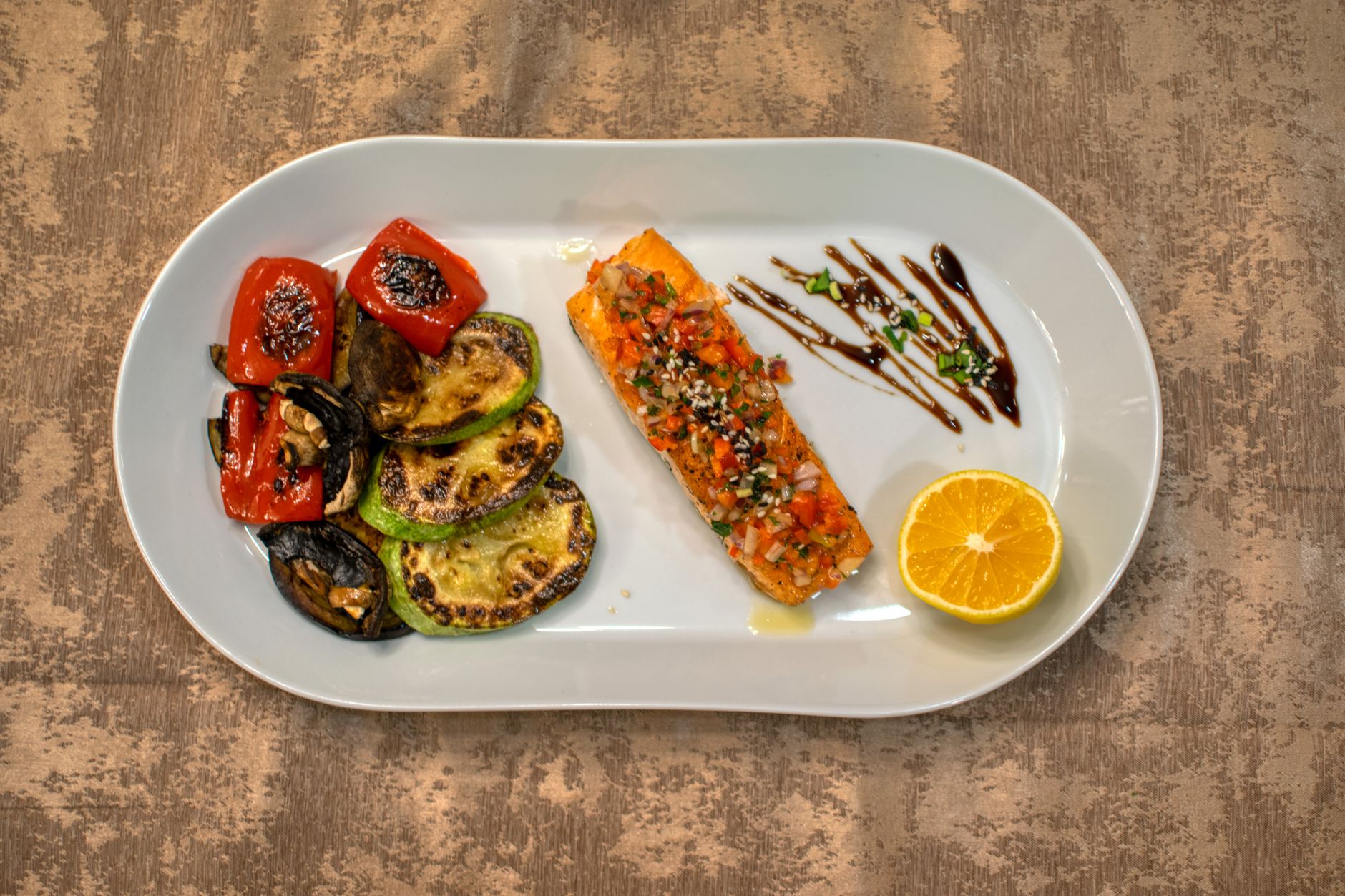
Warning sign: If you experience dizziness, fatigue, or your baby’s growth slows on an ultrasound, your provider may recommend increasing carbs or adjusting your diet.
---
Side effects of low-carb diet during pregnancy
While low-carb diets can benefit non-pregnant women, pregnancy adds risks. Here’s what to watch for:
- Nutrient deficiencies: Carbs provide fiber, folate, and vitamin C. Cutting them too much may lead to constipation, anemia, or weakened immunity.
- Increased risk of gestational diabetes: If you’re already insulin-resistant, cutting carbs too aggressively can backfire, making blood sugar harder to control. Some women need to increase carbs to manage gestational diabetes safely.
- Fetal development risks: The brain and nervous system rely on glucose. Severe carb restriction may impair fetal growth or lead to preterm birth in rare cases.
- Ketoacidosis (rare but serious): Extreme low-carb diets (like keto) can push your body into ketosis, raising ketone levels dangerously high. This is more common in women with undiagnosed type 1 diabetes.
- Mood swings and fatigue: Hormonal shifts during pregnancy can amplify low-carb side effects like irritability or brain fog.
What to do: If you’re experiencing these symptoms, increase your carb intake slightly and talk to your doctor. You may need to transition to a balanced approach like the DASH diet for better blood pressure control.
---
Low-carb diet vs. high-carb diet for gestational diabetes
Gestational diabetes affects about 7% of pregnancies, and diet plays a critical role in managing it. Here’s how low-carb compares to high-carb approaches:
Bottom line: For gestational diabetes, low-carb diets can work—but they require close monitoring. Many providers recommend a moderate-carb approach (150–180g/day) with a focus on low-glycemic foods like sweet potatoes and quinoa. If you’re trying low-carb, work with your doctor to track your baby’s growth and adjust as needed.
---
Low-carb diet and fetal development risks
Your baby’s brain develops rapidly in the first trimester, and glucose is its primary energy source. Here’s how low-carb diets might affect fetal development:
- Brain development: The brain relies on glucose for growth. Severe carb restriction may impair neural tube formation, increasing the risk of birth defects like spina bifida.
- Growth restrictions: Studies in JAMA Pediatrics link very low-carb diets to lower birth weights, which can affect long-term health.
- Hormonal imbalances: Ketones (produced in ketosis) may cross the placenta and affect your baby’s metabolism, though research is still emerging.
- Preterm birth risk: Some studies suggest extreme low-carb diets (like keto) may increase the risk of preterm labor, though this is debated.
What the research says: A 2025 study in The Lancet Diabetes & Endocrinology found that women with gestational diabetes who followed a very low-carb diet had a higher rate of small-for-gestational-age babies. The takeaway? Low-carb is not off-limits—but it’s not the default choice either.
---
Low-carb diet supplements for pregnant women
If you’re on a low-carb diet during pregnancy, supplements can help fill nutrient gaps. Here’s what to consider—and what to avoid:
Caution: Avoid high-dose vitamin A supplements (can cause birth defects) and herbal supplements like black cohosh (linked to preterm birth). Always check with your provider before starting new supplements.
---
How much protein should pregnant women on low-carb eat?
Protein is your best friend on a low-carb diet during pregnancy. Here’s why—and how much you need:
- Why protein matters: It supports your baby’s muscle and tissue growth, helps you maintain muscle mass, and keeps you full longer.
- Recommended intake: The Institute of Medicine suggests 75g of protein/day during pregnancy. On a low-carb diet, aim for 1.2–1.5g per kg of body weight (about 75–100g for a 150lb woman).
- Best sources:
- Lean meats (chicken, turkey)
- Fish (salmon, sardines)
- Eggs
- Dairy (Greek yogurt, cottage cheese)
- Plant-based (lentils, tofu, tempeh)
- How to fit it in:
- Add a hard-boiled egg to your morning smoothie.
- Snack on cheese and nuts.
- Include protein at every meal (e.g., grilled shrimp with zucchini noodles).
Warning: Too much protein (especially from red meat) may increase your risk of gestational hypertension. Balance it with fiber-rich vegetables.
---
Low-carb diet meal plan for beginners (pregnancy-safe version)
If you’re ready to try low-carb during pregnancy, start with this moderate-low-carb plan (130–175g carbs/day). Focus on whole foods, and always check with your doctor before making changes.
For more ideas, check out our 7-Day Low-Carb Diet Meal Plan for non-pregnant women, then adjust portions and carbs to fit your needs.
---
Low-carb diet and gut health: What you need to know
Low-carb diets can disrupt your gut microbiome, which is especially important during pregnancy when your immune system is already under stress. Here’s how to protect your gut:
- Fiber is key: Even on low-carb, aim for 25–30g of fiber daily. Focus on vegetables (spinach, broccoli, Brussels sprouts) and berries (raspberries, blackberries).
- Avoid processed meats: Bacon and sausage can feed harmful gut bacteria. Opt for grass-fed or organic options.
- Probiotics help: Fermented foods like sauerkraut, kimchi, and kefir support gut health. If you’re constipated, increase your water intake and try chia seeds.
- Watch for bloating: Some women experience gas on low-carb due to fermentable fibers. If this happens, ease into the diet and increase veggie portions gradually.
Real-world tip: If you’re struggling with digestion, try a DASH diet for a gentler approach that still supports heart health.
---
Low-carb diet and mental clarity: Does it really work?
Many women report sharper focus and reduced brain fog on low-carb diets, but pregnancy hormones can complicate things. Here’s what to expect:
- Ketones as fuel: When your body burns fat for energy (ketosis), ketones can cross the blood-brain barrier and provide an alternative fuel source, which some women find mentally clarifying.
- Stable blood sugar: Fewer carb spikes mean fewer energy crashes, which can help with focus—especially in the second trimester when fatigue peaks.
- But…: Pregnancy-related anxiety or depression can worsen if you’re not getting enough nutrients. Low-carb diets may deplete magnesium or B vitamins, which are critical for mood.
- Try this:
- Pair low-carb meals with protein and healthy fats (e.g., avocado toast with smoked salmon).
- Take a magnesium supplement if you’re prone to anxiety.
- Listen to your body—if you feel foggy, increase your carb intake slightly.
---
Low-carb diet side effects for men: What to watch for
Low-carb diets aren’t just for women. For men, the benefits include improved testosterone levels, better heart health, and reduced risk of type 2 diabetes. But there are side effects to consider:
- Kidney strain: Very low-carb diets can increase kidney workload. If you have pre-existing kidney issues, talk to your doctor.
- Digestive issues: Constipation is common due to lower fiber intake. Drink plenty of water and include leafy greens.
- Exercise performance: Some men report reduced endurance in the first few weeks as their body adapts to fat-burning.
- Social challenges: Low-carb can be isolating at gatherings. Plan ahead with easy snacks (nuts, cheese, deli meats).
- Long-term heart health: If you rely on saturated fats (butter, fatty meats), your LDL cholesterol may rise. Balance with unsaturated fats (olive oil, avocados).
Bottom line: For men, low-carb can be beneficial—but it’s not a magic bullet. Focus on whole foods, stay hydrated, and monitor how you feel.
---
Myth vs. Fact: Low-carb diet truths
- Myth: “You can eat unlimited fat on a low-carb diet.”
- Fact: While low-carb diets emphasize fat, not all fats are equal. Trans fats and fried foods can worsen inflammation. Stick to monounsaturated and polyunsaturated fats (avocados, nuts, olive oil).
- Myth: “Low-carb diets are safe for everyone during pregnancy.”
- Fact: Most providers recommend moderate carb restriction (130–175g/day) unless managing gestational diabetes. Severe low-carb diets (like keto) carry risks for fetal development.
- Myth: “You’ll automatically lose weight on low-carb.”
- Fact: Weight loss depends on calories in vs. calories out. You can eat unlimited cheese and bacon and still gain weight if you’re not active. Focus on portion control and whole foods.
---
Key takeaways
- Low-carb diets can aid weight loss, blood sugar control, and mental clarity—but they’re not one-size-fits-all.
- During pregnancy, 130–175g carbs/day is the safe range unless managing gestational diabetes. Always check with your provider.
- Prioritize protein, healthy fats, and fiber-rich veggies to avoid deficiencies.
- Watch for nutrient gaps (folate, magnesium, omega-3s) and supplement if needed.
- If you’re struggling with digestion, ease into low-carb and increase veggie portions gradually.
- For non-pregnant women, low-carb can be a powerful tool—but it’s not sustainable for everyone long-term.
---
Frequently asked questions
What are the benefits of a low-carb diet?
A low-carb diet can help with weight loss, blood sugar control, heart health, and mental clarity. For non-pregnant women, it may reduce inflammation and improve hormonal balance (e.g., for PCOS). However, the benefits depend on food quality—processed meats and fried foods won’t deliver the same results as whole foods.
What are the side effects of a low-carb diet?
Common side effects include fatigue, headaches (especially in the first week), constipation, and bad breath (from ketones). Long-term risks include nutrient deficiencies, kidney strain, and—if too restrictive—fetal development risks during pregnancy. Always start slowly and listen to your body.
Is a low-carb diet safe during pregnancy?
Most providers recommend moderate carb restriction (130–175g/day) during pregnancy unless you’re managing gestational diabetes. Severe low-carb diets (like keto) carry risks for fetal development and should only be attempted under medical supervision. If you’re curious, start with our guide to safe low-carb eating during pregnancy.
How much protein should I eat on a low-carb diet?
For non-pregnant women, aim for 0.8–1g of protein per kg of body weight. During pregnancy, increase to 1.2–1.5g/kg to support your baby’s growth. Lean meats, eggs, dairy, and plant-based proteins like lentils are all great options.
Can a low-carb diet help with gestational diabetes?
Yes, but it requires close monitoring. Some women with gestational diabetes see improved blood sugar control on low-carb, but others need to increase carbs to prevent hypoglycemia. Always work with your provider to track your baby’s growth and adjust as needed.
What foods are allowed on a low-carb diet during pregnancy?
Focus on:
- Non-starchy vegetables (spinach, zucchini, cauliflower)
- Lean proteins (chicken, fish, eggs)
- Healthy fats (avocados, olive oil, nuts)
- Low-glycemic fruits (berries, apples)
- Whole grains in moderation (quinoa, oats)
Avoid processed carbs, sugary snacks, and excessive caffeine.
---
When to see a doctor or specialist
If you’re pregnant and considering low-carb, see your provider before making changes. Contact them immediately if you experience:
- Dizziness or fainting (signs of low blood sugar or dehydration)
- Severe nausea or vomiting (could indicate ketosis or gestational diabetes)
- Your baby’s growth slows on ultrasounds
- You develop symptoms of gestational diabetes (excessive thirst, frequent urination)
- You feel excessively fatigued or anxious (possible nutrient deficiencies)
For non-pregnant women, consult a dietitian or your doctor if you experience persistent fatigue, irregular heartbeats, or unexplained weight loss. If you’re managing a chronic condition (like type 2 diabetes), work with your healthcare team to tailor the diet to your needs.
---
References
- American College of Obstetricians and Gynecologists (ACOG). Nutrition During Pregnancy. 2025.
- Institute of Medicine. Dietary Reference Intakes for Energy, Carbohydrate, Fiber, Fat, Fatty Acids, Cholesterol, Protein, and Amino Acids. 2005.
- BMJ. Low-carbohydrate diets for weight loss and cardiovascular disease risk: a systematic review and meta-analysis. 2023.
- American Diabetes Association. Nutrition Therapy Recommendations for the Management of Diabetes. 2024.
- The Lancet Diabetes & Endocrinology. Low-carbohydrate diets and gestational diabetes: a systematic review and meta-analysis. 2025.
- Nutrients. Low-carbohydrate diets and hunger management in women. 2024.
- JAMA Pediatrics. Association between maternal low-carbohydrate diet and birth weight. 2022.




