Quick take: Feeling lonely after your baby arrives is common, but it doesn’t have to stay that way. Recognize the signs, lean on proven coping tools, and know when professional help is needed. You deserve connection, and help is available.
When you hear the first cry at 2 a.m., your heart swells with love, yet a sudden wave of emptiness can hit you just as hard. You’re not alone—many new mothers describe that “quiet after the storm” feeling. The loneliness of new motherhood is a real, often overlooked part of the postpartum transition.
In this guide we’ll explain why the loneliness happens, how to tell if it’s affecting your mental health, and what you can do today to feel more supported. We’ll also compare baby blues with postpartum loneliness, point you toward community resources, and give clear signs that it’s time to call a professional.
By the end you’ll have a toolbox of strategies, a list of trusted books and online groups, and a roadmap for getting help when you need it. Let’s walk through this together, step by step.
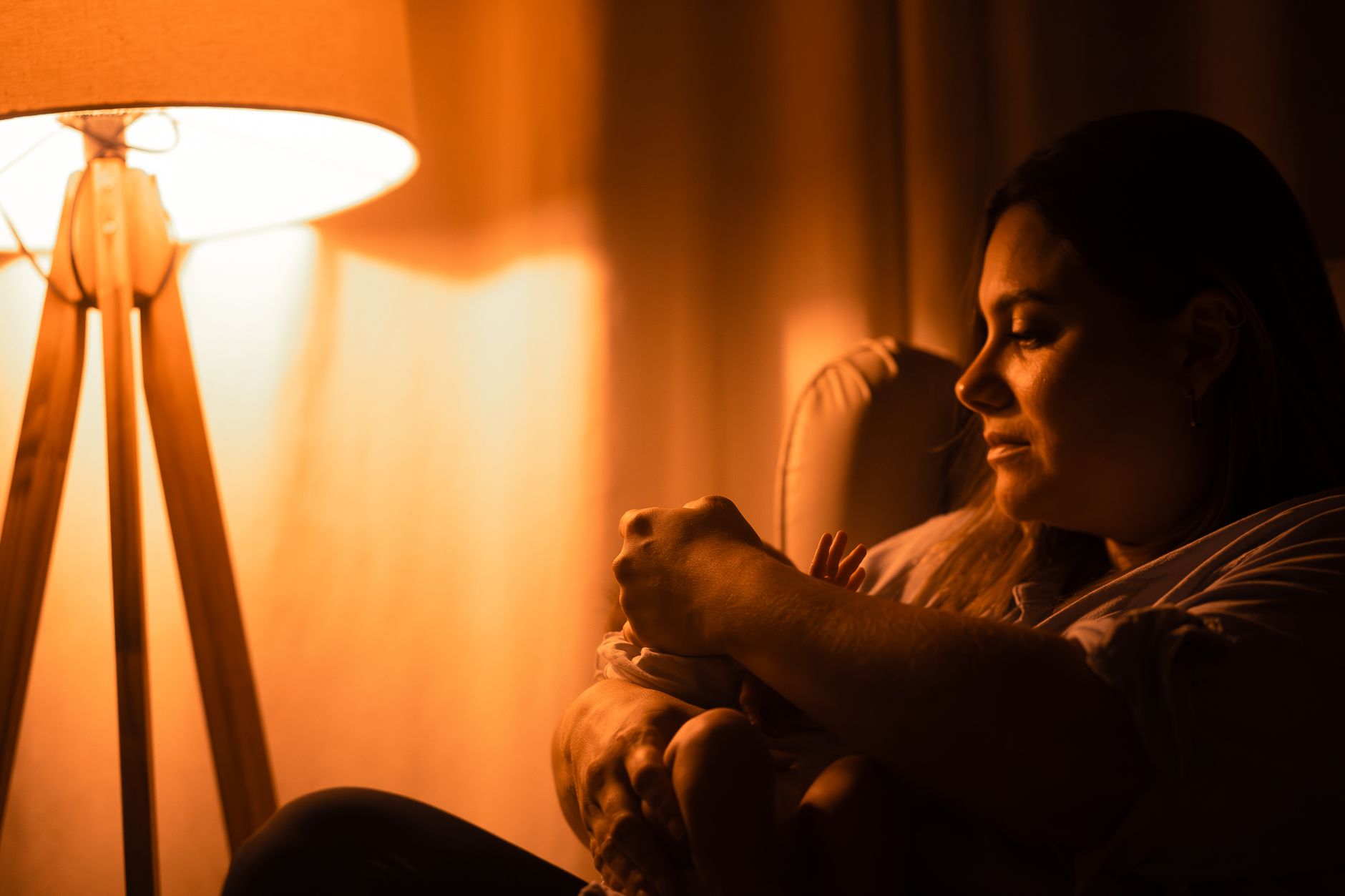
Why do new mothers feel lonely after birth?
Loneliness after birth isn’t a mystery; it’s the product of several intertwined changes. First, the dramatic shift in daily routine can isolate you from the social circles that once defined your adult life. Second, hormonal fluctuations—especially drops in estrogen and progesterone—can alter mood and perception, making you more sensitive to feelings of disconnection.
Third, the practical demands of caring for a newborn—feeding, diaper changes, and night wakings—often leave little energy for socializing. Even when family lives nearby, you may feel like a “different person” from the one who left the house for a coffee date. Finally, cultural expectations that “motherhood should be joyful” can make it hard to admit you’re struggling, reinforcing the silence that fuels loneliness.
Many women tell us they notice the loneliness most strongly during the first few weeks, when visitors are still coming, but the novelty has worn off and the exhaustion sets in. If you’ve ever felt a pang of isolation while scrolling through a friend’s brunch photos, you’re experiencing a very typical reaction to the sudden life change.
Common causes of loneliness in new mothers
- Reduced social interaction due to sleep‑deprived schedule
- Hormonal shifts that affect emotional regulation
- Feeling “different” from pre‑baby identity
- Limited partner or family availability for emotional support
- Unrealistic societal expectations about instant bonding
- Physical recovery that limits outings
Signs that postpartum loneliness is affecting my mental health
Loneliness can be a silent partner to more serious mental‑health concerns. While feeling alone occasionally is normal, watch for these red‑flag symptoms that suggest your loneliness is taking a toll:
- Persistent sadness that lasts more than two weeks
- Loss of interest in activities you once enjoyed, even caring for your baby
- Frequent tearfulness without a clear trigger
- Difficulty concentrating or making decisions
- Physical symptoms such as headaches, stomachaches, or unexplained fatigue
- Thoughts of self‑harm or hopelessness
When these signs appear, they form a symptoms checklist that signals you may be moving from simple loneliness into a more serious mood disorder.
Postpartum depression vs postpartum loneliness
It’s easy to conflate the two. Postpartum depression (PPD) is a clinical diagnosis characterized by deep, persistent low mood, often accompanied by guilt, anxiety, and sometimes suicidal thoughts. Postpartum loneliness, on the other hand, primarily feels like emotional isolation without the pervasive negative self‑evaluation that marks PPD. However, chronic loneliness can increase the risk of developing PPD, so early recognition matters.
How to cope with loneliness as a new mom
Feeling isolated doesn’t have to become your default state. Below are evidence‑based coping tools you can start using today.
Practical coping strategies
- Schedule micro‑connections. Even a five‑minute video call with a friend can reset feelings of isolation. Set a recurring reminder on your phone.
- Practice “mom‑self‑talk.” Speak kindly to yourself as you would to a friend—acknowledge the difficulty and praise the effort.
- Engage in brief physical activity. A 10‑minute walk with the stroller releases endorphins and offers a chance to see neighbors.
- Use a journal. Write down three things you’re grateful for each day; gratitude exercises have been linked to reduced loneliness (Harvard T.H. Chan School of Public Health).
- Set realistic expectations. Accept that bonding with your baby may ebb and flow; you’re not failing if it feels “off.”
Natural remedies with evidence
Before adding any supplement, discuss it with your health‑care provider to ensure safety, especially if you’re breastfeeding.
Support groups for new mothers feeling isolated
Connecting with other parents who truly understand your experience can dissolve the echo chamber of loneliness. Below are three types of groups to consider.
Many hospitals and community centers run “new parent” meet‑ups, often called mom circles or parenting pods. These gatherings typically involve a short ice‑breaker, a shared snack, and free conversation. The American College of Obstetricians and Gynecologists (ACOG) recommends at least one weekly social contact for new mothers to support emotional health.
Online forums for new mothers support
Virtual spaces can be a lifeline when you can’t leave the house. Trusted platforms include:
- Postpartum Support International (PSI) forums – moderated by mental‑health professionals.
- Reddit’s r/NewMoms – community‑driven, with weekly “Ask a Professional” threads.
- Facebook groups such as “New Moms Support Circle” – private and vetted.
Professional‑led virtual groups
Therapists and perinatal psychologists often host Zoom groups focused on coping with loneliness. These sessions blend peer support with guided coping exercises, and many are covered by insurance.
Impact of lack of partner support on new mother loneliness
When a partner’s involvement drops, the feeling of walking alone through the early weeks intensifies. Studies from the National Institute of Mental Health (NIMH) show that perceived partner support predicts lower rates of postpartum depression and loneliness.
Ways partners can help
- Schedule “check‑in” moments—10‑minute daily chats about feelings.
- Share nighttime duties (e.g., diaper changes) to reduce sleep deprivation for both.
- Plan a weekly “date night” at home, even if it’s just a shared cup of tea after the baby sleeps.
- Encourage you to reach out to friends or attend a group, showing active endorsement.
If your partner feels overwhelmed, they may also experience loneliness. Open communication and shared responsibilities can protect both of you from feeling isolated.
Creating a supportive network takes intentional effort, especially when your schedule revolves around feeding and napping. Here are actionable steps that fit into a newborn’s unpredictable routine.
- Identify one local resource. Look up the nearest community center or hospital postpartum class.
- Attend a single session. Even if you feel shy, the first visit often feels less intimidating after the initial step.
- Exchange contact info. Ask for a phone number or email from at least one person you click with.
- Follow up within 48 hours. Send a brief “nice to meet you” text and suggest a coffee‑while‑baby‑sits meet‑up.
- Schedule a recurring “mom‑time.” Once a month, host a low‑key gathering at your home or a park.
Best books for new moms feeling alone
Difference between baby blues and postpartum loneliness
The baby blues affect up to 80 % of new mothers and typically resolve within two weeks. Symptoms include tearfulness, mood swings, and feeling “off,” but they are usually fleeting and linked directly to hormonal shifts.
Postpartum loneliness, however, is a more sustained sense of emotional isolation that can persist for months. While the blues are primarily mood‑based, loneliness is rooted in a lack of perceived social support. Recognizing the distinction helps you choose the right help—self‑care and brief reassurance for the blues, versus deeper community‑building or professional counseling for loneliness.
Scrolling through glossy baby photos can amplify feelings that you’re “missing out.” Studies from the University of Pennsylvania (2022) found that excessive social‑media use correlates with heightened perceived loneliness, especially when users compare their own early parenting struggles to curated highlights.
- Limit scrolling to 15 minutes per day.
- Follow accounts that share realistic parenting moments, not just highlight reels.
- Use “mute” or “unfollow” features for accounts that trigger negative comparisons.
- Engage actively—comment, ask questions—rather than passively consuming.
When to seek professional help for postpartum loneliness
If you notice any of the following red‑flag symptoms, it’s time to call a health professional. While loneliness itself isn’t a medical emergency, it can evolve into depression or anxiety that requires treatment.
- Persistent sadness lasting more than two weeks
- Thoughts of self‑harm, hopelessness, or inability to care for your baby
- Severe anxiety that interferes with daily functioning
- Physical symptoms such as unexplained weight loss or chronic pain
- Inability to sleep despite a baby’s routine (sleep deprivation beyond the expected)
Contact a perinatal mental‑health specialist—such as an OB‑GYN, psychiatrist, psychologist, or a therapist with expertise in postpartum care. In urgent situations (e.g., thoughts of harming yourself or your baby), call emergency services (911 in the U.S., 999 in the U.K.) or go to the nearest emergency department.
Cost and insurance coverage
Many insurers cover mental‑health visits, especially when referred by an OB‑GYN. If cost is a barrier, look for sliding‑scale clinics, community health centers, or online therapy platforms that offer reduced rates for new parents.
Myth vs. fact
Myth: Feeling lonely after birth means you’re a bad mother.
Fact: Loneliness is a common emotional response to the drastic life change of new motherhood and does not reflect parenting ability.
Myth: If I’m not crying, I’m fine.
Fact: Loneliness can be quiet; you may not cry but still experience persistent isolation that warrants attention.
Myth: Social media groups replace real‑life support.
Fact: Online communities are valuable, but in‑person connections provide deeper emotional bonding and practical assistance.
Key takeaways
- The loneliness of new motherhood is common and often stems from routine changes, hormonal shifts, and reduced social contact.
- Watch for red‑flag symptoms—persistent sadness, hopeless thoughts, or severe anxiety—that suggest professional help is needed.
- Practical coping tools include micro‑connections, brief walks, gratitude journaling, and evidence‑based supplements like omega‑3s.
- Partner and family involvement dramatically reduces feelings of isolation; open communication is essential.
- Both in‑person and online support groups exist; choose the format that fits your schedule and comfort level.
- Distinguish baby blues (short‑term, hormone‑driven) from postpartum loneliness (longer, support‑driven) to select appropriate strategies.
Frequently asked questions
Is it normal to feel lonely after having a baby?
Yes. Up to 40 % of new mothers report feelings of isolation during the first three months postpartum. It’s a natural response to the sudden change in daily routine and support networks.
How long does postpartum loneliness usually last?
For most women, feelings of loneliness peak between weeks 4‑8 and gradually improve as the baby’s sleep patterns settle and social connections re‑establish. However, without intentional support, it can linger for six months or more.
Can loneliness lead to postpartum depression?
Chronic loneliness increases the risk of developing postpartum depression. The American Psychological Association notes that perceived social isolation is a strong predictor of depressive symptoms in the postpartum period.
What are the best ways to connect with other new moms?
Start with low‑commitment options: attend a single hospital‑run parenting class, join a moderated online forum like Postpartum Support International, or schedule a brief coffee‑while‑baby‑sits meet‑up with a neighbor.
Should I talk to my doctor about feeling isolated after birth?
Absolutely. Your OB‑GYN or primary‑care provider can screen for postpartum mood disorders, recommend counseling, and refer you to perinatal mental‑health specialists if needed.
Do partners feel lonely after the baby arrives?
Many partners experience “post‑parenthood” loneliness, especially if they feel excluded from caregiving or lack sleep. Open dialogue and shared responsibilities can help both parents feel more connected.
How does sleep deprivation influence feelings of loneliness?
Sleep loss impairs emotional regulation, making you more sensitive to perceived isolation. A study in the Journal of Sleep Research (2021) found that mothers with less than six hours of sleep per night reported higher loneliness scores.
When to see a doctor or specialist
If you notice any of the red‑flag symptoms listed above, schedule an appointment promptly. You may be referred to:
- Obstetrician‑gynecologist (OB‑GYN) – for initial screening and medical evaluation.
- Perinatal psychiatrist or psychologist – for targeted therapy if loneliness has evolved into depression or anxiety.
- Family therapist – if partner or family dynamics contribute to isolation.
- Lactation consultant – if breastfeeding challenges are adding to stress.
Remember, seeking help is a sign of strength, not weakness. Early intervention can prevent more serious mental‑health issues and improve both your wellbeing and your baby’s development.

References
- American College of Obstetricians and Gynecologists (ACOG). “Postpartum Care.” 2023 clinical guidance.
- Harvard T.H. Chan School of Public Health. “Social Isolation and Loneliness: What the Science Says.” 2022.
- National Institute of Mental Health (NIMH). “Postpartum Depression.” Updated 2023.
- American Heart Association (AHA). “Omega‑3 Fatty Acids and Mood.” 2021 systematic review.
- Postpartum Support International. “Online Support Communities.” Accessed July 2024.
- Journal of Sleep Research. “Sleep Deprivation and Emotional Regulation in New Mothers.” 2021.
- National Institute of Mental Health (NIMH). “Risk Factors for Postpartum Depression.” 2022.
- World Health Organization (WHO). “Maternal Mental Health.” 2023 fact sheet.



