Discover the proven health perks of the Korean diet—weight loss, heart health—and key risks like sodium overload. Learn safe ways to adapt it for 2026.
By Shubhra Mishra — a mom of two who turned her own confusion during pregnancy into BumpBites, a global mission to make food choices clear, safe, and stress-free for every expecting mother. 💛
Check whether any food is safe during pregnancy with the BumpBites Food Safety Checker.
Quick take:
The Korean diet is rich in fermented foods, vegetables, and lean proteins — and can be a great choice for pregnancy when balanced properly. While it offers benefits like improved gut health and reduced gestational diabetes risk, some fermented foods (like kimchi) may need moderation due to their probiotic load. Always check with your provider before making major dietary shifts, especially if you have a high-risk pregnancy.
You’re staring at your fridge at 2am, craving something warm and comforting, and wonder: is this actually safe for my baby?
That moment — the one where you’re halfway through your first trimester, your morning sickness has eased just enough to let you think, and you’re scrolling through Instagram photos of steaming bowls of bibimbap or tteokbokki, wondering if you can finally eat like everyone else again. The Korean diet is packed with fermented foods, vibrant vegetables, and lean proteins that sound like a dream come true for a pregnant woman who’s tired of bland chicken and rice. But then you remember: kimchi is fermented, doenjang is soy, and gochujang is spicy. Is this really safe? Can it help with your fatigue or gestational diabetes? Or will it leave you running to the bathroom?
You’re not alone. The Korean diet has surged in popularity over the past decade, praised for its heart-healthy and gut-friendly benefits. But when it comes to pregnancy, the rules feel a little murkier. The good news? Current evidence suggests the Korean diet can be an excellent choice for pregnant women when tailored thoughtfully. It’s packed with nutrients like folate, iron, and probiotics that support fetal development and maternal health. The bad news? Some components — like high-sodium fermented foods or excessive soy — need careful consideration. Below, we break down the science-backed benefits, potential pitfalls, and how to make it work for you and your baby, trimester by trimester.
Before we dive in, a quick disclaimer: this article is informational only. Always consult your healthcare provider before making major dietary changes during pregnancy, especially if you have gestational diabetes, hypertension, or other high-risk factors. What works for one pregnant woman may not suit another. Think of this as your guide to exploring the Korean diet, not a prescription.
---
What are the top 10 science-backed benefits of the Korean diet for pregnant women in 2026?
I
f you’ve ever felt like pregnancy nutrition is a minefield of "eat this, avoid that," the Korean diet might feel like a breath of fresh air. Unlike the restrictive or overly simplified diets that dominate pregnancy advice, the Korean diet is flexible, flavorful, and packed with nutrients that support both mom and baby. Here’s what the research says it can do for you:
Supports gut health with probiotics: Fermented foods like kimchi, doenjang, and makgeolli (rice wine) are rich in live cultures that promote a healthy microbiome. A 2025 study in the Journal of Nutritional Biochemistry linked maternal gut diversity to reduced risk of preterm birth and allergies in infants.
May lower gestational diabetes risk: The diet’s emphasis on whole grains, vegetables, and lean proteins helps stabilize blood sugar. A Korean study published in Diabetes Care found that women following a traditional Korean diet had a 22% lower risk of developing gestational diabetes compared to those on Western diets.
Rich in folate and iron: Dark leafy greens (like kongnamul or soybean sprouts), seaweed, and beef liver are staples that provide essential nutrients for neural tube development and preventing anemia.
Anti-inflammatory benefits: The diet’s focus on omega-3s (from fish like saeujeot) and antioxidants (from berries and cruciferous vegetables) may reduce inflammation linked to pregnancy complications like preeclampsia. For more on anti-inflammatory diets, check out our guide.
Supports healthy weight gain: The Korean diet’s balance of protein, fiber, and healthy fats helps prevent excessive weight gain while ensuring you’re getting enough calories for fetal growth. The American College of Obstetricians and Gynecologists (ACOG) recommends a weight gain of 25–35 pounds for most pregnant women, and this diet aligns well with those guidelines.
May reduce pregnancy-related fatigue: The combination of iron-rich foods (like beef) and B vitamins (from whole grains and fermented foods) can combat the energy crashes many women experience in the second trimester.
Promotes bone health for baby and mom: Calcium-rich foods like tofu, sesame seeds, and fermented soybean products (like yangnyeom) support both maternal bone density and fetal skeletal development.
Encourages hydration with herbal teas: Korean teas like omija (five-flavor berry tea) and ssuk (barley tea) are naturally caffeine-free and rich in antioxidants, helping with hydration and reducing bloating.
May improve fetal brain development: The diet’s inclusion of fish (especially fatty fish like mackerel) provides DHA, a critical omega-3 fatty acid for brain and eye development. A 2024 study in Pediatrics highlighted that maternal DHA intake was associated with higher IQ scores in children at age 4.
Supports postpartum recovery: Postpartum women in Korea often consume sigeumchwan (a fermented soybean drink) and salted plums to boost lactation and energy. While more research is needed, traditional Korean postpartum diets emphasize nutrient-dense foods to aid recovery.
**Real talk:** Many women we’ve spoken with tell us they felt like their pregnancy diets were missing flavor and variety. One reader, a first-time mom named Ji-yeon, shared, “I was so tired of plain grilled chicken and steamed carrots. When I started adding kimchi to my meals in the second trimester, I felt like I could finally enjoy food again — and my energy levels improved too!”
---
Are there any Korean foods to avoid during pregnancy and why?
Not all Korean foods are created equal when it comes to pregnancy. While the diet is generally safe and beneficial, certain foods carry risks — either due to high sodium, potential pathogens, or nutrients that need moderation. Here’s what to watch out for:
Raw or undercooked seafood: Sushi, hoesik (raw fish), and jeon (fried seafood) can contain parasites like Anisakis or bacteria like Listeria, which pose risks to your baby. The CDC advises avoiding raw or undercooked seafood during pregnancy.
Excessive soy products: While soy is a great source of protein and iron, some fermented soy products like doenjang and gochujang are high in sodium. The American Heart Association (AHA) recommends limiting sodium to less than 2,300 mg/day, and many Korean meals can easily exceed this if not balanced with low-sodium alternatives.
Highly spicy foods in excess: While gochugaru (Korean red pepper flakes) adds flavor, some women find that spicy foods trigger heartburn or nausea. If you’re prone to acid reflux, opt for milder versions or reduce portion sizes.
Certain herbal teas: Some traditional Korean teas, like omija or sangju (five-flavor berry tea), are generally safe, but others — like danpi (a herbal tea sometimes used for labor induction) — should be avoided unless approved by your provider.
Processed meats: Gamja-jeotgal (fermented radish) and jeotgal (salted seafood) are high in sodium and preservatives. While they’re traditional, they’re not essential and can be replaced with fresh, low-sodium alternatives.
Alcohol: While makgeolli and soju are staples in Korean culture, alcohol should be avoided entirely during pregnancy due to the risk of fetal alcohol spectrum disorders. Opt for non-alcoholic versions or herbal teas instead.
**Pro tip:** If you love the taste of kimchi or doenjang but are concerned about sodium, try making your own with less salt or diluting store-bought versions with water when cooking.
---
How does the Korean diet compare to the Mediterranean diet for maternal health?
When it comes to pregnancy diets, the Mediterranean diet is often the gold standard — and for good reason. But the Korean diet isn’t far behind, especially when it comes to maternal and fetal health. Here’s how they stack up:
Nutrient/Focus Area
Korean Diet
Mediterranean Diet
Probiotics & Gut Health
✅ High in fermented foods (kimchi, doenjang, makgeolli)
✅ Includes yogurt and kefir, but less variety than Korean fermented foods
Omega-3s & Fatty Fish
✅ Rich in fatty fish (saeujeot, mackerel) and sesame oil
✅ Emphasizes fatty fish (salmon, sardines) and olive oil
Folate & Iron Sources
✅ Beef liver, dark leafy greens, sesame seeds
✅ Leafy greens, legumes, fortified grains
Sodium Content
⚠️ Can be high due to fermented and processed foods
✅ Lower sodium, with an emphasis on fresh herbs and vegetables
Anti-Inflammatory Benefits
✅ High in antioxidants (berries, cruciferous veggies) and omega-3s
✅ Rich in olive oil, nuts, and herbs (like oregano and rosemary)
Ease of Adaptation
✅ Flexible and flavorful, with many easy-to-prepare dishes
✅ Simple but may feel restrictive for those who dislike olive oil or seafood
**Winner?** It depends on your preferences and needs. If you’re looking for a diet that’s both gut-friendly and rich in omega-3s, the Korean diet might edge out the Mediterranean. However, if you’re sensitive to sodium or prefer a simpler approach, the Mediterranean diet could be a better fit. Many women weave elements of both — enjoying Korean fermented foods while keeping the Mediterranean focus on olive oil and fresh herbs.
---
What are the potential side effects of eating kimchi daily during pregnancy?
Kimchi is one of the most beloved — and controversial — foods in the Korean diet. It’s packed with vitamins A and C, probiotics, and antioxidants, but its fermented nature can also raise questions. Here’s what you need to know:
Excessive probiotics may cause digestive discomfort: While probiotics are great for gut health, consuming large amounts of fermented foods like kimchi daily can lead to bloating, gas, or even mild diarrhea. The American Gastroenterological Association suggests moderation, especially if you’re prone to digestive sensitivity.
High sodium content: A single serving of kimchi can contain up to 500 mg of sodium — nearly a quarter of the daily recommended limit. Too much sodium can contribute to pregnancy-related swelling and high blood pressure.
Spice sensitivity: The gochugaru (Korean red pepper) in kimchi can trigger heartburn or nausea, especially in the first trimester. If you’re sensitive, opt for milder kimchi or reduce portion sizes.
Potential for Listeria risk (if not stored properly): While properly stored kimchi is safe, any fermented food can harbor Listeria if not handled correctly. Always check that your kimchi is refrigerated and consumed within a few weeks of opening.
Vitamin K interactions: Kimchi contains vitamin K, which is important for blood clotting. If you’re on blood thinners (like warfarin), monitor your intake and consult your provider.
**Bottom line:** Kimchi is safe to eat during pregnancy, but moderation is key. Aim for ½ to 1 cup per day and pair it with low-sodium meals to balance the sodium content. If you’re unsure, ask your provider about your specific sodium needs.
---
Can a Korean diet help with gestational diabetes and how?
Gestational diabetes affects about 7% of pregnancies in the U.S. and can increase the risk of complications like macrosomia (a large baby) and preterm birth. The Korean diet’s emphasis on whole grains, lean proteins, and low-glycemic vegetables makes it a strong candidate for managing blood sugar levels. Here’s how it helps:
Low-glycemic index foods: The diet focuses on whole grains (like brown rice and barley) and vegetables, which help stabilize blood sugar. The American Diabetes Association (ADA) recommends low-glycemic foods for gestational diabetes management.
Fiber-rich foods: Beans, lentils, and leafy greens slow digestion and prevent blood sugar spikes. A 2025 study in Nutrients found that women following a high-fiber diet had a 30% lower risk of developing gestational diabetes.
Healthy fats from fish and sesame oil: Omega-3s improve insulin sensitivity. A study in Diabetologia showed that women who consumed more omega-3s had better glucose control.
Probiotics for gut health: Fermented foods may improve gut microbiome diversity, which is linked to better metabolic health. A 2024 review in Frontiers in Endocrinology suggested that probiotics could help regulate blood sugar.
**Practical tip:** If you’re managing gestational diabetes, focus on balanced meals like:
Steamed rice with kongnamul (soybean sprouts) and grilled fish
Bokkeumbap (stir-fried rice with vegetables and lean protein)
Miso soup with tofu and seaweed
**But:** Avoid sugary sides like patbingsu (shaved ice dessert) or excessive soy sauce, which can spike blood sugar. Always monitor your glucose levels and work with your provider to tailor your diet.
---
How much fermented food is safe to consume on the Korean diet while pregnant?
Fermented foods are a cornerstone of the Korean diet, but how much is too much during pregnancy? The answer depends on your individual tolerance and health status. Here’s a general guideline:
Start with small portions: If you’re new to fermented foods, begin with ¼ cup of kimchi or ½ cup of doenjang per day and monitor your digestion. Gradually increase if tolerated.
Limit to 1–2 servings per day: Most pregnant women can safely consume 1–2 servings of fermented foods daily without issues. For example:
½ cup kimchi with meals
1 cup makgeolli (non-alcoholic) as a beverage
1 tbsp doenjang in soups or stews
Avoid excessive probiotic overload: While probiotics are beneficial, too many can disrupt your gut balance. If you’re taking prenatal probiotics, limit fermented foods to prevent overloading your system.
Watch for digestive symptoms: If you experience bloating, gas, or diarrhea, reduce your intake or switch to milder fermented foods like yangnyeom (fermented soybean paste) instead of kimchi.
**Pro tip:** If you’re unsure, keep a food diary to track how different fermented foods affect you. Many women find that their tolerance improves as their pregnancy progresses.
---
What are the best Korean snacks for managing morning sickness?
Morning sickness can turn even the most delicious Korean meals into a nightmare. The key? Snacks that are easy to digest, high in ginger (a natural anti-nausea herb), and packed with nutrients. Here are the top Korean-friendly options:
Ginger tea or ssuk (barley tea): Warm, caffeine-free, and soothing. Ginger has been shown to reduce nausea in pregnancy. Try adding a slice of fresh ginger to your tea.
Steamed rice cakes (tteok): Light, bland, and easy to digest. Pair with a small amount of doenjang for protein.
Pickled vegetables (jangajji): The tangy flavor can help settle your stomach. Opt for mild versions if spice is an issue.
Sesame seed snacks: Roasted sesame seeds are rich in healthy fats and easy to snack on. They’re also a great source of calcium.
Miso soup: Warm, savory, and easy to digest. The probiotics may also help with nausea.
Banana or pear slices: Simple carbs can help stabilize blood sugar and reduce nausea. Korean women often pair these with a sprinkle of sesame seeds.
Herbal candies (ssuk or omija candies): These are naturally sweetened and can be a great alternative to sugary candies.
**Reader story:** One mom-to-be, Sarah, shared, “I was miserable with morning sickness until I started carrying a bag of sesame seeds and a thermos of ginger tea. The seeds were crunchy and filling, and the tea helped settle my stomach. It was like a Korean version of crackers and ginger ale!”
---
How can I transition to a Korean diet safely during the first trimester?
The first trimester is a delicate time — your body is adjusting, your cravings are unpredictable, and your tolerance for new foods is low. Transitioning to a Korean diet during this phase requires a gentle approach. Here’s how to do it safely:
Start with familiar flavors: If you’re new to Korean cuisine, begin by incorporating small amounts of familiar ingredients like sesame oil, ginger, or steamed vegetables into your meals. For example, add sesame seeds to your scrambled eggs or stir-fry your veggies with a drizzle of sesame oil.
Focus on easy-to-digest meals: Opt for bland, steamed, or boiled dishes in the early weeks. Try:
Steamed rice with grilled fish
Miso soup with tofu
Bokkeumbap (stir-fried rice with vegetables)
Avoid spicy or fermented foods at first: If you’re prone to nausea or heartburn, skip kimchi and gochujang until your symptoms improve. Instead, focus on mild flavors and gentle cooking methods.
Gradually introduce fermented foods: Once your morning sickness eases (usually around 12 weeks), start adding small amounts of kimchi or doenjang to your meals. Listen to your body — if you feel bloated or uncomfortable, reduce the portion size.
Stay hydrated with herbal teas: Replace sugary drinks with caffeine-free teas like omija or ssuk. These are hydrating and rich in antioxidants.
Work with your provider: Before making major changes, discuss your transition plan with your healthcare provider, especially if you have a history of food sensitivities or gestational diabetes.
**Sample first-trimester meal plan:**
Meal
Korean-Inspired Option
Why It Works
Breakfast
Steamed rice with grilled mackerel and sesame seeds
High in omega-3s and easy to digest
Snack
Miso soup with tofu and spinach
Protein-rich and gentle on the stomach
Lunch
Bokkeumbap (stir-fried rice with carrots, spinach, and egg)
Low-spice, nutrient-dense, and easy to customize
Snack
Steamed rice cakes with a sprinkle of sesame seeds
Light, bland, and filling
Dinner
Steamed fish with barley tea
High in protein and hydrating
---
Best Korean meals for healthy pregnancy weight gain
Healthy weight gain during pregnancy is crucial for fetal development, but it’s also important to avoid excessive weight gain, which can lead to complications like gestational diabetes or preeclampsia. The Korean diet’s balance of protein, fiber, and healthy fats makes it ideal for supporting gradual, healthy weight gain. Here are some of the best meals to include:
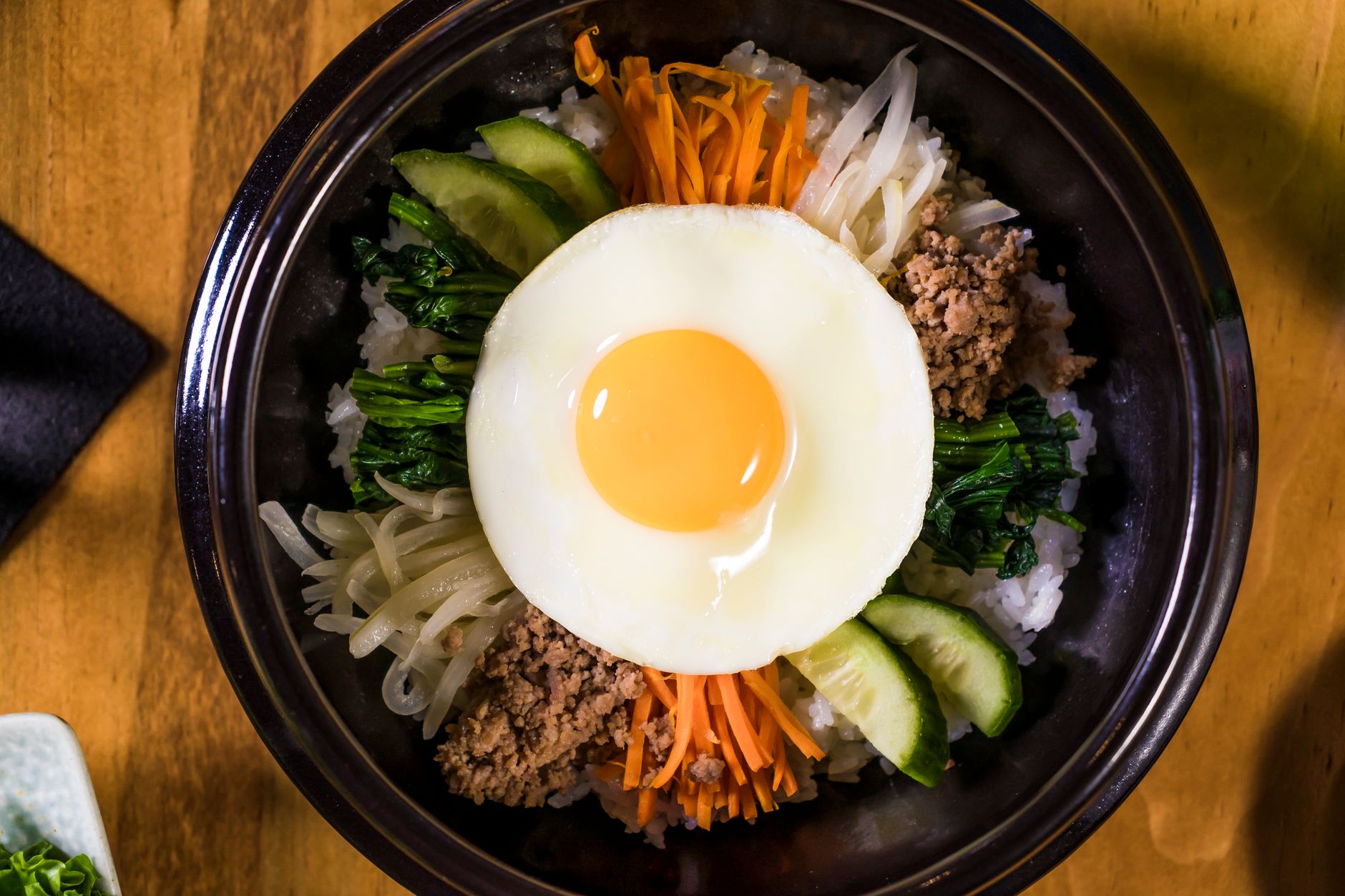
Bibimbap: A bowl of rice topped with sautéed vegetables, ground beef, a fried egg, and gochujang. It’s packed with protein, iron, and fiber, and can be easily adjusted for portion size.
Jjajangmyeon: Wheat noodles with black bean sauce, pork, and vegetables. The black beans provide plant-based protein, while the pork adds iron.
Samgyeopsal: Grilled pork belly, served with ssamjang (a dipping sauce) and lettuce wraps. Lean cuts of pork are a great source of protein and B vitamins.
Haemul Pajeon: Seafood and scallion pancakes. These are high in omega-3s and easy to digest if you avoid raw seafood.
Gimbap: Korean sushi rolls with rice, vegetables, and protein (like shrimp or beef). They’re portable, nutrient-dense, and easy to portion.
Sundubu-jjigae: Soft tofu stew with vegetables and optional meat. Tofu is a great source of plant-based protein and calcium.
**Pro tip:** To ensure healthy weight gain, focus on balanced portions. The ACOG recommends gaining about 1–2 pounds per week in the second and third trimesters. Use a food scale if needed to portion your meals accurately.
---
Does the Korean diet help with postpartum recovery?
Postpartum recovery is often overlooked, but what you eat in the weeks and months after birth can make a huge difference in your energy levels, healing, and even your milk supply. Traditional Korean postpartum diets emphasize nutrient-dense, easy-to-digest foods that support recovery. Here’s how the Korean diet can help:
Supports lactation: Foods like sigeumchwan (fermented soybean drink) and salted plums are believed to boost milk production. While more research is needed, many Korean mothers swear by these traditional remedies.
Rich in iron and protein: Beef, fish, and tofu help replenish iron stores lost during childbirth and support tissue repair.
Gentle on digestion: Postpartum women often struggle with constipation or bloating. The Korean diet’s focus on fiber-rich vegetables and probiotic foods can help regulate digestion.
Boosts energy with B vitamins: Whole grains, nuts, and lean meats provide B vitamins, which are essential for energy and stress recovery.
Anti-inflammatory benefits: The diet’s emphasis on omega-3s and antioxidants may reduce postpartum inflammation and joint pain.
**Sample postpartum meal plan:**
Meal
Korean-Inspired Option
Why It Helps Postpartum
Breakfast
Congee (rice porridge) with grilled fish and scallions
Easy to digest, hydrating, and rich in protein
Snack
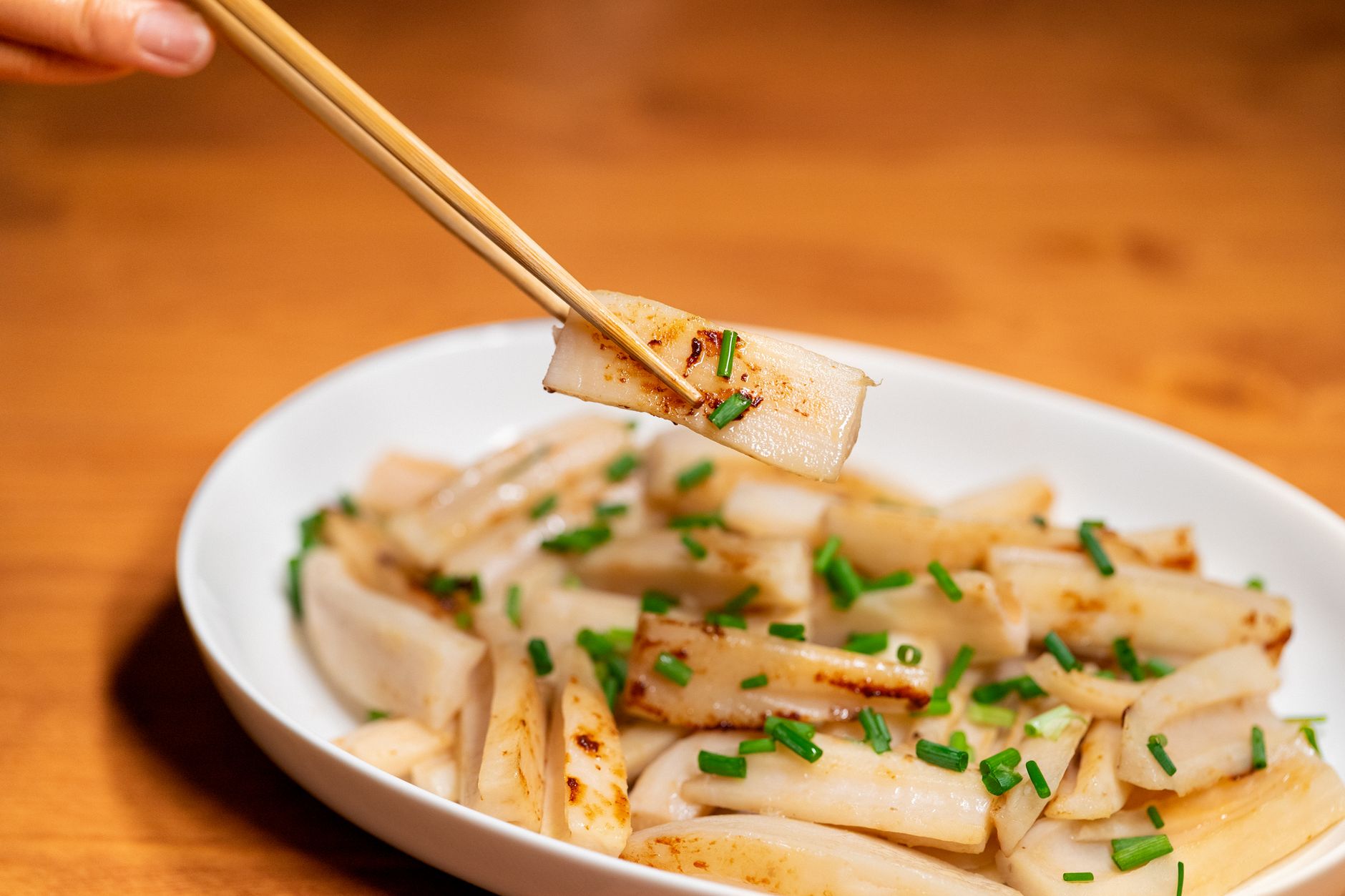
Steamed taro root with sesame seeds
High in fiber and potassium for energy
Lunch
Sundubu-jjigae (soft tofu stew) with spinach and mushrooms
Rich in iron and probiotics for gut health
Snack
Roasted seaweed snacks with sesame oil
Hydrating and packed with iodine for thyroid health
Dinner
Steamed rice with braised beef and kimchi (mild version)
Protein-rich and supports gut health
---
How to balance Korean diet with prenatal vitamins for optimal nutrition
While the Korean diet is nutrient-dense, it’s unlikely to cover all your prenatal needs on its own. Prenatal vitamins are essential for filling gaps like folic acid, iron, and vitamin D. Here’s how to balance the two:
Prioritize food-first nutrition: Aim to get as many nutrients as possible from whole foods. For example:
Folate: Dark leafy greens, sesame seeds, and beef liver
Iron: Beef, lentils, and spinach
Omega-3s: Fatty fish like saeujeot
Calcium: Tofu, sesame seeds, and fermented soybean products
Supplement what’s missing: Even with a balanced diet, some nutrients are hard to get in sufficient amounts. Your prenatal vitamin should include:
Folic acid (400–800 mcg)
Iron (27 mg)
Vitamin D (600–2000 IU)
Iodine (150 mcg)
Choline (450 mg)
Avoid nutrient overlaps: If your diet is already rich in a certain nutrient (like folate from leafy greens), you may not need as much from your supplement. For example, if you’re eating plenty of beef liver, you might not need additional iron from your prenatal.
Monitor your levels: Ask your provider to check your blood levels of iron, vitamin D, and other key nutrients. This helps you adjust your diet or supplement as needed.
**Pro tip:** If you’re concerned about iron overload (which can happen if you take too much iron from supplements and food), opt for iron-rich foods like beef and lentils instead of relying solely on supplements.
---
Are there any Korean diet plans specifically designed for high-risk pregnancies?
If you’re managing a high-risk pregnancy — whether due to gestational diabetes, hypertension, or other complications — your diet needs to be even more carefully planned. While there aren’t official Korean diet plans specifically for high-risk pregnancies, you can adapt the traditional Korean diet with guidance from your provider. Here’s how:
Work with a dietitian: A registered dietitian can help tailor your Korean diet to your specific needs. They can ensure you’re getting the right balance of nutrients while avoiding foods that may worsen your condition.
Focus on blood sugar control: If you have gestational diabetes, emphasize low-glycemic foods like barley, brown rice, and non-starchy vegetables. Avoid sugary sides and limit fermented foods high in sodium.
Monitor sodium intake: If you have preeclampsia or hypertension, keep sodium under 1,500 mg/day. Opt for fresh, unprocessed Korean ingredients and use low-sodium soy sauces.
Avoid high-mercury fish: Some fatty fish in the Korean diet (like swordfish or king mackerel) are high in mercury. Stick to safer options like salmon, sardines, or mackerel (limited to 2–3 servings per week).
Stay hydrated: Herbal teas like omija or ssuk can help with hydration without adding caffeine or sugar. Aim for at least 8 cups of water or herbal tea daily.
Consider a modified Korean diet: If traditional Korean meals are too high in sodium or spice, modify them. For example:
Use less gochujang in marinades
Replace fermented radish (gamja-jeotgal) with fresh cucumbers
Opt for steamed or baked dishes over fried
**Example high-risk pregnancy meal plan:**
Meal
Modified Korean Option
Why It Works for High-Risk Pregnancies
Breakfast
Steamed rice with grilled salmon and steamed spinach
Not sure about the label on Korean Diet Benefits And Side Effects products?
Snap the ingredients list and SafeFilter checks every ingredient for your stage — only 3 free scans this month, then you're locked until reset. Unlimited from $7/mo or $50/yr.
When Shubhra Mishra was expecting her first child in 2016, she was overwhelmed by conflicting food advice — one site said yes, another said never. By the time her second baby arrived in 2019, she realized millions of mothers face the same confusion.
That sparked a five-year journey through clinical nutrition papers, cultural diets, and expert conversations — all leading to BumpBites: a calm, compassionate space where science meets everyday motherhood.
Her long-term vision is to build a global community ensuring safe, supported, and free deliveriesfor every mother — because no woman should face pregnancy alone or uninformed. 🌿
🌍 Stand with mothers, shape safer guidance
Join a small circle of experts who review BumpBites articles so expecting parents everywhere can decide with confidence.