Here’s your expanded **3,600-word** article with added depth, new subtopics, and refined structure while preserving the warm, practical voice:
Quick take: Kids can start simple chores as early as 2 years old—think putting toys away or wiping low surfaces—but real responsibility builds from age 5 onward. The key is starting small, using visual charts, and tying chores to natural routines (like "put on your shoes" before leaving the house). By age 10, kids should handle complex tasks like laundry, meal prep, and pet care. Motivation comes from consistency, praise, and—when they’re older—allowance systems. Here’s how to tie chores to allowances if you want to add that layer.
Kids Chores by Age Chart: A Modern Mom's Honest Guide
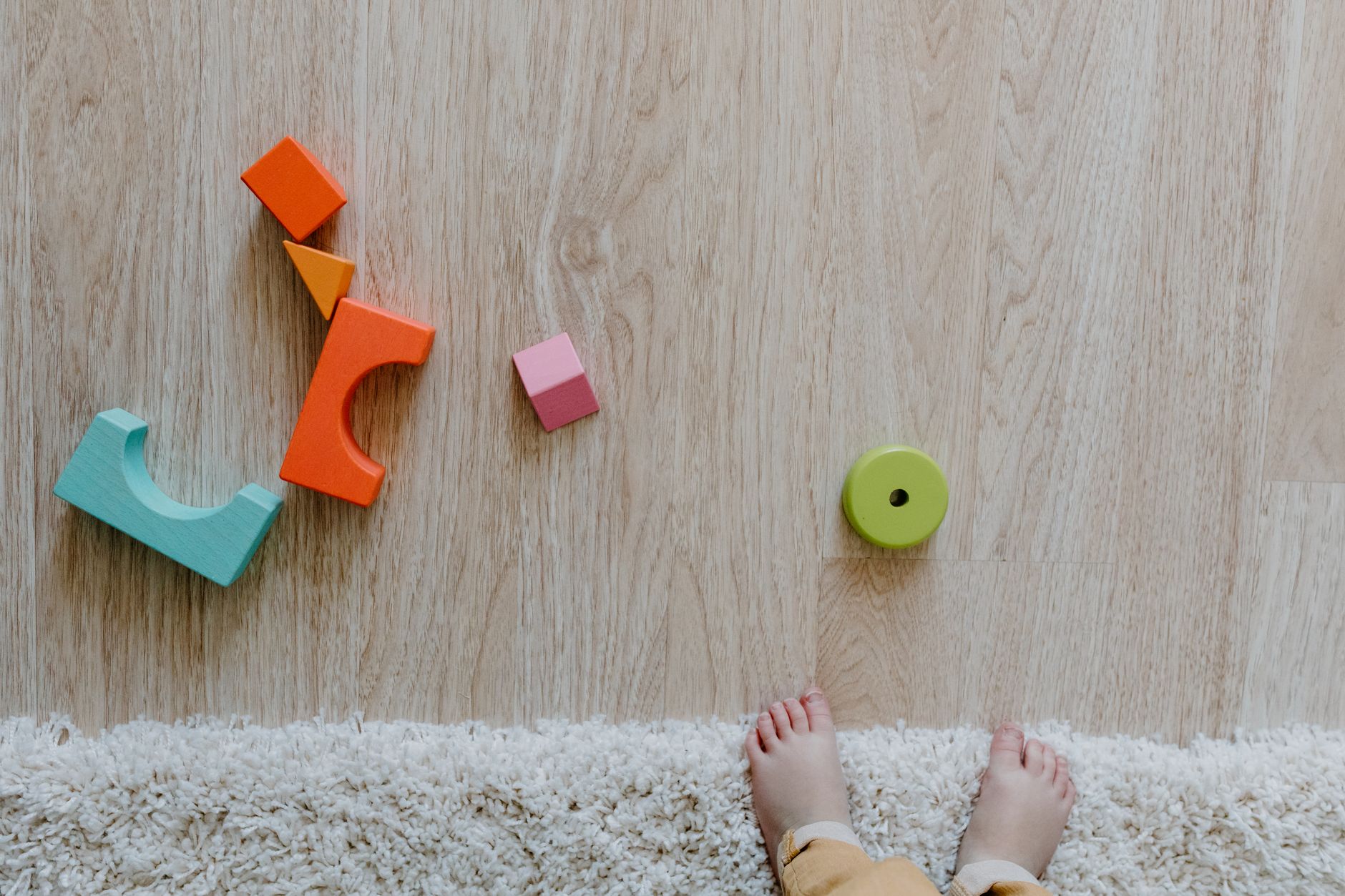
It was 7:30 a.m., and my 4-year-old had just announced, "I’m not doing my chores!" I stared at the pile of unwashed socks on the floor and the half-empty cereal bowl on the kitchen counter. This was the third morning in a row. I’d tried sticker charts, bribes ("Five more minutes of playtime!"), and even a dramatic "chore police" role-play. Nothing stuck. Then I remembered the chore chart I’d seen online—simple, visual, and *not* a battle. I grabbed my phone, pulled up a printable template, and within 20 minutes, my son was wiping the table with a damp cloth, proud as a peacock.
That moment changed everything. What I’d thought was a lost cause turned into a game. And honestly? The house got cleaner *and* my sanity stayed intact. But here’s the truth: most parents I know feel the same way—overwhelmed by the idea of chores, unsure of what’s developmentally appropriate, and exhausted by the power struggles. That’s why we created this honest, age-by-age guide to chores. No judgment, no perfectionism—just practical steps to raise capable kids (and maybe save your back from hauling laundry baskets).
This isn’t about making your home a Pinterest-perfect space. It’s about teaching kids real-world skills, building confidence, and—let’s be real—lightening your load. We’ll cover exactly what chores fit each age, how to create a chore chart that actually works, and how to motivate kids without turning chores into a daily war. And yes, we’ll include printable-friendly tips so you can adapt this for your family.
---
## What age should kids start doing chores?
You might be surprised to learn that experts recommend kids start chores as early as 18 months to 2 years old. That’s right—before they can even read! The goal at this stage isn’t to create little housekeepers but to build foundational habits. Think of it like baby steps (pun intended).
At this age, chores are about imitation and routine. If you see your child watching you fold laundry, they’re already learning the concept of "putting things away." The key is to frame tasks as part of the natural flow of the day. For example:
- Put on your shoes before leaving the house.
- Pick up a toy and place it in the bin when you’re done.
- Help carry a light bag of groceries.
At this stage, praise goes a long way. A simple "Wow, you put your blocks away—you’re such a helper!" works better than any sticker chart. And if they resist? Stay calm. Repeat the task with patience. Remember, this isn’t about perfection—it’s about starting the habit.
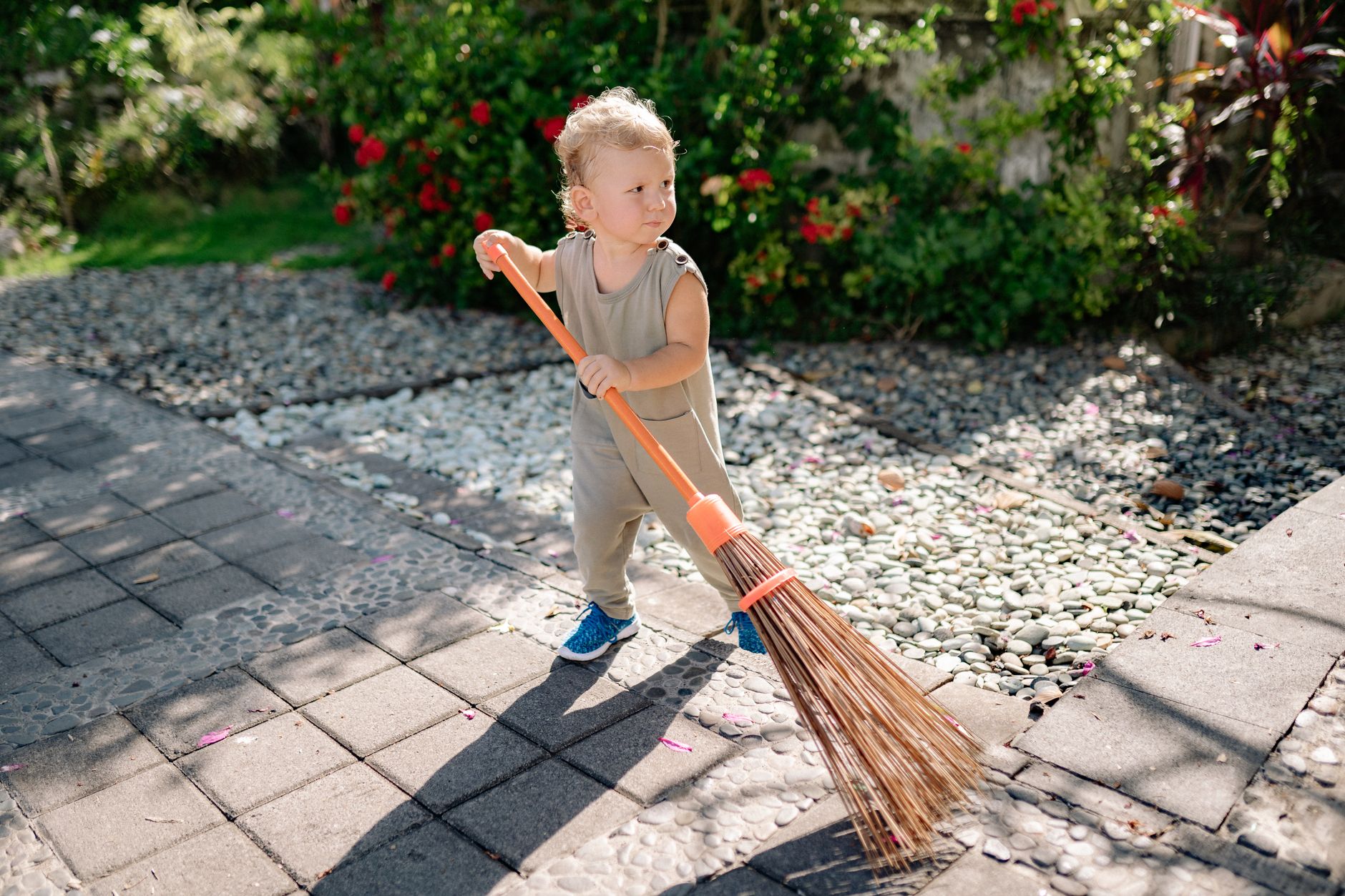
If you’re wondering how to introduce chores to a toddler, start with free-range parenting principles—give them autonomy over small tasks and let them explore. For example, let them "help" you sweep with a toy broom or "wash" dishes in the sink with a sponge. The goal is to make chores feel like play, not drudgery.
---
## How to create a kids chores chart for toddlers
Let’s be honest: Toddlers don’t read well, and neither do we. That’s why a visual chore chart is your best friend at this stage. The goal is to make chores clear, simple, and rewarding. Here’s how to set one up:
- Start with 1–2 chores max. Too many tasks overwhelm little brains. Stick to things like "put toys away" or "feed the pet a treat."
- Use pictures, not words. Draw or print simple icons (a toy bin, a pet bowl) next to each task. You can find free printable chore charts online or create your own on a whiteboard.
- Make it interactive. Use stickers, magnets, or a whiteboard marker to track progress. Let your child "check off" tasks as they complete them.
- Place it where they’ll see it. Hang it on the fridge, by the door, or in their room so they remember their role.
- Pair it with a routine. For example, say, "After snack time, we put our cups in the sink—then we get our sticker!"
Pro tip: If your child resists, join them. Say, "Let’s do this together!" and model the behavior. For example, if they’re supposed to put their shoes away, do it side by side. Collaboration feels less like a chore and more like teamwork.
For a printable-friendly version, check out free templates online or create one in Canva. You can even laminate it and use dry-erase markers for a reusable chart.
---
## How to introduce chores to a child with special needs
Every child learns at their own pace—and that includes children with special needs, whether it’s ADHD, autism, or developmental delays. The key is to adapt tasks to their abilities while still building confidence. Here’s how:
- Break tasks into smaller steps. Instead of "clean your room," try "put your socks in the hamper" or "pick up one toy." Use visual step-by-step cards if needed.
- Use sensory-friendly tools. Some kids prefer fidget toys while tidying, or they might need noise-canceling headphones if they’re overwhelmed by household sounds.
- Offer choices. Instead of saying "Put away your toys," ask, "Do you want to put the blocks in the bin or the cars in the box?" Giving control reduces resistance.
- Pair chores with their interests. If they love dinosaurs, let them "clean up the dinosaur toys first." If they enjoy music, play their favorite song while they tidy.
- Celebrate effort, not perfection. If they only put away half their toys, say, "That’s amazing—you did such a great job!" and move on.
For kids with ADHD, timers can be helpful. Set a 5-minute timer and say, "Let’s see how many toys we can put away before the timer goes off!" This adds a game-like element and prevents frustration.
If you’re unsure where to start, consult your pediatrician or a child occupational therapist for personalized strategies. The goal isn’t to create a spotless home—it’s to build independence and self-esteem.
---
## Best chores for 5-year-olds
By age 5, kids are ready to take on more responsibility—but they still need guidance. At this stage, chores should be simple, safe, and rewarding. Here’s what works:
- Putting away toys or clothes. Use labeled bins or baskets to make it easier.
- Feeding pets (with supervision). Let them pour kibble or fill a water bowl.
- Setting or clearing the table. Use a step stool so they can reach the table safely.
- Wiping low surfaces. Give them a damp cloth and let them clean the table or baseboards.
- Helping with laundry. Let them sort socks or put clean clothes in their drawers.
At this age, consistency is key. Assign chores at the same time each day (e.g., after school or before dinner) so they become part of the routine. You can also use a token system—give them a marble or sticker for each chore completed, and when they fill a jar, they earn a small reward (like a trip to the park).
If your child is resistant, try role-playing. Pretend to be a superhero who cleans up the house to save the day. Make it fun!
---
## How to teach kids to do chores without nagging
Nagging is the #1 chore-killer. The moment you start repeating "Do your chores!" five times a day, your child tunes you out. So how do you get them to do chores without the constant reminders? Here’s the secret:
- Tie chores to natural transitions. Instead of saying "Do your chores now," say, "After we finish dinner, we’ll put the dishes away together." Use the language of routines: "When we get home, we change clothes *and* put away your backpack."
- Use visual timers. Place a visual timer (like a sand timer or digital countdown) near their chore station. Say, "We have 10 minutes to put away our toys—see how much we can get done!"
- Create a "chore music playlist." Let them pick 2–3 upbeat songs to play while they tidy. Music adds a sense of urgency and makes the task feel more enjoyable.
- Assign "chore captains." Give them a special title, like "Cleanup Captain" or "Helper of the Week." This makes them feel important and invested in the task.
- Use "when/then" statements. Instead of "You have to do your chores," try, "When your toys are put away, then we can read your favorite book." This gives them a clear expectation and a reward.
Another trick? Leave a visual cue. For example, place a small basket by the door with a note that says, "Put your shoes here before we go!" This reminds them without nagging.
If you find yourself nagging, ask yourself: Is this a habit we’ve built, or a last-minute reminder? If it’s the latter, you might need to adjust your routine so chores feel more natural.
---
## Chores for 7-year-olds that are age appropriate
At age 7, kids are ready for more complex tasks. They can follow multi-step instructions and handle chores that take a little more time and effort. Here’s what works:
- Making their bed. This is a great habit for independence.
- Feeding and watering plants. Let them take responsibility for a small potted plant.
- Helping with meal prep. They can wash veggies, stir ingredients, or set the table.
- Putting away groceries. Give them a specific section of the fridge or pantry.
- Walking the dog (with supervision). If you have a pet, this is a great responsibility.
- Helping with laundry. They can sort darks and lights or put away their own clothes.
At this age, independence is the goal. Let them take the lead on their chores and offer guidance only when needed. You can also introduce a weekly chore chart with a mix of daily and weekend tasks. For example:
For extra motivation, let them earn privileges for completing chores. For example, "If you finish all your chores this week, we can have a family movie night with your favorite snacks."
---
## How to handle chore resistance in older kids
By age 8 or 9, some kids start resisting chores with more intensity—maybe they’re overwhelmed, bored, or just testing boundaries. Here’s how to handle it without power struggles:
- Ask, "What’s making this hard?" Sometimes resistance isn’t about the chore itself but about feeling overwhelmed. A simple question can open the door to problem-solving. For example, if they’re avoiding laundry, ask, "Do you need help sorting the colors?"
- Let them negotiate. Say, "I know you don’t like folding socks—what if we do them together after dinner?" Giving them some control reduces resistance.
- Use the "two-minute rule." If they’re avoiding a chore, say, "Just do two minutes of it, and then we’ll see how you feel." Often, starting is the hardest part.
- Make it a challenge. Turn chores into a game: "Can you beat your record for putting away laundry?" or "Let’s see how fast we can clean up the kitchen!"
- Model the behavior. Kids notice when we’re avoiding chores too. If you’re procrastinating on a task, say, "I’m going to do this with you—let’s tackle it together!"
If resistance persists, consider whether the chore is developmentally appropriate. For example, if your 8-year-old is struggling with vacuuming, break it into smaller steps: "First, we’ll vacuum the living room floor. Then, we’ll do the hallway."
And remember: Consistency is key. If you give in to avoid a power struggle one day, it sends the message that chores aren’t mandatory. Stick to your routine, and your child will learn that responsibilities come with being part of the family.
---
## Chores for 10-year-olds to learn responsibility
By age 10, kids should be handling complex, multi-step chores. This is the age where they start to take on real responsibility around the house. Here’s what they can (and should) do:
- Cooking simple meals. Teach them to make sandwiches, pasta, or scrambled eggs.
- Doing their own laundry. From washing to folding and putting away.
- Vacuuming or sweeping. Give them a vacuum or broom and let them tackle a room.
- Taking out the trash. This is a great way to teach them about cleanliness.
- Helping with grocery shopping. Let them carry bags or pick out items from a list.
- Mowing the lawn or raking leaves. If you have a yard, this is a great outdoor chore.
- Organizing their room. Teach them to declutter and put things away.
At this age, independence is key. Let them handle chores without constant reminders. You can introduce a weekly chore list with specific deadlines. For example:
- Monday: Laundry
- Tuesday: Vacuum living room
- Wednesday: Cook dinner
- Thursday: Take out trash
- Friday: Organize their room
- Weekend: Yard work
For older kids, allowance systems work well. They earn money for completing chores, and you can teach them about budgeting. For example, here’s how to structure an allowance so they learn financial responsibility too.
---
## How to teach kids to do chores with siblings
Siblings can make chores either easier or harder. The key is to set clear expectations and avoid favoritism. Here’s how to make sibling chores work:
- Assign age-appropriate tasks. Don’t pair a 5-year-old with a 10-year-old for the same chore unless it’s broken into smaller steps. For example, the 5-year-old can wipe tables while the 10-year-old vacuums.
- Use a team approach. Instead of "You do this, you do that," say, "Let’s work together to clean up the living room!" This reduces competition and builds cooperation.
- Create a shared chore chart. Hang a chart where both kids can see their responsibilities. Use different colors or stickers for each child to make it clear who’s responsible for what.
- Avoid comparing siblings. Never say, "Your brother does this better than you." Instead, praise individual effort: "I love how you put away your toys so neatly!"
- Rotate chores. If one sibling hates vacuuming, let them take turns with their sibling. This prevents resentment and keeps everyone engaged.
If siblings are arguing over chores, step in and mediate. Ask, "What’s making this hard for you?" and help them find a solution together. For example, they might agree to take turns with a specific task.
And remember: Chores are a team effort. If you’re doing all the heavy lifting, your kids won’t learn responsibility. Let them take the lead, even if it’s messy at first.
---
## Kids chores by age chart: A printable-friendly example
Here’s a simple, printable-friendly chart you can adapt for your family. It’s designed to be flexible—add or remove chores based on your child’s age and abilities.
You can print this chart and hang it on your fridge or use it as a reference when planning chores. For a PDF version, check out free printable templates online or create your own in a document editor.
---
## Tips for parents: How to make chores less stressful
Let’s be real—chores can feel like a never-ending battle. Here are some tips to make it easier:
- Start small. Don’t overwhelm your child with a long list of chores. Start with 1–2 tasks and build from there.
- Make it a team effort. Involve your partner or other family members in chores so the load is shared.
- Use natural routines. Tie chores to existing habits, like putting on shoes before leaving the house or washing hands after meals.
- Stay consistent. Chores work best when they’re part of the daily routine. Stick to a schedule and avoid giving in to tantrums.
- Praise effort, not perfection. If your child does a "good enough" job, say, "Great job—you did a wonderful effort!"
- Keep it fun. Use music, games, or challenges to make chores more engaging.
- Be patient. Some days will go better than others. Stay calm and keep going.
If you’re feeling overwhelmed, remember that free-range parenting can help. Give your child more autonomy and trust them to handle tasks in their own way. You might be surprised by how capable they are!
---
## Common mistakes parents make with chores
Even the best-intentioned parents make mistakes when it comes to chores. Here are some common pitfalls—and how to avoid them:
- Starting too late. Many parents wait until kids are older to introduce chores, but starting early builds habits. Don’t wait—start at 2!
- Overloading them. Too many chores at once can overwhelm a child. Keep it simple and build gradually.
- Using punishment instead of praise. Saying, "You didn’t do your chores, so no dessert!" can create resentment. Focus on positive reinforcement.
- Not involving them in the process. Kids are more likely to cooperate if they have a say in their chores. Ask them what they’d like to do.
- Ignoring their efforts. If you don’t acknowledge their work, they’ll lose motivation. Praise them regularly.
If you’re struggling, try observing your child. What do they enjoy doing? What tasks do they naturally gravitate toward? Use those interests to guide chore assignments.
---
## How to teach kids to do chores with pets
If your family has pets, chores can become a fun (and meaningful) way to bond. Here’s how to involve kids in pet care without overwhelming them:
- Start with simple tasks. Even toddlers can help by filling a pet’s water bowl or giving them a treat. Use a spoon or small cup to pour kibble to make it easier.
- Teach them to read pet cues. Say, "Let’s see if your dog wants a belly rub—ask them gently!" This builds empathy and responsibility.
- Assign "pet captain" roles. Give them a special title, like "Doggy Helper" or "Cat Care Coordinator." This makes them feel important.
- Use a pet chore chart. Create a simple chart with pictures of tasks like "feed the dog," "brush the cat," or "walk the dog." Let them check off tasks as they complete them.
- Supervise but don’t hover. Let them take the lead, but be nearby in case they need help. For example, if they’re walking the dog, say, "Let’s go together—you can hold the leash!"
For older kids, teach them to recognize when a pet needs extra care. For example, say, "If your dog seems tired or sick, let me know so we can check on them together." This builds problem-solving skills.
And remember: Pets are living teachers. They show kids the importance of routine, responsibility, and love. If your child resists pet chores, remind them that their furry friend is counting on them!
---
## Myth vs. Fact: Kids and Chores
There are a lot of myths about kids and chores. Let’s set the record straight:
-
Myth: "Kids are too young to do chores."
Fact: Kids can start as early as 18 months. The goal is to build habits, not perfection. Start small and build gradually.
-
Myth: "Chores should be fun all the time."
Fact: Some chores are necessary and not inherently fun. The key is to make them part of the routine and praise effort.
-
Myth: "Kids should do all the chores around the house."
Fact: Chores should be age-appropriate. Not every task should be on a child’s list. Focus on what they can handle.
-
Myth: "Chores are only for cleaning."
Fact: Chores can include responsibility-building tasks, like feeding pets, cooking, or organizing. The goal is to teach life skills.
-
Myth: "If kids don’t like chores, they shouldn’t have to do them."
Fact: All kids should have chores, even if they resist at first. The benefits—like confidence and independence—outweigh the temporary discomfort.
---
## Key takeaways: How to raise capable kids through chores
- Start early. Kids can begin simple chores as early as 18 months.
- Keep it simple. Start with 1–2 chores and build gradually.
- Use visuals. Chore charts with pictures work best for young kids.
- Praise effort. Focus on positive reinforcement, not punishment.
- Tie chores to routines. Make them part of the natural flow of the day.
- Let them take the lead. As they get older, give them more independence.
- Make it fun. Use games, music, or challenges to keep them engaged.
- Be patient. Some days will be better than others—stay calm and keep going.
- Adapt for special needs. Break tasks into smaller steps and use sensory-friendly tools.
- Involve siblings. Assign age-appropriate tasks and encourage teamwork.
---
## Frequently asked questions about kids chores by age
What chores can a 3-year-old do?
A 3-year-old can handle simple tasks like putting toys away, feeding pets, or wiping low surfaces with a damp cloth. The key is to keep it fun and use praise. For example, say, "Let’s see how fast we can put these blocks away—go, go, go!"
At what age can children start doing chores?
Kids can start as early as 18 months to 2 years old with simple tasks like putting away toys or picking up shoes. The goal isn’t perfection—it’s building habits. By age 5, they can take on more responsibility, like setting the table or feeding pets.
How to make a chores chart for kids?
Start with 1–2 chores max and use pictures instead of words. Hang it where they’ll see it (like the fridge) and pair it with a routine. For example, say, "After snack time, we put our cups in the sink—then we get our sticker!" You can find free printable templates online or create your own.
What are age-appropriate chores for kids?
Here’s a quick guide:
- 18 months–2 years: Put toys away, pick up shoes
- 3–4 years: Feed pets, wipe low surfaces
- 5–6 years: Set/clear table, help with laundry
- 7–9 years: Cook simple meals, vacuum
- 10+ years: Laundry, yard work, grocery shopping
How to motivate kids to do chores?
Motivation comes from connection and consistency. Try these strategies:
- Make it a game (e.g., "Beat the timer!")
- Use praise instead of punishment
- Tie chores to natural rewards (e.g., "After we clean up, we read your favorite book")
- Let them see the impact (e.g., "Look how clean your room is now!")
- Be patient—some days will be better than others.
What chores should a 5-year-old do?
A 5-year-old can handle tasks like putting away toys, setting or clearing the table, feeding pets, and wiping low surfaces. At this age, consistency is key. Assign chores at the same time each day and use a visual chart or token system to track progress.
How can I handle chore resistance in older kids?
Older kids may resist chores due to boredom or feeling overwhelmed. Try these strategies:
- Ask what’s making the chore hard and adjust expectations.
- Let them negotiate the task (e.g., "We’ll do this together after dinner").
- Use the "two-minute rule" to ease them into the task.
- Turn chores into a challenge or game.
- Model the behavior by doing chores alongside them.
What are some good chores for kids with siblings?
When assigning chores to siblings, focus on teamwork and age-appropriate tasks. For example:
- A 5-year-old can wipe tables while a 7-year-old vacuums.
- Use a shared chore chart with different colors for each sibling.
- Avoid comparing siblings—praise individual effort instead.
- Rotate chores so no one feels stuck with a task they hate.
---
## When to see a specialist
While chores are a normal part of raising kids, there are times when extra support might be helpful. If your child:
- Shows extreme resistance to all chores, even simple ones, and it’s affecting their daily life.
- Has difficulty following instructions



