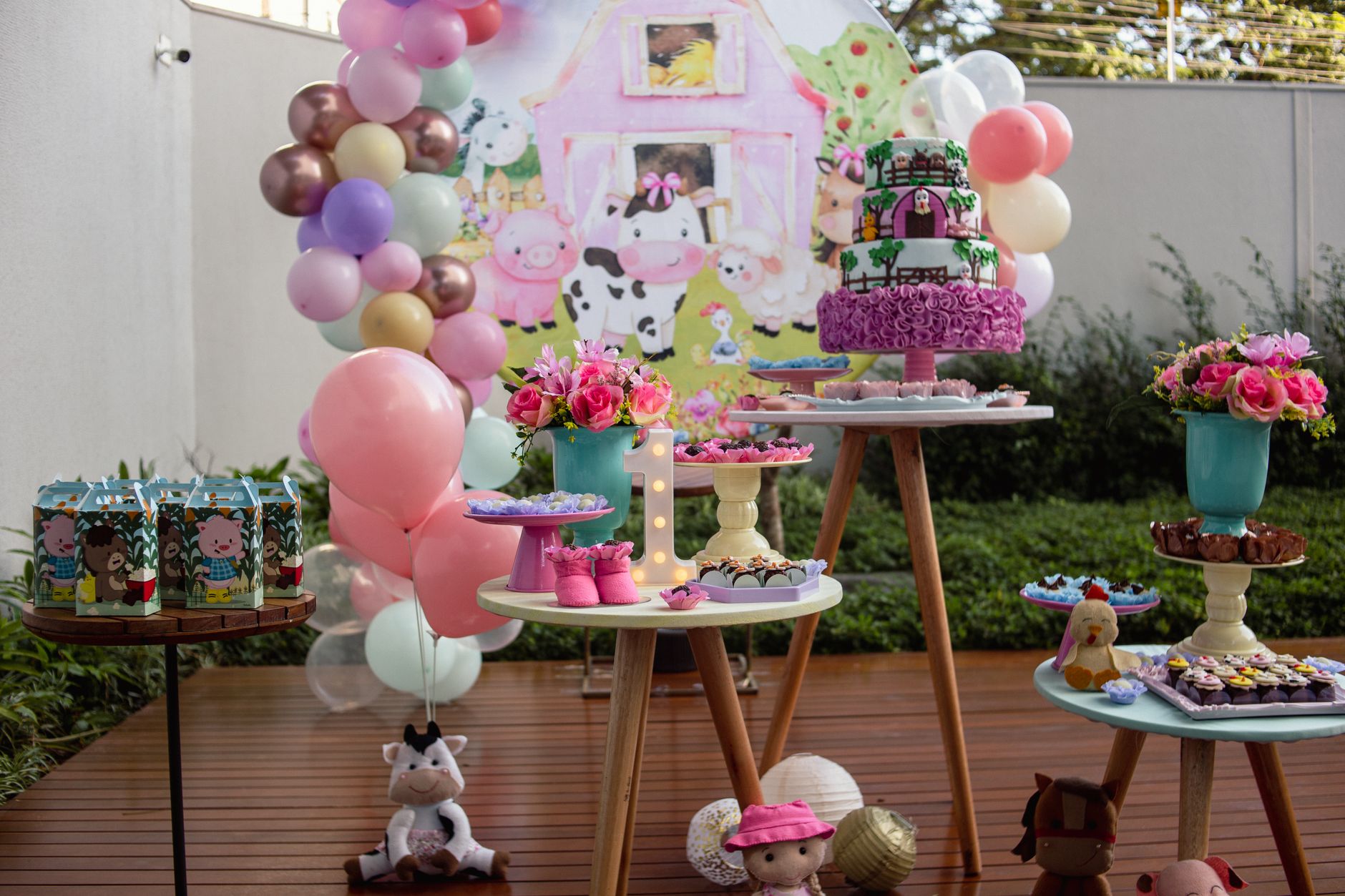
Five‑year‑olds love themes—unicorns, dinosaurs, superheroes, and princesses dominate the market. A themed party adds a few extra dollars for specialized décor, a custom cake, and sometimes a themed entertainer.
The magic of a themed party often lies in the details, which can quickly add up. Beyond the obvious themed items, consider how much you want to immerse guests in the chosen world. Simple touches can make a big impact without breaking the bank, like themed background music or character-inspired games.
Based on recent pricing data from The Spruce and major party supply retailers, here’s a typical cost range for a themed party of 15 guests:
- Theme‑specific decorations: $120–$300 (balloon arches, themed tablecloths, signage)
- Custom cake or cupcakes: $80–$200 (depending on size and bakery)
- Entertainment: $150–$400 (a character performer or themed activity kit)
- Food & drinks: $150–$300 (finger foods, juice boxes, snacks)
- Favors: $80–$150 (themed goodie bags)
All together, a fully themed birthday party for a five‑year‑old usually lands between $580 and $1,350. If you’re aiming for the lower end, consider DIY decorations and a simple cake from a grocery store—still magical, just a bit less pricey.
What are the expenses for a backyard birthday party for kids?
Backyard parties are a favorite for many parents because they often eliminate venue fees. However, the cost still adds up when you factor in rentals, décor, and food.
While your own yard is free, don't forget practical considerations like sufficient shade, access to restrooms, and a rain plan. These factors, though not direct costs, can lead to unexpected expenses if not addressed. For example, renting a tent for rain or portable toilets for large groups can quickly add hundreds to your budget.
Here’s a typical breakdown for a backyard party with 20 children:
- Venue: $0 (your yard) — but you may need a permit for public parks ($25–$75) if you’re not using private property.
- Renting a bounce house: $150–$300 for a 2‑hour block (see detailed section below).
- Decorations: $80–$200 (balloon garlands, string lights, tableware).
- Food & drinks: $200–$350 (sandwich platters, fruit, chips, juice).
- Entertainment: $0–$150 (DIY games like sack races, water balloon toss, or a hired face painter).
- Party favors: $60–$120 (small toys, stickers, and a snack).
All told, a backyard birthday party generally costs $515–$1,095. The biggest variable is the bounce house rental, which we’ll compare to DIY alternatives later.
How does hiring a party entertainer compare to DIY activities cost‑wise?
Professional entertainers—magicians, clowns, or character performers—bring expertise and polish, but the price tag can be steep. DIY activities, like craft stations or scavenger hunts, are far cheaper but require more prep time.
When weighing the options, consider your own capacity and comfort level. A professional entertainer can be a lifesaver if you're managing a large group of energetic children or if you want to fully enjoy the party without constant supervision. However, if you have a knack for creative activities and a few extra hands to help, DIY can feel incredibly rewarding and personal.
Below is a side‑by‑side cost comparison (based on rates from the International Association of Professional Party Entertainers and common DIY supplies):
If you’re comfortable spending a few extra hours prepping, DIY activities can save $150‑$350 compared with hiring a professional. Many parents blend both approaches—hire a short‑set entertainer for the peak hour and fill the rest with crafts they can set up in advance.
Which budget‑friendly birthday party ideas give the most bang for your buck, and what do they cost?
Below are three crowd‑pleasing themes that stay under $300 for 15 guests. Each includes a cost estimate for décor, food, and entertainment.
The secret to a successful budget party isn't about cutting corners, but about being creative and resourceful. Focus on experiences over elaborate items, and remember that children often cherish simple games and quality time with friends more than expensive performers or lavish decorations. A clear theme helps unify even the simplest elements.
- “Outdoor Adventure” – Think nature‑inspired décor, simple snacks, and active games.
- Decor: $40 (paper lanterns, pine‑cone centerpieces)
- Food: $120 (mini sandwiches, fruit skewers, lemonade)
- Entertainment: $0 (DIY nature scavenger hunt)
- Total: $160
- “DIY Art Party” – Set up easels, paint, and aprons for a creative blast.
- Decor: $30 (colorful bunting, tablecloths)
- Food: $100 (pizza slices, veggie sticks, water)
- Entertainment: $70 (paint kits, aprons)
- Total: $200
- “Retro Game Night” – Classic board games, retro‑style snacks, and a playlist of 80s hits.
- Decor: $25 (neon streamers, vintage posters)
- Food: $110 (hot dogs, popcorn, soda)
- Entertainment: $0 (borrow games from home)
- Total: $135
These ideas prove you can host a memorable celebration without splurging on expensive décor or performers. The key is to focus on a single, cohesive theme and use everyday items to reinforce it.
How can I calculate the total cost per child for a birthday party?
Calculating cost per child helps you stay within budget and decide whether you need to adjust the guest list. Use this simple formula:
Total party cost ÷ number of attending children = cost per child.
Understanding the cost per child is a powerful budgeting tool, especially when you're considering adding extra guests or a more expensive activity. It provides a clear metric that helps you visualize the impact of each decision on your overall budget, allowing for more informed choices.
Here’s a step‑by‑step example using a mid‑range backyard party (total $800) with 20 children:
- List every expense (venue, food, décor, entertainment, favors).
- Add them together for a grand total ($800).
- Divide by the number of kids (20) → $40 per child.
If $40 per child feels high, look at each line item and see where you can cut. For instance, swapping a $200 bounce house for a $100 DIY inflatable pool can reduce the per‑child cost by $5.
To make the math painless, download our printable budget spreadsheet (see “Sample budget template” below). Fill in your actual numbers, and the spreadsheet will automatically compute the per‑child cost for you.
What hidden costs should I watch out for when planning a kids birthday party?
Even the most carefully planned party can be hit with surprise expenses. Here are the most common hidden costs and how to avoid them:
It's always wise to add a 10-15% buffer to your total budget for these unexpected expenses. This contingency fund can cover everything from forgotten items to last-minute changes or even a small emergency. Being prepared for the unknown will save you stress and keep your budget on track.
- Cleaning fees: Venues like community centers often charge a post‑event cleaning surcharge ($50‑$150). Ask about it up front and factor it into your budget.
- Extra staffing: If you rent a bounce house, the provider may require a certified attendant ($30‑$60 per hour). Include this cost when you calculate rental fees.
- Permits and insurance: Public parks sometimes need a permit ($25‑$75) and liability insurance ($100‑$200) for larger gatherings. Check local regulations early.
- Alcohol for adults: While not a direct kids expense, serving adult beverages often means additional rentals (cups, coolers) and may require a separate bar license in some municipalities.
- Last‑minute food substitutions: If a guest has a dietary restriction discovered after you’ve ordered, you may need to purchase an alternative snack ($10‑$30).
- Transportation: Delivering a specialty cake or renting a large inflatable can incur delivery fees ($20‑$50).
By listing these potential extras in your budget template, you’ll avoid the “oops, I didn’t budget for that!” moment.

Catering vs. Homemade: A Food Cost Comparison
Food is often one of the largest party expenses, and deciding whether to cater, order in, or cook yourself can significantly impact your budget. Each option has its own pros and cons, not just in terms of cost but also convenience and guest experience.
When making this decision, consider the type of party you're hosting, the number of guests, and your own cooking skills and available time. For smaller, more intimate gatherings, homemade food can add a personal touch and save money. For larger events, the convenience of catering or delivery might outweigh the higher cost.
To save money on food, consider a potluck style for adult guests, or stick to simple, crowd-pleasing items like hot dogs, fruit platters, and juice boxes. Buying in bulk from warehouse stores can also reduce costs significantly compared to smaller grocery store purchases.
What is the cheap birthday party decorations cost estimate?
When you’re aiming for a low‑budget celebration, focus on high‑impact, low‑cost décor items. Below is a typical cost estimate for a simple yet festive décor package for 15 guests:
The key to cheap but cheerful decorations is creativity and resourcefulness. Think about what you already have at home or what can be easily repurposed. Simple items like colorful streamers, balloons, and printed signs can transform a space without requiring a huge investment. The goal is to create a festive atmosphere, not to replicate a Pinterest board exactly.
- Balloon bouquet (10 balloons): $15
- DIY paper garland (using craft paper): $8
- Tablecloth and disposable plates (themed): $20
- String lights (2‑meter strand): $12
- Printable signage (downloadable PDF): $0
Total: $55. You can stretch this budget by reusing items for future parties or borrowing decorations from friends.
What is the price comparison of balloon arches vs. DIY balloon garlands?
Balloon arches are a visual centerpiece, but they can be pricey if you hire a professional. DIY balloon garlands offer a similar wow factor at a fraction of the cost.
While a professional balloon artist ensures flawless execution, the satisfaction of creating your own stunning garland is immense, and the savings are undeniable. If you're a first-timer, watch a few online tutorials beforehand; many offer clever tricks for quick and easy assembly. Invest in a balloon pump to save your lungs and speed up the process.
If you have a spare hour and enjoy a little hands‑on crafting, the DIY garland saves $200‑$350. Pro tip: buy balloons in bulk from warehouse clubs and use a balloon‑tying gun to speed up assembly.
How much to rent a bounce house for a children's party?
Rental prices vary by size, duration, and region. The National Association of Party Rentals reports the following average rates for a 2‑hour rental in 2024:
Beyond the rental fee, always prioritize safety. Ensure the rental company is reputable, provides clear safety instructions, and has appropriate insurance. Make sure you have enough clear, flat space for installation and that children are supervised at all times when using the bounce house, as recommended by the CDC for children's event safety.
- Small (6‑ft × 6‑ft): $120–$180
- Medium (12‑ft × 12‑ft): $180–$250
- Large (15‑ft × 15‑ft with slides): $250–$350
Most providers include delivery, set‑up, and take‑down in the price, but some charge extra for a certified attendant ($30‑$60 per hour). Always ask for a written quote that lists any additional fees.
What is the average cost of party favors per child?
Party favors are the little thank‑you treats that guests take home. According to a 2024 survey by the Academy of Nutrition and Dietetics (which also tracks party trends), the average spend per favor bag is $3.50‑$5.00.
While favors are a nice gesture, they are also an easy area to scale back if your budget is tight. Many parents opt for a single, slightly larger favor (like a small book or a craft kit) instead of multiple small items, or even skip them entirely in favor of a more elaborate activity during the party itself. Consider eco-friendly options too, like seed packets or reusable items, which often feel more thoughtful.
For a party of 15 children, expect to spend $52–$75 on favors. Typical items include:
- Small toys (stickers, mini‑figurines)
- Snack items (fruit snacks, popcorn)
- Craft kits (coloring pages + crayons)
- Themed accessories (bracelets, temporary tattoos)
Buying in bulk or assembling favors yourself can bring the cost down to $2.00 per bag.
What is the cost of hiring a photographer for a kids birthday party?
Professional photographers charge based on experience, coverage time, and deliverables. The Professional Photographers of America (PPA) lists typical rates for a 2‑hour children's party:
Hiring a photographer is an investment in preserving precious memories, allowing you to be present in the moment rather than behind a lens. If a professional isn't in the budget, consider asking a tech-savvy friend or family member to be the designated photographer, or set up a DIY photo booth with props and a fun backdrop to encourage guests to take their own pictures.
- Entry‑level photographer: $150–$250 (digital files only)
- Mid‑range photographer: $250–$400 (edited images + online gallery)
- Premium photographer: $400–$600 (includes prints, photo album)
If you’re comfortable using a smartphone, you can achieve decent results by setting up a simple photo station with a backdrop and asking a friend to help. This DIY route can save $200‑$400.
Seasonal and Regional Factors Affecting Party Costs
The time of year and your geographic location can significantly sway the final cost of a birthday party. Understanding these external factors can help you plan more strategically and potentially save money.
Peak seasons, such as summer for outdoor venues or holidays for indoor spaces, often come with higher demand and inflated prices. Similarly, urban areas with a higher cost of living will naturally have higher vendor fees, rental rates, and even food prices compared to suburban or rural locations. Being flexible with your party date or location can sometimes lead to substantial savings.
Always check local event calendars and weather patterns for your chosen date and location. Sometimes, a week or two difference in your party date can make a significant impact on venue availability and pricing, especially if it avoids a local festival or major holiday.
Eco-Friendly Party Options: Do They Save or Cost More?
Many parents are looking for ways to make their children's parties more sustainable. The good news is that eco-friendly choices often align with budget-friendly strategies, though some specialized items can be pricier.
The core principle of an eco-friendly party is to reduce waste and reuse items. This naturally leads to less spending on single-use decorations and disposable tableware. While some organic or sustainably sourced food items might cost a bit more, the overall savings from DIY decorations and thoughtful choices can balance it out. It's about being mindful and creative.
By focusing on experiences, natural elements, and reusable items, you can create a beautiful, memorable, and planet-friendly party that also respects your budget. It's a win-win for your wallet and the environment.
Budget template for planning a kids birthday party
Use the table below as a starter spreadsheet. Replace the placeholder amounts with your actual quotes, and the “Total” row will sum everything automatically (if you copy it into Excel or Google Sheets).
This template is designed to give you a clear overview of your potential spending, allowing you to adjust categories as needed. Don't be afraid to get granular; the more detail you include, the more accurate your budget will be. Regularly update it with actual costs as you make purchases to ensure you stay on track.
Adjust the rows to match your party size and preferences. The template helps you see the “big picture” and quickly identify categories where you can cut back.
Myth vs. fact
Myth: You need to spend at least $1,000 for a memorable kids birthday party.
Fact: With careful planning and DIY décor, a fun party can be thrown for under $300, especially when you use home venues and simple games.
Myth: Hiring a professional entertainer is the only way to keep kids engaged.
Fact: Structured DIY activities (craft stations, scavenger hunts) can hold attention just as well and often cost a fraction of the price.
Myth: All party supplies must be bought new.
Fact: Reusing decorations from previous birthdays or borrowing from friends can reduce costs by up to 40%.
Myth: A successful party means catering to every child's specific preference.
Fact: While accommodating serious allergies is crucial, a balanced menu and a few well-chosen activities will please most children. It's impossible and unnecessary to satisfy every single preference.
Key takeaways
- Average 2024 kids birthday party costs range from $300 – $1,200, depending on venue, theme, and entertainment.
- Break down expenses into venue, food, décor, entertainment, and favors to pinpoint savings.
- DIY décor (balloon garlands, printed signage) can shave $200‑$350 off a professional setup.
- Calculate cost per child by dividing total expenses by the number of guests; aim for $30‑$50 per child for a mid‑range party.
- Watch for hidden costs like cleaning fees, permits, and extra staffing, and allocate a 10-15% contingency fund.
- Consider homemade food or casual catering over full-service catering for significant savings.
- Seasonal and regional factors can impact pricing; flexibility in dates or locations can offer savings.
- Eco-friendly choices often lead to budget savings through reuse and DIY.
- Use a simple spreadsheet template to track estimates versus actual spend and stay on budget.
Frequently asked questions
What is the average cost of a kids birthday party?
The average 2024 cost sits around $585, but most parties fall between $300 and $1,200. Your final number depends on venue choice, guest count, and whether you hire professionals for décor or entertainment. Regional variations and party scale greatly influence these figures.
How much should I budget for a themed birthday party?
A themed party for 15 children typically costs $580‑$1,350. Allocate $120‑$300 for décor, $80‑$200 for a custom cake, $150‑$400 for entertainment, $150‑$300 for food, and $80‑$150 for favors. DIY elements can significantly reduce these costs.
Are party entertainers worth the expense?
Professional entertainers guarantee a polished performance and free up parents’ time, but they cost $150‑$500 per hour. If you enjoy crafting activities, DIY games can save $150‑$350 while still delivering fun. The value depends on your budget, time, and desire for a hands-off approach.
What hidden costs should I expect when planning a birthday party?
Common surprises include venue cleaning fees ($50‑$150), permit or insurance costs for public spaces ($25‑$200), extra staffing for equipment rentals, and last‑minute food substitutions for dietary restrictions. Always factor in a 10-15% buffer for unforeseen expenses.
Can I host a birthday party on a budget without compromising fun?
Absolutely. Focus on one strong theme, use DIY décor, choose simple games, and shop sales for food and favors. Many parents report successful parties under $300 by leveraging home venues and creative activities that prioritize interaction over extravagance.
How do I calculate the cost per guest for a kids birthday party?
Divide your total party cost by the number of attending children. For example, a $800 party with 20 kids equals $40 per child. Use the budget spreadsheet to see how each line item affects the per‑guest figure, which can help inform guest list adjustments.
What's the most impactful way to save money on a birthday party?
The biggest savings typically come from your choice of venue and entertainment. Hosting at home or a public park (if permits allow) eliminates significant venue fees. Opting for DIY games and activities instead of professional entertainers can save hundreds of dollars without sacrificing fun.
Should I consider party liability insurance for a backyard party?
For larger backyard parties, especially those involving rentals like bounce houses, considering liability insurance is a wise precaution. While not always legally required for private property, it can protect you in case of injury or property damage. Check with your homeowner's insurance provider or local event rental companies for guidance.
When to see a professional planner or specialist
Planning a party should be enjoyable, not a source of chronic stress. If you notice any of these signs, consider reaching out for help:
- Persistent anxiety about budgeting that interferes with daily life.
- Feeling overwhelmed by the sheer number of decisions (venue, décor, food, entertainment).
- Physical symptoms such as insomnia, headaches, or stomach upset that coincide with party planning.
- Conflict with co‑parents or family members that escalates into frequent arguments.
In these cases, a certified event planner can take over logistics, or a mental‑health therapist (licensed counselor, psychologist) can provide coping strategies. Remember, this article is for informational purposes only and not a substitute for personalized professional advice.
References
- U.S. Bureau of Labor Statistics, Consumer Expenditure Survey 2024.
- The Spruce, “Kids Birthday Party Cost Guide 2024.”
- National Association of Party Rentals, 2024 Rental Pricing Report.
- International Association of Professional Party Entertainers, Membership Survey 2023.
- Academy of Nutrition and Dietetics, “Party Trends & Spending.”
- Professional Photographers of America (PPA), “Standard Rates for Children’s Events.”
- American Association of Event Planners, “When to Hire a Planner.”
- CDC, “Children’s Safety at Public Events.”
- Event Planning Institute, "Guide to Event Insurance."