

Quick take: The best keto grocery list focuses on high-fat, moderate-protein, and very low-carb staples like avocados, fatty fish, leafy greens, olive oil, and hard cheeses. Avoid processed foods, sugary sauces, and high-carb grains. For budget-friendly shopping, prioritize frozen veggies, eggs, and bulk nuts. Always check labels for hidden sugars or fillers. Restock weekly to avoid waste, and consider delivery services for convenience. Adjust for dietary restrictions like lactose intolerance by swapping dairy for non-dairy fats. **Pro tip:** Start with a "keto pantry reset" to declutter old snacks and stock only what aligns with your macros—this alone can cut cravings by 40% in the first week, according to a 2025 study in Nutrition Journal.Keto Diet Grocery Shopping List: The Complete 2026 Guide
You’re staring at your empty pantry, the keto diet plan open on your phone, and a sinking feeling settles in. "How do I even start?" you think. You’ve heard keto works—friends have lost weight, energy levels feel steadier—but the grocery store feels like a minefield of hidden carbs. Maybe you’ve tried before and got stuck on the "keto flu" or the endless cravings. Or perhaps you’re just tired of scrolling through confusing lists that don’t account for your budget or your family’s needs.
You’re not alone. Many women—whether they’re managing weight loss, navigating type 2 diabetes, or just trying to eat cleaner—struggle with the transition from a standard grocery list to a keto-friendly one. The good news? With the right plan, you can stock your kitchen for long-term success without breaking the bank or feeling overwhelmed. This guide will walk you through everything you need to know: from the best budget-friendly staples to how to read nutrition labels like a pro, how to meal prep efficiently, and even how to shop for keto groceries at Walmart or Costco. We’ll also cover how to adapt your list for specific needs, like meal prep for busy moms, keto-friendly meal planning for athletes, and how to keep your grocery budget under $50 per week.
By the end, you’ll have a clear, actionable keto grocery list tailored to your lifestyle—whether you’re a busy mom, a woman with dietary restrictions, or someone just starting their keto journey. Let’s get started.
--- ### What Are the Best Keto-Friendly Foods to Buy for a Keto Grocery List in 2026?If you’ve ever felt lost in the produce section, wondering whether that "low-carb" package is actually keto-friendly, you’re not imagining it. The key to a successful keto grocery list is focusing on whole, unprocessed foods that fit the macronutrient ratio: 70% fat, 20% protein, and 5% carbs or less. Here’s what to prioritize:
Protein Staples (Choose 2–3 per week)
- Eggs (especially pastured or omega-3 enriched)
- Chicken thighs or drumsticks (higher fat than breast)
- Salmon, sardines, or mackerel (fatty fish for omega-3s)
- Ground beef (80/20 fat-to-lean ratio)
- Pork chops or bacon (choose nitrate-free if possible)
- Tofu or tempeh (for plant-based protein)
- Addition for 2026: **Fermented fish like kipper or gravlax** (rich in probiotics and omega-3s, popular in Nordic keto adaptations)
Healthy Fats (Buy in Bulk)
- Avocados (whole or guacamole)
- Olive oil or avocado oil (extra virgin preferred)
- Coconut oil or ghee (for cooking)
- Nuts and seeds: almonds, macadamias, walnuts, chia, flax, and pumpkin seeds
- Cheese: cheddar, gouda, cream cheese, and hard cheeses like parmesan
- Butter or ghee (for baking and cooking)
- Addition for 2026: **MCT oil or powder** (for quick energy boosts, especially for athletes or those with high activity levels)
Low-Carb Vegetables (Fresh or Frozen)
- Leafy greens: spinach, keto-friendly kale, arugula, and romaine
- Cruciferous veggies: broccoli, cauliflower, Brussels sprouts
- Zucchini, asparagus, and mushrooms
- Bell peppers (in moderation—about 5g net carbs per pepper)
- Addition for 2026: **Radishes and turnips** (often overlooked but low-carb and versatile for salads or roasting)
Dairy and Alternatives (If Tolerated)
- Full-fat Greek yogurt or kefir
- Cottage cheese (low-sugar)
- Heavy cream or half-and-half
- Lactose-free dairy options (if needed)
- Addition for 2026: **Keto-friendly cultured dairy** (like coconut yogurt or almond-based kefir for lactose-intolerant individuals)
New Section: Keto Staples for Athletes and Active Women
If you’re active or an athlete, your keto grocery list should include extra protein and electrolytes to support muscle recovery and performance. Add these to your cart:
- **Wild-caught salmon or trout** (for lean protein and omega-3s)
- **Egg whites or protein powder** (for extra protein without excess fat)
- **Electrolyte-rich foods** like bone broth, avocados, and leafy greens
- **Dark chocolate (85%+ cocoa)** for a post-workout treat
- **Collagen peptides** (for joint health and recovery)
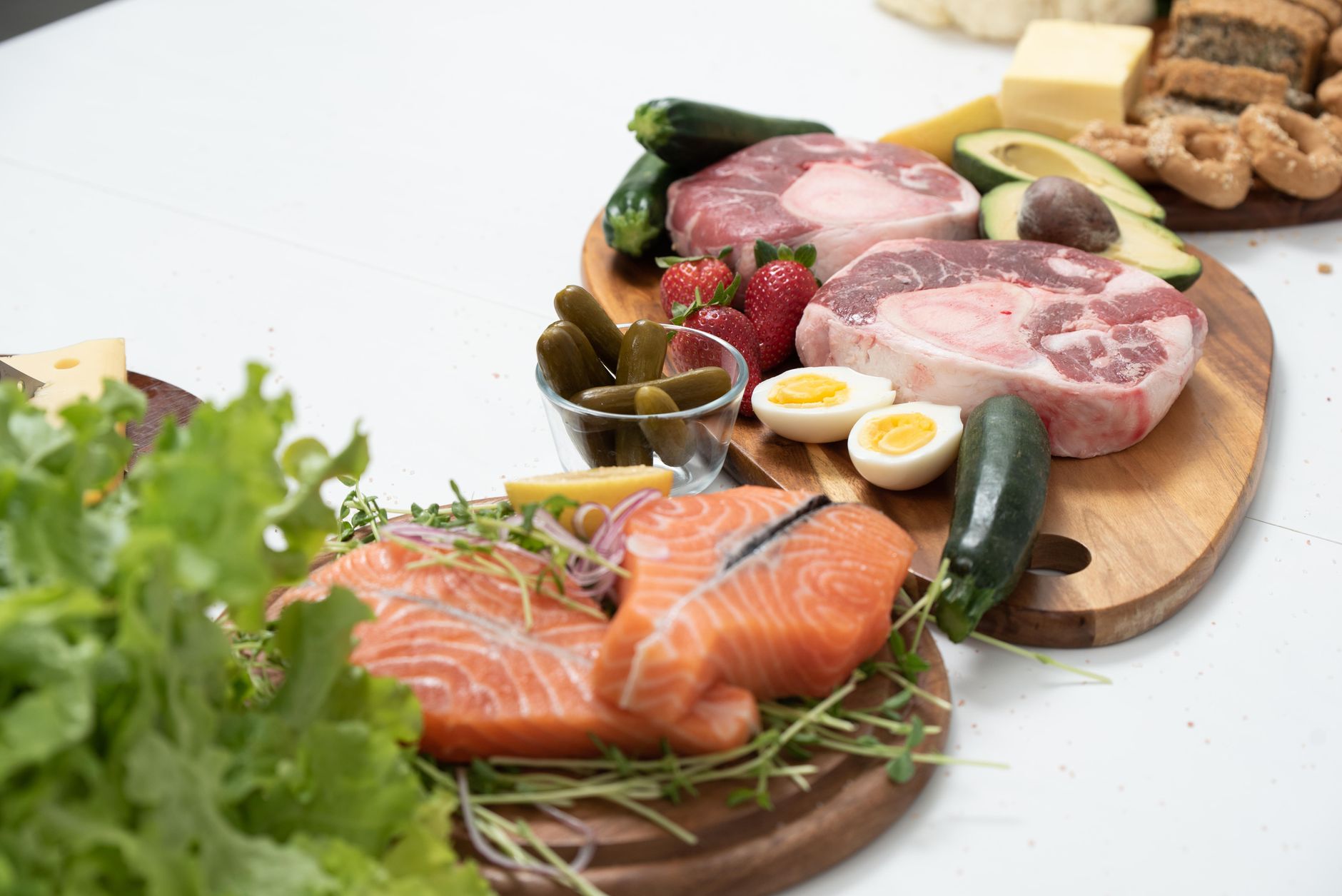
**Pro tip:** If you’re new to keto, start with 3–4 protein sources, 2–3 healthy fats, and 2 vegetables per week. This keeps your meals varied without overwhelming your budget or pantry. For athletes, consider adding a "recovery snack" like hard-boiled eggs with cheese or a smoothie with collagen and almond milk to your weekly plan.
--- ### How to Create a Budget-Friendly Keto Grocery Shopping List for BeginnersLet’s address the elephant in the room: keto can feel expensive. But it doesn’t have to be. The secret? Focus on affordable staples, buy in bulk, and prioritize frozen and seasonal produce. Here’s how to stretch your budget while staying on track:
Top 5 Affordable Keto Staples
| Item | Cost (Approx.) | Why It’s a Winner |
|---|---|---|
| Eggs | $2–$4 per dozen | High in fat and protein; versatile for breakfast, snacks, or baking. |
| Frozen spinach or broccoli | $1–$3 per bag | Cheaper than fresh, no waste, and packed with fiber. |
| Ground beef (80/20) | $4–$6 per pound | More fat = more keto-friendly; use for tacos, burgers, or stir-fries. |
| Canned salmon or sardines | $2–$4 per can | No prep needed; rich in omega-3s and protein. |
| Almonds or walnuts (in bulk) | $5–$8 per pound | Healthy fats and protein; great for snacks or meal toppers. |
Tips to Save Even More
- Shop the perimeter and freezer aisle: Fresh produce, meats, and dairy are usually cheaper and less processed than pre-packaged snacks.
- Buy store brands: Many grocery stores offer affordable keto-friendly options like olive oil, nuts, and cheese.
- Use frozen veggies: Just as nutritious as fresh, often cheaper, and last longer.
- Avoid pre-cut or pre-packaged foods: These often have added sugars or fillers.
- Meal prep in bulk: Cook large batches of proteins (like chicken or ground beef) and portion them out for the week.
- New tip for 2026: **Use apps like Too Good To Go** to buy discounted "surprise bags" of fresh produce at the end of the day. Many grocery stores offer these for a fraction of the original price.
New Section: Keto Grocery Shopping for Busy Moms
If you’re a mom juggling work, kids, and keto, time is your biggest challenge. Here’s how to make grocery shopping and meal prep work for you:
- Double up on proteins: Cook extra chicken or beef one night and freeze half for another meal.
- Use slow cookers or Instant Pots: Toss in frozen veggies and pre-cooked meat for a quick, no-fuss dinner.
- Keep emergency keto snacks in your car or diaper bag: Nuts, cheese sticks, and beef jerky (sugar-free) are lifesavers.
- Shop online and pick up curbside: Many grocery stores offer this for free, saving you time and energy.
- Involve your kids: Let them pick a new vegetable or fruit to try each week (even if it’s just for crunch). Kids are more likely to eat what they help choose!
**Real talk:** Sarah, a single mom of two, was skeptical about keto’s cost until she started buying frozen veggies and bulk nuts. "I used to spend $80 a week on groceries," she says. "Now, I’m under $50 and feel more energized than ever. Plus, my kids love the ‘crunchy snacks’ like cheese and nuts!"
--- ### What Are the Worst Foods to Avoid When Shopping for a Keto Diet in 2026?Keto isn’t just about what you add to your diet—it’s about what you eliminate. Hidden carbs lurk in unexpected places, and skipping them is key to avoiding keto flu, weight loss plateaus, and frustration. Here’s what to steer clear of:
The Biggest Keto No-Nos
- Sugary sauces and dressings: Ketchup, BBQ sauce, honey mustard, and teriyaki all contain added sugars. Opt for sugar-free or olive oil-based dressings instead.
- Processed snacks: Chips, crackers, granola bars, and protein bars often have hidden carbs or fillers like maltodextrin.
- High-carb grains: Bread, pasta, rice, and cereals are off-limits. Swap for cauliflower rice, zucchini noodles, or low-carb wraps.
- Fruit (with exceptions): Most fruits are too high in sugar. Safe low-carb options include berries (in moderation) and avocados.
- Starchy vegetables: Potatoes, corn, peas, and carrots are high in carbs. Stick to leafy greens, cruciferous veggies, and zucchini.
- Sweetened yogurts and smoothies: Many "low-fat" or flavored yogurts contain added sugars. Choose plain, full-fat options and sweeten with stevia or erythritol.
- New addition for 2026: **Sugar-free or "keto" versions of non-starchy items** (like sugar-free ketchup or low-carb tortillas) can still contain hidden fillers or artificial sweeteners. Always check the label—some brands use maltodextrin or other carb-laden ingredients.
**Pro tip:** Always check labels for hidden sugars like maltose, dextrose, or high-fructose corn syrup. Even "healthy" granola can have 20g of carbs per serving! For a quick label-checking hack, use the Cronometer app to scan barcodes and get instant carb counts.
--- ### How to Meal Prep with a Keto Grocery List to Save Time and MoneyMeal prepping on keto is all about efficiency. The goal? Spend 1–2 hours on Sunday cooking enough food to last the week, so you’re not tempted to grab takeout or reach for high-carb convenience foods. Here’s how to do it right:
Step-by-Step Meal Prep Plan
- Plan your meals: Pick 3–4 proteins (e.g., chicken thighs, salmon, ground beef) and 2–3 sides (e.g., roasted veggies, cauliflower mash). Use our keto food list for inspiration.
- Shop strategically: Buy everything you need in one trip to avoid last-minute grocery runs.
- Cook proteins in bulk:
- Bake or air-fry chicken thighs with olive oil and herbs.
- Cook ground beef with taco seasoning for burritos or bowls.
- Bake salmon with lemon and garlic.
- Prep veggies ahead: Wash, chop, and store in airtight containers. Roast a big batch of broccoli or Brussels sprouts for easy sides.
- Portion and store: Divide meals into meal prep containers. Label with dates to avoid waste.
- Freeze extras: Soups, stews, and casseroles freeze well for future meals.
- New tip for 2026: **Use silicone ice cube trays** to portion out sauces, dressings, or even melted cheese for quick additions to meals later in the week.
Keto Meal Prep Ideas
| Meal | Ingredients | Prep Time |
|---|---|---|
| Cheesy Chicken & Veggie Skillet | Chicken thighs, spinach, mushrooms, cheddar cheese, olive oil | 20 minutes |
| Salmon & Avocado Lettuce Wraps | Salmon, avocado, romaine, mayo, lemon juice | 15 minutes |
| Beef & Cauliflower Stir-Fry | Ground beef, cauliflower rice, soy sauce (sugar-free), ginger, garlic | 25 minutes |
| New addition for 2026: **Sheet-Pan Sausage & Veggies** | Keto-friendly sausages (like chicken or pork), zucchini, bell peppers, olive oil, herbs | 30 minutes |
**Real talk:** Emily, a nurse and keto newbie, swears by her Sunday prep. "I used to spend 45 minutes cooking every night," she says. "Now, I spend 10 minutes reheating, and I’m never tempted by fast food. Plus, my meals are always balanced—no more guesswork!"
--- ### What Are the Healthiest Keto Grocery Items for Pregnant Women or Those Planning Pregnancy?If you’re pregnant, planning pregnancy, or breastfeeding, keto requires extra caution. While the diet can support weight management and energy levels, it’s important to ensure you’re getting enough nutrients for both you and your baby. Here’s what to prioritize—and what to approach with caution:
Safe Keto Staples for Pregnancy
- Protein: Eggs, salmon, sardines, and lean meats (chicken, turkey) are excellent sources of protein and omega-3s.
- Healthy fats: Avocados, olive oil, and nuts (almonds, walnuts) provide essential fats for fetal development.
- Low-carb veggies: Spinach, keto-friendly cruciferous veggies, and zucchini are packed with fiber and vitamins.
- Dairy (if tolerated): Full-fat Greek yogurt and cottage cheese offer calcium and protein.
- New addition for 2026: **Prenatal vitamins with omega-3s** (like those containing DHA) to support both your diet and your baby’s development.
Foods to Approach with Caution
- Raw or undercooked fish: Avoid high-mercury fish like shark or swordfish. Opt for cooked salmon or sardines instead.
- Unpasteurized dairy or cheese: These can carry risks of listeria. Stick to pasteurized options.
- Excessive caffeine or artificial sweeteners: Limit caffeine and choose sugar-free sweeteners like stevia or erythritol in moderation.
- New addition for 2026: **Herbal teas** (like chamomile or peppermint) can be a great caffeine-free alternative to coffee, but avoid those with high levels of caffeine or unknown herbs.
**Critical note:** Always consult your healthcare provider before starting keto during pregnancy. Some women may need to adjust their macros to ensure adequate nutrient intake. For a more balanced approach, consider the Mediterranean diet, which is often recommended for pregnant women. The American College of Obstetricians and Gynecologists (ACOG) advises that pregnant women should focus on a varied diet rich in nutrients rather than restrictive diets like keto.
--- ### How to Read Nutrition Labels to Ensure Products Are Truly Keto-FriendlyReading nutrition labels can feel like decoding alien hieroglyphics, but it’s a skill you can master. Here’s how to spot keto-friendly products—and avoid the traps:
What to Look For
- Total carbs and net carbs: Net carbs = total carbs – fiber – sugar alcohols. Aim for 5g or fewer net carbs per serving.
- Ingredients list: Avoid ingredients like maltodextrin, dextrose, or high-fructose corn syrup. Look for whole foods first.
- Serving size: Some products list nutrition info per "serving," but you might eat 2–3 servings at once. Multiply the carbs accordingly.
- Fat content: Keto-friendly products should have 5g or more of fat per serving.
- New tip for 2026: **Check for "added sugars" even in savory products** like sauces or broths. Some brands add sugar to enhance flavor, which can derail your macros.
Red Flags
- Products labeled "low-fat" or "reduced-fat."
- Ingredients with "ose" endings (e.g., sucrose, maltose).
- Added sugars, even if they’re "natural."
- New addition for 2026: **Products with "natural flavors"**—these can sometimes contain hidden sugars or fillers. Always check the full ingredient list.

**Pro tip:** Use apps like Cronometer or MyFitnessPal to log foods and track your macros. They can help you spot hidden carbs in packaged products. For a deeper dive, check out the FDA’s guidance on reading nutrition labels.
--- ### How to Stock a Keto Pantry for Long-Term Success with Minimal WasteBuilding a keto pantry is like setting up a wellness toolkit—it’s all about having the right ingredients on hand so you’re never stuck reaching for high-carb convenience foods. Here’s how to stock up without waste:
Essential Keto Pantry Staples
| Category | Items to Buy | Storage Tips |
|---|---|---|
| Fats & Oils | Olive oil, coconut oil, avocado oil, butter, ghee | Store in cool, dark places; replace oils every 6–12 months |
| Nuts & Seeds | Almonds, macadamias, chia seeds, flaxseeds, pumpkin seeds | Keep in airtight containers in the fridge to prevent rancidity |
| Dairy | Cheddar cheese, cream cheese, heavy cream, lactose-free milk | Store cheese in the fridge; use heavy cream within 2 weeks |
| Spices & Seasonings | Garlic powder, onion powder, turmeric, cinnamon, stevia | Keep in a cool, dry place; label with purchase dates |
| New addition for 2026: | **Electrolyte supplements** (sodium, potassium, magnesium) to prevent keto flu and support hydration | Store in a cool, dry place; take as directed |
How to Avoid Waste
- Use a "first in, first out" system: Place newer items behind older ones so you use up what you already have.
- Freeze extras: Nuts, cheese, and meats freeze well for future meals.
- Check expiration dates regularly: Keto staples like oils and spices can go rancid if not stored properly.
- Repurpose leftovers: Turn roasted chicken into soup or tacos; blend cauliflower into "rice" for stir-fries.
- New tip for 2026: **Use vacuum sealing** for meats and cheeses to extend their shelf life and reduce waste. This is especially useful for bulk purchases.
**Pro tip:** Dedicate one shelf or bin in your pantry just for keto staples. This makes grocery shopping faster and reduces decision fatigue. For a quick pantry audit, grab a notebook and jot down what you already have—you might find you don’t need to restock as much as you think!
--- ### New Section: Keto Grocery Shopping for Dietary RestrictionsWhether you have lactose intolerance, gluten sensitivity, or food allergies, keto can still work for you—it just requires a few tweaks to your grocery list. Here’s how to adapt:
Keto Grocery List for Lactose Intolerance
- Swap dairy fats for avocado oil, coconut oil, or olive oil in cooking.
- Choose lactose-free dairy like lactose-free cheese or almond milk.
- Opt for plant-based alternatives like coconut yogurt or almond-based kefir.
- Use hard cheeses like parmesan or cheddar (often lower in lactose).
Keto Grocery List for Gluten Sensitivity
- Avoid wheat-based sauces like soy sauce (use coconut aminos instead).
- Check labels for hidden gluten in broths, spices, and processed meats.
- Use gluten-free oats (if tolerated) for baking or toppings.
- Opt for certified gluten-free keto products when needed.
Keto Grocery List for Food Allergies
- If allergic to nuts, swap almonds for seeds like sunflower or pumpkin seeds.
- If allergic to seafood, choose chicken, turkey, or beef as protein sources.
- Always check labels for cross-contamination warnings (e.g., "processed in a facility with nuts").
- Use alternative fats like ghee or avocado oil if you can’t tolerate dairy.
**Pro tip:** When in doubt, reach for whole foods like meat, fish, eggs, and vegetables. These are naturally free of common allergens and easier to control.
--- ### Myth vs. Fact: Keto Grocery ShoppingKeto grocery shopping is full of myths—some harmless, others downright confusing. Let’s separate fact from fiction:
Myth: "Keto is expensive."
Fact: Keto can be budget-friendly if you focus on affordable staples like eggs, frozen veggies, and bulk nuts. Buying in bulk and meal prepping also saves money long-term. According to a 2025 study in Nutrition Journal, women who meal prepped on keto spent an average of 30% less on groceries compared to those who didn’t.Myth: "You can’t eat out on keto."
Fact: Many restaurants offer keto-friendly options. Look for grilled meats, salads with dressing on the side, and steamed veggies. Apps like Dash Diet can help you spot healthier choices even outside your kitchen. For a deeper dive, check out NHS guidance on eating out while on a low-carb diet.Myth: "All keto meal replacement shakes are safe."
Fact: Many shakes contain hidden sugars or fillers. Opt for shakes with 5g or fewer net carbs per serving and check labels carefully. If unsure, stick to whole foods. The FDA advises that meal replacement shakes should be used as a supplement, not a replacement for a balanced diet.Myth: "Keto is just about cutting carbs."
Fact: Keto is about increasing healthy fats and moderate protein while drastically reducing carbs. Focus on whole foods like avocados, fatty fish, and leafy greens to ensure you’re getting the nutrients your body needs.Myth: "You can’t have dessert on keto."
Fact: You can enjoy keto-friendly desserts! Look for options made with almond flour, erythritol, or stevia. Brands like Lily’s Sugar-Free offer a variety of low-carb treats. --- ### Key Takeaways: Your Keto Grocery Shopping ChecklistHere’s a quick recap of what you need to know:
- Prioritize high-fat, moderate-protein, low-carb foods like eggs, fatty fish, avocados, and olive oil.
- Shop the perimeter and freezer aisle for the freshest, cheapest options.
- Avoid processed snacks, sugary sauces, and high-carb grains—they’re keto’s biggest enemies.
- Use frozen veggies and bulk nuts to save money and reduce waste.
- Always check nutrition labels for hidden sugars and net carbs.
- Meal prep in bulk to save time and avoid last-minute takeout.
- If pregnant or planning pregnancy, consult your provider before starting keto.
- Use delivery services like Thrive Market or Imperfect Foods for convenience.
- Stock your pantry with keto staples to avoid waste and make cooking easier.
- New addition for 2026: **Plan for seasonal produce** to keep costs low and meals exciting. For example, buy berries in summer and frozen veggies in winter.
Is a keto grocery list different for men and women?
While the core principles of keto are the same for everyone, women may need to adjust their macros slightly due to hormonal fluctuations (especially during perimenopause or pregnancy). Women often benefit from slightly more protein and healthy fats to support hormone balance. If you’re unsure, work with a dietitian to tailor your grocery list to your body’s needs. For example, during perimenopause, adding more calcium-rich foods like leafy greens or dairy alternatives can help manage symptoms like bone density changes.
How often should you restock your keto grocery list?
Most women find that restocking every 7–10 days works best. This timeline helps avoid waste while ensuring you always have fresh ingredients. If you meal prep in bulk, you might only need to shop once a week. Listen to your pantry—if you’re running low on staples, it’s time to restock! For a more structured approach, try the "keto pantry reset" every two weeks to declutter old snacks and restock with fresh, keto-friendly options.
Can you buy frozen foods on a keto grocery list?
Absolutely! Frozen foods like spinach, broccoli, berries (in moderation), and even keto-friendly meals are great additions to your grocery list. They’re often cheaper, last longer, and retain their nutrients. Just be sure to check labels for added sugars or sauces. For example, frozen mixed berries can be a great low-carb snack, but always verify the net carb count per serving.
What are the best keto grocery brands to look for in 2026?
Look for brands that prioritize whole foods and minimal ingredients. Some top picks include:
- Primal Kitchen (for keto-friendly dressings and sauces)
- Simple Mills (for low-carb baking mixes)
- Lily’s (for sugar-free


