Quick take: Exploring a keto diet during pregnancy or breastfeeding requires careful consideration and a doctor's guidance. While some women may find benefits for conditions like gestational diabetes, it's crucial to ensure adequate nutrient intake for both you and your baby. This guide offers easy, nutrient-dense keto dinner recipes and practical tips for safely navigating a low-carb approach during these special times, always emphasizing consultation with your healthcare provider.
As a new or expecting mom, you're juggling a million things, and figuring out what to eat can feel like another daunting task. You might be hearing about the keto diet and wondering if it could be a helpful tool for managing energy, blood sugar, or even postpartum recovery. Perhaps you're looking for easy keto dinner recipes that fit into your busy life and support your health goals.
The good news is that with thoughtful planning and professional guidance, a low-carb or keto-adapted approach can be incorporated into your diet during pregnancy or while breastfeeding. But it's not a one-size-fits-all solution, especially when you're nourishing two. We understand the desire for clear, trustworthy information to make the best choices for your family.
This comprehensive guide dives into easy keto dinner recipes, tailored with your unique needs in mind. We'll explore how to safely adapt a keto lifestyle, focus on nutrient density, and provide practical tips for meal prepping and managing specific concerns like gestational diabetes or postpartum recovery. Remember, every body is different, and what works for one person might not work for another, especially during such critical life stages. Always chat with your doctor or a registered dietitian before making significant dietary changes.
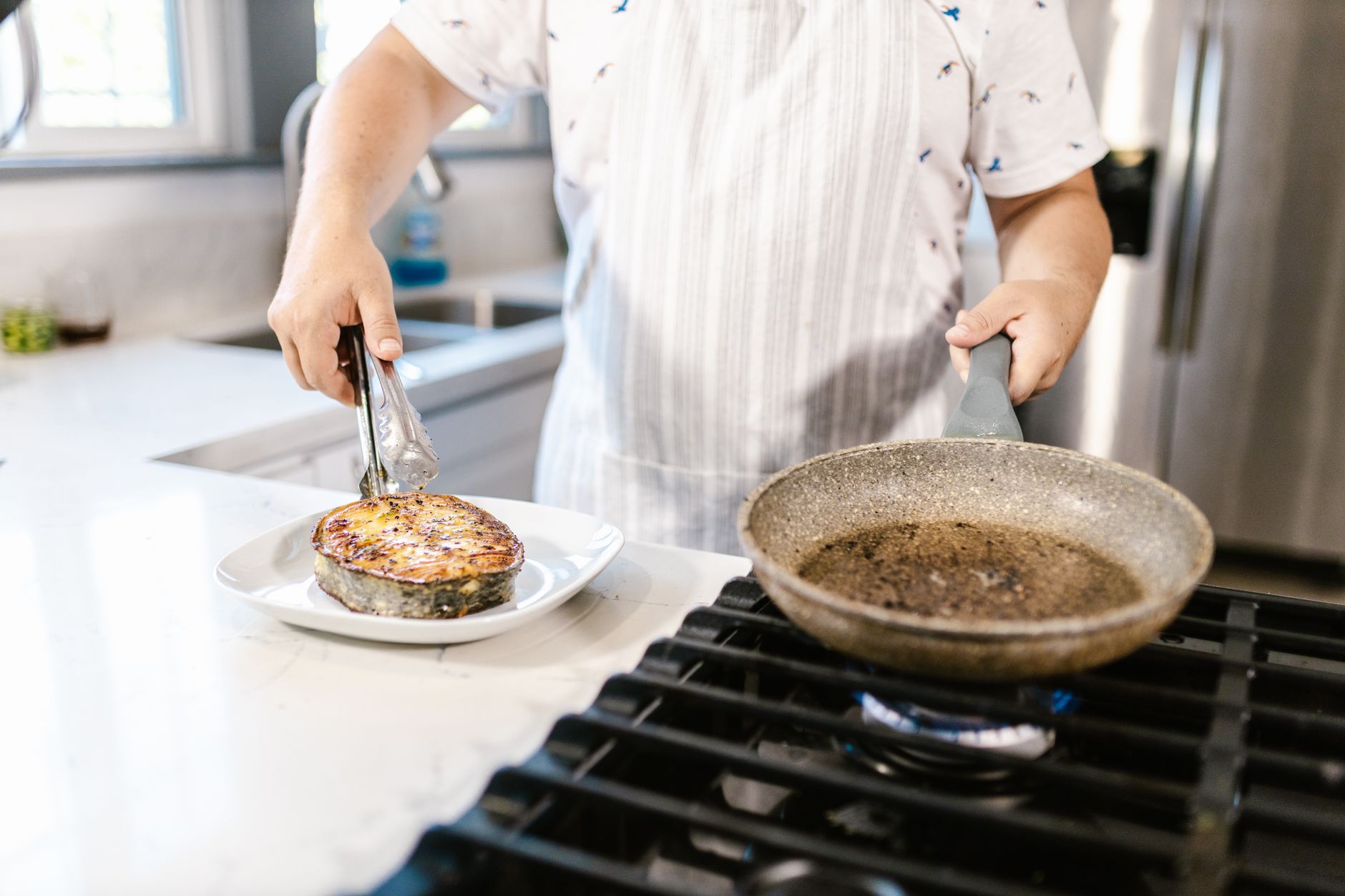
Is a Keto Diet Safe During Pregnancy or Breastfeeding? Understanding the Guidelines
This is often the first and most important question for any mom considering a keto diet during these sensitive phases. The short answer is: it's complicated, and absolutely requires a conversation with your healthcare provider. While strict ketogenic diets (under 20-50g carbs per day) are generally not recommended for most pregnant women due to potential risks, a modified low-carb approach might be considered under close medical supervision, especially for specific conditions.
The primary concern with a very strict keto diet during pregnancy is ensuring adequate nutrient intake. Pregnancy dramatically increases your needs for vitamins and minerals like folate, iron, calcium, and choline, many of which are abundant in carb-rich foods like fruits, vegetables, and whole grains. Restricting these can lead to deficiencies for both mother and baby. The American College of Obstetricians and Gynecologists (ACOG) emphasizes a balanced diet rich in various food groups to meet pregnancy needs. Similarly, for breastfeeding, your body needs extra calories and nutrients to produce milk, and a highly restrictive diet could impact milk supply or nutritional quality.
However, some women, particularly those with conditions like gestational diabetes or PCOS, might find benefit in a carefully managed low-carb diet. For instance, the American Diabetes Association (ADA) acknowledges that a reduced-carbohydrate eating plan can be effective for managing blood glucose in individuals with diabetes, including gestational diabetes, but stresses the importance of individualized medical nutrition therapy. This typically means a diet that still includes a sufficient amount of complex carbohydrates from nutrient-dense sources (like berries, leafy greens, and non-starchy vegetables) rather than a very strict ketogenic approach.
If you're considering a low-carb or keto-adapted diet, your provider might recommend a "modified keto" or "liberal low-carb" approach, where carbohydrate intake is higher than typical keto (perhaps 50-100g net carbs per day) to allow for more fruit and vegetable diversity. The goal is to maximize nutrient intake while still benefiting from blood sugar stabilization. This is especially true in the first trimester, where rapid weight loss is generally discouraged.
Traditional Keto Macros vs. Adjusted Macros for Pregnancy and Breastfeeding
Understanding macronutrients (carbohydrates, protein, and fat) is key to any keto diet. Here's a general comparison:
*These are general guidelines and must be individualized by a healthcare professional, especially during pregnancy or breastfeeding.
For pregnant and breastfeeding women, protein needs are significantly higher to support fetal growth and milk production. The Academy of Nutrition and Dietetics recommends increased protein intake during pregnancy (typically 71g/day or more, depending on individual needs) and breastfeeding. Fat remains important for energy and the absorption of fat-soluble vitamins, but the emphasis shifts to healthy fats like those found in avocados, nuts, seeds, and olive oil. The increased carb allowance in a modified plan helps ensure you're getting enough fiber, folate, and other essential nutrients from a wider variety of plant foods.
One mom shared that her dietitian helped her create a 7-day keto meal plan that included more berries and a wider array of vegetables than she'd initially thought possible on keto, which made her feel much more comfortable and nourished.
Quick 30-Minute Keto Dinner Ideas for Busy Evenings
L
ife with a baby or while expecting can be a whirlwind. You need dinner on the table fast, and complex recipes just aren't going to cut it. These easy keto dinner recipes are designed for speed without sacrificing flavor or nutrition, making them perfect for those "I need food NOW" moments.
Recipe 1: Sheet Pan Sausage and Peppers
This dish is a lifesaver for minimal cleanup and maximum flavor. It's high in protein and healthy fats, and you can customize the veggies based on what you have.
- Ingredients: 1 lb pre-cooked chicken or turkey sausage (check for sugar-free), 2 bell peppers (any color), 1 medium zucchini, 1 small onion, 2 tbsp olive oil, 1 tsp Italian seasoning, salt and pepper to taste.
- Instructions:
- Preheat oven to 400°F (200°C). Line a baking sheet with parchment paper.
- Slice sausage into 1-inch rounds. Chop bell peppers, zucchini, and onion into similar-sized pieces.
- Toss all ingredients on the baking sheet with olive oil, Italian seasoning, salt, and pepper.
- Roast for 20-25 minutes, or until vegetables are tender-crisp and slightly caramelized.
Recipe 2: Lemon Herb Salmon with Asparagus
Salmon is an excellent source of omega-3 fatty acids, crucial for baby's brain development, and it cooks quickly!
- Ingredients: 2 salmon fillets (4-6 oz each), 1 bunch asparagus, 2 tbsp olive oil, 1 lemon (half sliced, half juiced), 1 tsp dried dill or herbs de Provence, salt and pepper.
- Instructions:
- Preheat oven to 400°F (200°C). Line a baking sheet with parchment paper.
- Trim woody ends off asparagus. Toss asparagus with 1 tbsp olive oil, salt, and pepper on one side of the baking sheet.
- Place salmon fillets on the other side. Drizzle with remaining 1 tbsp olive oil, lemon juice, dill, salt, and pepper. Top with lemon slices.
- Bake for 12-18 minutes, depending on thickness, until salmon is cooked through and flakes easily, and asparagus is tender-crisp.
Recipe 3: Speedy Keto Chicken Salad Lettuce Wraps
No cooking required if you use pre-cooked chicken! This is perfect for a light yet satisfying dinner.
- Ingredients: 2 cups shredded cooked chicken, ½ cup mayonnaise (sugar-free), ¼ cup finely chopped celery, 2 tbsp chopped fresh chives or dill, 1 tbsp Dijon mustard, salt and pepper, large lettuce leaves (butter or romaine).
- Instructions:
- In a bowl, combine shredded chicken, mayonnaise, celery, chives/dill, and Dijon mustard. Mix well.
- Season with salt and pepper to taste.
- Spoon chicken salad into lettuce cups and serve immediately.
Managing Gestational Diabetes: Keto-Friendly Dinner Recipes
Gestational diabetes (GD) can be a worrying diagnosis, but diet is a powerful tool in managing it. A modified low-carb approach, under the guidance of your doctor and a registered dietitian, can help keep blood sugar levels stable. The goal is to choose foods that have a minimal impact on blood glucose while still providing essential nutrients. These keto diet dinner recipes are specifically designed to be mindful of blood sugar.
Recipe 4: Zucchini Noodles with Pesto and Shrimp
This dish offers a light, fresh alternative to pasta, packed with protein and healthy fats, and very low in carbohydrates.
- Ingredients: 1 lb raw shrimp (peeled and deveined), 2 medium zucchini, 2 tbsp olive oil, 2 tbsp prepared pesto (check for added sugar), 1 clove garlic (minced), cherry tomatoes (optional, for a small carb addition), salt and pepper.
- Instructions:
- Using a spiralizer or vegetable peeler, create "zoodles" from the zucchini.
- Heat 1 tbsp olive oil in a large skillet over medium-high heat. Add shrimp and garlic, cook for 2-3 minutes per side until pink and opaque. Season with salt and pepper. Remove shrimp from skillet.
- Add remaining 1 tbsp olive oil to the skillet. Add zoodles and sauté for 2-3 minutes until slightly softened but still firm.
- Return shrimp to the skillet. Stir in pesto and a few halved cherry tomatoes (if using). Toss to combine and heat through.
Recipe 5: Baked Cod with Lemon-Dill Sauce and Steamed Green Beans
Cod is a lean, white fish that's very low in carbs and high in protein, making it excellent for blood sugar management. The healthy fats in the sauce add satiety.
- Ingredients: 2 cod fillets (6 oz each), 1 tbsp olive oil, 1 lemon (half sliced, half juiced), 2 tbsp unsalted butter, 1 clove garlic (minced), 2 tbsp fresh dill (chopped), salt and pepper, 1 lb fresh green beans.
- Instructions:
- Preheat oven to 375°F (190°C). Place cod fillets on a baking sheet. Drizzle with 1 tbsp olive oil, lemon juice, salt, and pepper. Top with lemon slices.
- Bake for 12-15 minutes, or until fish flakes easily with a fork.
- While fish bakes, steam green beans until tender-crisp.
- In a small saucepan, melt butter over medium heat. Add minced garlic and cook for 1 minute until fragrant. Stir in fresh dill.
- Serve baked cod with steamed green beans, drizzled with the lemon-dill butter sauce.
Meal Prepping Keto Dinners: Strategies for Busy Working Moms
Meal prepping is a superpower for busy moms. Dedicating a couple of hours once or twice a week can save you precious time and mental energy during hectic weeknights. When it comes to keto diet breakfast ideas, lunch or dinner, planning ahead ensures you have healthy, low-carb options readily available, preventing last-minute unhealthy choices.
Tips for Successful Keto Meal Prepping
- Batch Cook Proteins: Cook a large batch of chicken (shredded or diced), ground beef/turkey, or hard-boiled eggs. These versatile proteins can be used in various dinners throughout the week.
- Chop Veggies Ahead: Wash and chop non-starchy vegetables like bell peppers, zucchini, broccoli, cauliflower, and onions. Store them in airtight containers in the fridge.
- Make Dressings/Sauces: Prepare homemade keto-friendly dressings or sauces (like a vinaigrette or a sugar-free peanut sauce) to add flavor to your meals.
- Portion Control: Divide cooked meals into individual containers for grab-and-go convenience. This also helps with calorie and macro tracking.
- Freeze Wisely: Some keto meals freeze well, like chili, soups, or casseroles. Cook a double batch and freeze half for later.
Recipe 6: Keto Chicken & Veggie Stir-Fry (Meal Prep Friendly)
This stir-fry is excellent for meal prep as components can be prepped and cooked quickly later, or cooked entirely and portioned out.
- Ingredients: 1.5 lbs boneless, skinless chicken thighs or breast (cut into bite-sized pieces), 1 tbsp sesame oil, 1 head broccoli (chopped), 1 red bell pepper (sliced), 1 cup sliced mushrooms, 2 cloves garlic (minced), 1 inch ginger (grated), 1/4 cup sugar-free soy sauce or tamari, 1 tbsp rice vinegar, 1 tsp erythritol (optional, for sweetness), sesame seeds for garnish.
- Instructions:
- Meal Prep Step: Chop chicken and all vegetables. Prepare sauce by whisking together soy sauce, rice vinegar, erythritol, garlic, and ginger. Store separately in the fridge.
- Dinner Step: Heat sesame oil in a large skillet or wok over medium-high heat. Add chicken and cook until browned and cooked through (about 5-7 minutes). Remove chicken from skillet.
- Add broccoli, bell pepper, and mushrooms to the skillet. Stir-fry for 5-7 minutes until vegetables are tender-crisp.
- Return chicken to the skillet. Pour in the prepared sauce. Toss everything to coat and cook for 1-2 minutes until sauce thickens slightly.
- Serve immediately, garnished with sesame seeds. Can be portioned into containers for up to 3-4 days.
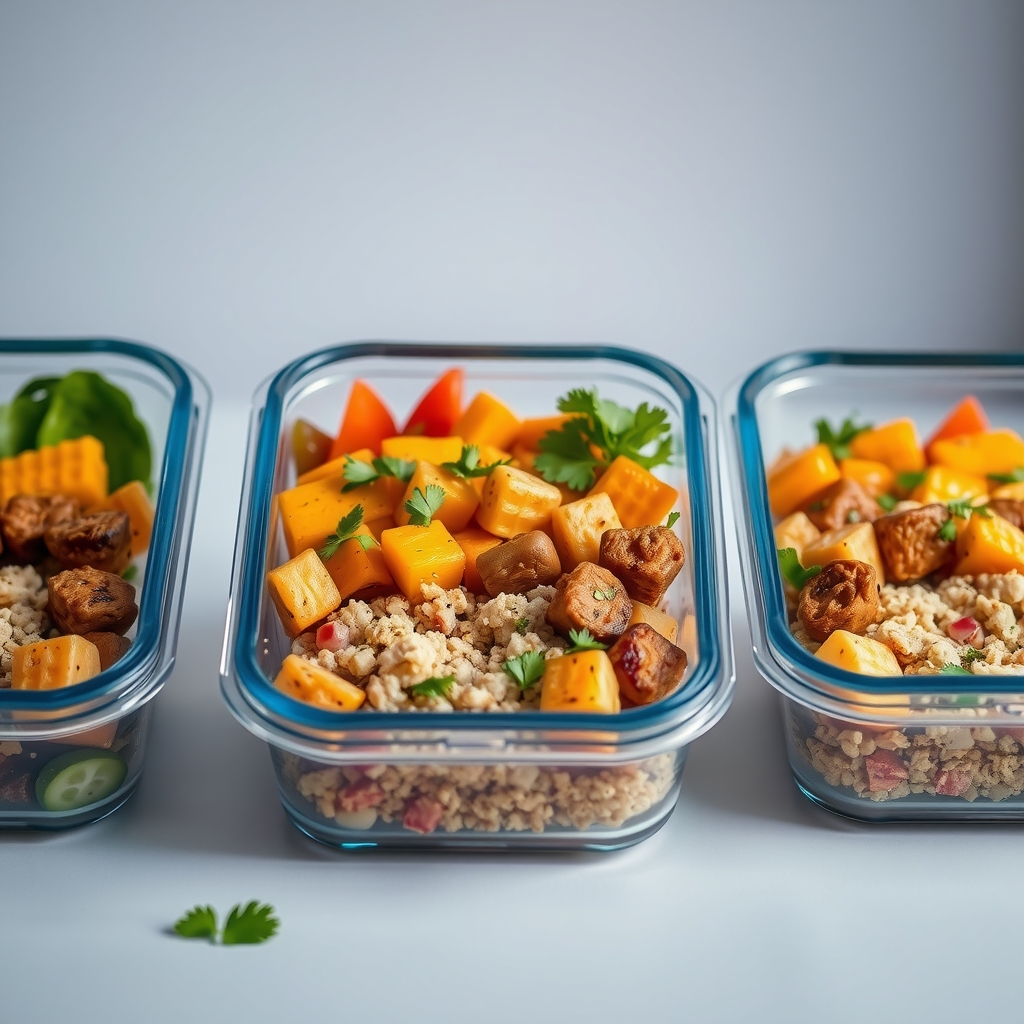
High-Protein Keto Dinners for Postpartum Recovery and Lactation
After birth, your body needs significant nutritional support to heal, regain energy, and, if you're breastfeeding, produce milk. Protein is essential for tissue repair and muscle maintenance, while healthy fats provide sustained energy. These keto dinner recipes are designed to be nutrient powerhouses for postpartum moms.
Lactation significantly increases your caloric and nutrient demands. While a strict keto diet can sometimes impact milk supply, a modified low-carb approach focusing on nutrient density and adequate hydration can be supportive. The key is to ensure you're getting enough calories and a wide range of vitamins and minerals. The Centers for Disease Control and Prevention (CDC) recommends that breastfeeding mothers consume an extra 330 to 400 calories per day, emphasizing nutrient-rich foods.
Recipe 7: Hearty Beef and Cauliflower Rice Bowl
This bowl is packed with protein, healthy fats, and fiber from the cauliflower rice, making it incredibly satisfying and nourishing for recovery.
- Ingredients: 1 lb ground beef (80/20 for healthy fats), 1 head cauliflower (riced), 1 tbsp olive oil, 1 small onion (chopped), 2 cloves garlic (minced), 1 cup beef broth, 1 tbsp tomato paste (sugar-free), 1 tsp dried oregano, salt and pepper, optional: avocado slices and a dollop of sour cream for serving.
- Instructions:
- Heat olive oil in a large skillet over medium heat. Add chopped onion and cook until softened (3-5 minutes). Add ground beef and cook, breaking it up with a spoon, until browned. Drain any excess fat.
- Stir in minced garlic, tomato paste, and oregano. Cook for 1 minute until fragrant.
- Add beef broth and bring to a simmer. Reduce heat and cook for 5-7 minutes, allowing flavors to meld. Season with salt and pepper.
- While beef simmers, prepare cauliflower rice. You can use a food processor or a grater to rice the cauliflower. Sauté in a separate pan with a little olive oil until tender, or microwave for 3-5 minutes.
- Serve the hearty beef mixture over a bed of cauliflower rice. Garnish with avocado slices and sour cream if desired.
Recipe 8: Creamy Chicken and Spinach Skillet
This one-pan meal is rich in protein and iron, crucial for postpartum healing, and offers a comforting, creamy texture without high carbs.
- Ingredients: 1.5 lbs boneless, skinless chicken thighs or breast (cubed), 1 tbsp olive oil, 1 small onion (diced), 2 cloves garlic (minced), 4 oz cream cheese, ½ cup chicken broth, ½ cup heavy cream, 5 oz fresh spinach, ½ cup grated Parmesan cheese, salt and pepper, red pepper flakes (optional).
- Instructions:
- Heat olive oil in a large skillet over medium-high heat. Add chicken cubes and cook until browned on all sides and cooked through (about 6-8 minutes). Remove chicken from skillet.
- Add diced onion to the skillet and cook until softened (3-5 minutes). Add minced garlic and cook for 1 minute until fragrant.
- Stir in cream cheese, chicken broth, and heavy cream. Bring to a gentle simmer, stirring until cream cheese is melted and sauce is smooth.
- Return chicken to the skillet. Stir in fresh spinach until wilted.
- Remove from heat and stir in Parmesan cheese. Season with salt, pepper, and red pepper flakes if using. Serve immediately.
Delicious Keto Dinner Meals Under 500 Calories for Weight Management
For moms looking to manage weight postpartum or while breastfeeding, focusing on nutrient-dense meals that are satisfying but calorie-conscious is key. These keto diet dinner recipes help you stay within a calorie target while providing ample protein and healthy fats to keep you full and nourished. Remember, drastic calorie restriction is not recommended during breastfeeding, as it can impact milk supply. Always consult your doctor or a dietitian to determine a healthy calorie goal.
One mom found that tracking her Dash Diet dinner recipes helped her visualize her intake, and she applied similar tracking principles to her keto meals to ensure she met her goals without under-eating.
Recipe 9: Turkey Meatloaf Muffins with Steamed Broccoli
Portion-controlled and packed with protein, these meatloaf muffins are a great way to enjoy a classic comfort food in a keto-friendly, calorie-conscious way.
- Ingredients: 1 lb lean ground turkey, 1 egg, ¼ cup almond flour, ¼ cup finely diced onion, 2 tbsp sugar-free ketchup or tomato paste, 1 tbsp Dijon mustard, 1 tsp dried parsley, salt and pepper, 1 head broccoli (steamed).
- Instructions:
- Preheat oven to 375°F (190°C). Lightly grease a 12-cup muffin tin.
- In a large bowl, combine ground turkey, egg, almond flour, diced onion, ketchup/tomato paste, Dijon mustard, parsley, salt, and pepper. Mix until just combined (don't overmix).
- Divide the mixture evenly among the 12 muffin cups.
- Bake for 20-25 minutes, or until cooked through and lightly browned.
- Serve 2-3 meatloaf muffins with a side of steamed broccoli for a complete meal under 500 calories.
Recipe 10: Caprese Chicken Skewers with Balsamic Glaze
Light, fresh, and bursting with flavor, these skewers are low in calories but high in satisfaction. The balsamic glaze provides a touch of sweetness without excess carbs.
- Ingredients: 1 lb boneless, skinless chicken breast (cut into 1-inch cubes), 1 pint cherry tomatoes, 8 oz fresh mozzarella balls (bocconcini), ¼ cup fresh basil leaves, 2 tbsp olive oil, 1 tbsp balsamic vinegar, 1 tsp erythritol (optional, for glaze), salt and pepper, wooden or metal skewers.
- Instructions:
- If using wooden skewers, soak them in water for 30 minutes to prevent burning.
- Toss chicken cubes with 1 tbsp olive oil, salt, and pepper. Thread chicken, cherry tomatoes, mozzarella balls, and basil leaves alternately onto the skewers.
- Grill or bake skewers at 400°F (200°C) for 15-20 minutes, turning occasionally, until chicken is cooked through and tomatoes are slightly softened.
- While skewers cook, prepare the glaze: In a small saucepan, combine balsamic vinegar and erythritol (if using). Bring to a simmer over medium-low heat and cook for 5-7 minutes, until reduced and slightly thickened.
- Drizzle the balsamic glaze over the cooked Caprese chicken skewers before serving. Enjoy 2-3 skewers per serving for a low-calorie meal.
Nutrient-Dense Vegetarian Keto Dinners
Following a vegetarian keto diet during pregnancy or breastfeeding requires even more careful planning to ensure you're getting all essential nutrients, especially protein, iron, and B12. However, it's certainly possible to create delicious and satisfying vegetarian keto dinner recipes that are rich in vitamins, minerals, and fiber.
Recipe 11: Halloumi and Veggie Skewers with Cauliflower Tabbouleh
Halloumi cheese is a fantastic high-protein, low-carb vegetarian option that grills beautifully. Paired with fresh veggies and a cauliflower-based tabbouleh, it's a vibrant and nutritious meal.
- Ingredients: 8 oz halloumi cheese (cut into 1-inch cubes), 1 zucchini (sliced), 1 red bell pepper (cut into squares), 1 small red onion (cut into wedges), 2 tbsp olive oil, salt and pepper.
- For Cauliflower Tabbouleh: 1 cup riced cauliflower (raw), ½ cup chopped fresh parsley, ¼ cup chopped fresh mint, 2 tbsp lemon juice, 1 tbsp olive oil, salt and pepper.
- Instructions:
- If using wooden skewers, soak them in water for 30 minutes.
- Thread halloumi, zucchini, bell pepper, and red onion onto skewers. Drizzle with 1 tbsp olive oil, salt, and pepper.
- Grill skewers for 3-5 minutes per side, until halloumi is golden and vegetables are tender-crisp. Alternatively, roast in a 400°F (200°C) oven for 15-20 minutes.
- For the tabbouleh: In a bowl, combine riced cauliflower, parsley, mint, lemon juice, and 1 tbsp olive oil. Season with salt and pepper. Toss well.
- Serve grilled halloumi skewers alongside the fresh cauliflower tabbouleh.
Recipe 12: Creamy Mushroom & Spinach "Risotto" with Shirataki Rice
This comforting dish uses shirataki rice (a very low-carb pasta alternative) to mimic risotto, packed with umami flavor from mushrooms and nutrients from spinach.
- Ingredients: 1 tbsp olive oil, 1 tbsp butter, 1 small onion (finely diced), 2 cloves garlic (minced), 8 oz mixed mushrooms (sliced), 4 oz cream cheese, ½ cup vegetable broth, ½ cup heavy cream, 5 oz fresh spinach, 1 package (8 oz) shirataki rice (rinsed and drained), ¼ cup grated Parmesan cheese, salt and pepper.
- Instructions:
- Rinse and drain shirataki rice very well. Pat dry.
- Heat olive oil and butter in a large skillet over medium heat. Add diced onion and cook until softened (3-5 minutes). Add minced garlic and mushrooms, cook until mushrooms are tender and have released their liquid (about 5-7 minutes).
- Stir in cream cheese, vegetable broth, and heavy cream. Bring to a gentle simmer, stirring until cream cheese is melted and sauce is smooth.
- Add spinach and cook until wilted. Stir in the prepared shirataki rice.
- Remove from heat and stir in Parmesan cheese. Season with salt and pepper to taste. Serve immediately.
Allergen-Friendly Keto Dinners: Dairy-Free and Nut-Free Options
Navigating dietary restrictions like dairy or nut allergies while maintaining a keto diet, especially during pregnancy or breastfeeding, can feel overwhelming. These keto dinner recipes are designed to be free from common allergens, ensuring everyone can enjoy a delicious and safe meal.
Recipe 13: Ground Turkey & Broccoli Bowls with Tahini Dressing (Dairy & Nut-Free)
This bowl is incredibly versatile, packed with protein and healthy fats from tahini, and completely dairy and nut-free. Tahini (sesame paste) is a fantastic alternative for creamy textures.
- Ingredients: 1 lb ground turkey, 1 head broccoli (cut into florets), 2 tbsp olive oil, 2 cloves garlic (minced), 1 tbsp grated fresh ginger, 2 tbsp coconut aminos (or gluten-free tamari), 1 tbsp rice vinegar, red pepper flakes (optional).
- For Tahini Dressing: ¼ cup tahini, 2 tbsp lemon juice, 1 tbsp olive oil, 1 tbsp water (or more to thin), 1 clove garlic (minced), salt to taste.
- Instructions:
- Heat 1 tbsp olive oil in a large skillet over medium-high heat. Add ground turkey and cook, breaking it up, until browned and cooked through. Drain any excess fat. Add minced garlic and grated ginger, cook for 1 minute until fragrant. Stir in coconut aminos and rice vinegar. Season with red pepper flakes if using. Remove turkey from skillet.
- Add remaining 1 tbsp olive oil to the skillet. Add broccoli florets and sauté for 5-7 minutes until tender-crisp.
- While broccoli cooks, prepare the tahini dressing: In a small bowl, whisk together tahini, lemon juice, olive oil, water, minced garlic, and salt until smooth and creamy. Add more water if needed to reach desired consistency.
- Assemble bowls: Serve ground turkey and sautéed broccoli, drizzled generously with tahini dressing.
Recipe 14: Coconut Curry Chicken with Cauliflower Rice (Dairy & Nut-Free)
A fragrant and satisfying curry that gets its creaminess from coconut milk, a fantastic dairy-free alternative. This dish is rich in flavor and nutrients.
- Ingredients: 1 tbsp coconut oil, 1.5 lbs boneless, skinless chicken thighs (cut into 1-inch pieces), 1 small onion (chopped), 2 cloves garlic (minced), 1 tbsp grated fresh ginger, 2 tbsp red curry paste (check for sugar/allergens), 1 can (13.5 oz) full-fat coconut milk, 1 cup chicken broth, 1 red bell pepper (sliced), 1 cup green beans (trimmed), 1 head cauliflower (riced), fresh cilantro for garnish.
- Instructions:
- Heat coconut oil in a large pot or Dutch oven over medium-high heat. Add chicken and cook until browned on all sides. Remove chicken from pot.
- Add chopped onion to the pot and cook until softened (3-5 minutes). Add minced garlic, grated ginger, and red curry paste. Cook for 1 minute until fragrant.
- Stir in coconut milk and chicken broth. Bring to a simmer. Return chicken to the pot. Add bell pepper and green beans. Reduce heat to low, cover, and simmer for 15-20 minutes, or until chicken is cooked through and vegetables are tender.
- While curry simmers, prepare cauliflower rice. Sauté in a separate pan with a little coconut oil until tender, or microwave for 3-5 minutes.
- Serve hot curry over a bed of cauliflower rice, garnished with fresh cilantro.
Common Keto Pitfalls and How to Avoid Them
While a modified keto or low-carb diet can be beneficial, there are common mistakes to watch out for, especially when pregnant or breastfeeding. Avoiding these pitfalls ensures you stay healthy and nourished.
- Not Enough Fiber: Restricting carbs can reduce fiber intake. Focus on non-starchy vegetables like leafy greens, broccoli, and avocado to keep your digestive system healthy.
- Nutrient Deficiencies: Be mindful of micronutrients like folate (crucial for neural tube development), iron, calcium, magnesium, and B vitamins. Prioritize nutrient-dense whole foods and consider supplementation under medical guidance.
- Dehydration and Electrolyte Imbalance: Keto can be diuretic. Drink plenty of water and ensure adequate intake of electrolytes (sodium, potassium, magnesium) through foods like avocados, spinach, and bone broth.
- "Dirty Keto" Choices: Relying on highly processed keto-friendly foods instead of whole, unprocessed ingredients can lead to nutrient gaps and unhealthy fat intake. Choose whole foods.
- Insufficient Calories: Especially when breastfeeding, under-eating can impact milk supply and energy levels. Listen to your body and ensure you're consuming enough to meet your increased demands.
- Ignoring Medical Advice: The most critical pitfall is not consulting your doctor or a registered dietitian. Their personalized guidance is invaluable for safely adapting a keto lifestyle during pregnancy or breastfeeding.
Myth vs. Fact
There's a lot of information and misinformation floating around about keto, especially concerning pregnancy and breastfeeding. Let's clear up a few common misconceptions.
- Myth: Keto is dangerous for pregnant women and should always be avoided.
- Fact: While a very strict, traditional keto diet is generally not recommended for most pregnant women, a modified low-carb approach can be safe and even beneficial for specific conditions like gestational diabetes, *when closely monitored by a healthcare provider and registered dietitian*. The key is moderation and nutrient density.
- Myth: You can't breastfeed on a keto diet because it will reduce your milk supply.
- Fact: Many women successfully breastfeed on a modified low-carb or keto-adapted diet. The primary concern is ensuring adequate caloric intake and hydration. If your milk supply is affected, it's often due to insufficient calories or fluid, not necessarily the carb restriction itself. Always work with a healthcare professional to ensure your diet supports lactation.
- Myth: All keto foods are healthy, regardless of how they're made.
- Fact: "Dirty keto" (eating processed foods like sugar-free candies and highly processed meats) can lead to nutrient deficiencies and unhealthy ingredients. "Clean keto" focuses on whole, unprocessed foods like lean proteins, healthy fats, and plenty of non-starchy vegetables, which is crucial for overall health and especially during pregnancy and breastfeeding.
Key Takeaways
- Always consult your doctor or a registered dietitian before starting a keto or significantly low-carb diet during pregnancy or breastfeeding.
- A modified low-carb approach (50-100g net carbs) is generally safer than strict keto during these times, allowing for more nutrient-dense plant foods.
- Prioritize nutrient-dense whole foods, including lean proteins, healthy fats, and a wide variety of non-starchy vegetables.
- Increase protein intake to support fetal development, postpartum recovery, and milk production.
- Meal prepping is crucial for busy moms to ensure consistent healthy eating and save time.
- Pay close attention to hydration and electrolyte balance to prevent common keto side effects.
- Keto-friendly options exist for managing gestational diabetes, weight postpartum, vegetarian needs, and common allergies.
Frequently Asked Questions
Is it safe to do keto while pregnant?
While a very strict ketogenic diet is generally not advised, a modified low-carb diet (often 50-100g net carbs) may be considered safe for some pregnant women, especially under medical supervision for conditions like gestational diabetes. It's crucial to ensure adequate nutrient intake for both mother and baby, as pregnancy significantly increases demands for essential vitamins and minerals.
What are the best keto dinner recipes for gestational diabetes?
For gestational diabetes, the best keto-friendly dinner recipes focus on lean proteins, healthy fats, and non-starchy vegetables to stabilize blood sugar. Examples include baked cod with lemon-dill sauce and green beans, or zucchini noodles with pesto and shrimp. These meals are designed to have minimal impact on blood glucose while providing essential nutrients.
How do I meal prep keto dinners without them getting boring?
To keep keto meal prep interesting, focus on versatile ingredients you can combine in different ways. Batch cook proteins like chicken or ground beef, then use them in stir-fries, salads, or with different sauces. Vary your non-starchy vegetables and experiment with different spice blends or sugar-free marinades. For example, a big batch of cooked chicken can become chicken salad one night, and part of a skillet meal the next.
Can I eat keto dinners while breastfeeding without affecting my baby?
Many women successfully follow a modified low-carb or keto-adapted diet while breastfeeding. The main considerations are ensuring sufficient caloric intake to maintain milk supply and consuming a wide range of nutrient-dense foods to support both your health and your baby's development. Always monitor your milk supply and energy levels, and consult with a healthcare provider or lactation consultant.
What are some easy keto dinner recipes that don’t require special equipment?
Many easy keto dinner recipes require only basic kitchen tools. Think sheet pan meals like sausage and peppers, skillet dishes like creamy chicken and spinach, or simple assemblies like chicken salad lettuce wraps. These focus on minimal ingredients and straightforward cooking methods, perfect for busy evenings without needing specialized gadgets.
Are there any keto dinner recipes that help with postpartum weight loss?
Keto dinner recipes can support postpartum weight management by promoting satiety and stable blood sugar. Look for meals that are high in protein and healthy fats but calorie-conscious, such as turkey meatloaf muffins with steamed broccoli or Caprese chicken skewers. Remember, gradual and healthy weight loss is key postpartum, and never restrict calories too severely, especially if breastfeeding.
How do I ensure my keto dinners are still nutrient-dense for my growing baby?
To ensure nutrient density, prioritize whole, unprocessed foods in your keto dinners. Include a wide array of non-starchy vegetables (leafy greens, broccoli, bell peppers), healthy fats (avocado, olive oil, fatty fish like salmon), and high-quality protein sources. Consider incorporating fortified foods or discussing targeted supplements like folate, iron, and choline with your doctor or dietitian.
When to See a Doctor or Specialist
While this article provides general information and recipes, it is crucial to remember that it is not a substitute for professional medical advice. If you are pregnant, breastfeeding, or managing a health condition like gestational diabetes, always consult with your OB/GYN, a maternal-fetal medicine specialist, or a registered dietitian before making significant dietary changes, including starting a keto diet. They can provide personalized guidance, monitor your health, and ensure both you and your baby are receiving adequate nutrition. Seek immediate medical attention if you experience any concerning symptoms, such as rapid or unexplained weight loss, fatigue, nausea, vomiting, or signs of nutrient deficiency.
References
- American College of Obstetricians and Gynecologists (ACOG). (2021). Nutrition During Pregnancy.
- American Diabetes Association (ADA). (2023). Eating Well.
- Academy of Nutrition and Dietetics. (2022). Healthy Eating During Pregnancy.
- Centers for Disease Control and Prevention (CDC). (2022). Maternal Diet.
- Mayo Clinic. (2023). Pregnancy diet: Focus on these essential nutrients.




