

Quick take: Japanese diet snacks are a game-changer for on-the-go health—light, nutrient-packed, and designed for balance. Think edamame with sea salt, fresh sushi rolls (with brown rice), miso soup packets, and roasted seaweed. For weight loss, prioritize snacks under 150 calories with protein or fiber (like tamagoyaki or grilled fish sticks). Pack them in reusable containers with ice packs, and DIY versions (like homemade mochi or rice crackers) save money and control ingredients. Always check labels for hidden sugar or gluten if you have dietary restrictions.Japanese Diet Snacks for On the Go: The Complete 2026 Guide
Picture this: You’re in a cramped airport terminal, your stomach growling, and the only snack options are vending machine bags of chips or overpriced granola bars. Then you remember the Japanese diet snacks you’ve been meaning to try—light, flavorful, and actually good for you. But what *are* the best options? How do you pack them for a long flight without melting? And how on earth do you make them at home when you’re already running late?
We get it. The idea of Japanese snacks—whether it’s a tiny bento box or a pack of fresh sushi—feels like something out of a magazine, not your reality. But here’s the thing: Japanese diet snacks are *built* for this exact moment. They’re designed to be portable, nutrient-dense, and satisfying without derailing your goals. Whether you’re trying to lose weight, manage blood sugar, or just eat better on the go, this guide will help you navigate the best options—from store-bought to homemade—so you can snack smart, no matter where life takes you.
Let’s dive in.
--- ## Best Japanese Diet Snacks for Weight Loss on the GoIf you’re watching your weight, you’re probably looking for snacks that keep you full, curb cravings, and don’t send your calorie tracker into overdrive. Japanese diet snacks check all these boxes—especially when you focus on protein-rich, fiber-packed, or umami-flavored options. Here’s what to prioritize:
- Edamame with sea salt (about 120 calories for ½ cup): These little soybeans are packed with plant-based protein and fiber, making them a perfect mid-afternoon pick-me-up. They’re also naturally low in fat and sugar.
- Tamagoyaki (Japanese rolled omelet) (around 100 calories per slice): This sweet-and-savory rolled egg dish is a protein powerhouse, often made with just eggs, sugar, and soy sauce. Look for versions with minimal added sugar.
- Grilled fish sticks (like salmon or mackerel) (about 150 calories for 3 sticks): These are a staple in Japanese convenience stores and bento boxes. They’re high in omega-3s and protein, with almost no carbs.
- Seaweed snacks (around 30 calories per sheet): Roasted seaweed is low-calorie, rich in iodine, and packed with minerals like magnesium. It’s also a great source of fiber, which helps keep you full.
- Miso soup packets (about 50 calories per packet): While not a snack on its own, miso soup is a savory, low-calorie option that’s easy to prepare on the go. Pair it with a small piece of tofu or a slice of nori for extra protein.
Pro tip: If you’re meal prepping, pair these snacks with a small container of DASH-friendly hummus or a handful of almonds to add healthy fats and extra staying power.
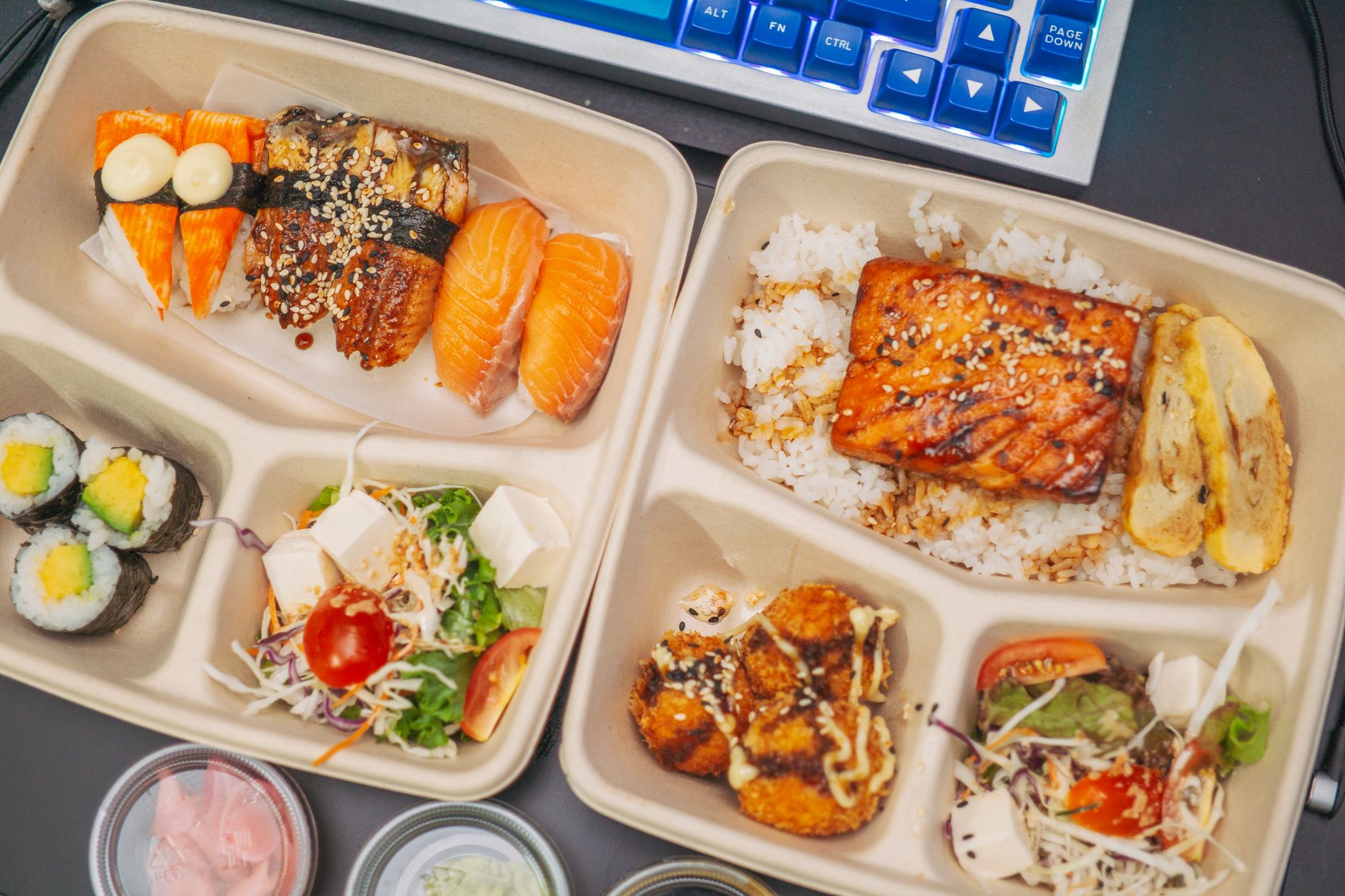
Office snacks are the ultimate test of willpower—half the time, you’re grabbing whatever’s easiest, and that’s usually the bag of chips or candy bar. But with a little planning, you can stock your desk (or your bag) with Japanese diet snacks that are just as satisfying as they are healthy. Here’s how:
Start by investing in a small, insulated lunch bag or a stackable snack container. Japanese convenience stores (like 7-Eleven or FamilyMart) sell pre-packaged snacks that are perfect for this:
- Onigiri (rice balls): Opt for versions wrapped in nori (seaweed) and filled with tuna, salmon, or pickled plum. These are typically around 150–200 calories each and provide a balance of carbs and protein.
- Konbu (dried kelp) snacks: These are incredibly low-calorie (about 10 calories per sheet) and high in minerals like iodine and potassium. They’re also great for hydration.
- Yaki Imo (sweet potato chips): If you need something slightly indulgent but still diet-friendly, these are a better alternative to regular potato chips. Look for versions with minimal added sugar.
- Matcha or green tea cookies: If you’re craving something sweet, matcha cookies (made with green tea powder) are a great option. They’re often lower in sugar than traditional cookies and provide antioxidants.
For a DIY touch, grab a small container of rice crackers (like senbei) and pair them with a small tub of DASH-friendly tuna salad or avocado dip. This combo gives you crunch, protein, and healthy fats—all in a portable package.
If you’re feeling ambitious, you can even make your own snack packs. Roll up slices of cucumber with a bit of soy sauce and sesame seeds, or pack a small container of pickled vegetables (like tsukemono) for a tangy, crunchy bite.
--- ## How to Pack Japanese Diet Snacks for TravelTraveling with snacks is a game of logistics—you need something that won’t melt in your bag, won’t leak, and won’t make your luggage smell like a fish market. Here’s how to pack Japanese diet snacks like a pro:
1. **Use reusable containers**: Invest in a set of small, leak-proof containers with tight-fitting lids. Glass or BPA-free plastic works best. For liquids like miso soup or pickled vegetables, opt for squeeze bottles or small jars.
2. **Layer snacks with ice packs**: If you’re traveling by plane or in hot weather, freeze your snacks overnight. This keeps them fresh and prevents spoilage. Wrap them in a cloth or paper towel to avoid freezer burn.
3. **Pack snacks in your carry-on**: If you’re flying, keep your snacks in your personal item or carry-on bag. This way, you’ll always have something to eat, even if your checked luggage is delayed.
4. **Choose non-perishable options**: For longer trips, focus on snacks that don’t require refrigeration, like:
- Rice crackers (senbei)
- Dried seaweed (konbu)
- Roasted soybeans (awamori)
- Matcha or green tea cookies
- Nuts and seeds (like almonds or pumpkin seeds)
5. **Bring condiments in small bottles**: If you’re packing something like sushi or onigiri, bring a small bottle of soy sauce or wasabi in your carry-on. These can be easily added at the airport or on the plane.
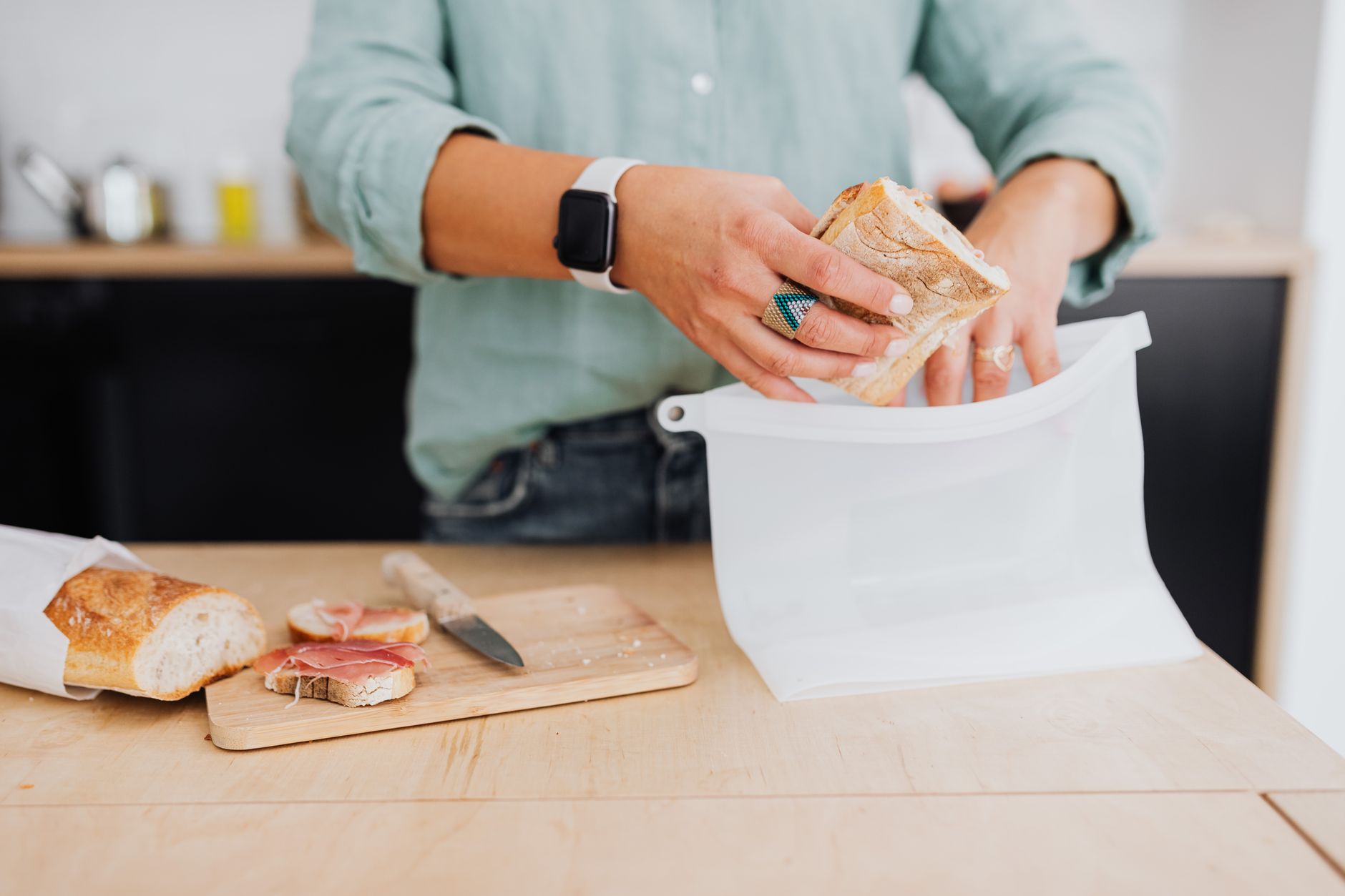
If you’re following a low-carb diet—whether it’s keto, Atkins, or just trying to reduce your carb intake—Japanese snacks can be a lifesaver. The key is to focus on snacks that are naturally low in carbs or made with minimal rice or flour. Here are some of the best options:
- Grilled fish or shrimp skewers: These are often sold in Japanese convenience stores and are typically under 10 grams of carbs per serving. They’re high in protein and healthy fats.
- Tamagoyaki (Japanese omelet): Made with just eggs, sugar, and soy sauce, this snack is naturally low in carbs. Look for versions without added sugar.
- Seaweed snacks: As mentioned earlier, these are virtually carb-free and packed with nutrients.
- Edamame: While edamame does contain carbs, it’s also high in fiber and protein, making it a more balanced choice than other snacks.
- Pickled vegetables (tsukemono): These are fermented and naturally low in carbs. They’re also great for gut health.
If you’re making your own low-carb snacks, try these DIY ideas:
- Cheese and olive skewers: Thread cubes of cheese and olives onto small skewers for a portable, low-carb snack.
- Avocado with soy sauce: Slice avocado and drizzle with a bit of soy sauce for a creamy, low-carb treat.
- Pork belly or beef jerky: Japanese-style jerky (like inari or yuba) is often lower in carbs than Western versions.
For more low-carb snack ideas, check out our Carnivore Diet Snacks for On-the-Go guide, which often overlaps with Japanese diet principles.
--- ## Japanese Diet Snack Recipes for Busy MomsLet’s be real—moms don’t have time to stand over a stove for hours. But that doesn’t mean you can’t enjoy Japanese diet snacks at home. The secret? Batch cooking and simple prep. Here are a few easy recipes to make ahead:
### 1. **Homemade Mochi (Sweet or Savory)**Mochi is a chewy rice cake that’s naturally gluten-free and can be made with just a few ingredients. For a sweet version:
- 1 cup glutinous rice flour
- ½ cup sugar (or honey for a healthier option)
- 1 tsp vanilla extract
- 1 cup water
Mix the flour, sugar, and vanilla, then add water gradually. Cook in a steamer for 20 minutes, then shape into balls. Store in the fridge for up to a week.
For a savory version, try filling the mochi with pickled plum (umeboshi) or grated daikon radish.
### 2. **Rice Crackers (Senbei)**These are incredibly easy to make and can be customized with different flavors:
- 1 cup white rice flour
- ½ tsp salt
- ½ cup water
- 1 tbsp sesame oil (optional)
Mix the ingredients into a dough, roll it out thinly, and cut into squares. Bake at 350°F (175°C) for 10–15 minutes until crispy. For flavor, brush with soy sauce or sesame seeds after baking.
### 3. **Miso Soup Packets**Make your own miso soup packets for easy reheating:
- ½ cup miso paste
- 1 cup dashi stock (or water + 1 tsp dashi powder)
- ½ cup tofu, sliced
- 1 green onion, chopped
- 1 tsp sesame seeds
Mix the miso paste into the hot stock, then add the tofu and green onion. Store in small containers in the fridge for up to 5 days.
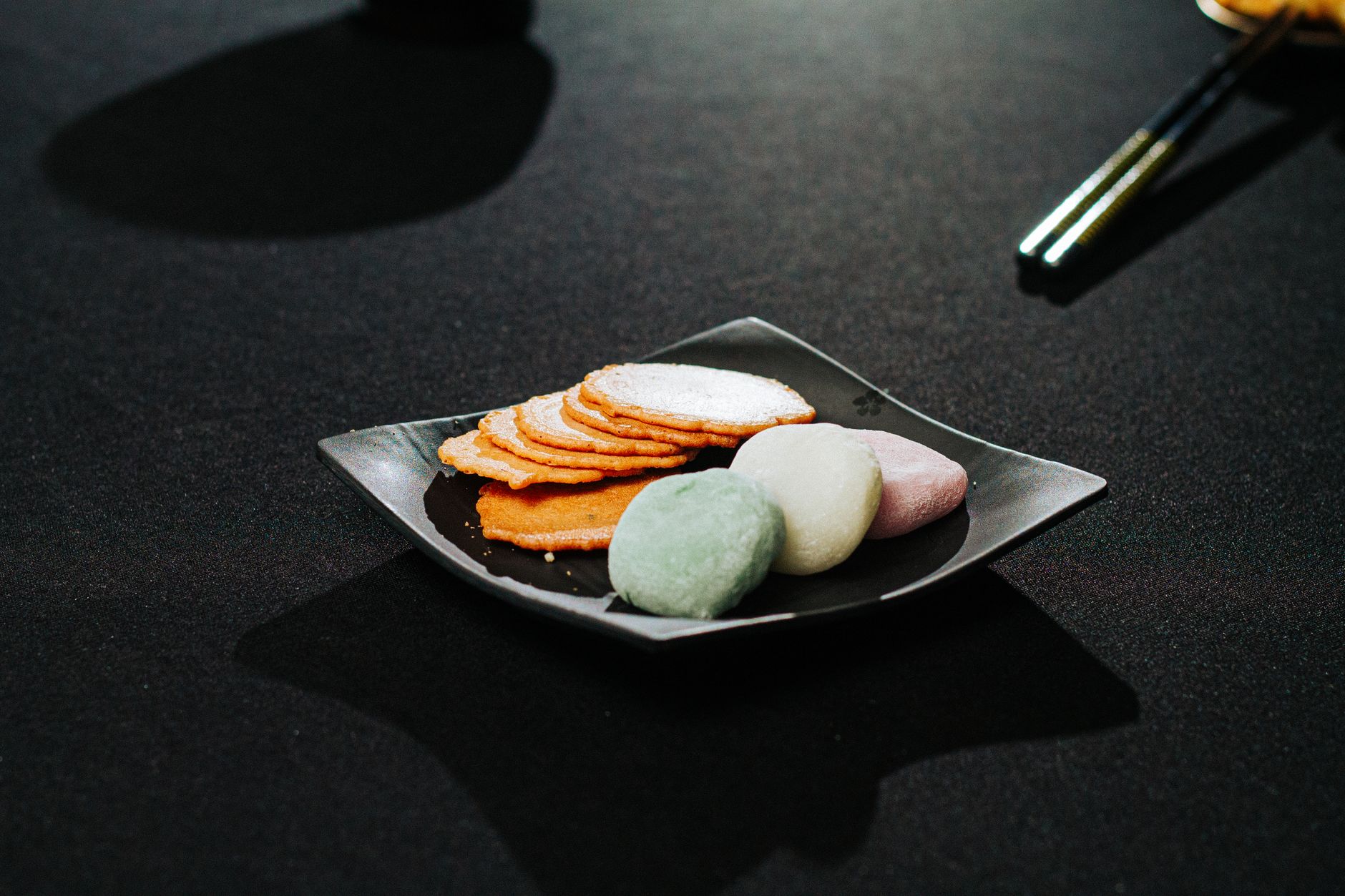
Gluten-free snacking can be tricky, but Japanese diet snacks offer plenty of naturally gluten-free options. The key is to avoid soy sauce (which often contains wheat) and stick to rice-based or seafood-based snacks. Here are some of the best gluten-free picks:
- Edamame: Always gluten-free, as long as it’s not mixed with soy sauce.
- Seaweed snacks: Naturally gluten-free and low-calorie.
- Grilled fish or shrimp: These are almost always gluten-free, especially if they’re not breaded.
- Rice crackers (senbei): Made from rice flour, these are naturally gluten-free.
- Mochi (made with glutinous rice flour): Traditional mochi is gluten-free, but always check labels for cross-contamination warnings.
If you’re making your own gluten-free snacks, here are a few tips:
- Use tamari instead of soy sauce—it’s gluten-free and has a similar flavor.
- Avoid wheat-based fillings like onigiri (rice balls) with wheat-based fillings. Instead, use fillings like tuna, salmon, or pickled plum.
- When baking, use gluten-free flour blends if you need to make bread or crackers.
For more gluten-free snack ideas, check out our AIP Elimination Diet Snacks for On-the-Go guide, which often aligns with gluten-free principles.
--- ## Japanese Diet Snacks for BeginnersIf you’re new to Japanese diet snacks, the sheer variety can feel overwhelming. Where do you even start? The good news is that you don’t need to master everything at once. Here’s how to ease into it:
1. **Start with the basics**: Focus on snacks that are easy to find and prepare, like:
- Edamame with sea salt
- Seaweed snacks
- Rice crackers (senbei)
- Grilled fish sticks
2. **Visit a Japanese grocery store**: If you have one nearby, this is the best place to explore. Look for the snack aisle—you’ll find everything from dried seafood to pickled vegetables.
3. **Try a convenience store**: Japanese convenience stores like 7-Eleven or FamilyMart sell pre-packaged snacks that are perfect for beginners. Look for options labeled "health food" or "light."
4. **Experiment with flavors**: Japanese snacks come in a variety of flavors—savory, sweet, umami, and tangy. Don’t be afraid to try something new!
5. **Make one DIY snack**: Start with something simple, like rice crackers or miso soup packets. Once you’re comfortable, move on to more complex recipes.
Remember, the goal isn’t perfection—it’s progress. Even swapping one unhealthy snack for a Japanese diet option is a win.
--- ## Japanese Diet Snack Ideas for KidsKids can be picky eaters, but Japanese diet snacks are surprisingly kid-friendly. The key is to focus on snacks that are familiar in texture and flavor—think crunchy, sweet, or slightly savory. Here are some great options:
- Yaki Imo (sweet potato chips): These are a hit with kids and are much healthier than regular potato chips.
- Matcha or green tea cookies: If your child enjoys sweet treats, these are a great alternative to store-bought cookies.
- Dango (sweet rice dumplings): These are chewy and sweet, often served with a red bean paste filling. They’re naturally gluten-free if made with rice flour.
- Fresh fruit skewers with soy sauce dip: Slice strawberries, pineapple, or grapes and thread them onto skewers. Serve with a small cup of soy sauce for dipping.
- Mini onigiri: Make small rice balls with fillings like tuna mayo or pickled plum. They’re easy to eat and fun to shape.
For picky eaters, try these tips:
- Let them help with prep—kids are more likely to try something they’ve helped make.
- Offer a "dip" like soy sauce, honey, or yogurt to make snacks more appealing.
- Start with familiar flavors—like sweet potato or fruit—and gradually introduce new tastes.
For more kid-friendly snack ideas, check out our DASH Diet Food List for Beginners, which often includes family-friendly options.
--- ## Japanese Diet Snack Nutrition FactsUnderstanding the nutrition facts of Japanese diet snacks can help you make the best choices for your goals—whether that’s weight loss, muscle gain, or just eating cleaner. Here’s a quick breakdown of some popular snacks:
| Snack | Calories | Protein (g) | Carbs (g) | Fiber (g) | Fat (g) |
|---|---|---|---|---|---|
| Edamame (½ cup) | 120 | 11 | 8 | 4 | 5 |
| Tamagoyaki (1 slice) | 100 | 6 | 2 | 0 | 7 |
| Grilled fish sticks (3 sticks) | 150 | 12 | 1 | 0 | 10 |
| Seaweed snack (1 sheet) | 30 | 1 | 2 | 1 | 0 |
| Rice crackers (10 crackers) | 120 | 2 | 25 | 1 | 0 |
| Yaki Imo (sweet potato chips, 1 oz) | 150 | 2 | 28 | 3 | 5 |
As you can see, Japanese snacks are a great way to get a balance of protein, carbs, and fats—without the processed junk. They’re also often lower in calories than Western snacks, making them ideal for weight management.
--- ## Japanese Diet Snack Brands to TryIf you’re not in the mood to cook, there are plenty of great Japanese snack brands that make it easy to snack smart. Here are some of the best:
- Nakamura: Known for their high-quality seaweed snacks and dried seafood, Nakamura offers a wide range of gluten-free and low-calorie options.
- Suntory: This brand offers everything from matcha cookies to rice crackers. Their snacks are often lower in sugar and higher in antioxidants.
- Kagome: Kagome specializes in soy-based snacks, like edamame and tofu products. Their snacks are naturally gluten-free and packed with protein.
- Calbee: Famous for their popcorn and rice crackers, Calbee offers a variety of flavors, including savory and spicy options.
- Hokuren: This brand is known for their dried fruits and seaweed snacks. Their products are often low in calories and high in fiber.
You can find these brands in Japanese grocery stores, Asian markets, or even some larger supermarkets. If you can’t find them locally, many brands also sell online.
--- ## Japanese Diet Snack Delivery ServicesIf you’re short on time or just don’t feel like shopping, Japanese diet snack delivery services can be a lifesaver. Here are a few options to consider:
- Amazon Fresh: If you have an Amazon Prime membership, you can often find Japanese snacks delivered to your doorstep. Just search for "Japanese snacks" or "health food" in the grocery section.
- Instacart: Many Asian grocery stores partner with Instacart to deliver their products. You can order from stores like H Mart or 99 Ranch Market and have snacks delivered in as little as an hour.
- Specialty Japanese snack brands: Some brands, like Nakamura or Suntory, offer direct-to-consumer shipping. Check their websites for delivery options.
- Local Japanese restaurants: Many Japanese restaurants offer takeout or delivery. Call ahead to ask if they sell snack-sized portions.
When ordering online, be sure to check reviews and shipping times to ensure you get fresh snacks on time.
--- ## Japanese Diet Snack Recipes (Bonus!)Here are a couple more recipes to add to your rotation:
### 1. **Quick Pickled Vegetables (Tsukemono)**Pickled vegetables are a staple in Japanese cuisine and are naturally low in carbs and calories. Here’s how to make a simple version:
- 1 cup rice vinegar
- ½ cup water
- 2 tbsp sugar
- 1 tbsp salt
- 1 cup thinly sliced cucumber, carrot, or daikon radish
Combine the vinegar, water, sugar, and salt in a saucepan and bring to a boil. Pour the liquid over the vegetables and let them soak for at least 30 minutes. Store in the fridge for up to a week.
### 2. **Sesame Chicken Skewers**These are a great high-protein snack that’s easy to make ahead:
- 1 lb chicken breast, cubed
- 2 tbsp soy sauce
- 1 tbsp sesame oil
- 1 tbsp honey
- 1 tsp grated ginger
- 1 tbsp sesame seeds
Mix the soy sauce, sesame oil, honey, and ginger in a bowl. Add the chicken and coat evenly. Thread the chicken onto skewers and grill or bake at 400°F (200°C) for 15–20 minutes. Sprinkle with sesame seeds before serving.
--- ## Myth vs. Fact: Japanese Diet SnacksThere are a few common misconceptions about Japanese diet snacks. Let’s set the record straight:
Myth: "All Japanese snacks are low-calorie." Fact: While many Japanese snacks are lower in calories than Western options, some—like sweet mochi or fried snacks—can be high in sugar or fat. Always check the nutrition label. Myth: "Japanese snacks are always gluten-free." Fact: Many traditional Japanese snacks contain wheat, soy sauce, or other gluten-containing ingredients. Always read labels or opt for naturally gluten-free options like rice crackers or seaweed snacks. Myth: "Japanese snacks are only for weight loss." Fact: Japanese snacks are balanced and can fit into any diet—whether you’re trying to gain muscle, manage blood sugar, or just eat healthier. The key is portion control and ingredient choices. --- ## Key TakeawaysHere’s a quick recap of what you need to know about Japanese diet snacks:
- Japanese snacks are naturally balanced, often low in calories, and packed with protein or fiber.
- For weight loss, prioritize snacks under 150 calories with protein or fiber, like edamame, tamagoyaki, or grilled fish sticks.
- Pack snacks in reusable containers with ice packs for travel to keep them fresh.
- DIY snacks like mochi, rice crackers, and miso soup packets are easy to make and cost-effective.
- Gluten-free options abound, but always check labels for hidden gluten in soy sauce or fillings.
- Kids can enjoy Japanese snacks too—focus on sweet potato chips, matcha cookies, and fruit skewers.
- Brands like Nakamura, Suntory, and Kagome offer great pre-packaged options.
What are the best Japanese diet snacks for weight loss?
The best Japanese snacks for weight loss are those that are low in calories, high in protein or fiber, and naturally balanced. Edamame, tamagoyaki, grilled fish sticks, and seaweed snacks are all excellent choices. Look for options under 150 calories per serving to keep your intake in check.
How can I make Japanese diet snacks at home?
Making Japanese diet snacks at home is easier than you think! Start with simple recipes like rice crackers, miso soup packets, or homemade mochi. Use naturally gluten-free ingredients like rice flour, seaweed, and fresh fish. Batch cooking and prepping ahead will save you time during busy weeks.
Are Japanese snacks healthy for a diet?
Yes! Japanese snacks are generally healthier than many Western snacks because they’re often lower in processed ingredients, higher in protein and fiber, and naturally balanced in carbs, fats, and sugars. However, always check labels for added sugars or unhealthy fats, especially in convenience store options.
What are low-calorie Japanese snacks?
Low-calorie Japanese snacks include seaweed snacks (30 calories per sheet), edamame (120 calories for ½ cup), and rice crackers (120 calories for 10 crackers). Grilled fish or shrimp skewers are also great, with around 150 calories for a small serving. These options are perfect for snacking without derailing your diet.
Can I eat Japanese snacks while on a keto diet?
Many Japanese snacks can fit into a keto diet, especially if you focus on low-carb options like grilled fish, tamagoyaki, seaweed, and pickled vegetables. Avoid rice-based snacks like onigiri or yaki imo (sweet potato chips) if you’re strict about carbs. Always check labels for hidden sugars or fillers.
What are the best Japanese snacks for on-the-go?
The best Japanese snacks for on-the-go are portable, non-perishable, and easy to pack. Rice crackers, seaweed snacks, edamame, tamagoyaki, and miso soup packets are all great choices. For travel, opt for snacks that don’t require refrigeration and pack them in insulated containers with ice packs to keep them fresh.
--- ## When to See a Doctor or SpecialistWhile Japanese diet snacks are generally safe and healthy, there are a few scenarios where you should consult a healthcare provider:
- If you have a food allergy (e.g., shellfish, soy, or gluten), always check labels carefully. Cross-contamination can be an issue in processed snacks.
- If you’re managing a chronic condition like diabetes, heart disease, or kidney disease, talk to your doctor before making significant changes to your snacking habits. Some Japanese snacks, like miso or seaweed, may interact with medications or affect nutrient levels.
- If you experience unexpected side effects after eating a new snack, such as digestive issues, headaches, or allergic reactions, stop eating it and consult a specialist.
For general dietary guidance, consider speaking with a registered dietitian or nutritionist who can tailor recommendations to your specific needs.
--- ## References- Japanese Ministry of Health, Labour and Welfare. (2020). *Guidelines for Balanced Diet*.
- Nakamura. (2025). *Nutritional Information for Seaweed Snacks*.
- Suntory. (2024). *Health Benefits of Matcha*.
- Kagome. (2023). *Edamame Nutrition Facts*.
- American Heart Association. (2025). *Healthy Snacking Guidelines*.
- Mayo Clinic. (2024). *Low-Carb Diet for Weight Loss*.
- National Institutes of Health. (2023). *Gluten-Free Diet for Celiac Disease*.


