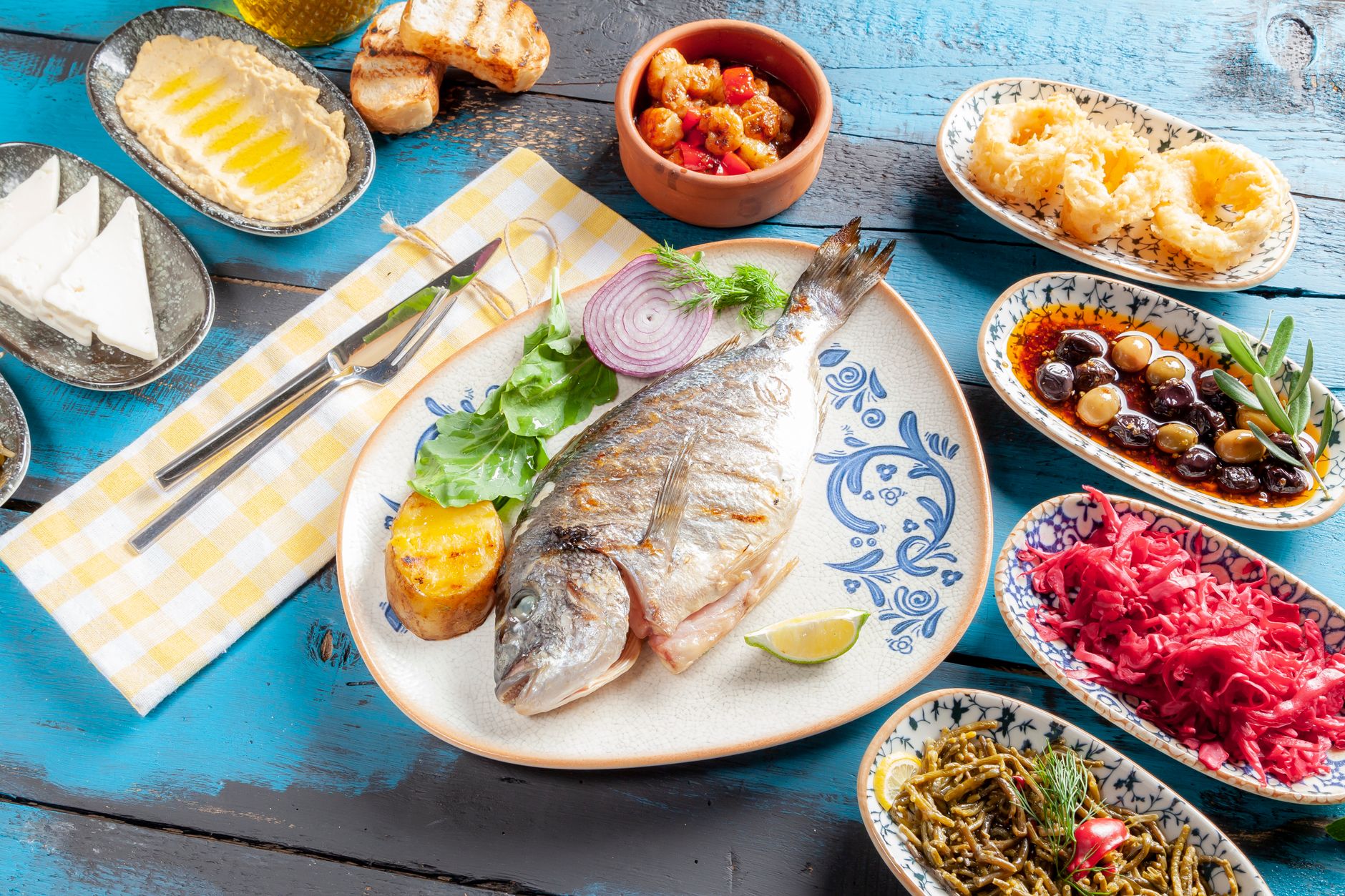
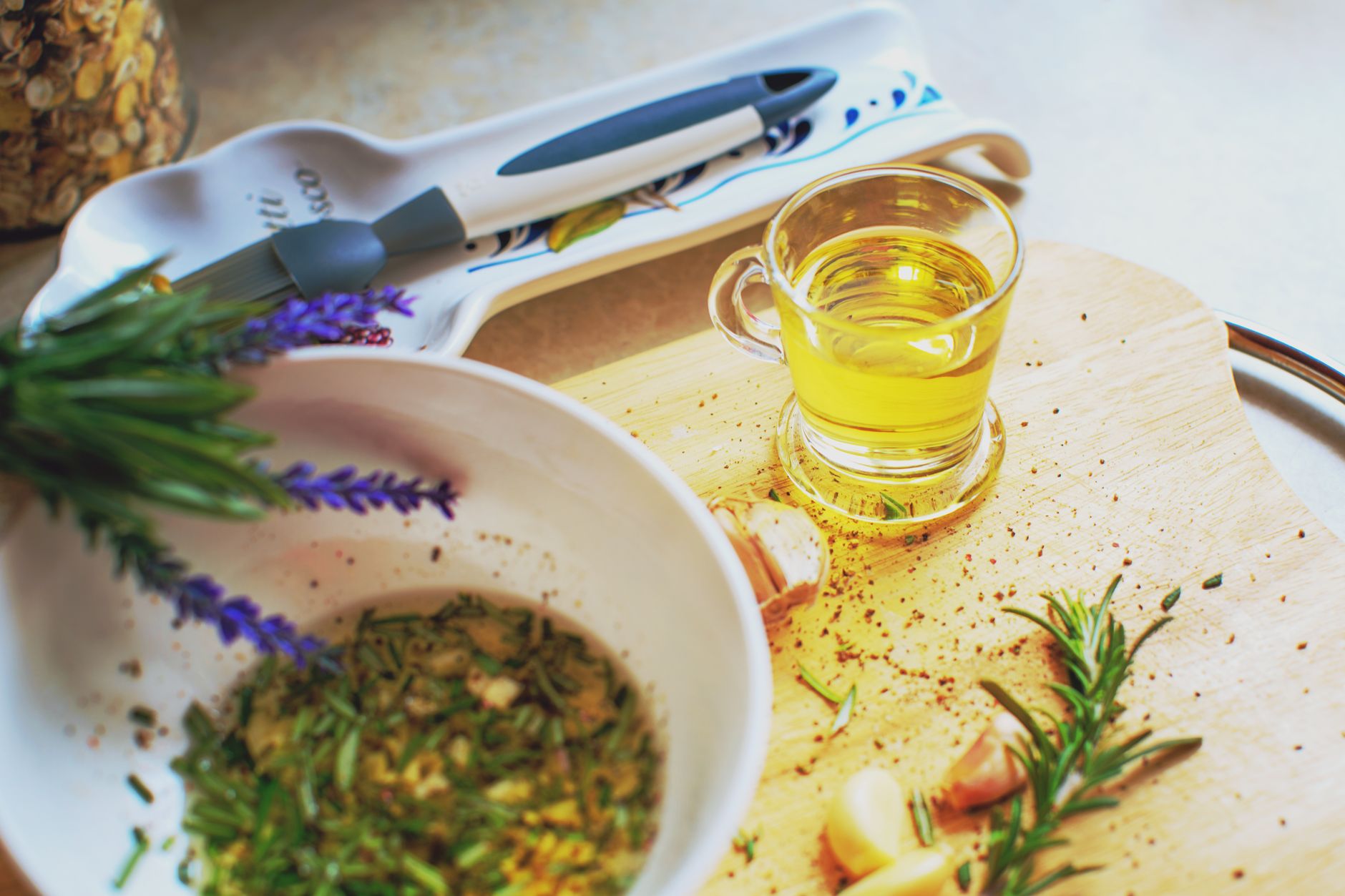
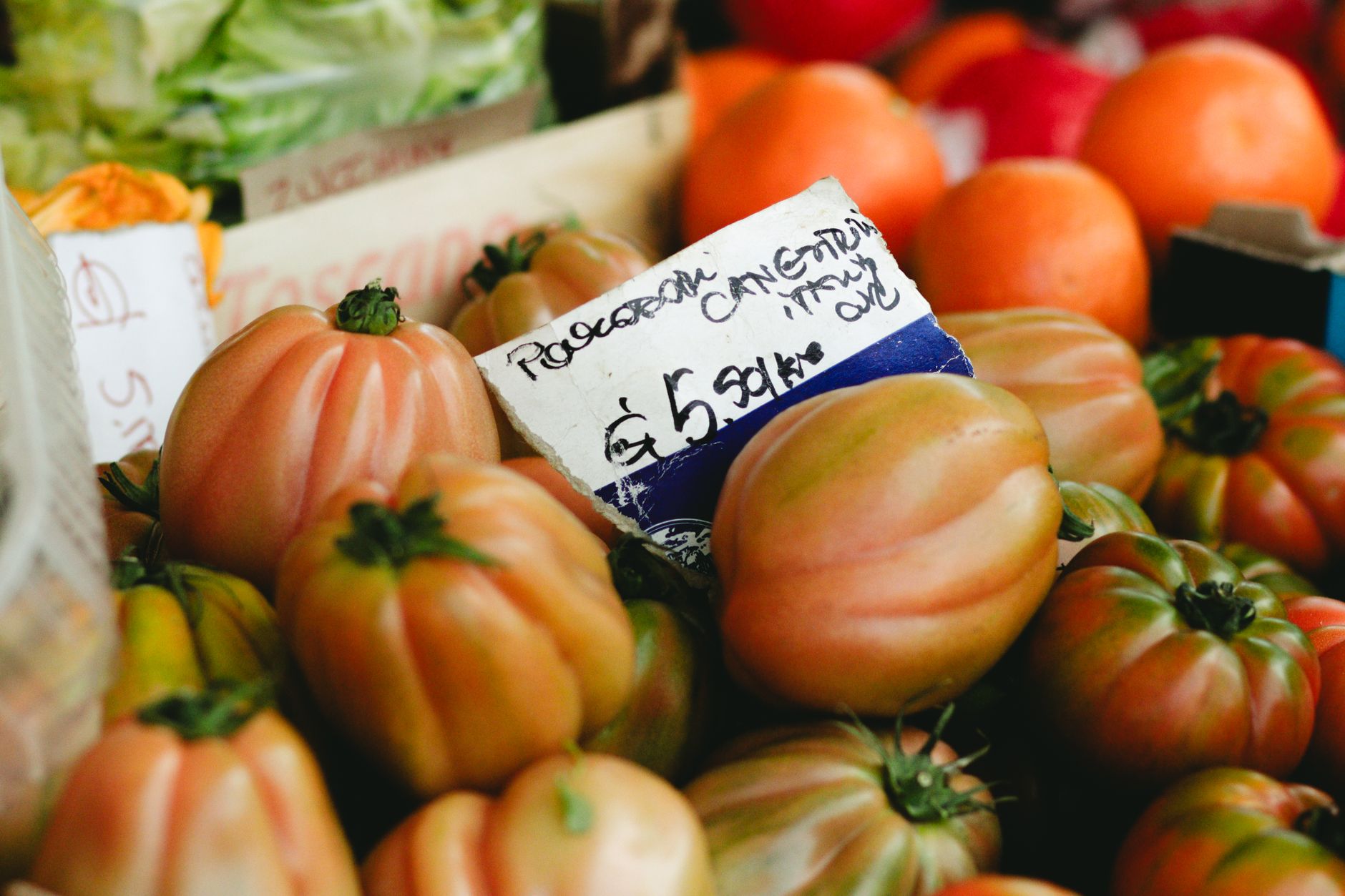
Quick take: The Italian diet isn't about restriction—it's about savoring whole foods, bold flavors, and mindful eating. Think olive oil drizzled over fresh tomatoes, slow-cooked meat with seasonal vegetables, and dessert as a celebratory treat. For beginners, focus on staples like whole grains, legumes, fish, and an abundance of vegetables while keeping portions balanced. This isn’t a crash diet; it’s a lifestyle built on tradition, joy, and sustainability. Start with our beginner-friendly food list, then build from there.Italian Diet Food List for Beginners: The Complete 2026 Guide
It was 11 p.m. on a Tuesday, and you were staring at the fridge, willing it to magically organize itself into a meal. The Italian diet wasn’t just a buzzword—it was the last lifeline you’d heard about. "Just eat like they do in Italy," your friend had said, like it was that simple. But what *does* that even mean? Is it pasta every night? Olive oil on everything? Or is there more to it? You grabbed your phone, typed "Italian diet food list for beginners," and here you are. No pressure—let’s break it down.
The Italian diet isn’t about deprivation; it’s about balance, flavor, and living well. It’s the kind of diet that makes you excited to eat—because food is joyful there. But if you’re new to it, the sheer variety of foods can feel overwhelming. Should you focus on pasta? Meat? Cheese? Or is there a smarter way? The good news? You don’t have to master it all at once. Start with the basics, and we’ll guide you through the essentials—from what to buy at the grocery store to how to build a simple meal plan. By the end, you’ll know exactly what to put on your plate, how to adjust it for your needs (yes, even if you’re pregnant or managing diabetes), and how to avoid common mistakes that turn well-intentioned diets into frustration.
This isn’t just another food list. It’s a roadmap to eating like Italians do—without the tourist-trap pizza and garlic knots. Think fresh, seasonal ingredients, bold herbs, and portions that make you feel satisfied, not stuffed. Whether you’re looking to lose weight, improve heart health, or simply eat better, the Italian diet has something for you. And if you’re wondering how it stacks up against other diets like the Mediterranean or DASH, we’ll compare it right here.
--- ## **What Is the Italian Diet? A Beginner’s Guide to Eating Like an Italian**You’ve heard "eat like an Italian," but what does that *actually* mean? The Italian diet isn’t a rigid plan—it’s a way of life. It’s rooted in the Mediterranean diet but with a few key twists: more olive oil, less processed food, and a strong emphasis on fresh, local ingredients. The average Italian eats about 2,500–2,800 calories a day, with a focus on plant-based foods, lean proteins, and healthy fats. Unlike fad diets that cut out entire food groups, the Italian diet encourages variety and moderation.
Here’s the secret: Italians don’t think of food as "diet food." A meal is a celebration. Breakfast might be a simple espresso and a pastry, lunch is the biggest meal of the day (think pasta with a side of vegetables), and dinner is lighter, often with a first course (like soup or salad), a second course (protein and grains), and dessert—if there’s room. Portions are generous but balanced, and meals are slow, social, and savored.
Many women tell us they love the Italian diet because it’s sustainable. No extreme restrictions, no counting macros obsessively—just good food, made better. And the health benefits? Lower rates of obesity, heart disease, and diabetes in Italy compared to other Western countries aren’t a coincidence. It’s all about the food.
--- ## **Italian Diet Food List for Beginners: Healthy Recipes to Start With**You’re ready to dive in—but where do you begin? Start with these beginner-friendly recipes that capture the essence of the Italian diet without overwhelming you. Each dish is simple, packed with flavor, and built around the staples we’ll cover next.
### **1. Caprese Salad (A Fresh Start)**This isn’t just a salad—it’s a taste of Italy in a bowl. Fresh mozzarella, ripe tomatoes, and basil drizzled with extra virgin olive oil and a sprinkle of sea salt. It’s light, refreshing, and the perfect way to introduce yourself to Italian flavors.
**Why it works:** It’s low-calorie, high in vitamin C and antioxidants, and teaches you how to balance textures and flavors. Plus, it’s a great appetizer or light lunch.
### **2. Minestrone Soup (Comfort in a Bowl)**Minestrone is Italy’s answer to a cozy, hearty soup. Packed with vegetables (zucchini, carrots, beans), pasta, and sometimes meat or fish, it’s a one-pot wonder that’s easy to make in bulk.
**Why it works:** It’s a great way to incorporate vegetables into your diet, and the beans add plant-based protein. Plus, it’s budget-friendly and freezes well.
### **3. Grilled Chicken with Lemon and Herbs (Simple Protein)**Grilled chicken is a staple in Italian cooking, often seasoned with garlic, rosemary, and lemon. Serve it with a side of roasted vegetables or a simple salad.
**Why it works:** It’s lean protein, easy to prepare, and pairs well with almost any vegetable. Plus, it’s a great way to learn how Italians season meat simply but effectively.
### **4. Farro Salad with Cherry Tomatoes and Basil (Whole Grains Made Easy)**Farro is an ancient grain that’s a staple in Italian cuisine. Toss it with cherry tomatoes, fresh basil, olive oil, and a squeeze of lemon for a meal that’s both satisfying and nutritious.
**Why it works:** Farro is high in fiber and protein, making it a great alternative to white pasta. It’s also versatile—use it in salads, soups, or even as a side dish.
### **5. Tiramisu (Dessert Without Guilt)**Yes, even desserts fit into the Italian diet—when made right. Tiramisu is a classic, but you can make a lighter version with whole-milk mascarpone and less sugar. Or try a fruit-based dessert like baked peaches with a drizzle of honey.
**Why it works:** Dessert in Italy is about balance. Enjoy it mindfully, and it won’t derail your progress.
--- ## **Italian Diet Food List for Beginners: Low-Carb Options**You’re watching your carbs, but you don’t want to give up flavor. The Italian diet has plenty of low-carb options—you just need to know where to look.
### **What to Eat:** - **Vegetables:** Zucchini, eggplant, spinach, arugula, and asparagus are staples. Italians eat vegetables with every meal. - **Proteins:** Grilled fish (like sardines or anchovies), chicken, turkey, and lean cuts of pork or beef. - **Fats:** Extra virgin olive oil, nuts (almonds, walnuts), and seeds (flaxseeds, chia seeds). - **Dairy:** Fresh mozzarella, ricotta, and Parmesan (in moderation). - **Grains:** Quinoa, farro, and small portions of whole-grain pasta or bread. ### **What to Avoid (or Limit):** - White pasta and bread (opt for whole grains or low-carb alternatives like zucchini noodles). - Sugary desserts (choose fruit-based options or dark chocolate). - Processed meats (like salami or prosciutto—stick to fresh cuts). ### **Sample Low-Carb Meal Plan:** - **Breakfast:** Greek yogurt with honey and walnuts. - **Lunch:** Grilled chicken salad with arugula, cherry tomatoes, and olive oil. - **Dinner:** Baked salmon with roasted asparagus and a side of farro (small portion). - **Snack:** A small handful of almonds.**Pro tip:** Italians don’t count carbs—they focus on balance. If you’re watching carbs, portion control is key. And if you miss pasta, try zucchini noodles or shirataki noodles as a low-carb swap.
--- ## **Italian Diet Food List for Beginners: Gluten-Free Adaptations**Gluten-free doesn’t mean flavor-free. The Italian diet has plenty of naturally gluten-free options, and with a few swaps, you can enjoy all the classics.
### **Gluten-Free Staples:** - **Grains:** Rice, quinoa, buckwheat, and cornmeal. - **Pasta:** Gluten-free pasta made from chickpea flour, lentils, or brown rice. - **Bread:** Sourdough made with gluten-free flours (like almond or chickpea). - **Sauces:** Olive oil, tomato sauce, pesto (check for gluten-free basil). ### **Gluten-Free Recipes to Try:** 1. **Lentil Pasta with Tomato Sauce:** Swap regular pasta for gluten-free lentil pasta and toss with a simple tomato sauce. 2. **Chickpea Salad:** Mix chickpeas with olive oil, lemon, and herbs for a protein-packed salad. 3. **Risotto with Mushrooms:** Use Arborio rice and add mushrooms, white wine, and Parmesan for a creamy, gluten-free dish. ### **Common Pitfalls:** - **Hidden gluten:** Always check labels on sauces, broths, and processed foods. - **Portion control:** Gluten-free grains can be calorie-dense—balance them with vegetables. - **Flavor swaps:** Gluten-free pasta can taste different. Boost flavor with extra herbs, garlic, or olive oil.**Resource:** If you’re new to gluten-free cooking, check out our AIP elimination diet food list for more tips on safe swaps.
--- ## **Italian Diet Food List for Beginners: Mediterranean Diet Comparison**You’ve heard "Italian diet" and "Mediterranean diet" used interchangeably, but they’re not exactly the same. The Italian diet is a subset of the Mediterranean diet—more focused on regional Italian traditions. Here’s how they compare:
| **Feature** | **Italian Diet** | **Mediterranean Diet** | |---------------------------|------------------------------------------|-------------------------------------------| | **Focus** | Regional Italian traditions | Broader Mediterranean region | | **Grains** | Whole grains (farro, barley) | Whole grains (bread, pasta, rice) | | **Oils** | Extra virgin olive oil | Extra virgin olive oil | | **Proteins** | Fish, poultry, small amounts of red meat | Fish, poultry, red meat (moderate) | | **Dairy** | Fresh, local cheeses | Dairy (yogurt, cheese, milk) | | **Vegetables** | Seasonal, fresh, and local | Seasonal, fresh, and local | | **Wine** | Red wine in moderation | Red wine in moderation | | **Desserts** | Fruit-based or dark chocolate | Fruit-based or occasional sweets |**Key takeaway:** The Italian diet is more specific—it’s about eating like a local in Tuscany or Sicily, while the Mediterranean diet is broader and includes influences from Greece, Spain, and beyond. If you love the Italian diet, you’ll likely enjoy the Mediterranean diet too—and vice versa.
--- ## **Italian Diet Food List for Beginners: Grocery List (Budget-Friendly Edition)**You’re ready to start, but your grocery cart feels like a minefield. Don’t worry—we’ve got you covered. This list is organized by section so you can shop efficiently (and save money).
### **Pantry Staples (Buy in Bulk):** - Extra virgin olive oil - Balsamic vinegar - Tomato paste - Dried herbs (oregano, basil, rosemary) - Garlic and onions - Whole grains (farro, barley, quinoa) - Legumes (lentils, chickpeas, cannellini beans) - Nuts and seeds (almonds, walnuts, flaxseeds) ### **Produce (Seasonal is Best):** - Tomatoes (cherry, Roma, or vine-ripened) - Zucchini - Eggplant - Spinach or arugula - Bell peppers - Garlic - Fresh basil and parsley ### **Proteins:** - Fresh fish (sardines, anchovies, or whole salmon) - Chicken or turkey (whole or cuts) - Lean cuts of pork or beef (like tenderloin) - Eggs - Fresh mozzarella and Parmesan cheese ### **Dairy (Optional):** - Fresh ricotta or mascarpone - Whole-milk yogurt ### **Pantry Swaps for Budget-Friendly Meals:** - Use canned tomatoes instead of fresh for sauces. - Buy dried beans and lentils—soak them overnight to save time. - Opt for frozen vegetables when fresh are expensive.**Pro tip:** Italians shop at local markets for the freshest, cheapest produce. If you’re not near a market, check your local grocery store’s "produce of the day" section for deals.
--- ## **Italian Diet Food List for Beginners: Meal Plan (7-Day Guide)**You’ve got your food list, but what does a day *really* look like? Here’s a simple 7-day meal plan to get you started. Adjust portions based on your activity level and hunger cues.
### **Day 1:** - **Breakfast:** Greek yogurt with honey, walnuts, and a drizzle of olive oil. - **Lunch:** Grilled chicken salad with arugula, cherry tomatoes, olives, and olive oil. - **Dinner:** Minestrone soup with a side of whole-grain bread. - **Snack:** A small handful of almonds. ### **Day 2:** - **Breakfast:** Farro salad with cherry tomatoes, basil, olive oil, and lemon. - **Lunch:** Baked salmon with roasted asparagus and a side of quinoa. - **Dinner:** Eggplant Parmesan (use whole-wheat breadcrumbs) with a side salad. - **Snack:** Fresh fruit (like an apple or pear). ### **Day 3:** - **Breakfast:** Scrambled eggs with spinach and whole-grain toast. - **Lunch:** Lentil pasta with tomato sauce and fresh basil. - **Dinner:** Grilled shrimp skewers with zucchini and cherry tomatoes. - **Snack:** A small portion of dark chocolate. ### **Day 4:** - **Breakfast:** Smoothie with spinach, banana, almond milk, and flaxseeds. - **Lunch:** Chickpea salad with olive oil, lemon, and herbs. - **Dinner:** Baked chicken with roasted vegetables (carrots, bell peppers, zucchini). - **Snack:** Fresh mozzarella with tomato slices. ### **Day 5:** - **Breakfast:** Oatmeal with almond butter and sliced banana. - **Lunch:** Tuna salad (with olive oil instead of mayo) on whole-grain crackers. - **Dinner:** Risotto with mushrooms and Parmesan. - **Snack:** A small handful of walnuts. ### **Day 6:** - **Breakfast:** Ricotta with honey and fresh figs. - **Lunch:** Grilled fish with a side of farro and steamed broccoli. - **Dinner:** Stuffed bell peppers with ground turkey and quinoa. - **Snack:** Greek yogurt with berries. ### **Day 7:** - **Breakfast:** Avocado toast on whole-grain bread with cherry tomatoes. - **Lunch:** Caprese salad with a side of grilled chicken. - **Dinner:** Vegetable lasagna (use whole-wheat noodles and fresh vegetables). - **Snack:** Dark chocolate and almonds.**Tip:** Meal prep on Sundays! Cook grains in bulk, chop vegetables, and portion out snacks to save time during the week.
--- ## **Italian Diet Food List for Beginners: Calorie Count (What to Expect)**You’re curious about calories—but the Italian diet isn’t about counting. Still, it’s helpful to know what to expect. Here’s a general breakdown:
### **Average Daily Calories:** - **Women:** 1,800–2,200 calories - **Men:** 2,200–2,800 calories ### **Macronutrient Breakdown (Approximate):** - **Carbohydrates:** 40–50% of calories (focus on whole grains, vegetables, and fruit) - **Proteins:** 20–25% of calories (fish, poultry, beans, and dairy) - **Fats:** 30–40% of calories (mostly from olive oil, nuts, and seeds) ### **Sample Calorie Counts for Common Meals:** | **Meal** | **Calories** | **Notes** | |------------------------|-------------|------------------------------------| | Caprese Salad | 200–250 | Light and refreshing | | Grilled Chicken Salad | 350–400 | Add olive oil for extra calories | | Minestrone Soup | 250–300 | Low-calorie but filling | | Farro Salad | 350–400 | High in fiber and protein | | Baked Salmon | 300–350 | With a side of vegetables | | Eggplant Parmesan | 400–450 | Use whole-wheat breadcrumbs |**Key takeaway:** The Italian diet isn’t about calorie counting—it’s about eating whole foods in balanced portions. If you’re watching calories, focus on portion sizes and healthy fats (like olive oil) to keep you full.
--- ## **Best Italian Foods for Weight Loss (Without Feeling Deprived)**You want to lose weight, but you don’t want to give up flavor. The Italian diet is naturally weight-loss friendly because it’s rich in whole foods, fiber, and healthy fats. Here’s how to make it work for you:
### **Top Weight-Loss Foods:** 1. **Olive Oil:** Use it liberally—it’s packed with heart-healthy monounsaturated fats that keep you full. 2. **Vegetables:** Fill half your plate with non-starchy veggies (spinach, zucchini, eggplant). 3. **Fish:** Opt for fatty fish like sardines or anchovies for omega-3s. 4. **Legumes:** Lentils, chickpeas, and beans are high in fiber and protein. 5. **Whole Grains:** Farro, barley, and whole-wheat pasta provide sustained energy. ### **Portion Control Tips:** - Use smaller plates to trick your brain into feeling satisfied. - Measure out grains and oils (e.g., 1 tablespoon of olive oil per serving). - Balance your plate: ½ vegetables, ¼ protein, ¼ grains. ### **Desserts That Fit:** - Fresh fruit (berries, peaches, figs) - Dark chocolate (70% or higher) - Baked apples with cinnamon**One reader described it like this:** "I thought I’d have to give up dessert, but I found that a small piece of dark chocolate after dinner actually helped me feel full and satisfied. No cravings!"
--- ## **Italian Diet Meal Plan for Beginners: Adjusting for Diabetes**If you have diabetes, the Italian diet can still work—you just need to focus on low-glycemic foods and portion control. Here’s how to adapt:
### **Foods to Enjoy:** - Non-starchy vegetables (spinach, zucchini, eggplant) - Lean proteins (fish, chicken, turkey) - Whole grains (farro, quinoa, whole-wheat pasta) - Healthy fats (olive oil, nuts, seeds) - Berries (in moderation) ### **Foods to Limit:** - White pasta and bread (opt for whole grains) - Sugary desserts (choose fruit-based options) - Processed meats (stick to fresh cuts) ### **Sample Diabetes-Friendly Meal Plan:** - **Breakfast:** Scrambled eggs with spinach and whole-grain toast. - **Lunch:** Grilled chicken salad with arugula, cherry tomatoes, and olive oil. - **Dinner:** Baked salmon with roasted Brussels sprouts and a side of quinoa. - **Snack:** A small handful of almonds and a few berries. ### **Monitoring Blood Sugar:** - Pair carbs with protein or fat to slow digestion. - Check your blood sugar after meals to see how different foods affect you. - Stay hydrated—water helps regulate blood sugar.**Pro tip:** If you’re using insulin, work with your healthcare provider to adjust your plan as you introduce new foods.
--- ## **Italian Diet Foods for Pregnancy: Safe and Nutritious Choices**Pregnancy calls for extra care, but the Italian diet can still be a great foundation. Focus on nutrient-dense foods that support both you and your baby.
### **Essential Nutrients to Prioritize:** - **Folate:** Found in leafy greens, beans, and whole grains. - **Iron:** Lean meats, fish, and lentils. - **Calcium:** Dairy (yogurt, cheese), leafy greens, and fortified plant milks. - **Omega-3s:** Fatty fish (sardines, salmon) or flaxseeds. - **Protein:** Eggs, chicken, turkey, and legumes. ### **Safe Italian Pregnancy Meals:** 1. **Breakfast:** Greek yogurt with honey and walnuts. 2. **Lunch:** Grilled chicken salad with arugula, cherry tomatoes, and olive oil. 3. **Dinner:** Baked salmon with roasted asparagus and quinoa. 4. **Snack:** Fresh fruit with a small handful of almonds. ### **Foods to Avoid:** - Raw or undercooked seafood (like sushi or ceviche). - Unpasteurized cheese (like soft cheeses like Brie or Camembert). - Raw eggs (avoid homemade mayo or tiramisu). - Excessive caffeine (stick to 1–2 cups of coffee per day).**Note:** Always consult your healthcare provider before making significant changes to your diet during pregnancy.
--- ## **Italian Diet Foods for Beginners on a Budget**You want to eat like an Italian, but your wallet is tight. No problem! The Italian diet is naturally budget-friendly when you focus on seasonal, local, and whole foods.
### **Budget Tips:** 1. **Buy in bulk:** Grains, legumes, and nuts are cheaper in bulk. 2. **Seasonal produce:** Shop for what’s in season—it’s cheaper and fresher. 3. **Cook from scratch:** Homemade pasta, sauces, and soups save money. 4. **Use leftovers:** Italians love repurposing leftovers into new meals. 5. **Skip pre-cut or pre-packaged foods:** They’re more expensive and less fresh. ### **Budget-Friendly Meal Ideas:** - **Pasta with tomato sauce and beans:** Use canned tomatoes and dried beans. - **Lentil soup:** A hearty, protein-packed meal. - **Egg and vegetable stir-fry:** Use whatever veggies are on sale. - **Grilled chicken with roasted vegetables:** Buy chicken in bulk and freeze portions.**One reader shared:** "I thought Italian food was expensive, but by cooking from scratch and buying in bulk, I saved money and ate better than I ever did at restaurants."
--- ## **Italian Diet Foods for Beginners with Diabetes: A Comparison Table**If you’re managing diabetes, here’s a quick comparison of Italian diet foods and their impact on blood sugar.
| **Food** | **Glycemic Index (GI)** | **Blood Sugar Impact** | **Best Practices** | |------------------------|------------------------|------------------------|--------------------------------------------| | Whole-grain pasta | Medium (50–55) | Moderate rise | Pair with protein/fat (e.g., olive oil) | | White pasta | High (65–70) | High rise | Avoid or limit | | Farro | Low (25–30) | Minimal rise | Great alternative to white pasta | | Quinoa | Low (53) | Minimal rise | High in protein and fiber | | Lentils | Low (30–32) | Minimal rise | High in fiber and protein | | Chickpeas | Medium (28–30) | Minimal rise | Great for salads or soups | | Tomatoes | Low (15–30) | Minimal rise | Pair with protein/fat | | Zucchini | Low (15) | Minimal rise | Versatile in cooking | | Eggplant | Low (15) | Minimal rise | Great roasted or stuffed | | Sardines | N/A | No impact | High in omega-3s and protein | | Olive oil | N/A | No impact | Use liberally for healthy fats | | Dark chocolate (70%) | Low (22–30) | Minimal rise | Enjoy in small portions | --- ## **Myth vs. Fact: Italian Diet Misconceptions**Let’s clear up some common myths about the Italian diet.
### **Myth: The Italian diet is all about pasta and pizza.** Fact: While pasta and pizza are iconic, they’re not the foundation. Italians eat vegetables with every meal, lean proteins, and healthy fats like olive oil. Pasta is a side dish, not the main event. ### **Myth: The Italian diet is low-fat.** Fact: It’s *healthy* fat—olive oil, nuts, and seeds are staples. The key is balance: healthy fats in moderation, not elimination. ### **Myth: You can’t eat dessert on the Italian diet.** Fact: Dessert is part of the culture—but it’s mindful. Enjoy a small piece of dark chocolate or a fruit-based dessert. The goal is balance, not restriction. ### **Myth: The Italian diet is expensive.** Fact: It’s budget-friendly when you focus on seasonal, local, and whole foods. Cooking from scratch saves money compared to takeout. --- ## **Key Takeaways: Italian Diet for Beginners**Here’s what you need to remember:
- It’s about balance, not restriction. Focus on whole foods, healthy fats, and portion control.
- Olive oil is your friend. Use it liberally—it’s the heart of Italian cooking.
- Vegetables are non-negotiable. Aim for half your plate to be veggies at every meal.
- Portions matter. Italians eat generously but mindfully—don’t overdo it.
- Dessert is okay (in moderation). Enjoy it mindfully, and it won’t derail your progress.
- Adjust for your needs. Whether you’re managing diabetes, pregnant, or on a budget, the Italian diet can work for you.
While the Italian diet is generally safe and healthy, there are a few signs you should consult a healthcare provider:
- If you’re managing diabetes or another chronic condition, work with a dietitian to tailor the diet to your needs. - If you experience digestive issues (like bloating or discomfort) after introducing new foods, a doctor can help identify sensitivities. - If you’re pregnant or breastfeeding, consult your provider before making significant dietary changes. - If you’re trying to lose weight but aren’t seeing progress after a few weeks, a registered dietitian can help adjust your plan.For general guidance, consider working with a nutritionist familiar with Mediterranean or Italian diets. They can provide personalized advice based on your health goals and lifestyle.
--- ## **References**- The Menopause Society (NAMS). (2023). *Mediterranean Diet and Heart Health*.
- American Heart Association (AHA). (2022). *Diet and Lifestyle Recommendations for Cardiovascular Health*.
- Harvard T.H. Chan School of Public Health. (2023). *The Mediterranean Diet: A Heart-Healthy Eating Plan*.
- National Institute of Diabetes and Digestive and Kidney Diseases (NIDDK). (2023). *Dietary Guidelines for Managing Diabetes*.
- World Health Organization (WHO). (2023). *Nutrition and Chronic Disease Prevention*.
- Academy of Nutrition and Dietetics. (2023). *Budget-Friendly Meal Planning for Healthy Eating*.