

Quick take: The Italian diet is packed with heart-healthy fats, fiber-rich carbs, and nutrient-dense foods that support pregnancy, but sodium and saturated fat can be risks if not balanced. For pregnant women, focus on olive oil, fresh produce, whole grains, and lean proteins while moderating cured meats, cheese, and fried foods. Always consult your provider before making major dietary changes during pregnancy.
You’re scrolling through pregnancy meal ideas at 2am, and suddenly you wonder: is the Italian diet safe for my baby? You’re not alone. The Italian diet—with its vibrant produce, rich olive oil, and hearty pasta—feels like a dream for pregnancy cravings, but you’ve heard conflicting things about sodium and saturated fat. What’s the real story?
Let’s cut through the confusion. The Italian diet isn’t just delicious; it’s one of the most well-researched eating patterns for heart health, longevity, and—yes—pregnancy. But like any diet, it has nuances when you’re growing a tiny human. This guide breaks down the Italian diet’s benefits and risks during pregnancy, how to adapt it for your trimesters, and what to watch out for—so you can enjoy every bite without worry.
We’ll also compare it to the Mediterranean diet (a close cousin) and share practical recipes and meal-planning tips to keep you and your baby thriving. Because pregnancy isn’t the time for guesswork—it’s time for smart, science-backed choices.
---What is the Italian diet, and what makes it different from other eating styles?
Here’s the core of the Italian diet:
- Olive oil as the primary fat (rich in monounsaturated fats and antioxidants)
- Fresh vegetables and fruits (seasonal, often in soups, salads, or simple preparations)
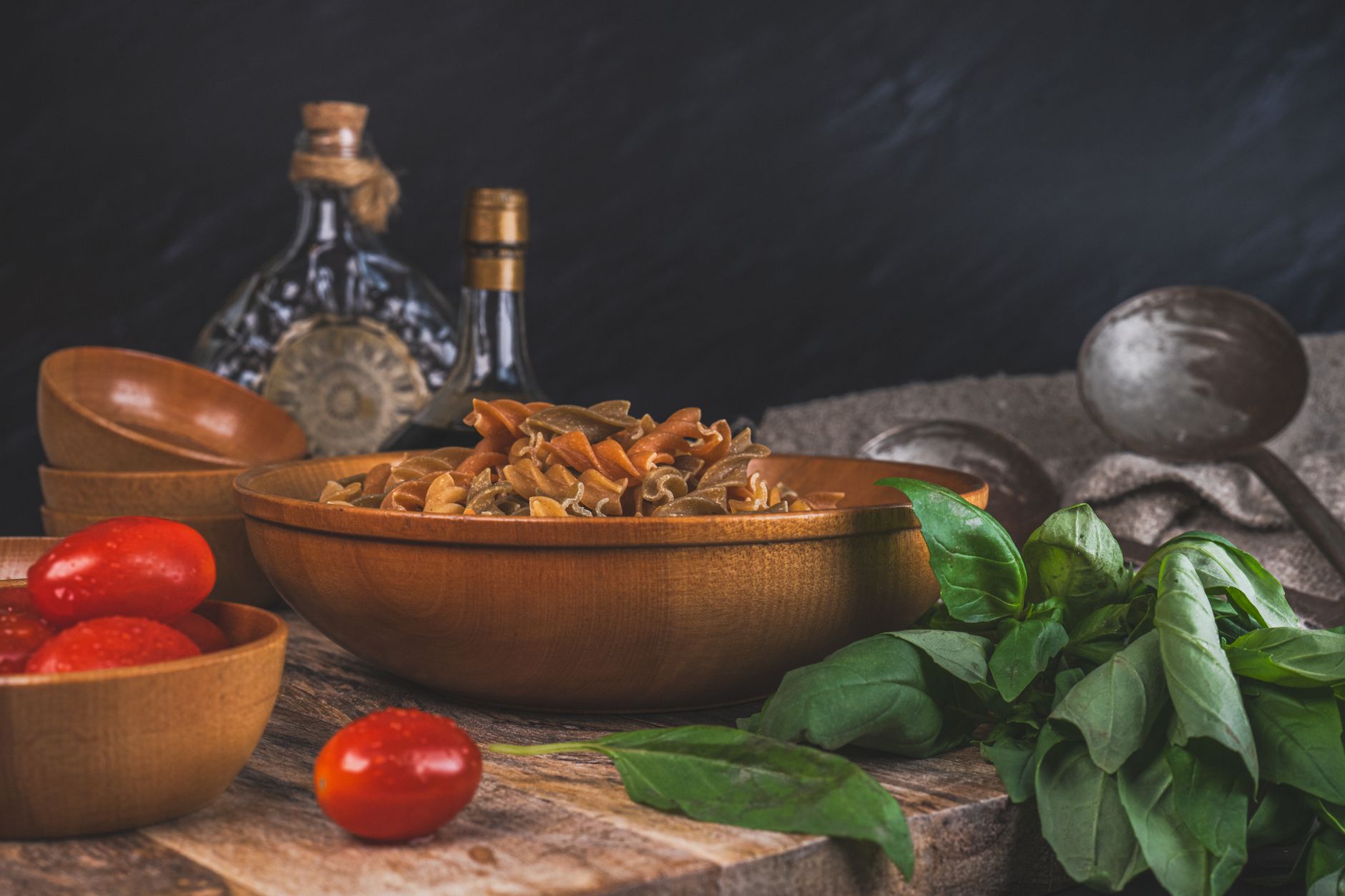
- Whole grains (whole-wheat pasta, bread, and polenta)
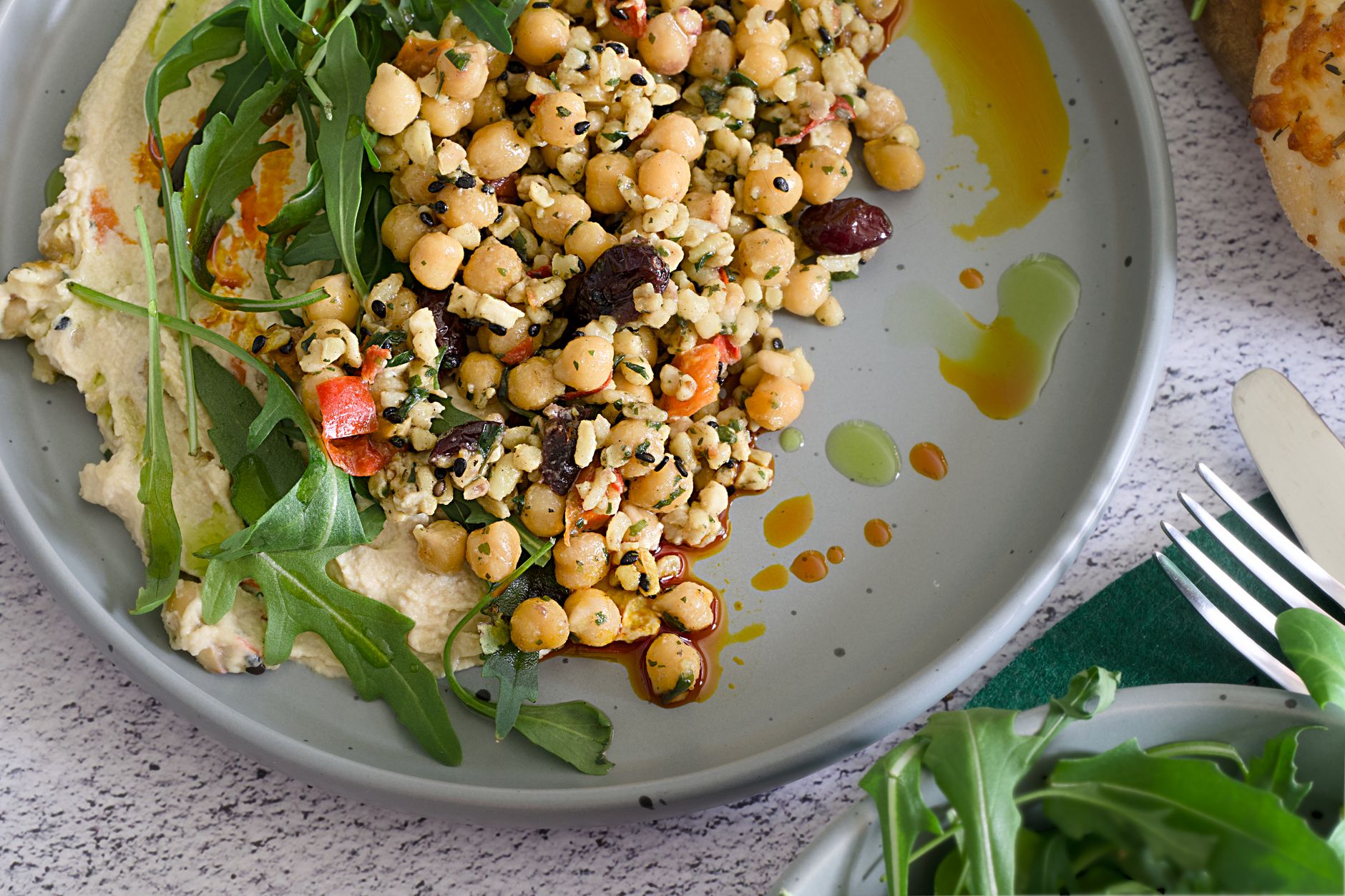
- Legumes (beans, lentils, chickpeas—staples in soups and side dishes)
- Lean proteins (fish, poultry, eggs, and occasional red meat)
- Dairy in moderation (Parmigiano-Reggiano, ricotta, and mozzarella—less processed than American cheeses)
- Wine (optional) (red wine in small amounts, typically with meals)
- Herbs and spices (basil, oregano, rosemary, garlic, and chili flakes for flavor instead of salt)
Key difference from the Mediterranean diet: The Italian diet often includes more carbohydrates (pasta, bread, polenta) and slightly more dairy and wine, while the Mediterranean diet emphasizes more olive oil, nuts, and legumes. For pregnancy, this means the Italian diet can be more satisfying for cravings but requires extra attention to sodium and saturated fat from cured meats and cheeses.
 >
What are the health benefits of the Italian diet for pregnant women?
If you’re pregnant, you’re likely looking for a diet that supports your energy, your baby’s growth, and your long-term health. The Italian diet checks all these boxes—with a few pregnancy-specific perks:
1. Rich in folate and iron (critical for early pregnancy)
The Italian diet is naturally high in folate-rich foods like leafy greens (spinach, arugula), beans, and whole grains—nutrients that reduce the risk of neural tube defects in early pregnancy. Iron from lentils, chickpeas, and lean meats also helps prevent anemia, a common pregnancy concern.
2. Heart-healthy fats for brain development
Olive oil is the star here. It’s packed with monounsaturated fats and polyphenols, which support baby’s brain development and reduce inflammation. Studies show that anti-inflammatory diets like the Italian one lower the risk of preterm birth and gestational diabetes.
3. Fiber for digestion and gestational diabetes prevention
Whole grains, vegetables, and legumes provide 25–35g of fiber daily, which helps prevent constipation and gestational diabetes. Fiber also keeps blood sugar stable, reducing cravings for sugary snacks.
4. Omega-3s from fish and nuts
If you’re eating fatty fish like salmon, sardines, or mackerel (2–3 times a week), you’re getting DHA and EPA, crucial for your baby’s eye and brain development. Nuts and seeds (almonds, walnuts) add more omega-3s without the risk of mercury found in some fish.
5. Hydration and electrolyte balance
Herbal teas (like chamomile or mint), fresh fruit, and water-rich vegetables (cucumbers, zucchini) keep you hydrated—critical for amniotic fluid production and preventing preterm labor. The Italian diet’s emphasis on water over sugary drinks also helps manage pregnancy weight gain.
Representative story: “When I was pregnant with my first, I swapped my usual high-protein shakes for Italian-style minestrone soup—full of beans, veggies, and whole grains. My energy never crashed, and my doctor said my iron levels stayed strong. I felt like I was eating for two without the bloating!” —Maria, 32
---Side effects of the Italian diet during pregnancy: what to watch for
The Italian diet isn’t risky for most pregnant women, but sodium, saturated fat, and alcohol can pose challenges if not managed. Here’s what to be mindful of:
1. High sodium from cured meats and cheeses
Prosciutto, salami, and aged cheeses are delicious but packed with sodium—up to 1,000mg per serving. The American Heart Association recommends less than 2,300mg daily during pregnancy (and ideally 1,500mg if you have preeclampsia risk).
How to balance it:
- Limit cured meats to 1–2 servings per week (e.g., a small slice of prosciutto on a sandwich).
- Choose low-sodium versions of canned beans, broths, and sauces.
- Balance with potassium-rich foods (bananas, sweet potatoes, spinach) to help regulate blood pressure.
2. Saturated fat from fried foods and fatty cuts of meat
While olive oil is heart-healthy, fried foods (like arancini or deep-fried calamari) and fatty cuts of meat (like ribeye) can contribute to excess saturated fat, which may raise LDL cholesterol. The NHS recommends limiting saturated fat to less than 10% of daily calories during pregnancy.
How to balance it:
- Opt for baked or grilled over fried (e.g., bake zucchini fritters instead of frying).
- Choose lean proteins like chicken breast, turkey, or fish.
- Use olive oil sparingly for cooking (1–2 tablespoons daily is plenty).
3. Alcohol (even in moderation)
The Italian diet traditionally includes small amounts of red wine with meals, but no alcohol is considered safe during pregnancy. The CDC and ACOG advise avoiding alcohol entirely due to risks of fetal alcohol spectrum disorders (FASD).
How to balance it:
- Skip wine and beer entirely.
- Try sparkling water with citrus or herbal tea for a similar ritual.
4. Weight gain and gestational diabetes risk
The Italian diet’s emphasis on carbohydrates (pasta, bread, polenta) can lead to rapid weight gain if portions aren’t controlled. The Institute of Medicine recommends 25–35 extra pounds for average-weight women, but excessive carb intake can spike blood sugar and increase gestational diabetes risk.
How to balance it:
- Use whole-grain pasta and bread (higher in fiber, lower glycemic index).
- Pair carbs with protein and fiber (e.g., a small plate of pasta with grilled chicken and veggies).
- Limit added sugars (skip sugary desserts; opt for fresh fruit or dark chocolate).
How does the Italian diet affect fetal development?
Research shows that maternal diet during pregnancy shapes a baby’s health for life. The Italian diet’s nutrient profile supports fetal development in several key ways:
1. Brain and nervous system development
The combination of omega-3s (from fish and nuts), folate (from greens and beans), and antioxidants (from olive oil and herbs) creates an ideal environment for brain and neural tube development. A 2022 study in Nutrients found that mothers who followed a Mediterranean/Italian-style diet had babies with better cognitive scores at 18 months.
2. Immune system support
Probiotics from fermented foods (like sauerkraut or yogurt) and antioxidants from tomatoes and leafy greens help strengthen your baby’s immune system. This may reduce the risk of allergies and autoimmune conditions later in life.
3. Reduced risk of preterm birth and low birth weight
Diets rich in polyphenols (from olive oil, herbs, and vegetables) are linked to lower inflammation, which may reduce the risk of preterm labor and low birth weight. A 2021 meta-analysis in BMJ found that mothers who ate a Mediterranean-style diet had a 20% lower risk of preterm birth.
4. Gut health for baby and mom
The fiber and prebiotics in legumes, whole grains, and vegetables promote a healthy maternal gut microbiome, which may influence baby’s gut health at birth. This can reduce the risk of colic and digestive issues in infancy.
---Is the Italian diet safe for breastfeeding mothers?
Yes! The Italian diet is excellent for breastfeeding mothers, as it supports milk production, energy levels, and recovery. However, there are a few adjustments to consider:
1. Hydration and calorie needs
Breastfeeding burns 300–500 extra calories daily, so you’ll need more healthy fats and complex carbs. The Italian diet’s focus on olive oil, nuts, and whole grains makes it easy to meet these needs without feeling deprived.
2. Avoiding allergens (if baby is sensitive)
While the Italian diet includes dairy, nuts, and seafood—common allergens—you can reintroduce them one at a time to monitor baby’s reactions. If your baby shows rash, eczema, or digestive upset, consult your pediatrician before continuing.
3. Caffeine and alcohol
While the Italian diet traditionally includes coffee and wine, breastfeeding mothers should limit:
- Caffeine: Less than 200mg daily (about 1–2 cups of coffee).
- Alcohol: Avoid entirely (even small amounts can affect milk composition).
Tip: Try espresso with warm milk (instead of full coffee) or sparkling water with herbs for a satisfying ritual.
---Best Italian diet recipes for pregnancy nutrition
You don’t have to cook like a nonna to enjoy the Italian diet during pregnancy! Here are simple, nutrient-packed recipes that hit all the right notes:
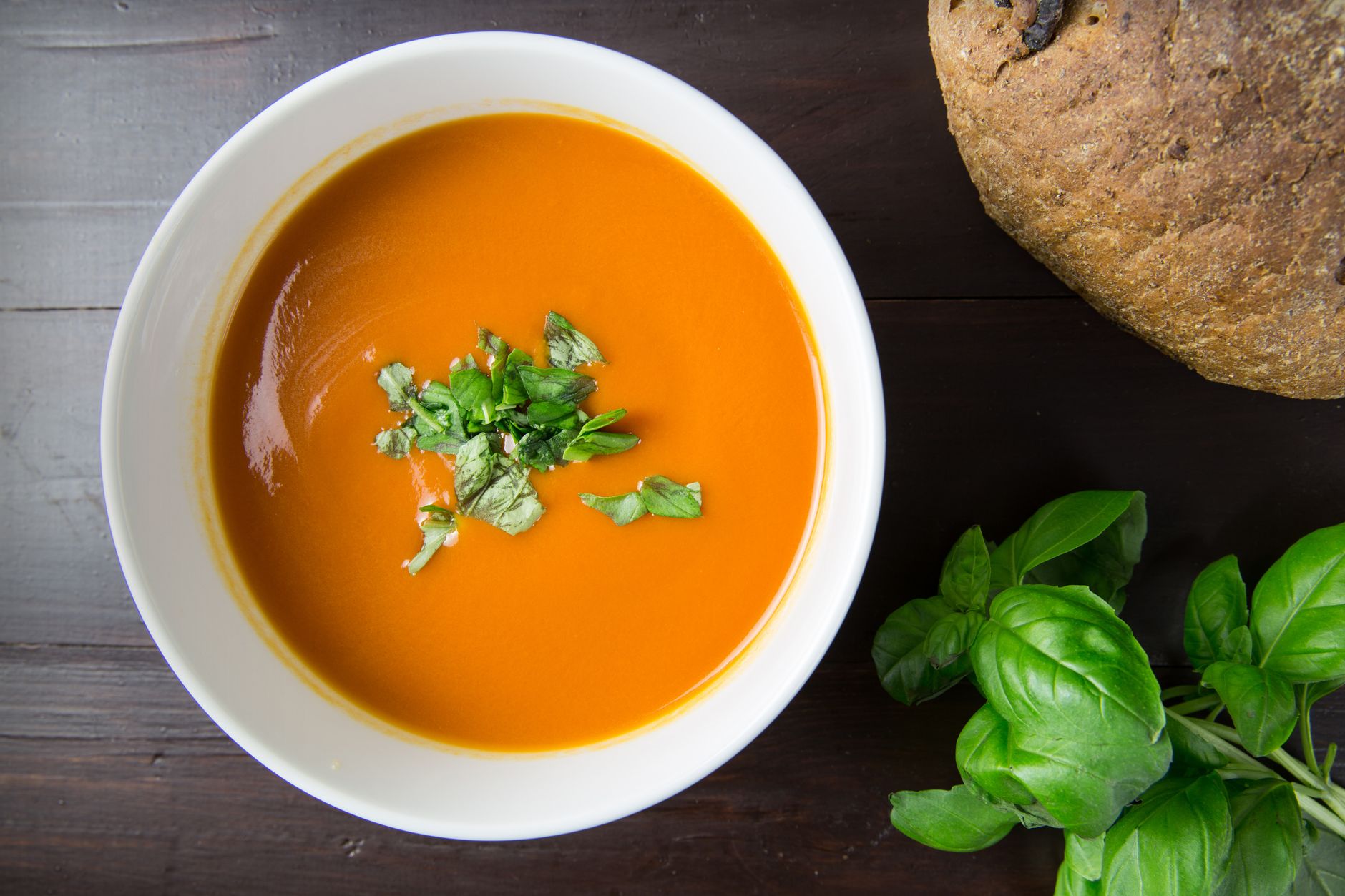
1. Minestrone Soup (Folate + Fiber)
Ingredients:
- 1 tbsp olive oil
- 1 onion, diced
- 2 carrots, chopped
- 2 celery stalks, chopped
- 1 zucchini, diced
- 1 can (15oz) diced tomatoes
- 1 cup green beans
- 1 cup white beans (cannellini), rinsed
- 4 cups low-sodium vegetable broth
- 1 tsp dried oregano
- Salt and pepper to taste
Instructions: Sauté onion, carrots, and celery in olive oil. Add remaining ingredients and simmer for 20 minutes. Serve with a sprinkle of Parmigiano-Reggiano (moderate portion).
2. Grilled Salmon with Lemon and Herbs (Omega-3s)
Ingredients:
- 2 salmon fillets
- 2 tbsp olive oil
- 1 lemon (juiced)
- 2 cloves garlic, minced
- 1 tsp dried rosemary
- Salt and pepper
- 1 cup roasted asparagus
Instructions: Marinate salmon in olive oil, lemon, garlic, and herbs for 15 minutes. Grill for 4–5 minutes per side. Serve with asparagus.
3. Farro Salad with Roasted Vegetables (Whole Grains + Vitamins)
Ingredients:
- 1 cup farro (cooked)
- 1 red bell pepper, roasted
- 1 zucchini, roasted
- 1 cup cherry tomatoes
- 1/4 cup feta cheese (optional)
- 2 tbsp olive oil
- 1 tbsp balsamic vinegar
Instructions: Toss cooked farro with roasted veggies, olive oil, and balsamic. Top with feta (if tolerated).
How to follow the Italian diet while pregnant: a step-by-step guide
Ready to adapt the Italian diet for pregnancy? Follow these practical tips:
1. Start with whole, unprocessed foods
Fill half your plate with vegetables and fruits (aim for 5+ servings daily). Choose whole grains (whole-wheat pasta, brown rice, farro) over refined carbs.
2. Use olive oil as your primary fat
Replace butter with extra virgin olive oil for cooking and dressings. A tablespoon daily provides heart-healthy fats without excess calories.
3. Prioritize lean proteins
Opt for fish (2–3x/week), skinless poultry, eggs, and legumes. Limit red meat to once a week.
4. Balance sodium intake
Reduce processed meats and canned foods. Season with herbs, garlic, and citrus instead of salt.
5. Include probiotics and fiber
Add yogurt, kefir, sauerkraut, or kimchi for gut health. Pair with whole grains and vegetables for fiber.
6. Stay hydrated
Drink 8–10 cups of water daily. Herbal teas (chamomile, peppermint) are great alternatives.
7. Limit alcohol and caffeine
Avoid alcohol entirely. Limit coffee to 1–2 cups daily (switch to decaf if sensitive).
8. Plan for cravings
If you crave pasta, opt for whole-grain versions with veggie sauces. Want dessert? Try fresh fruit with dark chocolate (70%+ cocoa).
---Risks of high sodium in the Italian diet during pregnancy
Sodium is the biggest risk of the Italian diet during pregnancy—especially if you love cured meats, cheese, and canned foods. Here’s how to manage it:
1. Common high-sodium foods to limit
| Food | Typical Sodium (per serving) | Safer Alternative |
|---|---|---|
| Prosciutto (2 oz) | 1,200mg | Fresh mozzarella or ricotta |
| Salami (2 oz) | 900mg | Grilled chicken or turkey |
| Parmesan cheese (1 oz) | 400mg | Low-sodium feta or goat cheese |
| Canned tomatoes (1 cup) | 600mg | Fresh tomatoes or low-sodium canned |
| Olives (1/4 cup) | 800mg | Fresh cucumbers or zucchini |
2. How to reduce sodium without sacrificing flavor
- Use herbs (basil, oregano, rosemary) and citrus zest instead of salt.
- Rinse canned beans and tomatoes to remove excess sodium.
- Choose low-sodium broths for soups.
- Opt for fresh mozzarella over processed cheeses.
How to balance omega-3 in the Italian diet for pregnancy
Omega-3s are critical for fetal brain development, but the Italian diet traditionally includes more omega-6s (from olive oil and nuts). Here’s how to balance them:
1. Add more omega-3 sources
- Fatty fish (2–3x/week): Salmon, sardines, mackerel (limit to 12 oz weekly due to mercury).
- Plant-based omega-3s: Flaxseeds, chia seeds, walnuts (add to salads or yogurt).
- Algae supplements: If you don’t eat fish, a DHA supplement (100–200mg daily) can help.
2. Reduce omega-6 imbalance
- Use olive oil in moderation (1–2 tbsp daily).
- Balance with avocados and nuts (which have a better omega-6 to omega-3 ratio).
Italian diet vs. Mediterranean diet for pregnancy: what’s the difference?
Both diets share similarities, but the Italian diet has distinct regional flavors and adjustments that matter for pregnancy. Here’s the comparison:
| Factor | Italian Diet | Mediterranean Diet |
|---|---|---|
| Carbohydrates | More pasta, bread, polenta (whole grains preferred) | More vegetables, legumes, and nuts (fewer refined carbs) |
| Dairy | More cheese (Parmigiano, ricotta) and yogurt | Moderate dairy (Greek yogurt, feta) |
| Wine | Small amounts with meals (traditional) | Limited (not a staple) |
| Sodium | Higher risk from cured meats/cheeses | Lower sodium (less processed meat) |
| Omega-3s | More from olive oil (omega-6s) unless fish is prioritized | Balanced omega-3s from fish, nuts, and olive oil |
| Pregnancy Adaptation | Requires extra sodium monitoring and carb balance | Easier to follow due to lower sodium and refined carbs |
Which is better for pregnancy? If you love pasta and bread, the Italian diet can work—but you’ll need to be mindful of sodium and carbs. If you prefer a lower-carb, lower-sodium approach, the Mediterranean diet might be easier. Many women blend the two!
---Italian diet for weight loss during pregnancy: is it possible?
Pregnancy weight gain is not reversible—but the Italian diet can help you gain the right amount (25–35 lbs for average-weight women) and avoid excessive fat. Here’s how:
1. Focus on nutrient density
Fill meals with vegetables, lean proteins, and whole grains to maximize calories from nutrients, not empty carbs. For example:
- Swap white pasta for whole-wheat or lentil pasta.
- Add grilled chicken and roasted veggies to your plate.
2. Control portions of carbs
One serving of pasta or bread is 1 cup cooked. Use your hand as a guide: palm-sized portions of carbs with double the veggies.
3. Prioritize protein and healthy fats
Protein keeps you full and supports baby’s growth. Healthy fats (olive oil, nuts, avocado) add calories without bloating. Example:
- Grilled salmon with quinoa and roasted Brussels sprouts.
- Caprese salad (tomato, fresh mozzarella, basil, olive oil).
4. Avoid liquid calories
Skip sugary sodas and fruit juices. Opt for sparkling water with lemon or herbal tea.
5. Move your body
Gentle exercise like walking, prenatal yoga, or swimming helps manage weight gain. The Italian diet’s focus on fiber and hydration makes movement easier.
---Italian diet nutrition facts: what’s in a typical day?
Here’s a sample 3,000-calorie pregnancy meal plan following the Italian diet:
| Meal | Food | Calories | Protein (g) | Fiber (g) | Key Nutrients |
|---|---|---|---|---|---|
| Breakfast | Scrambled eggs with spinach + whole-grain toast + olive oil | 450 | 20 | 6 | Folate, iron, vitamin D |
| Snack | Handful of almonds + orange | 250 | 7 | 5 | Vitamin C, magnesium |
| Lunch | Grilled chicken salad with arugula, cherry tomatoes, olives, feta, and balsamic | 500 | 35 | 8 | Omega-3s, calcium |
| Snack | Cottage cheese with pineapple and walnuts | 300 | 20 | 4 | Probiotics, potassium |
| Dinner | Baked salmon with farro, roasted zucchini, and tomato sauce | 600 | 35 | 10 | DHA, folate |
| Dessert | Fresh berries with dark chocolate (70%) | 200 | 2 | 6 | Antioxidants |
Myth vs. fact: debunking common misconceptions
Myth: “The Italian diet is just about pasta and pizza.”
Fact: While pasta is a staple, the Italian diet emphasizes fresh, seasonal vegetables, olive oil, and lean proteins. Traditional Italian meals are balanced and varied, not just carbs. The key is quality over quantity.
Myth: “All Italian cheeses are safe during pregnancy.”
Fact: While Parmigiano-Reggiano and fresh mozzarella are pasteurized and safe, soft cheeses (like brie or ricotta salata) may carry listeria risk. Always check labels or opt for pasteurized varieties.
Myth: “You can’t lose weight on the Italian diet during pregnancy.”
Fact: The Italian diet is not a weight-loss diet during pregnancy—gain is expected—but it helps you gain the right amount by focusing on nutrient-dense foods. Portion control and activity matter more than restriction.
---Key takeaways: the Italian diet for pregnancy in a nutshell
- Benefits: Rich in folate, omega-3s, fiber, and antioxidants—great for fetal brain and heart health.
- Risks: High sodium from cured meats/cheeses and excess saturated fat from fried foods.
- Safety: Safe for breastfeeding mothers if alcohol and caffeine are limited.
- Practical tips: Use olive oil, prioritize whole grains, balance sodium, and add omega-3s from fish.
- Recipes to try: Minestrone soup, grilled salmon, and farro salads.
- When to see a doctor: If you experience bloating, constipation, or blood pressure changes—these could signal gestational diabetes or preeclampsia.
Frequently asked questions
What are the benefits of the Italian diet for pregnant women?
The Italian diet supports pregnancy by providing folate (from greens and beans), omega-3s (from fish), fiber (from whole grains), and antioxidants (from olive oil). These nutrients reduce the risk of neural tube defects, preterm birth, and gestational diabetes. The diet’s emphasis on hydration and lean proteins also helps manage morning sickness and energy levels.
Are there any side effects of the Italian diet during pregnancy?
The main risks are high sodium (from cured meats and cheese) and excess saturated fat (from fried foods). These can contribute to blood pressure issues or excessive weight gain. To avoid this, limit processed meats, choose low-sodium options, and balance carbs with protein and fiber.
Is the Italian diet safe during pregnancy?
Yes, but with modifications. The Italian diet is safe and beneficial when you monitor sodium intake, limit alcohol, and avoid high-mercury fish. Always consult your provider before making major dietary changes.
How does the Italian diet affect fetal development?
Research shows that maternal diets rich in olive oil, fish, and vegetables improve fetal brain development and reduce inflammation. The Italian diet’s nutrients support neural tube formation, immune system development, and gut health in babies.
What foods are included in the Italian diet?
The Italian diet centers on olive oil, whole grains (pasta, bread), fresh vegetables, legumes, lean proteins (fish, chicken), dairy (cheese, yogurt), and herbs. It also includes occasional wine and cured meats, but these should be limited during pregnancy.
Can the Italian diet help with weight management during pregnancy?
The Italian diet isn’t a weight-loss diet, but it helps you gain the right amount of weight by focusing on nutrient-dense foods. Portion control (e.g., palm-sized carbs with double the veggies) and lean proteins prevent excessive fat gain while keeping you full.
---When to see a doctor or specialist
While the Italian diet is generally safe, contact your provider if you experience:
- Severe bloating or swelling (could indicate preeclampsia).
- Blood pressure over 140/90 (sign of hypertension).
- Persistent constipation or diarrhea (may need fiber or probiotic adjustments).
- Unintended weight loss (could signal gestational diabetes or nutrient deficiencies).
- Rash or digestive upset after eating certain foods


