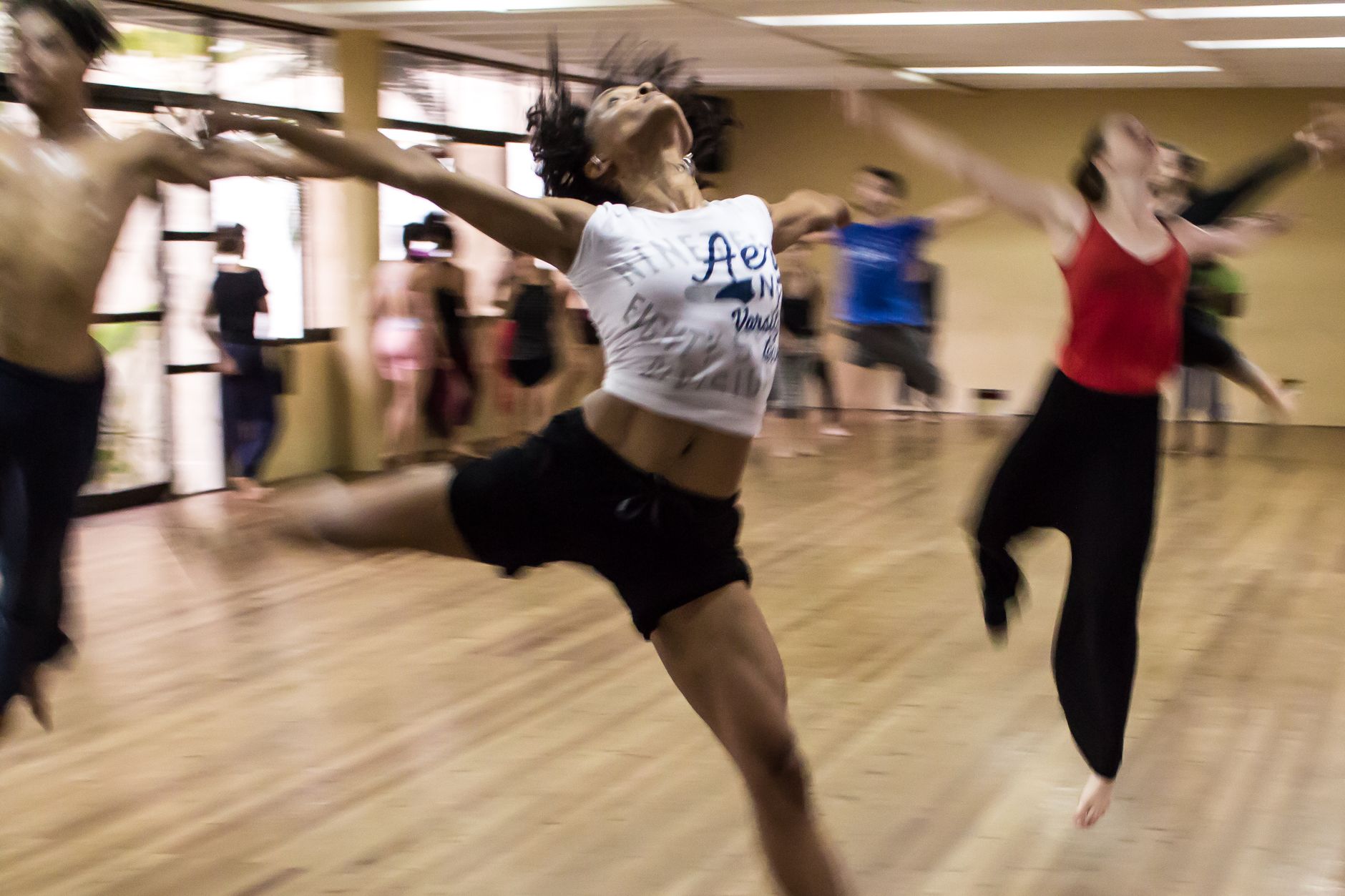
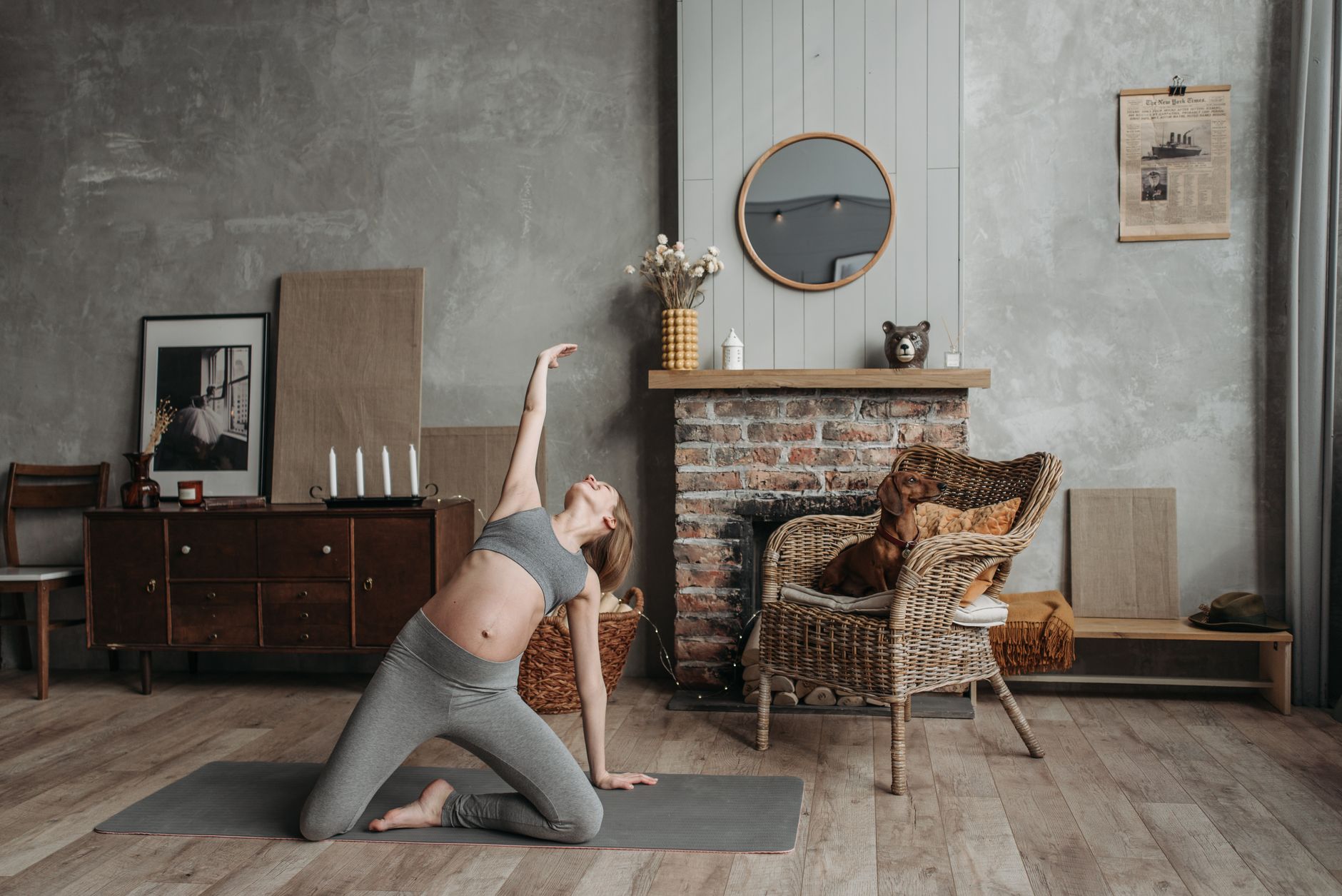
Safe in moderation. Zumba during pregnancy is generally safe if modified for low impact, especially after the first trimester. Avoid jumps and overheating for a healthy workout.
By Shubhra Mishra — a mom of two who turned her own confusion during pregnancy into BumpBites, a global mission to make food choices clear, safe, and stress-free for every expecting mother. 💛
Check whether any food is safe during pregnancy with the BumpBites Food Safety Checker.
Quick verdict: ⚠️ Talk to your doctor first. Zumba can be safe for many pregnant women when modified for intensity and duration, but you should get personalized clearance, especially if you have health concerns.
It’s common to wonder is Zumba safe during pregnancy—especially if you’ve been dancing to upbeat beats for years and now hear the occasional “mom‑to‑be” whisper in the studio. You might be scrolling at 2 a.m., heart racing after a sudden cramp, or you could be planning next week’s workout schedule and want to know if that high‑energy class fits into your prenatal routine. The good news is that, for most expectant mothers, Zumba is not off‑limits; it just needs a few smart adjustments.
We understand how unsettling it can feel to discover a beloved activity might need tweaking mid‑pregnancy. That flutter of anxiety is natural, and you’re not alone—many of our readers have sent us messages after a Zumba class left them wondering, “Did I just risk my baby?” In this guide we’ll give you a clear, evidence‑based answer, break down safety by trimester, suggest how often and how intensely you can move, and flag any red‑lights—like hypertension or a history of preterm labor. We’ll also walk you through safer alternatives, compare Zumba to other popular fitness classes, and give you a quick‑reference table you can bookmark. By the end, you’ll know exactly what to ask your provider and how to keep dancing confidently.
Beyond the basics, we’ll explore how to pick a pregnancy‑friendly class, what gear can keep you comfortable, and how Zumba stacks up against other cardio options such as walking, swimming, and stationary cycling. Whether you’re a seasoned Zumba enthusiast or a newcomer curious about prenatal dance, this article is designed to calm your worries and empower you with practical, doctor‑approved guidance.
Stage
Verdict
Notes
First trimester
⚠️ Conditional
Low‑impact, no jumps; avoid overheating; get provider clearance if you have risk factors.
Second trimester
✅ Generally safe
Maintain moderate intensity (≤ moderate heart rate), stay hydrated, modify moves that require deep bends.
Third trimester
⚠️ Conditional
Focus on balance, avoid high‑impact jumps; monitor for pelvic pressure or dizziness.
Breastfeeding
✅ Safe
Gentle, low‑impact routines help with mood and energy; keep core support strong.
Zumba is a dance‑based cardio workout that blends Latin rhythms, hip‑hop beats, and aerobic steps into a high‑energy class. Typically, a session lasts 45–60 minutes and includes warm‑up, core dance routines, and cool‑down stretches. Instructors cue “low‑impact” or “high‑impact” variations, letting participants choose the version that matches their fitness level. The goal is to raise heart rate, improve coordination, and burn calories while having fun. Because it’s movement‑heavy, Zumba can strengthen cardiovascular health, support weight management, and boost mood—benefits that align with many prenatal exercise recommendations.
So, is Zumba safe during pregnancy? The consensus from major health bodies such as the American College of Obstetricians and Gynecologists (ACOG) and the UK’s National Health Service (NHS) is that pregnant people may continue moderate‑intensity aerobic activities, including dance, provided there are no contraindications. ACOG’s “Physical Activity and Pregnancy” guideline encourages at least 150 minutes of moderate exercise per week, emphasizing that activities should not cause overheating, excessive joint strain, or a high risk of falling. The NHS echoes this, noting that low‑impact dance classes are a “good option” when modified for comfort. No FDA or CDC specific warnings target Zumba, but they both advise pregnant individuals to avoid activities that could lead to abdominal trauma or severe dehydration.
The primary concern with Zumba is its potential for high‑impact moves—jumps, rapid pivots, and deep lunges—that could increase the risk of falls or strain the lower back, especially as the belly grows. For most pregnant women, swapping jumps for step‑touches, keeping movements within a comfortable range of motion, and staying hydrated mitigate these risks. If you have a condition like hypertension, pre‑eclampsia, or a history of miscarriage, the intensity and environment (e.g., hot rooms) become even more critical, and a personalized plan with your obstetric provider is essential.
Is Zumba safe during the first trimester of pregnancy?
The first trimester is when organ formation (organogenesis) occurs, making it a period of heightened caution. Most experts agree that gentle, low‑impact exercise is beneficial, but any activity that raises core temperature above 102 °F (38.9 °C) or causes significant strain should be avoided. For Zumba, this means selecting a “low‑impact” class, skipping the jumps, and ensuring the studio is well‑ventilated. ACOG stresses that maternal hyperthermia can be linked to neural tube defects, so keep the room cool and drink plenty of water.
If you’ve already taken a Zumba class in the first trimester without intense jumps or overheating, you’re likely fine—just monitor for any unusual fatigue, spotting, or cramping. Should you notice any of these signs, pause the activity and contact your provider. For newcomers, it’s wise to get a clearance before starting, especially if you have a history of early‑pregnancy complications.
Managing heat and hydration
Staying cool is one of the simplest ways to protect your developing baby. The CDC recommends that pregnant women keep their core temperature below 102 °F (38.9 °C). Bring a bottle of water to each class, sip regularly, and ask the instructor to keep the studio temperature comfortable. If you feel sweaty or overheated, take a short break in a cooler area. Small steps like these dramatically reduce any theoretical risk from elevated maternal temperature.
Can I do high‑intensity Zumba workouts while pregnant?
High‑intensity Zumba—characterized by rapid jumps, fast‑paced choreography, and heart rates that exceed 70 % of your maximum—generally falls outside the “moderate” range recommended by ACOG. While some fit‑pregnant athletes safely maintain high‑intensity routines, most pregnant people are advised to keep intensity at a level where they can talk comfortably (the “talk test”). The CDC’s physical activity guidelines note that vigorous exercise can increase the risk of musculoskeletal injury and, in rare cases, preterm labor if it leads to excessive strain.
If you’re an experienced athlete cleared by your obstetrician, you might continue a modified high‑intensity class with reduced jumps and added rest periods. Otherwise, switch to a low‑impact version or another moderate cardio option. Listening to your body—slowing down if you feel dizzy, short‑of‑breath, or experience pelvic pressure—is key.
When “talk test” matters most
The “talk test” is a simple way to gauge intensity: you should be able to speak in full sentences without gasping for breath. If you find yourself unable to keep a conversation, you’ve likely crossed into vigorous territory. Using a heart‑rate monitor set to stay below roughly 140 bpm for most pregnant women can also help you stay within the moderate zone recommended by ACOG.
How many Zumba sessions per week are safe for pregnant women?
ACOG recommends at least 150 minutes of moderate‑intensity aerobic activity per week, spread across most days. For Zumba, that translates to roughly three 45‑minute low‑impact sessions or two 60‑minute moderate sessions. The exact number can be adjusted based on personal fitness level, trimester, and any medical advice you’ve received. Keep in mind that consistency is more important than intensity; short, frequent sessions often feel easier on a growing belly.
When you’re in the second or third trimester, you may find that two sessions per week with added gentle stretching on off‑days work best. Always include a warm‑up and cool‑down, and stay hydrated throughout. If you experience any warning signs—such as persistent lower‑back pain, vaginal bleeding, or uterine contractions—reduce frequency immediately and consult your provider.
Balancing cardio with rest
Pregnancy is a time for balance. While regular cardio supports heart health and mood, your body also needs ample recovery. Aim for at least one rest day between Zumba sessions, especially if you experience any lingering soreness. Light activities like walking or gentle stretching on rest days keep blood flowing without overtaxing muscles.
What are the risks of Zumba for pregnant women with hypertension?
Hypertension in pregnancy (including chronic hypertension and gestational hypertension) requires careful monitoring of blood pressure and avoidance of activities that could cause spikes. The ACOG hypertension guideline advises that women with controlled blood pressure can engage in moderate exercise, but they should avoid sudden, high‑impact movements that might raise systolic pressure abruptly. Zumba’s high‑impact variants can cause brief spikes, so a low‑impact, steady‑pace class is the safer choice.
Key strategies for hypertensive moms include: (1) checking blood pressure before and after each session; (2) staying in a well‑ventilated, cool environment; (3) avoiding rapid direction changes that could cause dizziness; and (4) limiting session length to 30–45 minutes initially, then gradually increasing as tolerated. Always discuss any new exercise plan with your obstetrician or midwife.
Monitoring blood pressure at home
Invest in a validated home blood‑pressure cuff. Record your reading before and after each Zumba class. A rise of more than 20 mm Hg systolic or diastolic may indicate the need to dial back intensity or consult your provider. This proactive approach lets you enjoy dance while staying within safe cardiovascular limits.
Are there pregnancy‑friendly Zumba classes or programs?
Yes—many studios now offer “Prenatal Zumba” or “Mom‑to‑Be Zumba” classes. These sessions are specifically designed to keep intensity moderate, replace jumps with step‑touches, and incorporate extra pelvic‑floor and core‑support drills. The classes often start with a gentle warm‑up, move into low‑impact choreography, and finish with a cool‑down focused on breathing and stretching. Instructors are typically trained in prenatal fitness guidelines, making them a safer environment for pregnant participants.
If you can’t find a dedicated prenatal class, look for a regular Zumba class that advertises a “low‑impact” option, or ask the instructor if they can modify moves for you. Online platforms also host video series titled “Zumba for Pregnancy” that allow you to control volume, temperature, and pacing from home—perfect for those who prefer a private setting.
Online vs. studio classes
Home‑based Zumba videos give you full control over temperature, music volume, and pace, which can be especially comforting in the later trimesters. However, studio classes provide real‑time feedback from instructors who can adjust your form on the spot. If you choose online, consider setting up a mirror or having a friend watch to ensure you’re maintaining proper posture.
What are safe alternatives to Zumba for expecting mothers?
Prenatal yoga – gentle stretches and breath work that improve flexibility without impact.
Low‑impact dance class – retains the fun rhythm, but eliminates jumps and pivots.
Walking – a low‑stress cardio option that can be done anywhere.
Swimming – buoyancy relieves joint pressure and supports the growing belly.
Stationary cycling – controlled intensity without risk of falling.
Pilates for pregnant women – core‑strengthening moves that protect the back.
Gentle stretching routine – helps with muscle tension and prepares the body for labor.
Does Zumba increase the risk of preterm labor?
Current research does not show a direct link between moderate aerobic exercise, such as low‑impact Zumba, and preterm labor. ACOG’s guidelines state that regular, moderate‑intensity activity is associated with a lower risk of preterm birth, likely because it improves cardiovascular health and reduces stress. However, activities that cause excessive strain on the abdomen or trigger uterine contractions—like high‑impact jumps or intense core work—could theoretically increase risk in vulnerable individuals.
For most pregnant women, especially those without a history of preterm labor, a modified Zumba routine is unlikely to cause problems. If you have a known risk factor (e.g., cervical insufficiency), your provider may advise you to avoid any high‑impact activity altogether.
Can I continue my regular Zumba routine after the second trimester?
After the second trimester, many women find that their center of gravity shifts, making balance more challenging. Continuing a regular Zumba routine is possible if you adapt the moves: replace jumps with step‑touches, keep your feet planted during turns, and avoid deep lunges that could strain the lower back. ACOG recommends staying within a “moderate” heart‑rate zone—roughly 140 bpm for most pregnant women—so using a heart‑rate monitor can help you stay in the safe range.
Listen to your body: if you feel dizzy, short‑of‑breath, or experience pelvic pressure, scale back or stop. Many studios also offer “Prenatal Zumba” sessions that automatically incorporate these modifications, making it easier to stay active safely.
How to choose a safe Zumba class while pregnant
Finding the right class is half the battle. Look for studios that explicitly list “Prenatal” or “Low‑impact” options in their schedule. Ask the instructor about the class structure—specifically whether they offer modifications for jumps, deep lunges, and high‑intensity bursts. A good sign is an instructor who is certified in prenatal fitness or who references ACOG guidelines during the session.
Don’t hesitate to call ahead. A quick phone call asking, “Do you have a low‑impact version for pregnant participants?” can save you from an uncomfortable surprise. If the studio is hesitant or doesn’t have a clear policy, consider a different location or an online class where you control the intensity.
What to wear and gear for prenatal Zumba
Comfortable, supportive clothing makes a big difference. Choose a supportive maternity sports bra that minimizes bounce, breathable leggings or shorts with a stretchy waistband, and moisture‑wicking tops to keep you cool. Good footwear is essential—opt for shoes with solid arch support and a non‑slip sole to maintain stability on the dance floor.
Bring a water bottle, a small towel, and a mat or cushion if you plan to do floor work. Some moms find a pelvic‑floor support belt helpful for added core stability during turns. All of these items are inexpensive but can dramatically improve safety and enjoyment.
How Zumba compares to other prenatal cardio workouts
Zumba’s main advantage is its fun, music‑driven format, which can boost mood and adherence. Compared with walking, Zumba offers a higher calorie burn in a shorter time, but walking is lower impact and easier to fit into a daily routine. Swimming provides full‑body resistance without any joint stress, making it ideal for those with swelling or joint pain.
Stationary cycling sits somewhere in the middle—offering moderate intensity without the risk of falling, yet lacking the rhythmic fun of Zumba. Prenatal yoga and Pilates excel at flexibility and core strength, complementing the cardiovascular focus of Zumba. Choosing the right mix often depends on personal preference, access, and any medical considerations.
Choose a low‑impact Zumba class and keep a water bottle handy to stay hydrated.
Safe dosage / amount / brands
Because Zumba is an activity rather than a medication, “dosage” refers to session length, frequency, and intensity. Below is a quick guide:
Parameter
Recommended range
Notes
Session length
30–60 minutes
Start with 30 min if you’re new or in the first trimester; increase gradually.
Frequency
2–3 times per week
Meets ACOG’s 150‑minute weekly recommendation.
Intensity
Moderate (talk test)
Heart rate should stay below 140 bpm; avoid breathlessness.
Environment
Cool, well‑ventilated
Keep room temperature < 78 °F (25 °C) to prevent overheating.
There are no “brands” of Zumba, but you can look for studios that advertise “Prenatal Zumba,” “Low‑Impact Zumba,” or “Mom‑to‑Be Zumba.” Online platforms such as Zumba.com and major fitness streaming services also label their pregnancy‑friendly videos, making it easy to select the right program.
Home‑based prenatal Zumba videos let you control intensity and stay comfortable.
Side effects and risks
Even with modifications, any exercise can cause minor side effects:
Muscle soreness – normal after a new routine; stretch gently after class.
Dizziness or shortness of breath – stop immediately, sit, hydrate, and call your provider if it persists.
Lower‑back pain – common as the belly grows; focus on core support and avoid deep forward bends.
Pelvic pressure or uterine cramping – if you feel rhythmic tightening, cease activity and seek medical advice.
Excessive sweating or overheating – pause, cool down, and drink fluids; overheating can affect fetal development.
These are typically manageable with proper preparation, but any sudden bleeding, severe cramping, or loss of fetal movement requires immediate medical attention.
Safer alternatives
Prenatal yoga – supports flexibility and stress relief without impact.
Low‑impact dance class – retains the fun rhythm but eliminates jumps.
Walking – simple, low‑stress cardio that can be done anywhere.
Swimming – buoyant, full‑body workout that eases joint strain.
Stationary cycling – controlled intensity with minimal fall risk.
Pilates for pregnant women – strengthens core and pelvic floor safely.
Gentle stretching routine – helps with muscle tension and prepares the body for labor.
Related items — safety at a glance
Item
Verdict
Note
Barre fitness
✅ Safe
Low‑impact, focus on balance; avoid deep lunges.
Kickboxing
⚠️ Conditional
High‑impact punches and kicks; modify to low‑impact.
Aerobics
✅ Safe
Standard cardio; keep intensity moderate.
Step aerobics
⚠️ Conditional
Step height can strain joints; lower step recommended.
Hip hop dance class
⚠️ Conditional
Often high‑impact; ask for low‑impact version.
Cardio dance
✅ Safe
Similar to Zumba; choose low‑impact.
Fitness boot camp
❌ Best avoided
Typically high intensity with rapid changes.
Myth vs. fact
Myth: Dancing the night away in a Zumba class will cause a miscarriage.
Fact: Moderate, low‑impact dance performed within ACOG’s guidelines does not increase miscarriage risk; overheating and extreme strain are the true concerns.
Myth: All pregnant women must stop high‑impact workouts entirely.
Fact: Many obstetricians allow high‑impact activity if the woman is already fit, the exercise is well‑controlled, and there are no contraindications.
Myth: You can’t do any cardio after the first trimester.
Fact: Cardio, including modified Zumba, is encouraged throughout pregnancy for cardiovascular health and mood enhancement, as long as intensity stays moderate.
Key takeaways
Low‑impact Zumba is generally safe when cleared by your provider and kept moderate.
Aim for 30–60 minute sessions, 2–3 times per week, staying within the “talk test” intensity.
Modify moves: replace jumps with step‑touches, avoid deep twists, and keep the studio cool.
Women with hypertension, preterm‑labor history, or other complications should get individualized advice.
Pregnancy‑friendly classes and online videos make it easy to stay active safely.
If you notice dizziness, bleeding, severe cramping, or loss of fetal movement, stop and call your provider immediately.
Frequently asked questions
Can pregnant women do Zumba?
Yes—most pregnant women can participate in a low‑impact Zumba class after getting clearance from their obstetrician. Keep intensity moderate and avoid jumps.
Is Zumba safe in the second trimester?
During the second trimester, Zumba is generally safe if you choose a low‑impact version, stay hydrated, and keep your heart rate below about 140 bpm.
What are the benefits of Zumba during pregnancy?
Modified Zumba can improve cardiovascular fitness, boost mood, help manage weight, and reduce stress, all of which benefit both mother and baby.
How to modify Zumba moves while pregnant?
Swap jumps for step‑touches, limit deep lunges, keep your torso upright, and use a sturdy chair or wall for balance if needed.
Does Zumba increase the risk of miscarriage?
There is no evidence that low‑impact Zumba raises miscarriage risk; the primary concerns are overheating and high‑impact moves that could cause abdominal strain.
What is the recommended intensity for Zumba during pregnancy?
Aim for moderate intensity—where you can hold a conversation without gasping—and monitor your heart rate to stay under roughly 70 % of your maximum.
Can I do Zumba if I have a cesarean scar?
Yes, but you should avoid any moves that place pressure directly on the incision site. Choose low‑impact variations, keep your core engaged, and discuss any concerns with your surgeon or obstetrician before starting.
Is it safe to do Zumba after my due date?
Post‑partum Zumba can be resumed once you’ve healed and your provider gives the green light, typically after the 6‑week check‑up. Start with gentle, low‑impact sessions and gradually increase intensity.
When to call your doctor
If you experience any of the following after a Zumba session, contact your obstetric provider right away:
Vaginal bleeding or spotting.
Severe or persistent lower‑back pain.
Regular uterine contractions or cramping that does not subside.
Dizziness, faintness, or shortness of breath that doesn’t improve with rest.
Sudden swelling of hands or face.
Decrease in fetal movement after a workout.
These symptoms could signal a complication that needs prompt evaluation. Remember, this article provides general information and does not replace personalized medical advice.
References
American College of Obstetricians and Gynecologists. “Physical Activity and Pregnancy.” ACOG Practice Bulletin No. 204, 2020.
National Health Service (UK). “Exercise in pregnancy.” NHS website, 2023.
Centers for Disease Control and Prevention. “Pregnancy and Physical Activity.” CDC Guidance, 2022.
World Health Organization. “Recommendations on Antenatal Care for a Positive Pregnancy Experience.” WHO, 2021.
American College of Obstetricians and Gynecologists. “Hypertension in Pregnancy.” ACOG Committee Opinion No. 757, 2020.
National Institute for Health and Care Excellence (NICE). “Antenatal care for uncomplicated pregnancies.” NICE guideline NG62, 2021.
Not sure about the label on Is Zumba Safe During Pregnancy products?
Snap the ingredients list and SafeFilter checks every ingredient for your stage — only 3 free scans this month, then you're locked until reset. Unlimited from $7/mo or $50/yr.
When Shubhra Mishra was expecting her first child in 2016, she was overwhelmed by conflicting food advice — one site said yes, another said never. By the time her second baby arrived in 2019, she realized millions of mothers face the same confusion.
That sparked a five-year journey through clinical nutrition papers, cultural diets, and expert conversations — all leading to BumpBites: a calm, compassionate space where science meets everyday motherhood.
Her long-term vision is to build a global community ensuring safe, supported, and free deliveriesfor every mother — because no woman should face pregnancy alone or uninformed. 🌿
🌍 Stand with mothers, shape safer guidance
Join a small circle of experts who review BumpBites articles so expecting parents everywhere can decide with confidence.