

Quick verdict: ⚠️ Safe with limits – occasional yerba mate tea (up to 1 cup per day) is generally considered okay, but you should keep caffeine intake below 200 mg total and talk to your provider if you have any pregnancy complications. If you’ve already had a cup, don’t panic—just track your total caffeine from all sources moving forward.
It’s 2 a.m., the kitchen light is on, and you’ve just opened a fresh bag of yerba mate tea, wondering if that comforting sip might be a hidden danger for your growing baby. You’re not alone—many expectant parents pause at the same moment, especially after discovering that yerba mate contains caffeine. The short answer to the question is yerba mate tea safe during pregnancy is that it can be enjoyed in moderation, but there are important limits and considerations that go beyond just caffeine.
In this guide, we’ll break down exactly what the research says about yerba mate’s unique compounds, how much you can safely drink in each trimester, what to watch for if you have pregnancy complications like gestational diabetes or hypertension, and which brands or alternatives are the gentlest on you and your baby. We’ll also compare yerba mate to other popular caffeinated drinks so you can make an informed choice without the 3 a.m. anxiety—whether you’ve already had a cup or you’re debating your first sip.
| Trimester / Breastfeeding | Verdict | Notes |
|---|---|---|
| First trimester | ⚠️ Limit | Keep to ≤1 cup (≈30 mg caffeine); avoid high-caffeine drinks. Extra caution if you have a history of miscarriage or nausea. |
| Second trimester | ⚠️ Limit | Same limit; monitor blood pressure and blood sugar. Consider switching to decaf if you experience heartburn or sleep disturbances. |
| Third trimester | ⚠️ Limit | Same limit; consider decaf after 34 weeks if sleep is disrupted or you have swelling. Watch for caffeine sensitivity as metabolism slows. |
| Breastfeeding | ⚠️ Limit | Up to 1 cup daily is fine; watch infant’s sleep and irritability. Caffeine peaks in breast milk 1-2 hours after consumption. |
What is yerba mate tea?
Yerba mate is a traditional South American beverage made by steeping the dried leaves of the Ilex paraguariensis plant, a species of holly native to Argentina, Brazil, Paraguay, and Uruguay. The leaves are typically dried over wood fires (a process called sapecado), which gives yerba mate its distinctive smoky flavor, then chopped and aged for several months to develop its full aroma. Unlike coffee or black tea, yerba mate contains a unique blend of stimulants: caffeine (about 30–50 mg per 8-oz cup), theobromine (the same compound found in chocolate), and theophylline, which work together to provide a smoother, longer-lasting energy boost without the jitters often associated with coffee.
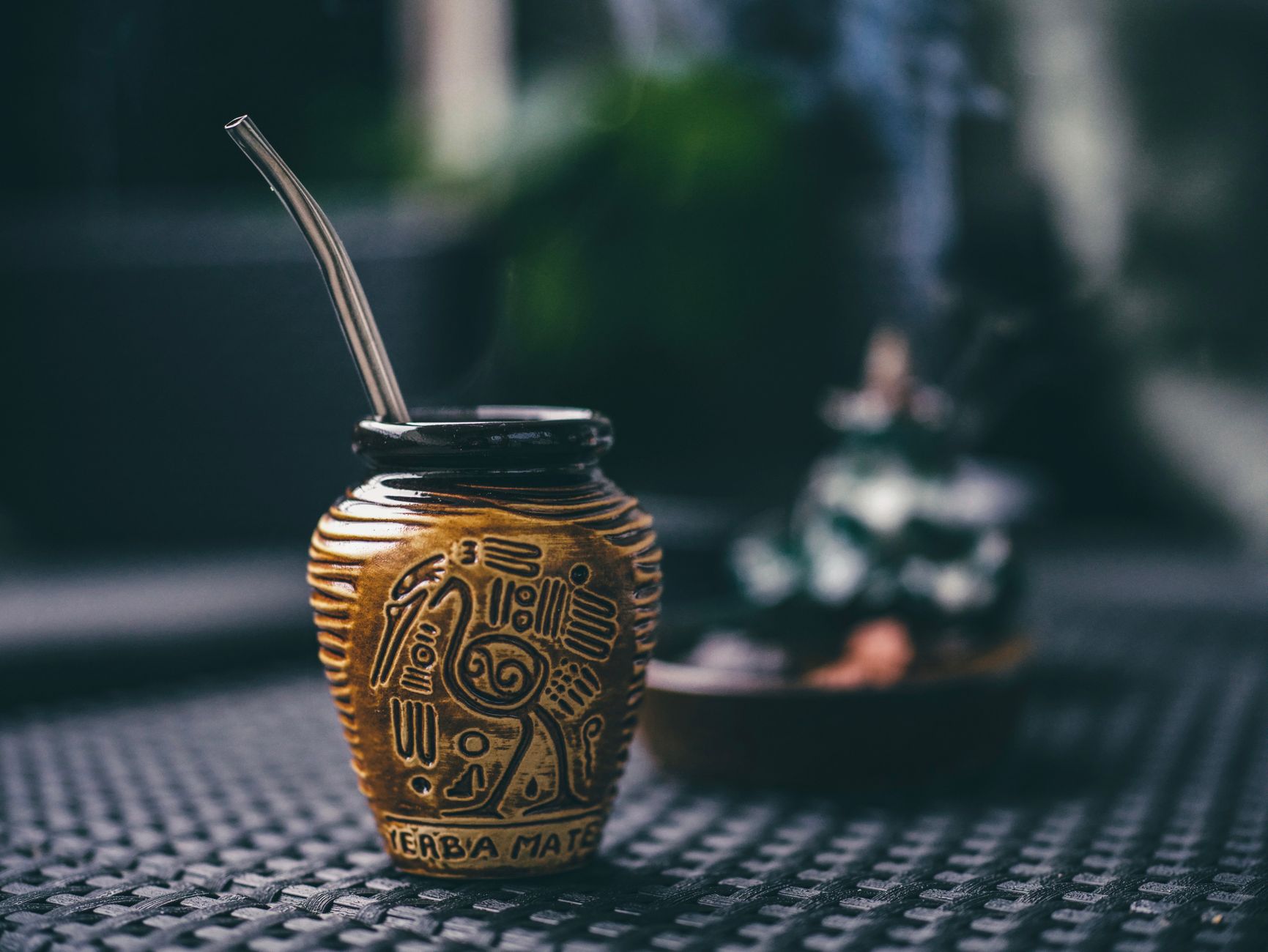
Historically, yerba mate has been consumed socially in a ritual called mateando, where a hollow gourd (mate) is filled with leaves and passed among friends or family, sipped through a metal straw called a bombilla. In recent years, it’s gained global popularity in tea bags, loose-leaf formats, and ready-to-drink cans, often marketed as a "superfood" for its high antioxidant content. Pregnant people may reach for yerba mate for its earthy flavor, gentle caffeine lift, or as a cultural tradition—especially in Latin American communities where it’s a daily staple.
Beyond caffeine, yerba mate is rich in polyphenols (like chlorogenic acid) and saponins, which have been studied for their anti-inflammatory and cholesterol-lowering effects. However, its safety during pregnancy hinges primarily on its caffeine content, as well as potential contaminants like heavy metals or pesticides, which can vary by brand and growing region.
Is yerba mate tea safe during pregnancy?
Research on yerba mate specifically in pregnancy is limited, but the primary concerns revolve around its caffeine content and the potential for added sugars in flavored or pre-sweetened versions. A 2019 systematic review in BMJ found that high caffeine intake (>200 mg/day) was associated with a modest increase in miscarriage risk and lower birth weight, though these risks were primarily observed at much higher caffeine levels (e.g., 500+ mg/day). Another study published in Reproductive Toxicology (2020) noted that caffeine metabolism slows during pregnancy, meaning it stays in your system longer and may affect fetal heart rate or movement patterns.
However, it’s important to note that yerba mate’s caffeine is often better tolerated than coffee’s because it’s released more gradually, thanks to the theobromine and theophylline. This can make it a gentler option for those who experience coffee-related jitters or crashes. The World Health Organization (WHO) and FDA both echo ACOG’s 200 mg guideline, emphasizing that moderate caffeine intake is unlikely to harm a developing baby when consumed as part of a balanced diet.
In short, the consensus among obstetric experts is that occasional yerba mate tea (up to one cup per day) is generally safe, provided you stay within the overall caffeine budget and choose low-sugar, high-quality preparations. If you’re unsure, your provider can help you calculate your total caffeine intake from all sources.
How does yerba mate compare to coffee or black tea?
Yerba mate often gets lumped in with other caffeinated drinks, but its effects on the body are distinct. Here’s how it stacks up:
| Drink | Caffeine per 8 oz | Other Stimulants | Pregnancy Notes |
|---|---|---|---|
| Yerba mate | 30–50 mg | Theobromine, theophylline | Gradual energy release; less jittery than coffee. |
| Coffee | 95 mg | None | Faster caffeine spike; may cause crashes or heartburn. |
| Black tea | 45 mg | Theophylline | Similar to yerba mate but less theobromine. |
| Green tea | 25 mg | Theophylline | Lower caffeine but contains tannins that may reduce iron absorption. |
| Matcha | 70 mg | L-theanine | High caffeine but balanced by calming L-theanine. |
If you’re sensitive to caffeine, yerba mate’s smoother profile might make it a better choice than coffee, but it’s still important to track your total intake. For example, one cup of yerba mate (40 mg) + one cup of coffee (95 mg) + a chocolate bar (20 mg) = 155 mg—leaving little room for additional caffeine sources.
Does yerba mate contain other compounds that could affect pregnancy?
Beyond caffeine, yerba mate contains several bioactive compounds that have been studied for their potential effects on health—and pregnancy:
- Polyphenols (e.g., chlorogenic acid): These antioxidants may help regulate blood sugar and reduce inflammation, which could be beneficial for those with gestational diabetes. However, some studies suggest that high polyphenol intake might interfere with iron absorption, so it’s wise to consume yerba mate between meals rather than with iron-rich foods.
- Saponins: These compounds have anti-inflammatory properties but can also act as mild laxatives. If you’re already dealing with pregnancy-related constipation, yerba mate might worsen symptoms for some people.
- Theobromine: Found in chocolate, this stimulant is gentler than caffeine but can still cross the placenta. While no studies link theobromine to pregnancy risks, it’s one reason yerba mate’s effects feel different from coffee’s.
- Heavy metals (e.g., lead, cadmium): Some studies have detected trace amounts of heavy metals in yerba mate, likely due to soil contamination. While levels are typically low, choosing organic, third-party-tested brands can minimize exposure.
Most of these compounds are present in small amounts and are unlikely to pose risks at moderate intake levels, but they’re worth considering if you’re drinking yerba mate daily or have specific health concerns.
Is yerba mate tea safe to drink during the first trimester?
The first trimester is a critical period of organogenesis, when the baby’s major organs (heart, brain, lungs) are forming. This is also when many pregnant people experience heightened sensitivity to smells, tastes, and stimulants like caffeine. While there’s no evidence that moderate caffeine intake (≤200 mg/day) increases the risk of birth defects, many providers advise extra caution during this window because the fetus lacks the enzymes to metabolize caffeine efficiently.
If you crave yerba mate in your first trimester, limit yourself to a single 8-oz cup (≈30 mg caffeine) and avoid other caffeinated drinks that day. This is especially important if you have a history of miscarriage, as some studies suggest a slightly elevated risk with higher caffeine intake. Additionally, caffeine can cross the placenta and may temporarily increase the fetal heart rate, though this effect is minimal at low doses.
For those experiencing nausea, yerba mate’s warmth and mild bitterness might be soothing—or it might trigger aversions. If you find that caffeine worsens your morning sickness, consider switching to a decaf version or a caffeine-free herbal tea like ginger or peppermint.
What if I drank yerba mate before I knew I was pregnant?
This is one of the most common concerns we hear. If you consumed yerba mate (or any caffeinated drink) before realizing you were pregnant, try not to stress. The first few weeks of pregnancy are often before implantation, and the risk of harm from caffeine at this stage is extremely low. Focus on staying within the 200 mg limit moving forward, and mention your caffeine habits at your first prenatal visit so your provider can offer personalized guidance.
How much yerba mate tea can I have safely while pregnant?
Based on ACOG’s 200 mg caffeine guideline, here’s how to calculate your safe yerba mate intake:
- One cup (8 oz) of regular yerba mate: 30–50 mg caffeine. This fits comfortably within the 200 mg limit, leaving room for other caffeine sources like chocolate or decaf coffee.
- Two cups of low-caffeine yerba mate: Some brands offer "light" versions with ≈20 mg caffeine per cup. Two cups would total 40 mg, still well under the limit.
- One cup of decaf yerba mate: <5 mg caffeine. This is a great option if you want to avoid caffeine entirely or if you’re sensitive to stimulants.
To put this into context, here’s how yerba mate compares to other common caffeine sources:
| Source | Serving Size | Caffeine (mg) |
|---|---|---|
| Yerba mate (regular) | 8 oz | 30–50 |
| Yerba mate (decaf) | 8 oz | <5 |
| Coffee (brewed) | 8 oz | 95 |
| Black tea | 8 oz | 45 | Green tea | 8 oz | 25 |
| Dark chocolate (1 oz) | 1 oz | 20 |
| Soda (12 oz) | 12 oz | 35–45 |
If you’re unsure about your total caffeine intake, try tracking it for a few days using a free app like Caffeine Tracker or MyFitnessPal. This can help you identify hidden sources (e.g., protein bars, ice cream, or medications) and adjust as needed.
Can I drink yerba mate on an empty stomach?
Yerba mate is acidic and can irritate the stomach lining, especially if consumed on an empty stomach. This may lead to heartburn, nausea, or acid reflux—common complaints during pregnancy. To minimize discomfort, try drinking yerba mate with a small snack (e.g., a banana, whole-grain toast, or yogurt) or after a meal. If you’re prone to morning sickness, avoid it first thing in the morning and opt for a gentler herbal tea instead.
What are the risks of drinking yerba mate tea during pregnancy?
The primary risks of yerba mate during pregnancy stem from its caffeine content, added sugars, and potential contaminants. Here’s a breakdown of what to watch for:
- Caffeine-related concerns:
- Miscarriage risk: A 2019 BMJ review found that caffeine intake >200 mg/day was associated with a modestly increased risk of miscarriage, though the absolute risk remained low. Most experts agree that staying under 200 mg/day minimizes this risk.
- Low birth weight: Some studies suggest that high caffeine intake (>300 mg/day) may reduce birth weight by 50–100 grams, though this effect is not seen at lower doses.
- Preterm birth: Limited evidence links caffeine to preterm birth, but it’s wise to err on the side of caution, especially in the third trimester.
- Blood pressure effects: Yerba mate can cause a temporary increase in blood pressure due to its caffeine and theobromine content. This is usually mild but may be problematic for those with preeclampsia or chronic hypertension. If you notice dizziness, headaches, or swelling after drinking yerba mate, check your blood pressure and discuss it with your provider.
- Blood sugar spikes: Sweetened yerba mate drinks (e.g., bottled or flavored versions) can contain 20–30 grams of sugar per serving, which may contribute to gestational diabetes or excessive weight gain. Opt for unsweetened varieties and check labels for hidden sugars like cane juice or agave.
- Contaminants: Some yerba mate products have been found to contain trace amounts of heavy metals (e.g., lead, cadmium) or pesticides, depending on the soil and processing methods. Choosing organic, third-party-tested brands can reduce this risk.
- Sleep disruption: Caffeine can linger in your system for 5–6 hours (longer during pregnancy due to slower metabolism), so drinking yerba mate in the afternoon or evening may interfere with sleep. Poor sleep is linked to higher stress levels and pregnancy complications like preeclampsia.
Overall, when consumed within recommended limits, the risks of yerba mate are low, but it’s important to monitor how your body responds and adjust as needed. If you have any underlying health conditions (e.g., heart arrhythmias, anxiety, or kidney disease), talk to your provider before including yerba mate in your diet.
Does yerba mate interact with prenatal vitamins or medications?
Yerba mate can interact with certain medications and supplements, so it’s worth reviewing your routine with your provider. Here are a few key interactions to be aware of:
- Iron absorption: The tannins in yerba mate (and other teas) can inhibit iron absorption by up to 60%. If you’re taking prenatal vitamins with iron, avoid drinking yerba mate within 1–2 hours of your supplement. Instead, take your vitamins with a vitamin C-rich food (e.g., orange juice) to enhance absorption.
- Stimulant medications: If you’re taking medications for ADHD (e.g., Adderall, Ritalin) or asthma (e.g., theophylline), yerba mate’s caffeine may amplify side effects like jitteriness, rapid heartbeat, or insomnia. Your provider may recommend avoiding it altogether.
- Blood pressure medications: Yerba mate can counteract the effects of beta-blockers or other antihypertensives. If you’re on blood pressure medication, monitor your levels closely and discuss caffeine intake with your provider.
- Antidepressants (SSRIs/SNRIs): Caffeine can increase anxiety or insomnia in some people taking these medications. If you notice heightened side effects, consider switching to decaf or a caffeine-free alternative.
Always bring a list of all medications, supplements, and herbal products to your prenatal visits so your provider can screen for potential interactions.
Can I switch to decaf yerba mate tea during pregnancy?
Yes, switching to a decaffeinated version is a sensible strategy if you love the flavor of yerba mate but want to eliminate caffeine altogether. Decaf yerba mate typically contains less than 5 mg of caffeine per cup, which is negligible and well below the ACOG threshold. It’s safe for all trimesters, including the first, and while breastfeeding.
Most reputable brands use the water-process (Swiss Water) method to remove caffeine, which doesn’t involve chemical solvents like methylene chloride or ethyl acetate. This method is considered safe and retains more of the tea’s natural antioxidants compared to other decaffeination processes. When choosing a decaf brand, look for labels that specify "water-processed" or "naturally decaffeinated."
One thing to note: decaf yerba mate may still have a mild stimulating effect due to its theobromine content, though this is unlikely to be significant at one cup per day. If you’re highly sensitive to stimulants, you might prefer a caffeine-free herbal tea like rooibos or chamomile.
How is decaf yerba mate made?
Decaffeination processes vary by brand, but the most common methods for yerba mate include:
- Swiss Water Process: Uses water and carbon filters to remove caffeine without chemicals. This method preserves the tea’s flavor and antioxidants best.
- Carbon Dioxide (CO2) Process: Uses pressurized CO2 to extract caffeine. It’s chemical-free and retains most of the tea’s beneficial compounds.
- Ethyl Acetate Process: Uses a naturally occurring compound (found in fruits) to remove caffeine. While generally recognized as safe, this method may leave a slight chemical residue.
Avoid brands that don’t disclose their decaffeination method, as some cheaper processes use harsh chemicals that may leave traces in the final product. Reputable brands like Yogi and MateFactor use the Swiss Water or CO2 methods and are widely available in health food stores or online.
Is there a safe yerba mate tea brand for pregnant women?
While no brand is officially "certified for pregnancy," some have earned a reputation for quality, transparency, and low caffeine content. When choosing a yerba mate brand, look for the following:
- Clear caffeine labeling: The brand should disclose the exact caffeine content per serving (≤50 mg for regular, <5 mg for decaf).
- Organic and non-GMO: Organic certification ensures the leaves were grown without synthetic pesticides or fertilizers, reducing the risk of contaminants.
- Third-party testing: Look for brands that test for heavy metals, pesticides, and microbial contaminants. Certifications like USDA Organic, Non-GMO Project Verified, or Fair Trade Certified are good indicators of quality.
- Unsweetened or lightly sweetened: Avoid brands with added sugars or artificial sweeteners, which can contribute to gestational diabetes or excessive weight gain.
- Decaf options: If you’re sensitive to caffeine, choose a brand that offers a decaf version with a clear decaffeination method.
Here are a few brands that meet these criteria:
| Brand | Type | Caffeine (per 8 oz) | Certifications | Notes |
|---|---|---|---|---|
| MateFactor | Organic Yerba Mate | 30 mg | USDA Organic, Non-GMO | Low caffeine; water-process decaf available. |
| Guayakí | Classic Yerba Mate | 45 mg | Fair Trade, Non-GMO | Fair-trade sourced; offers unsweetened cans. |
| Yogi | Decaf Yerba Mate | <5 mg | USDA Organic, Non-GMO | Swiss Water decaf; gentle flavor. |
| CBSe | Organic Yerba Mate | 35 mg | USDA Organic, Rainforest Alliance | Argentinian-grown; traditional preparation. |
| Kurimi | Yerba Mate Tea Bags | 25 mg | USDA Organic | Lower caffeine; convenient tea bags. |
If you’re unsure about a brand, check the company’s website for lab test results or contact their customer service for more information. Your pharmacist or prenatal provider can also help you evaluate options.
Are there any yerba mate brands to avoid during pregnancy?
While most yerba mate brands are safe in moderation, there are a few red flags to watch for:
- High-caffeine blends: Some brands market "energy" or "extra-strong" yerba mate with caffeine content exceeding 80 mg per serving. These should be avoided during pregnancy.
- Added stimulants: Avoid yerba mate products that contain guarana, ginseng, or other herbal stimulants, as these can amplify caffeine’s effects.
- Artificial sweeteners: Some bottled yerba mate drinks use aspartame, sucralose, or other artificial sweeteners, which lack long-term safety data in pregnancy. Opt for unsweetened or naturally sweetened versions instead.
- Unknown sourcing: Brands that don’t disclose their growing region or processing methods may have higher risks of contaminants. Stick to transparent, reputable companies.
- Pre-made "energy" drinks: Many bottled yerba mate beverages (e.g., Club-Mate, Mate Libre) contain added sugars, artificial flavors, or high caffeine levels. Always check the label.
If you’re unsure about a specific product, err on the side of caution and choose a brand with clear labeling and third-party testing.
Does yerba mate tea affect pregnancy nausea?
Many pregnant people find that mild caffeine can help settle nausea, and yerba mate’s warm, earthy flavor may provide relief for some. However, caffeine can also exacerbate stomach upset in others, especially if consumed on an empty stomach or in large amounts. Here’s what to consider:
- Pros:
- Warm liquids can soothe the digestive tract and reduce nausea for some people.
- Theobromine in yerba mate may have a gentler stimulant effect than coffee, reducing the risk of jitters or crashes.
- Some find that the ritual of preparing and sipping yerba mate provides a comforting distraction from nausea.
- Cons:
- Caffeine can increase stomach acid production, leading to heartburn or reflux—common triggers for nausea.
- Yerba mate’s bitterness may worsen aversions or trigger gagging in some people.
- If you’re sensitive to stimulants, even small amounts of caffeine can cause jitteriness or anxiety, which may amplify nausea.
If you’re using yerba mate to manage nausea, try these tips:
- Start with a small amount (e.g., 4 oz) to gauge your tolerance.
- Drink it slowly and pair it with a bland snack (e.g., crackers or toast) to reduce stomach irritation.
- Opt for a decaf version if caffeine seems to worsen your symptoms.
- If nausea persists, switch to a caffeine-free herbal tea like ginger or peppermint, which have stronger evidence for relieving morning sickness.
What’s the best time of day to drink yerba mate for nausea?
If you’re using yerba mate to ease nausea, timing matters. Here’s a simple guide:
- Morning: If you experience morning sickness, wait until after you’ve eaten something bland (e.g., crackers or oatmeal) before drinking yerba mate. Caffeine on an empty stomach can worsen nausea.
- Midday: This is often the best time to drink yerba mate, as your stomach is settled from breakfast and you’re less likely to experience caffeine-related sleep disruption later.
- Afternoon/Evening: Avoid yerba mate after 2 p.m. if you’re sensitive to caffeine, as it may interfere with sleep. Poor sleep can worsen nausea and fatigue the next day.
If you’re unsure, try drinking yerba mate at different times of day and track how you feel. Some people tolerate it better in the morning, while others find it more soothing in the early afternoon.
Is yerba mate tea safe for pregnant women with high blood pressure?
For those diagnosed with hypertension (chronic high blood pressure) or preeclampsia (pregnancy-related high blood pressure), caffeine can be a concern because it causes a temporary rise in systolic blood pressure. This effect is usually mild but may be problematic if your baseline blood pressure is already elevated. Here’s what to consider:
- Caffeine’s effect on blood pressure: Caffeine can raise blood pressure by 5–15 mmHg for 1–3 hours after consumption. For most people, this isn’t a concern, but if you have hypertension, even a small increase can push you into a risky range.
- Yerba mate’s unique profile: The theobromine in yerba mate may have a gentler effect on blood pressure than coffee’s caffeine, but it’s still a stimulant. If you’re sensitive, you might notice a more pronounced effect.
- Monitoring your response: If you choose to drink yerba mate, check your blood pressure before and 30–60 minutes after drinking it. If you notice a significant rise (e.g., >10 mmHg), it’s best to avoid it or switch to decaf.
If you have hypertension or preeclampsia, most providers recommend limiting yerba mate to no more than one cup per day and monitoring your blood pressure closely. In some cases, they may advise avoiding caffeine altogether. Always follow your provider’s specific recommendations, as they can tailor advice to your medical history and current blood pressure readings.
What are the signs that yerba mate is affecting my blood pressure?
Even if you don’t have a diagnosis of hypertension, it’s worth watching for signs that yerba mate is affecting your blood pressure. These can include:
- Headaches, especially at the back of the head or temples.
- Dizziness or lightheadedness, particularly when standing up.
- Blurred vision or seeing "floaters."
- Swelling in your hands, feet, or face (a sign of preeclampsia).
- Shortness of breath or chest tightness.
If you experience any of these symptoms after drinking yerba mate, check your blood pressure and contact your provider. In some cases, they may recommend switching to a caffeine-free alternative like rooibos or hibiscus tea.
Should I avoid yerba mate tea if I have gestational diabetes?
If you have gestational diabetes (GDM), the main concern with yerba mate is added sugars rather than caffeine. Unsweetened yerba mate is low in calories and carbohydrates, so it won’t significantly raise your blood sugar. However, many commercial yerba mate drinks—especially bottled or flavored versions—contain 20–30 grams of sugar per serving, which can cause blood sugar spikes.
Here’s how to enjoy yerba mate safely with GDM:
- Choose unsweetened varieties: Opt for plain tea bags, loose-leaf yerba mate, or unsweetened canned versions. Avoid drinks labeled "sweetened," "honey-infused," or "vanilla-flavored," as these often contain added sugars.
- Check labels for hidden sugars: Ingredients like cane sugar, agave syrup, honey, or fruit juice concentrates can add up quickly. Even "natural" sweeteners can affect blood sugar.
- Pair with protein or fiber: If you drink yerba mate, pair it with a snack that contains protein or fiber (e.g., nuts, cheese, or whole-grain toast) to slow sugar absorption.
- Monitor your blood sugar: Check your levels before and 1–2 hours after drinking yerba mate to see how your body responds. If you notice a spike, consider switching to a caffeine-free herbal tea.
If you’re struggling to manage your blood sugar, your provider or a registered dietitian can help you create a meal plan that includes safe caffeine sources.
Can yerba mate help with gestational diabetes?
While yerba mate itself isn’t a treatment for gestational diabetes, some of its compounds may offer indirect benefits:
- Polyphenols: Yerba mate contains chlorogenic acid, a polyphenol that may improve insulin sensitivity and reduce blood sugar spikes. However, this effect is modest and shouldn’t replace standard GDM management (e.g., diet, exercise, or medication).
- Weight management: Yerba mate is low in calories and may help curb cravings for sugary snacks, which can be helpful for managing weight gain during pregnancy.
- Hydration: Staying hydrated is crucial for blood sugar control, and yerba mate can contribute to your daily fluid intake. Just be mindful of caffeine’s diuretic effect, which may increase urination.
If you’re interested in using yerba mate as part of your GDM management plan, discuss it with your provider or a registered dietitian. They can help you balance it with other dietary strategies.

