

Quick verdict: ⚠️ Limit yerba mate loose during pregnancy. While not strictly banned, most obstetricians recommend keeping your total caffeine intake below 200 mg per day. A typical cup of yerba mate loose contains 65–85 mg of caffeine, so one cup a day is generally considered safe, but more may increase risks like miscarriage or low birth weight. If you're sensitive to caffeine or have high blood pressure, it's best to switch to caffeine-free alternatives.
You're curled up on the couch, a steaming gourd of yerba mate loose in hand, when that little voice pipes up: Wait—is this even safe? Maybe you've already had a few sips today, or maybe you're just trying to decide whether to keep your morning ritual. Either way, you're not alone. Yerba mate is a beloved daily habit for many, but pregnancy changes the rules—and fast.
Here's the good news: you don't have to give it up entirely. But you do need to be mindful of how much you're drinking, which trimester you're in, and what your body is telling you. Below, we'll break down exactly how much yerba mate loose is safe during pregnancy, which brands might be a better choice, and what to drink instead if you're looking to play it extra safe. Most importantly, we'll give you the peace of mind you came for—so you can stop Googling and start sipping (or not) with confidence.
| Stage | Verdict | Notes |
|---|---|---|
| First trimester | ⚠️ Limit to 1 cup (65–85 mg caffeine) per day | High caffeine intake may increase miscarriage risk. Stick to one cup or less. |
| Second trimester | ⚠️ Limit to 1 cup per day | Caffeine crosses the placenta; baby's metabolism is still developing. Keep intake low. |
| Third trimester | ⚠️ Limit to 1 cup per day | High caffeine may affect fetal growth. Monitor for jitters or sleep disruption. |
| Breastfeeding | ⚠️ Limit to 1–2 cups per day | Caffeine passes into breast milk. Watch baby for irritability or poor sleep. |
What is yerba mate loose?
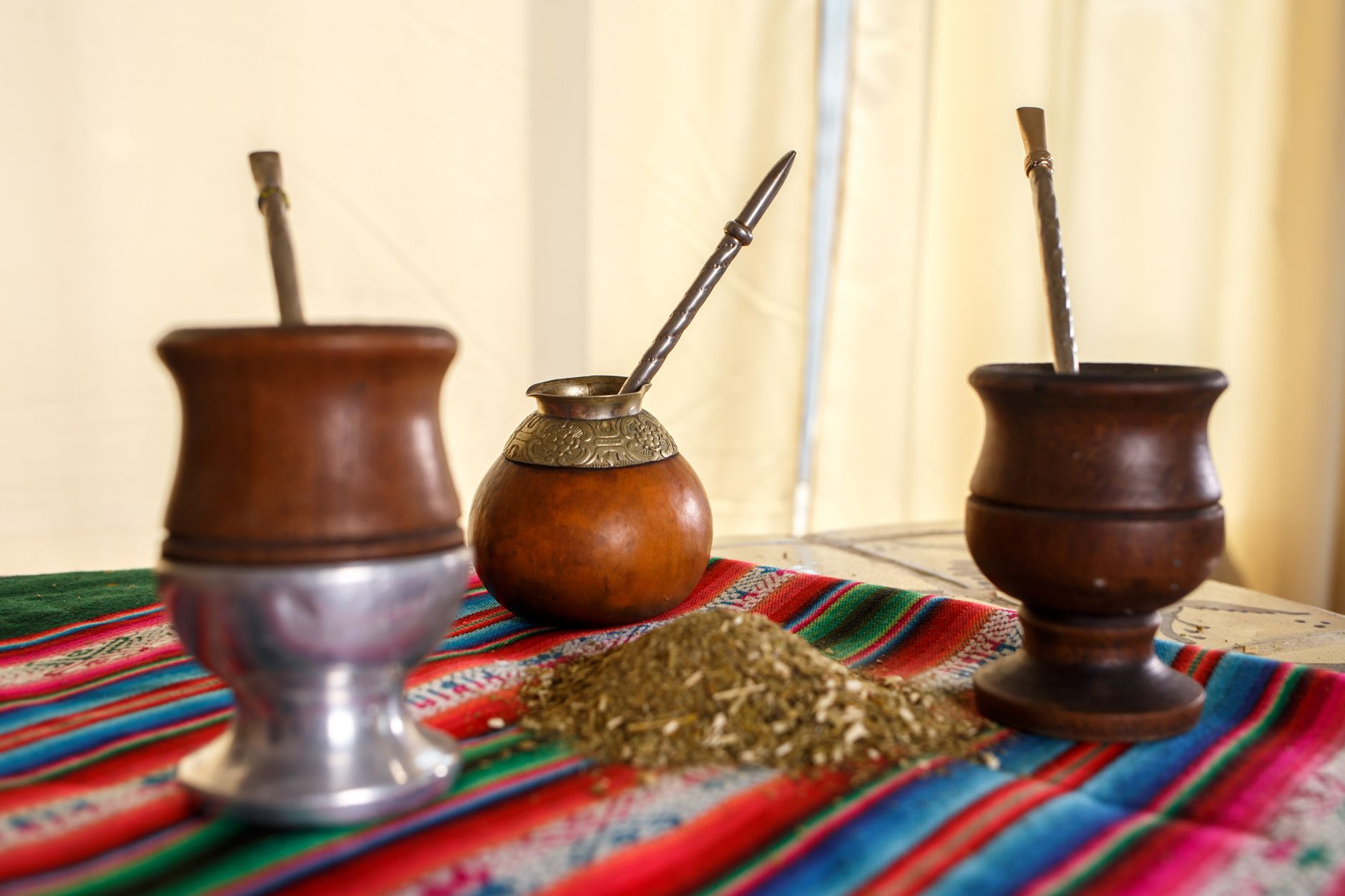
Yerba mate loose is a traditional South American herbal tea made from the dried leaves of the Ilex paraguariensis plant. Unlike tea bags, loose yerba mate is steeped in a gourd (or mate) with hot water, often shared socially in countries like Argentina, Uruguay, and Brazil. It has a grassy, slightly bitter flavor and contains caffeine—typically 65–85 mg per 8-ounce cup, about the same as a strong cup of black tea but less than coffee.
Beyond caffeine, yerba mate is rich in antioxidants, vitamins (like B-complex), and minerals (magnesium, potassium). Fans of the drink often cite its energizing effects, mental clarity, and digestive benefits. But during pregnancy, it's the caffeine content that raises the most questions—and the most caution.
Is yerba mate loose safe during pregnancy?
The concern isn't just about caffeine, though. Some studies suggest that high intake of yerba mate (more than 300 mg of caffeine per day) may be linked to an increased risk of miscarriage or low birth weight. However, these studies often group yerba mate with other caffeinated beverages, so it's hard to isolate the specific risks of mate alone. The NHS (UK) and FDA don't single out yerba mate as unsafe, but they do emphasize moderation for all caffeine sources during pregnancy.
Another factor to consider: yerba mate is often consumed in large quantities in social settings, which can make it easy to exceed safe limits without realizing it. If you're used to drinking multiple gourds a day, pregnancy is a good time to scale back.
Is yerba mate loose safe to drink during the first trimester?
The first trimester is the most sensitive time for your baby's development, and it's when the risk of miscarriage is highest. While there's no direct evidence that yerba mate causes miscarriage, high caffeine intake (more than 200 mg per day) has been associated with a slightly increased risk. Since yerba mate contains a significant amount of caffeine, most obstetricians recommend limiting yourself to one cup per day—or less—during these early weeks.
If you're particularly sensitive to caffeine, you might also notice that even small amounts make you jittery, anxious, or nauseous—common first-trimester symptoms that caffeine can worsen. In that case, it's worth considering a caffeine-free alternative (more on those below).
One silver lining: the first trimester is also when many women experience fatigue, and a small amount of caffeine can help take the edge off. If you're struggling with exhaustion, a half-cup of yerba mate might be a better choice than reaching for a second (or third) cup of coffee.
How much yerba mate loose can I have safely while pregnant?
The magic number: one 8-ounce cup per day, max. Here's why:
- Caffeine content: A typical cup of yerba mate loose contains 65–85 mg of caffeine. That leaves room for a little coffee or tea later in the day without exceeding the 200 mg daily limit recommended by ACOG.
- Other compounds: Yerba mate contains theobromine and theophylline, stimulants also found in chocolate and tea. While these are generally safe in small amounts, they can add to the overall stimulant load on your body—and your baby's.
- Hydration: Caffeine is a mild diuretic, which means it can contribute to dehydration—a common issue during pregnancy. Drinking more than one cup a day might make it harder to stay hydrated, especially in hot weather or if you're experiencing morning sickness.
If you're used to drinking yerba mate throughout the day, try these strategies to cut back:
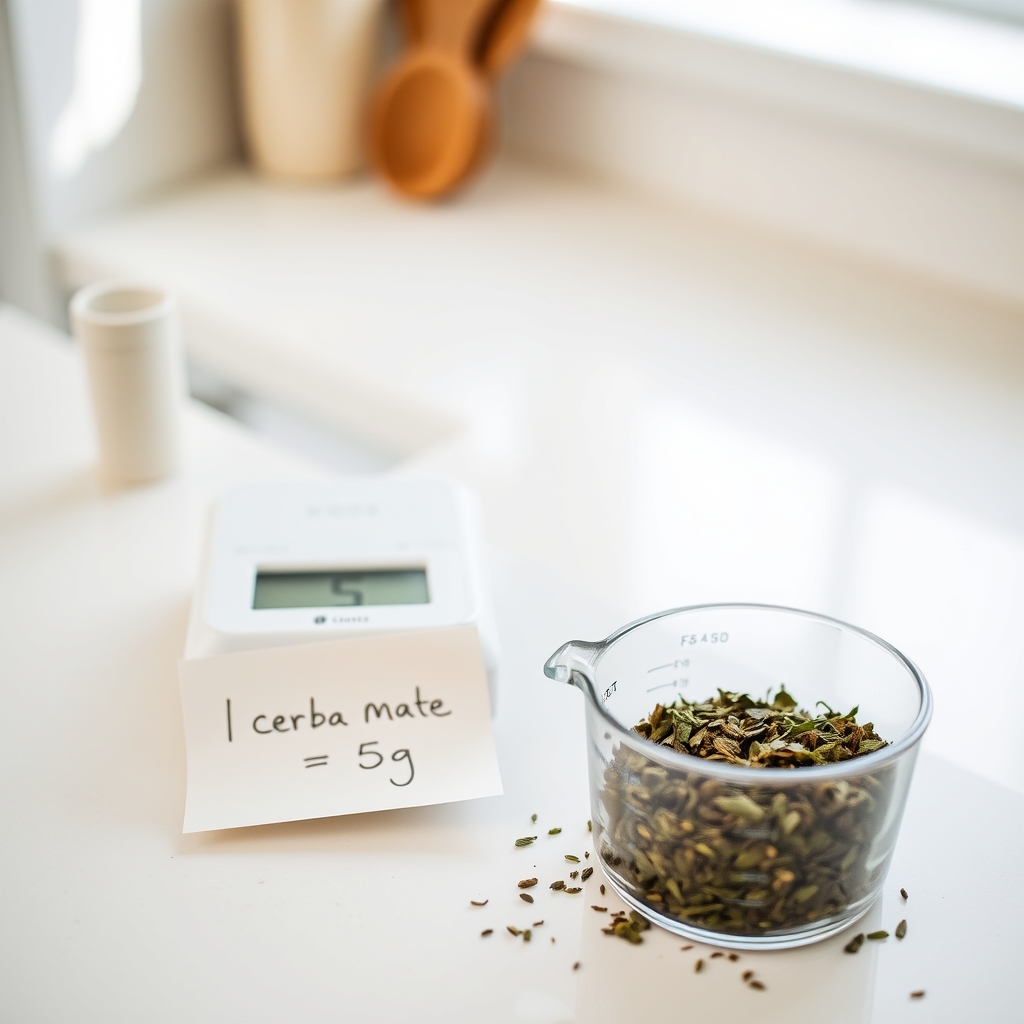
- Dilute it: Brew a weaker batch by using half the usual amount of loose leaves.
- Shorten the steep: Let it steep for 2–3 minutes instead of 5+ to reduce caffeine extraction.
- Switch to half-caf: Some brands offer "low-caffeine" yerba mate loose, which can be a good middle ground.
Can I switch to caffeine-free yerba mate loose during pregnancy?
Yes—caffeine-free yerba mate loose is a great option if you're looking to avoid caffeine entirely. Some brands offer "decaf" or naturally caffeine-free versions of yerba mate, though these are less common than regular loose mate. The flavor is milder and less bitter, but it still retains some of the earthy, herbal notes that mate drinkers love.
That said, "caffeine-free" doesn't always mean zero caffeine. Some decaf yerba mate may still contain trace amounts (usually less than 5 mg per cup). If you're extremely sensitive to caffeine or have been advised to avoid it completely, check the label or contact the manufacturer to confirm the caffeine content.
A few things to keep in mind:
- Caffeine-free yerba mate is often made from roasted leaves, which can alter the flavor. If you're used to the bold taste of traditional mate, the decaf version might taste different.
- Some caffeine-free options are blends, meaning they mix yerba mate with other herbs. These can be a great way to ease into a caffeine-free routine.
- If you can't find caffeine-free yerba mate loose, consider switching to one of the safer herbal alternatives listed below.
Are there any brands of yerba mate loose that are safer for pregnant women?
Not all yerba mate loose is created equal. Some brands are organic, lower in caffeine, or less processed, which can make them a slightly safer choice during pregnancy. Here are a few factors to look for when choosing a brand:
- Organic: Organic yerba mate is grown without synthetic pesticides or fertilizers, which can be a concern during pregnancy. Look for certifications like USDA Organic or EU Organic.
- Low-caffeine: Some brands offer "low-caffeine" or "half-caf" versions. These are a good option if you want to reduce your intake without giving up yerba mate entirely.
- Minimally processed: Traditional yerba mate is often smoked or roasted, which can introduce compounds like polycyclic aromatic hydrocarbons (PAHs). While the research on PAHs in yerba mate is limited, some studies suggest they may pose risks during pregnancy. Brands that use "air-dried" or "unsmoked" processing methods may be a safer bet.
- Caffeine-free: As mentioned earlier, some brands offer caffeine-free versions. These are ideal if you want to avoid caffeine altogether.
Here are a few brands that fit these criteria (note: always double-check the label, as formulations can change):
- CBSe: Offers an organic, unsmoked yerba mate loose that's lower in caffeine than traditional varieties.
- Kurupí: A Paraguayan brand that produces organic, air-dried yerba mate loose with no added preservatives.
- Guayaki: Known for its organic and fair-trade yerba mate, including a "low-caffeine" option.
- Canarias: Offers a caffeine-free yerba mate loose blend made from roasted leaves.
If you're unsure, ask your healthcare provider for brand recommendations based on your specific needs.
What are the risks of drinking yerba mate loose while pregnant?
While one cup of yerba mate loose a day is unlikely to cause harm, drinking more than that—or consuming it alongside other caffeinated beverages—can increase the following risks:
- Miscarriage: Some studies suggest that high caffeine intake (more than 200 mg per day) may be linked to a slightly increased risk of miscarriage, particularly in the first trimester. While the evidence isn't conclusive, it's one reason why obstetricians recommend moderation.
- Low birth weight: High caffeine intake has been associated with a higher risk of low birth weight, which can lead to health complications for your baby. The risk is small but real, especially if you're consuming multiple caffeinated beverages daily.
- Preterm birth: Some research suggests a possible link between high caffeine intake and preterm birth, though the evidence is mixed. Again, moderation is key.
- Increased heart rate: Caffeine is a stimulant, and too much can cause your heart rate to spike. This can be uncomfortable for you and may also affect your baby's heart rate.
- Sleep disruption: Caffeine can interfere with your sleep, which is already a challenge for many pregnant women. Poor sleep can contribute to fatigue, mood swings, and other pregnancy-related discomforts.
- Dehydration: Caffeine is a diuretic, meaning it can increase urine output and contribute to dehydration. During pregnancy, staying hydrated is crucial for both you and your baby.
- High blood pressure: If you already have high blood pressure or are at risk for preeclampsia, caffeine can exacerbate the condition. Yerba mate's stimulant effects may raise your blood pressure further.
It's also worth noting that yerba mate contains compounds called polycyclic aromatic hydrocarbons (PAHs), which are formed during the smoking or roasting process. Some studies suggest that high intake of PAHs may be linked to adverse pregnancy outcomes, though the research is still evolving. If you're concerned, opt for unsmoked or air-dried yerba mate.
Is yerba mate loose safe for pregnant women with high blood pressure?
If you have high blood pressure (hypertension) or are at risk for preeclampsia, it's best to avoid yerba mate loose or limit it to occasional, small amounts. Here's why:
- Caffeine's effect on blood pressure: Caffeine is a known vasoconstrictor, meaning it narrows your blood vessels and can temporarily raise your blood pressure. For women with hypertension, this effect can be more pronounced and potentially dangerous.
- Stimulant load: Yerba mate contains not only caffeine but also theobromine and theophylline, which are stimulants that can further increase your heart rate and blood pressure.
- Preeclampsia risk: High blood pressure during pregnancy can lead to preeclampsia, a serious condition that can affect both you and your baby. Avoiding stimulants like caffeine is one way to help manage your blood pressure.
If you're craving the ritual of yerba mate, consider switching to a caffeine-free herbal tea like rooibos or chamomile. These options won't raise your blood pressure and can be just as soothing. Always check with your healthcare provider for personalized advice, especially if your blood pressure is poorly controlled.
Should I avoid yerba mate loose if I have a history of miscarriage?
If you've experienced a miscarriage in the past, you're likely extra cautious about anything that could increase your risk of another one. While there's no definitive evidence that yerba mate causes miscarriage, high caffeine intake has been associated with a slightly increased risk, particularly in the first trimester. For this reason, many obstetricians recommend limiting caffeine to 200 mg per day or less—ideally closer to 100 mg if you're especially concerned.
Since one cup of yerba mate loose contains 65–85 mg of caffeine, it's technically within the safe range. However, if you're anxious about miscarriage, you might feel more comfortable avoiding caffeine altogether or switching to a caffeine-free alternative. This is a personal decision, and it's okay to err on the side of caution.
Here are a few things to consider:
- Your caffeine sensitivity: If caffeine makes you jittery, anxious, or nauseous, it might not be worth the stress—especially during the first trimester.
- Other sources of caffeine: If you're also drinking coffee, tea, or soda, even one cup of yerba mate could push you over your personal limit.
- Your emotional well-being: If giving up yerba mate would cause you significant stress, the benefits of sticking to one cup a day might outweigh the risks. Pregnancy is already a time of heightened anxiety, and it's important to prioritize your mental health.
When in doubt, talk to your healthcare provider. They can help you weigh the risks and benefits based on your medical history.
Is there a safe limit for yerba mate loose consumption in the third trimester?
The third trimester is a time of rapid growth for your baby, and your caffeine metabolism slows down as your pregnancy progresses. This means caffeine stays in your system—and your baby's—longer than it did in the first trimester. The safe limit for yerba mate loose in the third trimester is the same as for the rest of pregnancy: one 8-ounce cup per day, max.
Here's why this limit matters in the third trimester:
- Fetal growth: High caffeine intake has been linked to lower birth weight, which can increase the risk of complications during delivery and in the newborn period.
- Sleep disruption: Caffeine can interfere with your sleep, which is already harder to come by in the third trimester. Poor sleep can contribute to fatigue, mood swings, and even preterm labor.
- Heart rate: Your baby's heart rate is more sensitive to stimulants in the third trimester. Too much caffeine can cause your baby's heart rate to spike, which may be uncomfortable for them.
- Dehydration: Staying hydrated is crucial in the third trimester, especially if you're experiencing swelling or Braxton Hicks contractions. Caffeine's diuretic effect can make dehydration worse.
If you're struggling with third-trimester fatigue, a small amount of caffeine can help. But if you're also drinking coffee or tea, it's easy to exceed the 200 mg daily limit. Try to space out your caffeinated beverages and drink plenty of water in between.
How does yerba mate loose compare to other herbal teas for pregnancy safety?
Not all herbal teas are created equal when it comes to pregnancy safety. Some are perfectly safe in moderation, while others should be avoided entirely. Here's how yerba mate loose stacks up against other popular herbal teas:
| Tea | Caffeine content (per 8 oz) | Pregnancy safety verdict | Notes |
|---|---|---|---|
| Yerba mate loose | 65–85 mg | ⚠️ Limit to 1 cup/day | Contains caffeine; high intake may increase miscarriage or low birth weight risk. |
| Rooibos tea | 0 mg | ✅ Generally safe | Caffeine-free, rich in antioxidants, and safe for daily consumption. |
| Chamomile tea | 0 mg | ✅ Generally safe (in moderation) | Safe for most women, but avoid if you have ragweed allergies or are at risk for preterm labor. |
| Ginger tea | 0 mg | ✅ Generally safe (in moderation) | Great for nausea, but limit to 1–2 cups/day to avoid heartburn. |
| Peppermint tea | 0 mg | ✅ Generally safe | Can help with digestion and nausea, but may worsen heartburn for some women. |
| Green tea | 20–45 mg | ⚠️ Limit to 1–2 cups/day | Contains caffeine; high intake may reduce folic acid absorption. |
| Black tea | 40–70 mg | ⚠️ Limit to 1 cup/day | Contains caffeine; opt for decaf if you drink multiple cups. |
| Matcha | 60–80 mg | ⚠️ Limit to 1/2 cup/day | Higher in caffeine than regular green tea; contains L-theanine, which may affect blood pressure. |
As you can see, yerba mate loose falls into the "limit" category alongside other caffeinated teas like green and black tea. If you're looking for a completely safe, caffeine-free option, rooibos, chamomile, ginger, and peppermint are all excellent choices.
Side effects and risks of yerba mate loose during pregnancy
Even within the recommended limits, yerba mate loose can cause side effects for some pregnant women. Here's what to watch for:
- Jitters or anxiety: Caffeine is a stimulant, and too much can make you feel shaky, anxious, or on edge. If you're already prone to anxiety during pregnancy, even one cup of yerba mate might be too much.
- Nausea: Caffeine can worsen morning sickness, especially in the first trimester. If you're struggling with nausea, it might be worth cutting out yerba mate temporarily.
- Heart palpitations: Some women experience a racing heart or palpitations after drinking caffeinated beverages. This can be uncomfortable and may signal that your caffeine intake is too high.
- Insomnia: Caffeine can interfere with your sleep, which is already a challenge for many pregnant women. If you're having trouble sleeping, try to avoid yerba mate after noon.
- Dehydration: Caffeine is a diuretic, meaning it increases urine output. During pregnancy, staying hydrated is crucial, so make sure to drink plenty of water if you're having yerba mate.
- Heartburn: Caffeine can relax the lower esophageal sphincter, which can lead to acid reflux or heartburn. If you're prone to heartburn, yerba mate might make it worse.
- Increased blood pressure: If you have hypertension or are at risk for preeclampsia, caffeine can raise your blood pressure further. Monitor your levels closely if you choose to drink yerba mate.
If you experience any of these side effects, it's a sign that yerba mate might not be the best choice for you right now. Listen to your body and consider switching to a caffeine-free alternative.
Safer alternatives to yerba mate loose during pregnancy
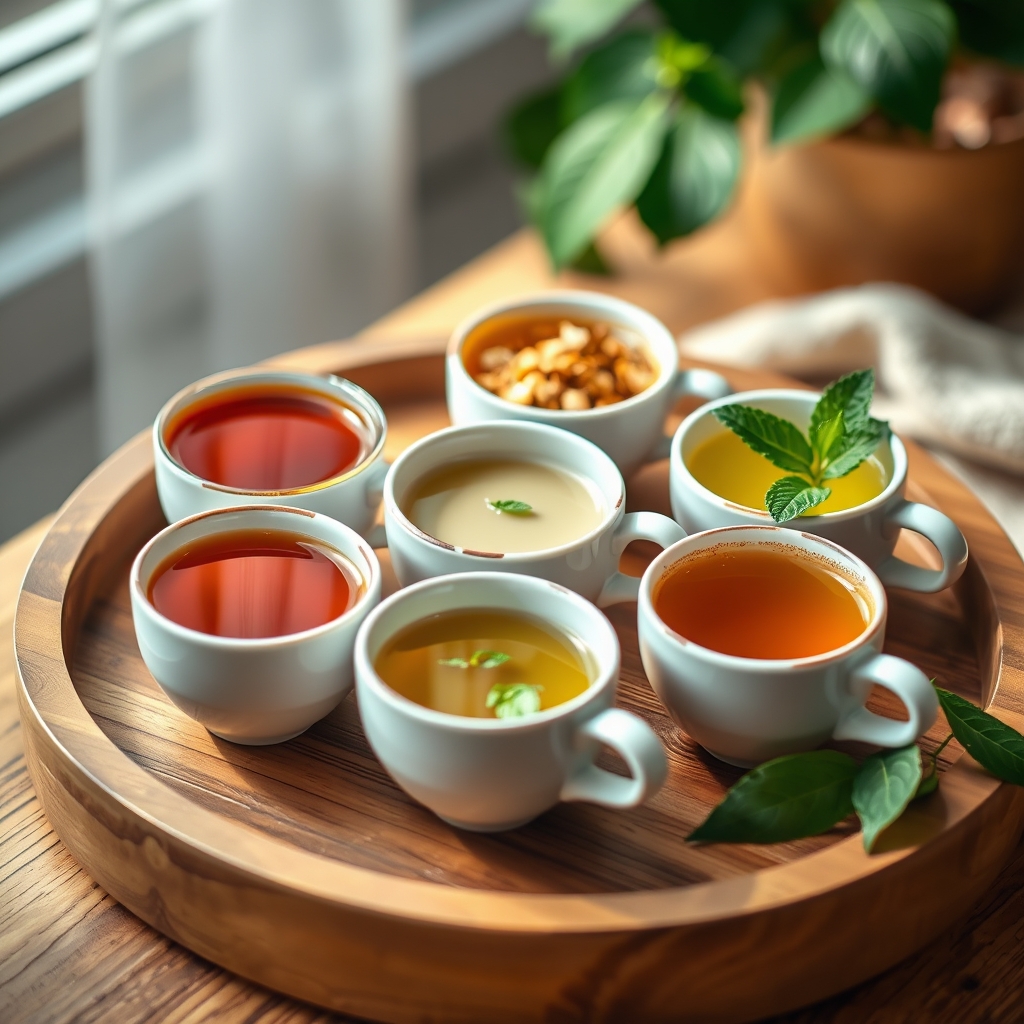
If you're looking to cut back on yerba mate or avoid it altogether, there are plenty of delicious, pregnancy-safe alternatives to try. Here are some of our top picks:
- Rooibos tea: Naturally caffeine-free, rooibos tea is rich in antioxidants and has a naturally sweet, earthy flavor. It's safe to drink daily and can help with digestion and relaxation.
- Chamomile tea: A classic bedtime tea, chamomile is caffeine-free and can help with sleep and anxiety. Just avoid it if you have ragweed allergies or are at risk for preterm labor.
- Ginger tea: Perfect for nausea relief, ginger tea is caffeine-free and can help settle your stomach. Limit to 1–2 cups per day to avoid heartburn.
- Peppermint tea: Another great option for digestion, peppermint tea can help with bloating and nausea. It's caffeine-free and safe for daily consumption, though it may worsen heartburn for some women.
- Lemon balm tea: A member of the mint family, lemon balm tea has a light, citrusy flavor and is known for its calming effects. It's caffeine-free and safe for pregnancy.
- Honeybush tea: Similar to rooibos, honeybush tea is caffeine-free and has a naturally sweet, floral taste. It's rich in antioxidants and safe for daily drinking.
- Decaf green tea: If you're craving the flavor of green tea but want to avoid caffeine, decaf green tea is a good option. Just be sure to choose a brand that uses a water or CO2 process (not chemical solvents) to remove the caffeine.
- Fruit infusion tea: Made from dried fruits, flowers, and herbs, fruit infusion teas are caffeine-free and come in a variety of flavors. They're a great way to stay hydrated and satisfy a sweet craving.
If you're missing the ritual of yerba mate, try preparing your alternative tea in a gourd or special mug to recreate the experience. You can also experiment with adding a splash of honey or a squeeze of lemon for extra flavor.
Related items: Yerba mate and other beverages safety at a glance
If you're wondering how yerba mate loose compares to other popular beverages, this table breaks down the pregnancy safety verdict for each. Remember, the key factor for most of these is caffeine content—so always check how much you're consuming in total.
| Beverage | Verdict | Notes |
|---|---|---|
| Yerba mate tea bags | ⚠️ Limit to 1 cup/day | Similar caffeine content to loose yerba mate; follow the same guidelines. |
| Guayusa tea | ⚠️ Limit to 1 cup/day | Contains slightly more caffeine than yerba mate (80–100 mg per cup). |
| Green tea | ⚠️ Limit to 1–2 cups/day | Lower in caffeine (20–45 mg per cup) but may reduce folic acid absorption. |
| Black tea | ⚠️ Limit to 1 cup/day | Contains 40–70 mg of caffeine per cup; opt for decaf if drinking more. |
| Coffee | ⚠️ Limit to 1 cup/day | Contains 95–200 mg of caffeine per cup; stick to the lower end of the range. |
| Matcha | ⚠️ Limit to 1/2 cup/day | Higher in caffeine (60–80 mg per 1/2 cup) and contains L-theanine, which may affect blood pressure. |
| Kombucha | ⚠️ Limit or avoid | May contain trace alcohol and caffeine; unpasteurized versions pose a risk of bacterial contamination. |
| Mate de coca | ❌ Best avoided | Made from coca leaves, which contain cocaine alkaloids; not safe during pregnancy. |
Myth vs. fact: Yerba mate loose and pregnancy
There's a lot of misinformation out there about yerba mate and pregnancy. Let's set the record straight on a few common myths:
Myth: Yerba mate is completely safe during pregnancy because it's "natural."
Fact: While yerba mate is a natural herbal tea, it contains caffeine—a stimulant that can cross the placenta and affect your baby. "Natural" doesn't always mean "safe," especially during pregnancy. Many natural substances (like certain herbs and essential oils) can pose risks to a developing baby.
Myth: Drinking yerba mate will definitely cause a miscarriage.
Fact: There's no evidence that yerba mate directly causes miscarriage. However, high caffeine intake (more than 200 mg per day) has been associated with a slightly increased risk. The key word here is "associated"—it doesn't mean caffeine causes miscarriage, but it may contribute to risk factors. Most women who drink one cup of yerba mate a day have healthy pregnancies.
Myth: Caffeine-free yerba mate is just as good as the regular kind.
Fact: Caffeine-free yerba mate is a great alternative if you want to avoid caffeine, but it won't have the same energizing effects as regular yerba mate. The flavor is also milder and less bitter, which some people prefer and others find disappointing. If you're switching to caffeine-free, give your taste buds time to adjust.
Key takeaways
- One cup of yerba mate loose per day is generally safe during pregnancy. This keeps your caffeine intake under the 200 mg daily limit recommended by ACOG.
- Limit yerba mate in the first trimester if you're concerned about miscarriage. While the evidence isn't conclusive, high caffeine intake has been linked to a slightly increased risk.
- Avoid yerba mate if you have high blood pressure or a history of miscarriage. The stimulant effects of caffeine can exacerbate these conditions.
- Opt for organic, unsmoked, or low-caffeine brands if possible. These may be safer and less processed than traditional yerba mate.
- Caffeine-free yerba mate is a good alternative if you want to avoid caffeine entirely. Just double-check the label to confirm it's truly caffeine-free.
- Safer alternatives include rooibos, chamomile, ginger, and peppermint tea. These are caffeine-free and offer their own health benefits.
- Listen to your body. If yerba mate makes you jittery, nauseous, or anxious, it's okay to cut it out entirely.
Frequently asked questions
Can pregnant women drink yerba mate?
Yes, but in moderation. Most obstetricians recommend limiting yerba mate to one 8-ounce cup per day during pregnancy. This keeps your total caffeine intake under the 200 mg daily limit. If you're sensitive to caffeine or have high blood pressure, it's best to avoid it or switch to a caffeine-free alternative.
How much caffeine is in yerba mate?
A typical 8-ounce cup of yerba mate loose contains 65–85 mg of caffeine, about the same as a strong cup of black tea. This can vary depending on the brand, how it's prepared, and how long it's steeped. For comparison, coffee contains 95–200 mg per cup, while green tea has 20–45 mg.


