Limit yerba mate during pregnancy due to caffeine. Experts recommend no more than 200mg caffeine daily, especially in the first trimester, to reduce risks.
By Shubhra Mishra — a mom of two who turned her own confusion during pregnancy into BumpBites, a global mission to make food choices clear, safe, and stress-free for every expecting mother. 💛
Check whether any food is safe during pregnancy with the BumpBites Food Safety Checker.
Quick verdict: ⚠️ Safe with limits – moderate yerba mate intake (no more than about 200 mg of caffeine per day, roughly 1–2 cups) is generally considered acceptable, but high‑caffeine consumption should be avoided. If you’re unsure, talk to your provider.
It’s 2 a.m., the kitchen light is on, and you’re reaching for a warm mug of yerba mate while scrolling through pregnancy forums. You wonder, is yerba mate can safe during pregnancy? You’re not alone—many expectant parents ask the same question after hearing about the energizing benefits of this South‑American beverage.
Overall, the answer is nuanced. Yerba mate contains caffeine, and most obstetric guidelines recommend limiting caffeine to <200 mg per day during pregnancy. That translates to roughly one to two cups of yerba mate, depending on how strong you brew it. In this article we’ll break down the evidence, outline safe amounts for each trimester, discuss brand considerations, and suggest caffeine‑free alternatives that let you enjoy a comforting warm drink without the worry.
Read on for a clear verdict, trimester‑specific guidance, dosage tips, potential risks, and a handy comparison table of related beverages.
Enjoy yerba mate mindfully—consider caffeine content and brewing strength.
Trimester / Breastfeeding
Verdict
Notes
1st trimester
⚠️ Safe with limits
Limit to ≤1 cup (≈85 mg caffeine); avoid high‑caffeine brews.
2nd trimester
⚠️ Safe with limits
Same limit; monitor blood pressure if you have hypertension.
3rd trimester
⚠️ Safe with limits
Maintain ≤200 mg caffeine total; consider decaf after 32 weeks.
Breastfeeding
⚠️ Safe with limits
Caffeine passes into breast milk; keep intake ≤200 mg/day.
What is yerba mate?
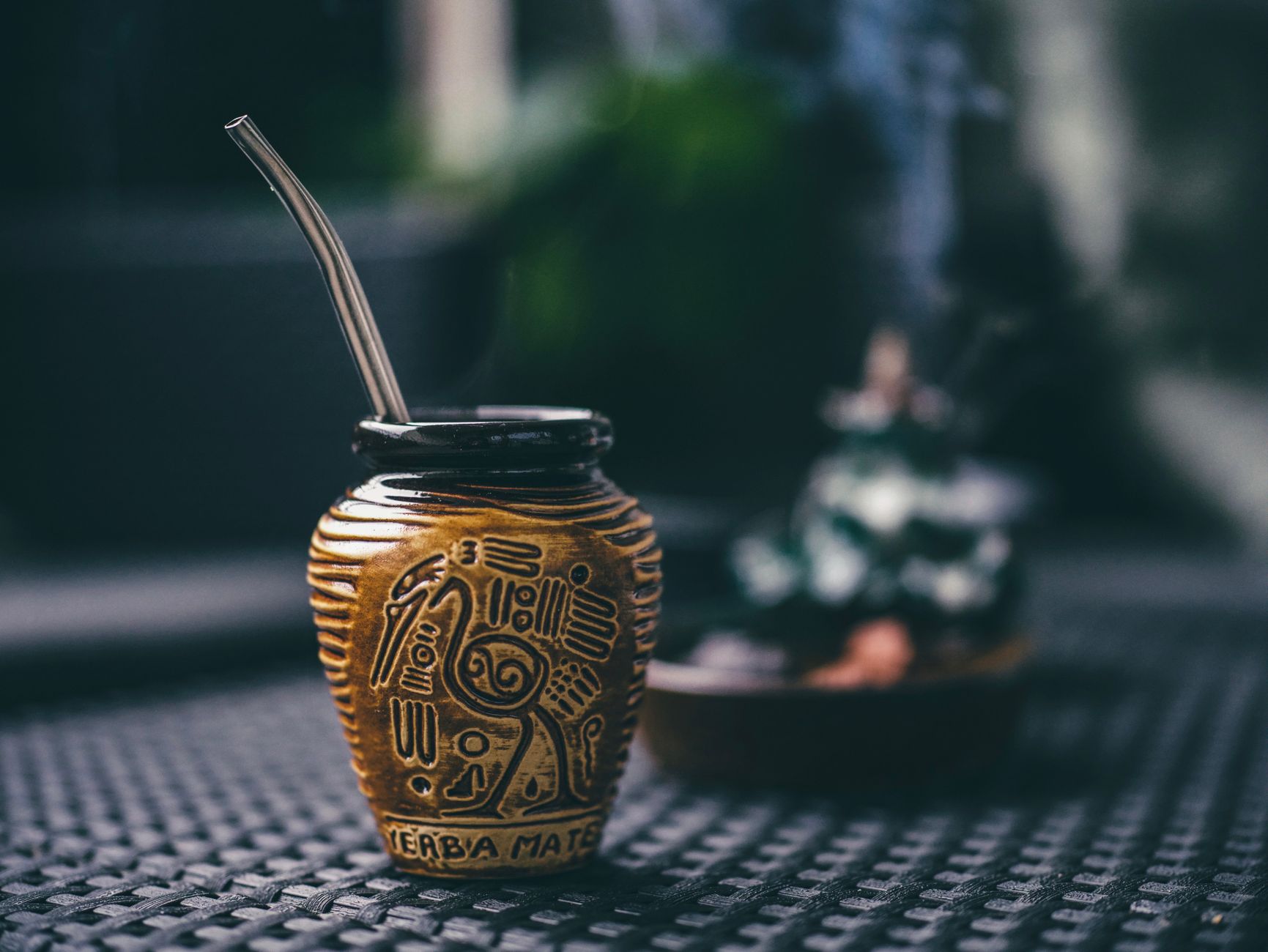
Yerba mate (Ilex paraguariensis) is a plant native to South America whose leaves are traditionally dried, chopped, and steeped to make a tea‑like infusion. The drink is popular in Argentina, Uruguay, Paraguay, and southern Brazil, where it’s often prepared in a hollowed‑out gourd (the “mate”) and sipped through a metal straw called a “bombilla.” The beverage contains caffeine, theobromine, and a suite of polyphenols that give it a slightly bitter, earthy flavor and a mild stimulant effect. Because of its cultural significance, many pregnant women who grew up drinking mate wonder whether they can continue the habit once they discover they’re expecting.
Beyond its caffeine content, yerba mate provides antioxidants such as chlorogenic acid and flavonoids, which have been linked to reduced inflammation and improved lipid profiles in non‑pregnant adults. However, the same compounds can also affect metabolism, heart rate, and blood pressure—factors that obstetricians monitor closely during pregnancy. Understanding the balance between potential benefits and the well‑established caffeine limits is key to deciding if yerba mate fits into a pregnancy‑friendly beverage routine.
Is yerba mate safe during pregnancy?
Current guidance from the American College of Obstetricians and Gynecologists (ACOG) and the United Kingdom’s National Health Service (NHS) recommends that pregnant people limit caffeine intake to less than 200 mg per day. The U.S. Food and Drug Administration (FDA) classifies caffeine as a “dietary stimulant” and advises that moderate consumption is generally safe for most adults, but it does not set a specific pregnancy limit. Because a typical cup of brewed yerba mate contains roughly 70–90 mg of caffeine—similar to a cup of coffee—most experts agree that drinking one to two cups per day stays within the safe range.
Evidence linking high yerba mate consumption to adverse outcomes such as low birth weight or preterm birth is inconsistent. Some observational studies in South America have suggested a modest association between very high caffeine intake (≥300 mg/day) and reduced fetal growth, but these studies often cannot separate the effects of caffeine from other lifestyle factors. The Centers for Disease Control and Prevention (CDC) notes that caffeine, not the specific source, is the primary concern for pregnancy‑related risks.
In short, the consensus among ACOG, NHS, and FDA is that yerba mate can be part of a balanced diet if you keep total caffeine below the recommended 200 mg per day. If you have hypertension, gestational diabetes, or a history of miscarriage, you may wish to be more conservative and opt for caffeine‑free alternatives.
Is yerba mate safe to drink during the first trimester of pregnancy?
The first trimester is a critical period of organ formation, and many clinicians advise extra caution with caffeine. Keeping yerba mate consumption to no more than one cup (≈85 mg caffeine) aligns with ACOG’s recommendation of <200 mg caffeine per day. Exceeding this limit could theoretically increase the risk of miscarriage, although the data are not definitive.
If you’re already accustomed to drinking multiple cups daily, consider gradually reducing the amount or switching to a decaffeinated version. The key is to stay under the 200 mg threshold for the entire day, not just per cup. Monitoring any symptoms such as rapid heartbeat, insomnia, or heightened anxiety can also help you gauge whether your caffeine intake is affecting you.
How much yerba mate can a pregnant woman consume daily?
Based on the 200 mg caffeine ceiling, most healthcare providers suggest limiting yerba mate to 1–2 standard cups (8 oz each) per day. A typical brew contains 70–90 mg caffeine, so two cups would stay near the upper limit. If you also consume other caffeinated beverages—coffee, tea, soda, or chocolate—adjust your yerba mate intake accordingly.
For those who prefer a stronger flavor, a “short” mate (≈4 oz) can be brewed more concentrated, but the caffeine content will remain similar per ounce. Decaffeinated yerba mate, which retains the herbal flavor while dropping caffeine to <5 mg per cup, is a safe alternative for any trimester.
What are the risks of drinking yerba mate while pregnant?
The primary concern is caffeine‑related effects:
Miscarriage risk: High caffeine (>300 mg/day) has been associated with a slight increase in miscarriage odds in some studies, though causality is unclear.
Low birth weight: Excess caffeine may reduce placental blood flow, potentially leading to smaller infants.
Hypertension: Caffeine can raise blood pressure temporarily, which may be problematic for women with pre‑existing hypertension or gestational hypertension.
Sleep disturbances: Pregnant people often experience sleep changes; added caffeine can worsen insomnia.
Beyond caffeine, yerba mate contains theobromine, a mild stimulant also found in chocolate. In large amounts, theobromine can increase heart rate and cause mild diuresis, but typical yerba mate consumption stays well below concerning levels.
Are there caffeine‑free yerba mate alternatives for pregnant women?
Yes. Decaffeinated yerba mate is widely available and offers the same earthy flavor without the stimulant load. Look for products labeled “decaf” or “caffeine‑free,” which usually contain <5 mg caffeine per cup. Some brands use a water‑extraction method that preserves polyphenols while removing most caffeine. These can be enjoyed any time of day without worrying about the 200 mg limit.
Which yerba mate brands are considered safest for pregnancy?
While no brand can claim “pregnancy‑safe” status, a few prioritize low‑caffeine or decaffeinated options:
Guayakí Organic Decaf: Uses a water‑process to remove caffeine; each 8‑oz cup has <5 mg caffeine.
EcoMate Classic: Standard brew with a moderate caffeine level (≈80 mg per cup) and transparent labeling.
Rosamonte Tradicional: Traditional blend; offers a “light” version with slightly lower caffeine.
When selecting a brand, check the label for caffeine content per serving and choose “light” or “decaf” if you’re close to the daily limit. Also, verify that the product is certified organic or pesticide‑free, as some pregnant individuals prefer to limit exposure to agricultural chemicals.
Can yerba mate cause miscarriage or preterm labor?
There is no definitive evidence that moderate yerba mate consumption directly causes miscarriage or preterm labor. However, high caffeine intake (>300 mg/day) has been linked to a modest increase in these outcomes in some epidemiological studies. Maintaining intake below 200 mg per day—equivalent to about one to two cups of yerba mate—keeps you within the safety margin advised by ACOG and NHS.
Is yerba mate safe for pregnant women with hypertension?
Women with hypertension should be especially cautious with caffeine, as it can cause a short‑term rise in blood pressure. ACOG advises that hypertensive pregnant patients limit caffeine to <100 mg per day, which translates to roughly one cup of yerba mate or less. Decaffeinated yerba mate is a safer choice, as it eliminates the stimulant effect while preserving the herbal flavor.
Does drinking yerba mate affect fetal development?
Fetal development is most sensitive to high caffeine levels during the first and second trimesters. Moderate yerba mate intake (≤200 mg caffeine total per day) has not been shown to cause structural birth defects. The primary focus is on maintaining adequate nutrient intake and avoiding excessive stimulants that could interfere with placental blood flow.
Decaffeinated yerba mate lets you enjoy the flavor without exceeding caffeine limits.
Safety by trimester
First trimester (weeks 1–13)
During organogenesis, the embryo is most vulnerable to teratogens. Caffeine is not classified as a teratogen, but high levels have been associated with miscarriage risk. Keep yerba mate to a single cup (≈85 mg caffeine) and avoid adding extra caffeine from other sources. If you have a history of miscarriage, consider switching to decaf.
Second trimester (weeks 14–27)
The placenta is fully formed, and caffeine can cross it, reaching the fetus. Maintaining the <200 mg/day limit remains prudent. Many women find that a single cup of yerba mate in the morning provides a gentle lift without disrupting sleep later in the day.
Third trimester (weeks 28–40)
As the fetus grows, caffeine clearance slows, and the mother may experience heightened sensitivity. Some clinicians recommend dropping yerba mate after week 32, especially if you’re prone to insomnia or have gestational hypertension. Decaffeinated mate is a safe alternative for late‑pregnancy cravings.
Breastfeeding
Caffeine passes into breast milk, peaking about 1–2 hours after consumption. Infants metabolize caffeine slowly, so limiting maternal intake to ≤200 mg per day helps avoid irritability or sleep disturbances in the baby. One cup of yerba mate per day is generally well tolerated.
Safe dosage / amount / brands
Category
Safe amount per day
Suggested brands
Notes
Standard yerba mate (caffeinated)
1–2 cups (≈70–90 mg caffeine each)
EcoMate Classic, Rosamonte Light
Check label for exact caffeine; stay <200 mg total.
Decaf yerba mate
Any amount (≤5 mg caffeine per cup)
Guayakí Decaf, Traditional Decaf
Best for hypertension or late‑pregnancy.
Strong brew (short mate)
≤1 cup (≈100 mg caffeine)
Rosamonte Tradicional
Consider weaker steeping time to reduce caffeine.
Side effects and risks
Most side effects from moderate yerba mate consumption are mild:
Insomnia or restlessness: Caffeine can interfere with sleep, especially if consumed after noon.
Increased heart rate: A temporary rise is normal; if you feel palpitations, reduce intake.
Digestive upset: Some people report mild stomach irritation; consider adding a splash of milk or honey.
Dehydration: Caffeine has a mild diuretic effect; drink water alongside yerba mate.
Call your provider if you experience persistent rapid heartbeat, severe headache, high blood pressure (>140/90 mmHg), or if your baby seems unusually irritable after you consume yerba mate.
Safer alternatives
Rooibos tea – naturally caffeine‑free, rich in antioxidants.
Chamomile tea – soothing, caffeine‑free, and may help with sleep.
Ginger tea – gentle, caffeine‑free, and can alleviate nausea.
Decaf green tea – retains polyphenols with minimal caffeine.
Lemongrass tea – bright flavor, no caffeine, and supports digestion.
Peppermint tea – caffeine‑free and can ease digestive discomfort.
Related items — safety at a glance
Item
Verdict
One‑line note
Green tea
⚠️ Safe with limits
≈35 mg caffeine per 8 oz cup; keep total <200 mg/day.
Black tea
⚠️ Safe with limits
≈45–60 mg caffeine per cup; same daily cap applies.
High caffeine and additional stimulants; not recommended.
Coffee
⚠️ Safe with limits
≈95 mg caffeine per 8 oz cup; limit to 1–2 cups daily.
Myth vs. fact
Myth: Yerba mate is a herbal “tea” and therefore caffeine‑free. Fact: Yerba mate naturally contains caffeine, usually 70–90 mg per cup, so it counts toward the daily caffeine limit.
Myth: Drinking yerba mate in pregnancy guarantees more energy and better mood. Fact: While caffeine can temporarily boost alertness, excessive intake may cause jitteriness, insomnia, and increased heart rate.
Myth: Decaf yerba mate still carries the same risks as regular mate. Fact: Decaffeinated versions have <5 mg caffeine per cup, making them safe for most pregnant people when consumed in normal amounts.
Key takeaways
Limit total caffeine (including yerba mate) to <200 mg per day, roughly 1–2 cups of standard mate.
Choose decaffeinated yerba mate or low‑caffeine “light” blends if you’re near the limit.
Women with hypertension should aim for <100 mg caffeine daily, meaning ≤1 cup of yerba mate.
Safe alternatives include rooibos, chamomile, ginger, decaf green tea, lemongrass, and peppermint teas.
Monitor for side effects such as insomnia, rapid heartbeat, or elevated blood pressure and discuss any concerns with your provider.
Frequently asked questions
Can I drink yerba mate while pregnant?
Yes, you can enjoy yerba mate during pregnancy as long as you keep total caffeine intake below 200 mg per day—about one to two cups of regular mate or any amount of decaf.
How much caffeine is in a cup of yerba mate?
A typical 8‑oz cup of brewed yerba mate contains roughly 70–90 mg of caffeine, though the exact amount can vary with brewing time and leaf concentration.
Is yerba mate linked to birth defects?
Current evidence does not show a direct link between moderate yerba mate consumption and structural birth defects; the primary concern is excessive caffeine, which should stay under 200 mg daily.
What are the benefits of yerba mate during pregnancy?
Yerba mate provides antioxidants and a mild stimulant effect, which some pregnant people find helpful for fatigue; however, these benefits must be weighed against caffeine limits.
Are there any side effects of yerba mate for pregnant women?
Side effects are usually mild and include insomnia, increased heart rate, and occasional stomach upset; high caffeine intake can also raise blood pressure.
Can yerba mate cause dehydration in pregnancy?
While caffeine has a mild diuretic effect, drinking a moderate amount of yerba mate (≤2 cups) along with adequate water intake does not typically cause dehydration.
Is decaf yerba mate safe for pregnant women?
Decaffeinated yerba mate contains less than 5 mg of caffeine per cup, making it safe for pregnant women at any stage, provided other ingredients are free from contaminants.
When to call your doctor
Contact your provider promptly if you experience any of the following after drinking yerba mate:
Persistent rapid heartbeat (>100 bpm) or palpitations.
New or worsening high blood pressure (≥140/90 mmHg).
Severe headache, dizziness, or visual disturbances.
Fetal movement changes (significant decrease or increase).
Signs of dehydration such as dark urine, dry mouth, or dizziness.
These symptoms may indicate that your caffeine intake is affecting you or your baby, and your obstetrician can help adjust your diet or recommend safer alternatives. Remember, this article is for informational purposes only and does not replace personalized medical advice.
References
American College of Obstetricians and Gynecologists (ACOG). “Nutrition During Pregnancy.” 2023.
National Health Service (NHS). “Caffeine in pregnancy.” Updated 2022.
U.S. Food and Drug Administration (FDA). “Caffeine: How much is safe?” 2021.
Centers for Disease Control and Prevention (CDC). “Pregnancy and caffeine.” 2020.
Mayo Clinic. “Caffeine and pregnancy.” 2023.
World Health Organization (WHO). “Guidelines on food safety and maternal health.” 2022.
Harvard T.H. Chan School of Public Health. “Caffeine and health.” 2022.
Not sure about the label on Is Yerba Mate Can Safe During Pregnancy products?
Snap the ingredients list and SafeFilter checks every ingredient for your stage — only 3 free scans this month, then you're locked until reset. Unlimited from $7/mo or $50/yr.
When Shubhra Mishra was expecting her first child in 2016, she was overwhelmed by conflicting food advice — one site said yes, another said never. By the time her second baby arrived in 2019, she realized millions of mothers face the same confusion.
That sparked a five-year journey through clinical nutrition papers, cultural diets, and expert conversations — all leading to BumpBites: a calm, compassionate space where science meets everyday motherhood.
Her long-term vision is to build a global community ensuring safe, supported, and free deliveriesfor every mother — because no woman should face pregnancy alone or uninformed. 🌿
🌍 Stand with mothers, shape safer guidance
Join a small circle of experts who review BumpBites articles so expecting parents everywhere can decide with confidence.