Avoid White Claw during pregnancy due to high sugar and alcohol content
By Shubhra Mishra — a mom of two who turned her own confusion during pregnancy into BumpBites, a global mission to make food choices clear, safe, and stress-free for every expecting mother. 💛
Check whether any food is safe during pregnancy with the BumpBites Food Safety Checker.
Quick verdict: ❌ Best avoided. White Claw contains alcohol, and current medical guidance advises pregnant people to abstain from any alcohol throughout pregnancy and while breastfeeding.
It’s 3 a.m., you’ve just opened a cold White Claw after a long day, and a sudden thought hits: “is white claw safe during pregnancy?” You might already have taken a sip, or you’re wondering whether it’s okay to enjoy one at a summer BBQ. First, breathe. The short answer is that health experts, including ACOG and the NHS, recommend avoiding White Claw entirely because it contains alcohol.
In the following sections we’ll unpack exactly why alcohol in hard seltzers is a concern, break down the risk profile by trimester, explain how much alcohol is considered unsafe, and give you a menu of non‑alcoholic drinks that satisfy the same fizzy craving. We’ll also compare White Claw to other popular hard seltzers and cocktails, so you can see the whole safety picture at a glance.
By the end of this article you’ll know whether White Claw is safe, what the real risks are for your baby, and which tasty alternatives let you stay hydrated without worry.
Trimester / breastfeeding
Verdict
Notes
First trimester
❌ Best avoided
Organ formation is most vulnerable; any alcohol increases risk of fetal alcohol spectrum disorders.
Second trimester
❌ Best avoided
Alcohol can still affect brain growth and increase risk of preterm labor.
Third trimester
❌ Best avoided
Alcohol interferes with lung maturation and can lead to low birth weight.
Breastfeeding
❌ Best avoided
Alcohol passes into breast milk; even small amounts can affect infant sleep and development.
What is White Claw?
White Claw is a brand of “hard seltzer,” a carbonated beverage that typically contains 4–5% alcohol by volume (ABV). The base is filtered water flavored with natural fruit extracts, and the alcohol comes from fermented cane sugar or malt. The product is marketed as a lighter‑than‑beer alternative, often with bright, colorful cans that suggest a refreshing, low‑calorie option for social occasions.
Hard seltzers, including White Claw, gained popularity for their crisp taste and perceived healthiness compared with traditional beers or mixed drinks. They are also often marketed as gluten-free, appealing to a broader consumer base. However, the alcohol content remains, and the “hard” label signals that it is an alcoholic beverage. The drink is commonly sold in 12‑oz cans, each delivering roughly 0.6 standard drinks (the U.S. definition of a standard drink is about 14 g of pure alcohol).
Despite their light and fruity marketing, the core ingredient that makes White Claw "hard" is ethanol. This alcohol is produced through fermentation, similar to beer or wine, but typically from cane sugar to achieve a neutral, clean taste. This allows the fruit flavors to shine through without the heavier notes often found in other alcoholic beverages, contributing to its widespread appeal, especially among younger adults and those seeking alternatives to traditional alcoholic drinks.
Is it ever safe to drink White Claw during pregnancy?
Short answer: No. The American College of Obstetricians and Gynecologists (ACOG) states that there is no known safe level of alcohol consumption during pregnancy, and the same position is echoed by the UK’s National Health Service (NHS) and the Centers for Disease Control and Prevention (CDC). Because White Claw contains alcohol, even a single can is considered unsafe.
Research consistently shows that alcohol can cross the placenta, exposing the fetus to the same blood alcohol concentration as the mother. The developing brain is especially sensitive, and exposure can lead to a range of outcomes collectively called fetal alcohol spectrum disorders (FASDs). Because the risk is dose‑dependent and no threshold has been proven safe, health authorities advise complete abstinence.
The challenge in establishing a "safe" amount is both scientific and ethical. It is impossible and unethical to conduct studies that would intentionally expose pregnant people to alcohol to determine a precise threshold for harm. Therefore, medical guidance relies on observational studies and the precautionary principle, which dictates that if there's a potential for harm and no proven safe level, then complete avoidance is the safest course of action. This means that the type of alcoholic beverage, whether it's a hard seltzer, wine, or beer, does not change the fundamental risk associated with ethanol itself.
Safety by trimester
White Claw in the First Trimester: Critical Development Risks
Early pregnancy, particularly the first trimester, is the period of organogenesis when the baby’s major organs and brain structures form. Alcohol exposure during this window can cause structural anomalies, growth restriction, and neurodevelopmental deficits that may not become apparent until later in childhood.
Specific risks associated with alcohol intake in early pregnancy include:
Increased chance of miscarriage, especially with binge‑drinking patterns.
Higher likelihood of fetal alcohol spectrum disorders, which encompass facial abnormalities, cognitive impairments, and behavioral issues.
Potential for congenital heart defects and other organ malformations.
Even a single sip of White Claw can raise blood alcohol levels enough to affect the embryo, according to a 2020 review in The Lancet Child & Adolescent Health. Because the exact amount that leads to harm varies by individual genetics and metabolism, the safest approach is to avoid alcohol entirely. This crucial period sets the foundation for all future development, making it the most vulnerable time for alcohol's teratogenic (birth defect-causing) effects.
White Claw in the Second Trimester: Continued Growth and Brain Development
While the major organs have largely formed by the second trimester, this period is critical for the continued growth and maturation of the brain, spinal cord, and other body systems. Alcohol exposure during the second trimester can still disrupt these delicate processes, leading to significant harm.
Specific concerns during this stage include:
Ongoing Brain Development: The brain undergoes rapid growth and organization in the second trimester, and alcohol can interfere with neuron migration and synapse formation, potentially leading to cognitive and behavioral problems.
Growth Restriction: Alcohol can restrict blood flow to the placenta and inhibit nutrient transfer, leading to intrauterine growth restriction (IUGR) and a baby that is smaller than expected for gestational age.
Increased Risk of Preterm Birth: Studies suggest that continued alcohol consumption can increase the risk of preterm labor and delivery, which carries its own set of risks for the baby, including respiratory problems and developmental delays.
Therefore, the recommendation to avoid White Claw, and all alcohol, remains firm throughout the second trimester. The notion that "the baby is more developed now" does not negate the ongoing risks to complex systems like the central nervous system.
White Claw in the Third Trimester: Impact on Final Maturation
As you enter the third trimester, your baby is undergoing rapid weight gain and the final maturation of vital organs, especially the lungs and brain. Alcohol exposure during this final stage of pregnancy can still cause significant issues.
Key risks in the third trimester include:
Lung Maturation: Alcohol can hinder the development of the baby's lungs, potentially contributing to respiratory distress syndrome after birth.
Brain Growth Spurt: The brain continues to develop rapidly, with significant growth in size and complexity. Alcohol can disrupt these final stages, leading to subtle but impactful neurodevelopmental deficits.
Low Birth Weight: Chronic alcohol exposure can contribute to babies being born with a low birth weight, which is linked to various health problems in infancy and childhood.
Neonatal Abstinence Syndrome (NAS): If a pregnant person drinks heavily or regularly in the third trimester, the baby may experience withdrawal symptoms after birth, manifesting as tremors, irritability, and feeding difficulties.
Even though the baby is nearly full-term, the final weeks are crucial for fine-tuning all systems. Avoiding White Claw and other alcoholic beverages during the third trimester helps ensure your baby has the best chance for a healthy start.
White Claw and Breastfeeding: What You Need to Know
The recommendation to avoid White Claw extends to the breastfeeding period. Alcohol readily passes from the mother's bloodstream into breast milk. While the concentration in milk typically mirrors the mother's blood alcohol level, even small amounts can impact a nursing infant.
Key considerations for breastfeeding parents:
Impact on Infant: Alcohol in breast milk can affect an infant's sleep patterns, feeding behavior, and potentially long-term development. Babies may feed less, sleep for shorter periods, or show signs of drowsiness.
Milk Production: Some studies suggest that alcohol can temporarily inhibit milk ejection reflex, making it harder for the baby to get milk.
"Pump and Dump" Misconception: Pumping and discarding breast milk after drinking does not quickly remove alcohol from your system or milk. Alcohol leaves breast milk as it leaves your bloodstream. The only way to reduce alcohol in milk is to wait for your body to metabolize it. For a single standard drink, this typically takes 2-3 hours, but it varies based on body weight and metabolism.
The safest approach is to avoid White Claw and other alcoholic beverages entirely while breastfeeding. If you do choose to have an occasional drink, it's generally advised to wait at least 2 hours per standard drink before nursing, to allow most of the alcohol to clear from your system and breast milk. However, for complete peace of mind, abstaining is the best option.
Swap the hard seltzer for a sparkling water or infused water to keep the fizz without the alcohol.
How much White Claw is considered unsafe during pregnancy?
Current guidelines do not set a “safe amount” for any alcoholic beverage, including White Claw. The U.S. Dietary Guidelines for Americans state that “there is no known safe amount of alcohol during pregnancy.” The NHS similarly advises “no alcohol” for pregnant people.
In practical terms, this means that even one 12‑oz can of White Claw (≈0.6 standard drinks, based on 5% ABV) is considered unsafe. A standard drink in the U.S. contains 0.6 ounces (14 grams) of pure alcohol. While a White Claw might have a lower ABV than some wines or spirits, its consumption still introduces ethanol into your system, and subsequently, your baby's. Some studies have suggested that low‑to‑moderate consumption may not increase the risk of certain outcomes, but these findings are inconsistent and often limited by self‑reporting bias. Because the potential for irreversible damage exists, the medical community recommends zero tolerance.
If you are trying to gauge “how much” in terms of frequency, the answer remains the same: none. Any regular consumption, even if it feels “just a little,” can accumulate and increase fetal exposure. This stance is aligned with global health organizations like the World Health Organization (WHO), which also advocate for complete abstinence from alcohol during pregnancy to prevent fetal alcohol spectrum disorders.
What are the effects of White Claw on fetal development?
Alcohol, the active ingredient in White Claw, readily crosses the placenta and can interfere with the fetus’s growth and brain development. The most serious outcome is fetal alcohol spectrum disorder (FASD), which can manifest as:
Facial differences such as smooth philtrum (the ridge between the nose and upper lip) and thin upper lip.
Intellectual disability, learning difficulties, and poor memory.
Behavioral problems, including hyperactivity, poor impulse control, and social challenges.
Growth problems, such as lower birth weight and height.
Issues with vision, hearing, and heart or kidney development.
Even without full‑blown FASD, prenatal alcohol exposure is linked to lower birth weight, reduced head circumference, and delayed milestones. The risk is cumulative; the more frequently a pregnant person consumes alcohol, and the higher the amount, the higher the chance of adverse outcomes. These effects can range from subtle learning difficulties that emerge in school to severe intellectual disabilities requiring lifelong support.
Because White Claw is typically 4–5% ABV, each can contributes a measurable dose of ethanol. While a single can may not guarantee a problem, the safest path is to eliminate exposure entirely, especially during the critical periods of brain and organ development. Every exposure is a potential risk, and since we cannot predict individual susceptibility, abstinence is the only certain way to prevent alcohol-related harm.
Can drinking White Claw cause miscarriage or preterm labor?
Yes, alcohol consumption—particularly binge drinking or regular intake—has been associated with an increased risk of both miscarriage and preterm birth. A systematic review published in Obstetrics & Gynecology (2021) found that women who drank any alcohol during the first trimester had a statistically higher odds ratio for miscarriage compared with abstainers.
Preterm labor risk also rises with alcohol exposure, especially in the second and third trimesters. The mechanisms involve alcohol‑induced inflammation and alterations in uterine blood flow, which can trigger early contractions. While occasional low‑dose intake may not guarantee these outcomes, the evidence supports the precautionary principle: avoid alcohol to protect both pregnancy viability and gestational length.
In addition to miscarriage and preterm labor, alcohol consumption is also linked to other adverse pregnancy outcomes like stillbirth and placental abruption. These serious complications highlight the importance of adhering to the "no alcohol" guideline throughout pregnancy to safeguard both the mother's and baby's health.
Are other hard seltzers like Truly safe during pregnancy?
No. Hard seltzers such as Truly, High Noon, and most other brands contain the same range of alcohol (4–5% ABV) as White Claw. The safety considerations are identical: they are alcoholic beverages and therefore fall under the “no safe amount” recommendation from ACOG, NHS, and CDC. Switching from White Claw to another hard seltzer does not reduce risk.
These products are all fundamentally the same in terms of their risk profile during pregnancy because they all contain ethanol. The branding, flavoring, or marketing strategies do not alter the biological effects of alcohol on a developing fetus. If you love the light, fizzy profile of hard seltzers, consider the non‑alcoholic sparkling waters listed earlier. They deliver the same refreshing mouthfeel without the ethanol.
What if I accidentally drank White Claw before knowing I was pregnant?
First, try not to panic. A single accidental exposure is unlikely to cause permanent harm, but it’s understandable to feel concerned. The best step is to note the date, amount, and any accompanying symptoms, then discuss it with your prenatal provider at your next appointment.
Most obstetricians will reassure you that one isolated exposure does not guarantee fetal alcohol syndrome, especially if you abstain thereafter. However, they may recommend additional fetal monitoring, such as ultrasounds to track growth, or a referral to a specialist if you have any lingering worries. The critical period for organogenesis is the first few weeks, and many pregnancies are not yet confirmed during this time. The most important action is to stop drinking alcohol immediately upon learning you are pregnant and commit to abstinence for the remainder of your pregnancy.
Going forward, keep a list of safe, non‑alcoholic drinks in your fridge or pantry so you can quickly replace hard seltzers when cravings strike. Having a go‑to option reduces the chance of accidental consumption. Remember, your doctor is there to support you, not to judge, so always be open and honest about any concerns.
Having a stocked fridge of alcohol‑free fizz can help you avoid accidental White Claw consumption.
Safe dosage / amount / brands
Because the consensus is that no amount of alcohol is safe in pregnancy, the concept of a “safe dosage” does not apply to White Claw. If you are looking for brand‑specific information, note that all mainstream hard seltzer brands (White Claw, Truly, High Noon) contain similar alcohol levels (≈4–5% ABV) and therefore share the same safety verdict.
When considering “non-alcoholic” alternatives, it's important to understand the labeling. In the U.S., products labeled "non-alcoholic" can still contain up to 0.5% alcohol by volume (ABV). This trace amount is generally considered negligible and safe for most pregnant people, as it's similar to the alcohol content found naturally in some ripe fruits or bread. However, some individuals may choose to avoid even these trace amounts. Always check the label for the specific ABV.
If you are seeking a completely alcohol‑free version, look for “non‑alcoholic hard seltzer” labels, which some companies are beginning to market. These products typically contain <0.5% ABV and are generally regarded as safe in moderate quantities, though you should still verify the label and discuss any concerns with your provider. Brands like Athletic Brewing Co. or Surely non-alcoholic wines are examples of companies specializing in low or no-alcohol beverages that are typically safe during pregnancy.
Side effects and risks
Beyond the fetal risks, alcohol consumption during pregnancy can affect the mother as well:
Dehydration: Alcohol is a diuretic, which can increase the risk of dehydration—a particular concern in the third trimester when fluid needs are higher.
Sleep disturbances: Even small amounts can disrupt sleep patterns, leading to more fragmented sleep and increased fatigue, which is already common in pregnancy.
Interaction with medications: Alcohol may amplify the effects of certain prenatal vitamins or prescription meds, leading to dizziness, nausea, or reduced effectiveness of medications.
Increased Risk of Falls: Alcohol can impair coordination and judgment, increasing the risk of falls, which can be particularly dangerous during pregnancy.
Liver Strain: While a single drink is unlikely to cause severe liver damage, regular consumption adds extra strain on the liver, which is already working harder during pregnancy.
These side effects are generally “annoying but not dangerous” for the mother, but they can exacerbate common pregnancy discomforts. However, if you experience any of the following, contact your provider promptly:
Severe abdominal pain or cramping after drinking.
Unexplained vaginal bleeding.
Rapid heartbeat, dizziness, or fainting.
Signs of fetal distress such as decreased fetal movement.
Safer alternatives
Yes! You can satisfy the craving for a sparkling, flavored beverage without alcohol. Below are some popular, pregnancy‑friendly choices:
La Croix – Naturally flavored sparkling water with zero calories and no alcohol. A classic choice for a simple, refreshing fizz.
Bubly – Similar to La Croix, offering a variety of fruit‑infused bubbles. Known for its wide range of vibrant fruit flavors.
Spindrift – Carbonated water with a splash of real fruit juice, still alcohol‑free. Offers a slightly more robust fruit flavor due to the real juice.
Seedlip – Non‑alcoholic distilled spirits that can be mixed with soda for a sophisticated mocktail. Perfect for those who miss the complexity of a mixed drink.
Athletic Brewing Co. – Offers a line of non‑alcoholic craft beers that feel like a real brew. A great option for beer lovers.
Non‑alcoholic beer – Brands such as Heineken 0.0 or O'Doul's provide a beer‑like flavor without ethanol. Widely available and familiar.
Surely non‑alcoholic wine – De‑alcoholized wines that retain grape aroma but contain <0.5% ABV, generally considered safe in moderation. Offers a wine experience for special occasions.
Sparkling cider – Alcohol‑free apple or pear ciders with fizzy texture. A sweet and festive choice.
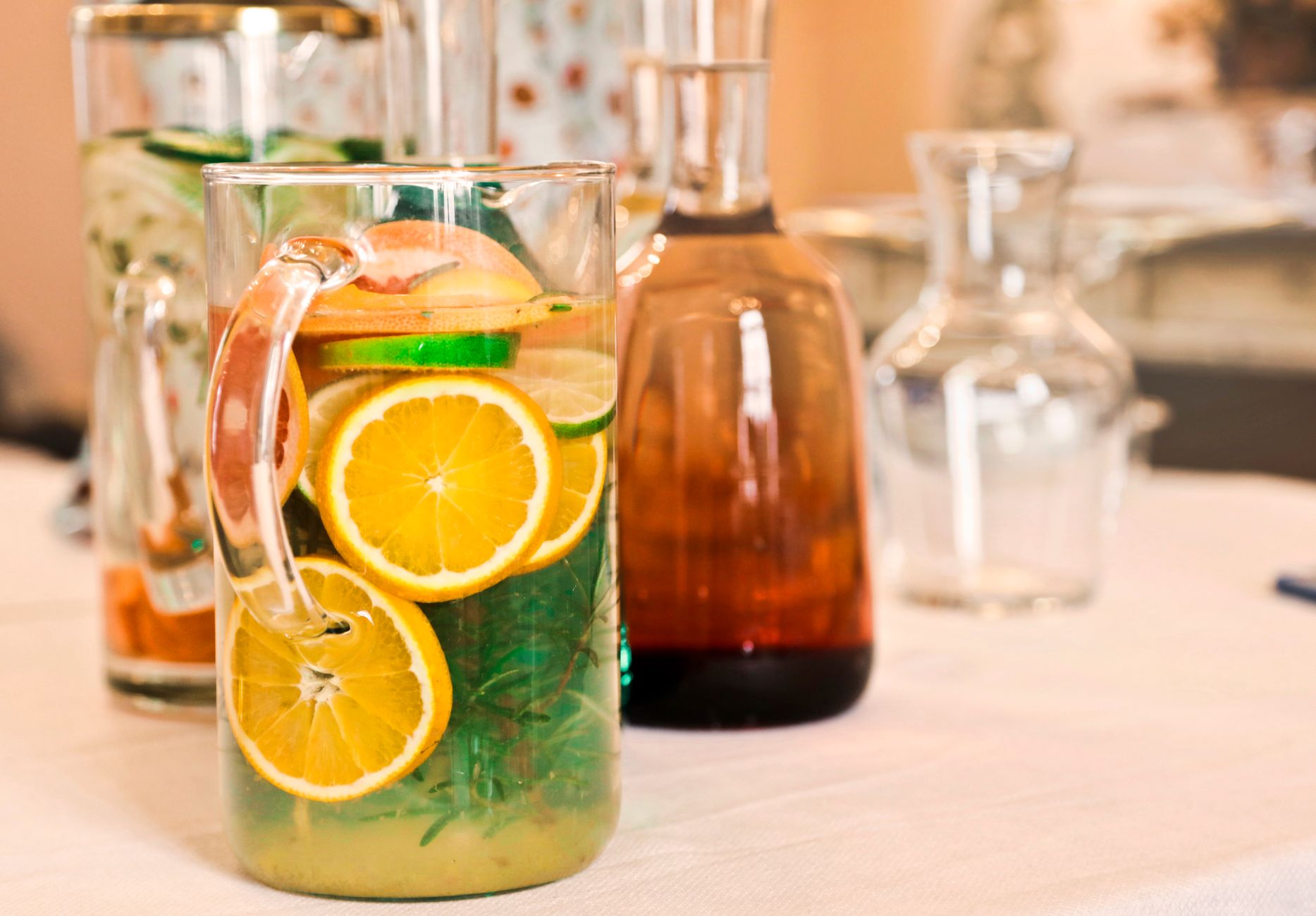
Infused water – Add slices of citrus, cucumber, or berries to still water for a refreshing twist. Customizable and naturally hydrating.
Mocktails – Create your own using fruit juices, sparkling water, and fresh herbs. Endless possibilities for fun and flavor.
All of these options contain no more than trace amounts of alcohol (typically <0.5% ABV, which many guidelines consider negligible), making them suitable for most pregnant people. Always check the label, as some “non‑alcoholic” products can contain small amounts of alcohol, and discuss any concerns with your provider.
Related items — safety at a glance
Item
Verdict
One‑line note
Truly Hard Seltzer
❌ Best avoided
Contains 4–5% ABV, same risk as White Claw.
High Noon Seltzer
❌ Best avoided
Alcoholic hard seltzer; no safe amount.
Vodka Seltzer
❌ Best avoided
Higher alcohol content than hard seltzers.
Beer
❌ Best avoided
Typical 4–6% ABV; risks similar to White Claw.
Wine
❌ Best avoided
Even a glass contributes significant alcohol.
Champagne
❌ Best avoided
Carbonated but still alcoholic.
Margaritas
❌ Best avoided
Often contain tequila and added sugars.
Hard Kombucha
❌ Best avoided
Fermented, contains 4–5% ABV.
Canned cocktails
❌ Best avoided
Pre‑mixed alcoholic drinks; same risks.
Kombucha (regular)
⚠️ Safe with limits
Typically contains trace alcohol (<0.5% ABV); check labels, consume in moderation.
Myth vs. fact
Myth: “A single White Claw won’t hurt the baby because it’s low‑calorie.”
Fact: Any amount of alcohol can cross the placenta; even low‑calorie drinks contain ethanol that may affect fetal development. The caloric content or sugar level has no bearing on the safety of alcohol during pregnancy.
Myth: “Hard seltzers are safer than wine or beer because they’re ‘light.’”
Fact: The safety concern is the presence of alcohol, not the calorie count or perceived "lightness." All alcoholic beverages carry the same recommendation of complete avoidance during pregnancy, as the ethanol is the risk factor.
Myth: “If I stop drinking after the first trimester, the early exposure is harmless.”
Fact: Early exposure can already have caused changes during organ formation; cessation reduces further risk but does not undo any earlier damage. Alcohol can harm a baby at any stage of pregnancy.
Myth: "I can 'pump and dump' after drinking White Claw to make my breast milk safe."
Fact: Pumping and discarding breast milk does not speed up the elimination of alcohol from your milk. Alcohol leaves your breast milk as it leaves your bloodstream, which takes time. The safest approach is to wait until you feel sober before nursing or pumping for consumption.
Key takeaways
❌ White Claw is not safe at any stage of pregnancy or while breastfeeding.
All hard seltzers (Truly, High Noon, etc.) share the same alcohol content and safety verdict.
There is no proven “safe amount” of alcohol during pregnancy; abstinence is the recommended approach by ACOG, NHS, and CDC.
If you’ve already had a sip, note the details and discuss them with your provider; one accidental exposure is unlikely to cause severe harm, but immediate cessation is crucial.
Choose alcohol‑free sparkling waters, non‑alcoholic beers, or infused water to satisfy cravings without risk.
Alcohol can affect both maternal and fetal health, leading to risks like dehydration, sleep disturbances, miscarriage, preterm labor, and fetal alcohol spectrum disorders.
Frequently asked questions
Can you drink hard seltzer while pregnant?
No. Hard seltzers, including White Claw, contain alcohol, and health authorities advise pregnant people to avoid all alcoholic beverages throughout pregnancy and while breastfeeding due to the risk of fetal harm.
What happens if you drink alcohol while pregnant?
Alcohol crosses the placenta and can lead to fetal alcohol spectrum disorders (FASDs), increased miscarriage risk, preterm labor, and low birth weight. The exact outcome depends on timing, amount, frequency, and individual genetic factors.
Is one drink of alcohol safe during pregnancy?
Current guidelines from ACOG, NHS, and CDC state that there is no known safe level of alcohol during pregnancy, so even a single drink is not considered safe. Complete abstinence is the safest choice.
What are the safest drinks during pregnancy?
Water, 100 % fruit juice (in moderation due to sugar content), milk, and alcohol‑free sparkling beverages such as La Croix, Bubly, Spindrift, or infused water are among the safest and most recommended options.
Can a small amount of alcohol harm a fetus?
Yes. Even low‑dose exposure can affect fetal brain development and increase the risk of subtle neurobehavioral issues, learning difficulties, and other developmental problems later in life, as no safe threshold has been identified.
What are the symptoms of Fetal Alcohol Syndrome?
Typical signs of Fetal Alcohol Syndrome (FAS), the most severe form of FASD, include distinctive facial features (smooth philtrum, thin upper lip, small eye openings), growth deficiencies, and neurodevelopmental problems such as intellectual disabilities, poor impulse control, and hyperactivity.
Is non‑alcoholic beer safe during pregnancy?
Most non‑alcoholic beers contain less than 0.5% ABV, which is considered negligible by many health agencies and generally safe in moderation. However, it’s still wise to verify the label for the exact alcohol content and discuss any concerns with your provider.
How quickly does alcohol leave your system during pregnancy?
Alcohol leaves your system at a relatively consistent rate, typically about one standard drink per hour, but this can vary based on factors like body weight, metabolism, and whether you've eaten. There's no way to speed up this process, and alcohol will remain in your blood and cross to the fetus until metabolized.
What about trace alcohol in non-alcoholic drinks or foods?
Many "non-alcoholic" beverages (like NA beer or kombucha) contain less than 0.5% ABV, which is considered a trace amount and generally safe for pregnant people, similar to the small amounts found in some fermented foods or fruit juices. Always check labels and consume in moderation.
When to call your doctor
If you experience any of the following after drinking White Claw or any alcoholic beverage, contact your obstetric provider right away:
Unexplained vaginal bleeding or spotting.
Severe abdominal pain or cramping.
Rapid heartbeat, dizziness, or fainting.
Noticeable decrease in fetal movement.
Signs of infection such as fever or chills.
Persistent nausea or vomiting.
These symptoms may indicate complications that require immediate medical attention. Remember, this article provides general information and is not a substitute for personalized medical advice. Always discuss your specific situation with your health care provider.
References
American College of Obstetricians and Gynecologists (ACOG). “Alcohol Use and Pregnancy.” Practice Bulletin No. 200, 2020.
National Health Service (NHS). “Alcohol and pregnancy.” Updated 2022.
Centers for Disease Control and Prevention (CDC). “Fetal Alcohol Spectrum Disorders (FASDs).” 2021.
U.S. Food and Drug Administration (FDA). “Alcohol Content in Beverages.” Guidance for Industry, 2020.
World Health Organization (WHO). “Alcohol use and reproductive health.” 2014.
British Medical Journal (BMJ). “Alcohol consumption in pregnancy and risk of miscarriage.” 2021.
Obstetrics & Gynecology. “Prenatal exposure to alcohol and neurodevelopmental outcomes.” 2021.
National Institute on Alcohol Abuse and Alcoholism (NIAAA). “Alcohol and Pregnancy.” 2022.
The Lancet Child & Adolescent Health. “Alcohol consumption during pregnancy: a systematic review and meta-analysis of the risk of fetal alcohol spectrum disorders.” 2020.
Not sure about the label on Is White Claw Safe During Pregnancy products?
Snap the ingredients list and SafeFilter checks every ingredient for your stage — only 3 free scans this month, then you're locked until reset. Unlimited from $7/mo or $50/yr.
When Shubhra Mishra was expecting her first child in 2016, she was overwhelmed by conflicting food advice — one site said yes, another said never. By the time her second baby arrived in 2019, she realized millions of mothers face the same confusion.
That sparked a five-year journey through clinical nutrition papers, cultural diets, and expert conversations — all leading to BumpBites: a calm, compassionate space where science meets everyday motherhood.
Her long-term vision is to build a global community ensuring safe, supported, and free deliveriesfor every mother — because no woman should face pregnancy alone or uninformed. 🌿
🌍 Stand with mothers, shape safer guidance
Join a small circle of experts who review BumpBites articles so expecting parents everywhere can decide with confidence.