Avoid whiskey sour during pregnancy. Alcohol, even in small amounts, poses risks to fetal development in all trimesters. Learn about the dangers and discover delicious, safe mocktail alternatives.
By Shubhra Mishra — a mom of two who turned her own confusion during pregnancy into BumpBites, a global mission to make food choices clear, safe, and stress-free for every expecting mother. 💛
Check whether any food is safe during pregnancy with the BumpBites Food Safety Checker.
Quick verdict: ❌ Best avoided. There is no known safe amount of alcohol, including the whiskey in a whiskey sour, at any point during pregnancy. Leading health organizations worldwide recommend complete abstinence from alcohol when you are pregnant or trying to conceive.
That familiar craving for a refreshing whiskey sour can be strong, especially if it’s a drink you’ve enjoyed before pregnancy. But when you’re expecting, every sip and every bite raises questions: "Is this safe for my baby?" If you're wondering, "Is whiskey sour safe during pregnancy?" you're not alone. Many expecting parents find themselves meticulously checking labels and researching ingredients, and we understand that late-night scroll through search results. The good news is that we're here to provide clear, evidence-based answers so you can make informed choices with peace of mind.
At BumpBites, we want to reassure you that navigating pregnancy safety doesn't have to be overwhelming. When it comes to alcoholic beverages like a whiskey sour, the guidance from obstetric experts is consistent and clear: it’s best to avoid them entirely. This article will explain why, detail the potential risks, offer guidance if you've already had one, and provide plenty of delicious, pregnancy-safe alternatives so you can still enjoy a special drink without any worry.
Trimester/Stage
Is Whiskey Sour Safe?
Notes
First Trimester
❌ Avoid
Critical period for organ development; alcohol can cause severe birth defects and increase miscarriage risk.
Second Trimester
❌ Avoid
Ongoing fetal brain development and growth are highly vulnerable to alcohol exposure.
Third Trimester
❌ Avoid
Can lead to premature birth, low birth weight, and continued damage to brain and organ development.
While Breastfeeding
❌ Avoid or exercise extreme caution
Alcohol passes into breast milk and can affect infant development, sleep patterns, and feeding.
What is a Whiskey Sour?
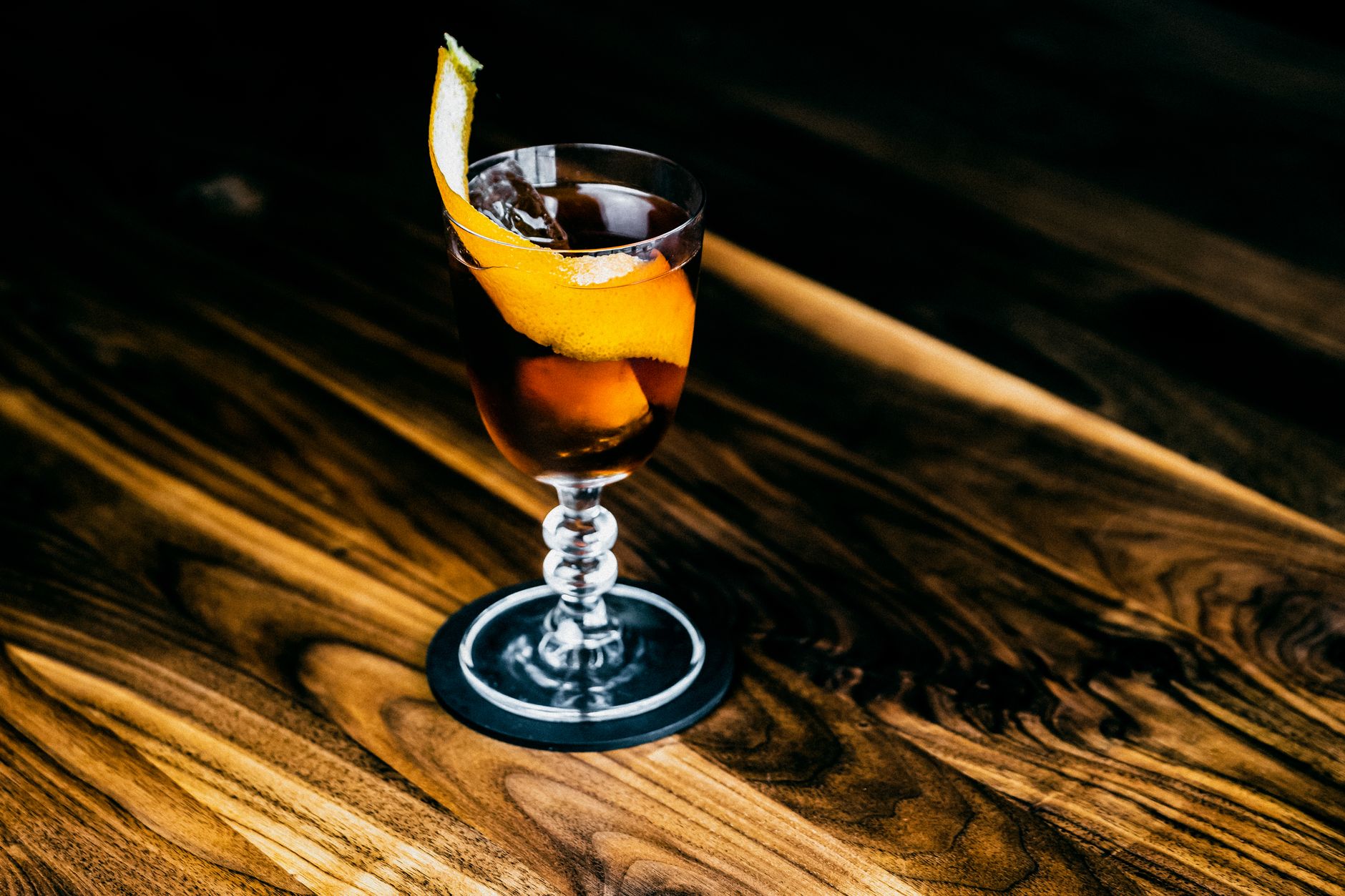
A whiskey sour is a classic cocktail known for its balanced blend of sweet, sour, and strong flavors. Traditionally, it's made with whiskey (most commonly bourbon), fresh lemon juice, simple syrup (a sugar-water solution), and sometimes an egg white. The egg white, when used, gives the drink a frothy texture and a smoother mouthfeel, often referred to as a "Boston Sour." The ingredients are typically shaken with ice and then strained into a glass, often garnished with an orange slice and a maraschino cherry.
The key component that makes a whiskey sour a concern during pregnancy is, of course, the whiskey. Whiskey is a distilled alcoholic beverage made from fermented grain mash. Its alcohol content can vary but typically ranges from 40% to 50% alcohol by volume (ABV), or 80 to 100 proof. Even though a whiskey sour dilutes the whiskey with other ingredients, the alcohol is still very much present in the final drink, and it is this alcohol that poses risks during pregnancy.
While a whiskey sour might be a tempting classic, it’s essential to remember that any amount of alcohol is best avoided during pregnancy.
Is Whiskey Sour Safe During Pregnancy?
T
he definitive answer to "is whiskey sour safe during pregnancy?" is a resounding no. Major health organizations globally, including the American College of Obstetricians and Gynecologists (ACOG), the Centers for Disease Control and Prevention (CDC), the National Health Service (NHS) in the UK, and the World Health Organization (WHO), all unequivocally recommend that pregnant people completely abstain from alcohol. This guidance applies to all forms of alcohol, including the whiskey in a whiskey sour, wine, beer, and other spirits.
The reason for this strict recommendation is that alcohol, once consumed, quickly enters your bloodstream and crosses the placenta to your developing baby. Your baby's liver is not fully developed and cannot process alcohol effectively, meaning the alcohol stays in their system for longer, potentially causing significant harm. There is no scientifically proven "safe amount" of alcohol during pregnancy, nor is there a safe time to drink. Even small amounts of alcohol can have detrimental effects on fetal development.
The risks associated with alcohol exposure during pregnancy are collectively known as Fetal Alcohol Spectrum Disorders (FASDs), with the most severe form being Fetal Alcohol Syndrome (FAS). These conditions can lead to a range of physical, behavioral, and intellectual disabilities that are permanent and lifelong. Because every pregnancy is different, and every baby's development is unique, it's impossible to predict how much alcohol, if any, might cause harm. Therefore, the safest choice is to avoid alcohol entirely to protect your baby.
Is Whiskey Sour Safe During Any Trimester of Pregnancy?
No, a whiskey sour is not safe during any trimester of pregnancy. The risks of alcohol exposure are present throughout the entire pregnancy, though the specific types of harm can vary depending on the stage of development.
First Trimester
The first trimester, particularly weeks 3 through 8, is a critical period for organogenesis – the formation of your baby's major organs, brain, and spinal cord. Alcohol exposure during this time can be particularly devastating. It can interfere with cell division, migration, and differentiation, leading to severe structural birth defects. This is also the period when the risk of miscarriage is highest, and alcohol consumption can further increase this risk. Even if you're not yet aware you're pregnant, avoiding alcohol is crucial if you are trying to conceive.
Second Trimester
While major organs are largely formed by the second trimester, your baby's brain and central nervous system continue to develop rapidly. Exposure to alcohol during this stage can disrupt the intricate processes of brain development, affecting neurons, connections, and overall brain structure. This can lead to long-term cognitive and behavioral problems. Additionally, alcohol can impact fetal growth, potentially leading to low birth weight and other complications.
Third Trimester
During the third trimester, your baby is undergoing significant growth and maturation, especially in the brain, lungs, and liver. Alcohol consumption at this stage can interfere with this crucial final development, increasing the risk of premature birth, low birth weight, and ongoing damage to brain function. The baby's developing nervous system remains highly vulnerable, and alcohol can impair its ability to regulate sleep, feeding, and other vital functions after birth. It's truly a myth that alcohol is "safer" later in pregnancy; the risks simply shift in nature.
Is Whiskey Sour Safe During Breastfeeding?
When you consume alcohol, it passes into your breast milk at levels similar to those in your bloodstream. While the concentration of alcohol in breast milk is lower than in the drink itself, your baby's immature liver is not equipped to process even small amounts of alcohol. Alcohol in breast milk can affect your baby's sleep patterns, making them drowsy but also disrupting their natural sleep cycles. It can also reduce milk intake, as some babies may not like the taste of alcohol in the milk, and alcohol can temporarily suppress milk production.
The American Academy of Pediatrics (AAP) and the CDC advise that if you choose to drink alcohol while breastfeeding, it's best to do so *after* a feeding and to wait at least 2 hours per standard drink before breastfeeding again. This allows your body enough time to metabolize the alcohol. However, for complete peace of mind and to eliminate any risk, many healthcare providers and organizations, including BumpBites, recommend avoiding alcohol altogether while breastfeeding, especially in the early months. If you do choose to have an occasional drink, plan ahead by pumping and storing milk beforehand, or be prepared to use formula.
Can Even a Small Amount of Whiskey Sour Harm My Baby?
This is one of the most common and anxious questions expecting parents ask, and it's vital to address it clearly: current scientific evidence indicates that there is no known safe amount of alcohol during pregnancy. This means that even a small amount of whiskey sour, or any alcoholic beverage, carries a potential risk to your developing baby.
The concept of a "safe limit" for alcohol has been extensively studied, and researchers have consistently failed to identify a threshold below which alcohol exposure is definitively harmless. What might be a "small amount" for one person could have a disproportionate effect on another, depending on genetic factors, metabolism, frequency of drinking, and the specific stage of fetal development. Alcohol's effects are dose-dependent, meaning higher intake generally leads to greater risk, but even low levels can cause subtle, yet significant, developmental issues that may not be apparent until later in childhood.
Because the consequences of alcohol exposure during pregnancy can be severe and permanent, and because there is no way to predict individual susceptibility, the medical consensus is to adopt a "zero-tolerance" approach. This recommendation is designed to protect every baby from the potential harm of alcohol, ensuring the safest possible environment for growth and development. It might feel overly cautious, but it's rooted in a deep understanding of fetal vulnerability.
What Are the Risks of Drinking Whiskey Sour While Pregnant?
The risks associated with drinking alcohol during pregnancy, including the alcohol in a whiskey sour, are substantial and can manifest in a spectrum of conditions known as Fetal Alcohol Spectrum Disorders (FASDs). These are lifelong conditions that can affect a child's physical, mental, behavioral, and learning abilities. The most severe form is Fetal Alcohol Syndrome (FAS).
Fetal Alcohol Syndrome (FAS): This is the most severe end of the FASD spectrum. Children with FAS may exhibit distinct facial features (such as a smooth philtrum – the ridge between the nose and upper lip, thin upper lip, and small eye openings), growth problems (smaller head size, lower-than-average height and weight), and central nervous system problems (brain damage, intellectual disabilities, learning difficulties, poor memory, attention deficits, hyperactivity, and problems with judgment and impulse control).
Alcohol-Related Neurodevelopmental Disorder (ARND): Children with ARND may not have the characteristic facial features or growth problems of FAS, but they experience intellectual disabilities, behavioral problems, and learning difficulties due to brain damage from prenatal alcohol exposure. These might include issues with math, memory, attention, judgment, and impulse control.
Alcohol-Related Birth Defects (ARBD): This refers to specific physical birth defects related to prenatal alcohol exposure, which can include problems with the heart, kidneys, bones, or hearing.
Miscarriage and Stillbirth: Alcohol consumption, particularly heavy drinking, significantly increases the risk of miscarriage (pregnancy loss before 20 weeks) and stillbirth (fetal death at or after 20 weeks).
Premature Birth and Low Birth Weight: Alcohol can interfere with fetal growth and development, leading to babies being born too early (premature) or with a lower-than-average birth weight. Premature babies often face a host of health challenges.
Developmental Delays: Children exposed to alcohol in utero may experience delays in reaching developmental milestones, such as walking, talking, and social skills.
Behavioral Problems: Many children with FASDs struggle with behavioral issues like hyperactivity, difficulty with attention, poor impulse control, and challenges in social interactions, which can persist throughout their lives.
It's important to remember that these risks are not limited to heavy, binge drinking. Even moderate or light drinking can contribute to some of these conditions, particularly the neurodevelopmental and behavioral challenges. This is why a complete avoidance of alcohol, including whiskey sours, is the safest approach during pregnancy.
What Are the Long-Term Effects of Fetal Alcohol Exposure?
The long-term effects of fetal alcohol exposure are profound and permanent, impacting nearly every aspect of a child's life from infancy through adulthood. These effects stem from the irreversible damage alcohol can inflict on the developing brain and other organ systems.
Lifelong Learning and Cognitive Challenges: Children and adults with FASDs often struggle with learning disabilities, including difficulties with memory, attention, problem-solving, and abstract thinking. They may have lower IQs, require special education services, and find it challenging to succeed academically and professionally.
Behavioral and Social Difficulties: A significant hallmark of FASDs is persistent behavioral issues. This can include hyperactivity, impulsivity, poor judgment, difficulty understanding social cues, and challenges with emotional regulation. These issues can lead to problems with friendships, family relationships, and interactions with authority figures.
Mental Health Issues: Individuals with FASDs are at a higher risk for developing mental health disorders, such as anxiety, depression, attention-deficit/hyperactivity disorder (ADHD), and substance abuse problems. The challenges they face daily can contribute to feelings of frustration, isolation, and low self-esteem.
Secondary Disabilities: As individuals with FASDs grow older, they often experience what are termed "secondary disabilities." These are not directly caused by the prenatal alcohol exposure but arise as a consequence of the primary disabilities. They can include disrupted school experiences, legal problems, inappropriate sexual behavior, unemployment, and problems with independent living.
Physical Health Complications: While the characteristic facial features of FAS may become less pronounced with age, other physical health issues can persist. These might include heart defects, kidney problems, skeletal abnormalities, vision or hearing impairments, and neurological issues like seizures.
Challenges with Daily Living: Many adults with FASDs require ongoing support to manage daily life, including finances, housing, employment, and personal care. The degree of independence varies widely, but many face significant hurdles in achieving full autonomy.
The impact of fetal alcohol exposure is a testament to the delicate and vulnerable nature of prenatal development. Because these effects are lifelong and incurable, prevention through complete abstinence from alcohol during pregnancy remains the most crucial intervention.
Safe Non-Alcoholic Whiskey Sour Alternatives for Expecting Mothers
Just because you're pregnant doesn't mean you have to miss out on the joy of a sophisticated, delicious drink! There are many fantastic non-alcoholic options that can mimic the flavors of a whiskey sour or offer a refreshing alternative. Here are some of our top recommendations:
Virgin Whiskey Sour: This is the closest you'll get! Replace the whiskey with a non-alcoholic whiskey alternative (many brands are now available, crafted to mimic the taste profile without the alcohol). Mix with fresh lemon juice and simple syrup, shake with ice, and strain. You can even add a touch of non-alcoholic bitters for complexity.
Non-alcoholic Mocktails: The world of mocktails has exploded with creativity. Look for recipes that use fresh fruits, herbs, and interesting syrups to create complex flavor profiles. Many bars and restaurants now offer extensive mocktail menus.
Sparkling Water with Lemon and Lime: Simple, elegant, and incredibly refreshing. The fizz of the sparkling water combined with the tartness of fresh citrus is a wonderful palate cleanser and thirst quencher.
Ginger Beer (non-alcoholic): With its spicy kick and effervescence, non-alcoholic ginger beer is a satisfying drink on its own or as a mixer. Look for brands with natural ginger for the best flavor.
Cranberry and Soda: A classic choice, offering a nice balance of sweet and tart. Use 100% cranberry juice for the most health benefits and mix with plain or lemon-lime soda water.
Lemonade: A timeless favorite, especially on a warm day. You can elevate homemade lemonade with fresh mint, berries, or a splash of non-alcoholic elderflower cordial.
Iced Tea: Brewed black, green, or herbal teas (ensure they are pregnancy-safe herbs) served over ice can be incredibly satisfying. Customize with lemon, honey, or fruit slices.
Non-alcoholic Spirits: Beyond whiskey alternatives, there's a growing market for non-alcoholic gin, rum, and even aperitifs. These can be used as a base for crafting sophisticated mocktails that truly feel like a special drink.
Explore the delicious world of non-alcoholic mocktails and spirits for a pregnancy-safe treat.
Related Items – Safety at a Glance
To further clarify the recommendations regarding alcohol during pregnancy, here's a quick overview of other common alcoholic beverages and their safety status:
Beverage
Pregnancy Safety Verdict
Notes
Wine
❌ Avoid
Includes red, white, sparkling, and fortified wines. No safe amount during pregnancy.
Beer
❌ Avoid
All types of beer (lager, ale, stout, IPA). Alcohol content varies, but all pose risks.
Vodka
❌ Avoid
A distilled spirit, typically 40% ABV or higher. Highly concentrated alcohol.
Gin
❌ Avoid
A distilled spirit, typically 40% ABV or higher. Often mixed in cocktails.
Margarita
❌ Avoid
Contains tequila, an alcoholic spirit. Similar risks to whiskey sour.
Mojito
❌ Avoid
Contains rum, an alcoholic spirit. All alcoholic cocktails are best avoided.
Champagne
❌ Avoid
Sparkling wine with alcohol. No safe amount.
Hard Seltzer
❌ Avoid
Contains alcohol, despite often being lighter and fruit-flavored.
Rum
❌ Avoid
A distilled spirit, typically 40% ABV or higher. Used in many cocktails.
Cocktails (General)
❌ Avoid
Any mixed drink containing alcoholic spirits, wine, or beer.
Myth vs. Fact
There are many myths surrounding alcohol consumption during pregnancy. Let's clear up some common misconceptions:
Myth: A small glass of wine or beer a day is fine, especially after the first trimester.
Fact: This is a persistent and dangerous myth. Leading health organizations like ACOG and the CDC state there is no known safe amount or safe time to drink alcohol during pregnancy. Even "small" amounts can potentially harm a developing baby's brain and other organs. The recommendation is complete abstinence throughout all trimesters.
Myth: Red wine is healthy, so it's okay to have a little during pregnancy.
Fact: While red wine is sometimes lauded for its antioxidant properties, these benefits do not outweigh the risks of alcohol exposure to a fetus. The alcohol content in red wine, like any other alcoholic beverage, is what poses the risk. There are many other pregnancy-safe ways to get antioxidants, such as through fruits and vegetables.
Myth: If you've already had a drink before you knew you were pregnant, there's nothing you can do, and the damage is done.
Fact: If you consumed alcohol before realizing you were pregnant, the most important thing is to stop drinking immediately once you find out. While it's natural to worry, early pregnancy exposure doesn't automatically mean harm. Many people have healthy pregnancies after early, unintentional alcohol exposure. The key is to abstain from that point forward and discuss any concerns with your healthcare provider. Worrying excessively can cause unnecessary stress; focus on making healthy choices moving forward.
Key Takeaways
There is no known safe amount of alcohol, including whiskey sour, at any point during pregnancy.
Alcohol can cause Fetal Alcohol Spectrum Disorders (FASDs), which lead to lifelong physical, intellectual, and behavioral problems for the child.
The risks of alcohol exposure exist in all trimesters, affecting organogenesis, brain development, and growth.
If you are breastfeeding, alcohol passes into breast milk and can affect your baby. It's best to avoid it or exercise extreme caution.
Many delicious non-alcoholic alternatives, such as virgin whiskey sours or other mocktails, are available to enjoy safely.
If you accidentally consumed alcohol before knowing you were pregnant, stop immediately and speak with your doctor for reassurance and guidance.
Choosing pregnancy-safe beverages is one of the many ways you can nurture your developing baby.
Frequently Asked Questions
Can I drink alcohol while pregnant?
No, major health organizations worldwide, including ACOG, CDC, and NHS, recommend complete abstinence from alcohol during pregnancy. There is no known safe amount of alcohol, and any consumption can pose risks to your developing baby.
What happens if I accidentally drank alcohol during pregnancy?
If you accidentally drank alcohol before knowing you were pregnant or had a small amount unknowingly, the most important step is to stop drinking immediately. Many people have healthy pregnancies after early, unintentional exposure. Contact your healthcare provider to discuss your concerns and get personalized advice, but try not to panic.
Is a small amount of alcohol safe during pregnancy?
No, there is no scientifically proven safe amount of alcohol during pregnancy. Because every pregnancy and baby are unique, and alcohol's effects are unpredictable, the safest approach is to avoid all alcohol to prevent Fetal Alcohol Spectrum Disorders (FASDs).
What are the effects of alcohol on a fetus?
Alcohol on a fetus can lead to Fetal Alcohol Spectrum Disorders (FASDs), which include physical birth defects, growth problems, and lifelong brain damage. This can result in intellectual disabilities, learning difficulties, behavioral problems, and challenges with memory, attention, and impulse control.
Can alcohol cause miscarriage?
Yes, alcohol consumption during pregnancy, particularly heavy drinking, is linked to an increased risk of miscarriage (pregnancy loss before 20 weeks) and stillbirth (fetal death at or after 20 weeks). Avoiding alcohol is one way to help reduce these risks.
What are safe drinks during pregnancy?
Safe drinks during pregnancy include water, pasteurized milk, 100% fruit juices (in moderation due to sugar content), herbal teas (check for pregnancy-safe varieties), sparkling water with fruit, non-alcoholic mocktails, and decaffeinated coffee or tea. Always choose pasteurized options and avoid unpasteurized juices or ciders.
How much alcohol causes Fetal Alcohol Syndrome?
There is no specific amount of alcohol that is known to cause Fetal Alcohol Syndrome (FAS). FAS is the most severe type of Fetal Alcohol Spectrum Disorder, and it can occur even with seemingly "moderate" alcohol consumption. Due to the variability in individual susceptibility and fetal development, any amount of alcohol carries a risk.
When to Call Your Doctor
If you have consumed a whiskey sour or any other alcoholic beverage during pregnancy, especially if you are concerned about the amount or frequency, it's always best to speak with your healthcare provider. They can offer reassurance, assess your individual situation, and provide personalized guidance. While it's important to be honest about your alcohol intake, remember that your doctor is there to support you, not to judge. The most crucial step is to stop drinking alcohol immediately upon learning you are pregnant or if you have concerns, and then seek professional advice.
This article is for informational purposes only and is not a substitute for professional medical advice, diagnosis, or treatment. Always seek the advice of your physician or other qualified health provider with any questions you may have regarding a medical condition.
Not sure about the label on Is Whiskey Sour Safe During Pregnancy products?
Snap the ingredients list and SafeFilter checks every ingredient for your stage — only 3 free scans this month, then you're locked until reset. Unlimited from $7/mo or $50/yr.
When Shubhra Mishra was expecting her first child in 2016, she was overwhelmed by conflicting food advice — one site said yes, another said never. By the time her second baby arrived in 2019, she realized millions of mothers face the same confusion.
That sparked a five-year journey through clinical nutrition papers, cultural diets, and expert conversations — all leading to BumpBites: a calm, compassionate space where science meets everyday motherhood.
Her long-term vision is to build a global community ensuring safe, supported, and free deliveriesfor every mother — because no woman should face pregnancy alone or uninformed. 🌿
🌍 Stand with mothers, shape safer guidance
Join a small circle of experts who review BumpBites articles so expecting parents everywhere can decide with confidence.