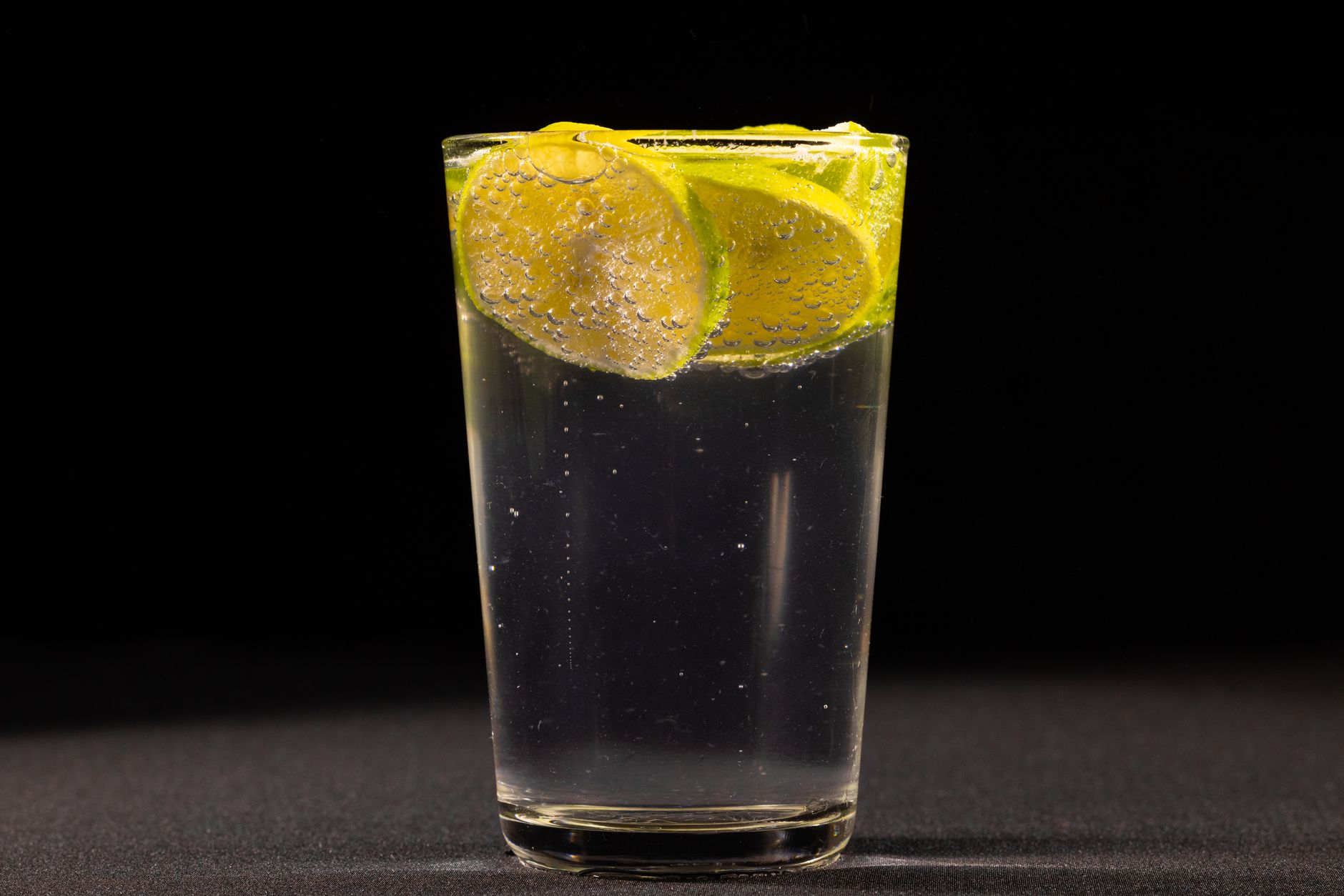
Avoid vodka soda during pregnancy entirely. No amount of alcohol is considered safe, especially in the first trimester, due to risks of Fetal Alcohol Spectrum Disorders. Is vodka soda safe during pregnancy? No.
By Shubhra Mishra — a mom of two who turned her own confusion during pregnancy into BumpBites, a global mission to make food choices clear, safe, and stress-free for every expecting mother. 💛
Check whether any food is safe during pregnancy with the BumpBites Food Safety Checker.
Quick verdict: ❌ Best avoided. There is no known safe amount of alcohol, including vodka soda, at any stage of pregnancy. Leading health organizations, including the CDC, ACOG, and NHS, advise complete abstinence from alcohol during pregnancy to prevent serious risks to your baby.
The moment you see those two lines, or even when you're just starting to try for a baby, a cascade of questions often floods your mind. Suddenly, every decision, every bite, every sip, feels loaded with immense responsibility. If you've found yourself wondering, "is vodka soda safe during pregnancy?" you're not alone. Many expecting parents grapple with questions about alcohol, especially if it's been a part of their social life or if they've had a drink before realizing they were pregnant.
At BumpBites, we understand that late-night Google search and the quiet worry it brings. We're here to provide clear, evidence-based answers, so you can make informed choices with confidence. When it comes to alcohol like vodka soda during pregnancy, the consensus from global health authorities is clear: complete avoidance is the safest path. There is no amount of alcohol that has been proven safe at any point during pregnancy, and even small amounts can carry risks for your developing baby. Let's explore why this guidance is so crucial, what the potential risks are, and what wonderful non-alcoholic options you can enjoy instead.
Choosing refreshing non-alcoholic drinks like sparkling water with fruit is a great way to stay hydrated and enjoy social occasions during pregnancy.
Safety Snapshot: Vodka Soda During Pregnancy and Breastfeeding
Trimester/Stage
Verdict
Notes
First Trimester
❌ Avoid
Critical period for organ development; alcohol can cause severe birth defects.
Second Trimester
❌ Avoid
Continued brain development and growth; alcohol can disrupt these processes.
Third Trimester
❌ Avoid
Brain is still developing rapidly; alcohol can impact brain structure and function, leading to learning and behavioral problems.
Breastfeeding
❌ Avoid or use extreme caution
Alcohol passes into breast milk. If consuming, wait at least 2 hours per standard drink before nursing or pumping. Most experts recommend complete abstinence.
What is Vodka Soda?
A vodka soda is a simple, popular mixed drink consisting of vodka and club soda, often garnished with a slice of lemon or lime. It's known for its relatively low calorie count compared to other mixed drinks and its crisp, clean taste, which makes it a frequent choice for social gatherings. Vodka, the alcoholic component, is a distilled spirit typically made from fermented grains or potatoes, and it usually has an alcohol by volume (ABV) of around 40% (80 proof). Club soda is carbonated water, often with added minerals, that contains no alcohol.
When you combine these two, you get an alcoholic beverage. The "standard drink" equivalent can vary depending on the amount of vodka used, but typically, one vodka soda containing 1.5 ounces of 80-proof vodka would be considered one standard alcoholic drink. Understanding what constitutes a standard drink is important when discussing alcohol consumption, though in the context of pregnancy, the guidance remains the same regardless of drink type or strength.
Is it ever safe to drink vodka soda during pregnancy?
This recommendation stems from the fact that alcohol, once consumed, quickly passes from your bloodstream through the umbilical cord and placenta directly to your baby. Your baby's liver is not fully developed and cannot process alcohol as efficiently as an adult's, meaning the alcohol stays in their system longer. This exposes the developing fetus to the same concentration of alcohol as the parent, but for a more prolonged period, causing potentially severe and irreversible damage.
The "no safe amount" principle is a cornerstone of prenatal care because researchers have not been able to identify a threshold below which alcohol consumption is guaranteed to be harmless. Every pregnancy is unique, and individual sensitivities to alcohol can vary. Therefore, to eliminate any potential risk to the developing baby, medical professionals strongly advise against any alcohol consumption, including vodka soda, throughout pregnancy.
What are the risks of drinking vodka soda while pregnant?
The risks associated with drinking alcohol during pregnancy are significant and can lead to a range of severe and lifelong conditions known as Fetal Alcohol Spectrum Disorders (FASDs). FASDs are a group of conditions that can occur in a person whose mother drank alcohol during pregnancy. These effects can include physical, behavioral, and intellectual disabilities. The specific risks and severity depend on many factors, including how much and how often alcohol is consumed, the stage of pregnancy, and individual genetic factors.
One of the most severe forms of FASD is Fetal Alcohol Syndrome (FAS), characterized by distinct facial features (e.g., small eyes, a thin upper lip, a smooth philtrum — the groove between the nose and upper lip), growth problems, and central nervous system problems such as learning disabilities, behavioral issues, and intellectual deficits. However, even without the full physical manifestations of FAS, other FASDs can cause significant challenges, including problems with memory, attention, judgment, impulse control, and social skills.
Beyond FASDs, alcohol consumption during pregnancy is also linked to an increased risk of miscarriage, stillbirth, preterm birth, and low birth weight. The developing brain is particularly vulnerable to alcohol's effects throughout all trimesters, but especially during periods of rapid growth and development. The alcohol in a vodka soda (or any alcoholic drink) acts as a teratogen – a substance that can cause birth defects – by interfering with the normal development of cells and tissues.
Can one vodka soda harm my baby during pregnancy?
This is a question that weighs heavily on many pregnant people, especially those who may have had a drink before realizing they were pregnant or who are exposed to social pressure. While it's impossible to predict the exact impact of a single drink on an individual baby, the medical consensus is that there is no amount of alcohol that is proven to be safe during pregnancy. This means that even one vodka soda carries a potential, albeit unquantifiable, risk to the developing fetus.
The reason for this cautious stance is that alcohol crosses the placental barrier easily and reaches the baby in concentrations similar to the pregnant person's bloodstream. A baby's developing organs, particularly the brain, are incredibly sensitive to toxins, and their tiny liver isn't equipped to process alcohol efficiently. This means the alcohol remains in the baby's system for longer, potentially causing damage during critical windows of development.
While the risk of severe Fetal Alcohol Syndrome (FAS) might be higher with regular or heavy drinking, even a single exposure could theoretically have subtle effects on brain development or other systems. Since we cannot definitively say that "just one" is harmless, and because the consequences can be so profound, health authorities err on the side of extreme caution by recommending complete abstinence. If you've had one, try not to panic, but commit to avoiding alcohol for the remainder of your pregnancy. We'll cover what to do if you've already consumed alcohol later in this article.
Does vodka soda cause fetal alcohol syndrome?
Yes, consuming vodka soda or any other alcoholic beverage during pregnancy can cause Fetal Alcohol Syndrome (FAS) and other Fetal Alcohol Spectrum Disorders (FASDs). FAS is the most severe end of the FASD spectrum and is directly caused by alcohol exposure in utero. It's not limited to specific types of alcohol; it's the ethanol (alcohol) itself that is the harmful agent, regardless of whether it's in vodka, wine, beer, or a mixed drink like a vodka soda.
The impact of alcohol on a developing fetus is complex and depends on multiple factors, including the amount and frequency of alcohol consumed, the timing of exposure during pregnancy, and the genetic makeup of both the pregnant person and the baby. However, the core principle remains: any amount of alcohol can interfere with normal fetal development, potentially leading to the characteristic physical abnormalities, central nervous system damage, and neurodevelopmental issues associated with FASDs.
Because there is no known safe threshold for alcohol consumption during pregnancy, the only way to guarantee that your baby will not be affected by alcohol-related birth defects, including FAS, is to avoid all alcohol throughout your pregnancy. This proactive measure ensures the healthiest possible environment for your baby's growth and development.
Safety by Trimester
Alcohol poses risks at every stage of pregnancy, though the specific impacts can vary depending on the trimester and the critical developmental processes occurring at that time.
Is vodka soda safe in the first trimester of pregnancy?
The first trimester (weeks 1-12) is an incredibly vulnerable period for your developing baby. This is when all major organs, including the brain, heart, kidneys, and limbs, are forming rapidly in a process called organogenesis. Exposure to alcohol, such as from a vodka soda, during this critical window can have devastating and irreversible effects, leading to severe birth defects and increasing the risk of miscarriage.
Because many people don't realize they're pregnant until several weeks into the first trimester, accidental exposure to alcohol can occur. If this describes your situation, try not to panic, but stop all alcohol consumption immediately and discuss it with your healthcare provider. The best course of action is to avoid alcohol from the moment you start trying to conceive.
Second Trimester
While major organ formation is largely complete by the second trimester (weeks 13-27), your baby is undergoing rapid growth and maturation, particularly of the brain and central nervous system. Alcohol exposure during this period can still disrupt brain development, affecting the formation of neurons and brain structures. This can lead to long-term cognitive and behavioral problems, even if visible physical defects are not apparent. The risk of preterm birth also increases with alcohol consumption in the second trimester.
Continued abstinence from alcohol is essential throughout the second trimester to support healthy growth and ongoing neurological development, ensuring the best possible outcomes for your baby.
Third Trimester
In the third trimester (weeks 28-40+), your baby's brain is still developing at an astonishing rate, laying down crucial connections and maturing in preparation for birth. Alcohol consumption, even in the later stages of pregnancy, can interfere with this vital brain development, potentially leading to subtle but significant impacts on learning, memory, attention, and behavior that may only become apparent later in childhood. Growth restriction and preterm labor are also ongoing concerns.
Many expecting parents may feel a false sense of security in the third trimester, thinking the baby is "fully formed." However, the brain's development is continuous and highly susceptible to alcohol's effects right up until birth. For this reason, complete avoidance of vodka soda and all other alcoholic beverages remains the firm recommendation.
Breastfeeding
If you choose to breastfeed, the recommendation for alcohol consumption is still one of extreme caution, with many experts advising complete abstinence. Alcohol passes readily into breast milk in concentrations similar to your blood alcohol level. While the amount of alcohol transferred to breast milk is generally low, a baby's developing liver is still immature and less capable of metabolizing alcohol. This means even small amounts can be harmful to an infant, potentially affecting their sleep patterns, feeding, and psychomotor development.
The CDC advises that not drinking alcohol is the safest option for breastfeeding parents. If you do choose to have an occasional, single standard drink (like one vodka soda), it's recommended to wait at least 2 hours per standard drink before breastfeeding or pumping. This allows your body time to metabolize the alcohol, reducing the amount in your milk. Pumping and dumping does not speed up the removal of alcohol from breast milk; only time does. Planning ahead by pumping milk before consuming alcohol can be a helpful strategy if you choose to have an occasional drink, but remember that abstinence remains the safest approach.
Many delicious non-alcoholic mocktails offer a sophisticated and safe alternative to alcoholic drinks during pregnancy.
Safe Dosage or Amount
When it comes to alcohol, including vodka soda, during pregnancy, there is no safe dosage or amount. This is a crucial point that cannot be overstressed. Unlike some medications or foods where a "safe limit" can be established, the scientific community and major health organizations have consistently concluded that no amount of alcohol consumption during pregnancy has been proven to be without risk.
This means that even a "light" or "occasional" drink, such as a single vodka soda, is not considered safe. The concept of a safe dosage simply does not apply to alcohol in pregnancy because of the highly sensitive and vulnerable nature of fetal development. Each baby's response to alcohol can be different, and what might seem like a negligible amount to one person could potentially impact another's baby. Therefore, the safest and only recommended "dosage" of alcohol during pregnancy is zero.
Side Effects and Risks
The side effects and risks of consuming vodka soda or any alcohol during pregnancy are primarily centered around the development of Fetal Alcohol Spectrum Disorders (FASDs). These conditions are lifelong and can manifest in various ways, affecting physical health, intellectual abilities, and behavior.
Physical Effects:
Distinct Facial Features: Small eyes, a thin upper lip, and a smooth philtrum (the ridge between the nose and upper lip).
Growth Problems: Shorter than average height and lower than average weight, which may persist into childhood.
Organ Damage: Potential heart defects, kidney problems, or bone and joint abnormalities.
Brain and Spinal Cord Problems: Structural brain abnormalities, smaller head circumference.
Neurodevelopmental and Behavioral Effects:
Intellectual Disabilities: Learning difficulties, lower IQ, problems with memory and attention.
Behavioral Challenges: Hyperactivity, impulsivity, poor judgment, difficulty with social interactions, and problems with school performance.
Communication Issues: Speech and language delays.
Executive Functioning Deficits: Difficulty with planning, problem-solving, and emotional regulation.
Other Pregnancy Complications:
Increased Risk of Miscarriage and Stillbirth: Alcohol consumption significantly elevates the chances of losing the pregnancy.
Preterm Birth: Giving birth before 37 weeks of gestation, which can lead to various health issues for the baby.
Low Birth Weight: Babies born weighing less than 5 pounds, 8 ounces, increasing risks of health problems.
It's important to remember that these risks are not limited to heavy, binge drinking. Even moderate or light drinking carries potential risks. The critical takeaway is that alcohol is a known teratogen, meaning it can cause birth defects, and avoiding it entirely is the only way to eliminate these preventable risks.
What are safe non-alcoholic alternatives to vodka soda for pregnant women?
Navigating social situations or simply wanting a refreshing drink that feels a little special without the alcohol is completely understandable during pregnancy. The good news is there's a fantastic array of delicious and safe non-alcoholic alternatives to vodka soda and other alcoholic beverages. Here are some excellent options:
Sparkling water with lemon and lime: A classic, refreshing, and hydrating choice that mimics the effervescence of a vodka soda. Add fresh mint or cucumber for an extra twist.
Virgin mojito: Muddle fresh mint leaves with lime juice and a touch of simple syrup, then top with club soda. It's vibrant, tangy, and feels like a celebration.
Non-alcoholic sparkling cider: Perfect for special occasions, offering a sweet, apple-flavored fizz that feels festive.
Ginger beer (non-alcoholic): Offers a zesty, spicy kick that's incredibly refreshing and can even help with mild nausea. Ensure it's explicitly labeled "non-alcoholic."
Shirley Temple: A nostalgic and sweet classic made with ginger ale, a splash of grenadine, and garnished with a maraschino cherry.
Flavored seltzer water: Available in countless fruit flavors, these offer variety and zero calories or sugar, making them a healthy and interesting alternative.
Non-alcoholic gin and tonic: Many brands now offer alcohol-free "gin" spirits that, when mixed with tonic water and a slice of lime, taste remarkably similar to the real thing without any of the alcohol.
Caffeine-free herbal iced tea: Brew your favorite herbal tea (like peppermint, chamomile, or fruit blends), chill it, and serve over ice with a slice of orange or a sprig of rosemary for a sophisticated, calming drink. Always check that the herbal tea is pregnancy-safe.
These alternatives not only keep you and your baby safe but also allow you to participate in social settings without feeling left out, offering a satisfying and delicious experience.
Exploring the wide world of non-alcoholic beverages allows you to discover new favorite drinks that are safe for pregnancy.
Related Items – Safety at a Glance
Understanding the safety of vodka soda naturally leads to questions about other popular drinks. Here’s a quick overview of common beverages and their safety during pregnancy:
Beverage
Verdict
Notes
Wine
❌ Avoid
All types of wine contain alcohol; no safe amount during pregnancy.
Beer
❌ Avoid
All types of beer contain alcohol; no safe amount during pregnancy.
Hard Seltzer
❌ Avoid
Contains alcohol, despite often being perceived as lighter; avoid completely.
Margarita
❌ Avoid
High alcohol content; poses significant risks. Opt for a virgin margarita.
Gin and Tonic
❌ Avoid
Contains alcohol; avoid. Non-alcoholic gin alternatives are available.
Champagne
❌ Avoid
Alcoholic sparkling wine; reserve for after pregnancy.
Rum and Coke
❌ Avoid
Contains alcohol; avoid. Enjoy a regular coke or a non-alcoholic mocktail.
Kombucha
⚠️ Safe with limits
Often contains trace amounts of alcohol (typically <0.5% ABV) due to fermentation. Choose pasteurized options and consume in moderation. Consult your doctor if concerned.
Myth vs. Fact
There are many myths surrounding alcohol consumption during pregnancy, which can lead to confusion and unnecessary risk. Let's clear up some common misconceptions.
Myth: A small amount of alcohol, like one vodka soda, is fine, especially after the first trimester.
Fact: This is a dangerous misconception. As discussed, major health organizations state there is no known safe amount of alcohol at any stage of pregnancy. Alcohol can harm a baby's developing brain and body throughout all nine months. The "no safe amount" guidance is consistent across the board because a safe threshold has never been identified.
Myth: Drinking alcohol is only harmful if you get drunk or binge drink.
Fact: While binge drinking poses the highest risk for severe Fetal Alcohol Spectrum Disorders (FASDs), even light or moderate drinking has been linked to potential problems, including learning disabilities and behavioral issues. Alcohol's impact on a developing fetus is not linear and can vary greatly, making any consumption risky.
Myth: If the baby is "fully formed" in the third trimester, alcohol is less harmful.
Fact: Your baby's brain continues to develop rapidly throughout the entire third trimester, forming crucial connections and maturing for life outside the womb. Alcohol exposure during this period can still cause significant damage to brain structure and function, leading to lifelong challenges. The brain is vulnerable to alcohol's effects right up until birth.
Myth: Pumping and dumping breast milk after drinking will remove the alcohol.
Fact: Pumping and dumping does not speed up the rate at which alcohol leaves your breast milk. Alcohol levels in breast milk mirror those in your blood, and only time can reduce them. If you consume alcohol while breastfeeding, waiting at least 2 hours per standard drink for your body to metabolize the alcohol is the recommended approach to minimize exposure to your baby. However, complete abstinence is still the safest option.
Key Takeaways
There is no known safe amount of alcohol, including vodka soda, at any stage of pregnancy.
Major health organizations (ACOG, CDC, NHS) recommend complete abstinence from alcohol during pregnancy.
Alcohol crosses the placenta readily, exposing your baby to the same alcohol concentration as you.
Drinking alcohol during pregnancy can cause Fetal Alcohol Spectrum Disorders (FASDs), leading to lifelong physical, intellectual, and behavioral problems.
Risks exist in all trimesters, with the first trimester being critical for organogenesis and the second and third for ongoing brain development.
Many delicious and safe non-alcoholic alternatives are available to enjoy during pregnancy.
Frequently Asked Questions
What happens if you drink vodka while pregnant?
If you drink vodka while pregnant, the alcohol quickly passes through your bloodstream to your baby via the placenta. Since your baby's liver is undeveloped, they cannot process the alcohol effectively, leading to prolonged exposure. This can result in Fetal Alcohol Spectrum Disorders (FASDs), which include physical birth defects, learning disabilities, and behavioral problems, among other serious complications like miscarriage or preterm birth.
Can I have one drink while pregnant?
No, major health organizations like the CDC and ACOG advise against having even one drink while pregnant. There is no known safe amount of alcohol during pregnancy, and any consumption carries a potential risk to the developing baby. To ensure your baby's health and avoid any preventable harm, complete abstinence from alcohol is the safest choice throughout your entire pregnancy.
What alcohol is safe during pregnancy?
No type of alcohol is considered safe during pregnancy. This includes vodka, wine, beer, hard seltzer, spirits, or any mixed drinks. The harmful component is the ethanol itself, regardless of the beverage type or strength. Health experts universally recommend avoiding all alcoholic beverages from the moment you begin trying to conceive and throughout your entire pregnancy.
What if I drank alcohol before I knew I was pregnant?
If you drank alcohol, such as a vodka soda, before you knew you were pregnant, try not to panic. Many people do this. The most important step is to stop drinking alcohol immediately upon discovering your pregnancy and inform your healthcare provider. They can assess your situation, offer reassurance, and provide guidance for the remainder of your pregnancy. Focus on making healthy choices moving forward.
Can a small amount of alcohol harm a fetus?
Yes, a small amount of alcohol can potentially harm a fetus. While the risk of severe Fetal Alcohol Syndrome might be higher with heavier drinking, medical experts cannot identify a "safe" threshold below which alcohol is guaranteed to be harmless. Even small exposures can subtly affect brain development or other systems, leading to lifelong challenges that may not be immediately obvious.
Is non-alcoholic beer safe during pregnancy?
Most non-alcoholic beers contain trace amounts of alcohol, typically up to 0.5% alcohol by volume (ABV). While this is a very low amount, some health professionals still advise caution or complete avoidance, especially if consumed frequently. For complete peace of mind, consider truly alcohol-free beverages (0.0% ABV) or discuss your specific concerns with your healthcare provider.
How much alcohol is too much during pregnancy?
Any amount of alcohol is considered too much during pregnancy. The prevailing medical guidance from leading health organizations like the CDC, ACOG, and NHS is that there is no known safe amount of alcohol consumption at any stage of pregnancy. Complete abstinence is the only way to eliminate the risk of Fetal Alcohol Spectrum Disorders (FASDs) and other alcohol-related complications for your baby.
When to Call Your Doctor
If you have consumed vodka soda or any other alcoholic beverage during your pregnancy, the most important step is to be open and honest with your healthcare provider. They are there to support you, not to judge, and knowing about any alcohol exposure helps them provide the best care for you and your baby.
You should call your doctor or midwife:
As soon as you find out you're pregnant, if you've consumed alcohol recently.
If you are struggling to stop drinking alcohol during your pregnancy.
If you have concerns about your alcohol intake or feel you might have an alcohol use disorder.
If you have any specific worries about your baby's development following alcohol exposure.
Your doctor can offer guidance, resources, and support to ensure a healthy pregnancy. Remember, it's never too late to stop drinking alcohol during pregnancy and improve outcomes for your baby.
The information provided in this article is for informational purposes only and is not intended as a substitute for professional medical advice, diagnosis, or treatment. Always seek the advice of your physician or other qualified health provider with any questions you may have regarding a medical condition.
References
American College of Obstetricians and Gynecologists (ACOG). (2023). Alcohol and Pregnancy.
Not sure about the label on Is Vodka Soda Safe During Pregnancy products?
Snap the ingredients list and SafeFilter checks every ingredient for your stage — only 3 free scans this month, then you're locked until reset. Unlimited from $7/mo or $50/yr.
When Shubhra Mishra was expecting her first child in 2016, she was overwhelmed by conflicting food advice — one site said yes, another said never. By the time her second baby arrived in 2019, she realized millions of mothers face the same confusion.
That sparked a five-year journey through clinical nutrition papers, cultural diets, and expert conversations — all leading to BumpBites: a calm, compassionate space where science meets everyday motherhood.
Her long-term vision is to build a global community ensuring safe, supported, and free deliveriesfor every mother — because no woman should face pregnancy alone or uninformed. 🌿
🌍 Stand with mothers, shape safer guidance
Join a small circle of experts who review BumpBites articles so expecting parents everywhere can decide with confidence.