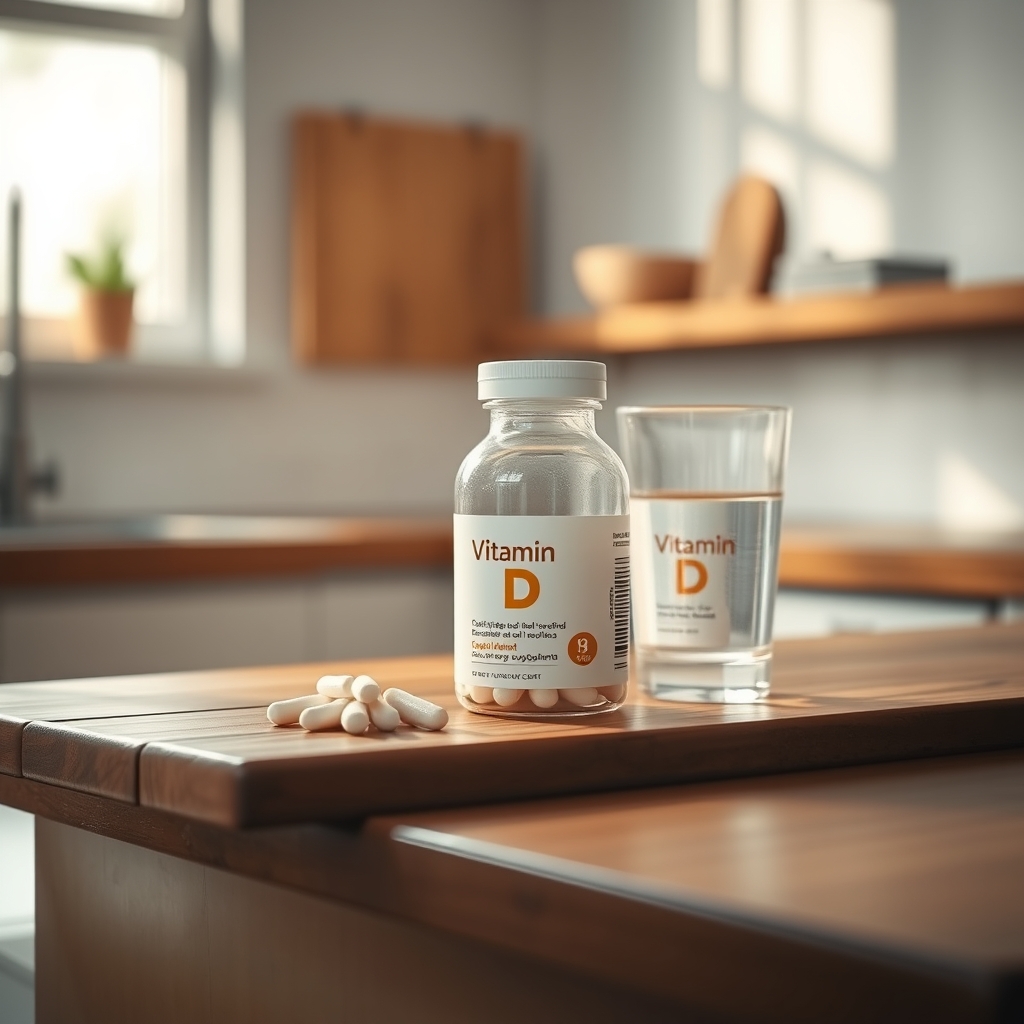
Safe during pregnancy: Vitamin D supports fetal development, but stick to 600 IU daily unless advised otherwise. Learn trimester-specific needs and alternatives.
By Shubhra Mishra — a mom of two who turned her own confusion during pregnancy into BumpBites, a global mission to make food choices clear, safe, and stress-free for every expecting mother. 💛
Check whether any food is safe during pregnancy with the BumpBites Food Safety Checker.
Quick verdict: ⚠️ Safe with limits. Vitamin D is generally considered safe for most pregnant people when taken at the recommended daily amount, but high‑dose supplements can increase the risk of toxicity and should be avoided without medical supervision.
It’s 2 a.m., the kitchen light is on, and you’re staring at a bottle of vitamin D wondering, “is vitamin D safe during pregnancy?” You might have already taken a dose or be considering a supplement because you read about its role in bone health. First, take a breath—you’re not alone, and the answer is clearer than the midnight fog.
In short, vitamin D is safe when you stay within the recommended daily allowance (RDA) and avoid high‑dose regimens unless a provider tells you otherwise. Below we break down what the American College of Obstetricians and Gynecologists (ACOG), the UK’s National Health Service (NHS), and the U.S. Food and Drug Administration (FDA) say about vitamin D intake in each trimester, how much you should aim for, which brands are trustworthy, and what safer alternatives exist.
We’ll also explore how vitamin D interacts with common pregnancy complications like preeclampsia and gestational diabetes, compare it to other prenatal nutrients, and give you a quick‑reference table so you can stop Googling and start feeling confident.
Keep the supplement within the recommended dose and pair it with sunlight for a balanced approach.
Trimester / Stage
Verdict
Notes
First trimester
⚠️ Safe with limits
RDA 600 IU; avoid >4,000 IU unless prescribed.
Second trimester
⚠️ Safe with limits
RDA 600 IU; high doses (>4,000 IU) can raise calcium levels.
Third trimester
⚠️ Safe with limits
RDA 600 IU; excess may affect fetal bone mineralization.
Breastfeeding
⚠️ Safe with limits
RDA 600 IU; some providers recommend 800–1,000 IU if deficient.
What is vitamin D?
Vitamin D is a fat‑soluble nutrient that helps the body absorb calcium and phosphorus—minerals essential for building strong bones and teeth. The two main dietary forms are vitamin D₂ (ergocalciferol) found in fortified foods and some mushrooms, and vitamin D₃ (cholecalciferol) derived from animal sources and skin exposure to ultraviolet‑B (UV‑B) sunlight.
Beyond bone health, vitamin D supports immune function, influences cell growth, and may play a role in reducing inflammation. Pregnant people often need extra vitamin D because the developing fetus relies on maternal stores for skeletal development, and some studies suggest adequate vitamin D may lower the risk of certain complications, such as preeclampsia.
Because the body can produce vitamin D when skin is exposed to sunlight, many get a baseline amount without supplements. However, factors like darker skin, higher latitudes, indoor lifestyles, and use of sunscreen can limit natural synthesis, prompting clinicians to recommend a modest supplement to meet the 600 IU daily recommendation for pregnant adults.
Is vitamin D safe during pregnancy?
C
urrent guidance from ACOG, the NHS, and the FDA indicates that vitamin D is safe for pregnant individuals when taken at the recommended dietary allowance of 600 IU per day. The ACOG Committee Opinion 736 (2022) states that supplementation up to 4,000 IU per day is considered safe for most pregnant people, but higher doses should only be used under medical supervision.
Both the NHS and the FDA echo this, noting that routine prenatal vitamins typically contain 400–600 IU of vitamin D, which meets the needs of most pregnant people without causing toxicity. The risk of vitamin D toxicity is low because it is a fat‑soluble vitamin that the body stores, and excess intake can lead to hypercalcemia—elevated calcium levels that may harm both mother and baby.
Most concerns arise from high‑dose supplementation (e.g., >4,000 IU daily) or misuse of concentrated vitamin D drops intended for infants. Large observational studies have not linked standard prenatal vitamin D doses to birth defects, but case reports of severe hypercalcemia have been documented when megadoses were taken without monitoring.
In short, if you stick to the RDA or a prenatal vitamin that includes vitamin D within those limits, you’re well within the safety zone. If you have a diagnosed deficiency, a provider may prescribe a higher dose, but that should always be monitored with blood tests.
Is vitamin D safe in the first trimester of pregnancy?
The first trimester is the period of organogenesis, when the fetus’s major organs are forming. During this critical window, ACOG advises that vitamin D supplementation at the RDA (600 IU) is safe and may even support proper bone and immune development.
Because the placenta begins to form early, adequate vitamin D helps regulate calcium transport to the developing embryo. However, the same safety limits apply: staying below 4,000 IU per day prevents the rare but possible risk of hypercalcemia, which could interfere with fetal heart rhythm and kidney function.
If you’re already taking a prenatal vitamin that includes 400–600 IU, you’re covered. If you’re considering an additional supplement, discuss it with your obstetric provider, especially if you have a history of kidney stones or calcium metabolism disorders.
How much vitamin D should I take during the second trimester?
During the second trimester, the fetus’s skeletal system accelerates, increasing the demand for calcium and, by extension, vitamin D. The RDA remains at 600 IU for pregnant adults, and most prenatal vitamins continue to supply this amount.
Evidence from a 2021 systematic review in the Journal of Clinical Endocrinology & Metabolism (cited by the NHS) suggests that maintaining serum 25‑hydroxyvitamin D levels between 30–50 ng/mL reduces the risk of low birth weight. Achieving this range typically requires the standard 600 IU dose unless you have a documented deficiency.
If your provider has measured your blood vitamin D level and found it low, a prescription of 1,000–2,000 IU may be recommended, but this should be individualized and monitored with repeat testing.
What are the risks of high‑dose vitamin D supplementation while pregnant?
High‑dose vitamin D (>4,000 IU daily) can lead to hypercalcemia, which may cause nausea, vomiting, weakness, and in severe cases, kidney stones or impaired fetal bone mineralization. The CDC warns that sustained hypercalcemia can reduce blood flow to the placenta, potentially affecting fetal growth.
Rare case reports describe infants born with neonatal hypercalcemia when mothers took megadoses of vitamin D without monitoring. Symptoms in the newborn can include poor feeding, irritability, and dehydration, requiring immediate medical attention.
Because the body stores vitamin D in fat tissue, excess intake does not get cleared quickly. Therefore, any increase above the 4,000 IU threshold should be done only under a provider’s direction, with periodic serum calcium and 25‑hydroxyvitamin D testing.
Can I use different vitamin D supplement brands safely during pregnancy?
Most reputable brands adhere to the United States Pharmacopeia (USP) or the European Pharmacopoeia standards for purity and potency. Look for products that state “USP‑verified” or “Pharmacopeial grade” and provide a clear dosage of 400–600 IU per tablet or softgel.
Brands such as Nature Made, Garden of Life, and Carlson Labs are often recommended by clinicians because they undergo third‑party testing and avoid excessive fillers. Avoid “mega‑dose” products marketed for bone health that exceed 2,000 IU per serving unless prescribed.
Read the label carefully: the amount of vitamin D per serving should be explicit, and the product should not contain hidden sources of vitamin D₂ or D₃ that could push you over the safe limit.
Are there safer alternatives to vitamin D for pregnant women?
Daily sunlight exposure (15‑30 minutes) – natural UV‑B triggers the body’s own vitamin D synthesis.
Fortified orange juice – often contains 100 IU per cup, providing a gentle boost without high doses.
Egg yolks – a whole‑food source delivering about 40 IU per yolk.
UV‑exposed mushrooms – offer vitamin D₂ (≈100 IU per cup) for plant‑based diets.
Prenatal multivitamin that includes vitamin D within recommended limits – simplifies dosing.
Calcium‑fortified plant milks – many contain 100–150 IU per serving plus calcium.
How does vitamin D affect pregnancy complications like preeclampsia?
Observational studies, including a 2020 meta‑analysis published in Hypertension in Pregnancy, have found an association between low maternal vitamin D levels and an increased risk of preeclampsia. While causality isn’t proven, ACOG notes that adequate vitamin D may support immune modulation and vascular health, potentially lowering preeclampsia risk.
Supplementation to achieve serum levels above 30 ng/mL is often suggested for women at high risk of preeclampsia, but the evidence is not strong enough to make it a universal recommendation. Discuss your personal risk factors with your provider, who may order a vitamin D test as part of a broader preeclampsia screening.
What is the recommended daily allowance of vitamin D for each trimester?
Trimester
Recommended Daily Allowance (RDA)
Typical prenatal vitamin content
First trimester
600 IU (15 µg)
400–600 IU
Second trimester
600 IU (15 µg)
400–600 IU
Third trimester
600 IU (15 µg)
400–600 IU
Breastfeeding
600 IU (15 µg) – may increase to 800–1,000 IU if deficient
400–600 IU
Is vitamin D safe for pregnant women with gestational diabetes?
Gestational diabetes does not contraindicate vitamin D supplementation. In fact, several studies have suggested that adequate vitamin D status may improve glucose tolerance. The ACOG Committee Opinion 736 (2022) states that standard prenatal vitamin D doses (400–600 IU) are safe for women with gestational diabetes, but megadoses should still be avoided unless a specialist recommends them.
Because gestational diabetes can affect calcium metabolism, it’s prudent to have serum vitamin D and calcium tested periodically. If levels are low, a modest increase (up to 2,000 IU) under medical guidance may be beneficial.
Natural food sources can complement a modest supplement dose.
Safe dosage / amount / brands
For most pregnant people, the safe daily intake of vitamin D is 600 IU (15 µg). The tolerable upper intake level (UL) set by the Institute of Medicine is 4,000 IU per day for adults, including pregnant individuals. Exceeding this amount increases the risk of hypercalcemia.
When choosing a supplement, look for these features:
Form: Vitamin D₃ (cholecalciferol) is the preferred form for absorption; D₂ is acceptable but less potent.
Dosage per tablet: 400–600 IU is typical for prenatal vitamins; higher doses should be labeled as “prescription strength.”
Third‑party testing: USP Verified, NSF Certified, or ConsumerLab approved.
Ingredients: Minimal fillers, no unnecessary herbals, and free of allergens you may be sensitive to.
Examples of reputable brands (U.S. market) that meet these criteria include:
Nature Made Vitamin D3 600 IU softgels – USP‑verified.
Garden of Life Vitamin D3 800 IU – Certified organic, vegan‑friendly (use only if prescribed).
Carlson Labs Vitamin D3 1,000 IU – High potency but clearly labeled for prescription use.
If you prefer a prenatal multivitamin that already contains vitamin D, options such as One A Day Prenatal or Ritual Prenatal Multivitamin provide 400–600 IU per tablet, fitting within the safe range.
Side effects and risks
When taken within the recommended range, vitamin D rarely causes side effects. However, excessive intake can lead to:
Hypercalcemia – symptoms include nausea, vomiting, excessive thirst, and frequent urination.
Kidney stones – due to high calcium excretion.
Fetal bone over‑mineralization – a theoretical risk with severe maternal hypercalcemia.
These signs are uncommon, and most pregnant people will not experience them if they stay under 4,000 IU per day. If you notice persistent nausea, weakness, or unusual thirst, contact your provider promptly.
Safer alternatives
Daily sunlight exposure (15‑30 minutes) – natural synthesis without risk of overdose.
Fortified orange juice – provides modest vitamin D without pills.
Egg yolks – a whole‑food source that also supplies choline and protein.
UV‑exposed mushrooms – plant‑based vitamin D₂ source for vegetarians.
Prenatal multivitamin with vitamin D – simplifies dosing and ensures balanced nutrients.
Calcium‑fortified plant milks – combine calcium and vitamin D for bone health.
Related items — safety at a glance
Item
Verdict
One‑line note
Folic acid supplement
✅ Generally safe
Essential for neural‑tube development; 400‑800 µg daily.
Iron supplement
✅ Generally safe
Prevent anemia; may cause constipation.
Calcium supplement
✅ Generally safe
Supports bone health; avoid >2,500 mg/day.
Omega‑3 DHA prenatal supplement
✅ Generally safe
Supports fetal brain development; 200‑300 mg DHA recommended.
Prenatal multivitamin
✅ Generally safe
Combines folic acid, iron, vitamin D, and more.
Vitamin B12 supplement
✅ Generally safe
Important for vegans; 2.6 µg daily.
Magnesium supplement
✅ Generally safe
Can ease leg cramps; 350‑400 mg daily.
Iodine supplement
✅ Generally safe
Supports thyroid; 150 µg daily.
Myth vs. fact
Myth: “You need megadoses of vitamin D to prevent preeclampsia.”
Fact: Standard prenatal doses (400–600 IU) are sufficient for most; high doses have not proven additional benefit and may increase toxicity risk.
Myth: “Vitamin D toxicity can’t happen because it’s a vitamin.”
Fact: Vitamin D is fat‑soluble, so excess accumulates and can cause hypercalcemia, which is why the UL is set at 4,000 IU.
Myth: “If I eat fish, I don’t need any supplement.”
Fact: Fatty fish provides vitamin D, but most pregnant people still fall short of the RDA, especially in winter months, making a modest supplement advisable.
Key takeaways
Vitamin D is safe in pregnancy when kept at 600 IU daily, the amount found in most prenatal vitamins.
High‑dose supplementation (>4,000 IU) should only be used under a provider’s supervision.
Natural sources—sunlight, fortified foods, and certain animal or plant foods—can complement a modest supplement.
Choose reputable brands that disclose exact IU per serving and have third‑party testing.
Monitor for signs of hypercalcemia (nausea, excessive thirst) and alert your provider if they appear.
Frequently asked questions
What is the safe amount of vitamin D during pregnancy?
The safe amount is 600 IU (15 µg) per day for most pregnant people, which aligns with the RDA; up to 4,000 IU is the upper limit set by health authorities.
Can I take vitamin D supplements while pregnant?
Yes—most prenatal vitamins contain 400–600 IU of vitamin D, which is considered safe; higher doses should be taken only if prescribed and monitored.
Does vitamin D deficiency affect pregnancy outcomes?
Deficiency has been linked to a higher risk of preeclampsia, low birth weight, and gestational diabetes in some studies, so maintaining adequate levels is advisable.
Are high doses of vitamin D harmful to the baby?
Excessive doses (>4,000 IU daily) can cause maternal hypercalcemia, which may affect fetal bone development and increase the risk of neonatal complications.
Should I get my vitamin D levels checked during pregnancy?
Testing is recommended if you have risk factors for deficiency (e.g., limited sun exposure, darker skin, or dietary restrictions) or if you’re considering a dose higher than the standard prenatal amount.
Is vitamin D2 or D3 better for pregnant women?
Vitamin D₃ (cholecalciferol) is more efficiently converted to the active form in the body, making it the preferred choice for most supplements, though D₂ is acceptable if D₃ isn’t available.
Can I get enough vitamin D from diet alone while pregnant?
It’s challenging—few foods naturally contain high vitamin D, and most diets fall short of the 600 IU RDA, especially in winter, so a modest supplement is often recommended.
What are the signs of vitamin D overdose in pregnancy?
Symptoms include persistent nausea, vomiting, excessive thirst, frequent urination, and muscle weakness; if any appear, contact your provider promptly.
When to call your doctor
If you experience any of the following while taking vitamin D, seek medical attention:
Severe or persistent nausea/vomiting that doesn’t resolve with usual remedies.
Unusual thirst, frequent urination, or muscle weakness.
Signs of kidney stones (sharp flank pain, blood in urine).
Any concerns about dosage, especially if you’re considering doses above 4,000 IU.
Symptoms of preeclampsia (high blood pressure, swelling, headaches) – though not directly caused by vitamin D, they warrant immediate evaluation.
These guidelines are informational only and do not replace personalized medical advice. Always discuss supplementation with your obstetric provider.
References
American College of Obstetricians and Gynecologists. Committee Opinion No. 736: Vitamin D Supplementation During Pregnancy, 2022.
National Health Service (NHS). Vitamin D – Recommendations for pregnant and breastfeeding women, 2021.
U.S. Food and Drug Administration (FDA). Dietary Supplement Fact Sheet: Vitamin D, 2020.
Centers for Disease Control and Prevention (CDC). Vitamin D and Pregnancy, 2021.
World Health Organization (WHO). Guidelines on Micronutrient Supplementation in Pregnancy, 2020.
Journal of Clinical Endocrinology & Metabolism. Vitamin D Status and Birth Outcomes: A Systematic Review, 2021.
Hypertension in Pregnancy. Vitamin D Levels and Risk of Preeclampsia: Meta‑analysis, 2020.
Not sure about the label on Is Vitamin D Safe During Pregnancy products?
Snap the ingredients list and SafeFilter checks every ingredient for your stage — only 3 free scans this month, then you're locked until reset. Unlimited from $7/mo or lock $50/yr through Aug 31 (16 days left).
When Shubhra Mishra was expecting her first child in 2016, she was overwhelmed by conflicting food advice — one site said yes, another said never. By the time her second baby arrived in 2019, she realized millions of mothers face the same confusion.
That sparked a five-year journey through clinical nutrition papers, cultural diets, and expert conversations — all leading to BumpBites: a calm, compassionate space where science meets everyday motherhood.
Her long-term vision is to build a global community ensuring safe, supported, and free deliveriesfor every mother — because no woman should face pregnancy alone or uninformed. 🌿
🌍 Stand with mothers, shape safer guidance
Join a small circle of experts who review BumpBites articles so expecting parents everywhere can decide with confidence.