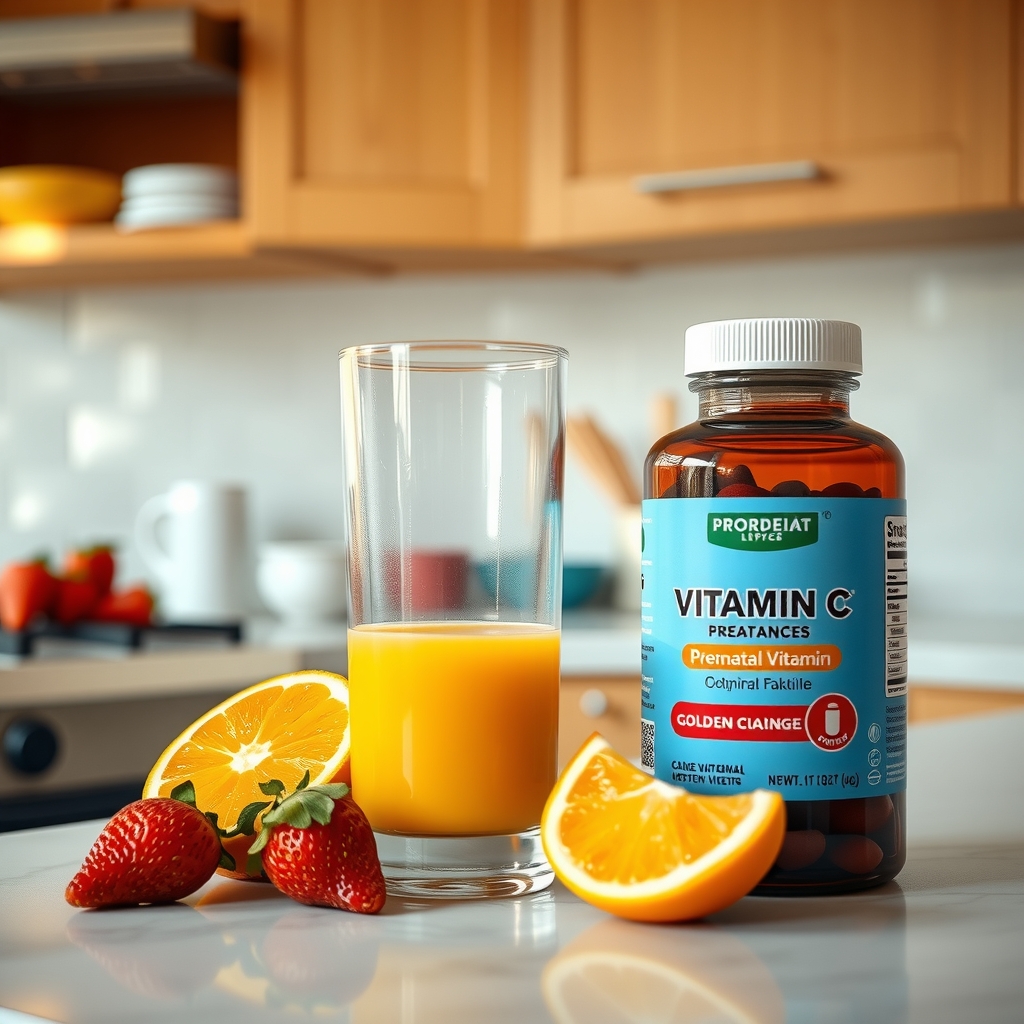
Safe in moderation. Vitamin C ascorbic acid is generally safe during pregnancy, but experts recommend limiting intake to 85 mg daily to avoid side effects like diarrhea.
By Shubhra Mishra — a mom of two who turned her own confusion during pregnancy into BumpBites, a global mission to make food choices clear, safe, and stress-free for every expecting mother. 💛
Check whether any food is safe during pregnancy with the BumpBites Food Safety Checker.
Quick verdict: ⚠️ Safe with limits – the typical prenatal dose of vitamin C (around 85 mg per day) is considered safe, but high‑dose supplements above 1,000 mg should be avoided during pregnancy. Staying within the recommended daily allowance keeps you and your baby healthy.
It’s 2 a.m., you’re scrolling through a list of supplements, and a sudden thought makes your heart race: “is vitamin C ascorbic acid safe during pregnancy?” You might already have a bottle on your nightstand, or you’re wondering if a citrus‑filled smoothie is the better choice. First, take a breath—you’re not alone, and the answer is clearer than the midnight fog.
In short, vitamin C is an essential nutrient that supports both you and your growing baby, and when taken at the right amount it is generally safe. This article walks through the official guidance, trimester‑specific considerations, recommended daily doses, potential risks of excessive intake, interactions with prenatal vitamins, and safer ways to meet your vitamin C needs.
We’ll also compare popular vitamin C brands, suggest natural food alternatives, and give you a quick‑reference table of related nutrients. By the end, you’ll know exactly how to keep your vitamin C intake pregnancy‑friendly and when a simple chat with your provider is the best next step.
Stage
Verdict
Notes
First trimester
⚠️ Safe with limits
RDA 85 mg; avoid >1,000 mg to reduce risk of kidney stones and false‑positive glucose tests.
Second trimester
✅ Generally safe
Standard prenatal dose (85–100 mg) poses no known teratogenic risk.
Third trimester
✅ Generally safe
Maintain RDA; high doses still not recommended.
Breastfeeding
✅ Safe
Continue 85 mg/day; excess may affect infant’s stool color but is not harmful.
Choosing fresh fruit or a modest supplement can both meet your daily vitamin C needs.
What is vitamin C (ascorbic acid)?
Vitamin C, chemically known as ascorbic acid, is a water‑soluble vitamin that your body cannot produce on its own. It acts as a powerful antioxidant, helping protect cells from oxidative stress, and is crucial for collagen synthesis—a protein that forms the structural backbone of skin, blood vessels, and the placenta. Vitamin C also enhances iron absorption from plant foods, supports immune function, and aids in the metabolism of folate, another key nutrient during pregnancy.
Most people obtain vitamin C from fruits and vegetables, especially citrus fruits, berries, and colorful peppers. When dietary intake falls short, many turn to over‑the‑counter supplements that come in tablet, chewable, or powdered forms. The typical prenatal vitamin already includes about 85 mg of vitamin C, matching the Recommended Dietary Allowance (RDA) set by the Institute of Medicine for pregnant women.
Because vitamin C is water‑soluble, excess amounts are usually excreted in urine, which is why toxicity is rare. However, the body can only absorb a limited amount at one time, and very large doses may overwhelm the kidneys, leading to the side effects discussed later.
Is vitamin C safe during pregnancy?
C
urrent guidance from the American College of Obstetricians and Gynecologists (ACOG) and the U.K.’s National Health Service (NHS) states that the RDA of 85 mg per day for pregnant women is safe and beneficial. The Food and Drug Administration (FDA) classifies vitamin C as “generally recognized as safe” (GRAS) when used at typical dietary levels. The upper tolerable intake level (UL) for adults, including pregnant people, is 2,000 mg per day, but many clinicians advise staying well below 1,000 mg to avoid gastrointestinal upset and potential kidney‑stone formation.
Large‑scale observational studies have not linked normal vitamin C intake to birth defects or miscarriage. However, a handful of smaller studies suggest that very high doses (≥2,000 mg) might interfere with glucose tolerance tests, leading to false‑positive results for gestational diabetes. Because of these nuances, most obstetricians recommend obtaining vitamin C from a balanced diet and, if needed, a modest supplement that does not exceed 500 mg per day.
Overall, the consensus among ACOG, NHS, and the World Health Organization (WHO) is that vitamin C, when taken within the recommended range, is safe for both mother and baby. The key is consistency—not occasional mega‑dosing.
Is it safe to take vitamin C supplements during the first trimester?
The first trimester is the period of organogenesis, when the baby’s major organs form. While some nutrients (like high‑dose vitamin A) are tightly regulated, vitamin C does not appear to pose a teratogenic risk. ACOG’s guidelines affirm that the standard prenatal dose of 85 mg is safe. The key concern is avoiding very high doses (>1,000 mg) that could cause gastrointestinal distress or affect early glucose testing.
If you’re already taking a low‑dose supplement (under 500 mg), you’re fine. If you’ve taken a mega‑dose supplement before realizing you were pregnant, most experts advise monitoring for stomach upset and discussing the situation with your provider, but the risk of harm is low. A brief pause in supplementation while you re‑evaluate your intake is usually all that’s needed.
Because the first trimester is a time of rapid change, many clinicians suggest focusing on whole‑food sources of vitamin C—like a glass of fresh orange juice or a handful of berries—rather than relying on pills. This approach delivers the nutrient in a natural matrix that supports steady absorption.
What is the recommended daily dosage of vitamin C for pregnant women?
Both ACOG and the NHS set the Recommended Dietary Allowance for pregnant adults at 85 mg per day. This amount can be met through a combination of foods and a modest supplement. The tolerable upper intake level (UL) is 2,000 mg per day, but many clinicians suggest staying under 1,000 mg to minimize side effects. A typical prenatal vitamin already supplies the RDA, so most pregnant people do not need additional high‑dose vitamin C tablets.
For reference, a medium orange provides roughly 70 mg, a cup of strawberries about 90 mg, and a half‑cup of red bell pepper about 95 mg. Including a variety of these foods each day comfortably meets the requirement without the risk of excess.
If you have a dietary restriction—such as a citrus allergy—or severe morning sickness that limits fruit intake, a low‑dose supplement (250 mg or less) can safely fill the gap. Always check the label to ensure you’re not inadvertently exceeding the safe ceiling.
Can high doses of vitamin C cause complications in pregnancy?
High doses—generally defined as more than 1,000 mg per day—can lead to gastrointestinal cramps, diarrhea, and an increased risk of calcium oxalate kidney stones, especially in individuals predisposed to stone formation. Some research indicates that very high vitamin C intake may interfere with the oral glucose tolerance test (OGTT) used to screen for gestational diabetes, potentially yielding a false‑positive result.
While these complications are uncommon, they are enough for obstetric societies to caution against mega‑dose supplementation. If you’ve been taking large amounts, consider tapering down to a prenatal‑compatible dose and discuss any symptoms with your provider.
It’s also worth noting that excessive vitamin C can increase urinary oxalate, which in turn may affect calcium balance. Pregnant people with a history of kidney stones should be especially vigilant and may need to limit vitamin C to the RDA level.
Are natural food sources of vitamin C safer than supplements for pregnant women?
Yes. Whole foods provide vitamin C in a matrix of fiber, flavonoids, and other nutrients that promote better absorption and reduce the likelihood of excess intake. For example, an orange delivers 70 mg of vitamin C along with potassium and folate, whereas a synthetic 500 mg tablet offers the vitamin alone. The NHS specifically recommends meeting nutrient needs through food whenever possible, reserving supplements for gaps in the diet.
That said, if you have morning sickness or dietary restrictions that limit fruit intake, a low‑dose supplement (under 500 mg) is a safe and convenient backup. Pairing a supplement with a small snack containing iron can also improve tolerance.
Choosing a variety of colorful produce not only supplies vitamin C but also adds a suite of other antioxidants and phytonutrients that collectively support a healthy pregnancy.
Which vitamin C brands are considered safe for pregnancy?
Reputable brands that follow Good Manufacturing Practices (GMP) and list the exact amount of ascorbic acid per tablet are generally safe. Some widely‑trusted options include:
Nature Made Vitamin C 500 mg (USP‑verified)
Garden of Life Vitamin C Organic Whole Food (derived from organic fruits)
NOW Foods Vitamin C 250 mg (third‑party tested)
Thorne Research Vitamin C 500 mg (pharmaceutical‑grade)
Choose a product that provides no more than 500 mg per serving and avoid “mega‑dose” formulas that exceed 1,000 mg per tablet unless specifically advised by your clinician. Many brands also offer calcium ascorbate or sodium ascorbate forms, which are less acidic and may be gentler on the stomach—useful if you experience mild heartburn.
When evaluating a supplement, look for third‑party certifications such as USP, NSF, or ConsumerLab. These seals indicate that the product contains the amount of vitamin C claimed on the label and is free from harmful contaminants.
What are the risks of taking vitamin C while pregnant?
The main risks stem from excessive intake: gastrointestinal upset, diarrhea, and a heightened chance of kidney‑stone formation. Very high doses may also interfere with glucose tolerance testing, leading to unnecessary anxiety or additional testing. No credible evidence links normal vitamin C consumption to birth defects, miscarriage, or fetal growth restriction.
If you experience persistent stomach cramps, blood in the urine, or notice that a glucose test result seems unusually high, contact your provider promptly. These signs are rare but warrant professional evaluation.
How does vitamin C affect gestational diabetes risk?
Vitamin C’s antioxidant properties have been investigated for a potential protective role against gestational diabetes, but findings are mixed. Some small studies suggest that adequate vitamin C intake (meeting the RDA) may improve insulin sensitivity, while others show no significant effect. Importantly, mega‑dose vitamin C can skew glucose screening results, leading to false‑positive diagnoses.
Current guidelines from the American Diabetes Association (ADA) do not recommend vitamin C supplementation beyond the RDA for gestational diabetes prevention. Maintaining a balanced diet rich in fruits, vegetables, and whole grains remains the safest strategy.
For women already diagnosed with gestational diabetes, the ADA advises staying within the RDA and avoiding high‑dose supplements that could interfere with monitoring.
Can vitamin C interact with prenatal vitamins?
Vitamin C can enhance the absorption of non‑heme iron found in plant‑based foods and prenatal iron supplements. This interaction is generally beneficial, especially for women who are iron‑deficient. However, taking very high doses of vitamin C alongside a prenatal multivitamin can increase the risk of stomach upset.
Most prenatal vitamins already include the recommended 85 mg of vitamin C, so adding an extra high‑dose supplement is unnecessary and may cause the side effects described earlier. If you’re taking a separate iron supplement, pairing it with a small glass of orange juice or a low‑dose vitamin C tablet can improve iron uptake without overloading your system.
When combining supplements, always read labels for overlapping ingredients and discuss any plan with your obstetric provider to avoid accidental excess.
Safe dosage / amount / brands
Below is a quick reference for daily vitamin C intake during pregnancy:
Source
Typical amount per serving
Safe daily range
Notes
Orange (medium)
70 mg
70–85 mg
Provides potassium and folate.
Strawberries (1 cup)
90 mg
90–100 mg
Rich in fiber.
Red bell pepper (½ cup)
95 mg
95 mg
High in vitamin A; watch total vitamin A intake.
Vitamin C supplement (tablet)
250–500 mg
≤500 mg
Do not exceed 1,000 mg total from all sources.
When selecting a supplement, look for third‑party testing (USP, NSF, or ConsumerLab) and avoid “megadose” products that exceed 1,000 mg per tablet. If you’re already taking a prenatal multivitamin, additional supplementation is rarely needed.
Fresh fruits and veggies can easily meet your daily vitamin C needs without the risk of over‑consumption.
Side effects and risks
Most pregnant people tolerate the RDA of vitamin C without issue. When intake exceeds the tolerable upper limit, the following may occur:
Gastrointestinal upset: Cramping, nausea, and loose stools are the most common complaints.
Kidney stones: High doses increase urinary oxalate, which can form calcium oxalate stones in susceptible individuals.
False‑positive glucose test: Excess vitamin C can interfere with the oral glucose tolerance test, potentially leading to an erroneous gestational diabetes diagnosis.
Altered iron absorption: While vitamin C improves iron uptake, taking it on an empty stomach with iron supplements may cause stomach irritation.
If you notice persistent diarrhea, blood in the urine, or an unusually high glucose screening result, contact your obstetric provider promptly.
Safer alternatives
Oranges – a whole orange supplies the RDA and adds potassium.
Strawberries – sweet, antioxidant‑rich, and easy to add to breakfast.
Red bell peppers – a half‑cup gives nearly 100 mg of vitamin C plus vitamin A.
Kiwi fruit – small but dense, offering about 70 mg per fruit.
Broccoli – steamed florets provide 50 mg per cup and boost fiber.
Guava – one cup delivers over 200 mg, so a small portion meets the need.
Papaya – tropical flavor with 90 mg per cup, also a source of folate.
Tomato juice – a cup yields roughly 40 mg and can be a soothing beverage for morning sickness.
Related items — safety at a glance
Item
Verdict
One‑line note
Vitamin D
✅ Generally safe
Recommended 600–800 IU; excess can cause hypercalcemia.
Vitamin B12
✅ Generally safe
Essential for nerve health; 2.6 µg/day is adequate.
30 mg/day typical; excess can cause constipation and nausea.
Calcium supplement
✅ Generally safe
1,000 mg/day recommended; high doses may affect iron absorption.
Omega‑3 DHA
✅ Generally safe
200–300 mg/day supports fetal brain development.
Prenatal multivitamin
✅ Generally safe
Formulated to meet all RDA needs, including 85 mg vitamin C.
Vitamin A (retinol)
⚠️ Safe with limits
Upper limit 3,000 IU; excess linked to birth defects.
Magnesium
✅ Generally safe
350–400 mg/day helps with muscle cramps and sleep.
Myth vs. fact
Myth: “High‑dose vitamin C can prevent all pregnancy complications.”
Fact: While vitamin C supports immune health, there is no evidence that megadoses prevent complications; excessive intake can cause side effects.
Myth: “If I’m already taking a megadose supplement, my baby is at risk.”
Fact: Short‑term high intake is unlikely to cause fetal harm, but chronic excess should be avoided and discussed with your provider.
Myth: “All vitamin C supplements are the same, so brand doesn’t matter.”
Fact: Quality varies; choosing a reputable, third‑party‑tested brand ensures accurate dosing and purity.
Key takeaways
Standard prenatal vitamin C (≈85 mg) is safe throughout pregnancy.
Avoid megadose supplements (>1,000 mg) to reduce GI upset and kidney‑stone risk.
Meeting the RDA through whole foods—like oranges, strawberries, and red bell peppers—is the simplest, safest approach.
Choose reputable supplement brands that provide ≤500 mg per tablet if you need a boost.
Contact your provider if you experience persistent diarrhea, blood in urine, or an abnormal glucose test result.
Frequently asked questions
Can I take vitamin C supplements while pregnant?
Yes, you can, as long as the total daily amount stays at or below 500 mg in addition to what you get from food. The standard prenatal vitamin already contains the recommended 85 mg, which is considered safe.
What is the safe amount of vitamin C during pregnancy?
The safe amount is 85 mg per day, matching the RDA. Most experts advise not exceeding 1,000 mg total from all sources, with many recommending a ceiling of 500 mg to avoid side effects.
Does vitamin C cause miscarriage?
There is no credible evidence linking normal vitamin C intake (up to the RDA) with miscarriage. Only extremely high, unstudied doses could theoretically pose a risk, but such dosing is far beyond typical supplement use.
Are there any side effects of vitamin C for pregnant women?
When taken within recommended limits, side effects are rare. Excessive doses may cause stomach cramps, diarrhea, or increase the chance of kidney stones. High doses can also interfere with glucose tolerance testing.
Should I avoid vitamin C if I have gestational diabetes?
Gestational diabetes does not require avoiding vitamin C, but you should stay within the RDA and avoid megadoses that could skew glucose test results. Discuss any supplement use with your provider.
Is natural vitamin C from foods better than pills during pregnancy?
Yes. Whole foods provide vitamin C along with fiber, flavonoids, and other nutrients that improve absorption and reduce the chance of excess intake. Supplements are useful only when dietary intake falls short.
Can vitamin C interact with prenatal vitamins?
Vitamin C enhances iron absorption, which is beneficial for many pregnant women. However, taking large supplemental doses on top of a prenatal multivitamin can increase stomach upset. Stick to the amount already in your prenatal vitamin unless advised otherwise.
What should I do if I accidentally took a megadose of vitamin C before knowing I was pregnant?
Take a deep breath—short‑term high intake is unlikely to harm your baby. Monitor for gastrointestinal upset or kidney‑stone symptoms, and let your obstetric provider know what you took so they can offer reassurance or additional testing if needed.
Can I get enough vitamin C from a vegetarian diet?
Absolutely. Vegetarians can meet the RDA by eating a variety of citrus fruits, berries, kiwi, bell peppers, and leafy greens. A cup of strawberries or half a cup of red bell pepper each provide the full daily requirement.
When to call your doctor
If you notice any of the following, reach out to your obstetric provider promptly:
Persistent diarrhea or severe stomach cramps lasting more than 48 hours.
Blood in the urine or signs of kidney‑stone pain (sharp flank pain, nausea).
Abnormally high result on a glucose tolerance test that you suspect may be affected by supplement use.
Any allergic reaction such as rash, swelling, or difficulty breathing after taking a vitamin C product.
These guidelines are informational only and do not replace personalized medical advice. Always discuss supplement choices and any concerns with your healthcare team.
References
American College of Obstetricians and Gynecologists. “Nutrition During Pregnancy.” ACOG Committee Opinion, 2020.
National Health Service (UK). “Vitamin C.” NHS.uk, 2023.
U.S. Food and Drug Administration. “GRAS Notice: Ascorbic Acid.” FDA.gov, 2021.
World Health Organization. “Vitamin and Mineral Requirements in Human Nutrition.” WHO Technical Report Series, 2004.
American Diabetes Association. “Gestational Diabetes Mellitus.” Diabetes Care, 2022.
Mayo Clinic. “Vitamin C: How Much Should You Take?” MayoClinic.org, 2023.
Institute of Medicine. “Dietary Reference Intakes for Vitamin C.” National Academies Press, 2000.
Not sure about the label on Is Vitamin C Ascorbic Acid Safe During Pregnancy products?
Snap the ingredients list and SafeFilter checks every ingredient for your stage — only 3 free scans this month, then you're locked until reset. Unlimited from $7/mo or $50/yr.
When Shubhra Mishra was expecting her first child in 2016, she was overwhelmed by conflicting food advice — one site said yes, another said never. By the time her second baby arrived in 2019, she realized millions of mothers face the same confusion.
That sparked a five-year journey through clinical nutrition papers, cultural diets, and expert conversations — all leading to BumpBites: a calm, compassionate space where science meets everyday motherhood.
Her long-term vision is to build a global community ensuring safe, supported, and free deliveriesfor every mother — because no woman should face pregnancy alone or uninformed. 🌿
🌍 Stand with mothers, shape safer guidance
Join a small circle of experts who review BumpBites articles so expecting parents everywhere can decide with confidence.