

Quick verdict: ⚠️ Safe with limits. Turmeric latte can be enjoyed in pregnancy if you keep the curcumin dose low (generally no more than 500 mg per day) and watch for any stomach upset or blood‑pressure changes. Talk to your provider if you have a high‑risk pregnancy or are taking blood‑thinners.
It’s 2 a.m., the kitchen light is on, and you’ve just brewed a warm, golden‑colored latte. A sudden rush of worry hits you: is turmeric latte safe during pregnancy? You’re not alone. Many expectant parents wonder whether that comforting sip of spiced milk could affect their baby, especially after hearing mixed messages about “turmeric” and “pregnancy.”
Good news: the answer isn’t a simple “yes” or “no.” The current guidance from organizations like the American College of Obstetricians and Gynecologists (ACOG) and the UK's National Health Service (NHS) suggests that a modest amount of turmeric‑based drinks is generally okay, but high doses of curcumin—the active ingredient in turmeric—should be limited. In this article we’ll break down exactly what “moderate” means, how each trimester may change the risk profile, which brands are considered low‑risk, and what you can sip instead if you’d rather avoid the spice altogether.
We’ll also cover the signs that warrant a call to your provider, give you a quick‑look safety table, and answer the most common follow‑up questions. By the end, you’ll have a clear, evidence‑based picture of whether that turmeric latte belongs on your pregnancy menu.
For those who love the comforting ritual of a warm mug, we’ll also discuss milk alternatives, how to balance flavor with safety, and what to do if you’ve already enjoyed a few cups before you knew you were pregnant. The goal is to turn anxiety into confidence, so you can enjoy your favorite drinks without unnecessary worry.
| Trimester / Period | Verdict | Notes |
|---|---|---|
| First trimester | ⚠️ Safe with limits | Keep curcumin ≤ 500 mg/day; avoid concentrated extracts; monitor for nausea. |
| Second trimester | ⚠️ Safe with limits | Same dose limit; can be part of a balanced diet; watch blood‑pressure if hypertensive. |
| Third trimester | ⚠️ Safe with limits | Maintain ≤ 500 mg curcumin; avoid large amounts close to labor if you have contractions. |
| Breastfeeding | ⚠️ Safe with limits | Limited data; keep intake low; observe infant for any changes in feeding or sleep. |
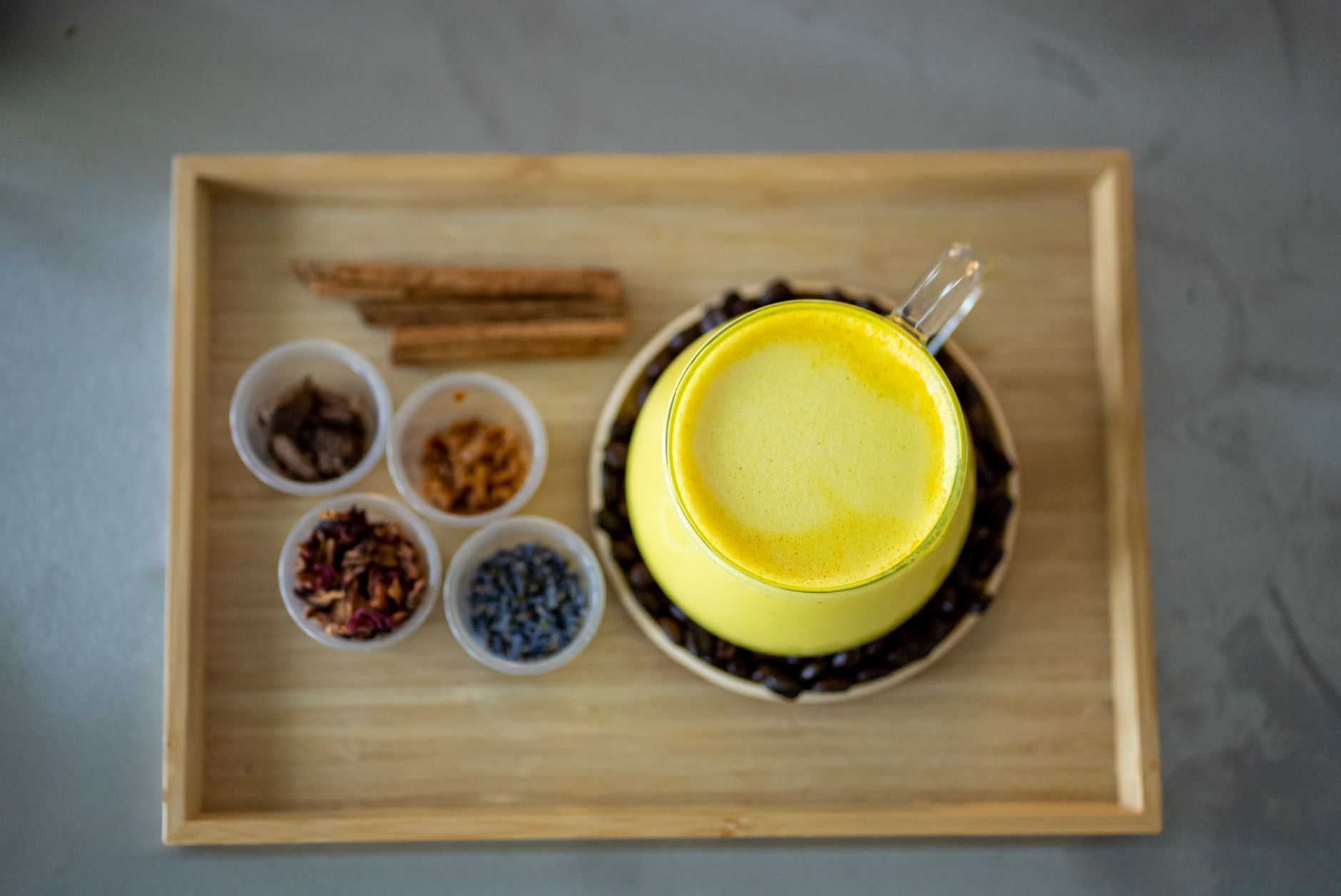
Turmeric latte, often called “golden milk,” is a beverage made by simmering milk (dairy or plant‑based) with turmeric powder, black pepper, and sometimes additional spices like ginger, cinnamon, or honey. The black pepper is added because it contains piperine, which boosts the absorption of curcumin—the bright yellow compound that gives turmeric its color and many of its purported health benefits. People drink it for its anti‑inflammatory properties, digestive comfort, and soothing warmth.
While turmeric is a common kitchen spice, the concentrated forms found in supplements or some “turmeric latte mixes” can contain far higher levels of curcumin. In a typical homemade latte, a teaspoon of ground turmeric provides roughly 200 mg of curcumin, but commercial blends can deliver 400 mg or more per serving, especially when combined with piperine. This difference matters because the safety thresholds during pregnancy are based on curcumin intake, not the volume of the drink.
Overall, most health authorities agree that culinary use of turmeric is safe, but they caution against high‑dose supplements. The ACOG Committee Opinion on herbal supplements (2022) notes that “large amounts of curcumin may have antiplatelet effects and could theoretically affect fetal development,” recommending that pregnant patients limit curcumin to less than 500 mg per day unless medically supervised. The NHS similarly advises that “turmeric used in cooking is fine, but concentrated extracts should be avoided.” The U.S. Food and Drug Administration (FDA) has not set a specific pregnancy‑specific limit for curcumin, classifying it as “generally recognized as safe” (GRAS) for food use at typical culinary levels.
Because a turmeric latte can be prepared in many ways, the safety of the drink hinges on the amount of curcumin per serving and how often you consume it. A single cup made with a teaspoon of ground turmeric (≈ 200 mg curcumin) and a pinch of black pepper is well within the safe range for most pregnant people. However, if you reach for a pre‑mixed “turmeric latte” powder that contains 400 mg or more of curcumin, you should limit yourself to one serving per day or less.
Is turmeric latte safe to drink during the first trimester?
The first trimester is the period of organogenesis, when the baby’s major organs are forming, so many clinicians advise extra caution with any substance that could act as a teratogen. Current evidence does not label turmeric as a teratogen, but the high‑dose curcumin in some latte mixes could theoretically affect platelet function and uterine blood flow. ACOG’s 2022 guidance suggests that pregnant people keep curcumin intake below 500 mg per day during this window. A single homemade latte (≈ 200 mg curcumin) is considered safe, but you should avoid concentrated extracts or “extra‑strength” blends.
If you have a history of miscarriage, unexplained bleeding, or are on anticoagulant medication, talk to your provider before adding turmeric latte to your diet, even at low doses. Otherwise, a modest, once‑daily cup is unlikely to pose a risk.
Is turmeric latte safe to drink during the second trimester?
During the second trimester, the baby’s growth accelerates and the placenta is fully functional. The same curcumin limit (≤ 500 mg/day) still applies, but the risk of teratogenic effects is lower than in the first trimester. Many obstetricians, including those at the Mayo Clinic, consider a daily turmeric latte safe for most pregnant patients, provided the drink is made from culinary‑grade turmeric and not a high‑dose supplement.
Women with gestational hypertension should monitor blood pressure closely, as curcumin can have mild blood‑pressure‑lowering effects. If you notice a drop in blood pressure after drinking a turmeric latte, discuss it with your provider.
Is turmeric latte safe to drink during the third trimester?
In the third trimester, the baby’s lungs mature and the body prepares for labor. Some anecdotal reports suggest that high doses of curcumin might stimulate uterine contractions, but scientific data are limited. Keeping curcumin under 500 mg per day remains the prudent approach. A single cup of turmeric latte is unlikely to trigger labor, but it’s wise to avoid “extra‑strength” blends as you approach your due date.
If you develop Braxton‑Hicks contractions that feel more intense after a turmeric latte, consider cutting back and monitoring the pattern. Your midwife or obstetrician can help you decide whether to continue the drink.
Is turmeric latte safe while breastfeeding?
After delivery, the limited data on curcumin exposure through breast milk suggest that small culinary amounts are unlikely to affect the infant. The American Academy of Pediatrics (AAP) has not issued a specific warning about turmeric in food, and the NHS advises that “moderate use of turmeric in cooking is compatible with breastfeeding.” Maintaining the ≤ 500 mg curcumin guideline (roughly one cup of latte) is a safe starting point.
Observe your baby for any unusual fussiness, changes in feeding patterns, or skin reactions. If any of these occur, reduce or eliminate turmeric latte and discuss with your pediatrician.
How much turmeric latte can a pregnant woman consume daily?
Because the safety threshold revolves around curcumin, the easiest rule of thumb is to keep the total curcumin from all sources under 500 mg per day. This translates to roughly one cup (≈ 250 ml) of homemade turmeric latte made with ½–1 teaspoon of ground turmeric, a pinch of black pepper, and your choice of milk. Commercial mixes often list the curcumin content per serving; if a packet contains 400 mg or more, limit yourself to half a serving or choose a lower‑dose brand.
For those who love the flavor but want to stay extra cautious, you can dilute the latte with extra milk or water, or reduce the turmeric to ¼ teaspoon, which brings curcumin down to about 100 mg per cup—well within the safety margin for any trimester.
Are there any turmeric latte brands that are safe for pregnancy?
When selecting a pre‑made mix, look for products that:
- Specify the curcumin amount per serving (ideally ≤ 200 mg).
- Contain only culinary‑grade turmeric, black pepper, and natural sweeteners—no added herbal extracts like fenugreek or high‑dose piperine.
- Are certified organic and free from synthetic additives.
Brands that commonly meet these criteria include Gaia Herbs Turmeric Latte Mix (organic, 150 mg curcumin per serving), Traditional Medicinals Golden Milk (100 mg curcumin per packet), and Four Sigmatic Turmeric Latte (180 mg curcumin per sachet). Always double‑check the label and, if in doubt, contact the manufacturer for exact curcumin content.
Can turmeric latte cause complications for pregnant women with high blood pressure?
Turmeric’s curcumin has mild antihypertensive properties, which can be beneficial for some but may cause a further drop in blood pressure for women already on antihypertensive medication. The NHS advises that “people with hypertension should use turmeric sparingly and under medical supervision.” If you have gestational hypertension or are taking medication like labetalol or nifedipine, limit your turmeric latte to no more than ½ cup per day and monitor your blood pressure at home.
Should you notice dizziness, light‑headedness, or a sudden drop in blood pressure after a latte, stop the drink and contact your obstetrician promptly.
Does turmeric latte affect labor and delivery?
There is limited direct research on turmeric latte and the timing of labor. Curcumin’s potential to influence uterine muscle tone is mostly studied in vitro, with mixed results. Most clinicians, including those at the Royal College of Obstetricians and Gynaecologists (RCOG), advise pregnant people to avoid high‑dose curcumin supplements in the weeks leading up to delivery. A modest, once‑daily turmeric latte (≤ 200 mg curcumin) is unlikely to affect labor, but it’s wise to stop or reduce intake in the final two weeks if you have a history of preterm labor.
Safe dosage / amount / brands
| Item | Typical safe amount per day | Notes / recommended brands |
|---|---|---|
| Homemade turmeric latte (1 tsp turmeric) | ≈ 200 mg curcumin | Safe each trimester; use organic turmeric; add ¼ tsp black pepper. |
| Gaia Herbs Turmeric Latte Mix | 150 mg curcumin per serving | One serving daily; certified organic; avoid extra‑strength versions. |
| Four Sigmatic Turmeric Latte | 180 mg curcumin per sachet | One sachet per day; contains mushroom blend (generally safe). |
| Traditional Medicinals Golden Milk | 100 mg curcumin per packet | Two packets per day still < 500 mg; good for third trimester. |
Side effects and risks
Most pregnant people tolerate a modest turmeric latte without issue. However, potential side effects include:
- Gastrointestinal upset – nausea, heartburn, or diarrhea, especially if you consume large amounts or have a sensitive stomach.
- Blood‑pressure changes – mild lowering of blood pressure, which could be problematic for those on antihypertensive meds.
- Antiplatelet effect – curcumin may thin the blood slightly; if you’re taking aspirin or other blood thinners, discuss with your provider.
- Allergic reaction – rare, but possible; watch for rash, itching, or swelling.
If you experience any of the following, call your provider right away: severe abdominal pain, persistent vomiting, sudden dizziness, rapid heartbeat, or signs of bleeding (unusual bruising, pink‑ish urine). These could indicate a more serious reaction or an interaction with other medications.
Safer alternatives to turmeric latte for pregnant women
- Golden milk with ginger – offers anti‑inflammatory benefits without high curcumin levels.
- Cinnamon latte – warm, soothing, and safe in typical culinary amounts.
- Plain warm milk – simple source of calcium and protein.
- Herbal chamomile tea – calming and generally recognized as safe in pregnancy.
- Peppermint tea – helps with nausea and is pregnancy‑friendly.
- Warm almond milk with honey – dairy‑free option providing gentle sweetness.
- Turmeric‑free spiced latte (e.g., cardamom or vanilla) – delivers flavor without curcumin.
Related items — safety at a glance
| Item | Verdict | One‑line note |
|---|---|---|
| Turmeric tea | ⚠️ Safe with limits | Usually contains 100‑200 mg curcumin per cup; avoid concentrated extracts. |
| Golden milk | ⚠️ Safe with limits | Same curcumin content as latte; watch portion size. |
| Ginger latte | ✅ Generally safe | Ginger is approved for nausea in pregnancy; no curcumin. |
| Matcha latte | ✅ Generally safe | Contains caffeine; limit to 200 mg caffeine per day. |
| Cinnamon latte | ✅ Generally safe | Small amounts of cinnamon are fine; avoid large doses (≥ 1 tsp) due to coumarin. |
| Herbal chai | ⚠️ Safe with limits | Check for unsafe herbs like licorice or high‑dose fennel. |
| Coconut milk latte | ✅ Generally safe | Low in curcumin; watch for added sugars. |
| Chamomile tea | ✅ Generally safe | Moderate consumption is fine; avoid large quantities if you have known allergies. |
Myth vs. fact
Myth: Turmeric latte can cure all pregnancy ailments.
Fact: While turmeric has anti‑inflammatory properties, it is not a cure‑all; benefits are modest and should be part of a balanced diet.
Myth: Any amount of turmeric is safe because it’s a kitchen spice.
Fact: Concentrated curcumin supplements or high‑dose latte mixes can exceed the safe 500 mg/day threshold and should be limited.
Myth: Turmeric latte will induce labor.
Fact: There is no solid clinical evidence that normal culinary doses of turmeric trigger uterine contractions.
Myth: Turmeric latte is automatically safe for everyone, including those with medical conditions.
Fact: Women with hypertension, clotting disorders, or on blood‑thinners need individualized guidance; “safe with limits” may not apply to them.
Key takeaways
Frequently asked questions
Can I drink turmeric latte while pregnant?
Yes, you can enjoy a turmeric latte in pregnancy as long as you keep the curcumin intake under 500 mg per day—roughly one cup made with a teaspoon of ground turmeric.
What are the benefits of turmeric latte during pregnancy?
Turmeric latte may provide mild anti‑inflammatory and antioxidant benefits, and the warm milk base offers calcium and protein, which support fetal bone development.
Is it safe to consume turmeric supplements in pregnancy?
High‑dose turmeric supplements are not recommended during pregnancy; they often exceed the 500 mg curcumin limit and can affect blood clotting.
How much curcumin is safe for pregnant women?
Current guidance from ACOG and the NHS suggests staying below 500 mg of curcumin per day, which is roughly the amount in one cup of homemade turmeric latte.
Can turmeric latte cause uterine contractions?
There is no strong evidence that normal culinary amounts of turmeric latte induce uterine contractions, but very high doses of curcumin could theoretically affect uterine tone.
Are there any side effects of turmeric latte for pregnant moms?
Most side effects are mild and include stomach upset, heartburn, or a slight drop in blood pressure; severe reactions are rare but should be reported to a provider.
What if I already drank a turmeric latte before I knew I was pregnant?
One or two servings of a standard turmeric latte contain far less curcumin than the 500 mg daily limit, so the risk is minimal; continue to monitor your intake and follow the guidelines moving forward.
Is turmeric latte safe for gestational diabetes?
Turmeric itself does not significantly raise blood sugar, but sweetened latte mixes can add extra calories; choose unsweetened versions and keep portion sizes modest to avoid unnecessary glucose spikes.
Can I use almond or oat milk in my turmeric latte?
Yes, plant‑based milks like almond, oat, or soy are safe alternatives; just ensure the milk is fortified with calcium and vitamin D for pregnancy nutrition.
When to call your doctor
Contact your obstetrician or midwife right away if you experience any of the following after drinking turmeric latte:
- Severe or persistent abdominal pain
- Heavy or unusual vaginal bleeding
- Rapid heartbeat or feeling faint
- Sudden drop in blood pressure (dizziness, fainting)
- Allergic reaction symptoms such as rash, swelling, or breathing difficulty
- Unexplained swelling of hands or feet (possible sign of preeclampsia)
- Persistent nausea or vomiting lasting more than 24 hours
These signs could indicate a reaction that needs medical evaluation. Remember, this article provides general information and does not replace personalized medical advice.
References
- American College of Obstetricians and Gynecologists. Committee Opinion No. 746: Use of Herbal Supplements During Pregnancy. 2022.
- National Health Service (NHS). Turmeric: Food and health. Updated 2023.
- U.S. Food and Drug Administration (FDA). GRAS Notices for Turmeric and Curcumin. Accessed 2024.
- Centers for Disease Control and Prevention (CDC). Pregnancy Nutrition Guidelines. 2023.
- Mayo Clinic. Turmeric: Benefits and risks—what pregnant women should know. 2023.
- Royal College of Obstetricians and Gynaecologists (RCOG). Guidance on Herbal Medicines in Pregnancy. 2022.
- American Academy of Pediatrics (AAP). Breastfeeding and Maternal Diet. 2023.


