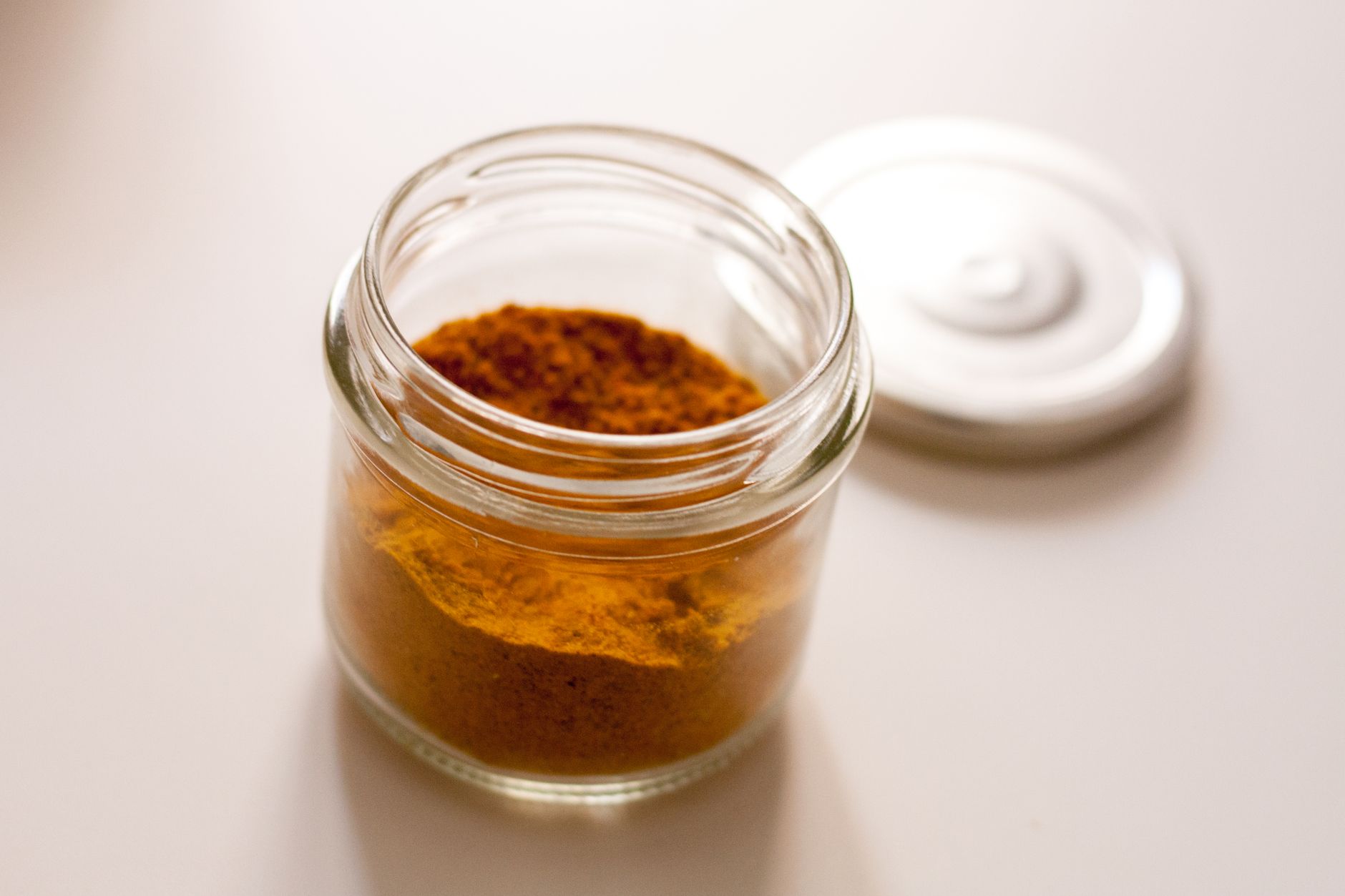
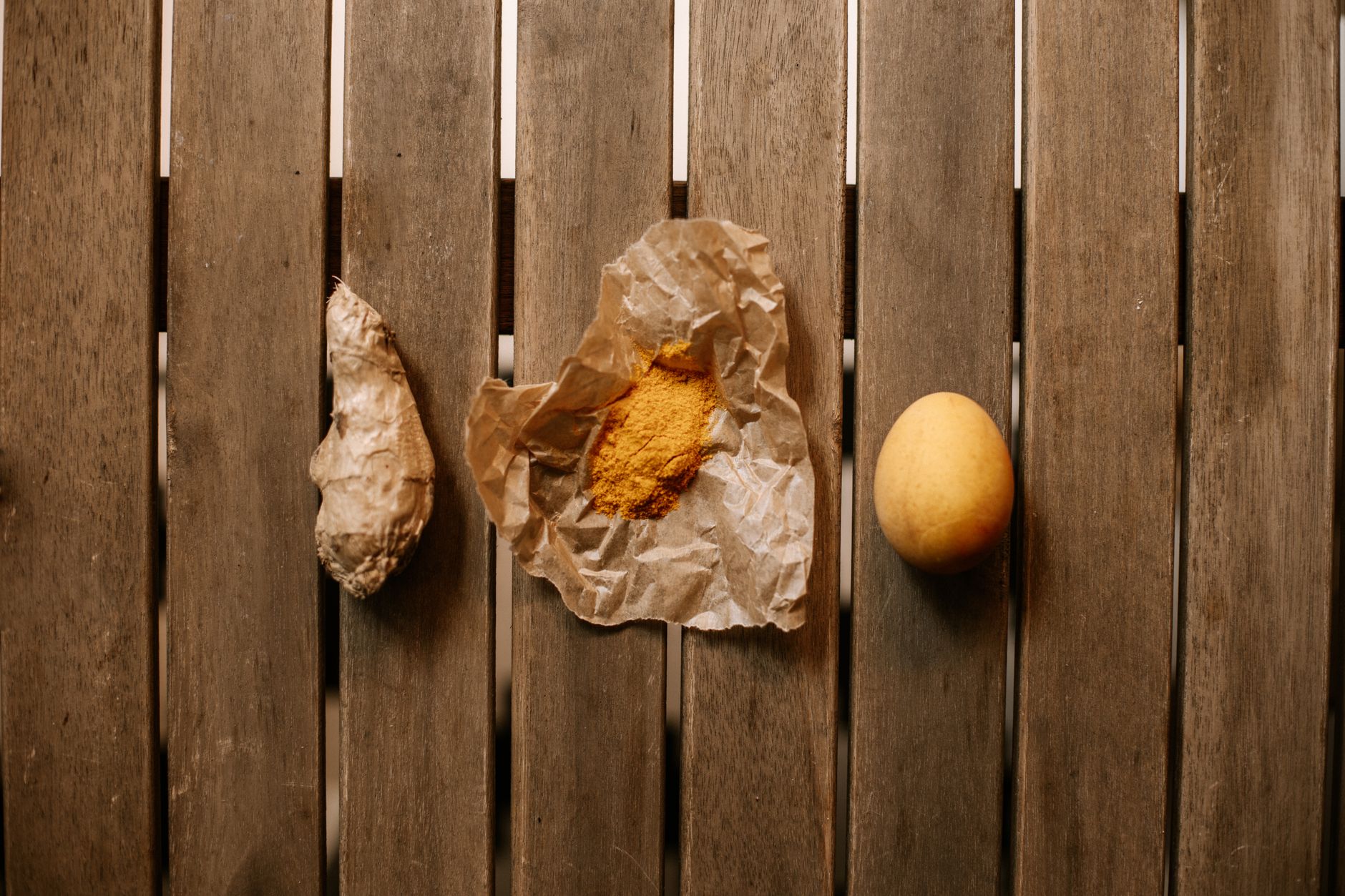
Limit high-dose turmeric curcumin during pregnancy. Experts recommend avoiding doses over 500–1,000 mg daily, especially in the first trimester, due to potential risks.
By Shubhra Mishra — a mom of two who turned her own confusion during pregnancy into BumpBites, a global mission to make food choices clear, safe, and stress-free for every expecting mother. 💛
Check whether any food is safe during pregnancy with the BumpBites Food Safety Checker.
Quick verdict: ❌ High‑dose turmeric curcumin is best avoided during pregnancy. While small culinary amounts are generally considered safe, the large amounts found in many supplements exceed the limits that obstetric experts recommend for expectant mothers.
It’s completely understandable to feel a surge of worry the moment you discover a supplement label that reads “turmeric curcumin 500 mg” or higher, especially if you’ve already taken a few doses before you knew you were pregnant. You’re not alone—many expectant parents experience that 3 a.m. “what‑if” moment when they spot a familiar spice or supplement in their medicine cabinet. The good news is that, with a clear understanding of the evidence, you can make choices that protect both you and your baby without living in constant fear.
In short, the answer to the question is turmeric curcumin high dose safe during pregnancy is no: most professional guidelines advise pregnant people to steer clear of high‑dose curcumin extracts. Below, we break down exactly what “high dose” means, how safety changes across each trimester, what the potential risks are, and which safer alternatives you can enjoy without worry.
We’ll also look at trusted supplement brands, compare culinary turmeric with concentrated curcumin extracts, and give you a quick‑reference table of related spices so you can make confident, informed choices for you and your baby. Plus, we’ll answer some of the most common follow‑up questions you might be typing into Google at 2 a.m. – from nausea relief to gestational diabetes concerns.
Keep your spice rack pregnancy‑friendly: favor culinary turmeric and soothing alternatives like ginger tea.
Trimester / breastfeeding
Verdict
Notes
1st trimester
❌ Avoid high‑dose curcumin
Risk of uterine stimulation during organogenesis.
2nd trimester
❌ Avoid high‑dose curcumin
Potential bleeding risk and interference with iron absorption.
3rd trimester
❌ Avoid high‑dose curcumin
May affect fetal growth and increase risk of preterm labor.
Breastfeeding
⚠️ Talk to your doctor
Limited data; small culinary amounts appear safe.
What is high‑dose turmeric curcumin?
Turmeric (Curcuma longa) is a golden‑yellow spice long used in Asian cooking and traditional medicine. The active compound responsible for most of its touted health benefits is curcumin, a polyphenol that gives turmeric its vibrant color. In culinary settings, a teaspoon of ground turmeric contains roughly 200 mg of curcumin, which is well within the range most nutritionists deem safe for daily consumption.
High‑dose turmeric curcumin refers to supplements that deliver concentrated extracts—often 500 mg, 1,000 mg, or more per capsule—far exceeding what you’d normally eat in a meal. These products sometimes include additional ingredients like black pepper extract (piperine) to boost curcumin’s absorption, which can further amplify its biological activity. People take high‑dose curcumin for its anti‑inflammatory, antioxidant, and joint‑support claims, but the safety profile changes dramatically when you’re pregnant. The heightened absorption means the body sees a much larger “dose” than the spice would ever provide on its own.
Because the supplement market is largely unregulated, the actual curcumin content can vary between batches, making it even harder to gauge a truly “safe” amount without professional guidance.
Is high‑dose turmeric curcumin safe during pregnancy?
C
urrent guidance from major obstetric authorities—including the American College of Obstetricians and Gynecologists (ACOG), the UK’s National Health Service (NHS), and the U.S. Food and Drug Administration (FDA)—recommends that pregnant people avoid high‑dose curcumin supplements. ACOG’s Committee Opinion on dietary supplements (2022) specifically notes that “large amounts of curcumin may stimulate uterine activity and should be used with caution or avoided during pregnancy.” The NHS similarly advises that “turmeric supplements in doses higher than those used in cooking are not recommended for pregnant women.”
The primary concern is that curcumin can act as a mild uterine stimulant, potentially increasing the risk of contractions, especially during the first trimester when the embryo is forming its organs (organogenesis). Additionally, curcumin’s antiplatelet effects may interfere with blood clotting, raising bleeding risk during delivery. While no large‑scale human trials have definitively linked curcumin supplements to birth defects, the precautionary principle—endorsed by the CDC and WHO—leads clinicians to advise against high‑dose use.
Most of the evidence comes from animal studies and limited human case reports, which have shown that very high curcumin concentrations can affect fetal development and maternal blood pressure. Because the data are not robust enough to declare high‑dose curcumin “safe,” the consensus is to err on the side of caution and avoid it.
Turmeric for nausea relief during pregnancy
Nausea and vomiting affect up to 80 % of pregnant people, especially in the first trimester. Some studies suggest that curcumin’s anti‑inflammatory properties could help settle an upset stomach, but the evidence is not strong enough to outweigh the potential uterine‑stimulation risk of high‑dose supplements. Safer, well‑studied options include ginger tea, vitamin B6 supplements, or acupressure wrist bands, all of which are endorsed by ACOG and the NHS for nausea relief.
Turmeric and gestational diabetes: what the evidence says
Gestational diabetes mellitus (GDM) is diagnosed when blood‑sugar levels rise during pregnancy. Preliminary research in non‑pregnant adults indicates that curcumin may improve insulin sensitivity, but the studies are small and often use high doses. Current obstetric guidelines (ACOG 2023) do not recommend curcumin supplements for GDM management, citing insufficient safety data. If you have GDM, focus on diet, regular exercise, and any medication prescribed by your provider.
Is high dose turmeric curcumin safe to take during the first trimester?
The first trimester is the most vulnerable period for fetal development. During this time, uterine smooth muscle is highly responsive to hormonal signals, and any external agent that could stimulate contractions—such as high‑dose curcumin—poses a theoretical risk. ACOG advises that pregnant people should avoid any supplement that could provoke uterine activity, including high‑dose turmeric curcumin, until after the first 12 weeks.
Even if you’ve already taken a low‑dose supplement early on, the best approach is to stop taking it and discuss any concerns with your obstetric provider. Most clinicians will reassure you that a single accidental dose is unlikely to cause harm, but they will recommend switching to culinary turmeric, which stays well below the risky threshold.
What is the maximum safe dosage of turmeric curcumin for pregnant women?
When we talk about “maximum safe dosage,” we refer to the amount of curcumin that is unlikely to cause uterine stimulation or bleeding complications. The consensus from ACOG and the NHS is that pregnant women should limit curcumin intake to the amount naturally found in food—approximately 200 mg per day, which corresponds to about one teaspoon of ground turmeric.
Supplement manufacturers often market “high‑dose” products containing 500 mg to 2,000 mg per capsule. Those doses far exceed the safe culinary threshold and are therefore not recommended. If you prefer a supplement, look for products that provide no more than 150–200 mg of curcumin per serving and contain no added piperine, which can increase absorption.
For people who have a history of clotting disorders or are taking blood‑thinners, even the lower‑dose supplements should be discussed with a healthcare provider before use.
Can turmeric curcumin supplements cause complications in pregnancy?
Yes, there are several ways high‑dose curcumin could complicate pregnancy. First, curcumin has mild antiplatelet activity, which may increase bleeding time—a concern during labor and delivery. Second, some animal studies have suggested that very high curcumin concentrations can affect fetal weight and organ development, although human data are limited.
Third, curcumin can interact with certain medications commonly prescribed during pregnancy, such as antihypertensives for gestational hypertension. The supplement may potentiate the blood‑pressure‑lowering effect, leading to dizziness or fainting. Finally, because many curcumin supplements contain black pepper extract (piperine) to boost bioavailability, they may also increase the absorption of other drugs, potentially altering their efficacy.
While most of these risks are theoretical or based on limited data, the precautionary stance taken by ACOG and the NHS reflects the principle of “do no harm.”
Are there safer turmeric or curcumin brands for pregnant women?
If you still wish to incorporate curcumin into your routine, choose a reputable brand that adheres to Good Manufacturing Practices (GMP) and provides transparent labeling. Look for products that:
Contain ≤ 200 mg of curcumin per serving.
Do not list piperine or other absorption enhancers.
Are third‑party tested for contaminants (e.g., heavy metals).
Are labeled “Pregnancy‑Safe” or “Safe for Expecting Mothers” based on clinical review.
Examples of brands that meet these criteria include PureGold (single‑dose 150 mg curcumin), Nature’s Way (200 mg per capsule, no piperine), and Garden of Life (organic turmeric powder with clear dosage guidance). Always double‑check the label and discuss with your provider before starting any new supplement.
How to discuss turmeric supplement use with your provider
When you bring up turmeric or any supplement, be clear about the dosage, frequency, and whether the product contains piperine. Your provider may ask about other medications, your iron status, or any history of bleeding disorders. Having the supplement bottle handy can help the conversation run smoothly, and most clinicians appreciate proactive patients who seek evidence‑based guidance.
What are the risks of taking high dose turmeric curcumin while pregnant?
The primary risks include:
Uterine stimulation: Potential to trigger contractions, especially in the first trimester.
Bleeding tendency: Antiplatelet effects may increase bleeding risk during delivery.
Interaction with medications: Enhanced absorption of antihypertensives or anticoagulants.
Iron absorption interference: Curcumin may bind iron, reducing its bioavailability—a concern for pregnant women who already have higher iron needs.
Potential fetal growth effects: Very high doses in animal studies have been linked to reduced fetal weight.
Most of these risks are theoretical or based on limited data, but the precautionary stance taken by ACOG and the NHS reflects the principle of “do no harm.”
What alternatives to turmeric curcumin are safe during pregnancy?
Ginger tea – gentle anti‑nausea and anti‑inflammatory properties without uterine stimulation.
Fresh lemon water – vitamin C rich, hydrating, and supports digestion.
Coconut water – natural electrolytes and mild antioxidant benefits.
Warm milk with honey – soothing, calcium‑rich, and safe in moderation.
Apple sauce – easy to digest, provides fiber and vitamin C.
Pumpkin puree – nutrient‑dense, offers beta‑carotene and potassium.
Chamomile tea (caffeine‑free) – calming, but limit to one cup a day as higher amounts may affect uterine tone.
Turmeric‑infused golden milk made with a pinch of culinary turmeric, almond milk, and a dash of honey – provides the flavor without exceeding the safe curcumin threshold.
How does high dose turmeric curcumin affect pregnancy‑related conditions like gestational hypertension?
Gestational hypertension is a condition where blood pressure rises after the 20th week of pregnancy. Some early‑stage studies have explored curcumin’s blood‑pressure‑lowering properties, but the evidence is not strong enough to recommend it as a therapy. Moreover, because curcumin can also act as a vasodilator, taking high doses without medical supervision could cause blood pressure to drop too low, leading to dizziness or fainting.
Current guidelines from the American Heart Association (AHA) and ACOG advise treating gestational hypertension with lifestyle modifications and, if needed, medication prescribed by a healthcare professional. Until more robust data emerge, high‑dose turmeric curcumin should not be used as a primary treatment for this condition.
Is there a difference between culinary turmeric and supplement‑grade curcumin for pregnant women?
Yes. Culinary turmeric is the whole spice used in cooking and contains only a modest amount of curcumin (about 2–5 % by weight). When you add a teaspoon of turmeric to a dish, you’re consuming roughly 200 mg of curcumin, which is well within the safety limits endorsed by the NHS and ACOG.
Supplement‑grade curcumin, on the other hand, isolates the active compound and often concentrates it to 95 % purity. A single capsule can therefore deliver 500 mg or more of curcumin—far exceeding the amount found in food. Because the body absorbs the isolated compound more efficiently—especially when combined with piperine—the physiological impact is much stronger, and the safety profile changes. In pregnancy, the culinary form is considered safe, while the high‑dose supplement is not.
Swap high‑dose turmeric supplements for soothing ginger tea or a pinch of culinary turmeric.
Safe dosage / amount / brands
Based on the guidance from ACOG, NHS, and FDA, the following dosage framework can help you stay within the safe range:
Source
Typical curcumin amount
Pregnancy safety
Notes
Culinary turmeric (1 tsp ground)
≈ 200 mg curcumin
✅ Generally safe
Use in cooking, soups, smoothies.
Standard curcumin capsule (500 mg)
≈ 500 mg curcumin
❌ Avoid
Exceeds safe culinary threshold.
High‑dose supplement (≥ 1,000 mg)
≥ 1,000 mg curcumin
❌ Avoid
Significant uterine and bleeding risk.
Low‑dose supplement (150 mg)
≈ 150 mg curcumin
⚠️ Talk to provider
May be acceptable if no other risk factors.
If you choose a low‑dose supplement, select brands that disclose the exact curcumin content, avoid added piperine, and have third‑party testing. Always discuss any supplement with your obstetrician, especially if you’re taking prenatal vitamins, antihypertensives, or anticoagulants.
Side effects and risks
Most pregnant people who consume culinary turmeric experience no adverse effects. However, high‑dose curcumin can lead to:
Gastrointestinal upset (nausea, diarrhea)
Increased bleeding tendency (easy bruising, prolonged bleeding from cuts)
Uterine cramping or contractions (particularly concerning in the first trimester)
Potential interaction with blood‑pressure medications, causing dizziness or faintness
Reduced iron absorption, which could exacerbate anemia
If you notice any of the following, contact your provider promptly: unexplained vaginal bleeding, severe abdominal cramps, sudden drop in blood pressure, or signs of anemia such as fatigue and pallor.
Safer alternatives
Ginger tea – effective for nausea without stimulating the uterus.
Fresh lemon water – vitamin C boost and gentle digestive aid.
Coconut water – natural electrolyte source, safe hydration.
Warm milk with honey – soothing, calcium‑rich, safe in moderation.
Apple sauce – easy to digest, provides fiber and vitamin C.
Pumpkin puree – nutrient‑dense, offers beta‑carotene and potassium.
Chamomile tea (caffeine‑free) – calming, but limit to one cup a day.
Golden milk with a pinch of culinary turmeric – delivers flavor while staying within safe curcumin limits.
Related items — safety at a glance
Item
Verdict
One‑line note
Turmeric powder (culinary)
✅ Generally safe
Up to ~1 tsp (≈ 200 mg curcumin) per day is fine.
Curcumin capsules
❌ Avoid high dose
Standard 500 mg+ capsules exceed safe limits.
Ginger root
✅ Safe
Soothes nausea; no uterine stimulation.
Cinnamon sticks
✅ Safe
Use in moderation; high doses may affect blood sugar.
Garlic cloves
✅ Safe
Antiplatelet effects are mild; culinary amounts are fine.
Black pepper
✅ Safe
Enhances curcumin absorption; use sparingly.
Saffron threads
⚠️ Talk to doctor
Limited data; avoid large culinary quantities.
Fenugreek seeds
⚠️ Talk to doctor
May affect blood sugar; discuss with provider.
Chamomile tea
✅ Safe (limit 1 cup/day)
Generally calming; excessive intake may affect uterine tone.
Licorice root
⚠️ Talk to doctor
Can raise blood pressure; avoid high doses.
Myth vs. fact
Myth: “Turmeric supplements are natural, so they’re automatically safe for pregnancy.”
Fact: Natural does not equal safe. High‑dose curcumin can stimulate the uterus and affect blood clotting, which is why obstetric guidelines advise avoiding it.
Myth: “If I eat curry with turmeric every day, I’m getting a therapeutic dose of curcumin.”
Fact: Culinary use typically provides far less curcumin (≈ 200 mg per teaspoon) than the amounts found in most supplements, and this level is considered safe.
Myth: “All turmeric supplements are the same; brand doesn’t matter.”
Fact: Brands differ in curcumin concentration, presence of absorption enhancers, and quality testing. Choosing a reputable, low‑dose, no‑piperine product is essential if you must use a supplement.
Myth: “A small amount of high‑dose curcumin is harmless because I’m only taking it once a week.”
Fact: Even intermittent high doses can raise curcumin levels enough to affect uterine activity or platelet function; consistent low‑dose, culinary use remains the safer approach.
Key takeaways
High‑dose turmeric curcumin supplements (≥ 500 mg) are best avoided during pregnancy.
Stick to culinary turmeric amounts (≈ 200 mg curcumin per teaspoon) if you want the flavor and mild benefits.
Low‑dose, no‑piperine supplements may be acceptable after discussing with your provider.
Watch for uterine cramps, unusual bleeding, or dizziness—these warrant a prompt call to your doctor.
Safe alternatives like ginger tea, fresh lemon water, and pumpkin puree can provide similar comfort without the risks.
Always keep your prenatal care team in the loop before adding any new supplement.
Frequently asked questions
Can I take turmeric supplements while pregnant?
No, high‑dose turmeric supplements are not recommended during pregnancy; only low‑dose, culinary‑level use is considered safe.
What are the side effects of high dose curcumin during pregnancy?
Potential side effects include uterine cramping, increased bleeding risk, gastrointestinal upset, and possible interactions with blood‑pressure or anticoagulant medications.
Is it safe to use turmeric in cooking during pregnancy?
Yes, using turmeric as a spice in normal culinary amounts (up to about one teaspoon per day) is generally regarded as safe for pregnant people.
How much turmeric can a pregnant woman consume daily?
A pregnant woman can safely consume roughly one teaspoon (≈ 200 mg curcumin) of ground turmeric each day, which is the amount typically found in home‑cooked meals.
Does turmeric cause miscarriage?
There is no solid evidence that normal culinary turmeric causes miscarriage, but high‑dose curcumin supplements may increase uterine activity, which could raise that risk.
Are there any benefits of turmeric for pregnant women?
In moderate culinary amounts, turmeric provides antioxidant and anti‑inflammatory compounds that may support overall health, but the evidence for specific pregnancy‑related benefits is limited.
Can turmeric interact with prenatal vitamins?
Turmeric’s antiplatelet properties can theoretically affect the absorption of certain nutrients, such as iron, and may interact with herbal components in prenatal vitamins; discuss any supplement use with your provider.
Should I avoid turmeric supplements in the third trimester?
Yes, high‑dose turmeric supplements should be avoided throughout the third trimester, as the risk of bleeding and potential effects on fetal growth remain.
Is ginger tea a safe alternative for nausea during pregnancy?
Yes, ginger tea is a well‑studied, pregnancy‑safe option for nausea and is recommended by ACOG and the NHS as a first‑line remedy.
What should I do if I’ve already taken a high‑dose curcumin supplement before knowing I was pregnant?
Take a deep breath—most experts agree that a single accidental dose is unlikely to cause harm. Still, contact your obstetric provider to discuss the exact amount taken and any symptoms you may be experiencing.
When to call your doctor
If you experience any of the following, reach out to your obstetric provider right away:
Unexplained vaginal bleeding or spotting.
Severe abdominal or uterine cramps.
Dizziness, fainting, or sudden drops in blood pressure.
Signs of anemia (fatigue, pallor, shortness of breath).
Unusual bruising or prolonged bleeding from minor cuts.
These symptoms could indicate that high‑dose curcumin is affecting your pregnancy, and a professional evaluation is essential. Remember, this article provides general information and is not a substitute for personalized medical advice.
References
American College of Obstetricians and Gynecologists. Committee Opinion on Dietary Supplements in Pregnancy, 2022.
National Health Service (NHS). “Turmeric and pregnancy,” UK, 2023.
U.S. Food and Drug Administration (FDA). “Dietary Supplement Health and Safety,” 2022.
Centers for Disease Control and Prevention (CDC). “Pregnancy and Nutrition,” 2021.
World Health Organization (WHO). “Guidelines on Food Safety and Nutrition for Pregnant Women,” 2020.
American Heart Association. “Gestational Hypertension Management,” 2021.
Mayo Clinic. “Turmeric: Benefits and Risks,” 2022.
National Institute for Health and Care Excellence (NICE). “Nutrition in Pregnancy,” 2023.
Not sure about the label on Is Turmeric Curcumin High Dose Safe During Pregnancy products?
Snap the ingredients list and SafeFilter checks every ingredient for your stage — only 3 free scans this month, then you're locked until reset. Unlimited from $7/mo or lock $50/yr through Aug 31 (16 days left).
When Shubhra Mishra was expecting her first child in 2016, she was overwhelmed by conflicting food advice — one site said yes, another said never. By the time her second baby arrived in 2019, she realized millions of mothers face the same confusion.
That sparked a five-year journey through clinical nutrition papers, cultural diets, and expert conversations — all leading to BumpBites: a calm, compassionate space where science meets everyday motherhood.
Her long-term vision is to build a global community ensuring safe, supported, and free deliveriesfor every mother — because no woman should face pregnancy alone or uninformed. 🌿
🌍 Stand with mothers, shape safer guidance
Join a small circle of experts who review BumpBites articles so expecting parents everywhere can decide with confidence.