Limit: Titanium dioxide should stay below 2 mg/kg body weight during pregnancy, particularly in the first trimester, as higher doses may affect fetal development.
By Shubhra Mishra — a mom of two who turned her own confusion during pregnancy into BumpBites, a global mission to make food choices clear, safe, and stress-free for every expecting mother. 💛
Check whether any food is safe during pregnancy with the BumpBites Food Safety Checker.
Quick verdict: ⚠️ Safe with limits. Titanium dioxide is generally considered low risk at typical exposure levels, but pregnant people should limit intake—especially of nanoparticle forms—and choose non‑nano or alternative products when possible.
Feeling a knot in your stomach after spotting titanium dioxide on a sunscreen label? You’re not alone. Many expecting parents ask, “is titanium dioxide safe during pregnancy?” The short answer is that normal dietary and topical exposure is usually low enough to be considered safe, but there are nuances—especially when it comes to nanoparticles and high‑dose supplements. In this article we’ll break down the current scientific consensus, trimester‑specific guidance, safe amounts, common sources, and safer alternatives so you can make informed choices without losing sleep.
We’ll start with a quick safety snapshot, then explain what titanium dioxide actually is, review the evidence from agencies like ACOG, the NHS, and the FDA, and dive into specifics for each trimester and breastfeeding. We’ll also cover dosage limits, reputable sunscreen brands, potential risks for conditions like eczema or asthma, and give you a handy comparison table of related ingredients. By the end you’ll know exactly how to navigate products containing titanium dioxide and feel confident about the next steps.
Stage
Verdict
Notes
First trimester
⚠️ Safe with limits
Limit exposure to non‑nanoparticle forms; avoid inhalation of powders.
Second trimester
✅ Generally safe
Typical dietary and topical amounts are well below any known risk threshold.
Third trimester
✅ Generally safe
Same as second trimester; focus on skin barrier health.
Breastfeeding
✅ Generally safe
Minimal transfer into breast milk; avoid aerosolized forms.
Titanium dioxide (TiO₂) is a white, opaque mineral used worldwide as a pigment and UV blocker. In its bulk form it reflects light, making it a staple in paints, sunscreens, and food colorings (identified as additive E171). When ground into very fine particles—especially nanoparticles under 100 nm—it becomes transparent, which is why it’s prized for “invisible” sunscreen formulas and smooth cosmetics. The compound is inert, meaning it doesn’t react chemically with the skin or food, but its tiny particles can be absorbed differently by the body, prompting regulatory scrutiny.
In short, is titanium dioxide safe during pregnancy? Current guidance from the American College of Obstetricians and Gynecologists (ACOG) and the UK’s NHS says that ordinary dietary exposure and topical use of non‑nano titanium dioxide are considered low risk. The U.S. Food and Drug Administration (FDA) classifies titanium dioxide as “generally recognized as safe” (GRAS) for use in food, though it has not set a specific Acceptable Daily Intake (ADI). The European Food Safety Authority (EFSA), however, recently concluded that nano‑titanium dioxide (E171) cannot be considered safe and set a temporary ADI of 0 mg/kg body weight, effectively recommending avoidance of nanoparticle forms. The World Health Organization (WHO) similarly advises minimizing inhalation of fine powders. Taken together, the consensus is that typical exposure—such as a few milligrams from a day’s diet or a thin sunscreen layer—is unlikely to harm the developing fetus, but caution is advised with high‑dose supplements or nano‑particle products.
Is titanium dioxide safe to use in the first trimester of pregnancy?
The first trimester is the period of organogenesis, when the fetus’s major organs form, making it the most sensitive window for potential teratogens. Studies to date have not linked normal topical or dietary titanium dioxide exposure to birth defects. However, because the first trimester is a precautionary period, many clinicians suggest limiting inhalation of powdered forms (e.g., loose powders or spray sunscreens) and opting for non‑nano versions. The NHS advises pregnant people to read product labels and avoid “nano‑titanium dioxide” when possible, especially in cosmetics applied near the nose or mouth.
How much titanium dioxide can a pregnant woman consume daily?
There is no official FDA ADI for titanium dioxide, but the EFSA’s temporary ADI of 0 mg/kg for nano‑particles translates into a practical recommendation to keep intake as low as reasonably achievable. Typical dietary exposure from processed foods (e.g., candies, sauces) averages 2–10 mg per day for adults, far below any level associated with toxicity. For most pregnant people, staying under 100 mg per day—equivalent to consuming roughly a dozen candy bars—provides a generous safety margin. If you are using a titanium dioxide supplement (rarely recommended), follow your provider’s dosage instructions and disclose use at prenatal visits.
What are the risks of titanium dioxide exposure during pregnancy?
The primary concerns revolve around nanoparticle absorption and inhalation. In animal studies, high doses of nano‑titanium dioxide have shown oxidative stress and mild inflammation, but human data are limited. The biggest documented risk is respiratory irritation from inhaling fine powders, which could exacerbate asthma—a condition already more common in pregnancy. Skin irritation is rare but can occur with high‑concentration cosmetics, especially if the product contains fragrance or other irritants. Overall, the consensus among ACOG and the CDC is that the risk of fetal harm from normal use is very low, provided exposure stays within typical consumer levels.
Are there safer alternatives to titanium dioxide in cosmetics for pregnant women?
Zinc oxide – provides broad‑spectrum UV protection and is inert on the skin.
Mica powder – natural sparkle without the need for synthetic pigments.
Iron oxides – safe, mineral‑based colorants used in many mineral makeup lines.
Plant‑based colorants (e.g., beetroot extract) – give gentle hues without mineral particles.
Titanium‑free mineral sunscreen – formulations using only zinc oxide or non‑nano mineral blends.
Silica (non‑nanoparticle) – used as a thickening agent and can replace titanium dioxide in some cosmetics.
Aluminum hydroxide – occasionally used as a pigment, though less common.
Natural clay pigments – such as kaolin or bentonite, offering subtle color and oil‑absorbing properties.
Which sunscreen brands contain titanium dioxide and are safe for pregnancy?
When choosing a sunscreen, look for “non‑nano titanium dioxide” on the ingredient list. Reputable brands that meet this criterion include:
Thinkbaby Safe Sunscreen SPF 50+ – zinc oxide primary, with a small amount of non‑nano titanium dioxide for texture.
Badger Baby Sunscreen SPF 30 – mineral‑only, using zinc oxide and non‑nano titanium dioxide.
Neutrogena Sheer Zinc Dry‑Touch Sunscreen SPF 50 – zinc oxide base with non‑nano titanium dioxide for a smooth finish.
Blue Lizard Australian Sunscreen SPF 30+ – contains non‑nano titanium dioxide blended with zinc oxide.
Vanicream Sunscreen SPF 30 – formulated without fragrance and uses non‑nano titanium dioxide.
Always verify the “non‑nano” claim on the packaging or website, as formulations can change. If you’re uncertain, opt for a 100 % zinc‑oxide sunscreen, which avoids titanium dioxide altogether.
Can titanium dioxide cause birth defects or miscarriage?
Current human data do not support a link between titanium dioxide exposure at typical consumer levels and birth defects or miscarriage. Large‑scale epidemiological studies have not identified increased rates of congenital anomalies among pregnant people using titanium‑dioxide‑containing cosmetics or foods. However, because the EFSA advises against nano‑particles, the precautionary principle still applies: avoid high‑dose or inhaled forms, especially in the first trimester, to eliminate any theoretical risk.
Is titanium dioxide safe for pregnant women with eczema?
Eczema often involves a compromised skin barrier, which can increase absorption of topical ingredients. Non‑nano titanium dioxide is generally considered non‑irritating, but some individuals report mild itching or a “tight” feeling. For pregnant people with eczema, a zinc‑oxide‑based sunscreen or a fragrance‑free mineral makeup may be gentler. Always perform a patch test on a small area of skin before applying a new product to a larger area.
Does titanium dioxide in food additives affect fetal development?
Food‑grade titanium dioxide (E171) is used as a whitening agent in sweets, chewing gum, and dairy products. Regulatory agencies in the United States (FDA) and the United Kingdom (FSA) still permit its use, citing lack of convincing evidence of harm at typical dietary levels. The European Union, however, has recently moved to ban nano‑titanium dioxide as a food additive due to uncertainties about long‑term safety. For pregnant individuals, the practical recommendation is to consume a balanced diet rich in whole foods and limit processed items that list “titanium dioxide” or “E171” on the label.
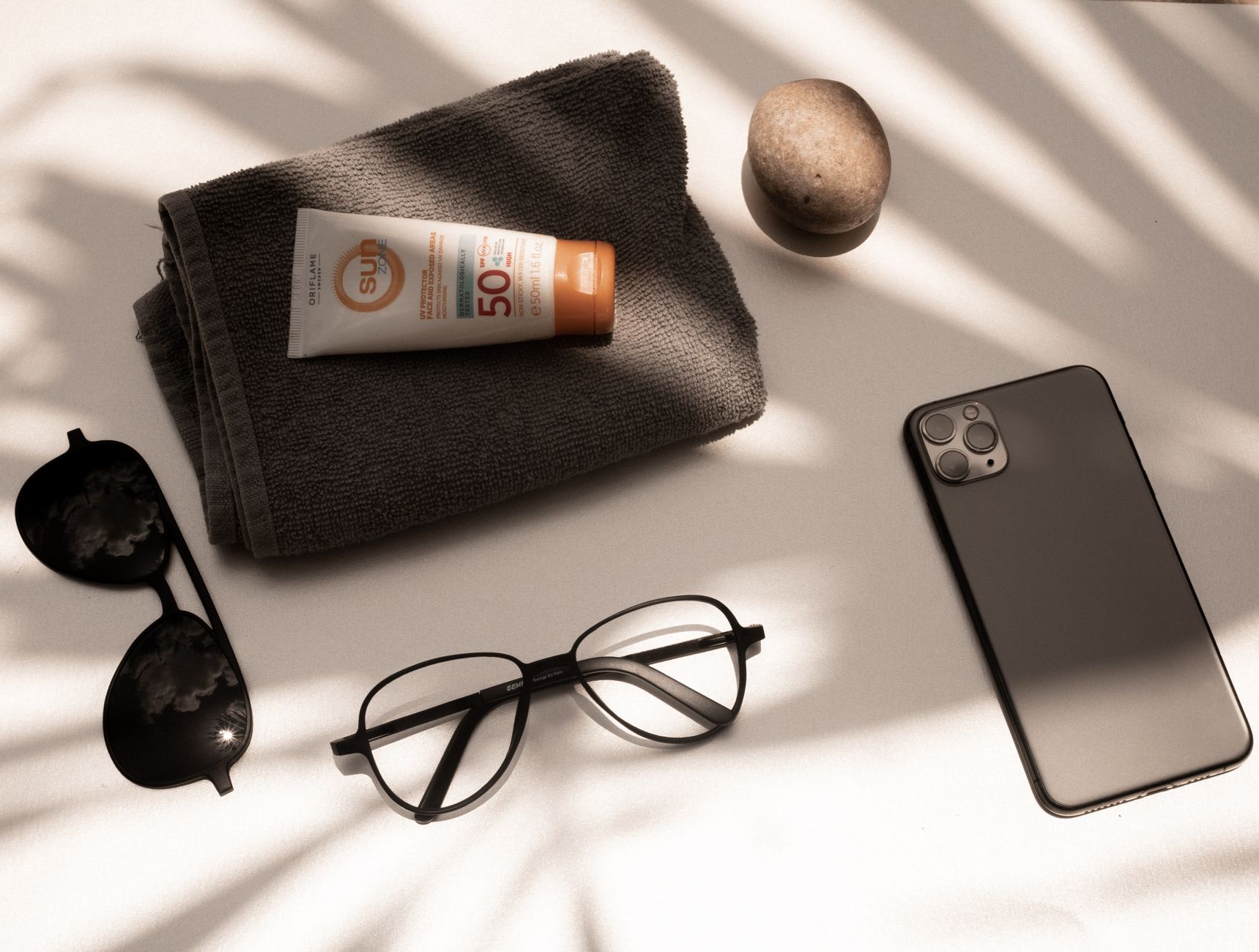
Check the label for “non‑nano” titanium dioxide when selecting a sunscreen.
Safe dosage / amount / brands
Because the FDA has not set an official ADI for titanium dioxide, experts rely on exposure assessments. The typical daily intake from food is estimated at 2–10 mg for most adults. For pregnant people, staying under 100 mg per day provides a wide safety buffer. This is far higher than the amount found in a single serving of a processed snack (≈5 mg). In topical applications, a pea‑sized amount of sunscreen (≈50 mg) delivers roughly 2–5 mg of titanium dioxide, well within safe limits.
When selecting products, prioritize those that explicitly state “non‑nano titanium dioxide” or list zinc oxide as the primary UV filter. Below is a quick reference for a few trusted brands:
Product
Form of TiO₂
Verdict
Notes
Thinkbaby Safe Sunscreen SPF 50+
Non‑nano
✅ Safe
Combined with zinc oxide; fragrance‑free.
Badger Baby Sunscreen SPF 30
Non‑nano
✅ Safe
All‑natural ingredients, reef‑safe.
Neutrogena Sheer Zinc SPF 50
Non‑nano
✅ Safe
Dry‑touch finish; minimal fragrance.
Blue Lizard Australian Sunscreen SPF 30+
Non‑nano
✅ Safe
Water‑resistant, suitable for outdoor activities.
Vanicream Sunscreen SPF 30
Non‑nano
✅ Safe
Fragrance‑free, good for sensitive skin.
If you encounter a product that lists “titanium dioxide (nano)”, consider switching to a zinc‑oxide‑only alternative, especially during the first trimester. For oral supplements claiming “titanium dioxide” as a filler, consult your provider; most prenatal vitamins already contain it in negligible amounts.
Mineral makeup palettes often replace titanium dioxide with zinc oxide, mica, or iron oxides.
Side effects and risks
Most people tolerate titanium dioxide without issue. Common, non‑serious side effects include:
Transient skin tingling or a slight “tight” sensation after applying a thick layer of sunscreen.
Minor eye irritation if the product accidentally contacts the eyes.
More concerning signs—though rare—should prompt a call to your provider:
Persistent respiratory irritation or wheezing after using a powdered cosmetic containing titanium dioxide.
Unexplained rash or hives that develop hours after product use.
Any signs of preterm labor or unusual abdominal pain that coincide with new exposure, though causality is unlikely.
Remember, these symptoms are not definitive proof of harm from titanium dioxide, but they warrant professional evaluation to rule out other causes.
Safer alternatives
Zinc oxide – offers broad‑spectrum UV protection without nanoparticle concerns.
Mica powder – provides luminous color without synthetic pigments.
Iron oxides – stable, mineral‑based pigments safe for facial cosmetics.
Plant‑based colorants (e.g., beetroot extract) – natural hues for makeup and food.
Titanium‑free mineral sunscreen – relies solely on zinc oxide and non‑nano mineral blends.
Silica (non‑nanoparticle) – can replace titanium dioxide as a thickening agent in cosmetics.
Aluminum hydroxide – occasionally used in cosmetics, though less common.
Natural clay pigments – such as kaolin or bentonite, offering gentle coloration and oil‑absorbing benefits.
Related items — safety at a glance
Ingredient
Verdict
One‑line note
Zinc oxide
✅ Generally safe
Preferred mineral sunscreen; non‑nanoparticle.
Iron oxides
✅ Generally safe
Common in mineral makeup; no known fetal risk.
Mica
✅ Generally safe
Natural sparkle; watch for inhalation of fine powders.
Silica nanoparticles
⚠️ Safe with limits
Potential for inhalation irritation; avoid sprays.
Aluminum hydroxide
✅ Generally safe
Rarely used; limited data but no known teratogenicity.
Titanium dioxide nanoparticles (E171)
❌ Best avoided
EU bans due to uncertain long‑term safety.
Food color additive E100 (curcumin)
✅ Generally safe
Natural plant‑derived pigment; widely used.
Synthetic pigment CI 19140 (sunset yellow)
⚠️ Safe with limits
Allowed in food; keep intake moderate.
Myth vs. fact
Myth: “Titanium dioxide is a known teratogen and should be avoided completely.”
Fact: The majority of studies have not shown teratogenic effects at typical consumer exposure levels; the main precaution is limiting nanoparticle and inhalation exposure.
Myth: “All sunscreens with titanium dioxide are unsafe for pregnant people.”
Fact: Non‑nano titanium dioxide in sunscreen is considered safe; the concern centers on nano‑particle forms and aerosolized sprays.
Myth: “If a product contains titanium dioxide, it must be harmful to the fetus.”
Fact: The ingredient’s safety depends on form, amount, and route of exposure; many everyday products contain tiny, non‑nanoparticle amounts that pose negligible risk.
Key takeaways
Typical dietary and topical exposure to non‑nano titanium dioxide is considered low risk during pregnancy.
Avoid inhaling powdered forms and products that list “nano‑titanium dioxide,” especially in the first trimester.
Limit total daily intake to well under 100 mg, which is far more than you’d consume from regular foods.
Choose sunscreen brands that specify “non‑nano titanium dioxide” or switch to 100 % zinc‑oxide formulas for added peace of mind.
If you have eczema or asthma, opt for fragrance‑free, zinc‑oxide‑based products and perform a patch test before full use.
When in doubt, discuss any supplement or cosmetic containing titanium dioxide with your obstetric provider.
Frequently asked questions
Is titanium dioxide safe for pregnant women?
Yes, when used in its non‑nanoparticle form and within typical consumer amounts, titanium dioxide is considered safe for pregnant women. The key is to avoid high‑dose supplements and inhaled powders.
Can I use sunscreen with titanium dioxide while pregnant?
Absolutely—choose a sunscreen that lists “non‑nano titanium dioxide” or combines it with zinc oxide. These formulations are safe and provide effective UV protection.
What are the side effects of titanium dioxide during pregnancy?
Most people experience no side effects; occasional mild skin tingling or eye irritation can occur. Persistent respiratory irritation from powdered forms should be discussed with a provider.
How does titanium dioxide affect fetal development?
Current human data do not show any adverse effect on fetal development at normal exposure levels. Theoretical concerns focus on nanoparticles, which are best avoided during pregnancy.
Are there any foods I should avoid that contain titanium dioxide while pregnant?
While most foods contain only trace amounts, you may wish to limit processed snacks and candies that list “titanium dioxide” or “E171” on the label, especially if you prefer to stay well below the provisional safety threshold.
What are the alternatives to titanium dioxide in makeup for pregnant women?
Safer alternatives include zinc oxide, mica powder, iron oxides, plant‑based colorants like beetroot extract, silica (non‑nanoparticle), and natural clay pigments—all of which avoid the nanoparticle concerns associated with titanium dioxide.
Does titanium dioxide increase the risk of miscarriage?
There is no credible evidence linking titanium dioxide exposure at typical consumer levels to miscarriage. The precaution is to avoid inhalation of powdered forms, which could exacerbate respiratory issues.
Is titanium dioxide safe for pregnant women with asthma?
For asthma sufferers, it’s best to steer clear of inhalable powders containing titanium dioxide, as fine particles can trigger bronchial irritation. Non‑nano, topical formulations are generally safe.
When to call your doctor
If you notice any of the following after using a product containing titanium dioxide, contact your obstetric provider promptly:
Persistent wheezing, shortness of breath, or chest tightness.
Severe or spreading skin rash, hives, or swelling.
Unusual abdominal pain, cramping, or signs of preterm labor.
Any sudden change in fetal movement patterns.
These symptoms may be unrelated to titanium dioxide, but they warrant professional evaluation. This article provides general information and is not a substitute for personalized medical advice.
References
American College of Obstetricians and Gynecologists (ACOG). “Guidance on the Use of Cosmetic Ingredients During Pregnancy.” 2023.
National Health Service (NHS). “Pregnancy and the Use of Sunscreen.” Updated 2022.
U.S. Food and Drug Administration (FDA). “Food Additive Status List.” Accessed 2024.
European Food Safety Authority (EFSA). “Scientific Opinion on the Safety of Titanium Dioxide (E171) as a Food Additive.” 2021.
World Health Organization (WHO). “Nanomaterials in Food and Cosmetics: Health Risk Assessment.” 2022.
Centers for Disease Control and Prevention (CDC). “Pregnancy and Environmental Exposures.” 2023.
National Institute for Health and Care Excellence (NICE). “Skin Care Products for Pregnant Women.” 2022.
Health Canada. “Titanium Dioxide (Nanoparticles) – Consumer Safety Summary.” 2023.
Not sure about the label on Is Titanium Dioxide Safe During Pregnancy products?
Snap the ingredients list and SafeFilter checks every ingredient for your stage — only 3 free scans this month, then you're locked until reset. Unlimited from $7/mo or $50/yr.
When Shubhra Mishra was expecting her first child in 2016, she was overwhelmed by conflicting food advice — one site said yes, another said never. By the time her second baby arrived in 2019, she realized millions of mothers face the same confusion.
That sparked a five-year journey through clinical nutrition papers, cultural diets, and expert conversations — all leading to BumpBites: a calm, compassionate space where science meets everyday motherhood.
Her long-term vision is to build a global community ensuring safe, supported, and free deliveriesfor every mother — because no woman should face pregnancy alone or uninformed. 🌿
🌍 Stand with mothers, shape safer guidance
Join a small circle of experts who review BumpBites articles so expecting parents everywhere can decide with confidence.