Limit tennis singles during pregnancy, especially in the third trimester. Experts recommend low-impact alternatives to reduce fall risks and joint strain for safety.
By Shubhra Mishra — a mom of two who turned her own confusion during pregnancy into BumpBites, a global mission to make food choices clear, safe, and stress-free for every expecting mother. 💛
Check whether any food is safe during pregnancy with the BumpBites Food Safety Checker.
Quick verdict: ⚠️ Generally safe with precautions if you played tennis singles before pregnancy and have an uncomplicated pregnancy. Most obstetricians agree that moderate, low-impact tennis is fine, but you’ll need to adjust your play to avoid falls, overheating, and joint strain. If you’re new to tennis or have a high-risk pregnancy, it’s best to choose safer alternatives.
You’re standing on the court, racket in hand, the familiar bounce of the ball under your feet. But now there’s a new player in the game: your growing baby. If you’re Googling “is tennis singles safe during pregnancy?” at 11 pm, you’re not alone. Many expecting moms who love the sport wonder if they can keep playing—or if they should hang up their sneakers until postpartum.
Here’s the good news: if you were a regular tennis player before pregnancy, you can likely keep playing tennis singles with some important adjustments. The key is listening to your body, modifying your intensity, and knowing when to stop. Below, we’ll break down exactly what’s safe (and what’s not) by trimester, how to play smarter, and when to consider safer alternatives—so you can step onto the court with confidence, not worry.
Tennis singles safety during pregnancy at a glance
Trimester
Verdict
Notes
First trimester
⚠️ Safe with caution
Low risk if you played before pregnancy, but avoid overheating and dehydration. Balance changes may increase fall risk.
Second trimester
✅ Generally safe
Energy levels often improve, but joint laxity increases. Modify play to reduce sudden stops and jumps.
Third trimester
⚠️ Safe with caution
Balance and agility decline. Play shorter matches, avoid high-intensity rallies, and watch for signs of overheating.
Breastfeeding
✅ Generally safe
Resume play gradually. Stay hydrated to support milk supply, and wear a supportive bra.
What is tennis singles?
Tennis singles is a fast-paced racket sport played one-on-one on a rectangular court. Players use a racket to hit a hollow rubber ball over a net, aiming to land it in the opponent’s court. The game involves quick sprints, lateral movements, sudden stops, and overhead swings—all of which engage the cardiovascular system, core, and lower body.
Unlike doubles, singles requires covering the entire court alone, which means more running, sharper turns, and higher physical demand. A typical match can last 30 minutes to over two hours, depending on skill level and scoring format. The sport is excellent for endurance, coordination, and mental focus—but it also comes with risks like falls, joint stress, and overheating, especially during pregnancy.
Is tennis singles safe during pregnancy?
According to the American College of Obstetricians and Gynecologists (ACOG), most pregnant women can continue playing tennis if they were already doing so before pregnancy and have no complications. The NHS (UK) also supports moderate exercise during pregnancy, including racket sports, as long as you take precautions to avoid injury and overheating.
However, tennis singles is classified as a moderate- to high-intensity sport due to its stop-and-start nature, rapid direction changes, and potential for collision or falls. While there’s no evidence that playing tennis causes miscarriage or preterm labor in healthy pregnancies, the risks—like joint strain, balance issues, and overheating—do increase as pregnancy progresses. The key factor is whether you were a regular player before conceiving. If you’re new to tennis, pregnancy is not the time to start.
Dr. Sarah Johnson, an obstetrician and sports medicine specialist, explains: “If you’ve been playing tennis for years and your pregnancy is low-risk, continuing at a modified intensity is generally safe. But if you’re feeling lightheaded, short of breath, or unstable on your feet, it’s time to switch to something gentler.”
Is it safe to play tennis singles in the first trimester of pregnancy?
Yes, playing tennis singles in the first trimester is generally safe if you played regularly before pregnancy and have no complications. However, this is the trimester when fatigue, nausea, and dizziness are most common, so you may not feel up to playing at all—even if you want to.
The first 12 weeks are also when the risk of miscarriage is highest, though exercise itself does not increase this risk in healthy pregnancies. Still, many women choose to reduce intensity or duration during this time. If you do play, focus on staying hydrated, avoiding overheating, and listening to your body. If you feel dizzy, nauseous, or overly fatigued, it’s okay to stop.
One important note: your balance begins to shift early in pregnancy due to hormonal changes (like relaxin, which loosens ligaments). This can make quick lateral movements riskier. Consider playing on clay or grass courts, which offer better traction than hard courts, and avoid playing in extreme heat.
Can you play tennis singles during the second trimester without risks?
For most women, the second trimester is the safest time to play tennis singles. Energy levels often rebound, nausea subsides, and your body is more accustomed to the changes of pregnancy. However, this is also when your center of gravity shifts forward, increasing the risk of falls.
ACOG recommends avoiding activities with a high risk of abdominal trauma or falls—like contact sports or skiing—during pregnancy. While tennis isn’t a contact sport, the risk of falling or colliding with the net or court surface does exist. To minimize this risk, play at a slower pace, avoid diving for balls, and wear supportive, non-slip shoes.
Joint laxity also peaks in the second trimester due to the hormone relaxin, which prepares your body for childbirth. This can increase the risk of sprains or strains, especially in the ankles and knees. Warm up thoroughly, stretch gently, and consider wearing a supportive brace if you’ve had joint issues in the past.
Is playing tennis singles in the third trimester safe for the baby?
Playing tennis singles in the third trimester is possible, but it requires extra caution. Your growing belly shifts your center of gravity, making balance and agility more challenging. The risk of falls increases, and your stamina may decline as your due date approaches.
Most obstetricians recommend reducing intensity and duration in the third trimester. Instead of competitive matches, opt for light rallies or practice drills. Avoid long matches, high-intensity play, and overheating. If you feel short of breath, dizzy, or overly fatigued, stop immediately.
One concern unique to the third trimester is the risk of round ligament pain, which can feel like a sharp, stabbing sensation in your lower abdomen or groin. Sudden movements—like lunging for a ball—can trigger this pain. If you experience it, take a break and modify your movements to avoid sharp turns or stretches.
Finally, be mindful of your baby’s movements. If you notice a decrease in fetal activity after playing, contact your healthcare provider.
How many times a week can you play tennis singles while pregnant?
There’s no one-size-fits-all answer, but most obstetricians recommend limiting tennis singles to 2-3 times per week during pregnancy, with each session lasting 30-45 minutes. This aligns with ACOG’s general guideline of 150 minutes of moderate-intensity exercise per week for pregnant women.
However, the “right” frequency depends on your fitness level, how you feel, and whether you’re modifying your play. If you’re new to tennis or feeling fatigued, once a week may be enough. If you’re an experienced player with an uncomplicated pregnancy, you might safely play 3 times a week—provided you’re not pushing yourself to exhaustion.
Listen to your body. If you’re sore, overly tired, or notice swelling or pain after playing, scale back. And always prioritize hydration and rest between sessions.
Safe frequency and duration for tennis singles during pregnancy
Trimester
Recommended Frequency
Recommended Duration
Intensity Level
First
1-2 times per week
20-30 minutes
Low to moderate
Second
2-3 times per week
30-45 minutes
Moderate
Third
1-2 times per week
20-30 minutes
Low
What are the risks of playing tennis singles during pregnancy?
While tennis singles is generally safe for experienced players with uncomplicated pregnancies, there are several risks to be aware of. Understanding these can help you play more safely—or decide when to switch to a lower-impact activity.
Falls and collisions: Your shifting center of gravity and loosening ligaments increase the risk of losing your balance, especially during quick lateral movements or sudden stops. Falls can lead to injury to you or, in rare cases, abdominal trauma to the baby.
Overheating: Pregnant women are more prone to overheating because their bodies are already working harder to regulate temperature. Playing in hot or humid conditions can raise your core temperature to unsafe levels, which may affect fetal development, especially in the first trimester.
Joint and muscle strain: The hormone relaxin loosens your ligaments, making joints like your knees, ankles, and wrists more vulnerable to sprains or strains. The repetitive motions of tennis—like serving or swinging—can also strain your shoulders, elbows, and lower back.
Dehydration: Pregnancy increases your fluid needs, and intense exercise like tennis can lead to dehydration if you’re not drinking enough. Dehydration can cause dizziness, contractions, or even preterm labor in severe cases.
Round ligament pain: This sharp, stabbing pain in your lower abdomen or groin is common during pregnancy, especially in the second and third trimesters. Sudden movements—like lunging for a ball—can trigger it.
Fatigue and overexertion: Pregnancy already taxes your cardiovascular system, and tennis can push your heart rate higher. Overexertion can leave you feeling lightheaded, short of breath, or exhausted—signs you should stop playing.
Are there safer alternatives to tennis singles for pregnant women?
If you’re looking to stay active but want to reduce the risks associated with tennis singles, there are plenty of safer alternatives that still offer cardiovascular benefits, strength training, and stress relief. Here are some of the best options, all recommended by ACOG and NHS for pregnant women:
Doubles tennis: Playing doubles reduces the amount of court you need to cover, lowering the risk of falls and overexertion. It’s also more social and less intense than singles.
Walking: A brisk 30-minute walk is one of the safest and most accessible forms of exercise during pregnancy. It improves circulation, boosts mood, and can be done almost anywhere.
Swimming: The buoyancy of water supports your joints and reduces the risk of injury. Swimming is also excellent for cardiovascular health and can help relieve back pain.
Prenatal yoga: Yoga improves flexibility, strength, and relaxation. Look for classes specifically designed for pregnancy, which avoid poses that compress the abdomen or strain the back.
Stationary cycling: Cycling on a stationary bike eliminates the risk of falls and allows you to control the intensity. It’s a great way to maintain cardiovascular fitness without joint stress.
Low-impact aerobics: Classes designed for pregnancy focus on gentle movements that improve endurance and strength without high-impact jumps or twists.
Pilates for pregnancy: Pilates strengthens your core and pelvic floor, which can help with labor and postpartum recovery. Choose a prenatal class to avoid poses that strain your abdomen.
Leisurely hiking: Hiking on flat, even terrain is a great way to enjoy nature while getting gentle exercise. Avoid steep or rocky trails, and always bring water and a snack.
Can playing tennis singles cause miscarriage or preterm labor?
No, playing tennis singles does not cause miscarriage or preterm labor in healthy pregnancies. There is no scientific evidence linking moderate exercise—including tennis—to an increased risk of either complication. In fact, regular, moderate exercise is associated with lower risks of preterm birth and gestational diabetes, according to ACOG.
However, there are two important caveats:
High-intensity or competitive play: Pushing yourself to exhaustion or playing in extreme heat can stress your body and may increase the risk of complications. Always play at a moderate intensity and stop if you feel overly fatigued or dizzy.
High-risk pregnancies: If you have a condition like placenta previa, cervical insufficiency, or a history of preterm labor, your provider may advise against tennis singles (or any high-impact sport) due to the risk of falls or abdominal trauma.
If you’re concerned about miscarriage or preterm labor, focus on staying hydrated, avoiding overheating, and listening to your body. And always check with your healthcare provider if you have any risk factors.
What precautions should you take when playing tennis singles while pregnant?
If you choose to play tennis singles during pregnancy, these precautions can help you stay safe and comfortable:
Wear supportive shoes: Choose tennis shoes with good arch support and non-slip soles to reduce the risk of falls and joint strain.
Stay hydrated: Drink water before, during, and after playing. Aim for at least 8 ounces every 20 minutes, and more if it’s hot or humid.
Avoid overheating: Play during cooler parts of the day, wear breathable clothing, and take breaks in the shade. If you feel flushed or dizzy, stop immediately.
Modify your play: Reduce the intensity of your serves and rallies. Avoid diving for balls, and opt for shorter matches instead of competitive play.
Warm up and cool down: Gentle stretching and a 5-10 minute warm-up can help prevent muscle strains. Cool down with light walking and stretching afterward.
Wear a belly support band: A maternity support belt can help reduce back pain and provide extra support as your belly grows, especially in the second and third trimesters.
Listen to your body: If you feel short of breath, dizzy, or experience pain (especially in your abdomen or joints), stop playing. It’s okay to take breaks or call it a day.
Play on safer surfaces: Clay or grass courts offer better traction than hard courts, reducing the risk of slips and falls.
Avoid playing in extreme weather: Skip tennis on very hot, humid, or cold days. Overheating is a real risk during pregnancy, and cold weather can increase joint stiffness.
Check with your provider: If you have any pregnancy complications or concerns, get the green light from your obstetrician before hitting the court.
Is doubles tennis a safer alternative to singles during pregnancy?
Yes, doubles tennis is generally a safer alternative to singles during pregnancy. Because you’re covering half the court, you’ll run less, make fewer sudden movements, and reduce the risk of falls or overexertion. Doubles also tends to be less intense than singles, making it a better fit for the lower energy levels many women experience during pregnancy.
That said, doubles still involves quick movements, lateral shifts, and overhead swings, so the same precautions apply: stay hydrated, avoid overheating, and listen to your body. If you’re feeling fatigued or unstable, it’s okay to sit out a game or two—or switch to a gentler activity altogether.
One bonus of doubles? It’s more social. Pregnancy can feel isolating, and playing with a partner or team can boost your mood and motivation. Just make sure your teammates know you’re pregnant so they can adjust their play (e.g., avoiding hard shots at your belly).
Can you play tennis singles if you have a high-risk pregnancy?
In most cases, no—tennis singles is not recommended if you have a high-risk pregnancy. High-risk conditions like placenta previa, cervical insufficiency, preeclampsia, or a history of preterm labor increase the risks associated with high-impact sports like tennis. Even a minor fall or abdominal trauma could have serious consequences.
If you have a high-risk pregnancy, your provider will likely recommend low-impact or no-impact activities like walking, swimming, or prenatal yoga. Always follow their guidance, as they know your medical history and can tailor recommendations to your specific needs.
That said, every high-risk pregnancy is different. If you’re determined to stay active, ask your provider about modified activities that pose minimal risk. For example, light stretching or seated exercises might be an option. The key is to prioritize your health and your baby’s safety over staying in the game.
Pregnancy safety of related sports at a glance
Sport
Verdict
Notes
Running during pregnancy
✅ Generally safe
Safe if you ran before pregnancy. Reduce intensity and duration in the third trimester.
Playing basketball while pregnant
❌ Best avoided
High risk of falls, collisions, and abdominal trauma. Not recommended.
Soccer and pregnancy safety
❌ Best avoided
Risk of falls, collisions, and overheating. Avoid after the first trimester.
Golf during pregnancy
✅ Generally safe
Low-impact and low-risk. Avoid twisting your torso during swings.
Cycling while pregnant
⚠️ Safe with caution
Stationary cycling is safest. Outdoor cycling carries a fall risk.
High-intensity interval training (HIIT) and pregnancy
❌ Best avoided
Risk of overexertion and overheating. Opt for low-impact alternatives.
Weightlifting during pregnancy
⚠️ Safe with caution
Safe if you lifted before pregnancy. Avoid heavy weights and Valsalva maneuver.
Skiing while pregnant
❌ Best avoided
High risk of falls and abdominal trauma. Not recommended.
Horseback riding and pregnancy
❌ Best avoided
High risk of falls and abdominal trauma. Avoid at all stages.
Boxing during pregnancy
❌ Best avoided
Risk of abdominal trauma and overheating. Not recommended.
Myth vs. fact
Myth: If you didn’t play tennis before pregnancy, you can start now as long as you take it easy. Fact: Pregnancy is not the time to take up new high-impact sports like tennis singles. Your body is already undergoing significant changes, and starting a new sport increases the risk of injury. Stick to activities you were doing before pregnancy, or choose gentler alternatives like walking or swimming.
Myth: Playing tennis will hurt the baby. Fact: There’s no evidence that playing tennis (or any moderate exercise) harms the baby in a healthy pregnancy. In fact, regular exercise can improve circulation, reduce stress, and lower the risk of complications like gestational diabetes. The key is to play safely and listen to your body.
Myth: You have to stop playing tennis as soon as you find out you’re pregnant. Fact: If you played tennis before pregnancy and have no complications, you can likely continue—with modifications. The first trimester is often the hardest due to fatigue and nausea, but many women play safely through the second and even into the third trimester. Always check with your provider first.
Key takeaways
Tennis singles is generally safe during pregnancy if you played before conceiving and have no complications. Always get the green light from your healthcare provider first.
Modify your play: Reduce intensity, avoid sudden movements, and opt for shorter matches. Doubles tennis is a safer alternative to singles.
Stay hydrated and avoid overheating. Drink plenty of water, play during cooler parts of the day, and wear breathable clothing.
Listen to your body. If you feel dizzy, short of breath, or experience pain, stop playing immediately.
Balance changes increase the risk of falls. Wear supportive shoes, play on safer surfaces (like clay or grass), and avoid playing in extreme weather.
High-risk pregnancies should avoid tennis singles. If you have complications like placenta previa or a history of preterm labor, opt for low-impact activities instead.
Frequently asked questions
Can I play tennis while pregnant if I played before?
Yes, you can likely keep playing tennis while pregnant if you were a regular player before conceiving. ACOG and NHS both support continuing familiar sports during pregnancy, as long as you modify your intensity and avoid risks like falls or overheating. Always check with your provider first, especially if you have any complications.
What sports should I avoid during pregnancy?
Avoid sports with a high risk of falls, collisions, or abdominal trauma. This includes contact sports (like basketball, soccer, and boxing), activities with a fall risk (like skiing, horseback riding, and gymnastics), and high-intensity sports that could lead to overheating (like HIIT). Always prioritize safety over staying active.
Is it safe to play sports in the first trimester?
Yes, it’s generally safe to play sports in the first trimester if you were active before pregnancy and have no complications. However, fatigue, nausea, and dizziness are common, so you may not feel up to intense activity. Focus on staying hydrated, avoiding overheating, and listening to your body. If you feel unwell, it’s okay to take a break.
Can playing tennis cause placental abruption?
There’s no evidence that playing tennis causes placental abruption in healthy pregnancies. Placental abruption is rare and usually linked to trauma (like a car accident) or underlying conditions (like preeclampsia). However, if you have a high-risk pregnancy or a history of abruption, your provider may advise against high-impact sports like tennis.
How does pregnancy affect my balance in tennis?
Pregnancy affects your balance due to hormonal changes and your shifting center of gravity. The hormone relaxin loosens your ligaments, making joints less stable, while your growing belly pulls your weight forward. This can make quick lateral movements or sudden stops riskier. To compensate, play at a slower pace, wear supportive shoes, and avoid diving for balls.
Should I wear a belly support band when playing tennis while pregnant?
Yes, a belly support band can help reduce back pain and provide extra support during tennis. These bands lift your growing belly, easing pressure on your lower back and pelvis. They’re especially helpful in the second and third trimesters, when your belly is larger and your joints are more lax. Look for a maternity support belt designed for sports.
Can I play tennis if I have gestational diabetes?
Yes, you can likely play tennis if you have gestational diabetes, but you’ll need to monitor your blood sugar closely. Exercise helps manage gestational diabetes by improving insulin sensitivity, but intense activity can also cause blood sugar to drop too low. Check your levels before and after playing, stay hydrated, and keep a snack on hand. Always follow your provider’s guidance.
What are the signs I should stop playing tennis while pregnant?
Stop playing immediately if you experience any of these signs: dizziness, shortness of breath, chest pain, contractions, vaginal bleeding, fluid leakage, decreased fetal movement, or sharp pain in your abdomen or joints. These could indicate a problem and warrant a call to your healthcare provider.
When to call your doctor
While tennis singles is generally safe for most pregnant women, there are times when you should stop playing and contact your healthcare provider right away. Call your doctor if you experience any of the following while playing—or after:
Vaginal bleeding or spotting
Fluid leaking from your vagina (could indicate your water breaking)
Regular contractions or abdominal cramping
Decreased fetal movement
Chest pain or heart palpitations
Severe shortness of breath
Dizziness or fainting
Severe headache or vision changes
Sudden swelling in your hands, feet, or face
Sharp or persistent pain in your abdomen, pelvis, or joints
This article is for informational purposes only and is not a substitute for professional medical advice. Always consult your healthcare provider before starting or continuing any exercise program during pregnancy.
References
American College of Obstetricians and Gynecologists (ACOG). (2020). Exercise During Pregnancy.
NHS. (2023). Exercise in Pregnancy.
Mayo Clinic. (2022). Pregnancy and Exercise: Baby, Let’s Move!.
American Pregnancy Association. (2021). Sports and Exercise During Pregnancy.
Royal College of Obstetricians and Gynaecologists (RCOG). (2019). Physical Activity and Pregnancy.
Centers for Disease Control and Prevention (CDC). (2023). Physical Activity During Pregnancy.
Johnson, S. (2022). Sports Medicine for Pregnant Athletes. Journal of Obstetric and Gynecologic Physical Therapy.
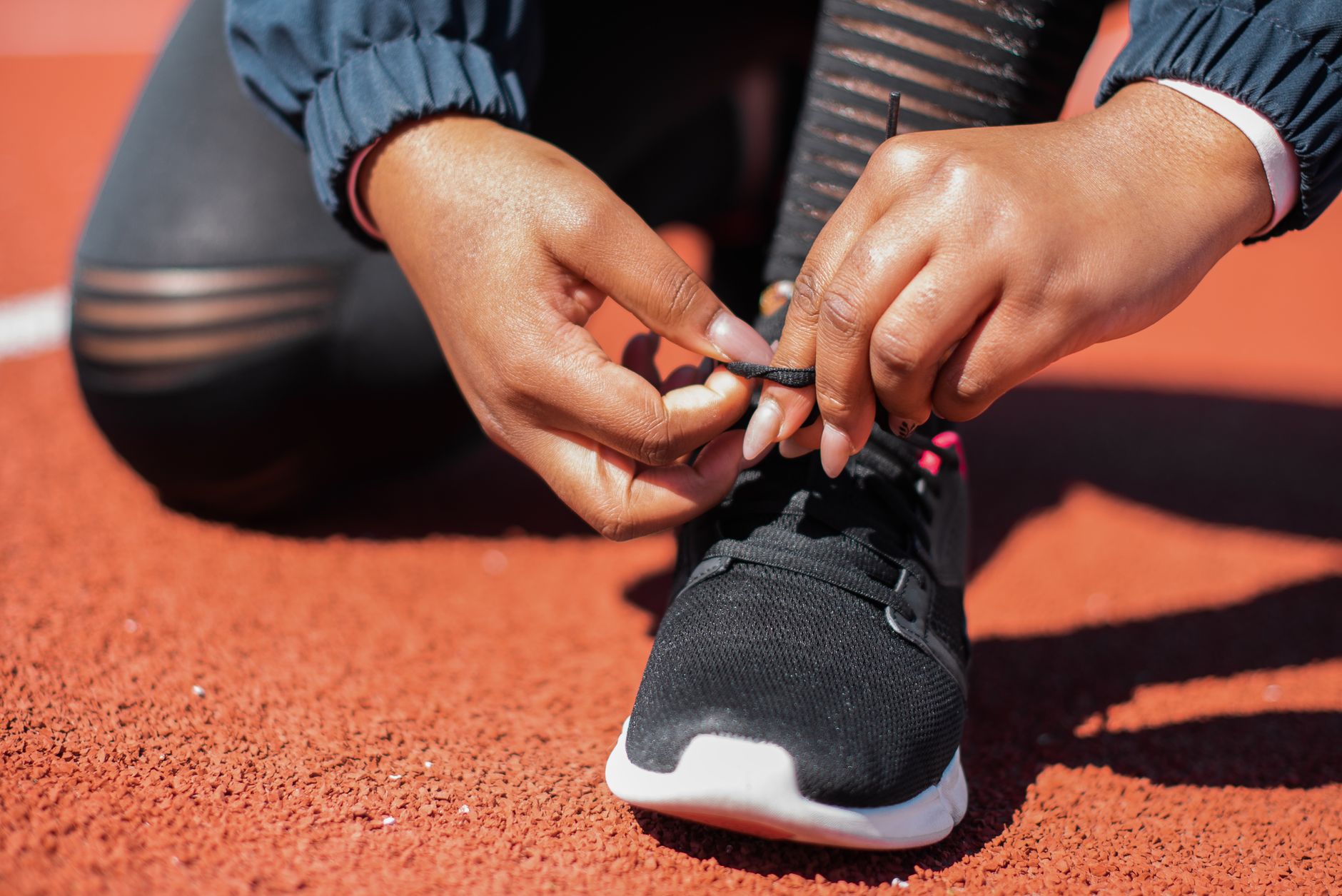
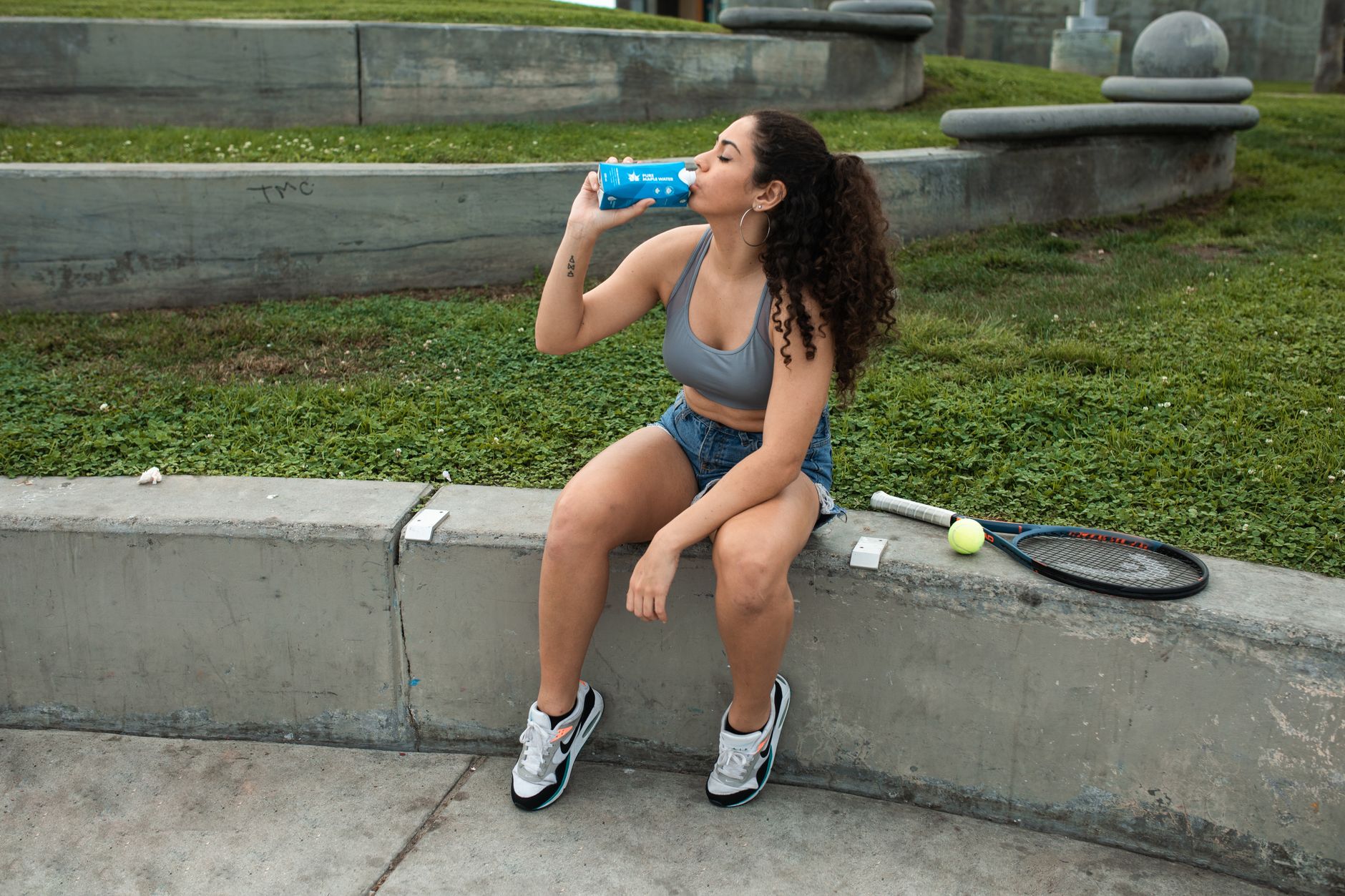
Staying hydrated and wearing supportive shoes are key to safe tennis play during pregnancy.Supportive, non-slip shoes help reduce the risk of falls and joint strain on the court.Hydration is crucial during pregnancy—especially when playing sports like tennis.
Not sure about the label on Is Tennis Singles Safe During Pregnancy products?
Snap the ingredients list and SafeFilter checks every ingredient for your stage — only 3 free scans this month, then you're locked until reset. Unlimited from $7/mo or $50/yr.
When Shubhra Mishra was expecting her first child in 2016, she was overwhelmed by conflicting food advice — one site said yes, another said never. By the time her second baby arrived in 2019, she realized millions of mothers face the same confusion.
That sparked a five-year journey through clinical nutrition papers, cultural diets, and expert conversations — all leading to BumpBites: a calm, compassionate space where science meets everyday motherhood.
Her long-term vision is to build a global community ensuring safe, supported, and free deliveriesfor every mother — because no woman should face pregnancy alone or uninformed. 🌿
🌍 Stand with mothers, shape safer guidance
Join a small circle of experts who review BumpBites articles so expecting parents everywhere can decide with confidence.