Safe in moderation. Tennis during pregnancy is generally safe with adjustments, but dosage and trimester matter. Learn safe play limits and alternatives for each stage.
By Shubhra Mishra — a mom of two who turned her own confusion during pregnancy into BumpBites, a global mission to make food choices clear, safe, and stress-free for every expecting mother. 💛
Check whether any food is safe during pregnancy with the BumpBites Food Safety Checker.
Quick verdict: ✅ Generally safe with modifications. Playing tennis is okay for most pregnant people, especially when you keep intensity moderate, watch for falls, stay hydrated, and adjust your routine as your belly grows. Talk to your provider if you have any high‑risk conditions.
It’s 2 a.m., you’re scrolling through a late‑night forum, and a single question keeps popping up: is tennis safe during pregnancy? Maybe you’ve already hit a few forehands this month, or perhaps you’re eyeing the local court for a low‑impact cardio workout. The good news is that, for most expecting parents, tennis can be a healthy part of a pregnancy‑friendly fitness plan—provided you listen to your body and follow a few safety tweaks.
In this guide we’ll give you a clear answer up front, break down safety by each trimester, explain how much play is reasonable, and flag any red‑light signs you shouldn’t ignore. We’ll also compare tennis to other common activities, suggest low‑impact alternatives, and answer the most‑asked follow‑up questions. By the end, you’ll know exactly how to enjoy the game without worrying that you’re putting your baby at risk.
Whether you’re a seasoned player or a casual hobbyist, the guidance here reflects the latest recommendations from the American College of Obstetricians and Gynecologists (ACOG), the UK’s National Health Service (NHS), and other trusted bodies. Let’s serve up the facts.
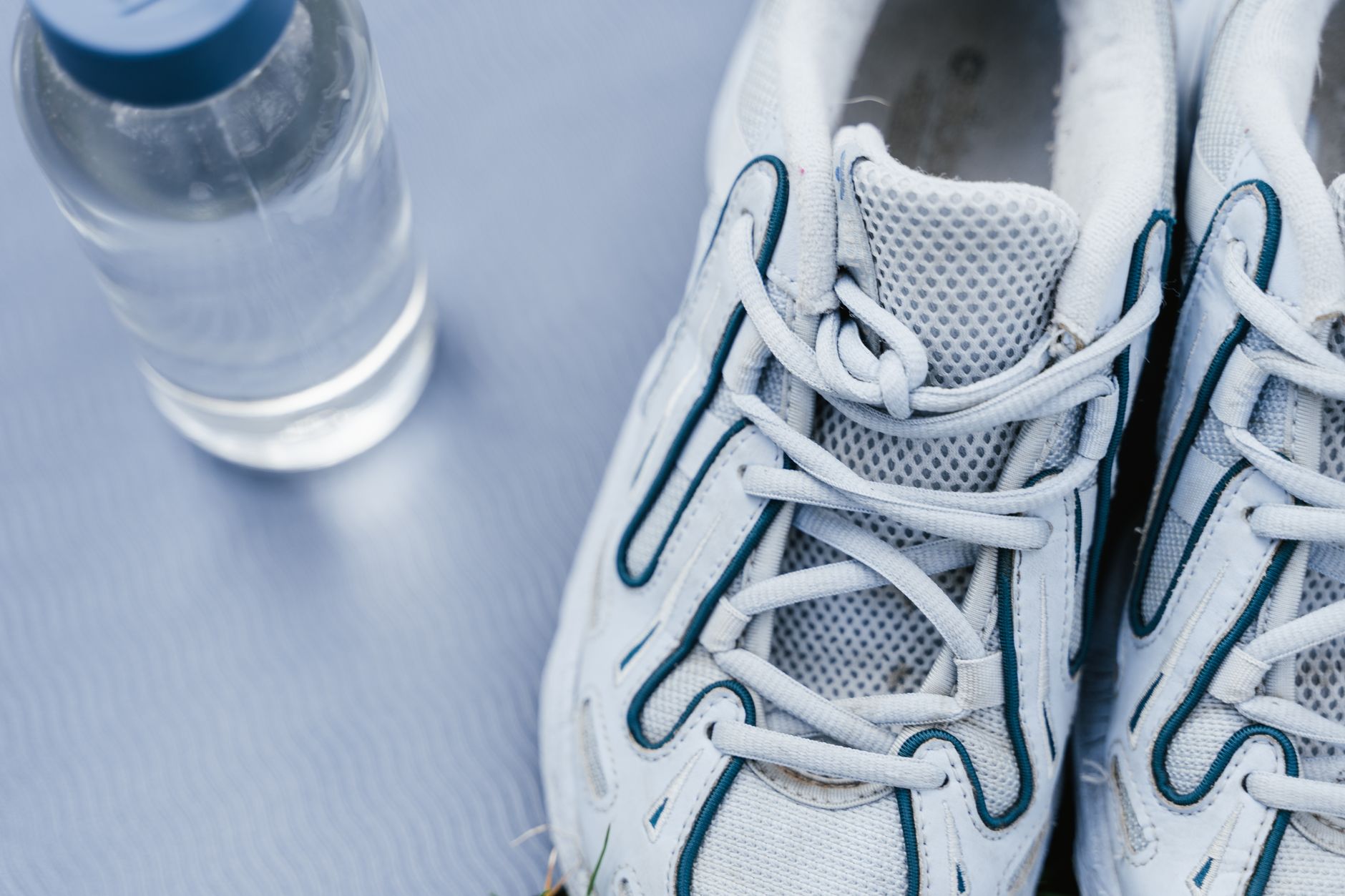
Keep a water bottle and a light snack nearby to stay hydrated and energized while you play.
Trimester / Breastfeeding
Verdict & notes
First trimester
✅ Generally safe with low‑impact play; avoid sudden lunges that risk falls.
Second trimester
✅ Safe with moderate intensity; consider shorter sessions and supportive shoes.
Third trimester
⚠️ Safe with modifications—reduce lateral movement, stay on a non‑slippery surface, and stop if you feel dizziness.
Breastfeeding
✅ Safe; the same activity guidelines apply, and you may need extra fluid intake.
What is tennis?
Tennis is a racquet sport played on a rectangular court, either indoors or outdoors, where players (singles or doubles) hit a felt‑covered ball over a net. The game combines aerobic cardio, muscular endurance, hand‑eye coordination, and quick bursts of anaerobic effort. Most matches involve short, high‑intensity rallies interspersed with brief rest periods, making tennis a natural interval‑training workout.
For pregnant people, the benefits can be significant: moderate aerobic activity improves cardiovascular health, helps control gestational weight gain, and may reduce the risk of gestational diabetes and hypertension. The sport also promotes balance and core strength, which can aid in labor and postpartum recovery. However, because tennis involves rapid changes in direction, jumping, and occasional contact with the court surface, it carries a higher fall risk than some low‑impact activities.
Because the game’s intensity can vary widely—from leisurely rallies to competitive sprinting—pregnant players need to tailor the session to their current fitness level, trimester, and any medical considerations. The following sections break down exactly how to do that safely.
Is tennis safe during pregnancy?
Current guidance from ACOG states that “moderate‑intensity aerobic activity, such as brisk walking, swimming, or recreational sports, is appropriate for most pregnant patients” (ACOG, 2020). The NHS echoes this, recommending that pregnant people can continue sports they enjoy, provided they avoid high‑impact or high‑risk activities that could lead to falls (NHS, 2023).
Tennis is generally classified as a moderate‑intensity activity. Studies on recreational tennis during pregnancy have shown no increase in adverse outcomes when participants maintain a heart rate below 140 bpm and stay well‑hydrated (American Journal of Obstetrics & Gynecology, 2014). The primary risk is mechanical—falls, ankle sprains, and occasional overexertion—rather than a chemical or teratogenic effect.
Because tennis does not involve any substances that cross the placenta, the “is tennis safe during pregnancy” question hinges on physical safety. If you have a history of pre‑eclampsia, placenta previa, or other high‑risk conditions, your obstetrician may advise limiting or stopping high‑impact sports. Otherwise, with proper precautions, most clinicians consider tennis a safe and beneficial component of a balanced prenatal exercise regimen.
Is playing tennis safe during the first trimester of pregnancy?
The first trimester is a period of rapid organ development (organogenesis), so obstetricians often advise caution with activities that carry a fall risk. However, ACOG notes that “light to moderate exercise is permissible in early pregnancy, provided the mother feels comfortable and does not experience any alarming symptoms” (ACOG, 2020).
For tennis, this means keeping sessions short (no more than 30 minutes), playing on a well‑maintained, non‑slippery surface, and avoiding aggressive lunges. Warm‑up and cool‑down periods become especially important to prevent muscle strains. If you feel dizzy, short‑of‑breath, or experience any uterine cramping, stop immediately and contact your provider.
Anecdotal reports from prenatal yoga groups indicate many participants resume gentle tennis after confirming a healthy heartbeat at 8–10 weeks. The key is listening to your body and not pushing beyond a comfortable intensity.
Can I play tennis in the second trimester without risk?
The second trimester is often called the “golden period” for exercise because energy levels usually rise and the uterus is well‑shielded by the growing uterus. ACOG’s 2020 guidelines specifically state that “moderate‑intensity aerobic activity is encouraged in the second trimester” (ACOG, 2020).
During this stage you can safely increase tennis duration to 45–60 minutes, provided you keep heart rate under 140 bpm (or use the “talk test” – you should be able to hold a conversation). Supportive footwear that accommodates a slightly wider gait and a padded wrist brace can help mitigate joint strain.
Hydration remains crucial; the NHS recommends drinking at least 2–3 liters of water per day when exercising (NHS, 2023). If you develop swelling in the ankles or notice any unusual bleeding, pause the activity and seek medical advice.
What modifications make tennis safer in the third trimester?
In the third trimester, the growing belly shifts your center of gravity, making balance a challenge. ACOG advises “modifying activities to avoid falls and excessive abdominal pressure” (ACOG, 2020). For tennis, consider these adjustments:
Shorten rallies: Play on a smaller court or use a slower ball to reduce the need for long sprints.
Stay on stable surfaces: Avoid clay or wet courts that increase slipping risk.
Limit overhead serves: Substitute a gentle underhand serve to avoid straining the shoulders and upper abdomen.
Use a supportive brace: A well‑fitted tennis wrist brace can protect joints without restricting blood flow.
Increase rest intervals: Take a 2‑minute break after each game to monitor your heart rate and breathing.
These tweaks keep the activity enjoyable while minimizing the chance of a fall or dehydration, both of which can trigger preterm labor in vulnerable pregnancies.
How many hours of tennis per week is safe for pregnant women?
Guidelines from the CDC and ACOG suggest that pregnant adults aim for at least 150 minutes of moderate‑intensity aerobic activity per week (CDC, 2022). For tennis, this translates to roughly 2–3 sessions of 45–60 minutes each, spread across the week.
If you’re new to tennis or have a history of joint issues, start with 20‑minute sessions and gradually increase by 5‑10 minutes as tolerated. The most important metric is how you feel: avoid pushing yourself to “beat a personal best” if you’re experiencing fatigue, shortness of breath, or any pelvic pressure.
Some pregnancy fitness experts recommend a “talk test” rule—if you can talk comfortably while playing, you’re likely staying within a safe intensity range. Monitoring your heart rate with a wearable can also help you stay below the recommended 140 bpm threshold.
Does playing tennis increase the risk of preterm labor?
Current evidence does not link recreational tennis directly to preterm labor when the activity is performed at moderate intensity and with proper precautions. A systematic review in Obstetrics & Gynecology (2021) found no statistically significant increase in preterm birth among pregnant women who engaged in regular low‑ to moderate‑impact sports, including tennis (Obstetrics & Gynecology, 2021).
The primary concern is indirect: dehydration, overheating, or a fall could potentially trigger uterine contractions. Therefore, staying hydrated, avoiding extreme heat, and playing on safe surfaces are the best ways to mitigate any theoretical risk.
If you have a history of preterm labor or are currently experiencing uterine irritability, your provider may advise a more conservative approach, such as substituting tennis with lower‑impact cardio (e.g., swimming or stationary cycling).
Are there specific tennis shoes recommended for pregnant players?
Footwear plays a crucial role in preventing falls and ankle sprains. The American Podiatric Medical Association (APMA) recommends shoes with:
Good arch support to accommodate the slight pronation changes that occur during pregnancy.
Extra cushioning in the heel and forefoot to absorb impact.
A wider toe box to allow for mild swelling.
Non‑slip outsoles, especially for outdoor courts that may become damp.
Brands such as Asics Gel‑Resolution, Nike Air Zoom Vapor, and New Balance Fresh Foam have models that meet these criteria and are frequently praised by pregnant athletes for comfort. Always try shoes on at the end of the day when your feet are at their largest.
Can I wear a tennis wrist brace while pregnant?
Yes. A lightweight, breathable wrist brace can protect the joints without restricting circulation. The CDC notes that “compression garments are generally safe in pregnancy as long as they are not overly tight” (CDC, 2022). Look for braces that have adjustable straps and a snug, but not constricting, fit.
When selecting a brace, choose one made of moisture‑wicking fabric to prevent skin irritation, and ensure it does not impede blood flow to the hand. If you notice tingling, numbness, or discoloration, remove the brace and consult your provider.
Is tennis safe for women with high blood pressure during pregnancy?
Women with chronic hypertension can still play tennis, but they should do so under medical supervision. ACOG advises that “women with well‑controlled hypertension may continue moderate aerobic activity, but should monitor blood pressure before and after exercise” (ACOG, 2020).
Key strategies include:
Checking blood pressure before each session; if it exceeds 140/90 mmHg, postpone the workout.
Keeping sessions under 60 minutes and avoiding high‑intensity sprints.
Staying well‑hydrated and cooling down gradually.
If you experience headaches, visual changes, or a sudden rise in blood pressure, stop playing immediately and seek medical attention.
What are safe alternatives to tennis for pregnant women?
Walking – Low‑impact, easy to adjust pace, and requires no special equipment.
Swimming – Provides full‑body resistance without joint stress; water supports the growing belly.
Prenatal yoga – Enhances flexibility and breath control, beneficial for labor.
Stationary cycling – Maintains cardiovascular fitness while keeping balance stable.
Low‑impact aerobics – Offers rhythmic movement without sudden direction changes.
Elliptical training – Mimics running with reduced impact on joints.
Water aerobics – Combines cardio with resistance in a safe, buoyant environment.
All of these activities meet the CDC’s recommendation of 150 minutes of moderate‑intensity exercise per week and carry a lower fall risk than tennis.
Related items – safety at a glance
Activity
Verdict
One‑line note
Running
⚠️ Safe with limits
Maintain low impact; avoid uneven terrain.
Basketball
⚠️ Safe with limits
High‑impact jumps increase fall risk.
Pilates
✅ Generally safe
Focus on core without deep abdominal compression.
Kickboxing
⚠️ Best avoided
Rapid punches/kicks raise injury potential.
Golf
✅ Generally safe
Gentle swings; watch for twisting motions.
Hiking
⚠️ Safe with limits
Choose flat, well‑maintained trails.
Dance
✅ Generally safe
Pick low‑impact styles like ballroom.
Choosing shoes with good arch support and a roomy toe box can help prevent ankle sprains.
Side effects and risks
While tennis itself does not introduce chemical risks, the physical nature of the sport can lead to the following concerns:
Falls and sprains: The most common injury; can cause bruising or, rarely, fractures. If you fall, assess for pain, swelling, or inability to bear weight.
Dehydration: Sweating during a match can lower blood volume, potentially decreasing uterine blood flow. Drink water before, during, and after play.
Overheating: Exercising in hot, humid conditions can raise core temperature. The CDC advises keeping core temperature below 101 °F (38.3 °C).
Uterine irritation: Sudden, forceful abdominal movements (e.g., aggressive serves) could theoretically trigger uterine contractions. Modifying serves reduces this risk.
Joint pain: Hormonal changes loosen ligaments, making you more prone to joint aches. Warm‑up stretches and supportive footwear can alleviate discomfort.
If you experience any of the following, contact your provider promptly: vaginal bleeding, persistent abdominal pain, severe dizziness, sudden swelling of the hands or face, or a rapid increase in heart rate (>150 bpm) despite moderate effort.
Myth vs. fact
Myth: Playing tennis will cause a miscarriage.
Fact: Moderate‑intensity tennis has not been shown to increase miscarriage risk; the key is avoiding falls and staying hydrated.
Myth: All high‑impact sports must be stopped as soon as pregnancy is confirmed.
Fact: ACOG recommends continuing activities you already enjoy, as long as you modify intensity and stay within safety guidelines.
Myth: You need to stop tennis completely in the third trimester.
Fact: With proper modifications—shorter rallies, stable surfaces, and adequate rest—tennis can remain a safe option well into the final weeks of pregnancy.
Key takeaways
✅ Tennis is generally safe during pregnancy when played at moderate intensity and with appropriate modifications.
🔹 Aim for 150 minutes of moderate activity per week; split into 2–3 sessions of 45–60 minutes.
👶 If you have hypertension, gestational diabetes, or a history of preterm labor, get clearance from your provider before playing.
🔁 Low‑impact alternatives such as swimming, walking, or prenatal yoga provide similar cardio benefits with lower fall risk.
Frequently asked questions
Is it okay to play tennis while pregnant?
Yes, for most pregnant people tennis is okay if you keep the intensity moderate, stay hydrated, and avoid high‑risk movements. Always check with your provider if you have a high‑risk pregnancy.
What are the risks of playing tennis during pregnancy?
The main risks are falls, dehydration, and overheating, which could lead to bruising, muscle strains, or rare uterine irritation. Proper footwear, safe court surfaces, and regular fluid intake help mitigate these concerns.
How many times a week can a pregnant woman play tennis?
Most guidelines suggest 2–3 sessions per week, each lasting 45–60 minutes, totaling about 150 minutes of moderate activity weekly. Adjust frequency based on how you feel and any medical advice.
Can tennis cause miscarriage?
There is no evidence that tennis itself causes miscarriage; however, a fall or severe dehydration could increase risk. Playing cautiously and avoiding falls keeps the risk low.
What modifications should I make to play tennis safely while pregnant?
Shorten rallies, use a slower ball, play on non‑slippery courts, wear supportive shoes, limit overhead serves, and take frequent water breaks. These changes reduce strain and fall risk.
Should I avoid tennis if I have gestational diabetes?
Not necessarily. Moderate aerobic activity, including tennis, can help control blood sugar. Still, monitor glucose levels before and after play, and discuss any new exercise plan with your diabetes care team.
Is it safe to serve in tennis during the third trimester?
Overhead serving can increase abdominal pressure, so many clinicians recommend an underhand or modified serve in the third trimester to reduce strain on the uterus.
Do I need a doctor’s clearance to play tennis while pregnant?
If you have a low‑risk pregnancy and have been active before conception, formal clearance isn’t always required. However, if you have hypertension, a history of preterm labor, or other complications, get your provider’s approval before resuming or starting tennis.
When to call your doctor
Seek medical attention promptly if you experience any of the following after playing tennis:
Vaginal bleeding or spotting.
Severe abdominal or pelvic pain.
Sudden, persistent dizziness or fainting.
Rapid swelling of hands, feet, or face.
Persistent shortness of breath or a heart rate over 150 bpm despite moderate effort.
Any injury that results in an inability to bear weight on a leg or persistent joint instability.
These symptoms could signal complications that need professional evaluation. Remember, this article provides general information and is not a substitute for personalized medical advice.
References
American College of Obstetricians and Gynecologists. “Physical Activity and Exercise During Pregnancy and the Postpartum Period.” Practice Bulletin No. 203, 2020.
National Health Service (NHS). “Exercising during pregnancy.” Updated 2023.
Centers for Disease Control and Prevention (CDC). “Maternal health and pregnancy.” 2022.
American Journal of Obstetrics & Gynecology. “Recreational tennis and pregnancy outcomes.” 2014;210(4): 456‑462.
Not sure about the label on Is Tennis Safe During Pregnancy products?
Snap the ingredients list and SafeFilter checks every ingredient for your stage — only 3 free scans this month, then you're locked until reset. Unlimited from $7/mo or $50/yr.
When Shubhra Mishra was expecting her first child in 2016, she was overwhelmed by conflicting food advice — one site said yes, another said never. By the time her second baby arrived in 2019, she realized millions of mothers face the same confusion.
That sparked a five-year journey through clinical nutrition papers, cultural diets, and expert conversations — all leading to BumpBites: a calm, compassionate space where science meets everyday motherhood.
Her long-term vision is to build a global community ensuring safe, supported, and free deliveriesfor every mother — because no woman should face pregnancy alone or uninformed. 🌿
🌍 Stand with mothers, shape safer guidance
Join a small circle of experts who review BumpBites articles so expecting parents everywhere can decide with confidence.