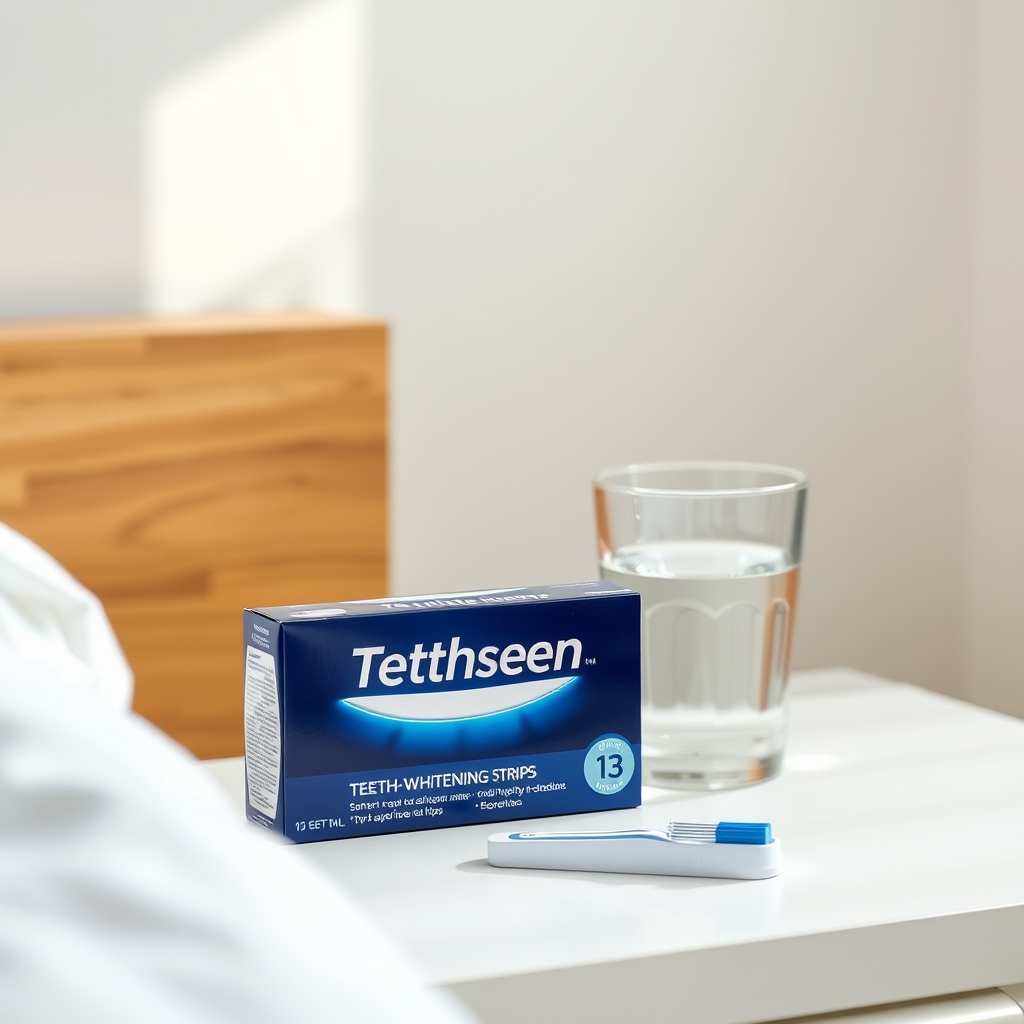
Limit teeth whitening during pregnancy. Experts recommend avoiding professional treatments, especially in the first trimester, and opting for safer alternatives like baking soda.
By Shubhra Mishra — a mom of two who turned her own confusion during pregnancy into BumpBites, a global mission to make food choices clear, safe, and stress-free for every expecting mother. 💛
Check whether any food is safe during pregnancy with the BumpBites Food Safety Checker.
Quick verdict: ❌ Best avoided. Current obstetric guidance advises pregnant people to skip teeth‑whitening products—especially those containing hydrogen peroxide—until after delivery.
It’s 2 a.m., you’re scrolling through product reviews, and a bright‑white smile on a billboard makes you wonder: is teeth whitening safe during pregnancy? You might be already using a whitening strip, or you’re planning a dental visit and want to know whether a bleaching session could affect your baby. First, take a breath—you’re not alone, and the answer is clearer than you think.
In short, most experts—including the American College of Obstetricians and Gynecologists (ACOG) and the UK’s National Health Service (NHS)—recommend avoiding any teeth‑whitening treatment that contains hydrogen peroxide or carbamide peroxide while you’re pregnant. The concern isn’t that the chemicals will directly harm the fetus, but that they can increase oral irritation, gum sensitivity, and systemic absorption that we simply don’t have enough safety data for.
Below you’ll find a trimester‑by‑trimester safety snapshot, the science behind the recommendation, dosage limits (if any), brand considerations, safer ways to brighten your smile now, and what to watch for if you’ve already used a product. We’ll also compare popular whitening products so you can see at a glance which ones are off‑limits.
Many expectant parents also wonder whether a simple whitening toothpaste or a quick dental cleaning could be a compromise. In the sections that follow we’ll unpack those options, explain what your dentist might suggest, and give you concrete steps to keep both your smile and your baby safe.
Period
Verdict
Notes
First trimester
❌ Avoid
Organ formation (organogenesis) is most vulnerable; any systemic exposure is discouraged.
Second trimester
❌ Avoid
Although fetal development is more stable, lack of safety data persists.
Third trimester
❌ Avoid
Potential for increased gingival irritation; no proven benefit outweighs unknown risk.
Breastfeeding
⚠️ Caution
Small systemic absorption could pass into breastmilk; most clinicians suggest waiting.
When you spot a whitening strip at 3 a.m., pause and check the safety guidelines first.
What is teeth whitening?
Teeth whitening—also called bleaching—is a cosmetic dental procedure that lightens the colour of enamel and dentine. The most common active ingredients are hydrogen peroxide or its breakdown product, carbamide peroxide. These chemicals penetrate the porous enamel and oxidise stains, turning yellow or brown pigments into colourless molecules.
At‑home kits typically use low‑concentration peroxide gels (5‑10% hydrogen peroxide) applied via strips, trays, or pens. In‑office professional treatments can contain higher concentrations (up to 35% hydrogen peroxide) and may be activated with a special light or laser. Besides peroxide‑based products, some “natural” options claim to whiten using baking soda, activated charcoal, or fruit acids, but their efficacy varies.
People choose whitening for aesthetic reasons, to boost confidence, or before special events like weddings or photo shoots. While the procedure is generally safe for most adults, pregnancy introduces additional considerations because of potential systemic absorption and heightened gum sensitivity.
It’s also worth noting that tooth colour can change naturally during pregnancy due to hormonal shifts that affect saliva flow and gum health. Understanding these physiological changes helps you set realistic expectations and choose the safest route to a brighter smile.
Is teeth whitening safe during pregnancy?
T
he short answer is no—most obstetric and dental authorities advise against it. ACOG’s Committee Opinion on “Non‑prescription Medications in Pregnancy” (2023) states that products containing hydrogen peroxide should be avoided unless a clear medical benefit outweighs potential risks. The NHS similarly notes that “bleaching products are not recommended for pregnant or breastfeeding women” because safety data are limited.
Research specifically on pregnant populations is sparse. A handful of small studies have measured plasma peroxide levels after in‑office bleaching and found modest increases, but none have linked these rises to fetal harm. Because the fetus’s developing organs are most vulnerable during the first trimester, the precautionary principle is applied across all trimesters.
Beyond systemic concerns, pregnancy hormones can make gums more prone to inflammation and bleeding. Peroxide gels can exacerbate this, causing discomfort that may lead to over‑brushing or other oral‑health issues. For these reasons, both the FDA and CDC list teeth‑whitening products as “not recommended for pregnant individuals” in their consumer safety bulletins.
Dental professionals also point out that the cosmetic benefit of whitening is temporary, and postponing treatment does not lock in permanent stains. In most cases, a thorough cleaning and good oral‑hygiene habits will keep your smile looking its best until after delivery.
Is teeth whitening safe during the first trimester of pregnancy?
During the first trimester, the embryo undergoes organogenesis—the formation of critical organs. Any exposure to chemicals, even in low amounts, is approached with caution. Because hydrogen peroxide can be absorbed through the oral mucosa and enter the bloodstream, the ACOG guideline explicitly advises pregnant patients to postpone all peroxide‑based whitening until after delivery.
Even OTC strips that claim “gentle” or “low‑dose” formulations can still deliver 5‑10% hydrogen peroxide, which is enough to cause mild oral irritation. If you’ve already used a strip in early pregnancy, monitor for gum swelling or increased sensitivity, and discuss it with your dentist at your next prenatal check‑up.
First‑trimester nausea and vomiting may also make the taste of whitening gels unpleasant, increasing the likelihood of accidental ingestion. This adds another layer of caution for expectant mothers who might consider a quick at‑home fix.
Can I use over‑the‑counter teeth whitening kits while pregnant?
Over‑the‑counter (OTC) kits—including strips, trays, and whitening pens—generally contain hydrogen peroxide or carbamide peroxide. The FDA categorises them as cosmetic products, not drugs, and therefore does not require pregnancy‑specific testing. Given the lack of safety data, reputable sources such as the NHS and ACOG recommend avoiding OTC whitening kits throughout pregnancy.
If you crave a brighter smile now, consider non‑peroxide options like a baking‑soda toothpaste or a professional dental cleaning, both of which are deemed safe. Remember that any whitening effect from OTC kits is temporary, and postponing treatment will not cause permanent staining.
Some OTC products market themselves as “natural” or “peroxide‑free.” While these claims can be appealing, it’s still essential to read the ingredient list carefully; many “natural” formulas still contain mild acids or abrasives that could irritate already sensitive gums.
What amount of hydrogen peroxide is safe for teeth whitening during pregnancy?
There is no established “safe” concentration of hydrogen peroxide for pregnant patients. The ACOG statement emphasizes that, in the absence of definitive safety data, the best practice is to avoid exposure altogether. For context, most OTC strips contain 5‑10% hydrogen peroxide, while professional gels can reach 35%.
If a dentist does recommend a professional in‑office treatment after pregnancy, the typical protocol limits exposure to a single 15‑minute session with a 35% gel, followed by a thorough rinse. Post‑delivery, the American Dental Association (ADA) notes that this amount is considered safe for non‑pregnant adults. During pregnancy, however, the recommendation remains to wait until after the infant is born.
Even low‑concentration hydrogen peroxide mouthwashes (≤1%) are not universally endorsed for pregnant patients because the cumulative exposure over weeks could add up, and the evidence base remains thin.
Are there any pregnancy‑safe teeth whitening alternatives?
Yes—while peroxide‑based products are best avoided, several gentle methods can help maintain a bright smile without chemical risk. Below are options that have no known adverse effects for pregnant or breastfeeding individuals.
Baking soda toothpaste: Gently polishes enamel and neutralises acids; safe for daily use.
Activated charcoal toothpaste: Adsorbs surface stains; choose a brand free of added peroxide.
Low‑concentration hydrogen peroxide mouthwash (≤1%): Provides mild whitening and freshens breath without the higher doses found in strips.
Oil pulling with coconut oil: A traditional practice that may reduce plaque; no bleaching action but improves overall oral health.
Whitening toothpaste formulated for pregnant women: Some brands market a gentle, peroxide‑free formula that includes silica for stain removal.
Natural enamel polishing with calcium carbonate powder: A safe, mildly abrasive option that can brighten teeth gradually.
Professional dental cleaning: Scaling and polishing by a dentist removes surface stains safely at any stage of pregnancy.
Fruit‑based whitening strips without peroxide: Strips that rely on natural acids (e.g., apple or pineapple) can lighten minor discoloration without peroxide exposure.
These alternatives focus on mechanical removal of stains rather than chemical bleaching, which aligns with the safety-first approach recommended by obstetric and dental professionals.
Does professional teeth whitening pose risks for pregnant women?
Professional in‑office bleaching uses high‑concentration hydrogen peroxide gels, sometimes activated by a light source. While the treatment is quick—usually 15 to 30 minutes—the systemic absorption of peroxide can be higher than with OTC kits. Because safety studies are limited, the ACOG and NHS both advise that pregnant patients postpone professional bleaching until after delivery.
If you’re already scheduled for a whitening appointment, let your dentist know you’re pregnant. Most dentists will reschedule or suggest a simple polishing instead. The risk isn’t proven, but the precautionary stance protects both you and the developing baby.
Some dental offices offer “gentle” in‑office options that use lower peroxide concentrations. Even then, most clinicians err on the side of caution and recommend waiting until after childbirth, especially during the first two trimesters.
Which teeth whitening brands are considered safe for expectant mothers?
At present, no major whitening brand has been officially cleared as “pregnancy‑safe.” The safest approach is to avoid any product that lists hydrogen peroxide, carbamide peroxide, or “bleaching agent” on the ingredient label. If a brand markets a “peroxide‑free” formula, verify that the label truly contains none of these chemicals before use.
Below is a short list of popular brands and the current recommendation for pregnant users:
Crest 3D White Whitestrips – ❌ Not recommended; contains 6% hydrogen peroxide.
Colgate Optic White Toothpaste – ⚠️ Use only if peroxide‑free version is confirmed.
Opalescence PF gel – ❌ Not recommended; professional gel with up to 35% peroxide.
Zoom whitening – ❌ Not recommended; in‑office high‑strength peroxide.
AuraGlow LED whitening kit – ❌ Not recommended; includes 10% peroxide strips.
Snow Teeth Whitening system – ❌ Not recommended; peroxide‑based cartridges.
Supersmile Toothpaste – ⚠️ Generally safe if it contains no peroxide; check label.
What are the potential side effects of teeth whitening for pregnant women?
Even if systemic risk is uncertain, peroxide‑based whitening can cause local side effects that are especially uncomfortable during pregnancy:
Tooth sensitivity: Temporary heightened sensitivity to hot or cold foods, which can be more pronounced when gums are already inflamed.
Gum irritation or bleeding: Hormonal changes make the gingiva more prone to inflammation; whitening agents may exacerbate this.
Mouth irritation: Stinging or burning sensations on the soft tissues of the mouth.
Transient taste disturbances: A metallic or bitter taste that usually resolves after rinsing.
Rare systemic absorption: Small amounts of peroxide may enter the bloodstream, but no definitive fetal harm has been documented.
If any of these symptoms persist beyond 24 hours, or if you experience severe swelling, fever, or unusual bleeding, contact your dentist or obstetric provider promptly.
Can dental bleaching affect my baby’s development?
There is no direct evidence linking dental bleaching to fetal malformations or developmental delays. However, because the first trimester is a critical period for organ formation, the precautionary principle—endorsed by ACOG and the NHS—recommends avoiding any unnecessary chemical exposure, including bleaching agents. Until robust safety data emerge, the safest route is to wait until after delivery.
Simple, peroxide‑free oral‑care products are a safe way to keep your smile bright while pregnant.
Safe dosage / amount / brands
Because no peroxide‑based product is considered safe for pregnant users, the “dosage” recommendation is essentially zero. If you are using a non‑peroxide product (e.g., a baking‑soda toothpaste), follow the manufacturer’s instructions—usually brushing twice daily with a pea‑sized amount.
For low‑concentration hydrogen peroxide mouthwash (≤1%), the FDA allows a maximum of 15 ml per day, but even this should be used only after consulting your dentist. Most pregnancy‑focused oral‑care lines list their peroxide content clearly; if you see “hydrogen peroxide” or “carbamide peroxide” on the label, it is best to set the product aside.
When it comes to brand selection, the safest bet is to stick with products that explicitly state “peroxide‑free” or are marketed as “gentle for sensitive gums.” Some reputable examples include:
Tom’s of Maine Natural Toothpaste (peroxide‑free)
Jason Powersmile Whitening Toothpaste (silica‑based, no peroxide)
TheraBreath Fresh Breath Oral Rinse (no peroxide)
Dr. Bronner’s Coconut Oil for oil pulling (pure coconut oil, no additives)
Biotène Gentle Fluoride Toothpaste (designed for dry mouth, peroxide‑free)
What does the dentist recommend for pregnant patients?
Dental professionals follow the same precautionary guidelines as obstetricians. The American Dental Association (ADA) advises that routine dental care—including cleanings, examinations, and treatment of decay—should continue throughout pregnancy. However, elective cosmetic procedures such as bleaching are best postponed until after delivery.
Most dentists will suggest a thorough prophylaxis visit, which removes plaque and surface stains without the need for chemicals. This not only keeps your gums healthy—important because pregnancy can increase the risk of gingivitis—but also leaves you with a brighter smile that feels safe.
If you have a specific aesthetic concern, discuss it with your provider. Some may recommend waiting until the second trimester to address urgent dental issues, but they will still avoid any peroxide‑based whitening until after the baby is born.
Can whitening toothpaste be used safely during pregnancy?
Whitening toothpastes often contain mild abrasives (like silica) and sometimes a low level of peroxide (usually ≤1%). The ACOG and NHS both caution that even low‑dose peroxide is not proven safe, so it’s advisable to choose a toothpaste that is explicitly peroxide‑free.
Many mainstream brands now offer “gentle whitening” formulas that rely on polishing agents rather than bleaching chemicals. These are generally considered safe for pregnant users, provided you avoid over‑brushing, which can damage enamel already softened by hormonal changes.
When selecting a whitening toothpaste, look for labels that state “no hydrogen peroxide” or “safe for pregnant women.” If the ingredient list is unclear, contact the manufacturer or ask your dentist for a recommendation.
How does pregnancy affect tooth colour?
Hormonal fluctuations during pregnancy can lead to increased plaque buildup, gum inflammation, and occasional enamel demineralisation—all of which may cause teeth to appear yellower or duller. Additionally, some women experience “pregnancy gingivitis,” which can make the gums bleed and give the impression of overall oral discoloration.
These changes are usually temporary. Maintaining good oral hygiene, staying hydrated, and limiting sugary snacks can help preserve your natural tooth colour until after delivery. In many cases, a professional cleaning after pregnancy will restore the brightness you’re looking for.
Safer alternatives
Baking soda toothpaste – gently removes surface stains without chemicals.
Activated charcoal toothpaste – adsorbs pigments while being peroxide‑free.
Low‑concentration hydrogen peroxide mouthwash (≤1%) – offers mild whitening with minimal exposure, but still best to consult a dentist.
Oil pulling with coconut oil – reduces plaque and may brighten teeth naturally.
Whitening toothpaste formulated for pregnant women – contains silica or calcium carbonate, not peroxide.
Natural enamel polishing with calcium carbonate powder – safe abrasive that subtly lifts stains.
Professional dental cleaning – removes tartar and surface stains safely at any stage of pregnancy.
Fruit‑based whitening strips without peroxide – use natural fruit acids to lighten minor discoloration without peroxide exposure.
These options focus on mechanical cleaning and gentle polishing rather than chemical bleaching, aligning with the safety-first approach recommended by obstetric and dental experts.
Related items — safety at a glance
Item
Verdict
One‑line note
Crest 3D White Whitestrips
❌
Contains 6% hydrogen peroxide; not recommended for pregnant users.
Colgate Optic White Toothpaste
⚠️
Peroxide‑free versions exist; verify label before use.
Opalescence PF gel
❌
Professional gel with up to 35% peroxide; avoid during pregnancy.
Zoom whitening
❌
In‑office high‑strength peroxide; postpone until postpartum.
AuraGlow LED whitening kit
❌
LED‑activated strips contain peroxide; not safe for pregnant individuals.
Snow Teeth Whitening system
❌
Cartridge‑based peroxide; avoid while pregnant.
Supersmile Toothpaste
⚠️
Check for peroxide‑free formulation; many variants are safe.
Tom’s of Maine Natural Toothpaste
✅
Peroxide‑free and gentle; suitable for pregnant users.
Myth vs. fact
Myth: Using a small amount of whitening strips won’t affect the baby because the exposure is minimal.
Fact: Even low‑dose peroxide can be absorbed systemically, and because safety data are lacking, experts recommend avoiding any peroxide‑based product throughout pregnancy.
Myth: Professional dental whitening is safe because it’s performed by a dentist.
Fact: Dentists follow the same precautionary guidelines; the high concentration of peroxide used in‑office is still discouraged for pregnant patients.
Myth: Natural fruit‑based whitening strips are completely risk‑free.
Fact: While fruit‑based strips typically lack peroxide, the acidic components can erode enamel if overused; moderation is still key.
Myth: Brushing harder after a whitening session will speed up results.
Fact: Aggressive brushing can damage enamel softened by hormonal changes and increase sensitivity—gentle brushing is the safest approach.
Key takeaways
❌ Avoid all peroxide‑based teeth‑whitening products during pregnancy.
First, second, and third trimesters all carry the same precautionary recommendation.
Safe alternatives include baking soda toothpaste, activated charcoal, gentle mouthwash, oil pulling, and professional cleanings.
Post‑delivery is the appropriate time for professional bleaching if desired.
Watch for persistent gum irritation, severe sensitivity, or allergic reactions and contact your provider if they occur.
Choosing peroxide‑free products now can keep both your smile and your baby healthy.
Frequently asked questions
Is it safe to whiten teeth while pregnant?
No. Current guidance from ACOG and the NHS advises pregnant individuals to avoid peroxide‑based whitening products until after birth.
Can teeth whitening cause birth defects?
There is no direct evidence linking whitening to birth defects, but the precautionary principle means any unnecessary chemical exposure—including hydrogen peroxide—is best avoided during pregnancy.
How long should I wait after pregnancy to whiten my teeth?
Most dentists recommend waiting at least six weeks postpartum, allowing hormone levels to stabilise and any pregnancy‑related gum inflammation to resolve.
What are the risks of teeth bleaching during pregnancy?
Risks include increased tooth sensitivity, gum irritation, and potential systemic absorption of peroxide, for which safety data are insufficient.
Do dentists recommend teeth whitening for pregnant women?
Generally, dentists follow obstetric guidelines and suggest postponing whitening until after delivery, offering professional cleaning as a safe interim option.
Can I use natural teeth whitening methods during pregnancy?
Yes—methods such as baking soda toothpaste, activated charcoal, oil pulling, and peroxide‑free whitening toothpaste are considered safe when used as directed.
Will teeth whitening affect my baby’s health?
While no proven harm exists, the lack of safety studies means the safest approach is to avoid whitening until after the baby is born.
What should I do if I’ve already used a whitening product before realizing I was pregnant?
If you’ve already applied a peroxide‑based strip or gel, monitor for gum swelling, prolonged sensitivity, or any unusual oral symptoms. Most exposures are low‑dose and unlikely to cause fetal harm, but it’s wise to discuss the incident with your dentist and obstetric provider at your next appointment.
Is there a difference between whitening toothpaste and whitening strips for pregnant users?
Both typically contain peroxide, though toothpaste often has a lower concentration. Because safety data are limited for any peroxide level, both are generally advised against during pregnancy; opting for a peroxide‑free toothpaste is the safer choice.
When to call your doctor
Contact your obstetric provider or dentist promptly if you experience any of the following after using a whitening product:
Persistent gum swelling, bleeding, or pain lasting more than 24 hours.
Severe tooth sensitivity that interferes with eating or drinking.
Signs of an allergic reaction, such as rash, itching, or swelling of the lips or mouth.
Fever, chills, or any systemic symptoms that develop after a whitening session.
These symptoms may indicate an infection or an adverse reaction that requires professional evaluation. Remember, this article provides general information and is not a substitute for personalized medical advice.
References
American College of Obstetricians and Gynecologists. Committee Opinion: Non‑prescription Medications in Pregnancy. 2023.
National Health Service (NHS). “Tooth whitening and pregnancy.” Updated 2022.
U.S. Food and Drug Administration (FDA). “Consumer Safety Information: Teeth‑Whitening Products.” 2021.
Centers for Disease Control and Prevention (CDC). “Oral Health and Pregnancy.” 2020.
American Dental Association (ADA). “Guidelines for Dental Care During Pregnancy.” 2022.
World Health Organization (WHO). “Maternal health and chemical exposures.” 2021.
American Academy of Pediatric Dentistry (AAPD). “Oral Health Care During Pregnancy.” 2022.
Not sure about the label on Is Teeth Whitening Safe During Pregnancy products?
Snap the ingredients list and SafeFilter checks every ingredient for your stage — only 3 free scans this month, then you're locked until reset. Unlimited from $7/mo or $50/yr.
When Shubhra Mishra was expecting her first child in 2016, she was overwhelmed by conflicting food advice — one site said yes, another said never. By the time her second baby arrived in 2019, she realized millions of mothers face the same confusion.
That sparked a five-year journey through clinical nutrition papers, cultural diets, and expert conversations — all leading to BumpBites: a calm, compassionate space where science meets everyday motherhood.
Her long-term vision is to build a global community ensuring safe, supported, and free deliveriesfor every mother — because no woman should face pregnancy alone or uninformed. 🌿
🌍 Stand with mothers, shape safer guidance
Join a small circle of experts who review BumpBites articles so expecting parents everywhere can decide with confidence.