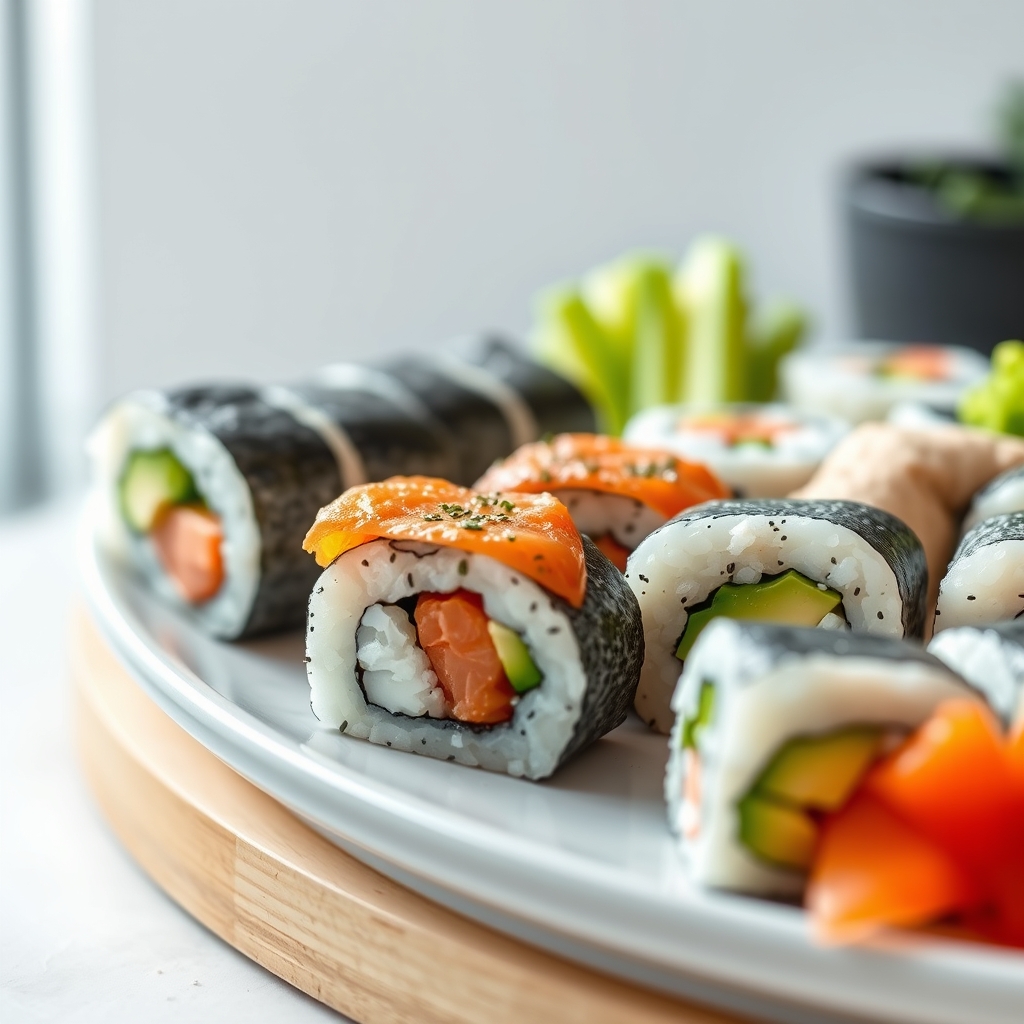
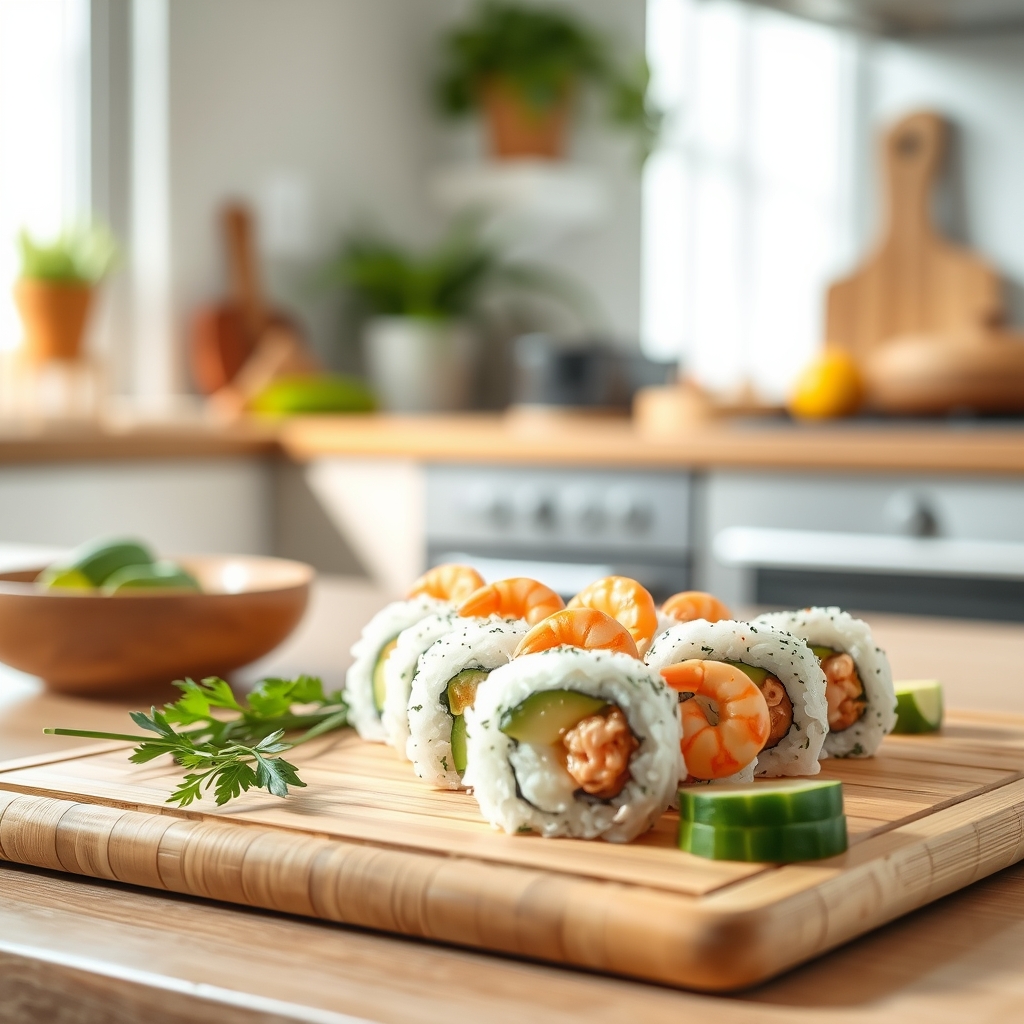
Safe: sushi rolls are generally safe for pregnancy when limited to 2 rolls per week, especially in the second and third trimesters; avoid raw fish in the first trimester.
By Shubhra Mishra — a mom of two who turned her own confusion during pregnancy into BumpBites, a global mission to make food choices clear, safe, and stress-free for every expecting mother. 💛
Check whether any food is safe during pregnancy with the BumpBites Food Safety Checker.
Quick verdict: ⚠️ Talk to your doctor first. Sushi rolls can be enjoyed in pregnancy when they’re made with fully cooked ingredients and handled safely, but raw fish carries infection and mercury risks that require individualized guidance.
It’s 2 a.m., the kitchen light is on, and you’ve just pulled a tray of colorful sushi rolls from the fridge. “Are sushi rolls safe for pregnancy?” you whisper to yourself, heart racing. You’re not alone—many expectant parents wonder whether they can keep enjoying their favorite Japanese bites while protecting their growing baby.
In short, sushi rolls are not automatically off‑limits, but the safety depends on the type of roll, how it’s prepared, and how often you eat it. This article walks through the current guidance from ACOG, NHS, and the FDA, breaks down what’s safe in each trimester, and offers portion‑size tips, low‑risk alternatives, and red‑flag signs that mean it’s time to call your provider.
We’ll also dive deeper into mercury concerns, food‑borne illness risks, and the nutritional benefits sushi can offer a pregnant person. By the end you’ll have a clear, evidence‑based plan for enjoying sushi—or deciding to skip it—without lingering anxiety.
Choosing cooked fillings and fresh, properly stored sushi can reduce risk while still satisfying cravings.
Trimester / Breastfeeding
Verdict
Notes
First trimester
⚠️ Caution
Raw fish poses higher risk of Listeria and other pathogens; limit to fully cooked rolls.
Second trimester
⚠️ Caution
Same guidelines as first trimester; mercury exposure still a consideration.
Third trimester
⚠️ Caution
Maintain cooked‑only rule; watch for excess sodium which can affect blood pressure.
Breastfeeding
⚠️ Caution
Continue with cooked sushi; mercury can transfer through breast milk.
What is sushi?
Sushi is a Japanese dish that typically combines vinegared rice with a variety of fillings and toppings. The most common formats are nigiri (a slice of fish atop a rice mound), sashimi (just the fish, no rice), and rolls (cylindrical pieces wrapped in seaweed or soy paper). While many people associate sushi with raw fish, the term also covers rolls made with cooked seafood, vegetables, or even fruits.
In the United States and the United Kingdom, sushi rolls are often served in restaurants and supermarkets, ranging from simple cucumber rolls to elaborate creations featuring raw tuna, eel, or spicy mayo. The appeal lies in the balance of protein, healthy fats, and micronutrients such as omega‑3 fatty acids, vitamin D, iodine, and B‑vitamins. However, the raw component can also be a source of food‑borne pathogens and environmental contaminants like mercury, which become important considerations during pregnancy.
Understanding the difference between raw and fully cooked sushi is essential for making an informed decision about whether sushi rolls are safe for pregnancy. Cooked variants—like shrimp tempura rolls or avocado rolls—provide many of the same nutrients without the infection risk, making them a popular choice for expectant parents.
Is sushi safe to eat during pregnancy?
C
urrent guidance from the American College of Obstetricians and Gynecologists (ACOG) and the UK’s National Health Service (NHS) recommends that pregnant people avoid raw fish and shellfish because of the risk of Listeria monocytogenes, Salmonella, and other bacteria that can cross the placenta and cause serious complications. The U.S. Food and Drug Administration (FDA) also advises limiting exposure to high‑mercury fish such as shark, swordfish, king mackerel, and tilefish, while allowing low‑mercury options in moderation.
When sushi rolls are prepared with fully cooked ingredients—such as cooked salmon, shrimp, crab (imitation), or vegetables—the risk of bacterial contamination drops dramatically. These cooked rolls are generally considered safe when the restaurant follows proper food‑handling practices, including keeping the rice chilled and serving the sushi within two hours of preparation.
Studies on pregnant populations have not identified a direct link between moderate consumption of low‑mercury, cooked sushi and adverse fetal outcomes. However, case reports of listeriosis from raw sushi underscore why many obstetricians still advise a cautious approach. In short, sushi rolls can be part of a balanced pregnancy diet if you stick to cooked fillings, limit portion size, and ensure the establishment follows strict hygiene standards.
It’s also worth noting that many prenatal nutrition plans already encourage omega‑3 intake, and sushi can be a convenient source when chosen wisely. If you have specific dietary restrictions—such as a low‑sodium plan or a need to avoid certain allergens—talk with your provider about how sushi fits into your overall meal plan.
Safety by trimester
First trimester (weeks 1‑13)
The first trimester is the period of organogenesis, when the baby’s major organs are forming. During this window, the placenta is especially susceptible to bacterial invasion. Because raw fish can harbor Listeria, most clinicians advise pregnant people to limit sushi rolls to those with cooked ingredients only during the first three months.
If you crave sushi early in pregnancy, opt for rolls that contain cooked salmon, shrimp tempura, or avocado. These choices provide protein and omega‑3s without the infection risk. Keep portion sizes modest—one to two rolls per meal—and avoid any sushi that has been sitting out for more than two hours.
Managing sodium: Many soy sauces are high in sodium, which can exacerbate swelling and raise blood pressure—common concerns in the first trimester. Choose low‑sodium soy sauce or dip your roll in a splash of citrus instead.
Some women also experience heightened morning nausea during early pregnancy. A small piece of ginger‑infused sushi can be soothing, but be sure the ginger is cooked or pickled rather than raw to avoid any hidden bacterial load.
Second trimester (weeks 14‑27)
In the second trimester, the baby’s nervous system continues to develop, and omega‑3 fatty acids become increasingly important. Cooked sushi can be a good source of these nutrients, but the same caution about raw fish still applies. Continue to choose fully cooked fillings and verify that the sushi was prepared with fresh, refrigerated ingredients.
Some providers may allow limited raw fish if the mother has a strong preference and the fish is low in mercury (e.g., farmed salmon). However, the safest route remains to stick with cooked options until after delivery.
Mercury check: The FDA’s reference dose for methylmercury is 0.1 µg per kilogram body weight per day. For a 70‑kg pregnant person, that translates to roughly 7 µg per day. Light tuna, salmon, and shrimp stay well below this threshold when consumed within the recommended portion limits.
During the middle months, many expectant parents begin to monitor weight gain more closely. Sushi rice is a simple carbohydrate that can fit into a balanced diet, but pairing rolls with plenty of vegetables helps keep the glycemic load moderate.
Third trimester (weeks 28‑40)
During the third trimester, the baby’s brain and lungs mature rapidly, and the mother’s immune system is still vigilant. The infection risk from raw fish does not diminish, so the recommendation to avoid raw sushi persists. Additionally, excess sodium in sushi sauces can exacerbate swelling and raise blood pressure, which are already concerns in late pregnancy.
Sticking to low‑sodium soy sauce, limiting soy sauce intake, and choosing rolls with fresh vegetables or cooked seafood helps keep sodium intake in check while still enjoying sushi flavors.
Preparing for labor: Some clinicians suggest reducing high‑sodium foods in the weeks leading up to delivery to help manage fluid retention and blood pressure. Swapping a high‑sodium soy sauce dip for a squeeze of lemon or a drizzle of sesame oil can make a noticeable difference.
Late‑pregnancy fatigue can make meal planning feel overwhelming. Pre‑portioning a few cooked rolls the night before and keeping them chilled can provide a quick, nutrient‑dense snack without the need for cooking or excessive prep.
Breastfeeding
After delivery, the baby’s exposure shifts from the placenta to breast milk. Mercury can transfer through milk, so breastfeeding parents should continue to limit high‑mercury fish. Cooked sushi remains a safe choice, provided it follows the same food‑handling rules as during pregnancy.
Because the infant’s kidney function is still developing, keeping mercury exposure as low as possible is prudent. Opt for low‑mercury, fully cooked options such as cooked salmon, shrimp, or imitation crab.
Choosing sushi restaurants wisely
Even the best‑trained chefs can’t eliminate every microscopic contaminant, so the restaurant’s overall safety practices matter. Look for establishments that display a “HACCP‑certified” or “Food Safety” badge, keep sushi on ice, and have a visible temperature log for the rice and fish. If you’re unsure, ask the server how long the sushi has been on display and whether the fish is sourced from a reputable supplier.
Many larger chains have standardized procedures and may be a safer bet than a small take‑out spot with limited refrigeration. Still, a well‑run local sushi bar that follows strict hygiene can be just as safe—just be sure to ask questions.
Storing and reheating sushi at home
If you buy pre‑packaged sushi from a grocery store, keep it refrigerated at 40 °F (4 °C) or below and consume it within 24 hours. Discard any sushi that smells sour, has a slimy texture, or shows signs of mold. While reheating can kill many bacteria, it won’t eliminate Listeria spores, so the safest approach is to eat sushi cold and fresh.
For leftover cooked rolls, you can gently warm them in the oven (350 °F for 5‑7 minutes) to reduce the risk of bacterial growth, but avoid microwaving for more than a minute, which can make the rice dry and affect texture.
When storing sushi at home, place the roll on a plate lined with parchment paper and cover loosely with foil. This prevents condensation from making the rice soggy while still protecting the food from airborne contaminants.
Cutting into a cooked roll reveals the fresh, safe fillings that are ideal for pregnancy.
Sushi and mercury: What pregnant people should know
Mercury is a heavy metal that can accumulate in fish as methylmercury, a neurotoxin that interferes with fetal brain development. Large, long‑lived predatory fish tend to have the highest levels, while smaller, short‑lived species contain less.
Common sushi fish and their typical mercury levels (average parts per million, ppm):
Salmon (wild or farmed) – < 0.02 ppm (very low)
Shrimp – < 0.01 ppm (very low)
Imitation crab (surimi) – negligible mercury
Albacore tuna – ≈0.35 ppm (moderate)
Yellowfin tuna – ≈0.30 ppm (moderate)
Skipjack tuna – ≈0.12 ppm (low)
The FDA recommends that pregnant people limit albacore tuna to no more than 6 ounces (170 g) per week and choose lower‑mercury options like salmon, shrimp, or canned light tuna. When sushi rolls contain high‑mercury fish, ask for the portion size to be reduced or substitute a lower‑mercury fish.
Because mercury accumulates over time, occasional consumption of a moderate‑mercury fish is unlikely to cause harm, but regular, large servings should be avoided. If you’re concerned about mercury exposure, discuss testing with your provider; blood mercury tests are inexpensive and can guide dietary choices.
Pregnant people who consume a lot of sushi should also be mindful of other sources of mercury, such as certain herbal supplements or contaminated water, to keep total exposure well within safe limits.
Food‑borne illness risks: Listeria, Salmonella, and Vibrio
Raw fish can harbor several bacteria that are especially dangerous during pregnancy. Listeria monocytogenes can cross the placenta, leading to miscarriage, stillbirth, or severe illness in the newborn. Salmonella and Vibrio species can cause gastroenteritis, dehydration, and, in rare cases, systemic infection.
Unlike many other foodborne pathogens, Listeria can grow at refrigerator temperatures, making it a particular concern for ready‑to‑eat foods like sushi that may sit on a buffet for hours. This is why the CDC emphasizes consuming sushi that has been kept at ≤40 °F (4 °C) and served within two hours of preparation.
Good kitchen hygiene—separate cutting boards for raw fish and vegetables, thorough hand washing, and using pasteurized eggs in sauces—greatly reduces the risk. When in doubt, choose cooked sushi or vegetarian rolls that eliminate the raw‑fish variable entirely.
Pregnant individuals with compromised immune systems should be especially vigilant, as they are more susceptible to severe outcomes from foodborne infections. Even a mild bout of food poisoning can lead to dehydration, which is risky for both mother and baby.
Nutrition benefits of sushi for pregnant people
When chosen wisely, sushi can contribute valuable nutrients to a pregnancy diet. Cooked salmon and shrimp provide high‑quality protein and long‑chain omega‑3 fatty acids (EPA and DHA), which support fetal brain and eye development. Seaweed (nori) adds iodine, a mineral essential for thyroid function, and small amounts of iron and calcium.
Vegetable‑filled rolls—such as cucumber, avocado, and carrot—supply fiber, folate, and vitamins A and C. Folate is crucial for preventing neural‑tube defects, and the additional fiber can help alleviate common pregnancy constipation.
Because sushi rice is seasoned with rice vinegar, it’s lower in added sugars than many other processed snacks, making it a relatively balanced carbohydrate source when eaten in moderation.
For those tracking iron intake, the iron in shrimp and certain fish can complement the iron‑rich foods already recommended during pregnancy, helping to meet the increased demand without excessive supplementation.
How much sushi can you eat while pregnant
Portion control is the easiest way to enjoy sushi without overdoing it. Most nutrition experts suggest limiting sushi to 2–3 rolls (about 8–12 ounces) per week if the rolls contain low‑mercury, cooked fish. This amount provides a healthy dose of protein and omega‑3 fatty acids while keeping mercury exposure well below the FDA’s reference dose of 0.1 µg per kilogram body weight per day.
For raw fish rolls, many obstetric guidelines recommend avoiding them entirely. If you do consume raw sushi under a provider’s supervision, keep it to one small roll (approximately 4 ounces) per month, and ensure the source follows strict HACCP (Hazard Analysis Critical Control Points) standards.
Remember that sushi often comes with soy sauce, pickled ginger, and wasabi, which can add sodium and sugar. Balance your sushi meals with plenty of fresh fruit, vegetables, and whole grains throughout the day.
Women who are monitoring gestational weight gain may find that swapping white sushi rice for a small portion of brown rice or quinoa can add fiber and slow glucose spikes, making the meal more supportive of stable blood sugar levels.
Safe dosage, amount, and brand considerations
Because sushi is a composite food, we focus on portion size and ingredient choice rather than a strict “dosage.” Below is a quick reference for typical servings.
Ingredient
Safe weekly amount
Notes
Cooked salmon
2–3 rolls (8–12 oz)
Rich in omega‑3s; low mercury.
Cooked shrimp
2–3 rolls (8–12 oz)
Low mercury; watch sodium in sauces.
Light canned tuna
Up to 6 oz per week
Choose “light” to keep mercury low.
Albacore tuna (raw)
Avoid raw; if cooked, ≤4 oz per week
Higher mercury; limit intake.
Imitation crab (surimi)
Unlimited
Fully cooked; low mercury.
When buying pre‑packaged sushi from a grocery store, look for labels that state “fully cooked” or “pasteurized” and check the “use‑by” date. Trusted brands often include “SafeSushi” (US) and “Ready Sushi” (UK), which adhere to strict HACCP protocols. Avoid any product that lists “raw” or “sashimi” on the packaging without a pasteurization claim.
If you prefer a specific restaurant brand, many chains disclose their sourcing policies online. For example, the “FreshRoll” brand in the US publishes a quarterly report showing that all fish is flash‑frozen to -20 °C for at least 24 hours, a step that significantly reduces parasite risk.
Side effects and risks
Most side effects from sushi are mild, such as indigestion from soy sauce or temporary heartburn from wasabi. However, the following signs should prompt a call to your provider:
Fever, chills, or flu‑like symptoms within 72 hours of eating sushi – could indicate listeriosis.
Severe abdominal cramps, diarrhea, or vomiting lasting more than a day – may signal bacterial food poisoning.
Persistent headache, visual disturbances, or unusual fatigue – could be a sign of mercury toxicity, especially if you’ve consumed high‑mercury fish.
Sudden swelling of hands, feet, or face – watch for hypertension exacerbated by excess sodium.
These symptoms are not exclusive to sushi, but they warrant prompt medical evaluation to protect both you and your baby. Mild nausea after eating wasabi is common and usually not a cause for concern, but persistent gastrointestinal upset should be assessed.
Occasional mild heartburn is a frequent pregnancy complaint; if it coincides with heavy soy‑sauce consumption, consider swapping for a low‑sodium alternative or using a smaller dip.
Safer alternatives
Cooked salmon – delivers essential omega‑3s without raw‑fish risk.
Veggie rolls – cucumber, avocado, and carrot provide fiber and vitamins.
California rolls – use imitation crab (fully cooked) and avocado for a classic taste.
Canned light tuna – low‑mercury protein that can be mixed into rice bowls.
Grilled chicken – a versatile, fully cooked protein that pairs well with sushi‑style rice.
Seaweed salad with sesame dressing – offers iodine and healthy fats without fish.
Quinoa sushi bowls – substitute rice with quinoa for extra protein and fiber.
Fruit‑based rolls (e.g., mango or strawberry) – satisfy sweet cravings while staying completely mercury‑free.
Egg omelette rolls (tamago) – a gently cooked, protein‑rich option that’s low in sodium.
Related items — safety at a glance
Item
Verdict
One‑line note
Raw oysters
❌
High risk of Vibrio and Listeria; avoid whole pregnancy.
Seaweed salad
✅
Generally safe; watch for added raw seafood.
Caviar
⚠️
Pasteurized caviar is safe; raw caviar should be avoided.
Smoked salmon
⚠️
Low‑mercury but may carry Listeria; choose vacuum‑sealed, refrigerated packs.
Tuna steak (raw)
❌
Raw high‑mercury fish; avoid unless fully cooked.
Lobster rolls
✅
Cooked lobster meat is low‑mercury and safe when heated.
Temporarily‑cured fish (e.g., gravlax)
⚠️
Often not fully cooked; risk of Listeria persists.
Pickled ginger
✅
Low‑risk garnish; watch added sugar in commercial versions.
Tempura shrimp
✅
Deep‑fried, fully cooked; watch for extra calories.
Myth vs. fact
Myth: All sushi is unsafe during pregnancy.
Fact: Only sushi that contains raw fish or shellfish poses a significant infection risk. Cooked sushi rolls are generally considered safe when prepared properly.
Myth: The occasional raw sushi bite won’t hurt because you’re only pregnant for nine months.
Fact: Listeria can cause severe outcomes even from a single exposure. It’s best to avoid raw fish throughout pregnancy.
Myth: Sushi is always high in mercury.
Fact: Many sushi rolls use low‑mercury fish like salmon, shrimp, or imitation crab. The key is to limit high‑mercury varieties such as albacore tuna.
Myth: Spicy sauces automatically make sushi unsafe.
Fact: Heat itself isn’t a risk; the ingredients in the sauce (raw egg, excess sodium) are what matter. Choose low‑fat, low‑sodium versions with cooked proteins.
Myth: If a sushi roll looks fresh, it’s automatically safe.
Fact: Fresh appearance does not guarantee proper handling; temperature control and source verification are essential.
Key takeaways
Raw fish sushi is best avoided; choose rolls with fully cooked fillings.
Limit cooked sushi to 2–3 rolls per week to stay within safe mercury limits.
Watch for proper refrigeration and quick serving; discard sushi left out over two hours.
Spicy sauces are fine if they contain cooked ingredients and are low in sodium.
If you experience fever, severe GI symptoms, or unusual fatigue after eating sushi, contact your provider promptly.
When in doubt, opt for veggie rolls, cooked salmon, or other low‑mercury, fully cooked alternatives.
Maintain a balanced diet by pairing sushi with plenty of fruits, vegetables, and whole grains.
Frequently asked questions
can pregnant women eat sushi with raw fish
No, most obstetric guidelines advise against eating raw fish sushi during pregnancy because of the risk of Listeria and other bacteria that can harm the fetus.
what kind of sushi is safe during pregnancy
Sushi made with fully cooked fish, shrimp, imitation crab, or vegetables—such as cooked salmon rolls, veggie rolls, or California rolls—is considered safe when prepared with good food‑handling practices.
how to make sushi safe for pregnancy
Use cooked seafood or pasteurized eggs, keep the rice chilled, serve the sushi within two hours of preparation, and avoid high‑mercury fish like albacore tuna unless it’s fully cooked.
can you eat sushi during pregnancy if its cooked
Yes, cooked sushi rolls are generally safe, provided they are made with low‑mercury fish, stored properly, and consumed in moderation.
what are the risks of eating sushi while pregnant
The main risks are bacterial infection (especially Listeria) from raw fish and mercury exposure from certain fish species; both can affect fetal development.
can i eat sushi in my first trimester
During the first trimester, it’s safest to stick to sushi rolls with fully cooked ingredients and avoid any raw fish or shellfish.
is it safe to eat sushi during pregnancy if i have a healthy pregnancy
Even with an otherwise healthy pregnancy, raw fish still carries infection risk, so the safest approach is to choose cooked sushi options.
can vegetarians eat sushi while pregnant
Vegetarian rolls—such as cucumber, avocado, and carrot rolls—are completely free of raw fish and mercury, making them a safe and nutritious choice for pregnant vegetarians.
is sushi safe for pregnant people with gestational diabetes
Sushi can fit into a gestational‑diabetes meal plan if you watch carbohydrate portions (especially the rice) and choose low‑sodium sauces; cooked fish or veggie rolls are safe, but raw fish should still be avoided.
what if I have a seafood allergy and want sushi
If you have a known seafood allergy, avoid any sushi that contains fish, shellfish, or even imitation crab, as cross‑contamination can occur. Opt for vegetable‑only rolls or consult your provider for safe alternatives.
is sushi safe for someone who had a previous miscarriage
While past miscarriage doesn’t automatically make sushi unsafe, the same precautions apply: avoid raw fish, limit mercury exposure, and ensure proper food handling to reduce any additional risk.
When to call your doctor
Contact your provider promptly if you develop any of the following after eating sushi: fever, chills, severe abdominal cramps, persistent diarrhea or vomiting, sudden headache or visual changes, or unexplained swelling or high blood pressure. These symptoms could signal listeriosis, food poisoning, or mercury‑related effects, all of require medical evaluation. Remember, this article provides general information and does not replace personalized medical advice.
References
American College of Obstetricians and Gynecologists. “Nutrition During Pregnancy.” ACOG Committee Opinion, 2022.
National Health Service (NHS). “Eating fish while pregnant.” Updated 2023.
U.S. Food and Drug Administration. “Advice about Eating Fish.” FDA Consumer Health Information, 2023.
Centers for Disease Control and Prevention. “Listeria (Listeriosis).” CDC, 2023.
World Health Organization. “Mercury in fish and seafood.” WHO Fact Sheet, 2022.
U.S. Department of Agriculture. “Food Safety and the Types of Foodborne Illness.” USDA, 2023.
Mayo Clinic. “Pregnancy diet: What to eat, what to avoid.” Mayo Clinic, 2023.
National Institute for Health and Care Excellence (NICE). “Nutrition in pregnancy.” NICE guideline NG123, 2022.
Not sure about the label on Is Sushi Rolls Safe During Pregnancy products?
Snap the ingredients list and SafeFilter checks every ingredient for your stage — only 3 free scans this month, then you're locked until reset. Unlimited from $7/mo or $50/yr.
When Shubhra Mishra was expecting her first child in 2016, she was overwhelmed by conflicting food advice — one site said yes, another said never. By the time her second baby arrived in 2019, she realized millions of mothers face the same confusion.
That sparked a five-year journey through clinical nutrition papers, cultural diets, and expert conversations — all leading to BumpBites: a calm, compassionate space where science meets everyday motherhood.
Her long-term vision is to build a global community ensuring safe, supported, and free deliveriesfor every mother — because no woman should face pregnancy alone or uninformed. 🌿
🌍 Stand with mothers, shape safer guidance
Join a small circle of experts who review BumpBites articles so expecting parents everywhere can decide with confidence.